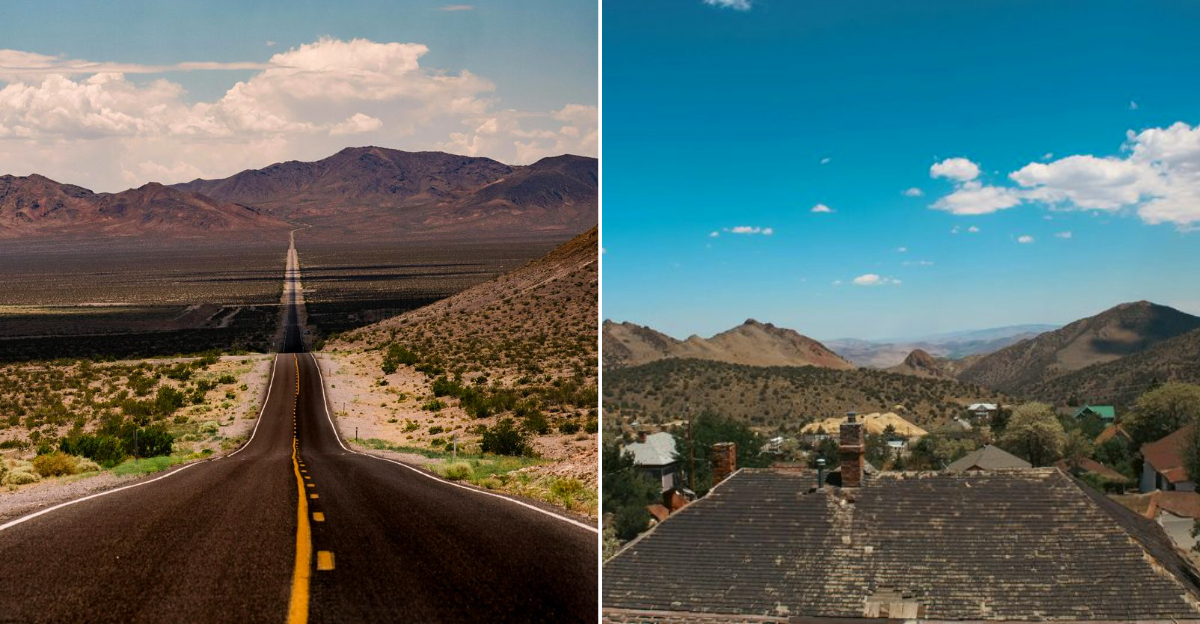
What does it really take to live in Nevada’s desert? For communities spread across wide open land, daily life is shaped by challenges most people never see.
Water must be managed carefully, long drives are part of even simple errands, and the weather can shift from calm to extreme in a matter of hours. Still, there is an energy here that feels surprisingly hopeful.
I have met residents who treat planning like a survival skill and neighbors like extended family. Small wins matter, shared resources matter, and showing up for each other matters most of all.
These struggles do not break these towns. They define them.
Life in Nevada’s desert demands grit, adaptability, and patience, but it also creates tight bonds and deep pride.
Behind the heat and isolation is a community spirit that keeps these places alive, connected, and far stronger than they appear at first glance.
Isolation That Shapes Every Daily Decision
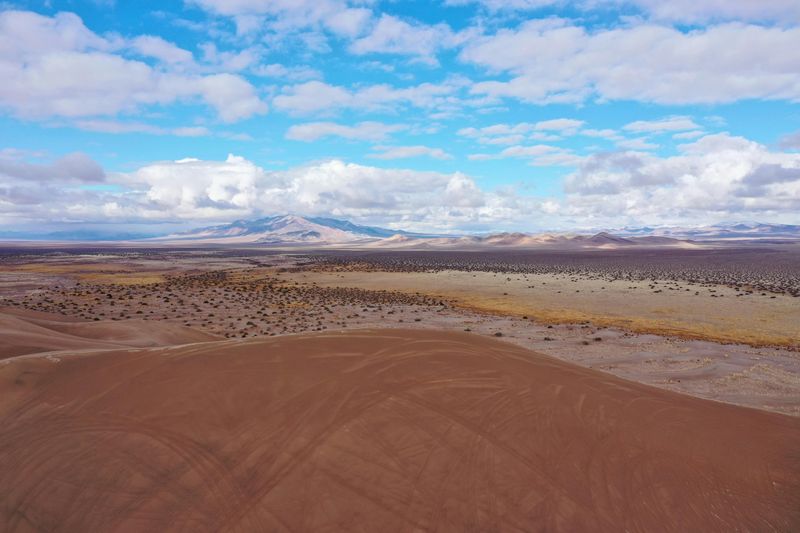
You know that feeling when silence has weight and direction? In places like Alamo or Beatty, isolation is not drama, it is simply the setting for everything you weigh each morning.
Before leaving home, the checklist is longer than you expect.
A charged phone, the extra gallon of water, a paper map just in case service blinks, and a text to someone who will notice if you do not come back.
Errands become bundled missions rather than quick spins. If you are driving to Pahrump, you plan a week’s worth of stops, because wasting miles feels like wasting daylight, and gas is not a casual detail.
Conversations stretch differently when there are fewer of us around. People stand by the post office door and swap road updates, or wind warnings, or which stretch of shoulder gathered nails from a blown tire.
The landscape keeps secrets until it decides not to.
A wash that looked harmless yesterday can slide into the road, and that changes whether a kid gets to a practice or a clinic visit happens on time.
Isolation here teaches pacing rather than panic. You learn what can wait, what cannot, and how to build slack into the day so a small surprise does not turn into a long story.
Extreme Heat As A Constant Presence
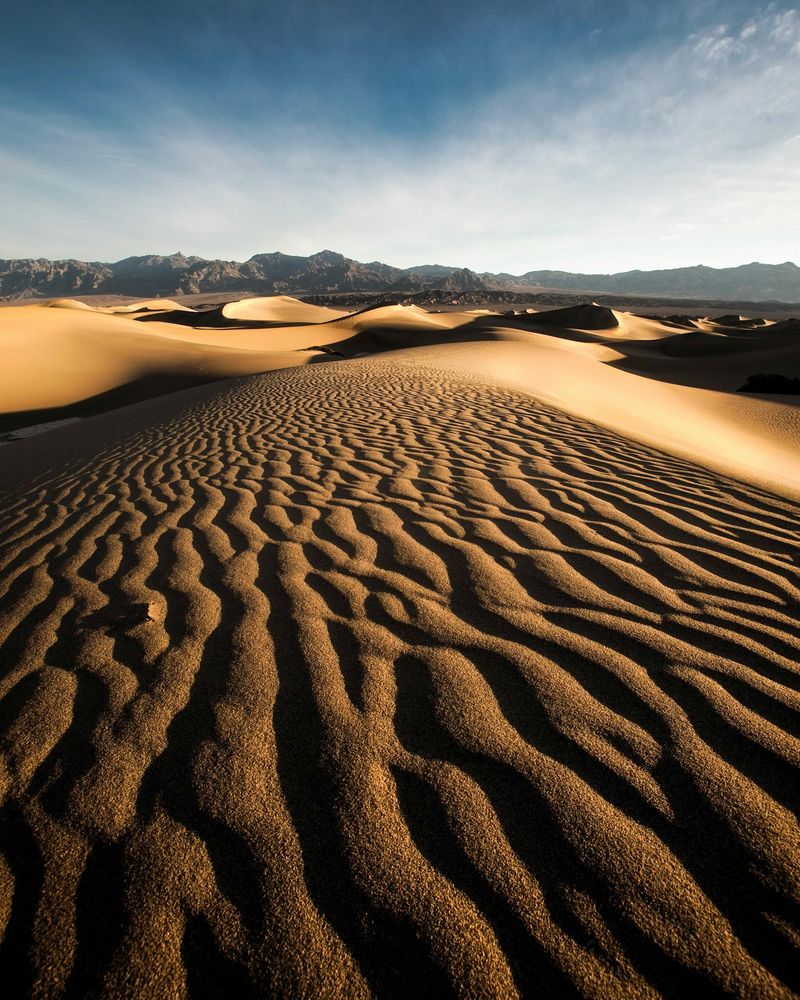
The heat is not a character you beat, it is the roommate you learn to negotiate with.
By late morning in southern Nevada, shade becomes currency and any sliver of it feels like a small win.
Schedules shift without apology. Construction starts before sunrise near Mesquite, errands slide to dusk in Laughlin, and cars carry reflective sun shades like seat belts.
You think of the sun as a timer. If a chore takes too long, you feel it in the back of your neck and the metal of a door handle that bites hard enough to get your full attention.
Public spaces adapt in quiet ways.
Libraries stretch into cool refuges, clinics keep water at the ready, and even the grocery entry turns into a moment of relief before the next blast.
People talk about heat the way others talk about traffic. How many days of it, which direction the wind carried dust, and whether the monsoon teased or followed through.
Gear is simple but nonnegotiable. Wide hats, window tint, cooling towels that live in glove boxes, and an instinct to check on neighbors when the power flickers.
Limited Access To Basic Services

This is where patience becomes a skill rather than a virtue. In parts of Nye County or Lincoln County, the word available is softer than you want when you are looking for a doctor or a mechanic.
Clinics do their best with lean staffing.
Appointments stack, visiting specialists rotate through, and sometimes telehealth fills the gap when the highway says not today.
Dental work can mean a road trip. The same goes for a cracked windshield or a stubborn radiator that needs a shop with the right tools and someone who has the time.
Public services operate like careful choreography. Library hours might shift, the DMV shows up in a mobile unit, and the post office forms a small morning crowd that knows each other by first name.
When something breaks, you triage. Can it be patched, can a neighbor help, or do you rearrange the week around the next drive to Henderson or Las Vegas?
No one wants emergencies, but everyone prepares.
A stash of spare fuses, a first aid kit that is not for show, and a habit of asking who needs anything before you head out.
Long Distances That Redefine Convenience
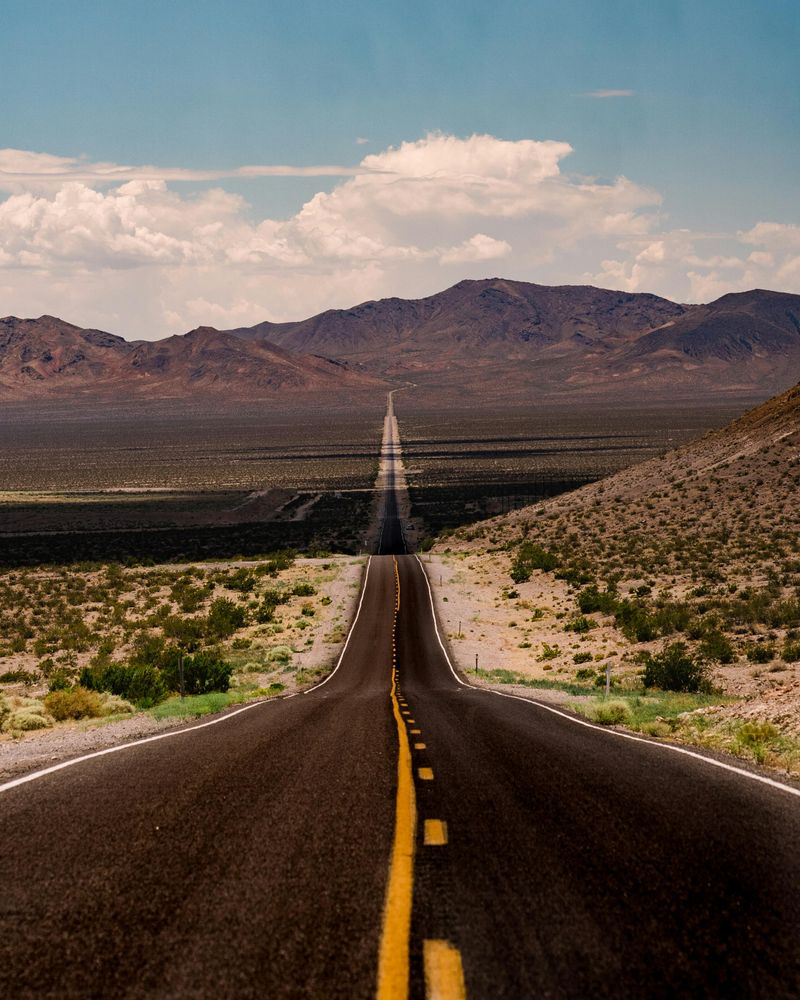
Convenience in Nevada is a different math problem. You add miles, subtract shoulder space, and multiply stops until the day lines up like a row of water bottles on the seat.
The highway gives you time to think.
Out past Caliente or Amargosa Valley, you learn the curves where reception drops and the turnouts that feel safe if a tire starts speaking in thumps.
Small errands expand into itineraries. Hardware, pharmacy, parcel pickup, and maybe the hardware again because you forgot the right gauge on the first pass.
Weather turns the dial without asking. Headwinds unspool your fuel economy, and crosswinds can nudge a high profile rig just enough to make you sit up straight.
People share short cuts that are not shorter, just smarter.
A farm road that saves a climb, a shoulder that stays cleaner, and a shade tree where trucks line up when the afternoon stretches long.
Convenience becomes consistency. Keep the tank above halfway, keep lists in the door pocket, and treat travel time like part of the task rather than an afterthought.
Work Opportunities Tied Closely To Survival
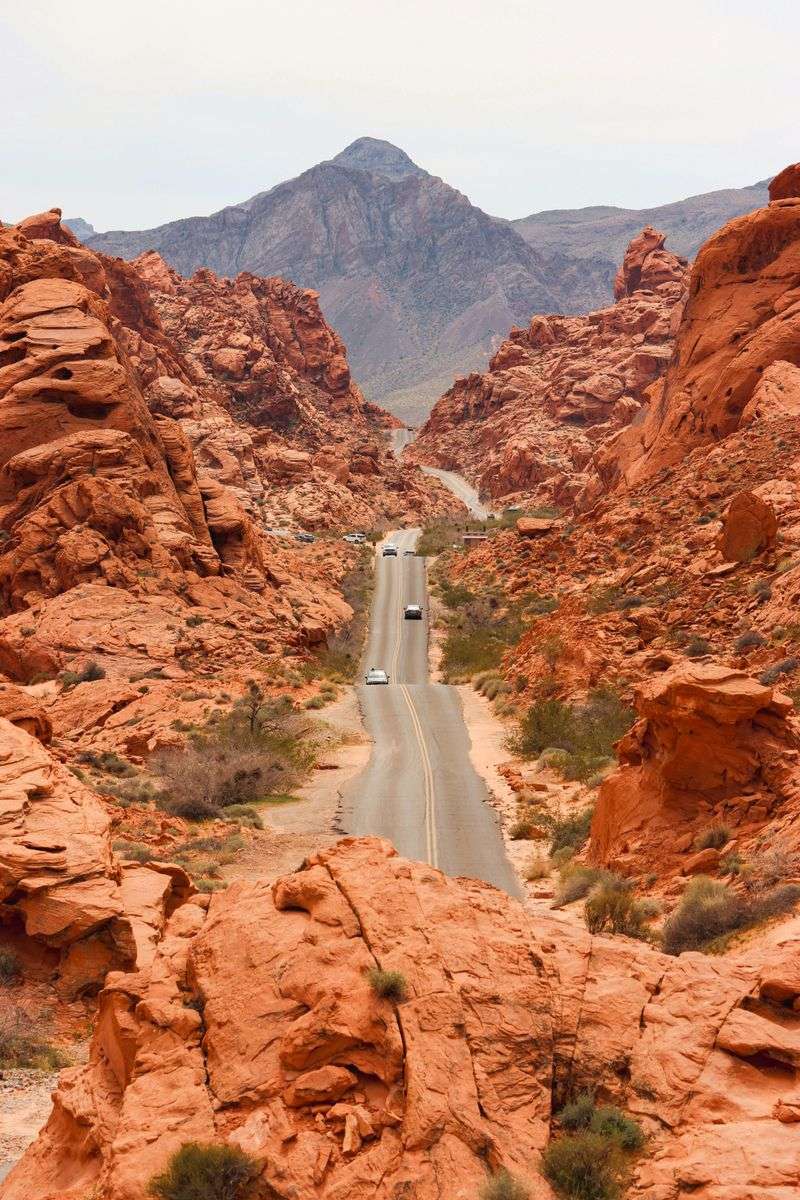
Out here, work is less about titles and more about staying useful.
Folks in places like Tonopah or Searchlight hold two or three skills in their pocket because one job alone does not always ride through a slow season.
Seasonal rhythms call the shots. A construction run picks up, a solar project spins down, or highway maintenance shifts lanes and suddenly the week looks different.
Side gigs are lifelines rather than experiments. Someone grades driveways, someone tunes swamp coolers, and someone else runs parts between towns when a shop is short staffed.
Networking does not happen in conference rooms. It happens outside the hardware store or at the laundromat bulletin board where fresh index cards tell you who is hiring.
There is pride in competence. People fix what they can, trade labor, and know the value of showing up on time when the weather is moody and the road adds an hour.
Survival is not drama here, it is planning with grit.
You keep certifications current, keep boots in the truck, and keep an ear out for work that keeps the lights steady.
Housing That Faces Climate And Cost Pressures
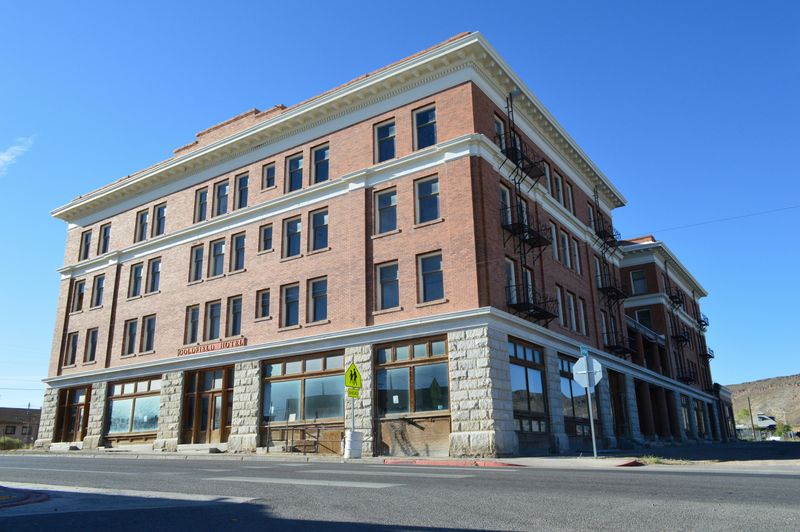
Housing in the Nevada desert works like a long negotiation. You trade square footage for shade, or rent for reliability, and you pay attention to wind more than curb appeal.
Manufactured homes and trailers hold their own with smart tweaks.
Skirting fights dust, shade sails tame the afternoon, and swamp coolers tag team with small heat pumps when the calendar tilts hot.
Repairs are not small talk. Roof coating matters, seals around vents matter, and a leaky window can swing a whole month into the red if the air runs nonstop.
Neighbors compare notes in casual clusters. Who has a trusted handyman, who found good insulation, and whose porch screen survived the last gust without complaining.
Costs move like water in a shallow pan, always shifting.
A place that felt solid gets sold, and suddenly folks are calculating deposits while watching the wind kick sand against the steps.
None of it feels hopeless when community ties are strong. Sharing ladders, sharing tools, and sharing the name of the person who shows up when a hinge gives out at dusk.
Water Awareness As A Way Of Life
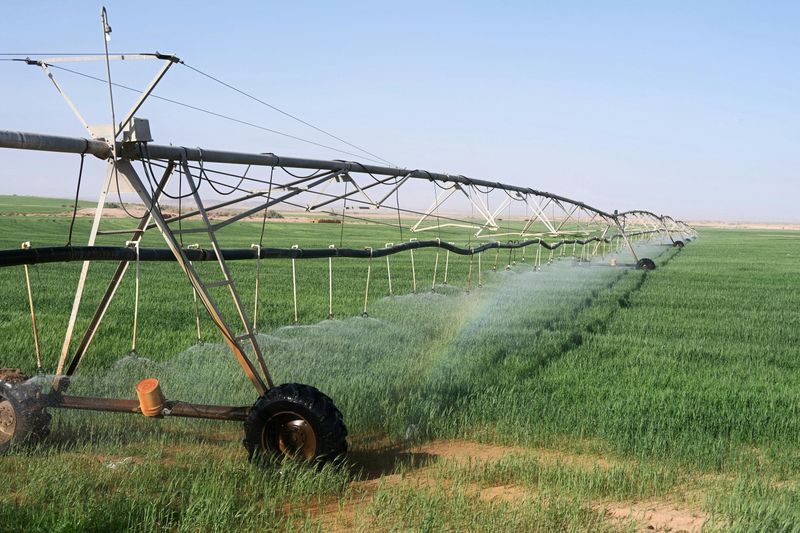
If you want to understand Nevada, watch how people treat water.
Out here, every drop has a task and every task has a plan that starts with restraint.
Yards lean minimalist for a reason. Gravel, native shrubs, drip lines timed like metronomes, and rain barrels that get more attention than most decorations.
Conversations drift toward wells and pressure. Is the pump humming, did the neighbor’s test come back clean, and how long can the storage tank stretch through a hot snap?
Inside, habits are quiet and constant. Shorter showers, full loads, and an ear tuned to the sound of a running toilet like it just announced a leak.
Public reminders are friendly rather than scolding.
Community boards show watering schedules, and local groups post tips when an upgrade rebate might help someone who needs it.
Water awareness becomes culture rather than rule. You grow to respect scarcity, you plan for it, and you feel proud when small choices add up to something steady.
Small Communities Where Everyone Knows Each Other
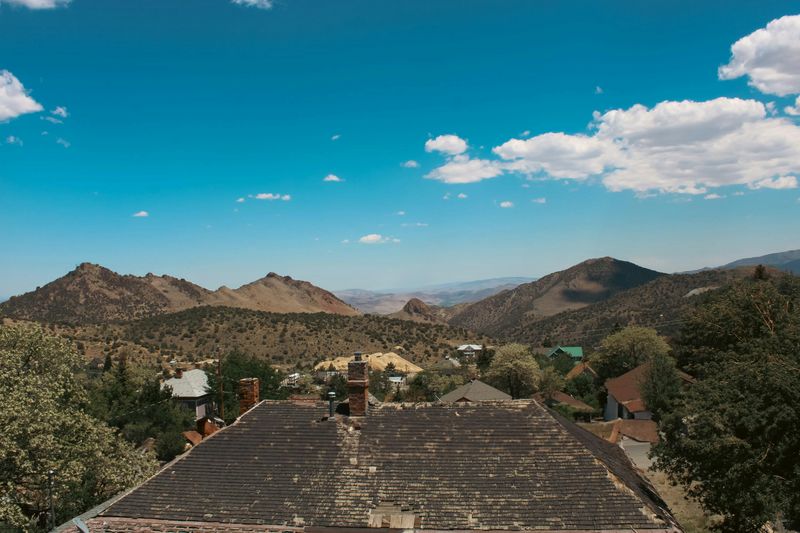
Do you know that sensation when a door swings open and you already hear your name?
In places like Ely or Boulder City, the social map is tight and it keeps people stitched together.
Gossip travels fast, but so does help. A flat tire finds a jack, a lost dog finds a porch, and a job lead finds a pocket before the day cools off.
Events are simple and personal. A school performance fills a gym, a cleanup day fills a street, and a craft fair turns a parking lot into a cheerful maze of shade tents.
There is comfort in being known. It means you wave more than you lock, and someone notices when your truck has not moved by afternoon.
Of course privacy gets thinner. You choose what to share, and the rest you keep for the highway or the quiet stretch behind your house.
Still, the trade feels worth it most days.
Because when something heavy lands, you are not holding it alone for long.
Resilience Built Through Routine And Adaptation

Resilience sounds big, but it is really a stack of small habits.
People across Nevada treat routine like a tool they can hold and sharpen.
Morning checks keep things simple. Tire pressure, water levels, weather radar, and a glance at the power company page before the heat index stretches its shoulders.
Homes evolve like living notebooks. A patch here, a stronger anchor there, and labels on bins so the right part appears when wind gets bossy.
Workflows flex without drama. If the generator coughs, the chores rotate, and if deliveries slip, you swap tasks rather than lose a day.
Kids learn the rhythm early. Backpacks hold water and sun hats, and school pickups come with backup plans when a lane closure drags into the afternoon.
None of this feels heroic from the inside. It is just how you keep the wheels true and the days steady when the desert reminds you who is in charge.
Why Visitors Rarely Understand The Full Picture
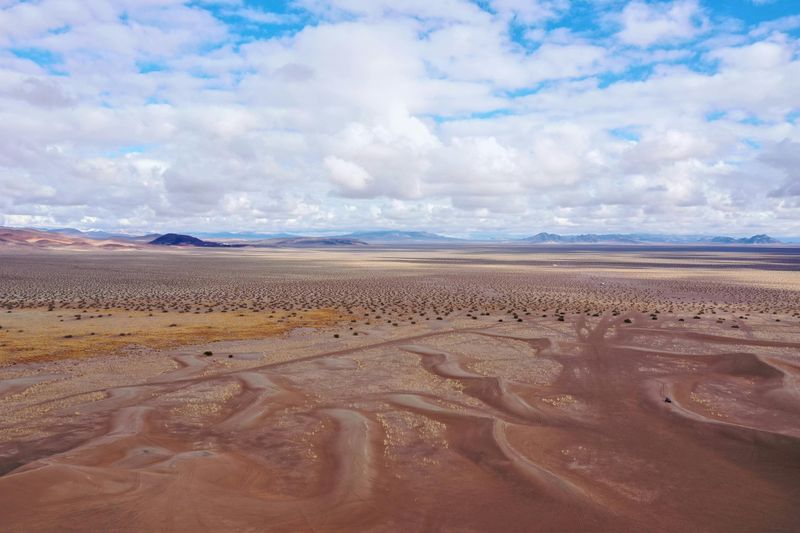
Visitors see distance and call it empty, which misses the whole conversation.
Life out here is packed with choices you cannot see from a pullout on the way to a park.
They feel the heat for an afternoon. Locals arrange entire weeks around it, stacking early starts and late errands so groceries and gear make it home without melting.
They assume a closed sign means quiet. Usually it means someone is down the road fixing a pump, or at a school event, or covering a shift two towns over.
They hear wind and think weather. We hear logistics changing, and that might shift a delivery, cancel a practice, or stretch a commute by a lot.
Nevada teaches a kind of attention that is hard to notice quickly.
You sense when a storm is bluffing, and you know which voices to trust when roads go soft.
If visitors stay long enough, the pattern starts to show. Then the place stops looking empty and starts looking precise, like a map drawn by people who live here.
