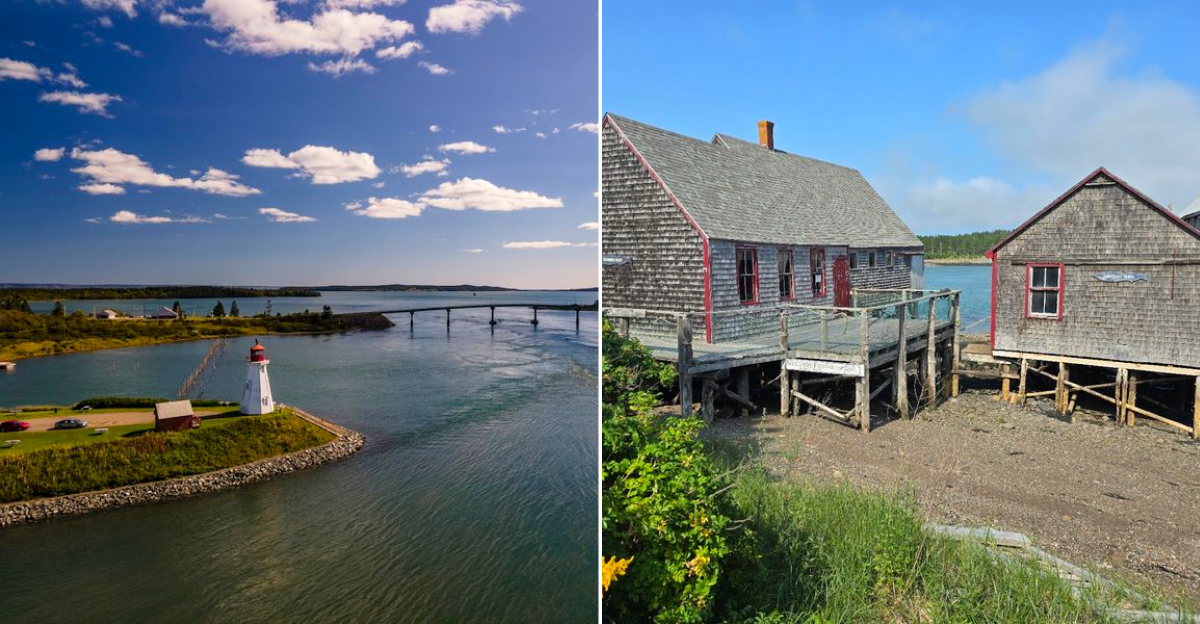
Have you ever stood at the edge of a country and watched the sunrise before anyone else? That is the daily spectacle in this overlooked Maine coastal town, where a candy-striped lighthouse marks the easternmost point of land in the continental United States.
The crowds head elsewhere, leaving rocky shorelines and quiet streets for those who stumble upon this secret. A bridge leads to a Canadian island where a former president once spent his summers, and the waters below still run with the strongest tides on the planet.
The last intact herring smokehouse stands as a museum, a reminder of the days when dozens of factories lined the waterfront and the town was the nation’s leader in smoked fish. Quaint shops and seafood shacks serve lobster rolls to visitors who feel like they have discovered a hidden world.
So which Maine gem offers first light, wild shores, and a working waterfront that time nearly forgot? Pack a warm jacket and a sense of discovery. The easternmost town is waiting, and the sun rises here first.
Downtown Lubec

The first thing that got me about downtown Lubec was how unhurried it felt, like nobody had agreed to turn the place into a performance for visitors and that was exactly the point. You can walk the main stretch and still feel the working town underneath everything, with simple storefronts, sea air, and the kind of local rhythm that makes you slow down without noticing.
It feels lived in, not staged, and that difference comes through almost immediately.
There are family-run shops, places to eat, and little pockets where you can look toward the water and remember how close Canada sits across the channel. I liked that the streets did not feel busy in a showy way, because the town seems more interested in daily life than in trying to impress anybody.
That makes a short walk here feel surprisingly grounding, especially if you have been bouncing between louder coastal stops.
What I would tell a friend is to give downtown a little time and not rush through it on the way to the lighthouse. Look at the boats, notice the older buildings, and let the quiet sink in, because Lubec, Maine does not really reveal itself through big moments.
It gets under your skin through texture, routine, and the sense that the edge of the country can still feel personal.
West Quoddy Head Lighthouse
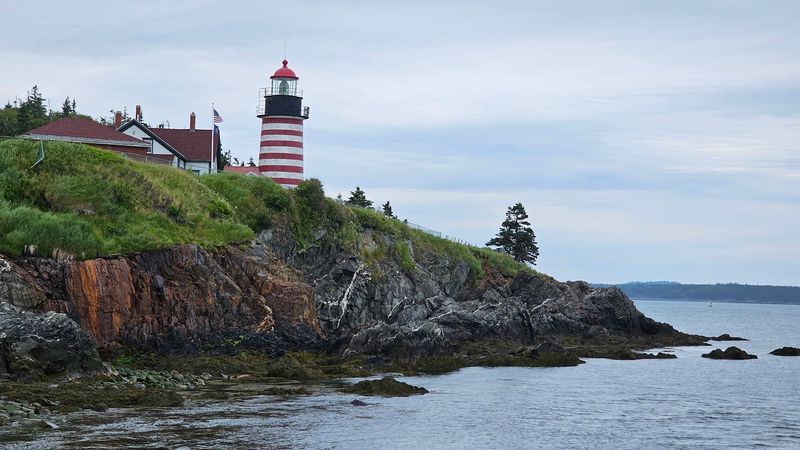
You know that feeling when a place is famous enough to be recognizable but still manages to feel personal when you stand there? That is West Quoddy Head Lighthouse for me, and the red-and-white stripes somehow look even better against the gray-blue water and the rough edge of the cliffs.
It is iconic, sure, but it does not feel overhandled, which is part of why it stays with you.
The setting does a lot of the work, because Quoddy Head has that open, wind-brushed look that makes you want to keep staring longer than you planned. There is something deeply satisfying about standing at the eastern edge of the United States and watching the light, the sea, and the rocky ground all meet in one sharp frame.
Even when the weather turns moody, maybe especially then, the place feels awake and honest.
I would not rush this stop, even if it seems like the obvious thing everybody comes to see. Walk around, look out over the water, and let yourself notice how quiet it can feel once the first excitement settles.
In a state like Maine, where lighthouses can blur together if you move too fast, this one really lands because the landscape around it is just as memorable as the tower itself.
Quoddy Head State Park Trails
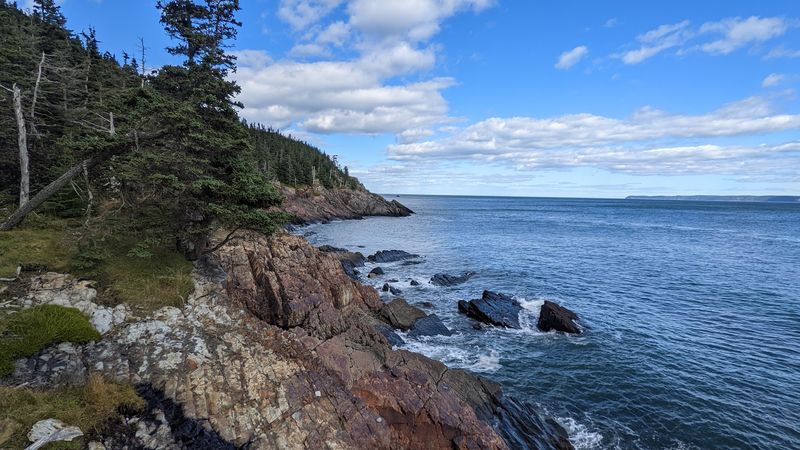
If you only came for the lighthouse, I would gently tell you to keep your shoes on and stay a little longer, because the trails at Quoddy Head State Park are where Lubec starts feeling even more like itself. The paths move through spruce woods and along cliff edges with those sudden ocean reveals that make you stop mid-thought.
It is not flashy hiking, and that is exactly why it feels so good.
What I liked most was the way the trail gives you both shelter and exposure, one minute quiet among trees and the next minute standing beside a sweep of water that feels wide open and slightly wild. The coast out here has a tougher, more weather-shaped personality than many pretty seaside spots, and you can feel that difference with every turn.
Nothing about it feels manicured for applause.
Bring your attention more than anything else, because this is the kind of walk where small details keep rewarding you. The smell of the forest, the sound of waves below the cliffs, and the shifting light do more than any big sign ever could.
Maine has plenty of beautiful trails, but these feel especially tied to the place, like they could not exist anywhere except this far, windy edge of the map.
Mulholland Point And The Bridge View
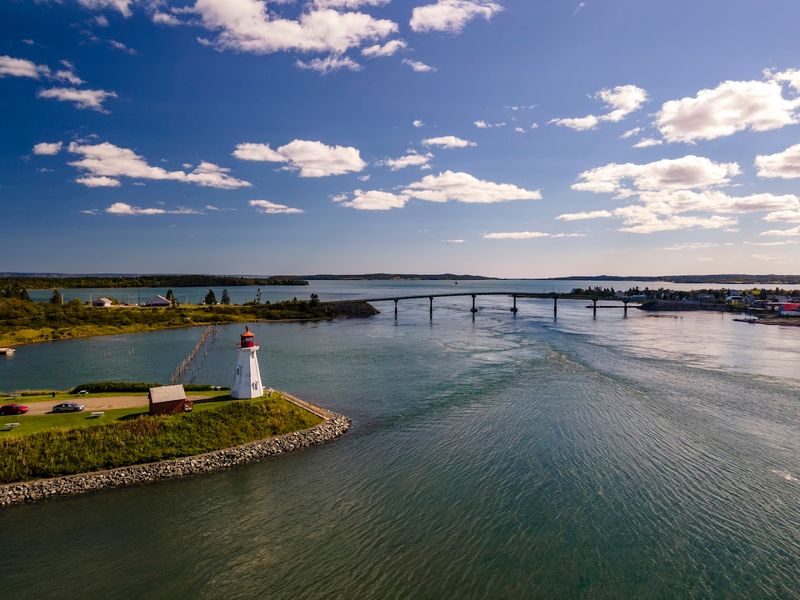
One of the quieter things I ended up loving in Lubec was just looking across the water toward Campobello Island from around Mulholland Point. It is such a simple view, really, but the bridge, the channel, and the steady movement of boats give the whole area this calm border-town feeling that is hard to explain until you stand there.
You are very aware that places connect here, even while Lubec still feels beautifully out on its own.
There is something unusual and memorable about being in a small Maine town where another country feels close enough to study across the water. The shoreline around this area is gentle compared with the dramatic lighthouse cliffs, and that softer mood makes it worth seeing as part of the bigger picture.
It lets you understand Lubec as a community, not just as a scenic stop on a map.
I think this is the kind of place some travelers almost skip because it does not shout for attention, and that would be a mistake. The view carries a lot of atmosphere, especially when the sky is shifting and the water turns silver.
If you like coastal towns that show their character through working landscapes, small crossings, and quiet details, this stretch gives you a really honest piece of Lubec.
Roosevelt Campobello International Park
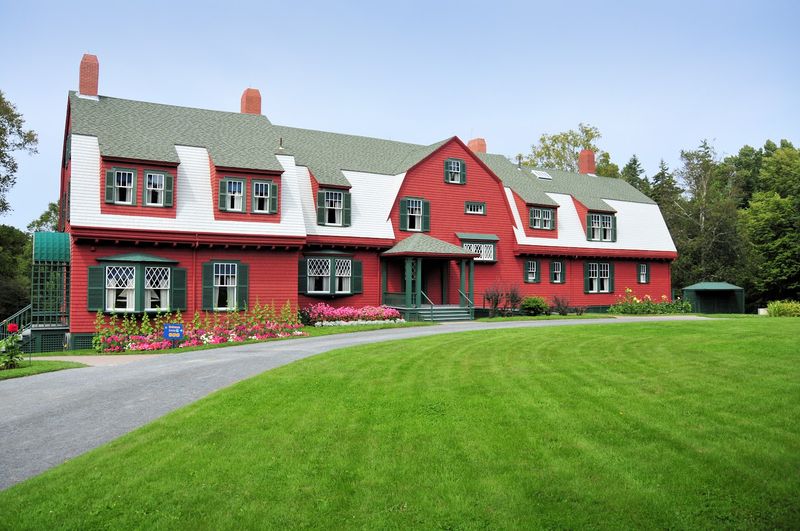
Crossing over to Roosevelt Campobello International Park feels like an easy extension of a Lubec visit, and I liked how naturally it fit into the day instead of feeling like a separate trip. The grounds are peaceful, the coastline is lovely, and the whole place has that slightly windswept calm that belongs to this corner of the world.
Even if you are not usually drawn to historic sites, this one feels more relaxed than formal.
What stayed with me was the setting as much as the history, because the park lets you spend time in that same cool, maritime landscape that shapes Lubec itself. You get woods, shoreline, and big water views, and everything feels a little quieter than you expect.
It is easy to move through the area at a gentle pace and actually take things in.
I would mention this stop to anyone who likes mixing scenery with a little context, especially because it rounds out the experience of being in this far eastern pocket of the coast. You start to understand how connected the region is, with the water linking daily life more than separating it.
That feeling, more than any single landmark, is part of what makes Lubec and the surrounding area so rewarding to explore.
Mowry Beach Preserve
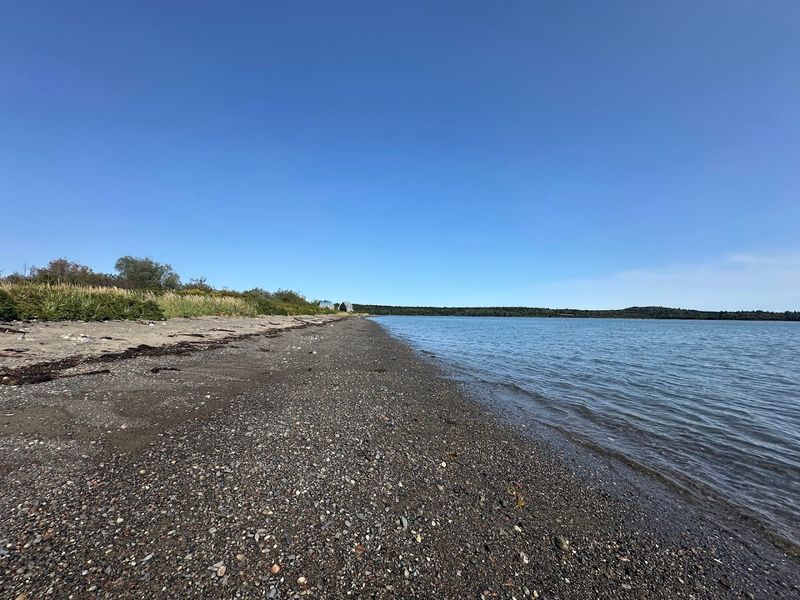
Now if you want a place that feels softer and more reflective, Mowry Beach Preserve really hits that note without trying too hard. The shoreline here has a gentler kind of beauty, with open views, tidal textures, and the sort of quiet that makes conversation naturally slow down.
It is less about one dramatic image and more about settling into the whole mood of the coast.
I liked this spot because it showed a different side of Lubec than the lighthouse postcards do. Instead of cliffs and obvious spectacle, you get an intimate stretch of shore where the water, stones, and changing tide create the interest.
That understated rhythm feels very true to Downeast Maine, where some of the best places ask you to pay attention rather than react immediately.
If you are traveling with someone who likes calm walks, bird life, or just standing still for a while, this preserve is worth weaving into the day. It gives your visit some breathing room and keeps the trip from becoming only about checking famous sights off a list.
In a town that already feels removed from the usual coastal rush, Mowry Beach somehow becomes quieter still, and that is exactly why it lingers in your mind.
McCurdy Smokehouse Museum
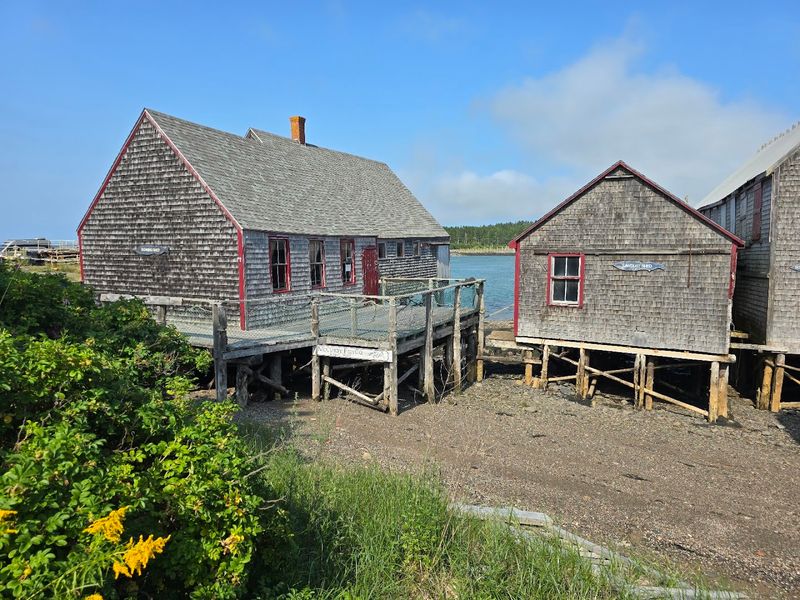
This might sound oddly specific, but the McCurdy Smokehouse Museum is one of those places that helps everything else in Lubec make more sense. You can admire the harbor and the boats all day, but stepping near an old smokehouse on the waterfront gives the town a deeper texture that is hard to get from scenery alone.
It connects the beauty to the labor, and that matters here.
The buildings feel rooted in the working life of the coast, and that is part of what gives Lubec its personality. So many waterfront towns start leaning heavily on charm, while this one still carries visible traces of what built it in the first place.
Standing there, you get a stronger feel for the practical, maritime backbone that keeps the place from turning into a postcard version of itself.
I always appreciate when a town lets you understand it through places that are not trying to dazzle you, and this is one of those stops. It adds weight to the harbor views and makes the whole visit feel less surface-level.
By the time you leave, you are not just remembering lighthouse photos or ocean air, you are also carrying a better sense of how people lived and worked along this piece of the Maine coast.
Lubec Channel Light
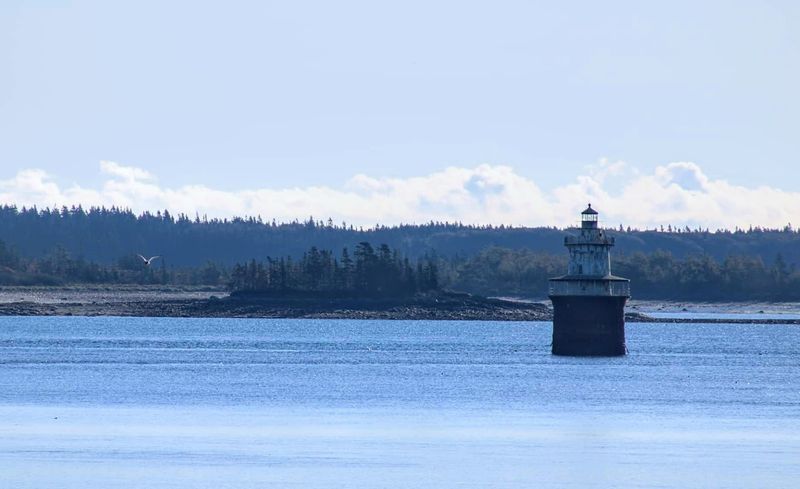
There is something about Lubec Channel Light that feels almost modest compared with the bigger-name lighthouse nearby, and maybe that is why I liked it so much. Sitting out in the channel, it adds one more layer to the view without demanding all of your attention at once.
You notice it, then keep noticing it, and that slower kind of appreciation fits this town really well.
The channel itself is part of the appeal, because there is always a sense of relationship between the lighthouse, the water, the harbor activity, and the land on both sides. It reminds you that this is not just a scenic edge of Maine, but a place shaped by navigation, crossings, and daily coastal work.
Even from shore, the view has movement and purpose in it.
I think places like this are a big reason Lubec feels more memorable than louder destinations. Not every sight here is trying to be the main event, and that gives the town a fuller, more natural rhythm.
You spend the day collecting smaller impressions that begin to add up, and by the time you leave, a light in the channel, a gull call, and the tide moving under gray sky can feel just as lasting as any headline attraction.
Cobscook Shores and Hamilton Cove
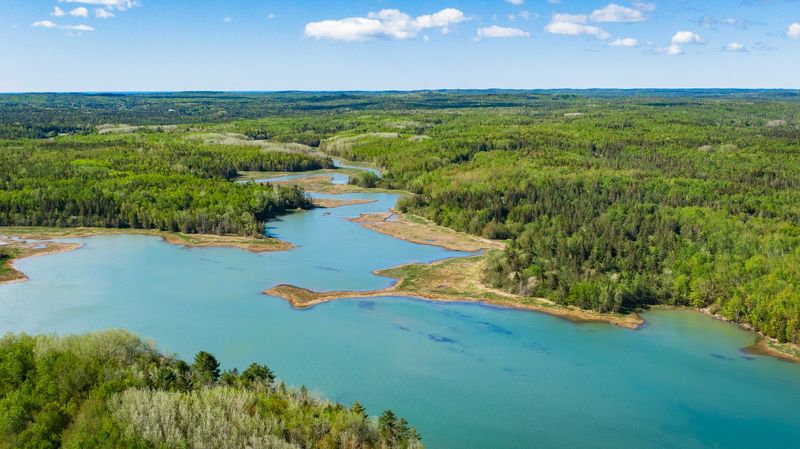
If you are the kind of person who likes a coastal walk that does not feel overexplained, the Cobscook Shores area around Hamilton Cove is such a satisfying detour. The landscape is a mix of woods, tidal shore, and those broad water views that seem to shift every time the light changes.
It feels spacious in a way that settles your mind almost immediately.
What I appreciated here was the sense of room, not just physical space but mental space too. You can walk, pause, and listen without much interruption, and the natural shape of the shoreline keeps things interesting without ever becoming fussy.
Around Lubec, that balance between rugged and calm shows up often, but this area carries it especially well.
I would absolutely suggest this stop if you want a break from more obvious sights while still staying connected to what makes the region special. The tidal world around Cobscook Bay has its own pace, and spending time here helps you tune into it a little better.
By this point in a Lubec trip, you start realizing that the town is not only about dramatic landmarks, it is also about these quieter stretches where land and water keep having a low, steady conversation.
The Bold Coast Gateway
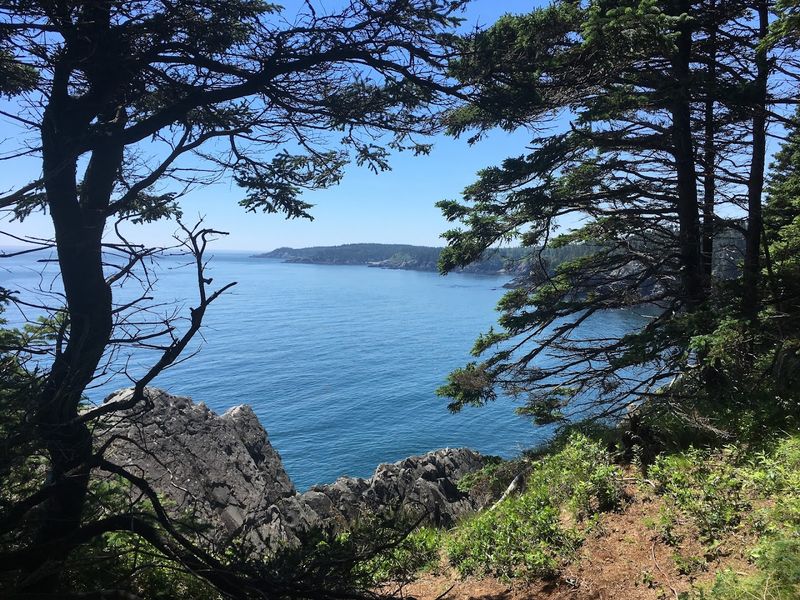
The big thing I kept coming back to was that Lubec does not just stand alone as a town, it also feels like a doorway into the Bold Coast. Even when you are still in town, you can sense that wilder Downeast Maine landscape waiting just beyond the next stretch of road and shoreline.
That feeling gives Lubec an energy that is quiet but never sleepy.
It is a working waterfront place, yes, but it also carries the mood of an outpost at the edge of something larger and more elemental. The air feels brisker, the views feel broader, and the coast seems less polished than in many better-known parts of the state.
If you are drawn to places that still feel shaped by weather, tide, and distance, this whole area delivers that without putting on a show.
Honestly, that is why being ranked among the most overlooked shores in America makes sense to me. Lubec has the scenery people travel for, but it also keeps its own everyday identity intact, which is harder to find now than most lists admit.
Come here expecting something quieter, truer, and a little rough around the edges, and you will probably leave understanding why this far corner of Maine feels so easy to keep thinking about.
