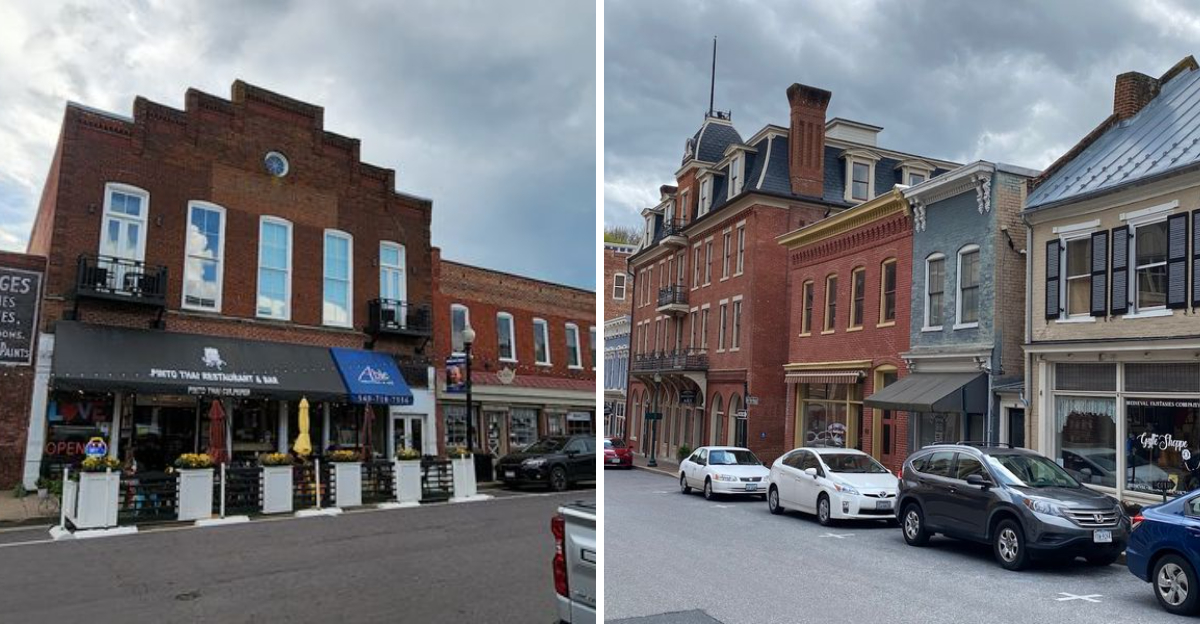
Let’s be real: modern life is exhausting. The notifications, the traffic, the relentless pace.
Sometimes you just want to walk down a street where the biggest scandal is who left their porch light on too late. These ten small towns have no interest in keeping up with the times.
The general stores still creak, the main streets still charm, and the clocks seem to tick a little slower. You will half expect a horse and buggy to roll past.
No time machine required, just a full tank of gas and a craving for quiet.
Williamsburg
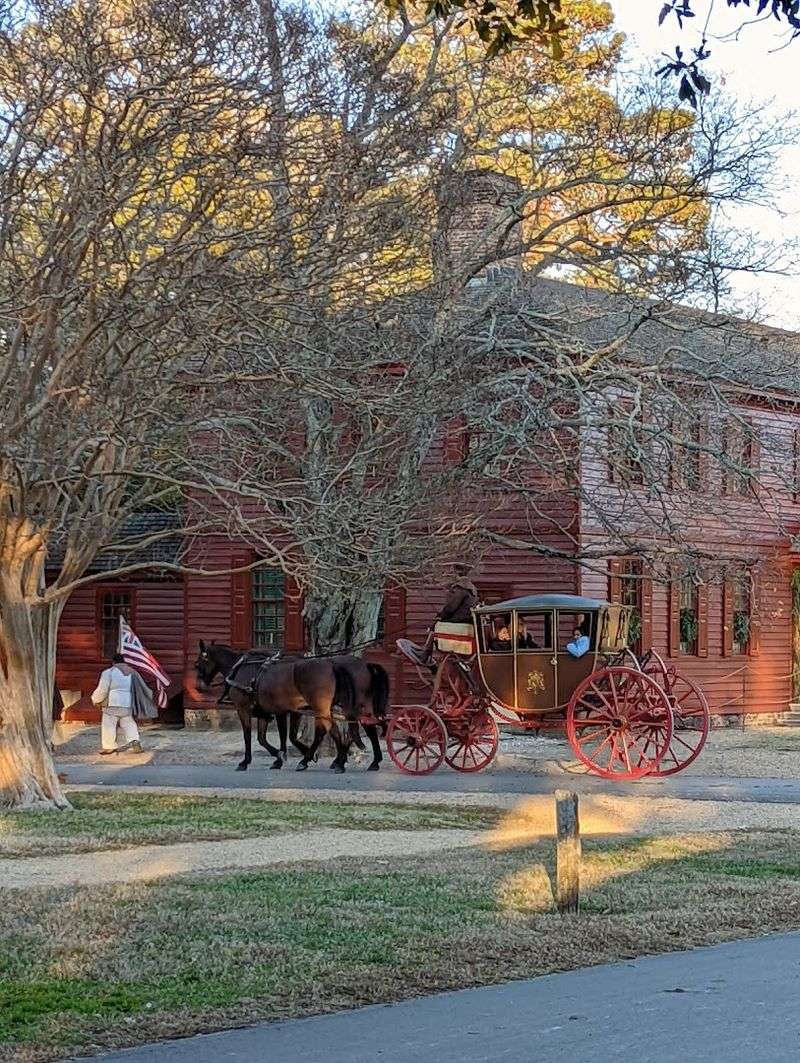
Step onto Duke of Gloucester Street and something remarkable happens: the modern world simply vanishes. Colonial Williamsburg is the largest living history museum on the planet, stretching across more than 300 acres of meticulously restored and reconstructed 18th-century buildings.
The whole place hums with an energy that is genuinely hard to put into words.
Blacksmiths hammer iron, candlemakers dip wicks, and costumed interpreters discuss politics as if the Revolutionary War is still very much undecided. My jaw practically dropped the first time I watched a debate unfold in the Capitol building, performed with the kind of passion that made history feel urgent and alive.
This is not a museum you walk through quietly.
The historic district was founded in 1638, and the sheer density of original and period-accurate structures here is staggering. Every building, garden wall, and lantern post has been researched to extraordinary detail.
Wander down Nassau Street or Palace Green and you will find yourself completely absorbed in another era.
Beyond the living history experience, Williamsburg rewards slow exploration. The College of William and Mary, one of the oldest universities in America, sits right at the edge of the historic area, adding an intellectual energy to the whole town.
Merchants Square, just steps from the colonial district, offers locally owned shops that feel perfectly in keeping with the old-world atmosphere. Colonial Williamsburg is located at 101 Visitor Center Drive, Williamsburg, Virginia.
Honestly, no other town in Virginia delivers this level of full-sensory historical immersion quite so effortlessly.
Abingdon
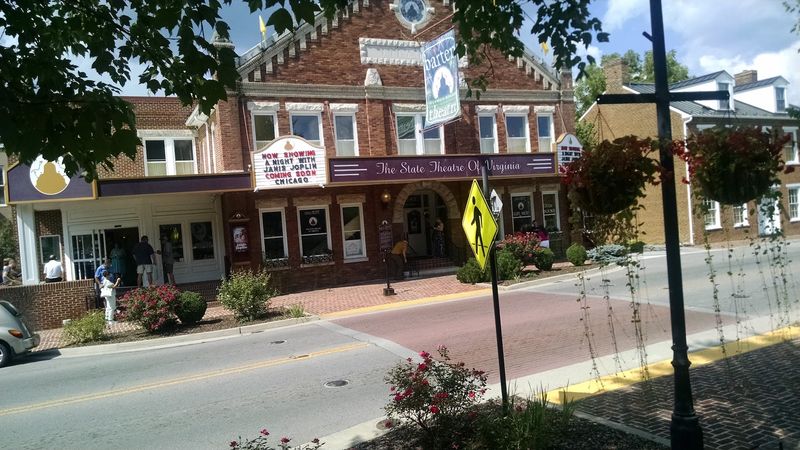
Tucked into the far southwestern corner of Virginia, Abingdon is the kind of town that sneaks up on you and then refuses to let go. The historic downtown stretches for 20 blocks, lined with handsome brick buildings dating to the late 1700s.
Walking those streets feels less like sightseeing and more like stepping into a living painting.
The crown jewel of Abingdon is undeniably the Barter Theatre, a professional regional theater with a legendary origin story. During the Great Depression, founder Robert Porterfield allowed audiences to trade farm produce for admission, keeping the arts alive during the hardest of times.
Today it stands as Virginia’s State Theatre, still drawing audiences who appreciate both history and first-rate performances.
Beyond the theater, the town’s art galleries, independent bookshops, and locally owned boutiques are housed in buildings that have witnessed centuries of American life. The Virginia Creeper Trail, a beloved rail-trail stretching through the Appalachian highlands, begins right here in Abingdon, making it a magnet for outdoor enthusiasts as well as history lovers.
The surrounding Blue Ridge landscape gives the whole town a moody, cinematic quality that changes beautifully with the seasons. Fall is particularly spectacular, when the mountains turn gold and amber and the old brick of downtown glows warm in the afternoon sun.
Abingdon is located at 335 Cummings Street, Abingdon, Virginia. If Virginia had to pick one town that perfectly balances mountain beauty with small-town historic character, Abingdon would win that title without much debate.
Staunton
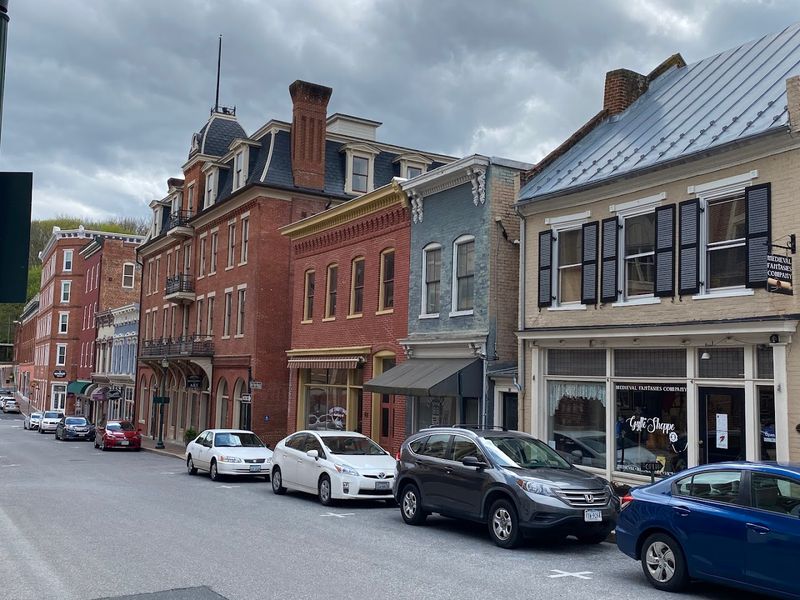
Most Civil War towns in Virginia carry visible scars from the conflict, but Staunton is a remarkable exception. Union forces bypassed the city during the war, leaving its extraordinary collection of 19th-century architecture completely intact.
The result is a downtown that feels genuinely, almost impossibly, Victorian.
Six separate National Historic Districts cover the city, packed with Italianate, Queen Anne, and Romanesque Revival buildings that look as if they were built last decade and simply never updated. The Wharf Historic District and the Stuart Addition are personal favorites of mine, offering block after block of architectural eye candy that serious history lovers will find absolutely intoxicating.
Staunton also holds the distinction of being the birthplace of Woodrow Wilson, the 28th President of the United States. His birthplace and presidential library sit in a stately Greek Revival manse right in the heart of town, offering a fascinating window into both the man and his era.
The Blackfriars Playhouse, a faithful reconstruction of Shakespeare’s original indoor theater, adds a cultural dimension that makes Staunton feel genuinely world-class.
The Beverley Street corridor is the social heart of downtown, buzzing with independent restaurants, coffee shops, and galleries that give the old bones of the city a wonderfully lively pulse. Farmers markets, live music events, and art walks keep the calendar full year-round.
Staunton is located in Augusta County, Virginia, with its downtown centered around Beverley Street. For anyone who loves architecture, presidential history, and Shakespearean drama all in one compact walkable package, Staunton is absolutely unmissable.
Lexington
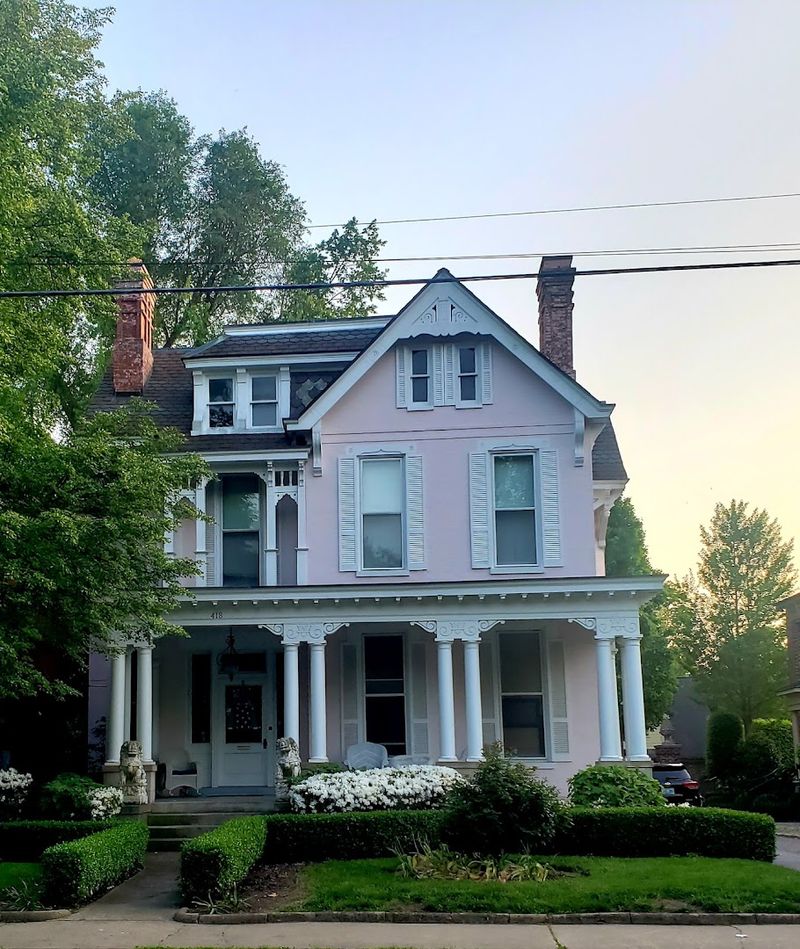
Red-brick sidewalks, gas-lit storefronts, and the kind of quiet dignity that only comes from centuries of continuous history: Lexington wears its past with effortless grace. The downtown looks almost unchanged from the 1860s, a fact that becomes more remarkable the longer you linger on its charming streets.
Few towns in Virginia manage to feel this authentically preserved without tipping into the theatrical.
Two of the most storied institutions in American education anchor this small city. Washington and Lee University, founded in 1749, occupies a stunning hilltop campus of white-columned buildings that practically define the word “collegiate.” Just across the road, the Virginia Military Institute adds a completely different architectural energy with its Gothic Revival barracks and a campus that has shaped American military history for generations.
History lovers will find the Stonewall Jackson House particularly compelling. The Confederate general lived here before the Civil War, and the restored rooms offer a quietly powerful glimpse into antebellum Virginia life.
The Lee Chapel and Museum on the Washington and Lee campus is another essential stop, housing Robert E. Lee’s famous recumbent statue and his family’s crypt.
Natural Bridge State Park sits just a short drive from town, where a 215-foot natural limestone arch has been drawing astonished visitors for centuries. Thomas Jefferson himself once owned the bridge and considered it one of the most sublime sights in America.
Lexington is located in Rockbridge County, Virginia, centered around Main Street and Nelson Street. The combination of academic energy, military heritage, and geological wonder makes Lexington genuinely one of a kind.
Middleburg
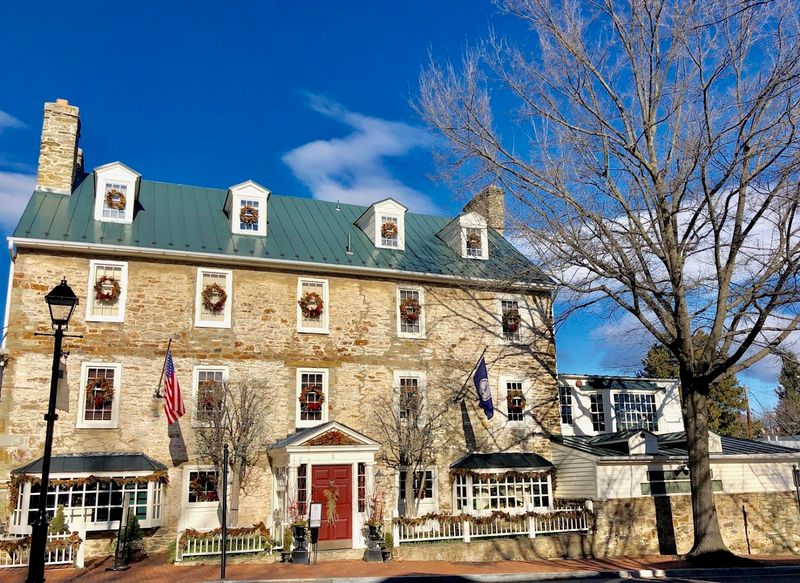
Middleburg moves at the pace of a well-bred horse, which is entirely appropriate given that this little town is the undisputed capital of Virginia’s horse and hunt country. Established in 1787 as a midpoint stop along the Ashby’s Gap Turnpike, the town has barely changed its silhouette since the 18th century.
The main street is a gorgeous procession of stone and brick buildings that seem to have grown organically from the Loudoun County landscape.
The Pink Box, the Red Fox Inn, and the National Sporting Library and Museum are just a few of the landmarks that give Middleburg its distinctive personality. The Red Fox Inn, in particular, claims to be the oldest continuously operating inn in America, and its stone facade and low-beamed ceilings make that claim entirely believable.
History practically seeps from the walls.
Surrounding the town, rolling pastures and white-fenced estates stretch toward the Blue Ridge in every direction. This is the Virginia Piedmont at its most cinematic, a landscape that has attracted artists, writers, and equestrians for generations.
The annual Middleburg Classic horse show and the Middleburg Film Festival bring a cosmopolitan energy to this otherwise quietly aristocratic corner of the state.
Boutique shops selling equestrian gear, handmade jewelry, and locally sourced goods line Washington Street, making the main drag a genuinely rewarding place to spend an afternoon. Middleburg is located at Washington Street, Middleburg, Virginia.
The whole town feels like a secret that Virginia has been keeping from the rest of the country, and honestly, that is a big part of its charm.
Cape Charles
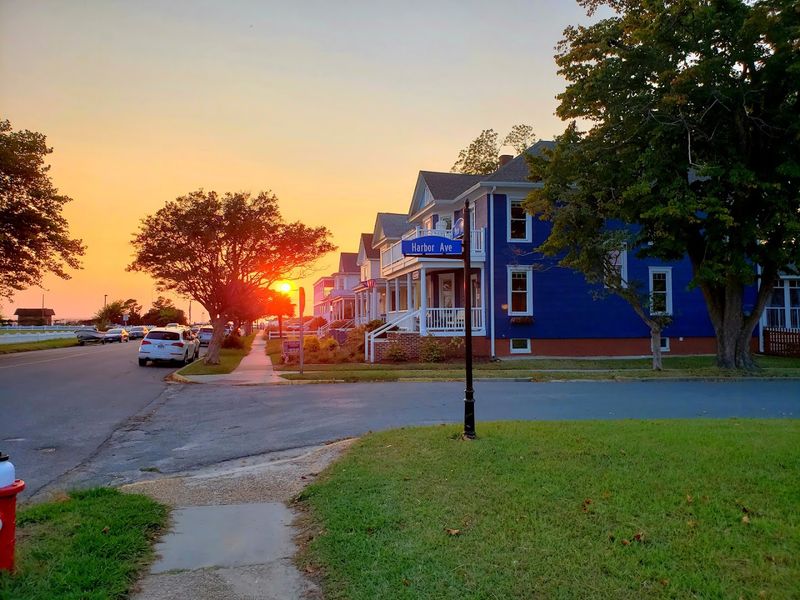
Cape Charles is the kind of coastal discovery that makes you immediately start calculating how quickly you could relocate there. Perched on Virginia’s Eastern Shore at the northern tip of the Delmarva Peninsula, this small town holds what many architectural historians consider the largest concentration of late-Victorian and turn-of-the-century buildings on the entire East Coast.
That is not a minor claim, and one walk through the historic district confirms it completely.
The town was built in the 1880s as the southern terminus of the New York, Philadelphia and Norfolk Railroad, and the prosperity of that era is written all over its streets. Sweeping Queen Anne and Colonial Revival homes line Mason Avenue and Tazewell Avenue, their wraparound porches and decorative gingerbread trim glowing in the soft Eastern Shore light.
The whole neighborhood is listed on the National Register of Historic Places.
A public beach right at the end of Bay Avenue gives the town a relaxed, summery energy that balances its Victorian grandeur beautifully. The Chesapeake Bay sunsets here are genuinely legendary, painting the sky in shades of pink and orange that feel almost too beautiful to be real.
Local shops and galleries along Mason Avenue add creative energy to the historic streetscape.
Cape Charles also serves as the gateway to the Cape Charles National Wildlife Refuge, a spectacular bird migration corridor that draws serious birders from across the country every autumn. Cape Charles is located at Mason Avenue, Cape Charles, Virginia.
This is Virginia at its most quietly spectacular, a town that rewards those who make the effort to reach it.
Occoquan
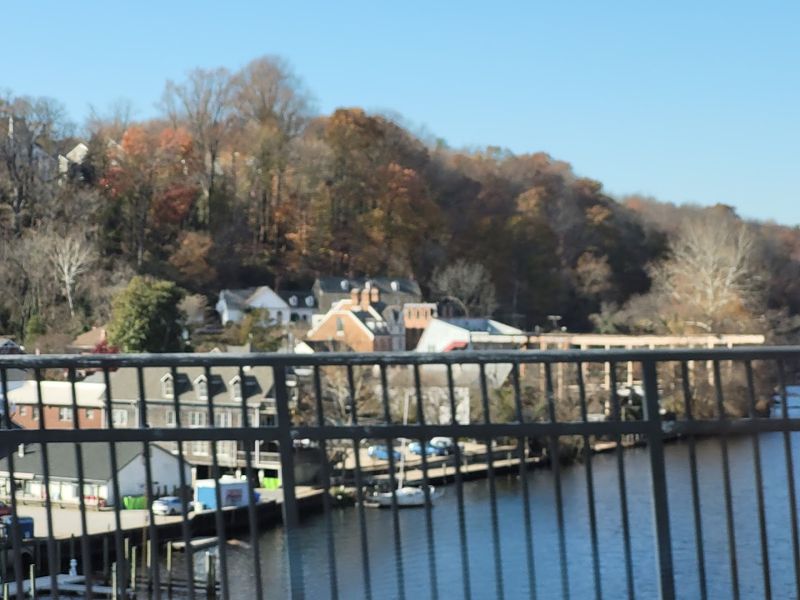
Occoquan is tiny, and it knows it, and it absolutely does not care. This little mill town tucked along the banks of the Occoquan River in Prince William County packs more historic character per square foot than towns ten times its size.
The cobblestone streets, stone mill buildings, and gas lanterns create an atmosphere so atmospheric it borders on theatrical, except that every bit of it is completely genuine.
The town’s history stretches back to the early 18th century, when it became a thriving tobacco inspection point and later home to America’s first automated grist mill. That industrial heritage is still visible in the old mill buildings that now house art galleries, antique shops, and independent boutiques.
The Occoquan River shimmers just steps away, adding a serene waterfront quality to the whole scene.
Artists discovered Occoquan decades ago and never really left, which gives the town a creative energy that sits beautifully alongside its historic bones. The annual Occoquan Arts and Crafts Show is one of the largest outdoor art fairs on the East Coast, drawing thousands of visitors to streets that otherwise feel blissfully quiet.
Local artisans maintain studios in the same buildings where colonial-era craftsmen once worked.
The Riverwalk trail along the Occoquan River offers gorgeous views of the water and the forested hills beyond, making this a wonderful destination for a slow, contemplative afternoon. Occoquan is located at Mill Street, Occoquan, Virginia.
Just 30 miles south of Washington, D.C., it feels like a completely different world, which is precisely the point.
Leesburg
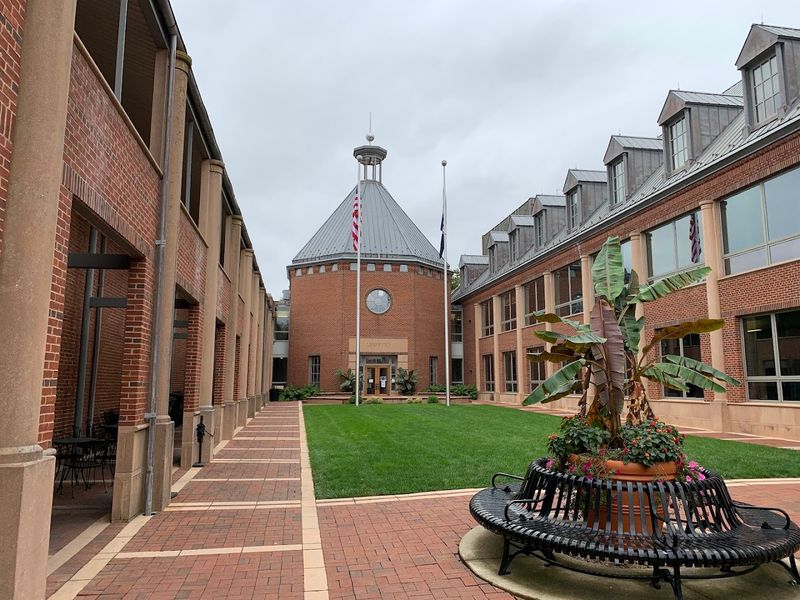
Founded in 1758 and named for the prominent Lee family of Virginia, Leesburg has been doing this historic charm thing for a very long time and has clearly mastered the art. The downtown historic district radiates out from the handsome 1894 courthouse on King Street, a compact grid of 18th and 19th-century brick buildings that house locally owned shops, restaurants, and galleries.
The whole area is walkable, photogenic, and almost aggressively charming.
During the War of 1812, Leesburg played a genuinely dramatic role in American history. Government documents, including the original Declaration of Independence and the Constitution, were secretly transported here for safekeeping when British troops threatened Washington.
That brush with destiny gives Leesburg a quiet gravitas that you can almost feel as you walk its streets.
The surrounding Loudoun County landscape amplifies the town’s appeal considerably. Rolling hills, stone fences, and vineyard-dotted farmland stretch in every direction, making Leesburg the natural hub of Virginia’s wine country.
The Loudoun County Wine Trail connects dozens of award-winning wineries within easy driving distance of downtown, giving visitors a perfect reason to extend their stay.
Morven Park, a stunning estate just outside town, offers 1,000 acres of parkland surrounding a Greek Revival mansion that once served as the home of a Virginia governor. The Loudoun Museum on Loudoun Street provides excellent context for the town’s remarkable history.
Leesburg is located at 25 West Market Street, Leesburg, Virginia. For a town this close to the nation’s capital, the sense of peaceful, unhurried history here is a genuine and welcome surprise.
Smithfield
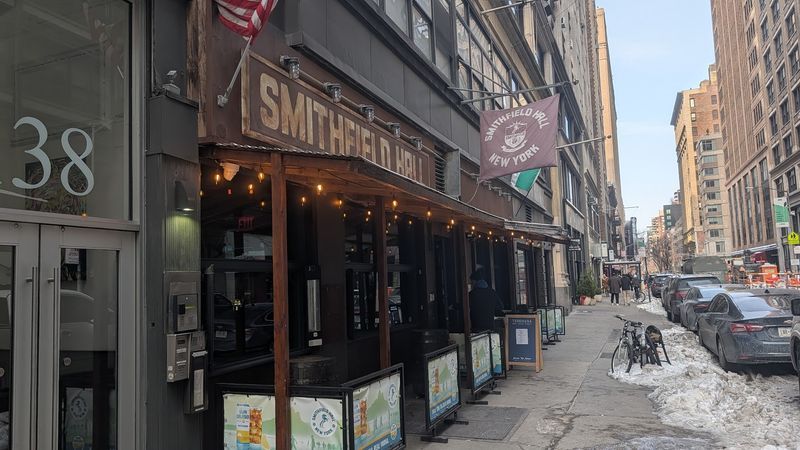
Smithfield is the kind of southern small town that makes you want to slow down, sit on a porch, and simply absorb the atmosphere. Located in Isle of Wight County along the Pagan River, the town traces its colonial roots back to the early 17th century, making it one of the oldest continuously inhabited communities in Virginia.
The historic district is a gorgeous collection of Victorian homes, colonial-era commercial buildings, and tree-shaded streets that feel genuinely timeless.
The 1750 Isle of Wight County Courthouse is one of the oldest courthouses still standing in Virginia, a beautifully preserved colonial structure that anchors the historic core of downtown. St. Luke’s Church, located just outside town on Route 10, is even older, dating to the mid-1600s and recognized as the oldest surviving Gothic church in America.
Standing inside its ancient brick walls is a quietly overwhelming experience.
The Smithfield and Isle of Wight County Museum on Main Street does an excellent job of tracing the town’s layered history, from its colonial origins through its growth as an agricultural and commercial hub. The waterfront along the Pagan River adds a peaceful, scenic dimension that rewards an evening stroll.
Main Street itself is lined with independently owned shops, antique stores, and galleries housed in beautifully maintained historic buildings. The whole town has a warmth and authenticity that feels genuinely Southern in the best possible sense.
Smithfield is located at 310 Main Street, Smithfield, Virginia. Virginia has many historic towns, but few carry their colonial heritage with quite this much quiet pride and architectural grace.
Culpeper
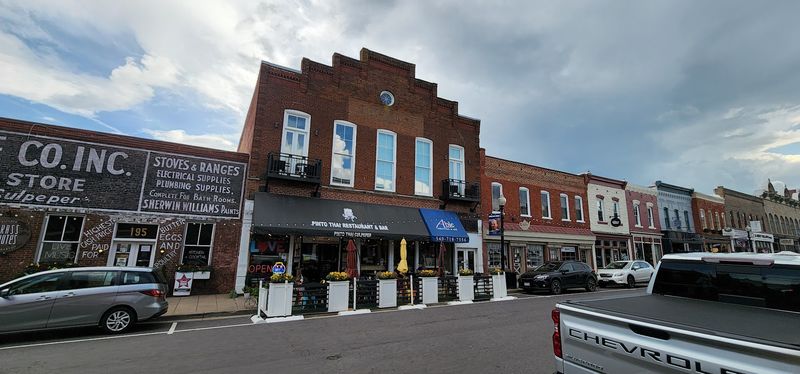
Culpeper sits at a geographic crossroads that made it strategically important during the Civil War, and that history is still written all over the town in the most compelling way. The downtown historic district is anchored by a handsome Italianate courthouse and a beautifully restored historic train depot that dates to the 19th century.
Both buildings have witnessed more American history than most textbooks cover.
During the Civil War, Culpeper changed hands between Union and Confederate forces more than 70 times, a staggering statistic that gives the whole town a layered, complex historical identity. The Museum of Culpeper History, housed in the restored train depot on Davis Street, does a superb job of capturing this turbulent past through engaging exhibits and genuine artifacts.
The surrounding countryside is dotted with Civil War battlefields, including Cedar Mountain and Brandy Station, where some of the largest cavalry engagements in American history unfolded.
Downtown Culpeper has undergone a quiet but impressive renaissance in recent years. Independent shops, art galleries, and locally owned restaurants now fill the 19th-century storefronts along Davis Street and East Davis Street, giving the historic fabric of the town a lively, contemporary pulse without sacrificing an ounce of its character.
The Culpeper Farmers Market adds a wonderful community energy on weekend mornings.
The Piedmont landscape surrounding the town is gorgeous in every season, with vineyards and farmland rolling toward the Blue Ridge in the distance. Culpeper is located at 135 West Davis Street, Culpeper, Virginia.
This is Virginia history at its most raw, most real, and most rewarding, a town that earns every bit of your attention.
