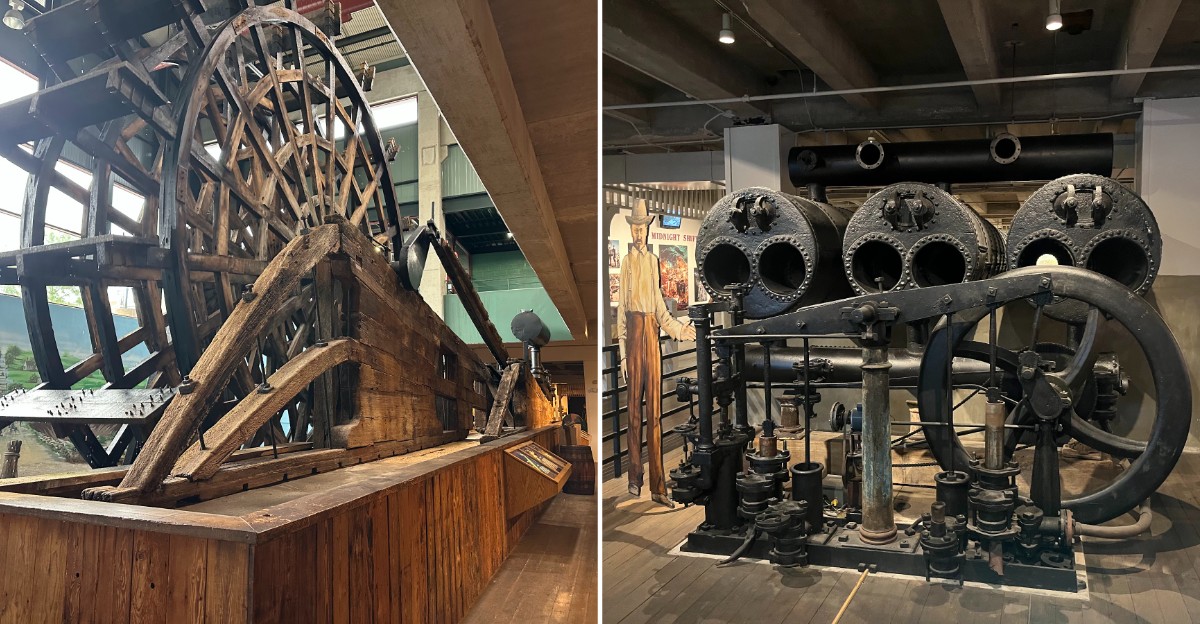
This is one of those museum stories that sounds made up until you see the evidence. A steamboat sank in 1856, disappeared under the Missouri River landscape, and sat there for more than a century with tons of cargo still packed inside.
When it was finally dug up, the haul was wild: shoes, tools, dishes, food, buttons, toys, and all kinds of everyday stuff headed for frontier towns. Now, much of it is on display in Missouri, and that is what makes the museum so fun to wander through.
You are not just looking at big historical objects. You are seeing the little things people actually bought, used, wore, and carried around.
It feels less like a formal history lesson and more like opening a giant time capsule.
The Snag That Sank Everything
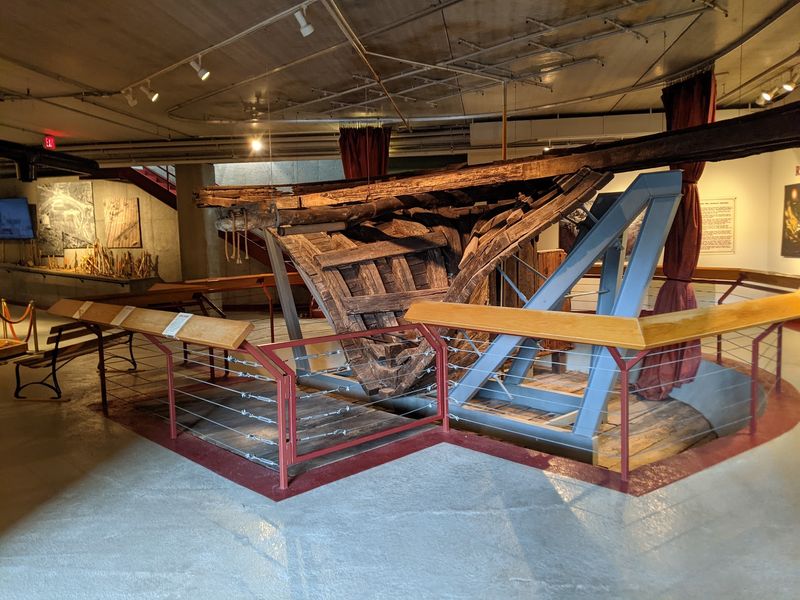
Picture a big wooden side-wheel steamboat loaded to the ceiling, pushing upriver with a couple hundred people on board, and then suddenly running straight into a submerged walnut tree that nobody could see. That snag punched through the hull, and the boat went down in a matter of minutes near what is now Kansas City.
The crew got everyone off, which is remarkable when you think about how quickly the water came in and how heavy that cargo was. The only life lost belonged to a mule that had been tied to the deck and could not be freed in time.
Snags were the biggest killer of riverboats back then, and the Missouri River was packed with them because the banks kept collapsing and dropping whole trees into the channel. Boats were considered lucky if they lasted a few seasons before something tore them open.
Once you understand how ordinary this kind of disaster was, the museum makes a lot more sense. The Arabia was not special because it sank.
It became special because the river buried it so completely that nobody could get to the cargo, and that accident of geology is the entire reason you can walk in and see it all today.
Where To Actually Find The Place
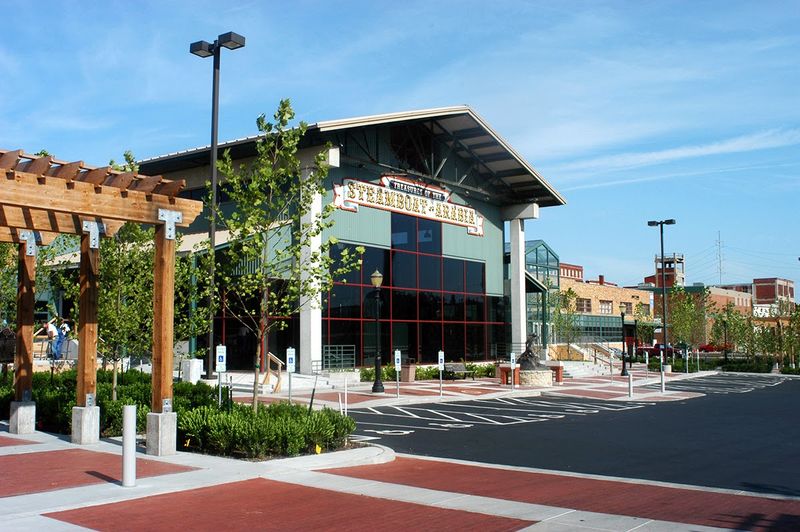
You will find the museum sitting right in the City Market area of downtown Kansas City, at 400 Grand Blvd, Kansas City, MO 64106, which puts it in the middle of one of the older and more walkable corners of the city.
The location works in your favor because the market district around it has produce stands, coffee spots, and shops, so you can make a whole morning or afternoon out of the trip without driving anywhere else. Parking in that part of town is manageable, and the streetcar runs close by if you would rather not deal with a car at all.
The building itself does not shout at you from the street, which surprises some people who expect something flashy for a collection this significant. It reads as a solid, unfussy brick structure that fits the neighborhood.
Give yourself more time than you think you need. Folks regularly plan on an hour and end up staying two or three, because the exhibits are dense and you keep stopping to look closer at things.
If you are traveling through Missouri and only have room for one indoor stop, this is a strong pick.
Two Hundred Tons Headed For The Frontier
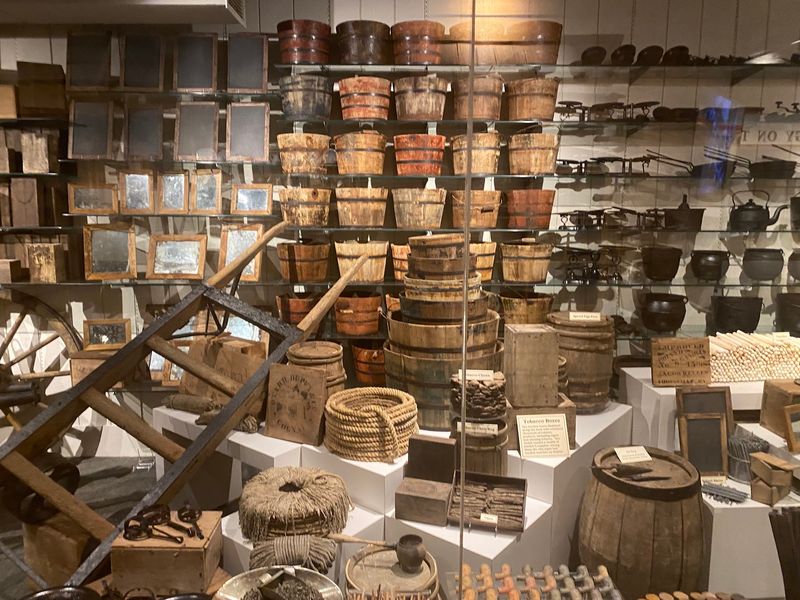
Here is the number that gets people: somewhere around two hundred tons of freight went down with that boat, all of it bound for general stores and settlements scattered across the western frontier.
Think about what that actually means. Every single item was something a pioneer family had ordered or would soon need, from buttons and thread to hardware and dishes.
Nobody packed it for a museum. It was just merchandise moving upriver to people building lives out in open country.
That is what makes the collection so different from most history displays, where you usually see the fancy possessions of wealthy folks because those were the things worth saving. This cargo is ordinary on purpose, and ordinary turns out to be far more interesting.
You start noticing patterns as you walk through, like how much of the shipment was practical gear versus small comforts. There is plenty of both, which tells you frontier families were not only surviving but also wanted nice things.
The scale is genuinely hard to process until you are standing in front of case after case. It just keeps going, and the museum in Missouri has still not finished processing everything that came out of the ground.
The Cornfield Dig That Started It All
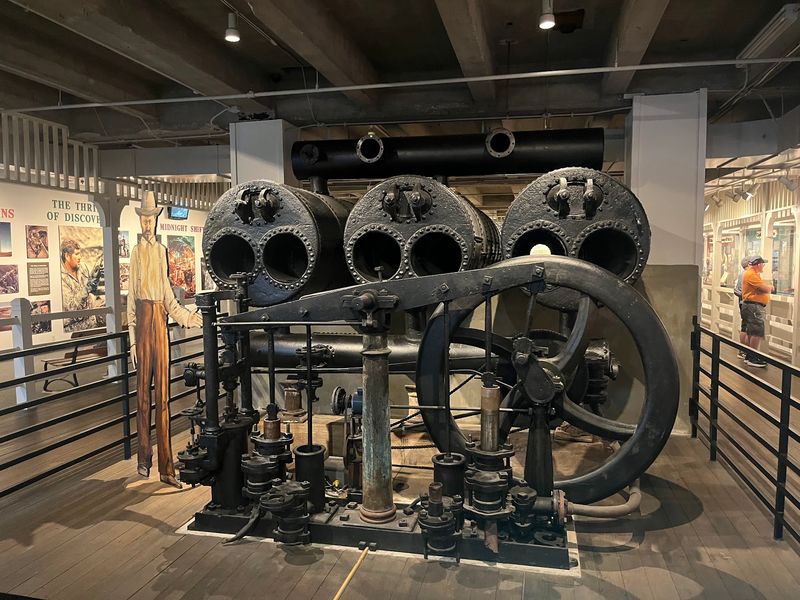
A local family named Hawley got obsessed with finding this boat, and they did it the old-fashioned way by studying historic maps and walking fields with metal detectors until something pinged.
The catch was that the river had wandered off over the decades, leaving the wreck about half a mile from the modern channel and roughly forty-five feet below a Kansas cornfield. That is deep, and the ground down there was full of water that kept flooding the hole.
They had to run enormous pumps around the clock just to keep the pit from filling back in, and they dug through winter because the frozen ground was easier to work with. It was a private effort, not a government project, which still amazes me.
When the cargo started coming up, it was clear this was not an ordinary salvage job. The mud had sealed everything away from oxygen, so items came out looking like they had been packed the week before.
The family then spent years cleaning and stabilizing what they pulled out, and that patience is the reason the museum exists at all. Without their stubbornness, all of it would still be sitting under corn rows.
Mud As A Time Machine
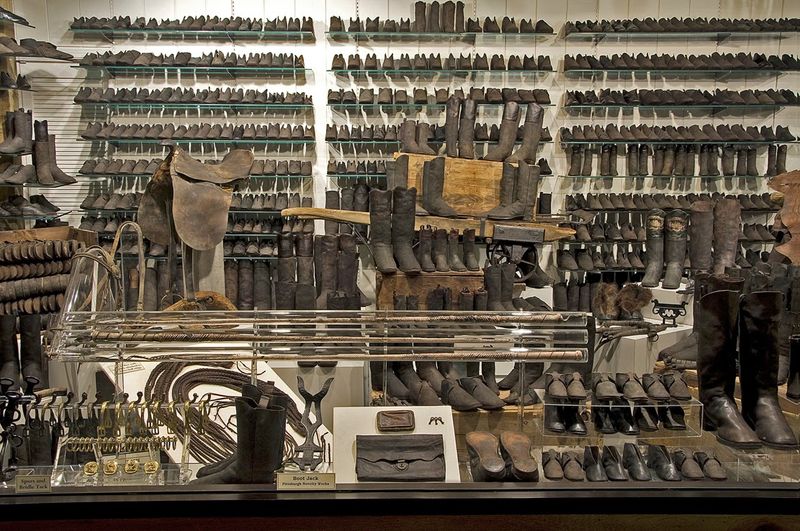
Ever wonder why almost nothing survives from that era in usable condition? Oxygen is the culprit, because it feeds the bacteria and rust that eat away at fabric, leather, wood, and metal over time.
The thick Missouri River silt that swallowed the Arabia happened to be nearly airless, and cold besides, which shut down decay almost completely. Things that should have crumbled into nothing simply sat there waiting.
Textiles came out with their colors intact. Leather stayed flexible.
Glass bottles still had their contents sealed inside, and some of the food was recognizable enough that people could identify exactly what it was.
Preservation experts describe this kind of environment as an anaerobic burial, and it is the same reason bog finds and certain shipwrecks turn up in shocking shape while similar objects stored in a dry attic fall apart.
Once the items came out of that mud, though, the clock started ticking immediately. Exposure to air is exactly what the artifacts had been protected from, so everything had to be kept wet and treated carefully during the move from field to workshop.
Understanding that chemistry makes the whole museum feel less like luck and more like a very specific accident of geology.
Boots, Shoes And More Boots
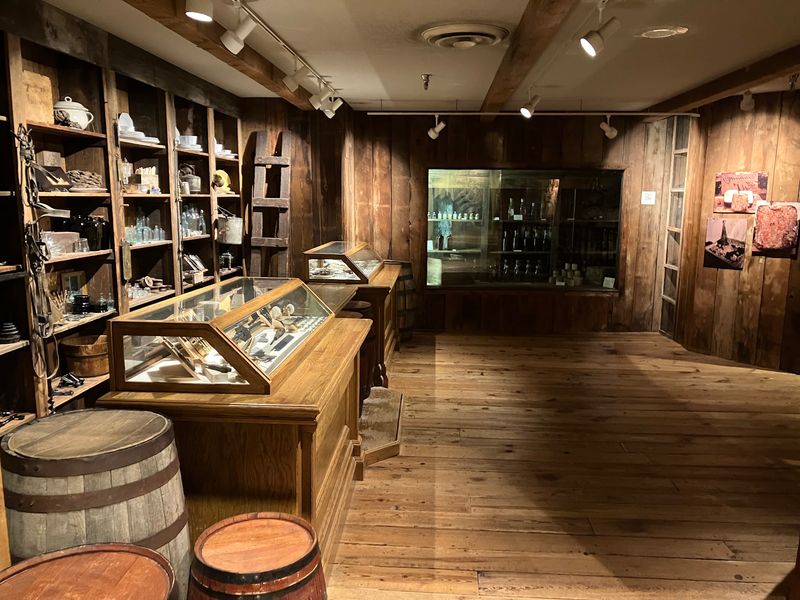
More than four thousand boots and shoes came out of that wreck, and seeing them lined up in rows does something funny to your brain.
Shoes are personal in a way that a barrel of nails just is not. These were sized for men, women, and small children, which means somebody out on the frontier was waiting on a pair that never arrived.
You can spot the construction details up close, including the pegged soles and the fact that plenty of them were made straight, with no difference between left and right foot. That was standard back then, and it explains a lot about why people complained about their footwear.
Some pairs still have their original shine. Others show the rough, sturdy build meant for farm work and hard walking rather than looking good in town.
The leather held up because of that oxygen-free mud, and conservators had to treat each piece so it would not shrink or crack once it hit open air.
Of everything in this Missouri collection, the footwear display is the part that seems to stick with visitors longest. It is the closest you get to standing in someone else’s shoes without actually doing it.
Pickles That Outlived Everyone Aboard
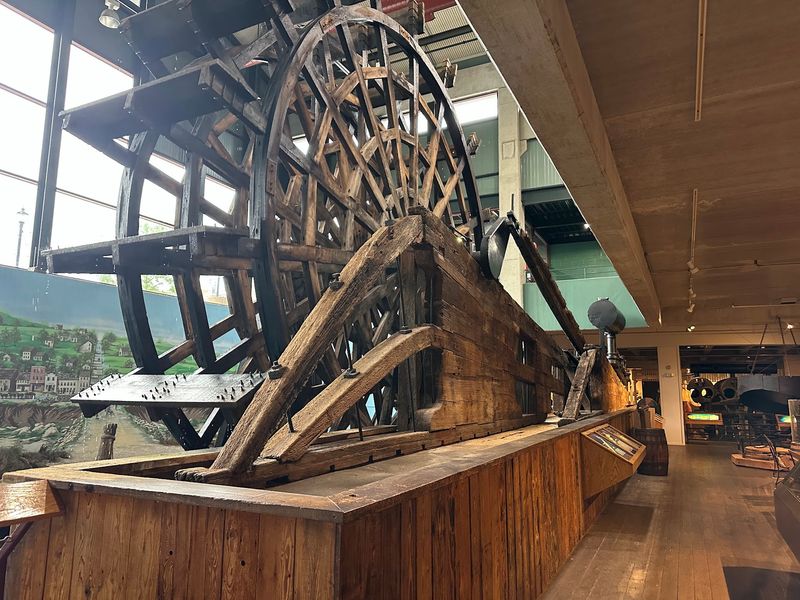
Yes, there are pickles, and they still look like pickles, which is the detail everybody repeats when they tell a friend about this place.
Sealed glass jars came up from the mud with their contents intact, protected by the same airless conditions that saved the leather and cloth. Food historians have had a field day with it, since preserved goods from that period almost never survive in a form you can actually study.
Beyond pickles, the cargo included other preserved foods and condiments that general stores would have stocked for families who could not grow everything themselves.
It reframes how you think about frontier eating. People were not only living off whatever they could hunt or farm, they were also buying shelf goods shipped hundreds of miles upriver.
There is something oddly moving about a jar of vegetables outliving the boat, the crew, the town it was headed for, and several generations of everyone involved.
Do not expect a taste test, obviously. The display is behind glass and staying there, though the museum does a nice job explaining what was in the jars and how the seals held for so long under all that Kansas dirt.
Watching The Preservation Lab In Action
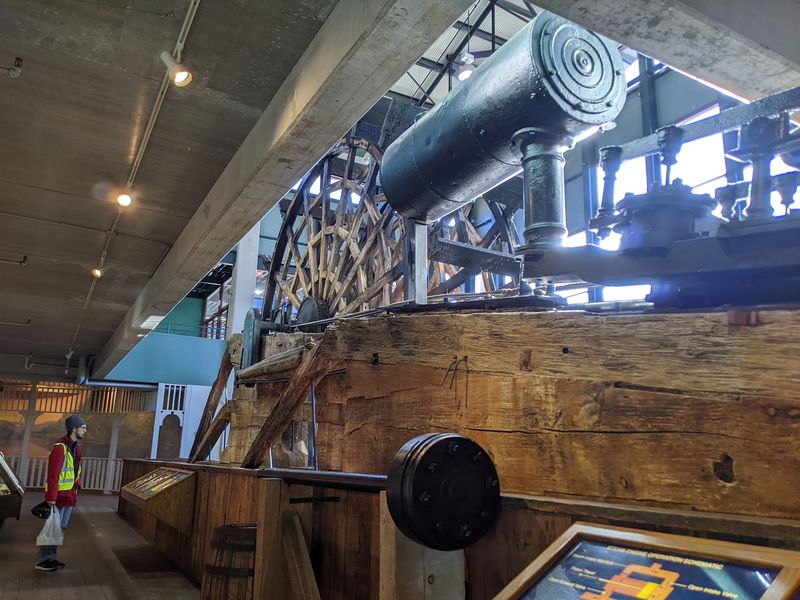
Most museums hide the messy work in a back room, but here you can stand and watch conservators clean and stabilize artifacts through open windows.
It is a working lab, not a staged demonstration, and the volume of material still waiting to be treated is enormous. Cleaning a single item can take hours of patient scrubbing, soaking, and drying under controlled conditions.
Textiles need one approach, iron needs another, and anything made of wood has to be dried slowly so it does not warp or split apart. Rushing any of it would ruin what the mud spent so long protecting.
What I like about this setup is how honest it is. You see that history does not just appear in a display case looking tidy, because somebody had to make it look that way.
Kids tend to get hooked on this part, especially when they realize the work has been going on for decades and is not finished.
If you have any interest in how objects get saved rather than just what they are, budget extra time at the windows. It might end up being the section of the Missouri museum you remember most clearly.
