A rabbit can apparently have a five-year plan. Humphrey did not know that was what he was doing.
In 2018, one opinionated bunny started a chain of events that eventually became a ten-acre animal sanctuary in Indiana. What began as rabbit fostering grew into a nonprofit caring for farm animals and other rescues that needed more time, more space, or simply a different ending.
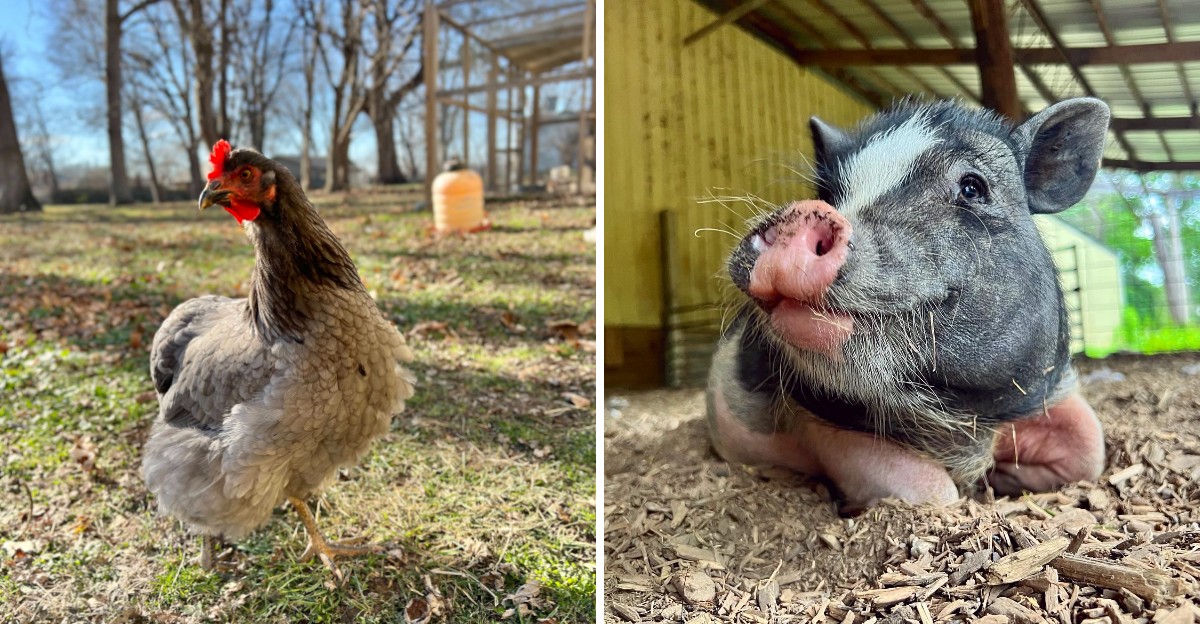
Pigs nap in the sun. Rabbits stretch out wherever they please.
Dogs and chickens have their own routines. Two dozen animals have found permanent homes here, while more than sixty-five others have stayed as fosters.
The surprising part is not that one rabbit started it. It is how much followed.
Humphrey the Rabbit Started the Whole Thing
Every sanctuary has an origin story, and here it belongs to a rabbit. Humphrey was adopted in March 2018, long before any farm was purchased.
What happened next was fairly simple. His personality turned out to be big, stubborn, and impossible to ignore, and the Rodriguez family found themselves rethinking how they saw farm animals altogether.
One rabbit turned into fostering with the Indiana House Rabbit Society, and fostering turned into a plan.
By the fall of 2019, that plan had an address in Noblesville and ten acres of room to grow.
Humphrey has since passed away, along with another beloved rabbit named Roo, but the sanctuary still carries their fingerprints. Rabbits remain a central part of the mission, which is unusual among farm sanctuaries where pigs and cows tend to get the spotlight.
Visitors who learn this backstory tend to walk away with a different view of rabbits entirely. They are not quiet background pets.
They have preferences, routines, grudges, and favorite people.
Understanding that shift in thinking is honestly half the reason a trip here lands so well. The animals are not props in someone else’s story.
They are the reason the story exists at all, and Humphrey was the first chapter.
Ten Acres That Actually Feel Like Breathing Room
Ten acres does not sound enormous on paper. In practice, it changes everything about how the animals live.
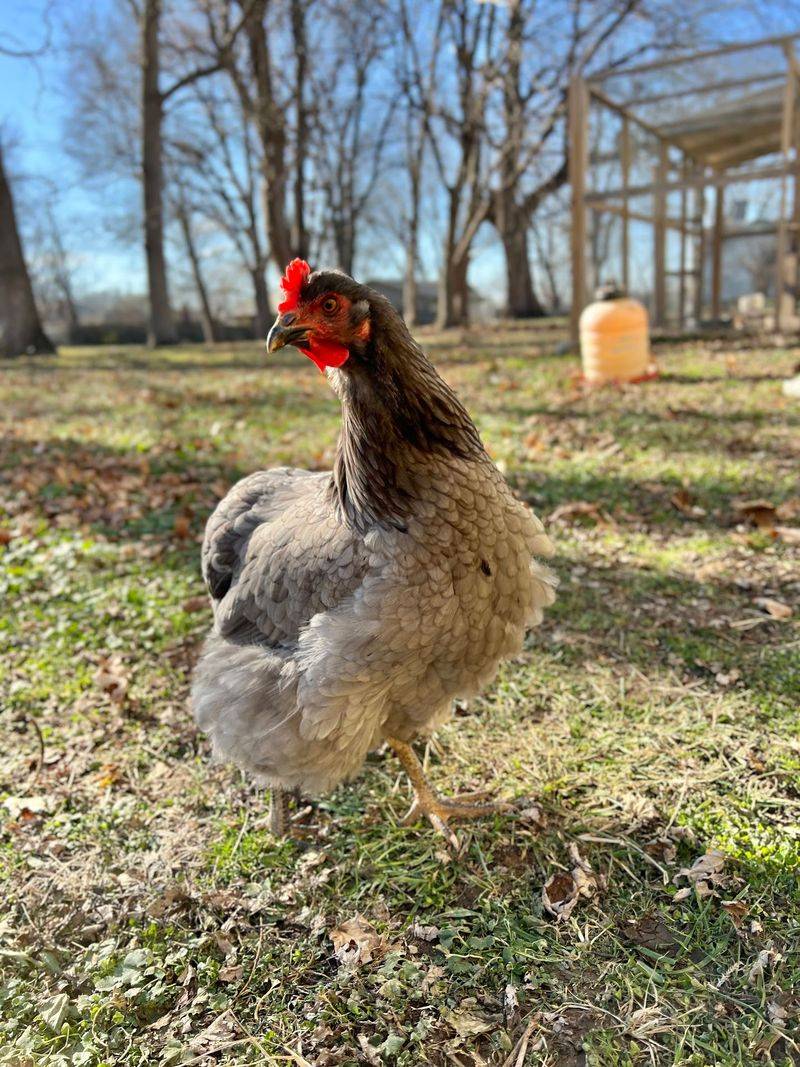
The property sits along James Road in Noblesville, surrounded by the kind of flat, open Hamilton County farmland that stretches out in long green lines. There is space for pigs to root around, space for chickens to wander, and space for rabbits to have proper enclosures instead of cramped corners.
Grass, dirt, shade, sun. Simple things that many of these animals never had access to before arriving.
What stands out about the layout is how unfussy it feels. Nothing is built to impress visitors, because the design priority was always the residents themselves.
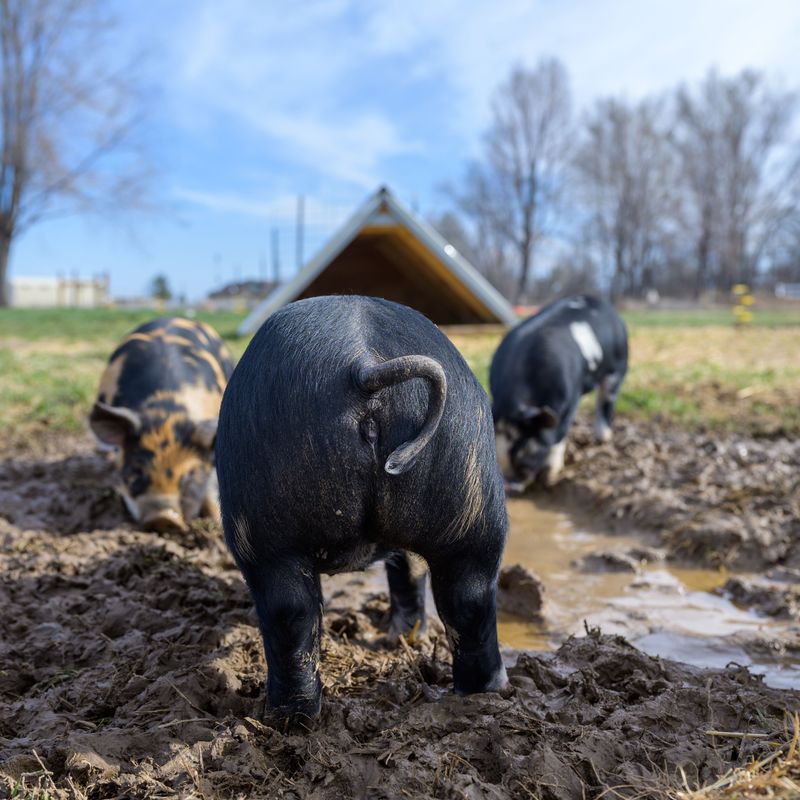
Seasons shift the mood considerably. Spring brings mud and new growth, summer means shade-seeking and long naps, and autumn turns the surrounding fields gold before the Indiana winter settles in with its usual stubbornness.
Anyone who has only seen farm animals in cramped commercial settings will notice the difference immediately. Movement is unhurried here.
The scale also makes the operation manageable for a small founding family and a crew of volunteers. Big enough to give animals real freedom, small enough that every resident gets noticed individually.
That balance is harder to strike than it looks.
Potbelly Pigs With Names and Opinions
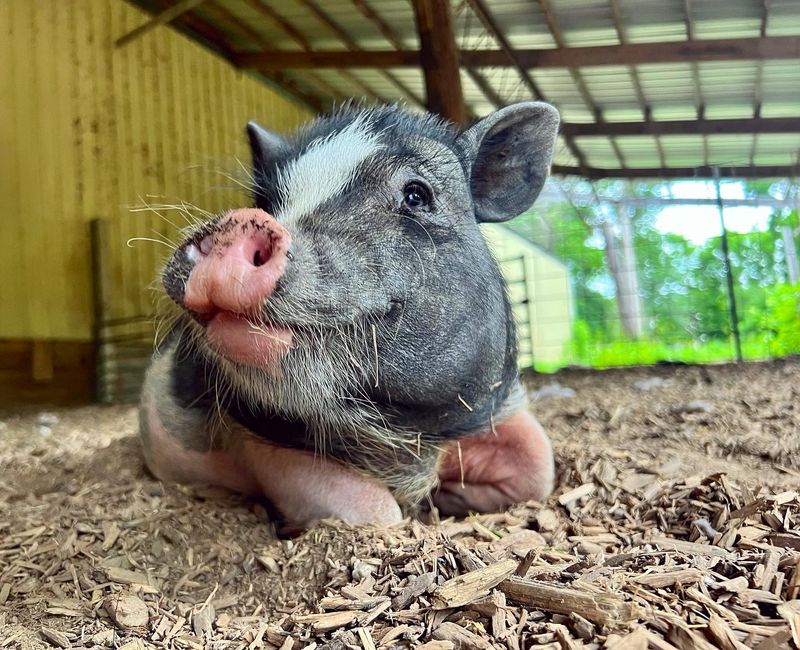
Ziggy. Dorris.
Beans. Cornbread.
The pig roster here reads like the cast list of a very laid-back sitcom.
Potbelly pigs make up one of the sanctuary’s most recognizable groups, and each one arrived with a different backstory.
Many potbellies end up needing rescue because people buy them expecting a tiny forever-piglet, then panic when the animal grows into a solid, strong-willed adult with strong feelings about snack time.
Eileen, another resident who has since passed, is still remembered fondly by the sanctuary community.
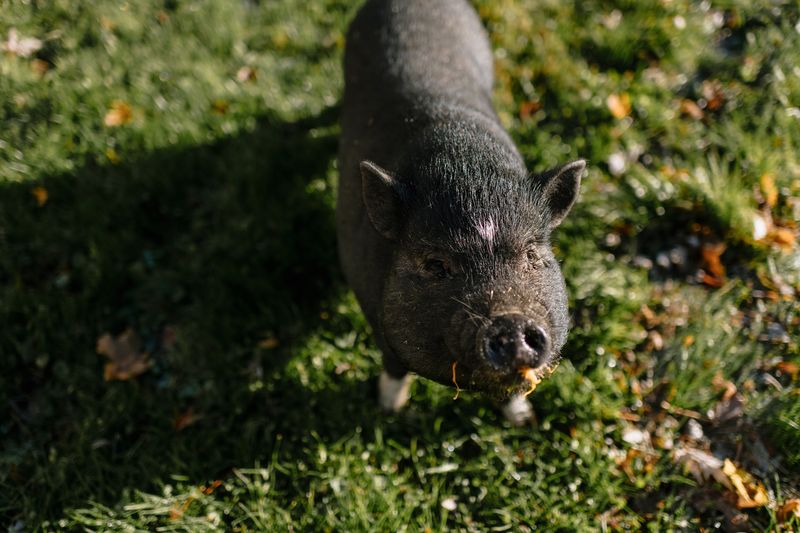
Watching pigs up close tends to surprise people. They are smart in a way that feels almost inconvenient, capable of learning routines, recognizing individual humans, and figuring out how to open things they should not open.
They also nap with total commitment. A pig sprawled sideways in the straw is a masterclass in relaxation.
For families, the pigs often become the highlight of any sanctuary discussion, partly because kids grasp the lesson instantly. These animals are individuals, not categories.
Care for potbellies is not cheap or easy either. Hoof maintenance, diet control, and veterinary attention all add up, which is part of why the sanctuary leans on donations to keep everyone comfortable and healthy year-round.
Chickens, Dogs, and the Unexpected Mix of Residents
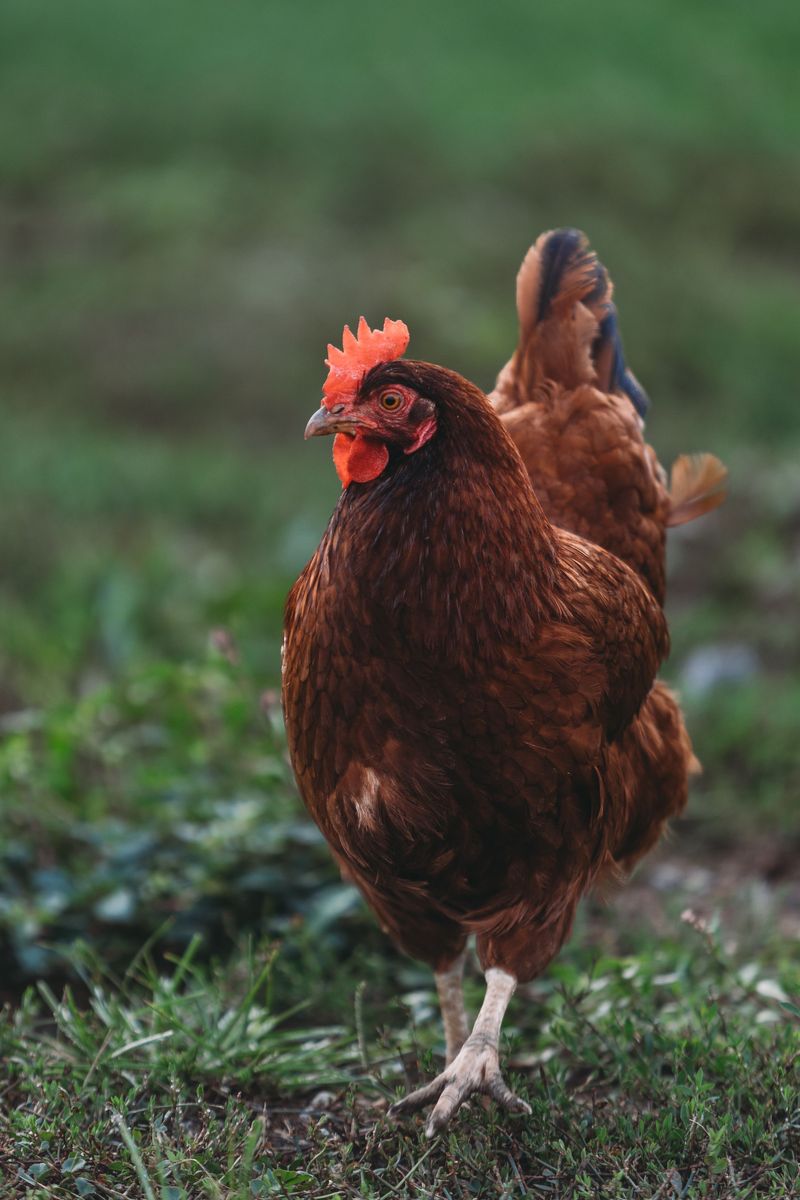
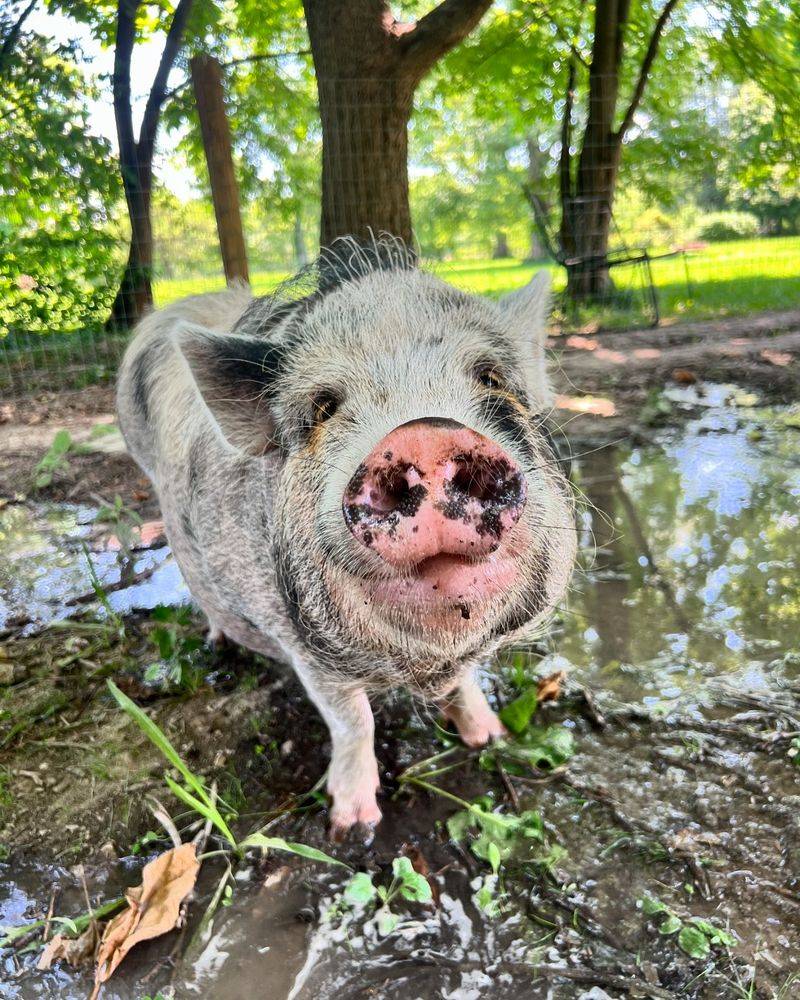
Chickens rarely get the credit they deserve, and this sanctuary quietly fixes that. Various hens and roosters live on the property, each with their own hierarchy and daily patrol routes.
Spend a little time watching them and the social structure becomes obvious. Someone is always in charge, someone is always annoyed about it, and the dust baths are non-negotiable.
Then there are the dogs, including Cleo, who belongs to the farm family and helps make the place feel lived-in rather than institutional.
The variety matters more than it might seem. Across its history, the sanctuary has provided permanent homes to twenty-four animals and fostered more than sixty-five others, which is a striking number for an operation this size.
That mix also means no two visits look the same. Animals age, new residents arrive, and personalities shift as groups rearrange themselves.
Rescued birds often come from situations where they were seen as disposable. Here they get names, medical care, and space to behave like actual chickens.
It reframes something most people never think about at all. The gap between how farm animals are usually treated and how they act when given a decent life is enormous, and chickens might be the clearest proof of that anywhere on the property.
Volunteering Is Where the Real Connection Happens
Show up ready to work and this place opens up in a whole different way. Volunteering is one of the main ways the community engages with the sanctuary.
Tasks fall into a few practical buckets. Animal care, grounds maintenance, and event support cover most of what needs doing on any given week, and none of it requires prior farm experience.
Bring boots. Expect dirt.
The appeal for many volunteers is the straightforwardness of it all. Scrubbing water buckets or hauling hay is honest labor with immediate, visible results, which is oddly satisfying in a world of screens and inboxes.
There is also the payoff of familiarity. Come back a few times and the pigs start recognizing faces, the chickens stop treating newcomers as suspicious, and the rabbits begin tolerating company.
People who love animals and do not mind weather tend to thrive here. Indiana summers get humid, Indiana winters get sharp, and the animals need care regardless.
Because the sanctuary is run by a small founding family, volunteer help genuinely moves the needle rather than being decorative. Anyone interested can reach out through the sanctuary directly, since arrangements are handled personally rather than through a walk-in schedule.
A Certified Nonprofit That Keeps Things Transparent
Nonprofit status is not glamorous, but it tells visitors something important. Haven Farm Animal Sanctuary operates as a certified 501c3 organization.
That designation means donations are tax-deductible and the organization is accountable for how funds are used. The sanctuary has put an emphasis on transparency, which is worth appreciating in a space where not every rescue operation does.
Supporters can donate, and the sanctuary lists [email protected] for donation-related contact.
Money here goes toward unglamorous necessities. Veterinary bills, specialized diets, fencing repairs, bedding, and medication all pile up quickly when caring for pigs, rabbits, and poultry with different needs.
The stated mission goes beyond simply housing animals. Public education, excellent medical care, and the happiness of the residents are all part of the goal, alongside a broader aim of making the Midwest a better place for animals.
For anyone researching where to direct support, that kind of clarity is useful. Small sanctuaries often operate on tight margins, and knowing the structure behind the operation builds trust.
It also shifts how a visit feels. Rather than a casual stop, time spent here connects to something ongoing and organized, built by people who committed a farm and their daily lives to the work.
Plan Ahead Because Access Works a Little Differently
Here is the practical part that saves disappointment later. Haven Farm Animal Sanctuary does not publicize regular public visiting hours the way a zoo or park would.
The property at 19752 James Rd in Noblesville is first and foremost a working home for animals, several of whom arrived after difficult starts. Quiet routines matter to recovering rabbits and pigs, so access is handled carefully rather than casually.
Which means one thing above all. Reach out first.
General inquiries about tours, volunteer days, or event support can be directed to the sanctuary through its website or the listed email address. A short message goes a long way.
Noblesville itself makes the trip easy to build around. The town sits north of Indianapolis in Hamilton County, with walkable downtown streets, the White River nearby, and plenty of local spots to fill out a day trip.
Treating the sanctuary as one thoughtful stop rather than a drop-in attraction respects both the animals and the family running things.
Anyone who plans properly tends to get far more out of the experience anyway. Arranged visits mean real conversations, real context, and animals who are comfortable rather than startled, which is exactly the point of a place built on second chances.
