I pulled off the road expecting a quick look at a few old photos and maybe a dusty wagon wheel. Two hours later, I was still wandering, peeking into a one-room schoolhouse and standing inside a real land office where Oklahoma settlers once lined up to claim their dreams.
Sometimes the smallest stops in Oklahoma hold the biggest stories, and this one caught me completely off guard. If you love history you can actually walk through, keep reading.
A Prairie Museum With a Village Hiding Out Back
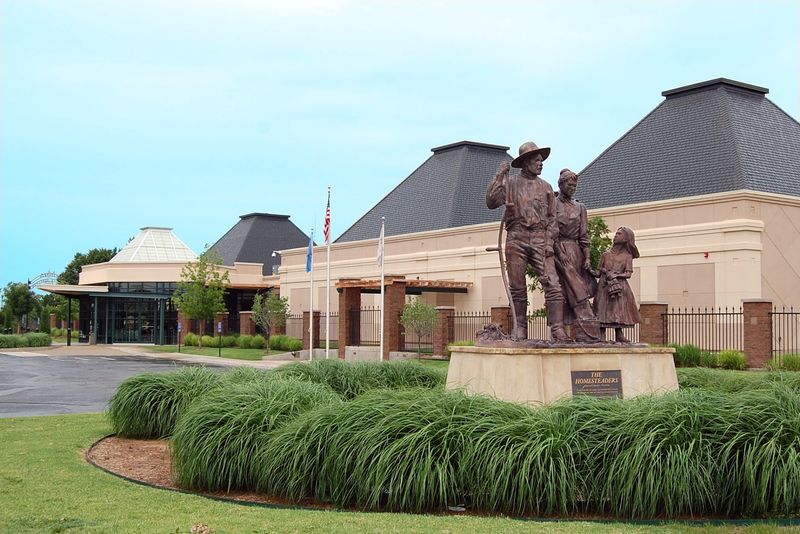
From the parking lot, it looks like a tidy, modern museum you might find in any growing Oklahoma city. Walk inside and the story starts unfolding, but the real surprise waits out back.
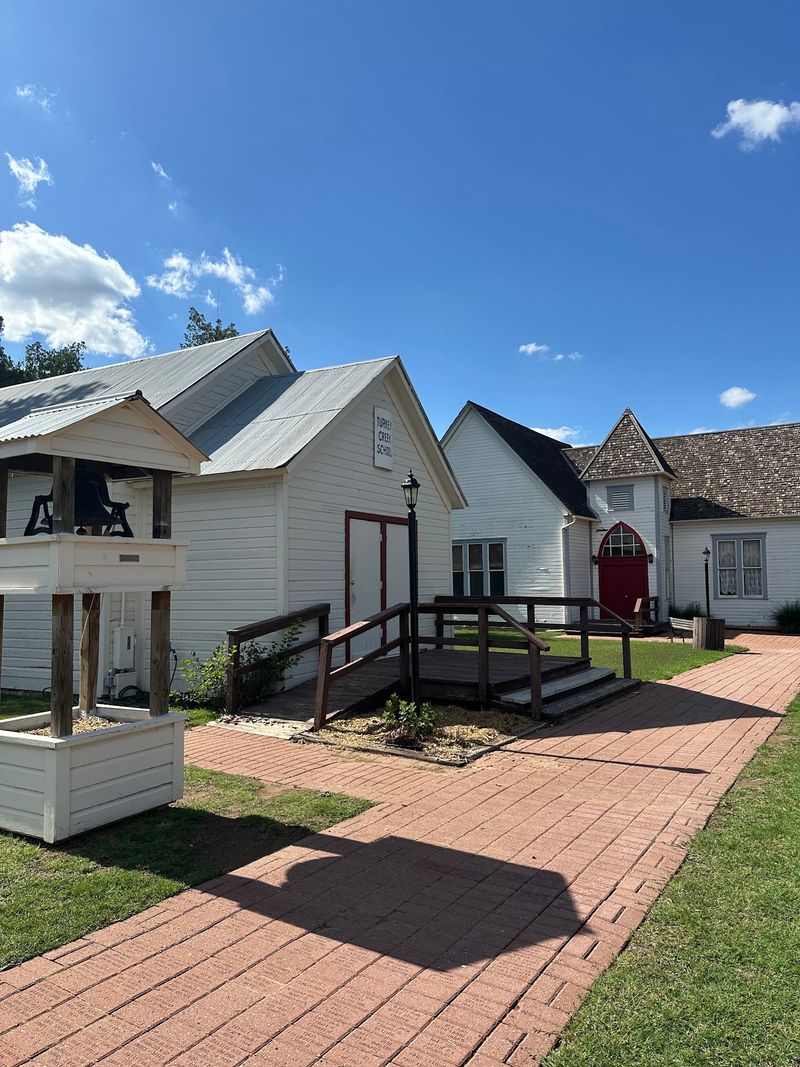
A whole cluster of historic buildings sits on the grounds, forming a little pioneer village you can step right into.
The place focuses on how settlers came to northwestern Oklahoma and built new lives there. Its story kicks off with one of the most dramatic days in state history, the Land Run of 1893.
From there, the exhibits follow the region forward through farming, business, oil, and everyday family life.
Visitors often describe it as a wonderful surprise. Many arrive expecting a short stop and end up lingering much longer than planned.
The mix of indoor galleries and outdoor buildings gives it the feel of two attractions rolled into one.
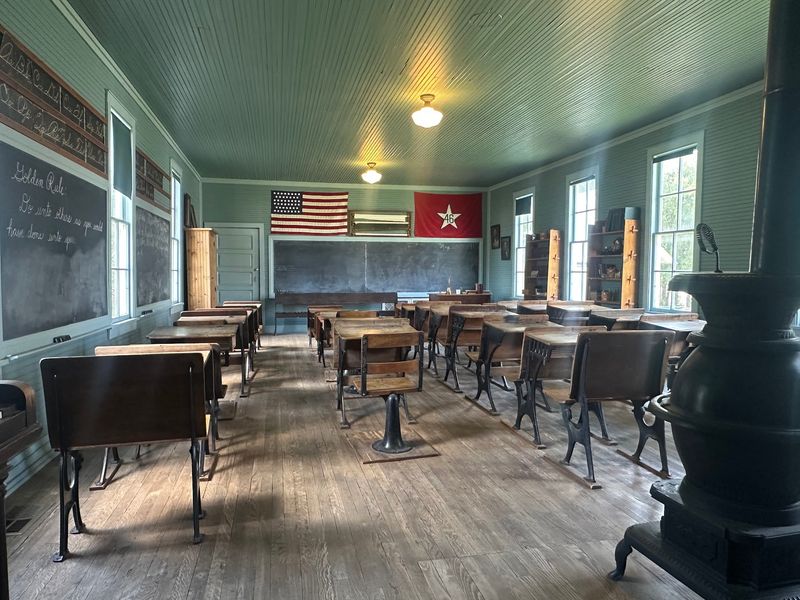
What makes it stand out is how hands-on the past feels. Instead of only reading about pioneer life behind glass, you can open a door, sit at a school desk, and peer into a homestead kitchen.
For families who like their history touchable, that difference matters a lot.
Ready to find out where the story begins? Let’s start with a race.
The Day Thousands Raced for Land
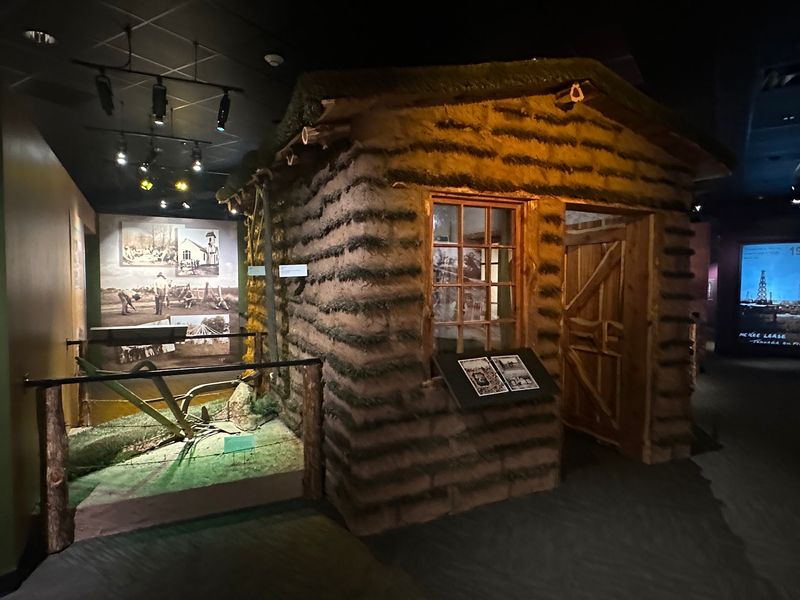
Picture a starting line stretching across the prairie, with crowds on horseback, in wagons, and on foot waiting for a signal. That was September 1893, when the Cherokee Outlet, often called the Cherokee Strip, opened to settlers.
It became the largest land run in history.
The museum treats that moment as the opening chapter of everything that followed. Towns sprang up almost overnight, and families had to build homes, schools, and churches from scratch.
Within the galleries, colorful first-person accounts bring that frantic season to life in a way textbooks rarely manage.
Guests say the exhibits are laid out in a logical order, so the story flows easily from the run itself to the decades after. You get a sense of the people, the geography, the businesses, and even the politics that shaped the region.
It never feels like a jumble of random artifacts.
One heads-up for history lovers: the center’s main focus is on settlement after 1893. Some visitors hoping for deep coverage of Native nations have found that part of the story thin.
Oklahoma’s tribal museums elsewhere can round out the picture, and pairing a trip with one makes for a fuller weekend of learning.
Galleries Built for Restless Readers
Not everyone loves reading wall panel after wall panel, and the designers clearly knew it. Indoors, the exhibits switch things up constantly.
You might read a short display, then watch a screen, then pick up an old-style phone to hear a recorded story.
Visitors appreciate that variety because it keeps attention from wandering. Large displays sit alongside small books tucked into cases, and buttons invite curious fingers to press and listen.
Kids especially seem to enjoy the phones and touch features scattered through the rooms.
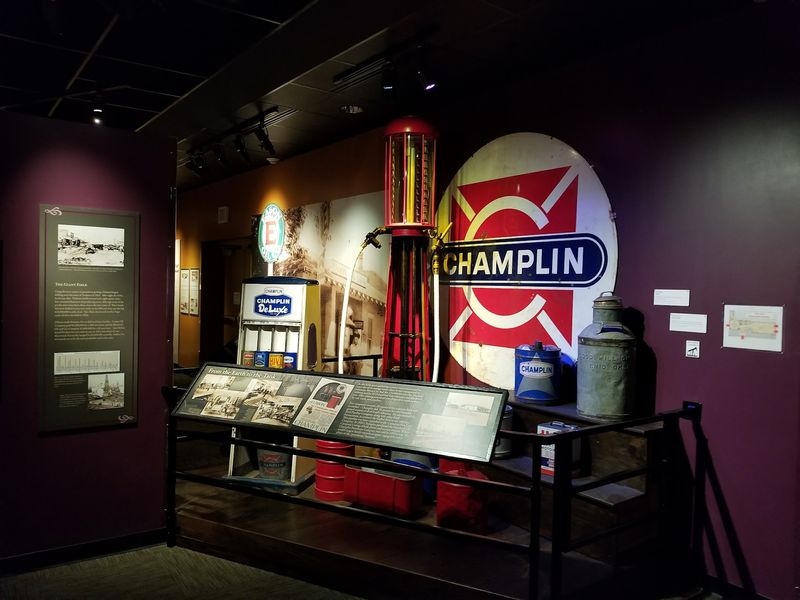
The land run and the oil and gas history both use interactive media to share perspectives from people who lived through those days. It feels less like a lecture and more like eavesdropping on the past.
Hearing a voice describe the chaos of claiming land adds real punch.
Then there are the objects themselves. Authentic everyday items, the kind rarely seen anymore, give a clear picture of how families cooked, worked, and played.
Some guests have spotted old wooden toys that their own children happily tested out.
Rotating exhibits pop up too. One recent art show called Art of the Wish moved several visitors deeply, proving the center does more than look backward.
The Last Land Office Still Standing
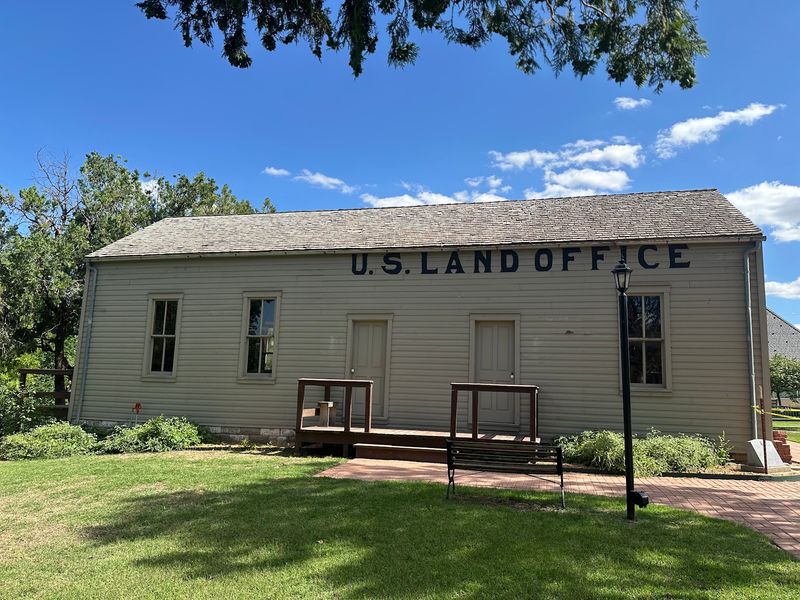
Here’s a fun fact to share at your next family dinner. Out on the grounds sits the only surviving land office used during the Oklahoma land runs.
For many history buffs, that building alone is reason enough to make the trip.
After racing across the prairie, settlers still had to make their claims official. Land offices were where that happened, often with long lines and plenty of nerves.
Standing inside one now, you can almost picture tired homesteaders clutching papers and hoping nobody beat them to their spot.
The structure is small and plain, which is part of its charm. Nothing fancy was needed back then, just a place to record names and boundaries.
Its simplicity makes the history feel honest and close.
Guides are usually on hand to explain how the process worked. Some guests love the questions and stories, finding them a lively way to learn.
Others who prefer quiet browsing have felt the presentation was a bit much, so it helps to know ahead of time that this is a guided, living history style stop.
Either way, few places in the country can say they hold a piece of history this rare.
Schoolhouse, Chapel, and a 1905 Homestead in Enid
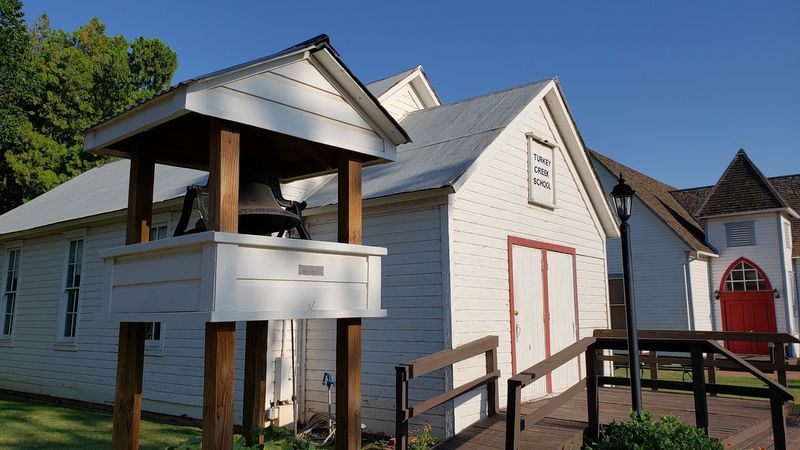
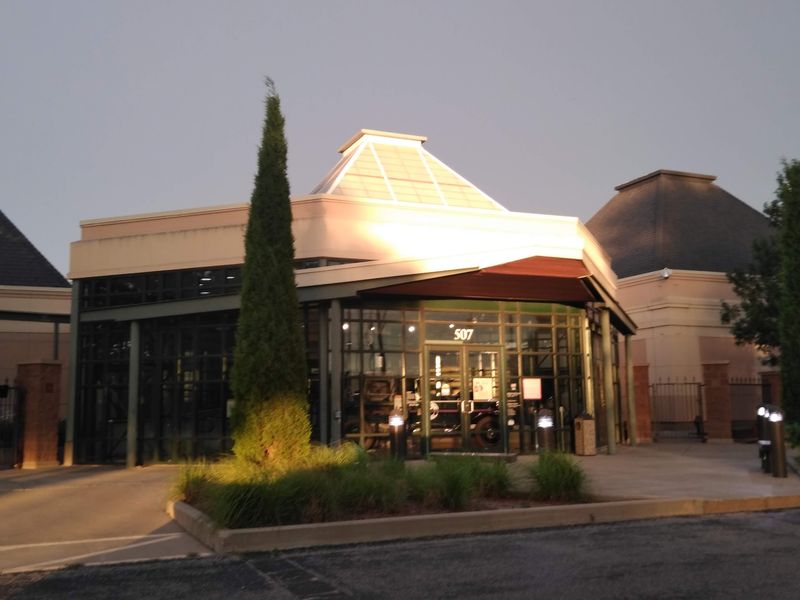
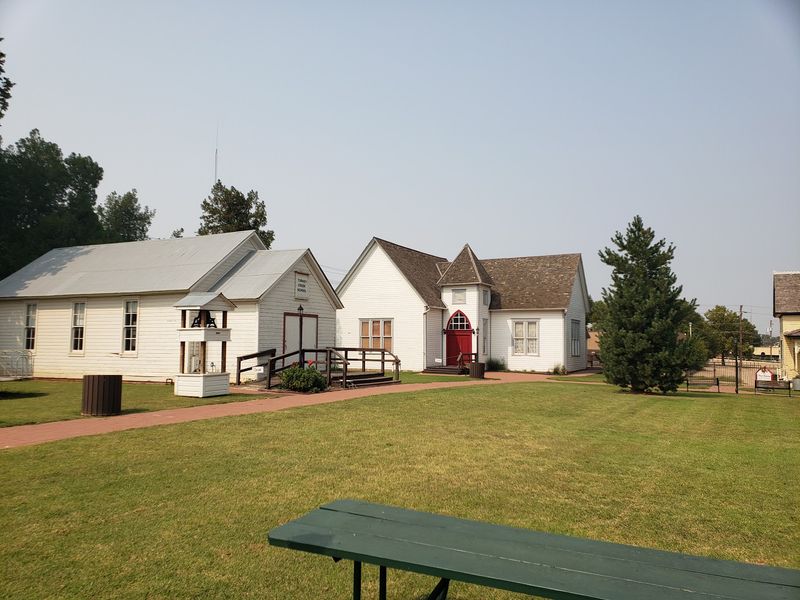
Welcome to Enid, the town born from that 1893 land run, and the home of this heritage center at 507 S 4th St. The outdoor village is where the visit truly comes alive. Several historic buildings line the grounds, each furnished to show a different slice of early life.
A one-room schoolhouse brings back the days of slates and shared lessons. Local schools even hold classes inside it, so elementary students get to experience learning the old-fashioned way.
Nearby, a pretty chapel draws plenty of attention, and it has hosted weddings, too.
Families often linger at the 1905 homestead, which shows how a household actually functioned on the plains. There’s also a small cabin, a general store, and a grander house sometimes described as a mansion.
Together they show the range of how people lived, from humble beginnings to growing prosperity.
Guides frequently share where each building came from and how it ended up here. Those backstories add a layer you would miss walking through alone.
Visitors say the village is easy to follow and beautifully kept.
It’s the kind of place where grandparents start telling stories of their own childhood, and kids actually listen.
Friendly Faces and Family Roots
Ask almost anyone who has visited, and the staff comes up fast. Friendliness is one of the most mentioned things about this museum.
Folks at the desk and around the grounds are known for being warm, helpful, and full of knowledge.
Staff members will tell you as much or as little as you want about any exhibit. That flexibility makes the experience feel personal rather than rushed.
Several guests say the welcome alone made their day.
Got family roots in the area? The center includes a research section, and staff have helped visitors dig into genealogy.
Tracing a great-grandparent who may have joined the land run could turn an ordinary outing into something deeply meaningful.
So who will enjoy it most? History fans, school-age kids, and anyone hosting out-of-town relatives seem to love it.
Locals regularly bring visiting friends here as an easy way to explain Enid and Oklahoma history. Very young children may lose interest during the reading-heavy parts, though the interactive features help.
Events and new exhibits keep regulars coming back throughout the year. The atmosphere stays relaxed, clean, and well cared for, which makes it comfortable for grandparents and little ones alike.
Hours, Costs, and Planning Your Stop
Timing matters, because this museum keeps a schedule that catches some travelers off guard. Doors are typically open Tuesday through Saturday from 10 am to 5 pm.
It’s closed Sundays and Mondays, so weekend road-trippers should aim for Saturday.
Admission is known for being affordable. One visitor some years back mentioned paying a top fee of around $6, though prices may have changed since then.
Calling ahead at 580-237-1907 or checking csrhc.org is the safest way to confirm current rates.
Plan on spending roughly two to three hours if you want to see everything. Some groups finish the indoor museum and outdoor buildings in under two hours.
History lovers who read every panel and chat with guides can easily stretch it longer.
Since much of the village is outdoors, Oklahoma weather is worth watching. Summer afternoons can get hot, and spring brings wind and storms.
Morning visits often feel more comfortable for walking between buildings.
Before leaving, swing through the gift shop. Guests describe it as cute and affordable, stocked with replicas and a few made-in-Oklahoma treasures.
Clean, easy-to-reach restrooms are another small detail visitors appreciate.
Why the Detour Pays Off
Some museums tell you about history. This one lets you open the door and walk right in.
That simple difference is what keeps people talking long after they drive home.
For a modest admission, you get a thoughtful indoor museum, a rare surviving land office, and a whole village of preserved buildings. Add in staff who genuinely enjoy sharing stories, and the value becomes hard to beat.
It’s proof that small-city Oklahoma can hold big surprises.
Not every visitor will love every part, of course. Those wanting quiet solo exploring may find the guided buildings a little chatty, and anyone seeking extensive Native history should plan an extra stop elsewhere.
Knowing that ahead of time helps set the right expectations.
Still, for families, retirees, and curious locals, it’s an easy recommendation. Pack a little patience for reading, wear comfortable shoes for the village, and bring along the relative who always says things were different back in their day.
They’ll have plenty to point at.
When you find yourself in northwestern Oklahoma with a free afternoon, consider this your nudge. The pioneers worked hard to build their towns.
The least we can do is stop by and say hello.
