Some historic sites feel preserved. Others feel alive.
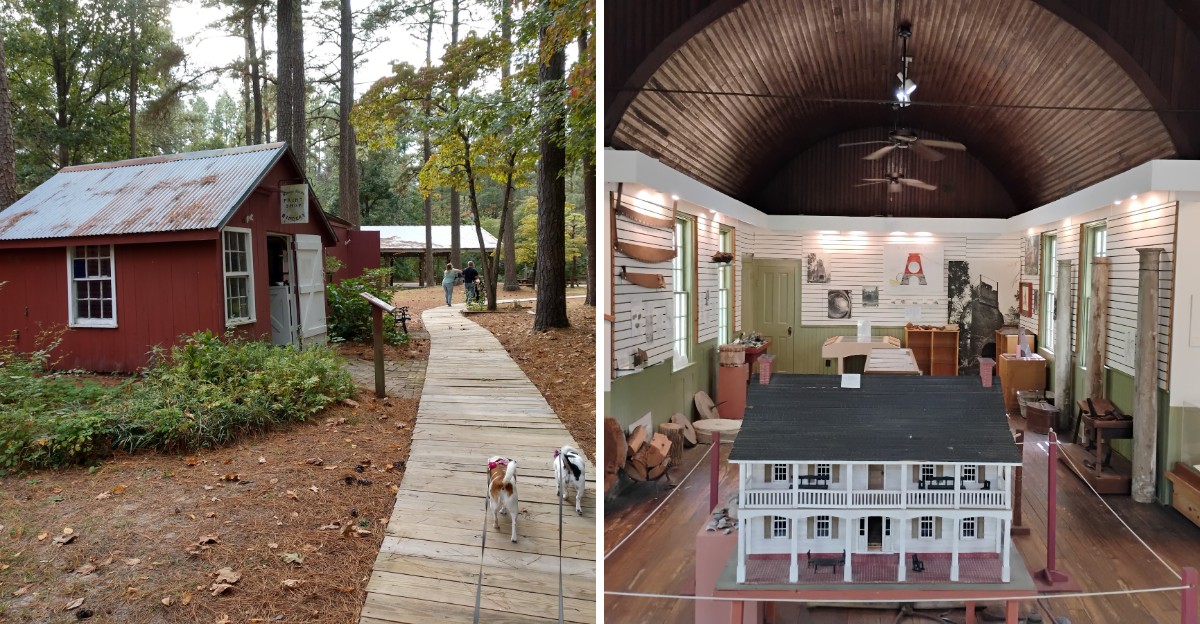
This little known Maryland village falls into the second category, with workshops and buildings that let you step into a world from another century. You can walk through spaces where tradespeople once worked, see the tools they used, and get a sense of daily life from a time before machines took over.
The village is quiet, uncrowded, and easy to explore at your own pace. Locals know it well, while visitors often leave surprised they had never heard of it.
A reminder that history is more interesting when you can walk through it. The kind of place that makes the past feel within reach.
The kind of stop that rewards curiosity.
A Brick Giant Hiding in the Pines
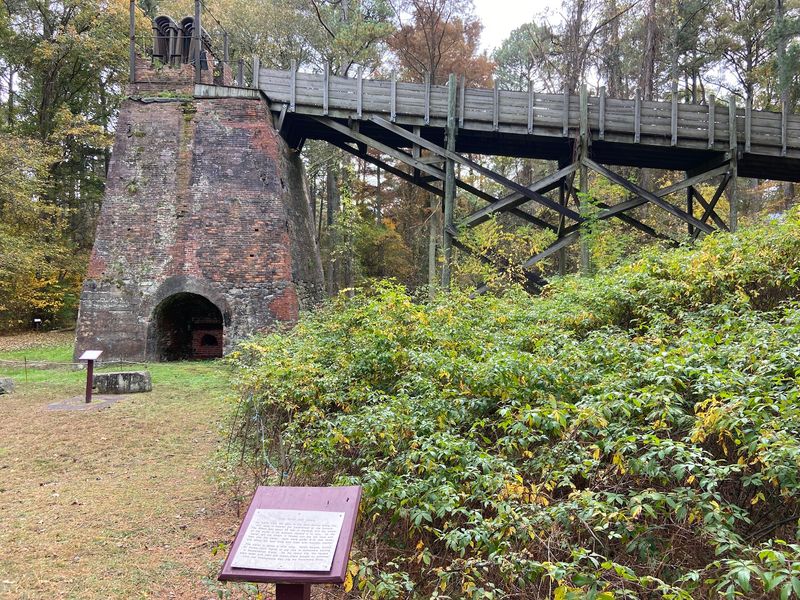
Some landmarks shout for attention. The Nassawango Iron Furnace prefers to wait quietly among the trees until someone notices it, and then it steals the whole show.
Built in 1830 by the Maryland Iron Company, this towering brick furnace was the reason the village existed at all. Workers fed it charcoal, shells, and something called bog iron ore.
That ore came from the swampy ground nearby, which sounds strange but worked surprisingly well.
Inside, temperatures climbed to around 3,000 degrees Fahrenheit. Melted iron flowed out into sand molds and cooled into bars called pigs.
Yes, pigs. Nobody quite agrees on why, but the name stuck for good.
Here is a fun bit of history. This was the only furnace in Maryland to use bog ore on a large scale.
It also used a hot blast method that had just been invented in England a few years earlier, which makes it one of the earliest examples of that technology in America.
At its busiest, the furnace made about 700 tons of iron a year. Barges carried the iron down a canal to the Pocomoke River and then out to the Chesapeake Bay.
Around 1850, the company went bankrupt, and the fires went cold.
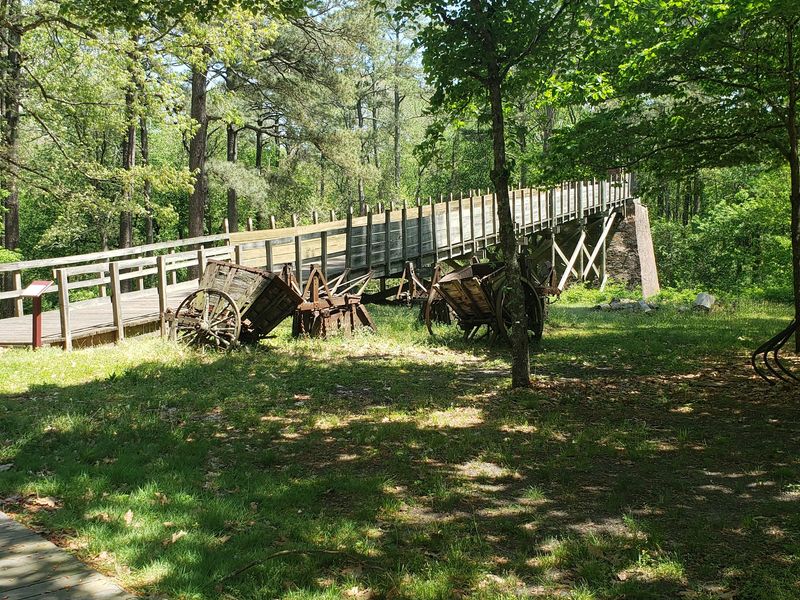
Today the furnace is a National Historic Mechanical Engineering Landmark. Take a walk behind it on the grassy path to find extra signs and a viewing platform.
Most people skip that part. Don’t be most people, because the back view is easily one of the best on the property.
Old Homes With New Stories
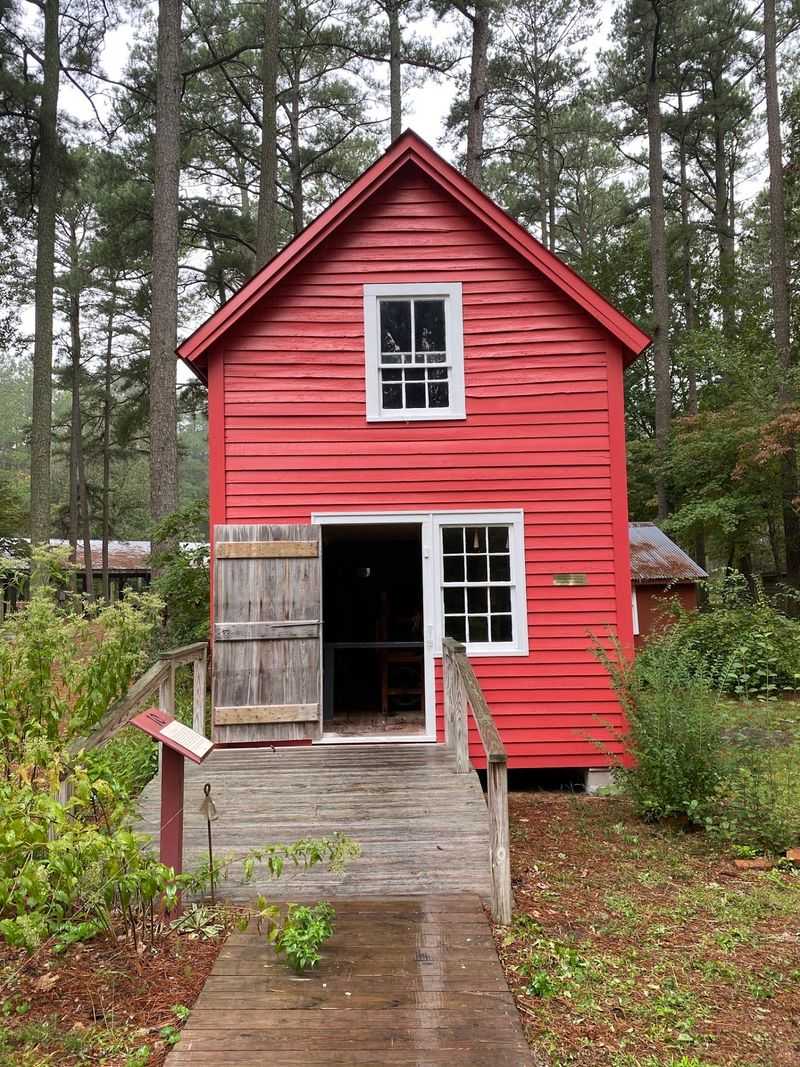
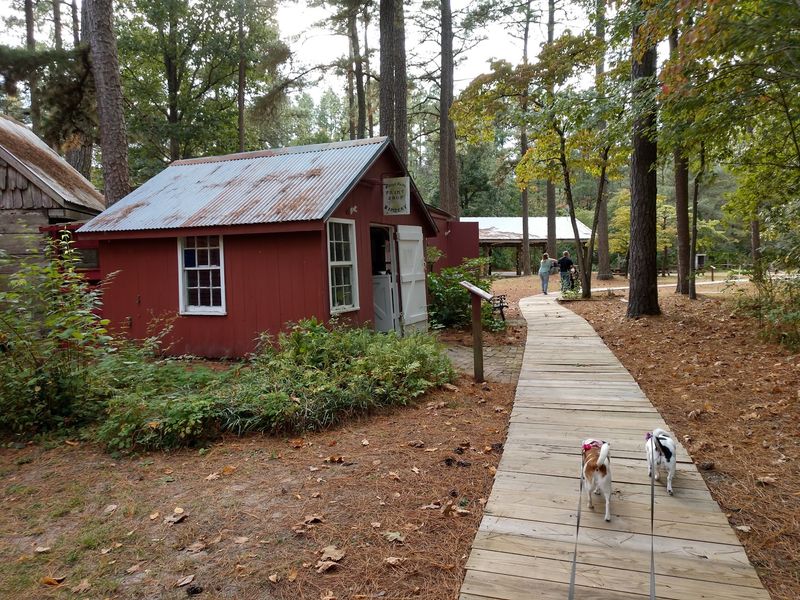
A village needs more than a furnace to feel alive, and the buildings here fill in the rest of the picture nicely. Wooden walkways connect each one, so it’s easy to follow the path and see almost everything without getting lost.
After the furnace shut down, the original company town slowly fell apart. Nature moved in, and the old structures faded away.
Starting in the 1960s, people decided this history was worth saving, and restoration work began.
Many of the buildings standing today came from other spots around the region. They were carefully moved here to recreate the feel of a real 1800s community.
Think of it as a village rebuilt piece by piece, like a giant puzzle with porches.
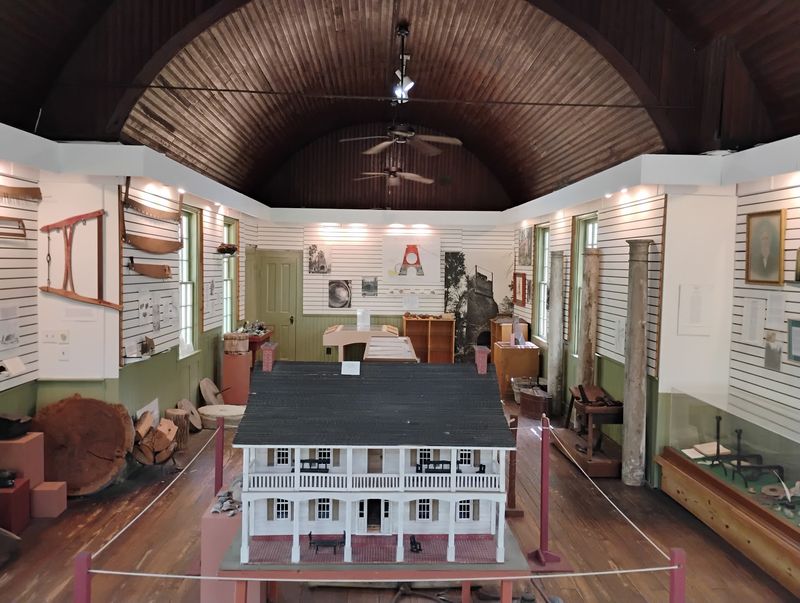
One highlight is the R. Frank Jones Museum.
The building dates back to 1869 and arrived at Furnace Town in 1977. Inside, exhibits explain local history and how iron was made.
It’s a great first stop for anyone who likes to understand the story before exploring.
The general store and period houses are worth slowing down for. Peek through the windows, check out the tools and furniture, and imagine cooking dinner without a microwave.
Kids usually find this part either fascinating or horrifying. Sometimes both.
The paths include ramps, which makes the village friendly for strollers and wheelchairs. Give the whole site at least two hours, and add more if there’s a picnic in the plan.
Rushing here would be a shame, since the slower pace is honestly half the fun.
Where Hammers Ring and Sparks Fly
Clang. Clang.
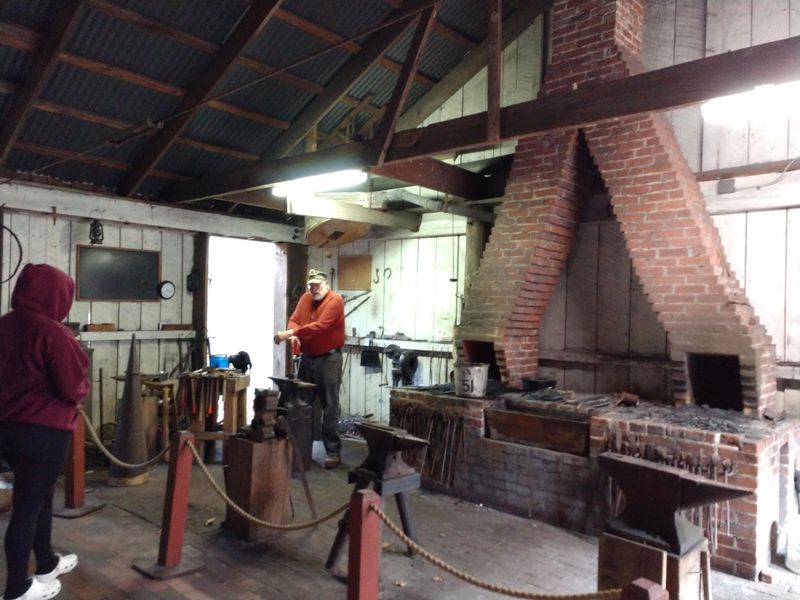
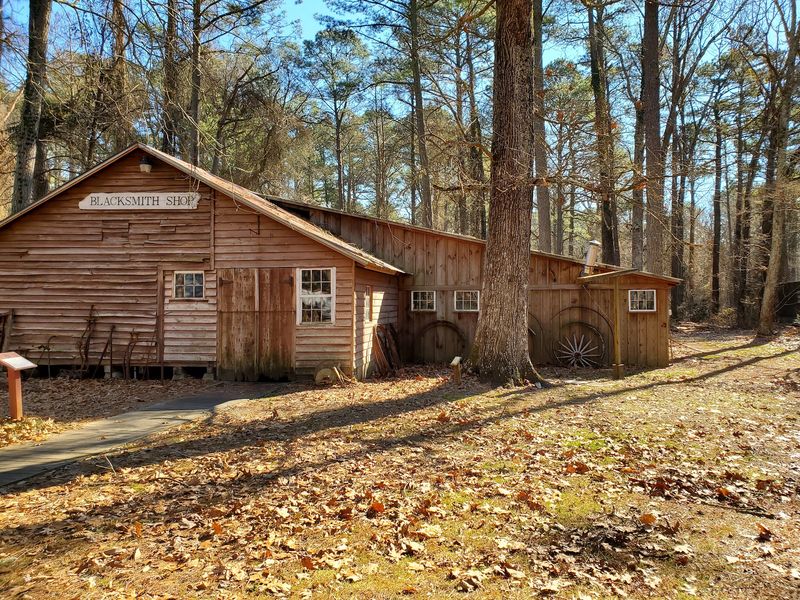
Clang. That sound carries across the village long before the blacksmith shop comes into view, and it pulls visitors in like a magnet.
In the 1800s, a blacksmith was one of the most important people in any town. They made and fixed nearly every metal tool, hinge, and piece of hardware.
At Furnace Town, they also kept the iron furnace running by repairing its equipment. No blacksmith meant no iron, plain and simple.
The shop here was donated by Elijah Stanton Adkins in 1980. It isn’t just for show.
It’s a working space where smiths heat metal in a roaring forge and shape it on the anvil right in front of visitors.
Watching raw iron turn bright orange and then bend like clay is oddly hypnotic. The heat hits from several feet away.
Stand back, enjoy the show, and maybe resist the urge to touch anything that glows.
The Furnace Town Blacksmith Guild was founded in 1994 and keeps this craft alive. Members hold monthly meetings and demonstrations.
They even make items sold in the village store, so a little piece of the forge can come home as a souvenir.
Anyone curious about trying the craft might want to look into the guild, since it welcomes people who want to learn. For everyone else, the demos are a highlight of any visit.
Kids especially love the sparks and noise, and adults tend to leave with a new respect for every hook and nail around the house.
Threads, Wheels, and Wooden Looms
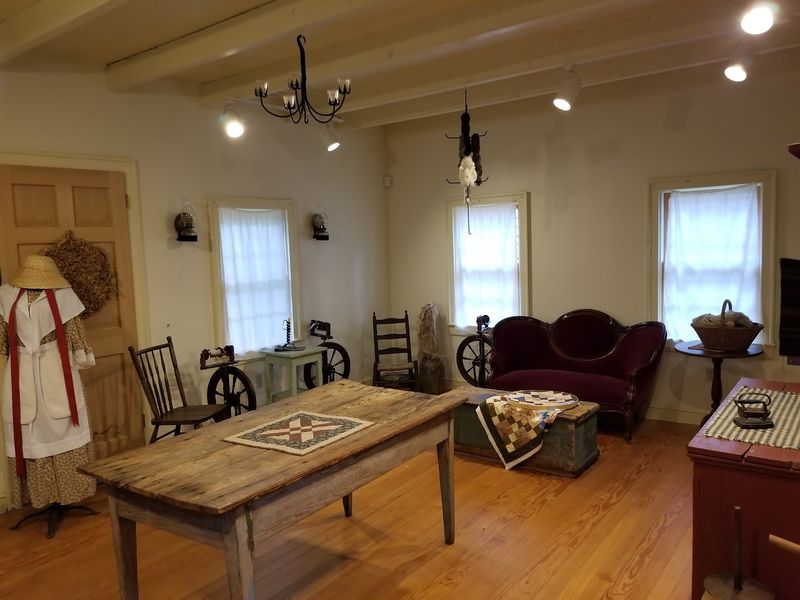
Quiet craft gets less attention than flying sparks, yet the spin house and weave house might be the coziest corners of the whole village. The pace slows down here.
The sounds soften into the gentle whir of a spinning wheel and the steady thump of a loom.
Making cloth in the 1800s took serious patience. First, a spinner twisted raw fibers into thread using a wheel.
Then a weaver crossed those threads back and forth on a loom to create fabric. Every shirt, blanket, and towel started this way.
Volunteers often demonstrate these steps, and many love to share what they know. Watching hands move a shuttle across the loom is almost like watching someone play an instrument.
Patterns slowly appear, line by line, out of what looked like a tangle of string.
One small tip is worth sharing. The weave house can have a strong, earthy scent from the fibers and old materials.
Visitors with asthma or sensitive lungs may want to keep their stop short and step outside for fresh air.
Try asking how long it takes to weave a simple blanket. The answer usually surprises people.
It’s a good reminder of why clothes were patched and passed down instead of tossed away.
Fiber fans should also keep an eye on the event calendar. Furnace Town has hosted a Fiber Festival that celebrates spinning, weaving, and all things woolly.
It’s a wonderful chance to see even more of these old skills up close.
Lessons and Hymns From Long Ago
Picture a classroom where first graders and teenagers all shared one room and one teacher. That was everyday life at the Mt.
Zion One-Room Schoolhouse, and stepping inside makes modern school days seem downright luxurious.
The schoolhouse first stood near Whiton, Maryland. In 1959 it moved to Snow Hill, and later it found a new home at Furnace Town.
Inside, simple desks and a chalkboard set the scene. It’s easy to imagine kids reciting lessons while the wood stove crackled in winter.
Kids today often ask the same question. Where did everyone go to the bathroom?
Let’s just say the answer involves walking outside, rain or shine.
Nearby stands the Old Nazareth Church, a country Methodist church that served its members from 1874 until the mid-1900s. It joined the village in 1980.
Its plain wooden design is calm and humble, with no fancy towers or stained glass.
These two buildings show what held small communities together. School gave children a chance to read, write, and do math.
Church gave families a place to gather, share news, and celebrate milestones like weddings.
Speaking of weddings, the peaceful grounds here have become a popular spot for couples to say their vows. The old church setting and the forest backdrop create a timeless feel.
Even on a regular visit, take a moment to sit quietly in one of these spaces. The silence says a lot about how different life used to sound.
Trails Into the Swamp and Forest
Leave the village behind for a bit, and a whole different world opens up. Furnace Town sits right beside the Pocomoke State Forest and the Nassawango Creek Preserve, so nature is never far away.
The Paul Leiper Nature Trail, cared for by the Nature Conservancy, begins near the furnace. It winds through woods and swampy ground where tall trees shade the path.
Frogs croak, birds call, and the air turns cool and damp in the best way.
This forest once fueled the furnace. Trees were burned to make charcoal, and the swamps gave up their iron ore.
Walking these trails helps connect the dots between the land and the industry that grew from it.
Many visitors say they skipped the trail on their first trip and regretted it later. So plan for it from the start.
Wear comfy shoes, bring water, and pack bug spray during warmer months, because the mosquitoes here take their job very seriously.
Good news for pet owners. The site is dog friendly, so four-legged family members can come along on a leash.
Dogs seem to enjoy the sniff-worthy forest just as much as humans enjoy the quiet.
Even when the village buildings are closed for the season, the trails often remain a peaceful escape. Slow down and listen.
The rustle of leaves and the soft creek sounds make a great reset after a busy week. It’s the kind of walk that clears the head without even trying.
Festivals That Wake the Woods
Quiet most days, Furnace Town knows how to throw a party. From April through October, the village hosts festivals and events that bring crowds, music, and plenty of costumes into the woods.
The Renaissance Faire is a crowd favorite. Knights, artisans, and medieval flair take over the grounds, and some years even include a scavenger hunt.
Mixing old-time Maryland with castles and capes sounds odd, but somehow it works beautifully.
Summer brings a music series with evening concerts in the forest. Imagine live tunes floating between the trees as the sun sets.
It’s relaxed, friendly, and perfect for a picnic blanket.
Fall gets spooky with Halloween in the Forest. Kids trick-or-treat along the paths, and dance parties keep the energy high.
Costumes are strongly encouraged, though nobody will judge a last-minute bedsheet ghost.
Artisan Saturdays happen about once a month during the season. Crafters show off their skills, so visitors can see even more demonstrations than usual.
There have also been archaeological digs, which give a rare peek at history being uncovered in real time.
Other gatherings have included a Fiber Festival and cultural programs, such as Native American activities at the pavilion. The lineup changes, so check the official website before planning a trip.
Events can make a familiar visit feel completely new. Many locals return again and again just for these special days, and it’s easy to see why.
They turn a sleepy historic village into a joyful community hangout.
Planning a Day in Another Century
A little planning goes a long way at Furnace Town, and the payoff is a smooth, fun day. The village sits at 3816 Old Furnace Rd, Snow Hill, MD 21863, hidden away on a quiet country road just outside town.
The village is usually open Thursday through Sunday from 10 am to 4 pm during its season. Arriving earlier gives more time to explore without rushing.
Parking is plentiful, which is always a nice surprise.
Start at the visitor center. The gift shop there sells old-fashioned toys and handmade goods, including items made by the blacksmith guild.
Kids often find games they’ve never seen before, which beats another plastic gadget any day.
The tour is self-guided, so families can move at their own speed. Follow the walkway, and it leads past almost every building.
Friendly staff and volunteers are around to answer questions and share stories about the past.
Exhibits also cover the people who shaped this area. Displays touch on Indigenous peoples, free African Americans, and immigrant workers who were part of the iron industry.
It’s a fuller, more honest picture of history than many people expect.
Bring lunch and use the picnic area for a break between buildings and trails. Clean restrooms are on site too.
For school groups, scouts, or simply curious families, this hidden village offers a memorable mix of hands-on history and fresh forest air. Leave room in the schedule.
People rarely want to leave as soon as they planned.
