You do not need a ticket to walk through this Minnesota town. No booth at the entrance.
No wristband. No gift shop at the exit.
Just a collection of buildings from the 1800s, sitting exactly where they were built, open to anyone who wants to see them. The general store still has shelves. The schoolhouse still has desks.
The church still has a bell in the tower. I walked the dirt streets for an hour without passing another person. The only sounds were the wind and the creak of old wood settling.
Minnesota has plenty of historic sites that charge admission and funnel you through a visitor center. This is not one of them.
Just a town that time forgot, waiting for you to find it.
The Ghost Town That Time Forgot
There is something quietly thrilling about knowing you are standing where a real town once buzzed with life. The original Wadena was not some tiny outpost.
It had a trading post, a post office, a ferry crossing, and enough ambition to become the first county seat of Wadena County.
Augustus Aspinwall platted the town in 1856, the same year the trading post was established. For a brief window, this place was genuinely important.
Oxcarts rolled through on the Woods Trail, goods moved along the river, and settlers believed this bend in the land had a future.
Then came the Panic of 1857, which slowed growth across the region. The U.S.-Dakota War of 1862 made expansion even harder.
The final blow landed in 1871 when the Northern Pacific Railway laid its tracks 3.5 miles away, and residents simply packed up and followed the railroad.
What remained became a ghost town almost overnight. Today, the site carries that history in its soil and its silence.
The Old Wadena Historic District earned a spot on the National Register of Historic Places in 1973, recognized for its role in agriculture, transportation, and archaeology. Visiting feels less like a museum trip and more like reading a chapter of history that most textbooks skipped entirely.
Four Trading Posts and Centuries of Commerce
Long before Augustus Aspinwall drew up his town plan, this stretch of land was already doing serious business. The site holds the archaeological remains of four successive fur trading posts, established in 1782, 1792, 1825, and 1856.
That is nearly a century of continuous commerce at one location, which tells you just how valuable this river junction really was.
Fur trading shaped early Minnesota in ways that go far beyond pelts and profit. These posts were cultural crossroads where Indigenous people, European traders, and later American settlers negotiated, exchanged goods, and sometimes clashed.
The land here was historically contested between the Ojibwe and Dakota people, making it one of the more layered and complex sites in the entire state.
Each trading post generation left something behind underground. Archaeologists have worked this site carefully, and the findings have contributed meaningfully to understanding how commerce and culture intersected in pre-territorial Minnesota.
You will not see excavation trenches or artifacts on display at the park itself, but the interpretive signs do a solid job of connecting the dots.
Knowing that people traded and argued and built lives here across four different eras adds real weight to a walk through the woods. It is not just a pretty park.
It is a layered archaeological record sitting quietly beneath your feet.
The Red River Oxcart Trail Connection
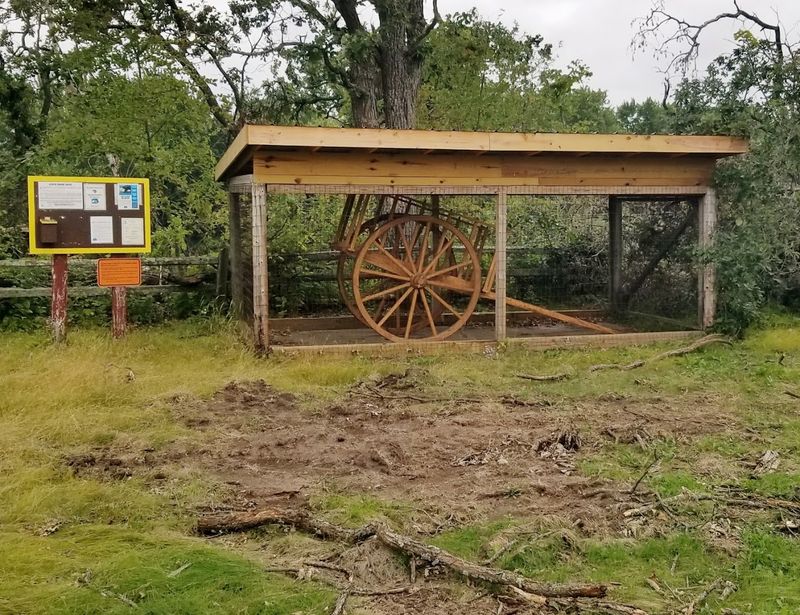
Not many places in Minnesota can honestly claim to have been a stop on the Red River Oxcart Trails, but Old Wadena can. The original town sat directly along the Woods Trail, one of the main routes that connected the Red River settlements in present-day North Dakota and Canada to markets further south and east.
Oxcarts were the defining image of this era in Minnesota history. Loud, creaky, and relentless, they moved furs, food, and supplies across hundreds of miles of wilderness.
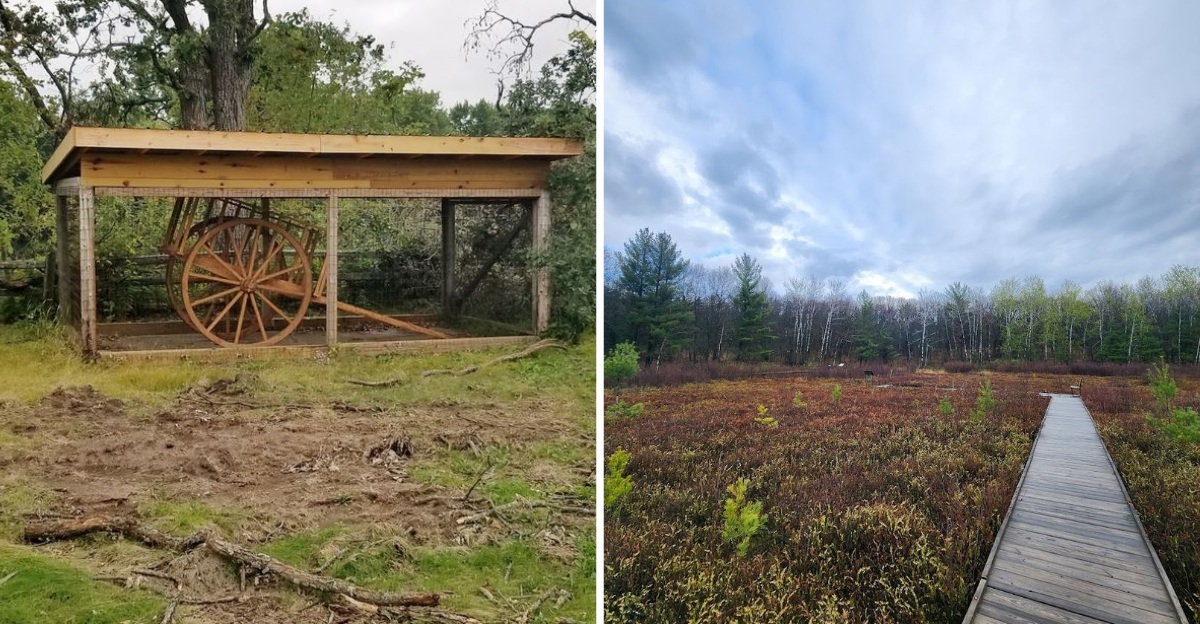
A stop like Wadena offered travelers a place to trade, rest, and cross the river by ferry. The ferry itself was a rope-guided operation, and you can still see a visible cut through the treeline where it once ran.
That small detail, a gap in the woods where a rope once pulled a flat-bottomed boat across the Crow Wing River, is one of the most tangible connections to the past that the site offers. It is easy to walk past it without realizing what you are looking at, which is exactly why the interpretive signs matter.
The oxcart trails were the highways of their time. Knowing that this quiet patch of Minnesota forest was once a genuine waypoint on that network gives the whole place a different kind of energy.
History does not always announce itself loudly.
A Free Park With Trails, Bogs, and River Views
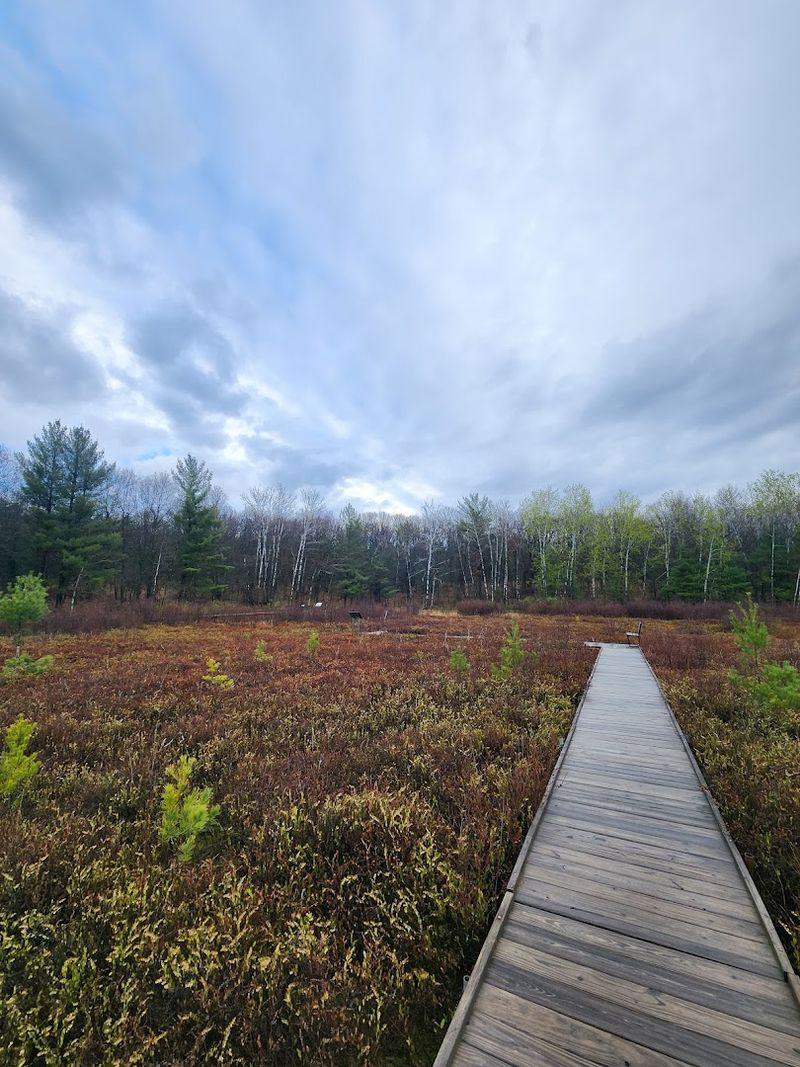
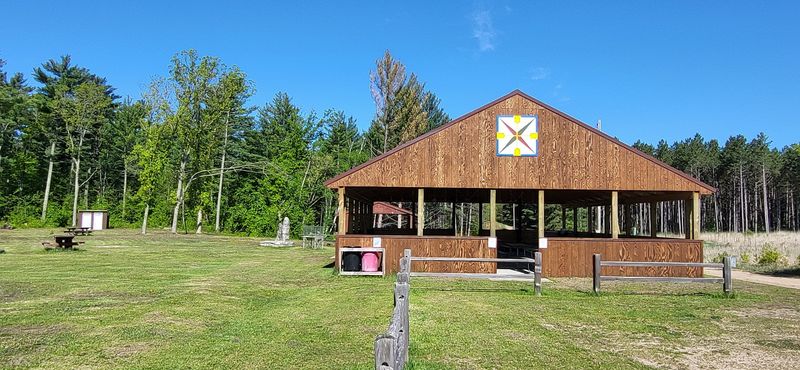
Old Wadena County Park wraps around the historic site and offers more than just a history lesson. There are hiking trails that wind through the woods, a bog walk that takes you out over a genuine Minnesota bog, a picnic shelter for an easy afternoon lunch, and a campground if you want to stay longer than a day trip allows.
General admission to the park is free, which makes it an easy choice for families, solo hikers, or anyone who just wants a quiet afternoon outside without planning too far ahead. The bog walk is a particular highlight.
Bogs are fascinating ecosystems, and getting to walk out over one on a boardwalk changes how you think about Minnesota’s landscape entirely.
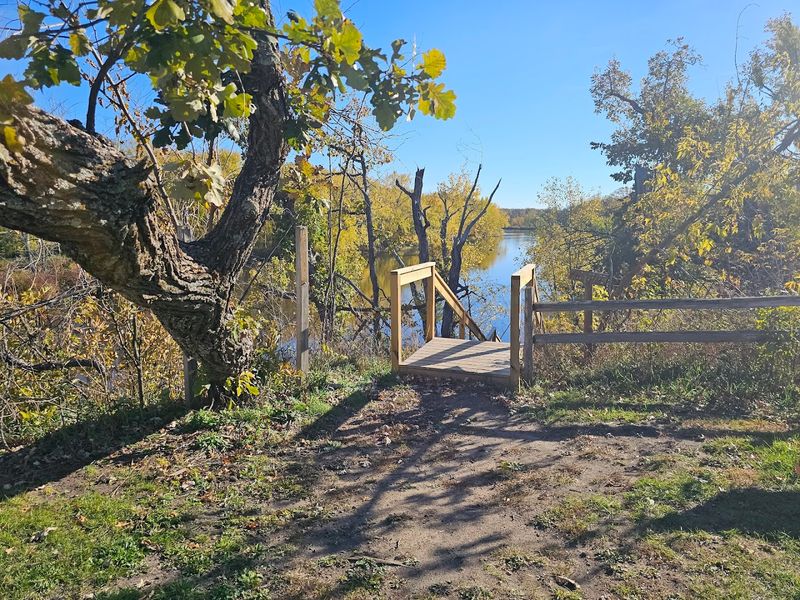
The river views along the trails are genuinely lovely, especially where the Partridge and Crow Wing rivers come together. That confluence has drawn people to this spot for centuries, and once you see it, the logic is obvious.
It is a naturally sheltered, resource-rich location that would have made sense to anyone looking to build something lasting.
Crowds are rarely an issue here. Most days, you might share the trails with a handful of other visitors at most.
That kind of quiet is increasingly rare, and it makes the whole experience feel more personal and unhurried. Bring good shoes and a water bottle, and you are set.
Where a Town Once Had a Main Street

One of the most unexpectedly moving moments at Old Wadena is finding the sign that marks the former intersection of 4th and Main Street. There is no pavement, no curb, no storefront.
Just a marker in the grass where people once walked to the post office, argued about land prices, and planned their futures.
It sounds simple, but there is something genuinely affecting about it. Towns usually fade slowly, losing buildings one by one over decades.
Old Wadena did not get that gradual goodbye. When the railroad bypassed it in 1871, the departure was swift.
People took what they could carry and rebuilt their town 3.5 miles away, leaving the rest to the forest and the river.
The original street grid never completely disappeared from the historical record. Aspinwall’s 1856 plat still exists, and researchers have used it alongside archaeological work to understand where buildings once stood.
The sign at 4th and Main is a small but deliberate nod to that documented past.
Standing at that intersection, you are not imagining history. You are reading it.
The land itself holds the memory even when the buildings are long gone. For anyone who finds ghost towns more interesting than polished heritage sites, this marker is worth the drive out from the current city of Wadena on its own.
The Annual Rendezvous That Brings It All Back to Life
For most of the year, Old Wadena Historic Site stays quiet and unhurried. August is the exception.
That is when the Old Wadena Rendezvous and Chautauqua rolls in, and the park briefly transforms into something much livelier than its usual peaceful self.
The event draws history enthusiasts, reenactors, and curious visitors who want to experience the fur trade era in a more hands-on way. Think period clothing, traditional crafts, demonstrations, and the kind of atmosphere that makes the 1800s feel genuinely close rather than textbook distant.
It is one of those events where you realize that living history, done well, is far more engaging than reading about the same period in a classroom.
Unlike the park’s standard free access, the Rendezvous does carry an admission fee. It is worth knowing that ahead of time if you are planning a visit specifically around the event.
The rest of the year, you can wander the site without paying anything.
If you prefer the quieter version of Old Wadena, any visit outside of August will give you the trails and the history without the added activity. Both versions of the experience are worthwhile, just different in energy and mood.
The Rendezvous shows what the site once was. The quiet months show what it has become: a rare, unhurried corner of Minnesota history that asks nothing of you except a little curiosity.
Why This Site Belongs on Your Minnesota Road Trip List
Minnesota has no shortage of historic sites, but most of them require you to pay for entry, follow a guided tour, or compete with busloads of other visitors for a decent look around. Old Wadena offers none of those friction points, which is a big part of why it deserves more attention than it currently gets.
The drive out from the current city of Wadena is about 15 miles east, through the kind of central Minnesota landscape that reminds you how genuinely rural this part of the state still is. The approach alone feels like a small adventure.
There are no highway billboards advertising the site, no gift shop waiting at the end of the road.
What you get instead is a National Register of Historic Places site that covers centuries of Indigenous history, fur trade commerce, pioneer settlement, and the story of a town that simply vanished because a railroad decided to go a different way. That is a lot of history packed into a quiet county park.
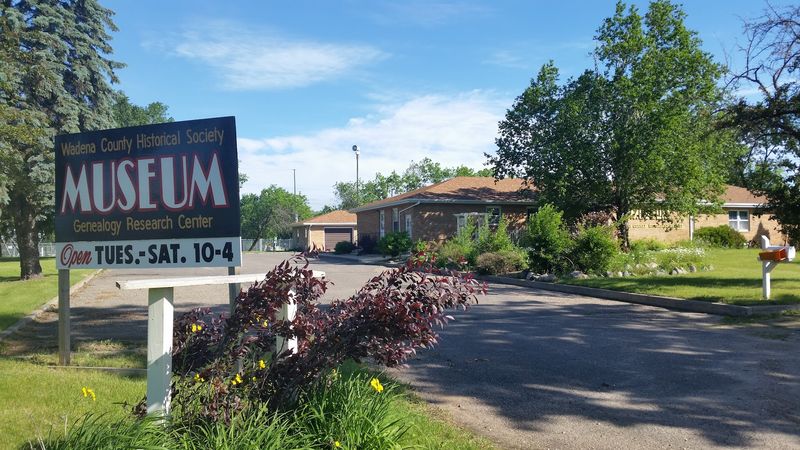
For road trippers, history buffs, or anyone who gets a kick out of discovering places most people have never heard of, Old Wadena checks every box. The Wadena County Historical Society at 603 Jefferson St N, Wadena, MN 56482 is also worth a stop if you want more context before or after your visit.
The site itself sits in Thomastown Township, where the Partridge and Crow Wing rivers meet.
