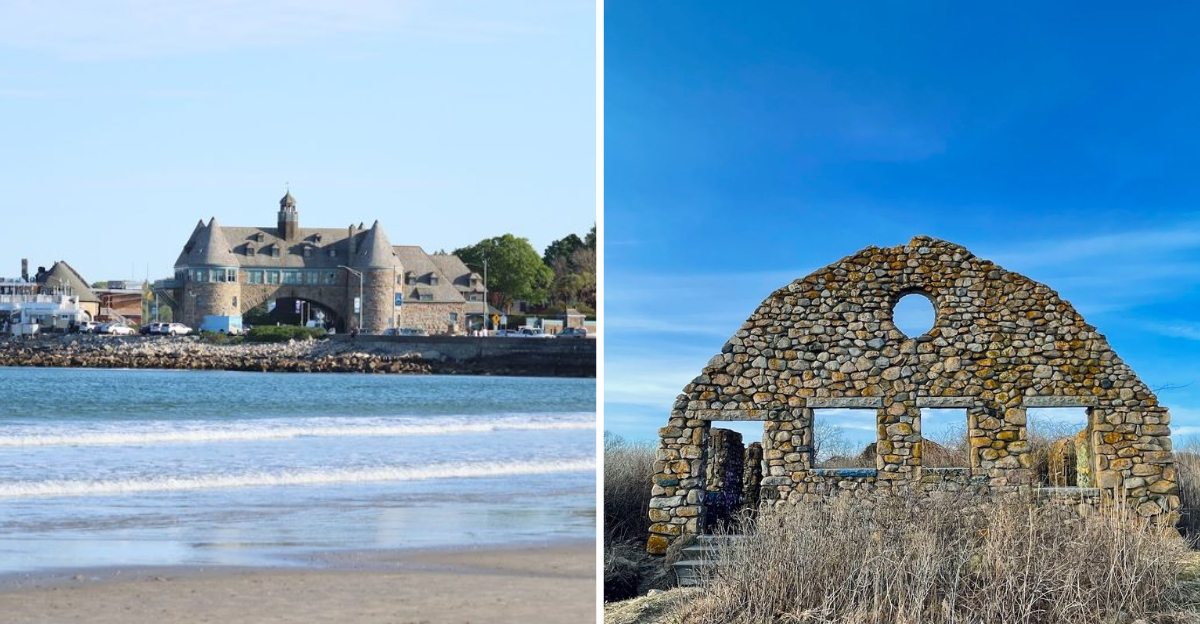
She was a bondswoman in early 19th-century Rhode Island. Eccentric, fiercely independent, and known by nearly every neighbor within reach.
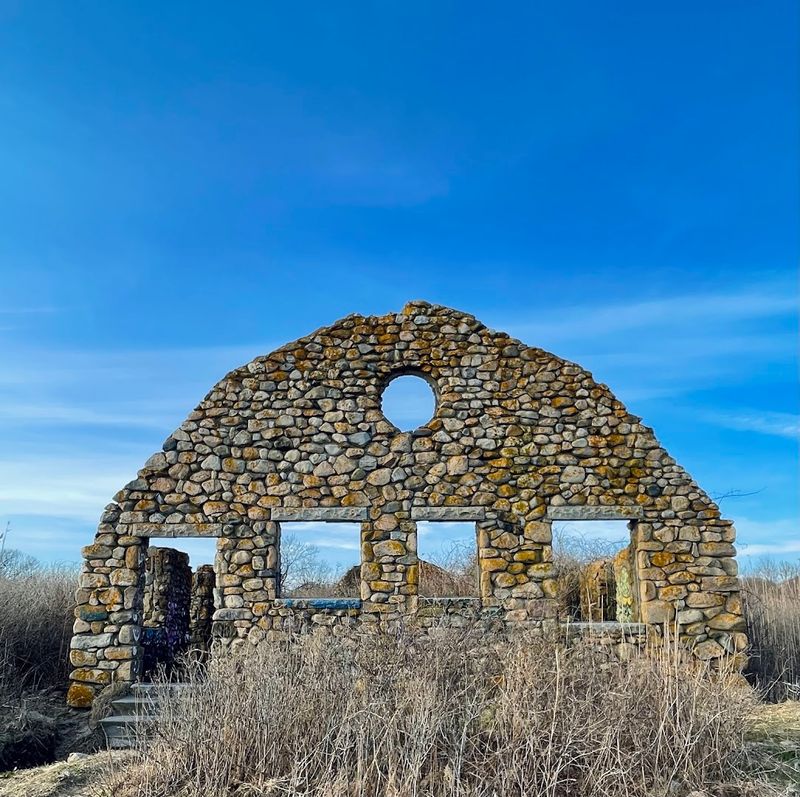
She lived in the rear ell of a ruined house with no chairs. She would not sit in anyone’s chairs either. She perched on tables instead.
She had two rows of double teeth and used that rare trait as proof she was different. People sought her out, feared her, and respected her. She practiced African magic, boiling ingredients together, working with graveyard dirt and a rabbit’s foot.
The neighbors never proved anything. But they never stopped wondering.
Rhode Island has its share of history. This woman brought magic with her.
Who Was Tuggie Bannock? The Woman Behind the Legend

Not many people become legends in their own lifetime, but Tuggie Bannock managed it without trying to be anything other than herself. She lived in the Narragansett area of Rhode Island in the early 1800s, and her name was known by nearly every neighbor within reach.
People sought her out, feared her, and respected her all at once.
Bannock was a bondswoman of Rowland Robinson, a large-scale enslaver in the region. She also performed household and agricultural work for various neighbor women, which meant she moved through the community in ways that gave her unusual visibility for a Black woman of her time and status.
What set her apart was not just her circumstances but her personality. She was described as eccentric, fiercely independent in spirit, and deeply rooted in a worldview that most of her neighbors did not understand.
Her reputation as a witch was not something imposed on her from the outside. She cultivated it deliberately, and that choice tells you a great deal about who she was.
Tuggie Bannock was not hiding from anyone.
The House With No Chairs and the Woman Who Refused Them

There is something quietly rebellious about refusing to sit in a chair your whole life. Tuggie Bannock lived alone in the rear ell of an old, ruined house in the Narragansett area, and that space contained no chairs at all.
Not one.
When she visited neighbors, she would not sit in their chairs either. Instead, she perched on a table or a dresser, high above the floor, above the ordinary furniture of ordinary life.
It sounds like a quirk, but it reads more like a statement. She was not going to occupy the same space in the same way as everyone else.
Her home reflected her personality entirely. No chairs meant no conventional sitting, no conventional posture, no conventional role.
For a bondswoman living in early 19th-century Rhode Island, that kind of physical refusal carried real weight. It was a way of saying that the rules of the house, both literally and figuratively, did not fully apply to her.
The ruined house itself added to her mystique. It was not a comfortable or welcoming space by any standard measure, but for Tuggie, it was exactly right.
Double Rows of Teeth and the Power of a Physical Sign
Some people are born with something that sets them apart in a way that is impossible to ignore. Tuggie Bannock had two full rows of double teeth, a rare physical trait that she leaned into completely when it came to building her reputation as a witch.
In the early 1800s, physical signs were taken seriously as markers of supernatural connection. A double row of teeth was not just unusual.
It was unsettling in a way that made people pause and reconsider what they thought they knew about a person.
Bannock understood this. She used her teeth as evidence, as proof that she was not like other people, that something different ran through her.
For her neighbors, who already believed that African Americans held particular power in matters of magic, this physical detail was more than enough to confirm what they suspected.
It is fascinating to think about how she turned something she was simply born with into a tool of social power. In a world where she had very little formal authority, her double teeth gave her a kind of leverage that no one could take away.
That is genuinely clever, and a little bit brilliant.
The Magic That Crossed the Ocean: African Traditions in New England
The magic Tuggie Bannock practiced was not the kind that came from European folklore. It traveled across the Atlantic with enslaved people, carried in memory and tradition when everything else had been stripped away.
In Narragansett, it took root in a cold New England landscape far from where it began.
Her methods included boiling ingredients together, a practice rooted in African magical traditions rather than the English-style magic more common in the region. English folk magic of the time might involve creating a poppet for a curse.
Tuggie boiled things, and that difference mattered enormously in terms of cultural origin.
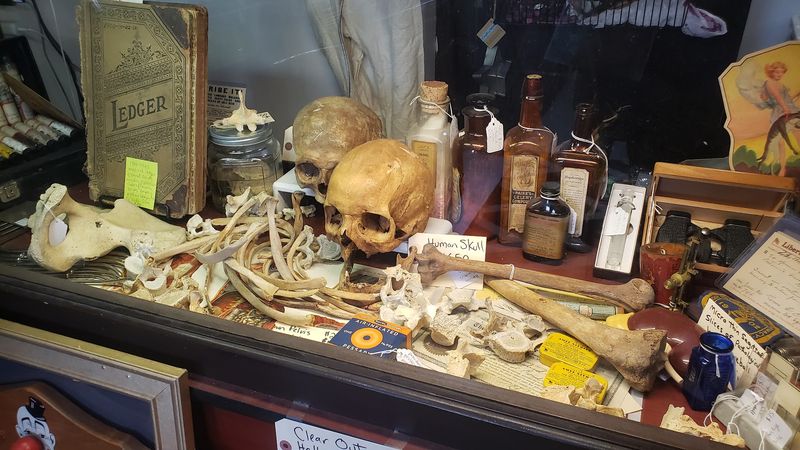
She worked with graveyard dirt and a rabbit’s foot, two items that carried deep significance in African-derived magical systems. The graveyard connected the living to the ancestors, and the rabbit’s foot brought luck and protection in ways that had traveled far from their original context.
For her neighbors, this magic felt powerful precisely because it was unfamiliar. It came from somewhere they could not access or fully understand.
That distance, that otherness, made Tuggie’s practice feel more potent and more real to the people who came to her door asking for help.
Petticoats Inside Out and Eggshells Around the Neck: Protection Rituals With Deep Roots
Before Tuggie Bannock began a spell, she prepared herself in a very specific way. She turned her petticoats inside out and wore a bag of eggshells around her neck.
To an outside observer, it might have looked strange. To someone who understood the tradition, it was careful and deliberate protection.
Both of these practices trace back to African magical traditions. Turning clothing inside out was a way of confusing or repelling negative forces, essentially making yourself harder to target.
The bag of eggshells served a similar protective function, with eggshells representing boundaries and barriers in several African spiritual systems.
What is striking about these rituals is how intact they remained after crossing an ocean and surviving the brutality of slavery. The fact that Tuggie still practiced them in early 19th-century Rhode Island speaks to the resilience of cultural memory.
These were not random superstitions. They were a coherent system of belief that had been passed down and preserved.
She was not improvising. She was following a tradition that predated her by generations, and she carried it forward with full confidence in its power.
That kind of cultural continuity, under those conditions, is remarkable.
The Night the Dark Object Burst Through the Door

One of the most vivid stories connected to Tuggie Bannock involves a night she was attempting to curse a person named Sidet Bosum. She had her pot on the stove, her preparations underway, when something unexpected and terrifying happened.
A large, dark object burst through her door without warning, knocking her to the ground and covering her in snow. Bannock, who was not easily frightened, was completely undone by this.
She believed it was the Devil himself, come to interrupt her work, and she begged it to leave her alone.
After the intrusion passed, she removed her pot from the stove, ending the spell entirely. Then she went to bed with a Bible and a horseshoe, two very different kinds of protection sitting side by side.
That detail alone is worth pausing on.
The Bible came from the Christian world around her. The horseshoe was a folk protective charm with roots in both European and African traditions.
Even in her most frightened moment, Tuggie Bannock reached for both worlds at once. The story is dramatic and unsettling, but it also shows a woman who was human, scared, and deeply layered in her beliefs.
Narragansett, Rhode Island: A Town That Still Holds Old Stories

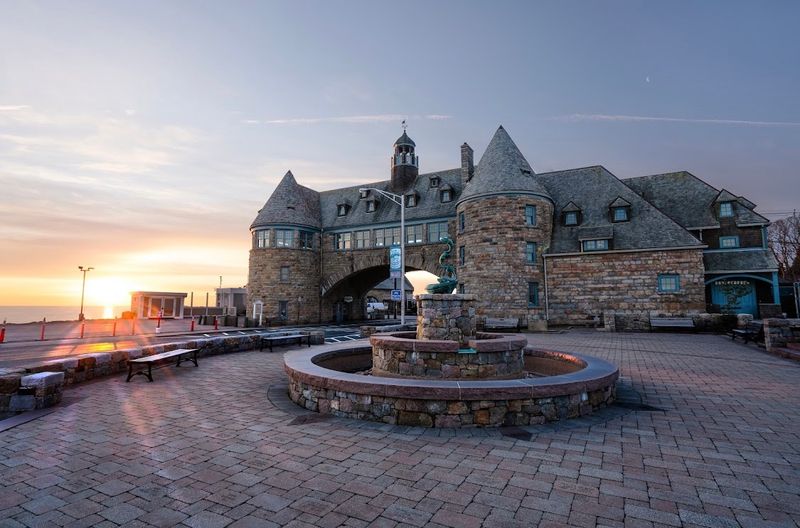
Narragansett sits at the southern edge of Rhode Island, where the ocean defines everything. The town has a population of just over fourteen thousand people, though that number more than doubles in summer when visitors arrive for the beaches and the salt air.
It is a beautiful place, and it carries its history in layers.
The Narragansett area has been home to Indigenous peoples, colonial settlers, enslaved Africans, and generations of families who shaped the land and the culture in ways that are still being uncovered. Tuggie Bannock was one thread in that larger story, but she is a vivid one.
Spending time in Narragansett today, you get a sense that the place has always been full of people living complicated, interesting lives just below the surface of what gets officially recorded. The ocean has a way of making everything feel older and more layered than it appears.
If you are drawn to history that goes beyond the expected, this town rewards curiosity. The stories are there for anyone willing to look past the tourist season and ask what else happened here, who else lived here, and what they brought with them from somewhere far away.
