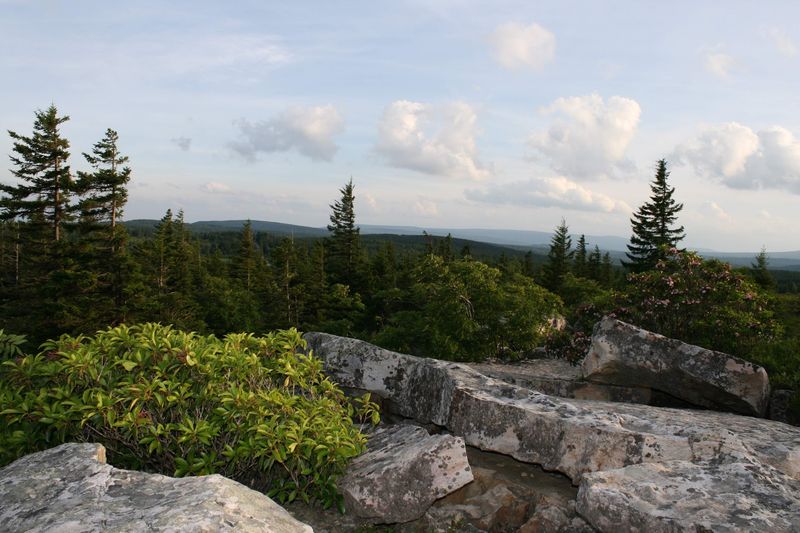
Some places in West Virginia stay hidden until you stumble upon them by chance, and then they never leave your memory. Way up on a windswept plateau, a rugged wilderness sits so high and wild it feels like a piece of Canada dropped into the mountains.
In early summer, the hillsides light up with wild blooms, and the views stretch on forever. If you have ever wanted to feel like you are standing on top of the world, this is the spot that delivers.
A High Plateau Unlike Anywhere Else in the State
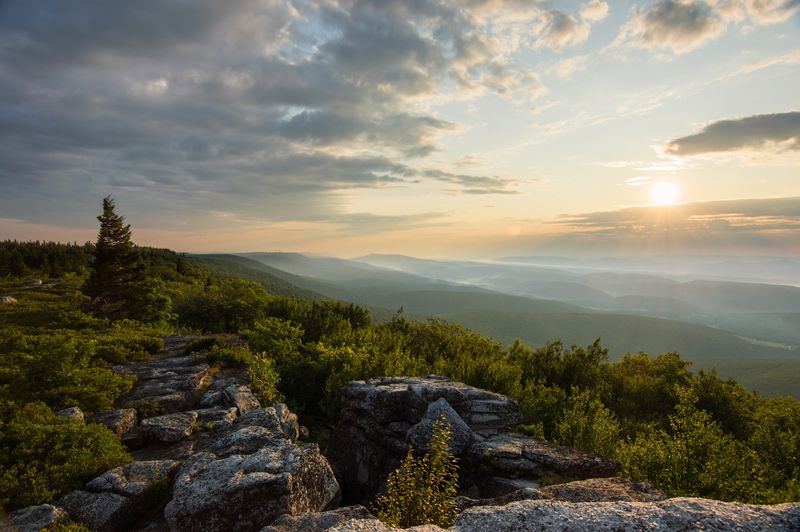
Perched at nearly 4,000 feet on a rocky plateau, this wilderness feels almost impossible for West Virginia. The ground is a patchwork of open meadows, boulder fields, and wind-bent evergreens that look sculpted by the constant breeze.
Visitors often describe it as a taste of Canadian tundra dropped into the Appalachians. Something about the cool air and low, hardy plants makes it feel far from home, even when you are only a few hours away.
Located along West Virginia 26260, the area sprawls across a vast landscape with diverse terrain that changes with every mile you walk. One moment you are in a hardwood forest, and the next you are crossing open heath dotted with berry bushes.
Folks who love higher peaks and summits sometimes skip it, then arrive and admit they were wrong. The beauty here comes with very little effort, which makes it welcoming for many different kinds of hikers.
Rated 4.9 stars across nearly 300 reviews, it has quietly earned a reputation as one of the most cherished corners of the whole state.
The Story Behind This Wild and Rugged Land
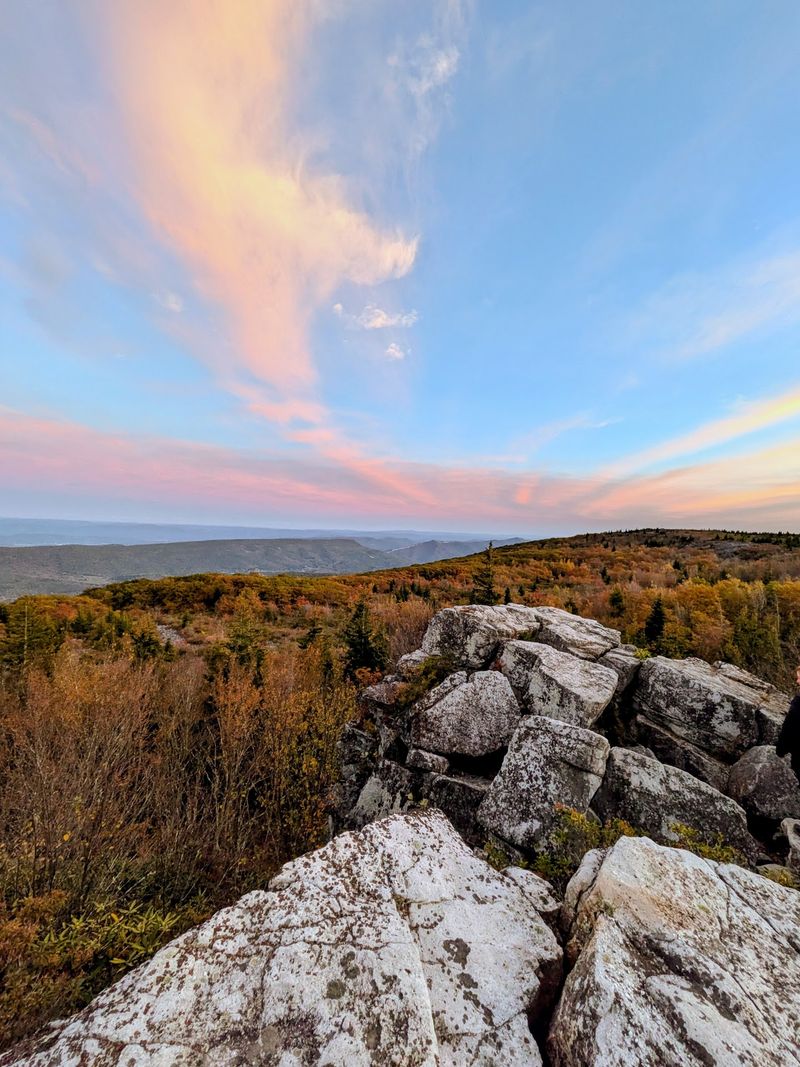
Long before hikers came seeking quiet, this land carried a rougher history that many visitors find fascinating to learn about. The plateau was once heavily logged and burned, leaving behind the exposed rock and thin soil you see today.
Nature has slowly reclaimed the ground, and the recovery itself is part of the wonder. Windburned pines and thick mats of lichen have settled in where towering forests once stood, creating a landscape that feels ancient and reborn at the same time.
Regulars who return year after year often mention how the history adds depth to every step. Knowing the struggle this land went through makes the present beauty feel earned and more meaningful.
The name alone sparks curiosity, and the story behind it draws people who love the good old days of exploring West Virginia’s wilder places. It reminds folks that these mountains have always been shaped by hard work and time.
Standing amid the recovered spruce and open bogs, you get a real sense of resilience. Few spots in the state tell such a powerful comeback story so plainly.
Microecosystems Packed Into a Small Space
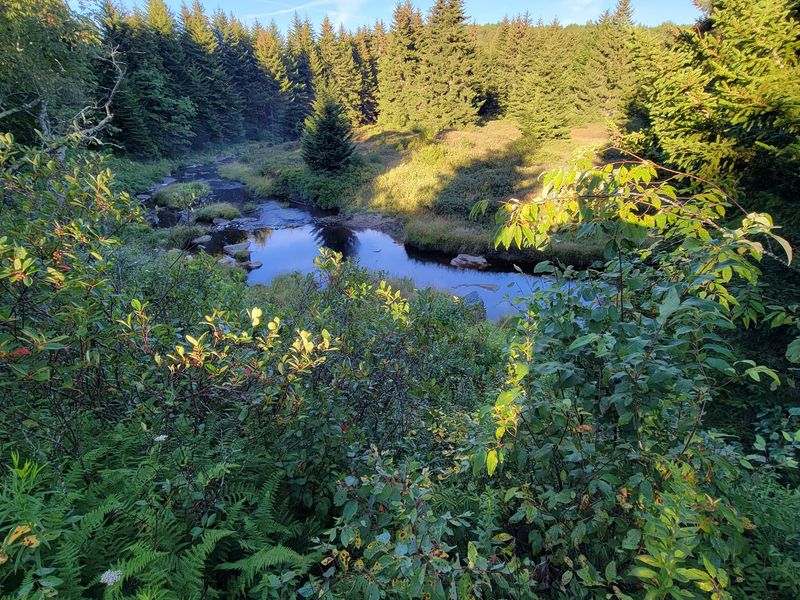
Walk here for an hour and you might pass through what feels like several different corners of the country. One visitor marveled at how many microecosystems fit into such a small area, and that surprise is common.
Bogs sit beside boulder fields, spruce groves give way to open meadows, and creeks wind through it all. This constant change keeps every walk feeling fresh, because you truly never know what the next bend will reveal.
Nature lovers point to the diverse flora as a highlight, with blueberry bushes, fungi, mosses, and a wide variety of lichen scattered everywhere. Many say the plant life alone is worth the trip.
Hikers have compared the shifting scenery to traveling around the whole nation without leaving the plateau. From local-looking forests to landscapes that feel like the wild west, it all lives together here.
The variety also means the wilderness rewards slow, curious wandering. Rushing through would mean missing the tiny details that make this place so special and rare in the mountains.
It is the kind of ground where botanists and casual walkers both leave amazed.
Blooming Hillsides and Mountain Laurel in Season
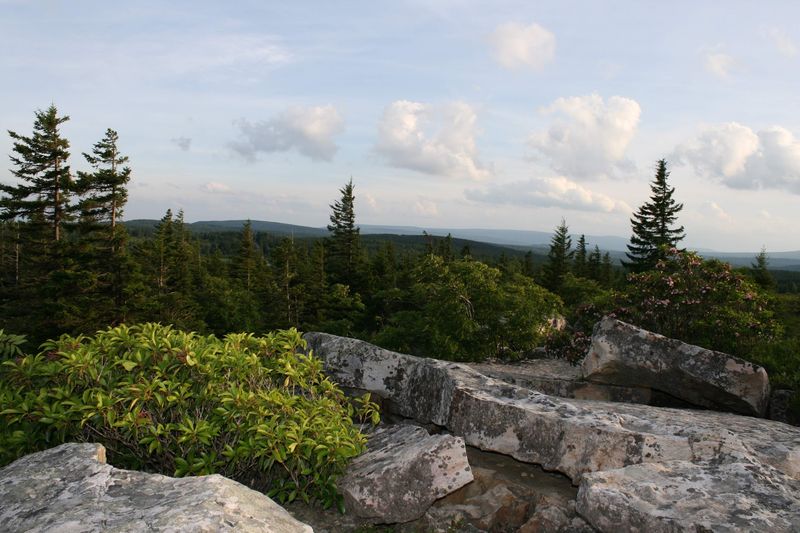
Late June brings a show that makes the whole plateau feel like it is celebrating. Hikers who arrive in early summer often find the mountain laurel in full bloom, coating the hillsides in soft clusters of blossoms.
The pale flowers stand out against the dark, leathery leaves and the gray rock, creating a contrast that photographs never quite capture. People say you simply have to stand there and take it in yourself.
West Virginia’s wild blooms are famous for good reason, and seeing them spill across an open hillside above a sweeping view feels almost unreal. The timing rewards those who plan their visit for that narrow window.
One backpacker recalled visiting in late June and finding the laurel blooming everywhere they turned. Moments like that turn a good hike into a memory that lasts for years.
Because the weather up high runs cooler, the blooming season can differ from the valleys below. Checking bloom reports before you go can help you catch the peak color.
When the hillsides burst into flower, this becomes one of the loveliest sights in the state.
Sweeping Views That Make You Feel on Top of the World
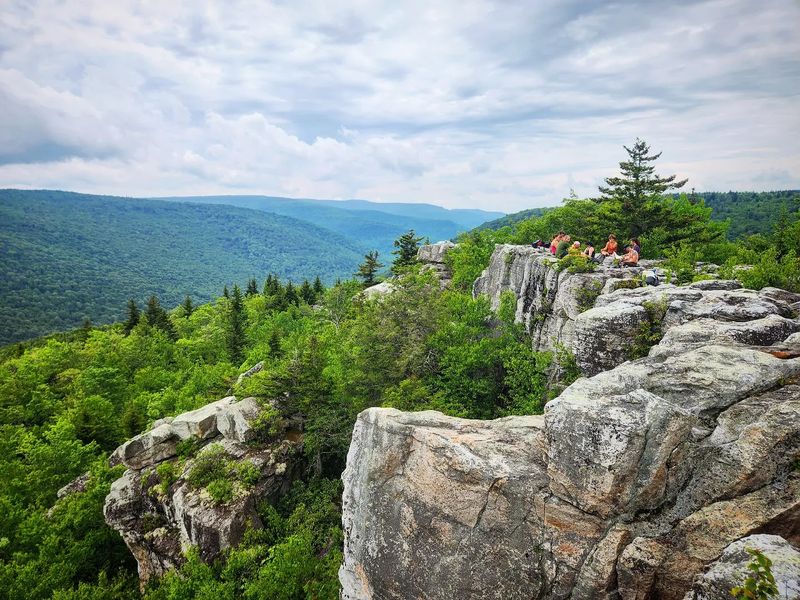
Ask anyone who has stood at the edge here, and they will tell you the views alone justify the whole trip. One visitor summed it up simply by asking if you want to feel on top of the world, then pointing you straight to this plateau.
Layers of mountain ranges roll toward the horizon, especially from the higher vantage points. The scenery earns words like breathtaking and grandeur from people who have seen plenty of pretty places.
Because the land sits so high and open, the sightlines stretch far in nearly every direction. On clear days, the distant ridges seem to fade into soft blue forever.
Many folks say they long to return in every season just to watch the same views change with the weather and the light. Fall foliage tops many wish lists.
The combination of easy access and enormous payoff makes these overlooks feel almost too generous. You do not have to be a hardcore climber to earn a view like this.
Standing there with the wind at your back, the everyday world suddenly feels very small and far away.
Bear Rocks Preserve and Its Grand Vistas
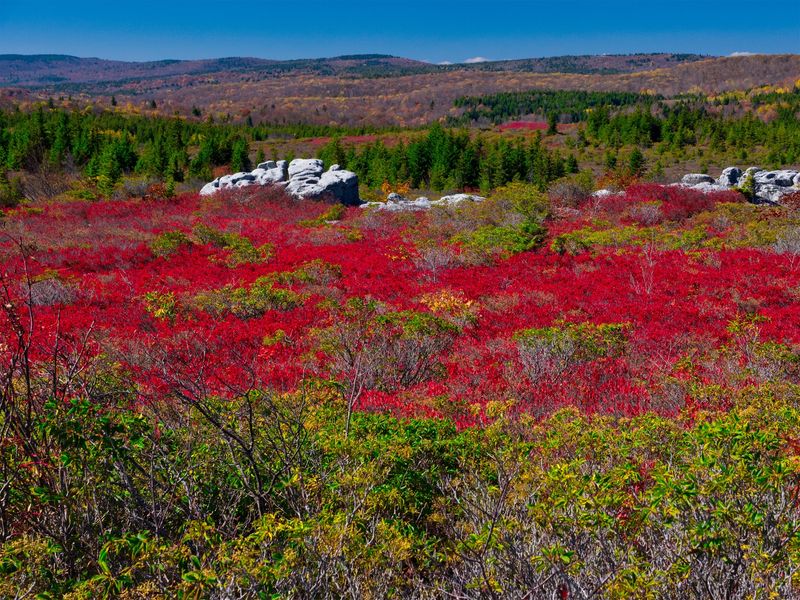
Tucked in the northeast corner sits a spot that shows up in nearly every famous photo of the region. Bear Rocks Preserve delivers a view of several mountain ranges that one visitor called nothing but grandeur.
The rocky outcrops here catch the early light beautifully, which is why sunrise draws so many photographers and quiet dreamers. It is the postcard picture come to life.
To reach it, most folks travel Jordan Run Road and Forest Road 75 to get into the northeast area. The drive takes some patience, but the destination rewards every mile.
Bird watchers especially treasure this section, with some spotting lifetime birds they had never seen before. There is even a seasonal bird banding station worth checking out.
Wind-shaped and open, the preserve feels wilder and more exposed than the sheltered forest trails. That raw quality is exactly what keeps people coming back.
Standing on those cool gray rocks with ridges rolling away in every direction, you understand why this corner became the face of the whole wilderness.
For many, it is the highlight that seals the trip.
A Trail Network for Every Kind of Hiker
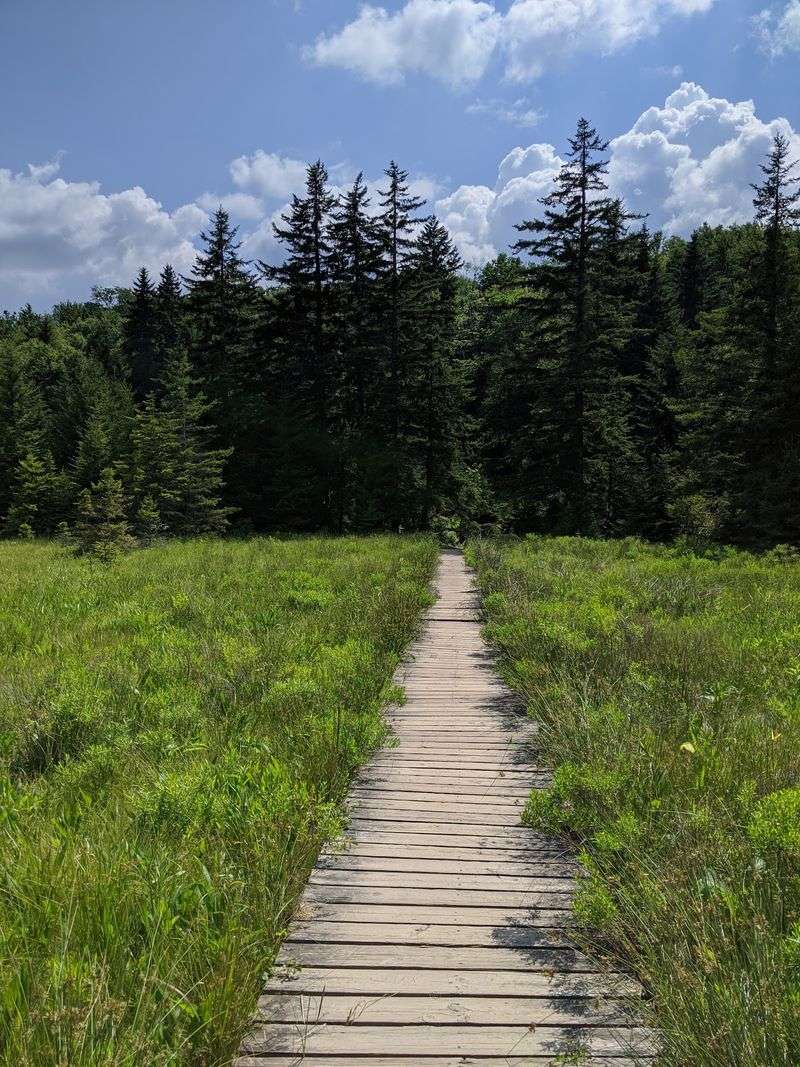
Whether you want a gentle stroll or a multi-day adventure, the paths here bend to fit your mood. Hiking gets mentioned more than fifty times by visitors, making it far and away the top reason people arrive.
Trail conditions range from smooth boardwalks to boulder fields, and from dry sandy stretches to deep mud. Being prepared for a little bit of everything is part of the fun.
Some casual walkers say parts of the path feel almost like strolling on a concrete road, well worn and easy to follow. Others chase big loops that stretch thirty miles or more.
A short mile hike near the entry offers gorgeous views without much effort, perfect for those short on time. Meanwhile, seasoned backpackers rave about the endless options for stringing trails together.
The wide network means you can shorten or extend your plan on the fly. Winter hikers have noted being glad for the many trails when snow forced them to change course.
With so many routes crossing this diverse terrain, no two visits ever have to feel the same.
Muddy Boots and Trails That Turn Into Creeks
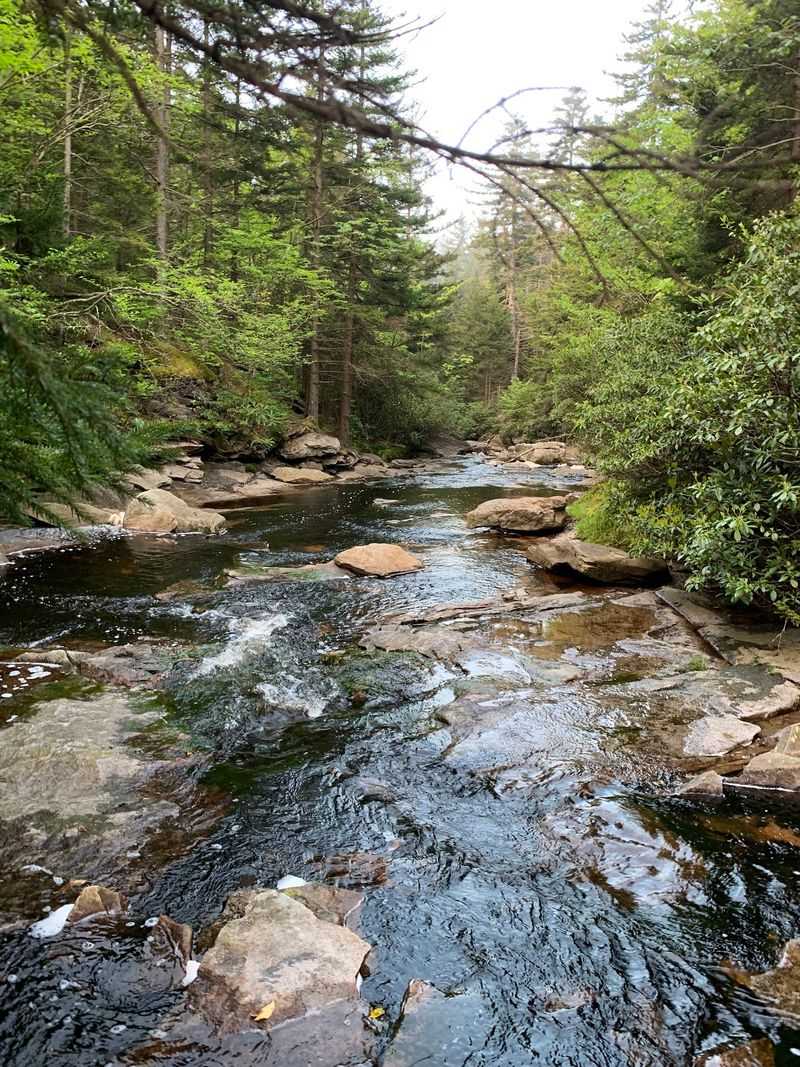
Nobody who spends real time up here escapes without a good mud story, and that is part of the charm. Visitors mention muddy trails often, warning that half of some paths can be soft, wet, or downright soggy.
At times the trail becomes more rock hopping than hiking, and stretches can turn into flowing creeks after rain. One hiker joked that they packed a full change of clothes just for the car ride home.
Waterproof boots and extra socks come up again and again as the smartest thing you can bring. A few honest folks admit the constant mud wore them out over long days.
Yet even those who found it tiring still praised the beauty enough to say they would return for a day hike. That says a lot about the payoff.
Crossing small rivers and dodging boot-stealing puddles becomes part of the wild experience. Some hikers even bring bags to keep their legs dry at water crossings.
Come ready to get a little messy, and the mud turns from a nuisance into a badge of a real mountain adventure.
True Wilderness With No Stores or Signal
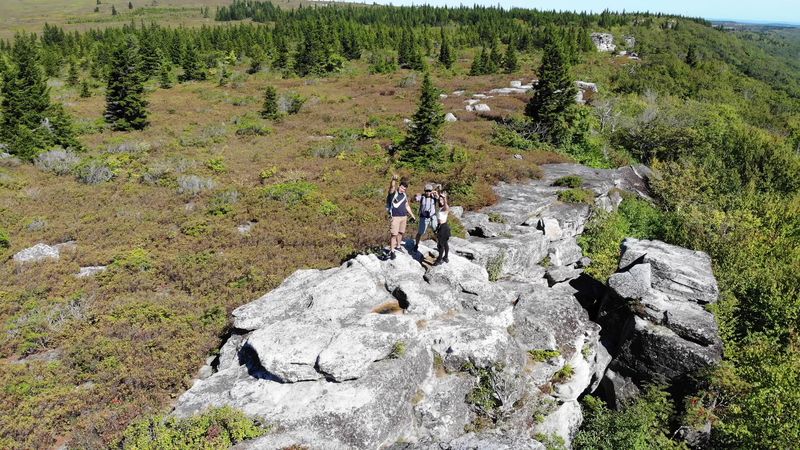
In a world that never seems to slow down, this place offers something increasingly rare. One visitor marveled that it remains just as wilderness, with no stores, no cabins, no businesses, only you and nature.
The lack of cell reception, at least in many spots, becomes a feature rather than a flaw. People describe finally feeling disconnected from the noise and stress of daily life.
Regulars call it the perfect retreat from a hectic world, a chance to totally unplug away from the beaten path. That silence draws folks who crave genuine peace.
Because there are no comforts waiting, you carry what you need and lean on your own two feet. That self-reliance is exactly what makes the escape feel complete.
Quiet atmosphere comes up in reviews for good reason, with hikers savoring the stillness of the woods. Some say the calm opens up the mind and soothes the soul.
For anyone tired of screens and schedules, the pure air and untouched land offer a reset that few places can match anymore.
It is wildness in the truest sense of the word.
Wildlife, Beaver Ponds, and Lifetime Birds
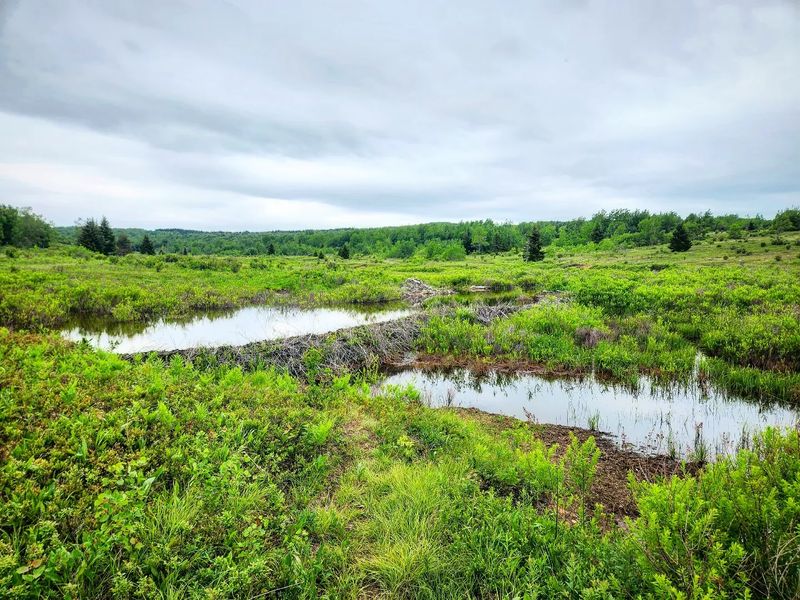
Keep your eyes open and this land rewards you with encounters you will not soon forget. Backpackers have spotted deer, along with fox and turkey tracks pressed into the snow and mud.
Beyond the familiar creatures, there is a large wild beaver population here that surprises many first-timers. Their ponds and lodges dot the landscape, adding a lively touch to the quiet.
Bird watchers treasure the area especially, with some seeing several lifetime birds on a single visit. A seasonal bird banding station gives curious folks a closer look at the winged residents.
The mix of habitats supports an unusually wide range of animals for such a compact stretch of high country. Each ecosystem invites its own set of visitors from the animal kingdom.
Patient observers who move slowly and stay quiet tend to see the most. Early mornings and calm evenings offer the best chances.
Watching a beaver glide across its pond or catching a rare bird in the shrubs turns an ordinary hike into a small wildlife safari.
For nature lovers, these living moments are among the plateau’s greatest gifts.
Dark Skies and Peaceful Camping Spots
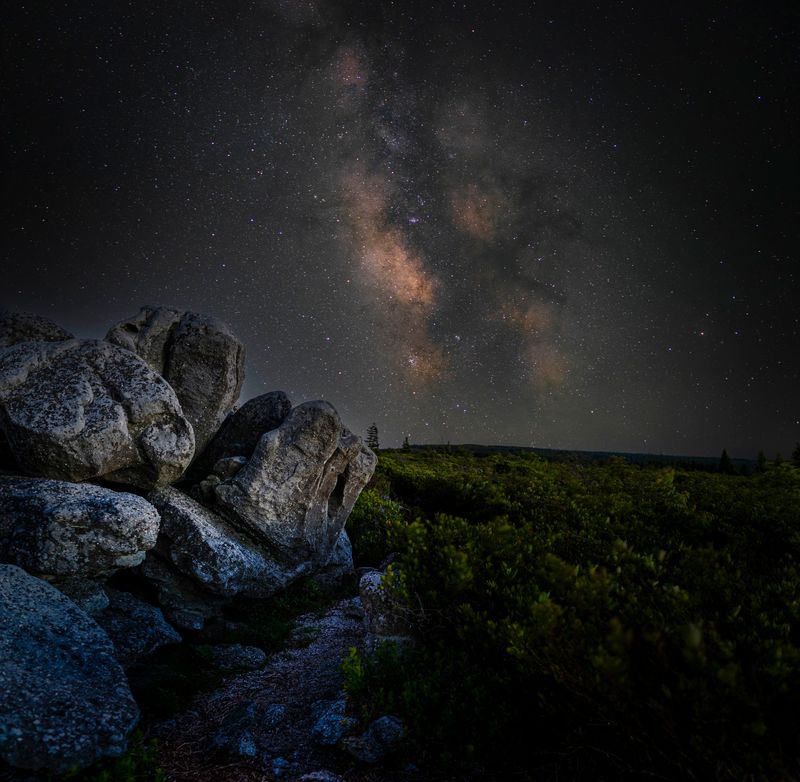
When the sun drops behind the ridges, a whole new spectacle unfolds overhead. Campers rave about skies so clear and dark that you can see everything and anything above you.
Away from city glow, the stars pour across the heavens in numbers most people never witness. One overnight visitor called the night sky simply amazing.
The many campsites scattered across the plateau give you your pick of settings, from shady spruce groves to spots beside rushing streams. Some sit right at stunning vistas.
Water tends to be easy to come by, which makes multi-night trips more manageable for backpackers. Quiet camping spots let you sleep with only the wind for company.
Folks who have tent camped deep in the forest describe waking up refreshed in both body and mind. The stillness seems to work its own kind of magic.
Winter campers even brave the snow here, though deep drifts can change plans quickly. Whatever the season, the nights leave a lasting impression.
Falling asleep under a blanket of stars, far from any noise, is the sort of experience that keeps people planning their return.
Getting There and What to Bring
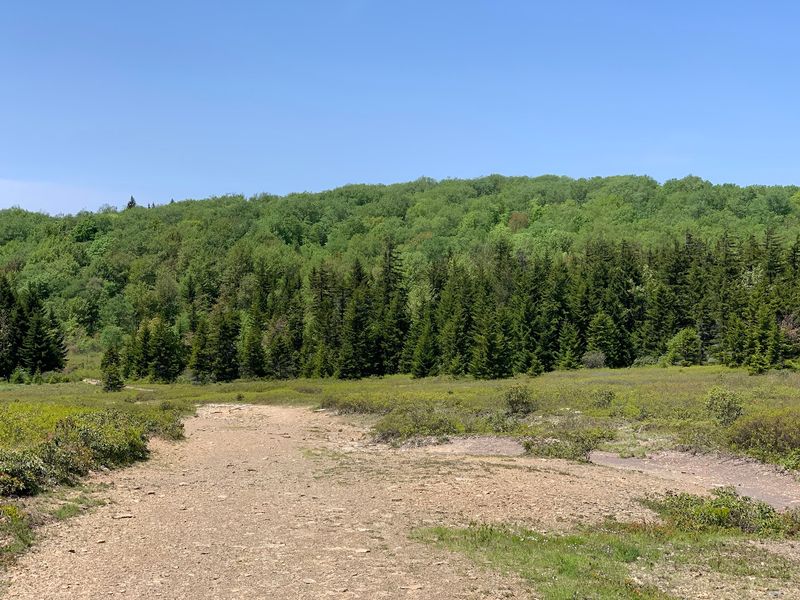
Reaching this high country takes a bit of grit, and that is honestly part of the appeal. Several visitors warn about driving miles of gravel like Stone Road, which can be bumpy and full of potholes.
The service road toward Bear Rocks earns a reputation as treacherous, so a vehicle with good suspension or higher clearance helps a lot. Most agree the view at the end is well worth the rough ride.
Because there are no blazes on many trails, downloading offline maps and grabbing a paper map are strongly recommended. Hikers who skipped this step found themselves backtracking more than once.
Weather up here changes constantly, so packing layers and preparing for anything is smart. Waterproof boots, extra socks, and a dry change of clothes top the essentials list.
Always register at the trailheads before heading out, a small step that keeps everyone safer. The plateau is large, so knowing your route matters.
The Dolly Sods Wilderness sits along West Virginia 26260. Come prepared, drive carefully, and the effort of getting there pays off the moment you step onto the plateau.
Why This Wilderness Stays With You
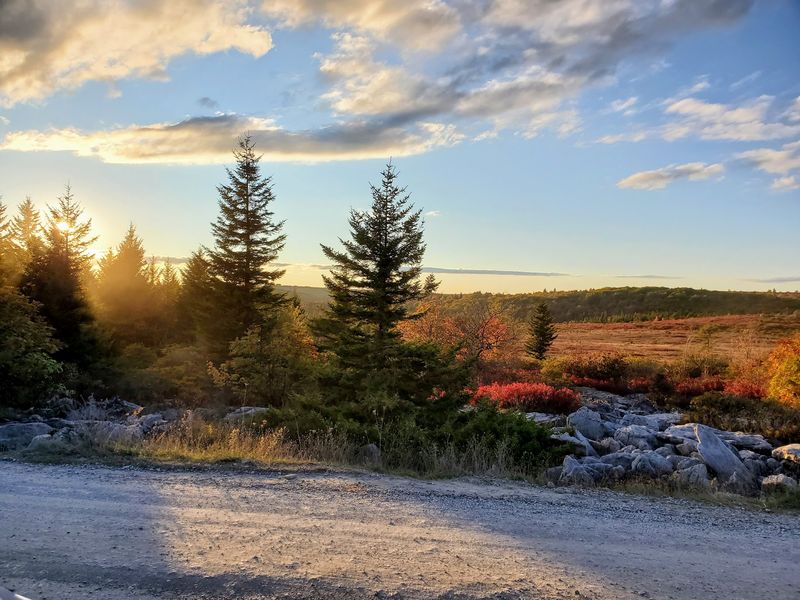
Some places you visit once and forget, while others root themselves in your heart for good. This plateau clearly belongs to the second kind, with hikers returning year after year in awe.
One devoted visitor said they always leave in wonder at the beauty and mysticism of the place, calling it a backpacker’s paradise. Another described coming out of the forest stronger in body and mind.
The blend of blooming hillsides, sweeping overlooks, diverse terrain, and pure quiet creates something bigger than the sum of its parts. It is easy to see why folks call it one of the most underrated spots in the whole country.
Whether you come for a short scenic mile or a thirty-mile loop, the wilderness meets you where you are. Families, birders, campers, and casual walkers all find their own version of joy here.
Come ready for mud, changing weather, and rough roads, and you will be rewarded with memories that outshine every inconvenience.
Above all, it captures that almost heaven feeling West Virginians hold dear. Visit once, and you will understand why so many keep coming back.
