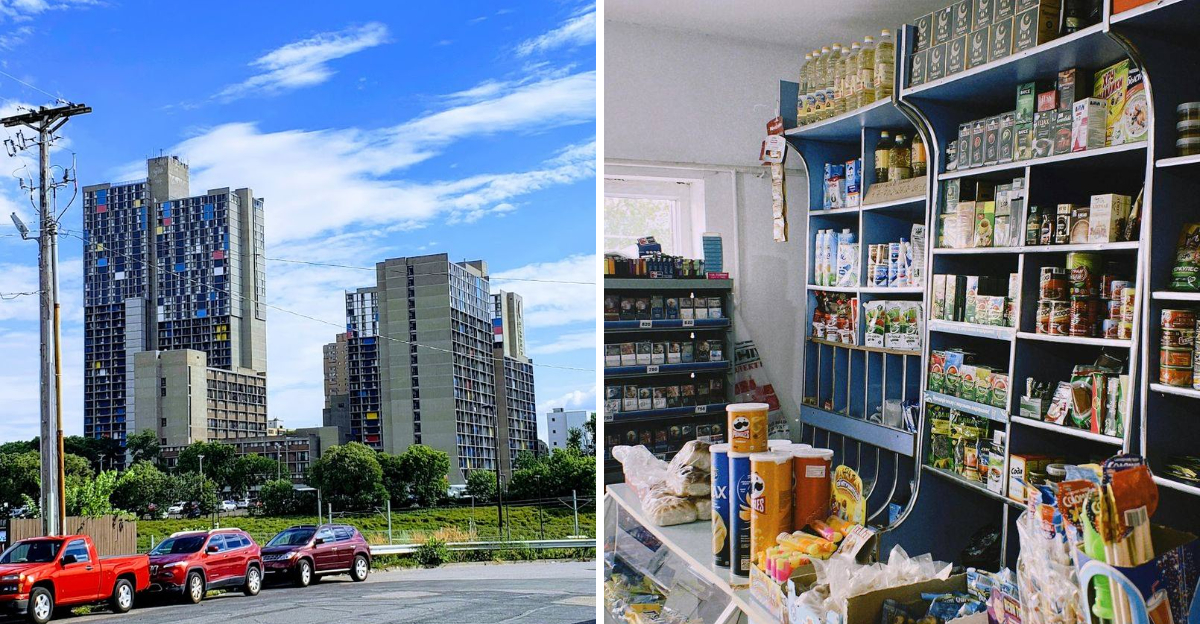
A surprising slice of the Horn of Africa comes alive in Minnesota, where culture, food, and community blend into something vibrant and deeply rooted. This isn’t just a themed experience – it’s a living connection to Somali heritage carried across continents and reshaped in a new home.
I didn’t expect the atmosphere to feel this rich. The moment you step in, it’s filled with color, aroma, and energy that pulls you in immediately.
Spices in the air, warm hospitality, and familiar rhythms of daily life all come together in a way that feels both global and local at the same time.
There’s a steady hum of conversation, shared meals, and tradition being passed forward in real time. It’s the kind of place where geography feels less important than the stories people bring with them.
The Heart of Little Mogadishu
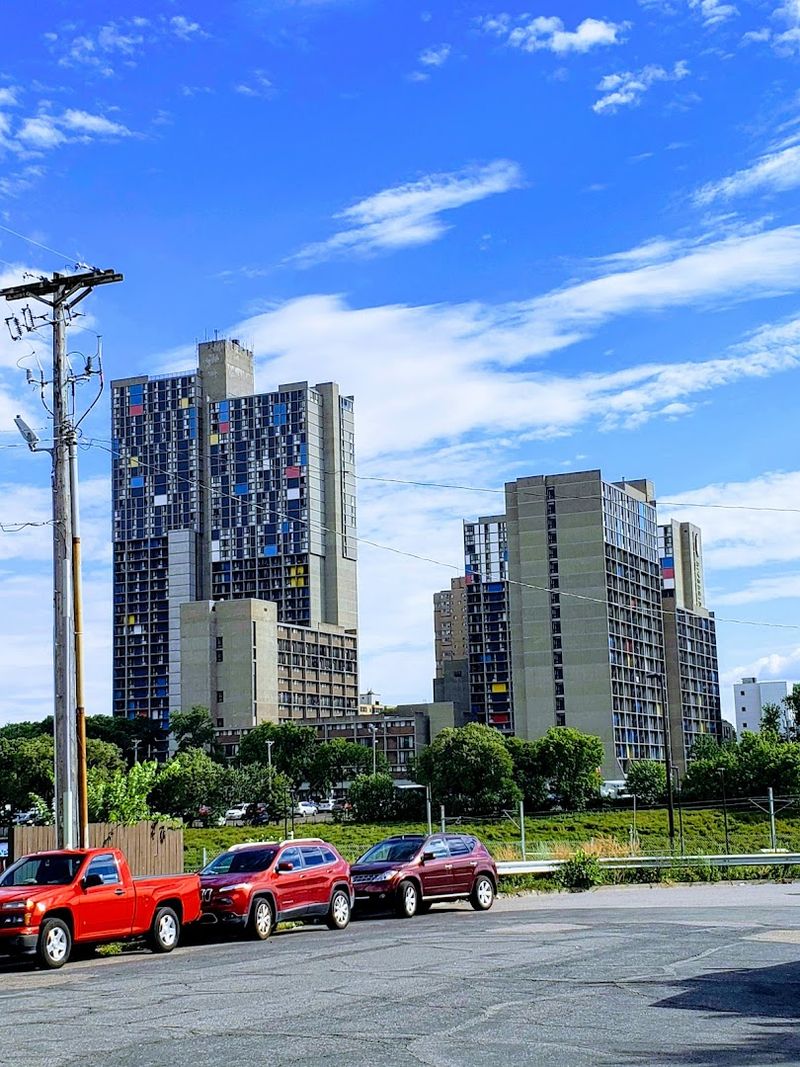
Cedar-Riverside is often called Little Mogadishu. That nickname carries real weight.
Walking through the neighborhood, you immediately sense a living, breathing Somali community that has made this corner of Minneapolis its own.
The streets pulse with energy. Vendors sell fresh produce outside small shops.
Women in bright dirac dresses chat near storefronts, and children run past laughing.
This area became a major resettlement hub for Somali refugees in the 1990s. Today, it holds the largest Somali population of any neighborhood in the United States.
That history is visible in every mural, every business sign, and every face you pass.
The community has transformed Cedar-Riverside into something extraordinary. It is not a tourist attraction.
It is a real, functioning neighborhood full of pride. Coming here with open eyes and genuine curiosity makes all the difference.
Somali Cuisine You Will Not Forget
The food scene here is a genuine highlight. Somali cuisine blends East African, Middle Eastern, and South Asian flavors in ways that feel bold and comforting at the same time.
Canjeero is a spongy flatbread often eaten at breakfast. It pairs beautifully with honey or suqaar, which is a spiced meat dish.
The combination is simple but surprisingly satisfying.
Restaurants along Cedar Avenue serve hearty plates of basmati rice, slow-cooked goat, and fragrant stews. The portions are generous.
The hospitality is even more so.
One thing I noticed right away was how welcoming the restaurant owners are. They will explain every dish with enthusiasm.
Asking questions is encouraged, and you will leave knowing more about Somali food culture than you expected.
Try the sambusa, a fried pastry filled with spiced meat or lentils. It is the kind of snack that makes you stop walking just to appreciate it.
Cedar Avenue and Its Cultural Mosaic
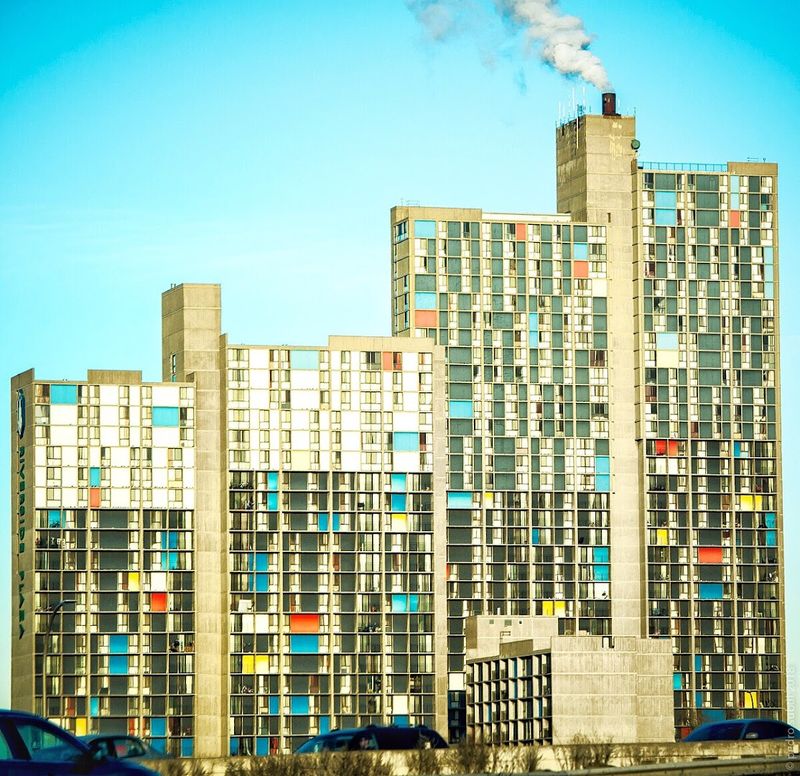
Cedar Avenue is the main artery of this neighborhood. It is where most of the action happens.
Shops selling Somali clothing, electronics, and halal groceries line both sides of the street.
Walking this stretch feels layered. You pass a Somali cafe, then an Ethiopian grocery, then a Yemeni restaurant.
The whole block tells a story of migration and community-building.
Street art appears in unexpected places. A mural of a woman in traditional dress watches over a parking lot.
Another painting celebrates the Mississippi River nearby. These pieces are not decorations.
They are statements.
The avenue is busiest on weekday afternoons. That is when families run errands and friends catch up over tea.
The pace is unhurried. Nobody seems to be in a rush.
That relaxed rhythm is part of what makes Cedar Avenue so easy to enjoy.
Spending an afternoon just walking and observing here reveals more about this community than any guidebook could.
Somali Tea Houses and the Art of Slowing Down
Tea culture in Cedar-Riverside is serious business. Somali tea, known as shaah, is spiced with cardamom, cinnamon, and cloves.
It is sweet, fragrant, and impossible to rush through.
Tea houses here are social spaces. People gather to talk, share news, and simply sit together.
There is no pressure to order more or leave quickly. Time feels different inside these places.
I sat in one for nearly an hour without realizing it. The conversation around me was lively, even though I understood very little of it.
The energy was warm and inclusive.
Shaah is often served with anjero or small sweet biscuits. The combination is a ritual.
It is how relationships are maintained and how community is kept alive day after day.
If you visit Cedar-Riverside and skip the tea houses, you are missing the soul of the neighborhood. Order a glass, find a seat, and just let the moment happen.
The Role of the Masjid Al-Nur Mosque
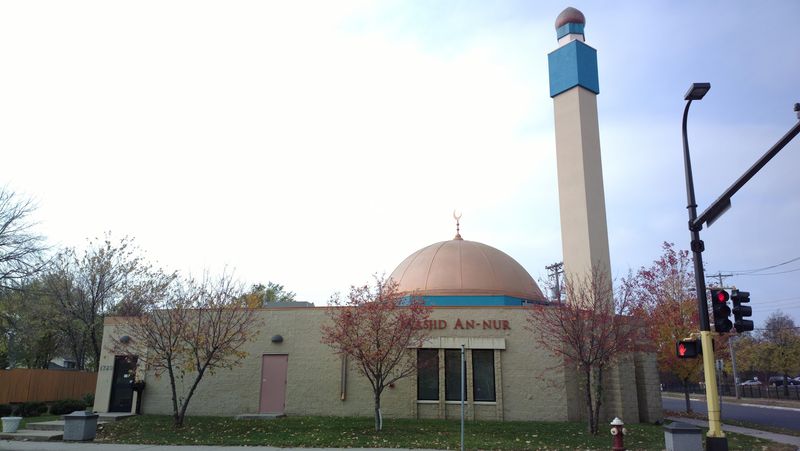
Faith is central to daily life in Cedar-Riverside. The Masjid Al-Nur mosque stands as a cornerstone of the community.
It has served Somali Muslims in Minneapolis for decades.
The mosque is more than a place of worship. It functions as a community center, a gathering point, and a space for cultural education.
Classes, events, and support services are all part of what happens here.
Hearing the call to prayer echo through the neighborhood adds a layer of atmosphere that is hard to describe. It grounds the place in something ancient and deeply human.
Visitors should be respectful and mindful of prayer times. Modest dress is appreciated near the mosque.
The community is generally welcoming to curious and respectful outsiders.
Understanding the role of the mosque helps you understand Cedar-Riverside itself. Religion, culture, and daily life are woven together here.
They are not separate categories. They move together as one connected way of living.
Somali Markets and Halal Grocery Shopping
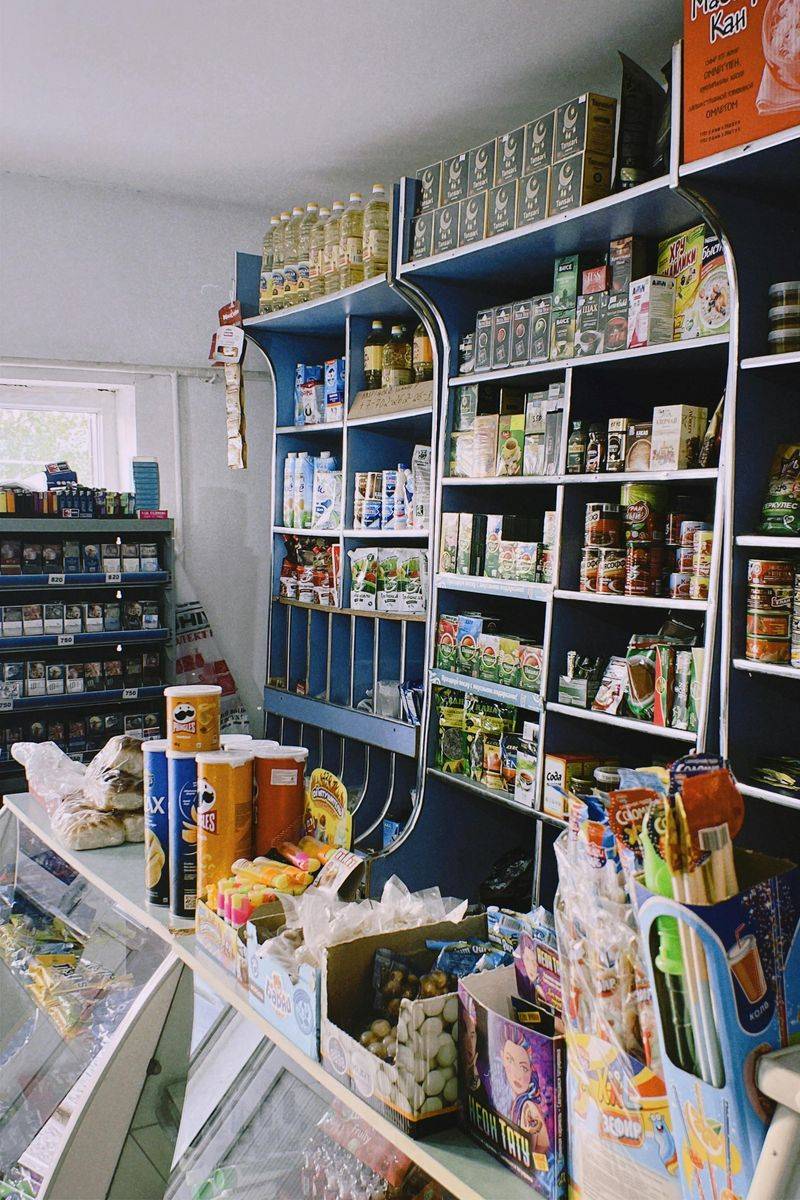
Grocery shopping in Cedar-Riverside is an experience all on its own. Halal markets stock ingredients you simply cannot find in a standard supermarket.
The shelves are stocked with East African spices, dried lentils, and imported goods from Somalia and beyond.
The smell of cardamom and dried herbs hits you at the door. It is a good smell.
Earthy and warm, like someone’s kitchen on a Sunday morning.
Shop owners are usually happy to explain unfamiliar ingredients. Ask about the best spice blend for rice dishes and you might get a ten-minute tutorial.
That kind of generosity is common here.
Bags of qasil, a natural hair and skin powder, sit beside jars of ghee and canisters of loose-leaf tea. The variety reflects a community that still cooks from scratch and values traditional ingredients.
Even if you are not cooking Somali food at home, browsing these markets gives you a genuine feel for the culture. It is one of the most authentic experiences the neighborhood offers.
Street Art and Cultural Expression in Cedar-Riverside
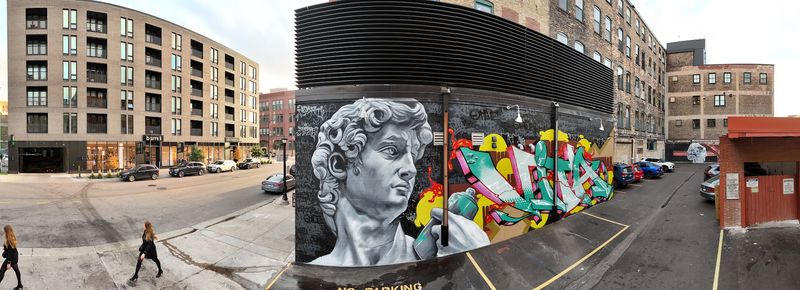
The murals in Cedar-Riverside are not background decoration. They are statements of identity.
Artists from the community have painted walls throughout the neighborhood with scenes of Somali life, African landscapes, and messages of resilience.
One recurring image is the map of Somalia. It appears in paintings, window graphics, and even clothing sold in local shops.
For the community, it is a symbol of origin and pride.
The art feels urgent and alive. It speaks to people who know the history and welcomes those who are still learning.
You do not need context to feel the emotion in the work.
Some murals are massive. They cover entire sides of buildings and can be seen from a block away.
Others are small and tucked into corners, like quiet conversations.
Photography is generally fine in public spaces, but always be respectful of people nearby. The art is a gift from the community to the street.
Treat it that way.
Brian Coyle Community Center and Neighborhood Life
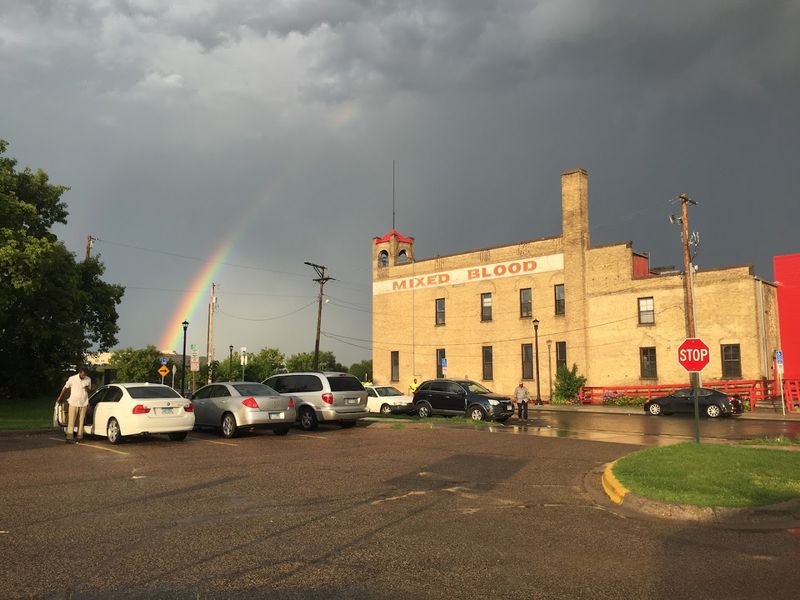
The Brian Coyle Community Center sits at the heart of Cedar-Riverside community life. Named after a local activist and council member, it has long served as a hub for youth programs, social services, and cultural events.
Walking past it on a weekday, you notice kids coming and going. Programs run throughout the day.
The energy is purposeful and grounded.
The center has played a significant role in supporting Somali youth in the neighborhood. After-school programs, sports activities, and mentorship initiatives all operate here.
It is a space built around real needs.
Community events hosted at the center often reflect Somali and East African cultural traditions. Celebrations tied to Eid, cultural festivals, and neighborhood gatherings bring people together in meaningful ways.
For visitors, the center represents something important. It shows that Cedar-Riverside is not just a place to observe.
It is a community that organizes, supports its members, and invests in its future. That kind of intention is worth noticing.
The Mississippi River Edge and Natural Beauty Nearby

Cedar-Riverside sits right against the Mississippi River to its north and east. That proximity to water gives the neighborhood a natural boundary that feels almost dramatic when you reach it.
Walking toward the river from Cedar Avenue takes only a few minutes. The transition from busy streets to riverbank trails is surprisingly abrupt.
One moment you are in the middle of city noise. The next, you are watching the river move quietly below.
The West River Parkway runs along this stretch. It is a popular spot for walking, cycling, and simply sitting on the grass.
The views across the river toward the University of Minnesota campus are genuinely lovely.
Spending time near the water after exploring the neighborhood offers a nice contrast. The river has its own rhythm.
It slows everything down in a way the streets cannot.
Early mornings here are particularly peaceful. The light on the water is soft.
The city sounds feel distant. It is the kind of quiet that makes you appreciate where you are.
Why Cedar-Riverside Stays With You
Some places leave a mark that is hard to explain. Cedar-Riverside is one of them.
It is not polished or packaged for visitors. That rawness is exactly what makes it memorable.
The community here has built something real from very difficult circumstances. Somali families arrived with little and created a neighborhood full of culture, commerce, and connection.
That story is visible everywhere you look.
The food stays with you. So does the sound of the call to prayer and the smell of spiced tea on a cold Minneapolis afternoon.
These are sensory memories that do not fade quickly.
Returning here feels different from visiting for the first time. You start recognizing faces.
You notice details you missed before. The neighborhood rewards repeated visits with new layers each time.
Cedar-Riverside is a reminder that American cities contain multitudes. Entire worlds exist within a few city blocks.
Coming here with genuine curiosity and respect turns a simple visit into something that genuinely changes how you see Minneapolis.
