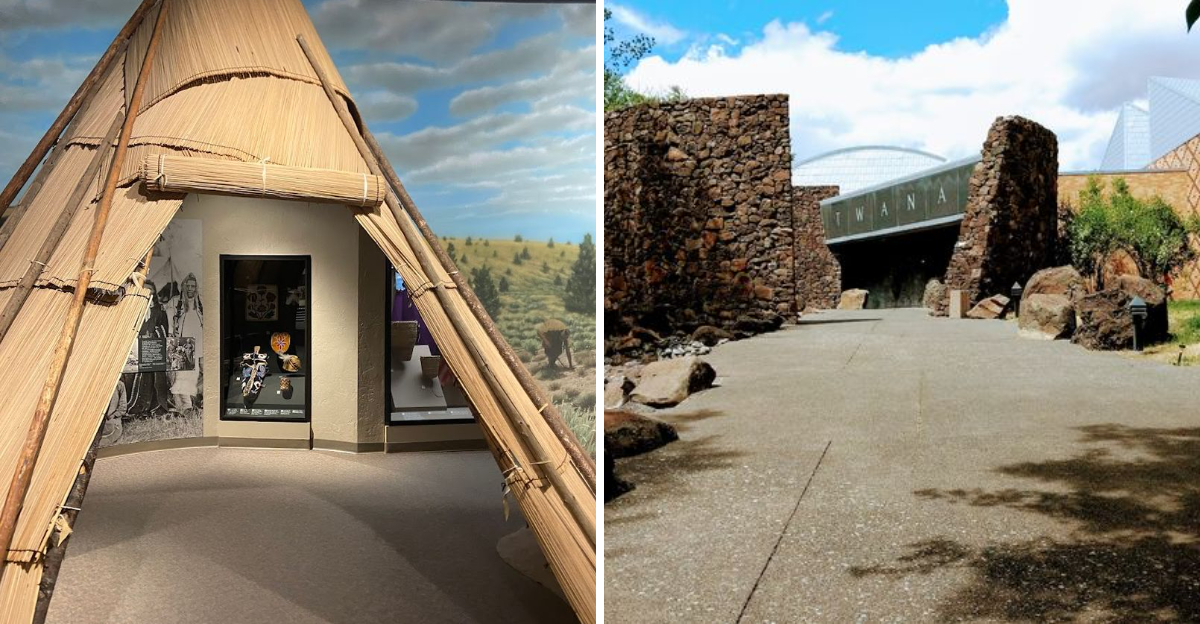
Wide-open desert, big sky energy, and stories etched into the land – this Oregon heritage site hits different the moment you arrive. It’s not just a visit, it’s a full-on journey into Native American history that feels alive, not locked behind glass.
Trails, views, and cultural landmarks pull you in piece by piece, like the landscape is telling its own story. You move through it, not around it.
Every stop adds another layer, from ancient traditions to the raw beauty of the high desert. It’s powerful, it’s grounding, and it stays with you long after you leave.
The Architecture That Tells a Story Before You Step Inside
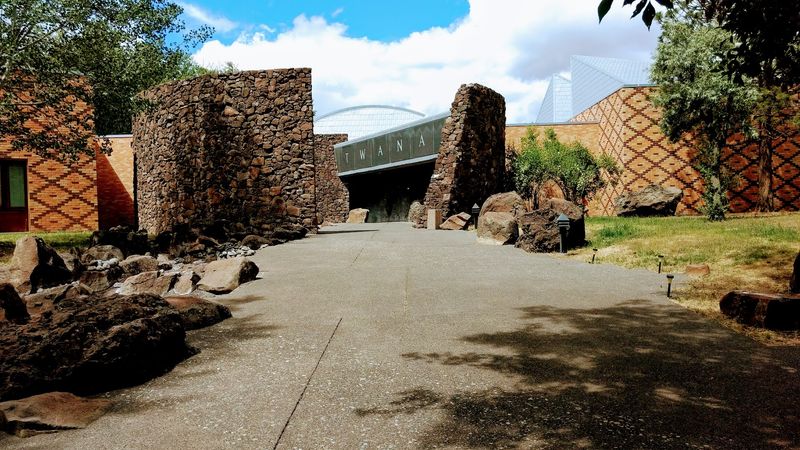
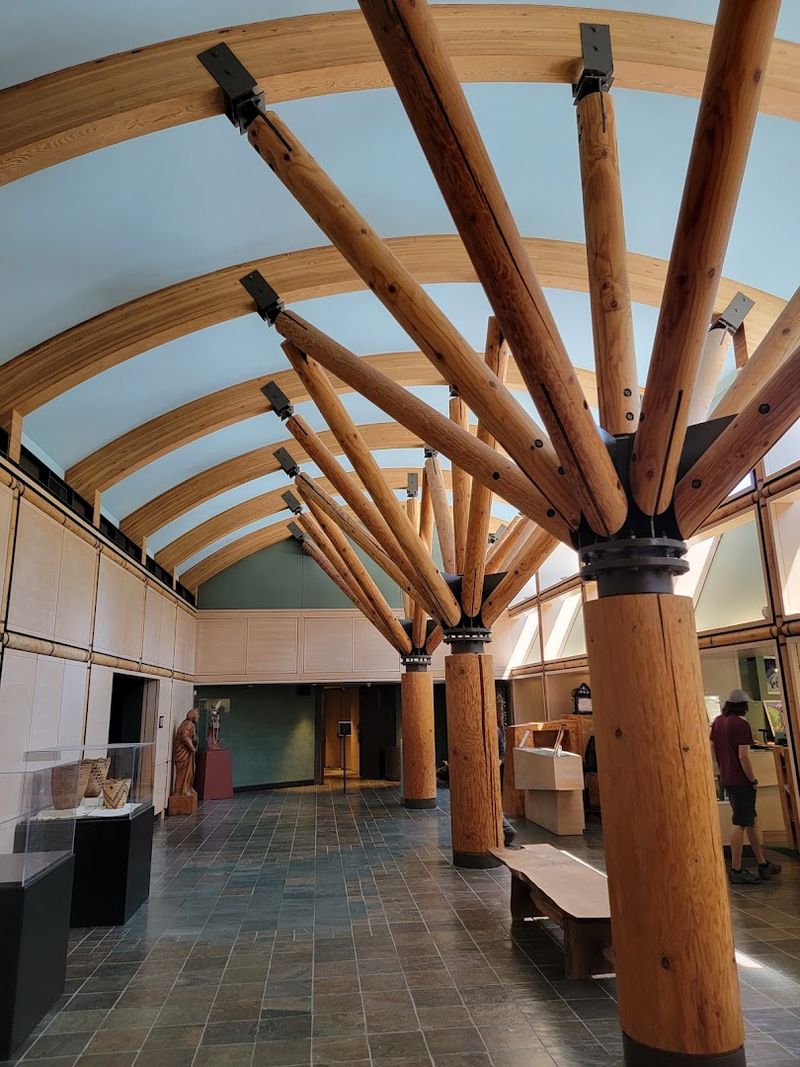
Before you even reach the front door, the building itself stops you in your tracks. The Museum at Warm Springs was designed with intentional artistry, incorporating visual motifs pulled directly from traditional basket weaving.
The patterns run across the facade in a way that feels both bold and quietly respectful.
It is the kind of design choice that sets the tone for everything inside. You get the sense that nothing here was accidental.
Every detail was chosen with purpose and cultural meaning.
The structure blends into the surrounding high desert landscape without disappearing into it. Warm earth tones and angular shapes echo the natural world just outside.
Visitors often pause outside just to take it in before entering.
That first impression matters. It signals that this is not a generic museum slapped together with stock displays.
The Confederated Tribes of Warm Springs had real creative input here. Walking in already feeling curious and respectful makes the entire experience land differently.
This building earns its place in the landscape.
The Permanent Exhibit and Its Multimedia Magic
Most museums make you squint at tiny plaques. This one takes a completely different approach.
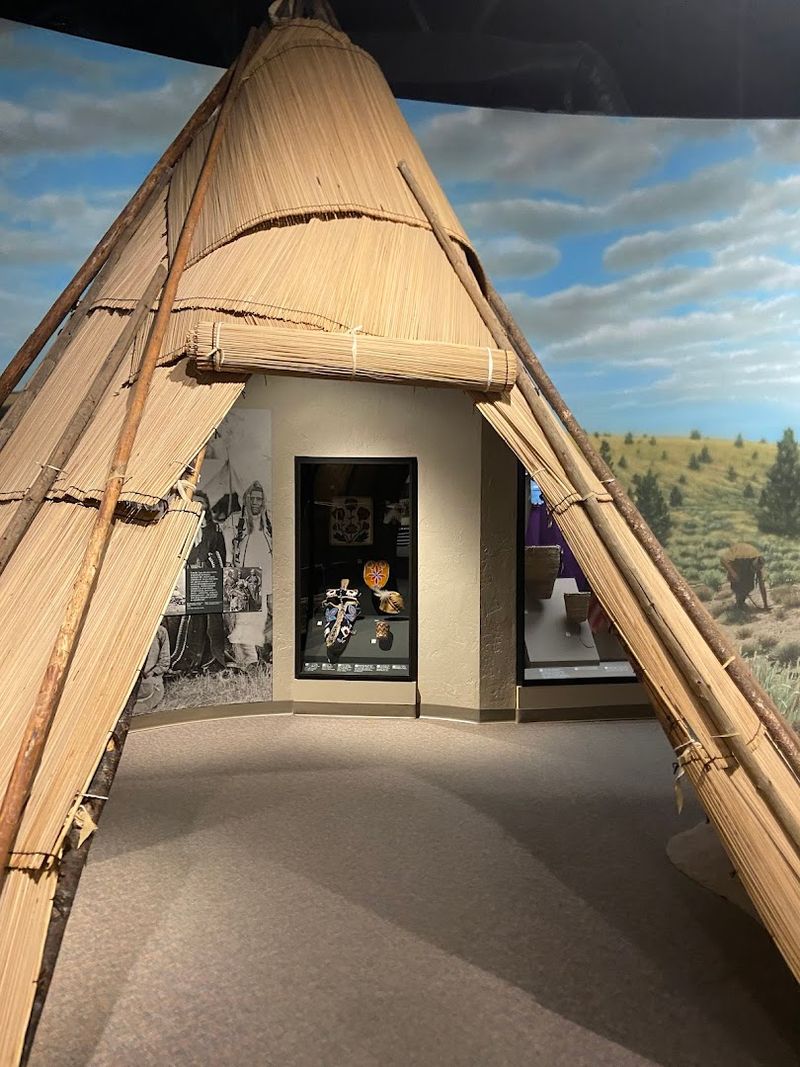
The permanent exhibit uses lights, audio, and immersive displays that activate as you move through the space. It feels more like a journey than a lecture.
Kids who normally zone out in museums actually pay attention here. The combination of sound and visuals pulls you into each moment.
I watched a family with young children stop and genuinely listen to an audio segment about seasonal food gathering.
The exhibit was installed in the 1990s but still feels relevant and thoughtfully crafted. It covers the history of all three tribes in a way that flows naturally from one chapter to the next.
Nothing feels rushed or out of order.
The storytelling approach makes the information stick. You leave knowing real things about real people, not just abstract historical facts.
That is a rare achievement for any museum.
The Warm Springs permanent exhibit is proof that thoughtful design can make history feel alive and immediate.
Artifacts and Beadwork That Take Your Breath Away
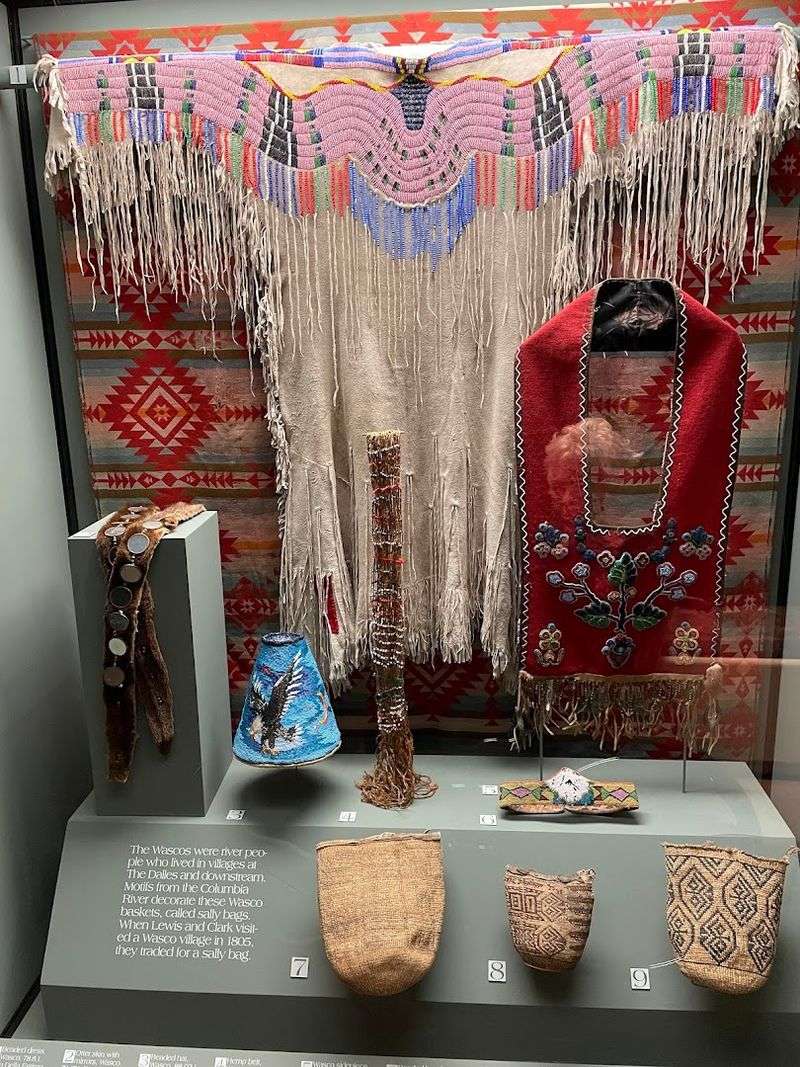
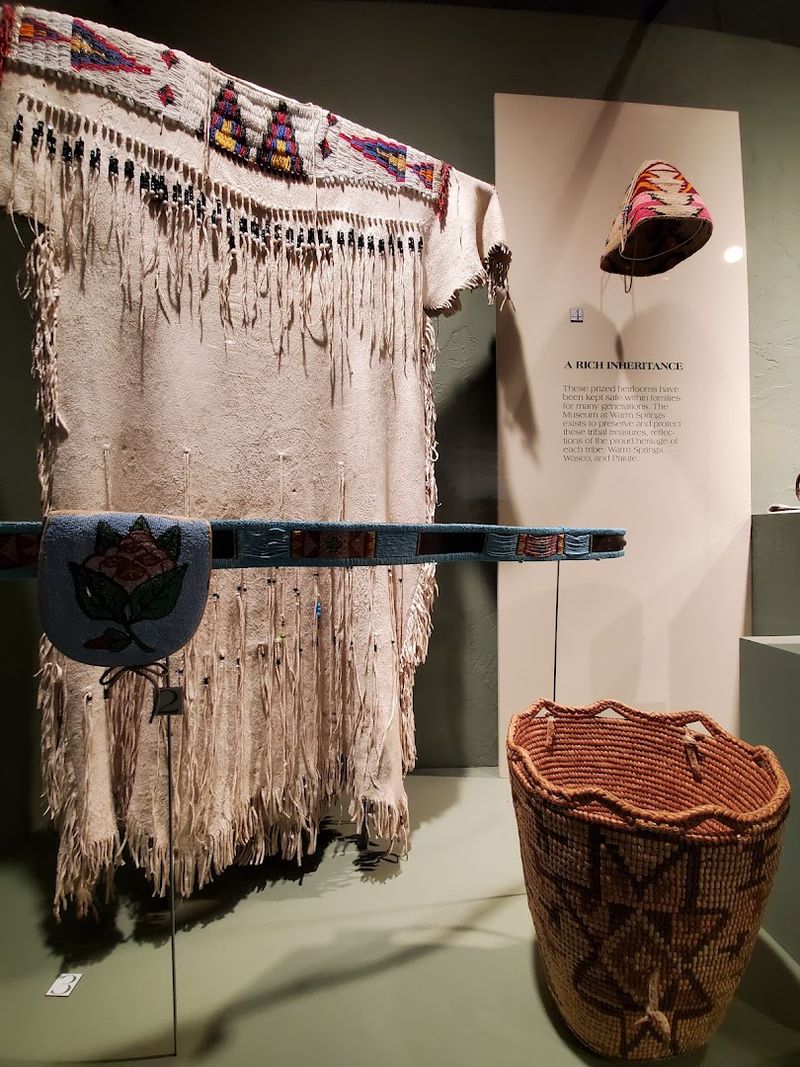
There is a particular moment in this museum when you stop walking and just stare. For me, it was the beadwork.
The detail in some of these pieces is almost impossible to believe. Tiny beads arranged into patterns so precise they look like paintings from a distance.
The collection of traditional belongings here is genuinely impressive. Baskets, regalia, tools, and ceremonial objects all sit within carefully designed displays.
Each item carries a history that the museum takes care to explain without reducing it to a simple caption.
The wedding ceremony exhibit deserves its own mention. Visitors consistently describe it as one of the most memorable displays in the building.
The scene captures a cultural tradition with dignity and warmth.
Seeing these objects up close creates a different kind of understanding. It moves history out of the abstract and into something tangible and human.
You realize the people who made these things were skilled, creative, and deeply connected to their world.
That realization lands in your chest, not just your head.
The Three Tribes and Their Distinct Cultures
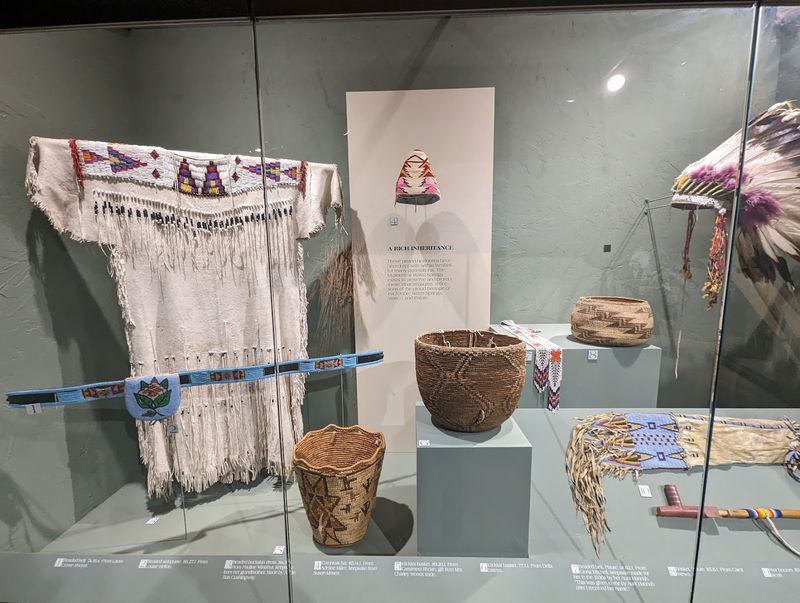
One of the most valuable things this museum does is treat each tribe as its own story. The Warm Springs, Wasco, and Northern Paiute peoples each have distinct traditions, languages, and histories.
Lumping them together would be a disservice, and the museum avoids that completely.
The Wasco people were skilled traders along the Columbia River. The Warm Springs bands were nomadic hunters and gatherers who followed the seasons.
The Northern Paiute lived across a vast high desert territory with their own deep knowledge of the land.
Seeing these differences laid out clearly helps visitors understand the complexity of Indigenous life in Oregon. It challenges the idea that all Native cultures were the same.
That distinction feels important and overdue.
Maps throughout the exhibits show traditional territories and movement patterns. Historic photographs add faces and texture to the stories.
By the time you finish this section, you carry a much richer picture of who these people were and still are.
It is education that respects its subject.
Pictographs, Petroglyphs, and Ancient Rock Art
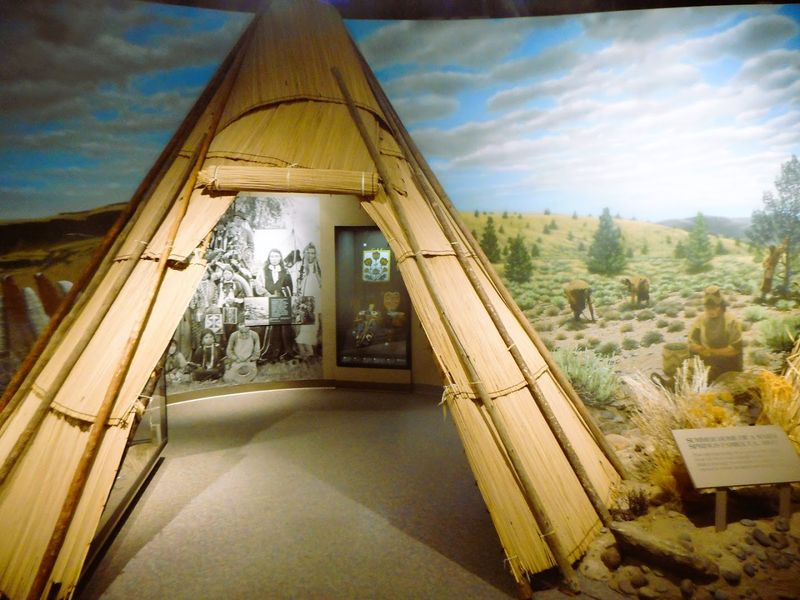
Ancient rock art is one of those things that makes time feel slippery. The exhibit on pictographs and petroglyphs at this museum introduces visitors to markings left on stone by people who lived here long before written records existed.
It is both humbling and fascinating.
The display explains how these images were made and what researchers understand about their meaning. Some are symbols tied to spiritual practice.
Others may have marked territory or recorded events. The honest answer is that much remains unknown.
What the museum does well here is present that mystery without pretending to have all the answers. It treats the rock art as sacred and significant rather than just decorative.
That restraint builds trust with the visitor.
Preservation is also discussed, which adds a layer of urgency to the exhibit. Many sites face threats from erosion, vandalism, and development.
Learning about the effort to protect these ancient marks gives the display a present-tense weight.
You leave caring about something you might never have thought about before.
The Boarding School Era and the Weight of History
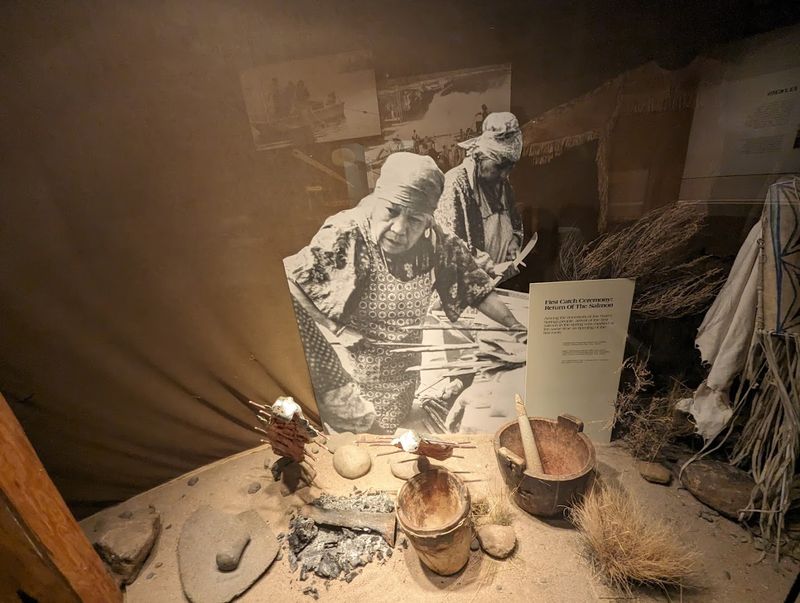
Not every part of this museum is easy to absorb. The section covering the boarding school era is sobering and important.
Children from the Warm Springs tribes were removed from their families and sent to institutions designed to strip them of their language and culture.
The museum presents this history clearly and without softening the impact. It is a chapter of American history that deserves direct acknowledgment.
Seeing it presented by the people most affected by it carries a different emotional weight than reading about it in a textbook.
Despite the heaviness of this section, it does not feel hopeless. The framing emphasizes resilience.
Traditions survived. Languages are being reclaimed.
Communities found ways to hold onto identity even under enormous pressure.
Visitors who engage seriously with this part of the exhibit often say it changed how they think about Oregon history. That is exactly what good museums should do.
They should make you sit with discomfort long enough to actually learn something.
This exhibit accomplishes that with honesty and grace.
Seasonal Life and the Art of Living off the Land
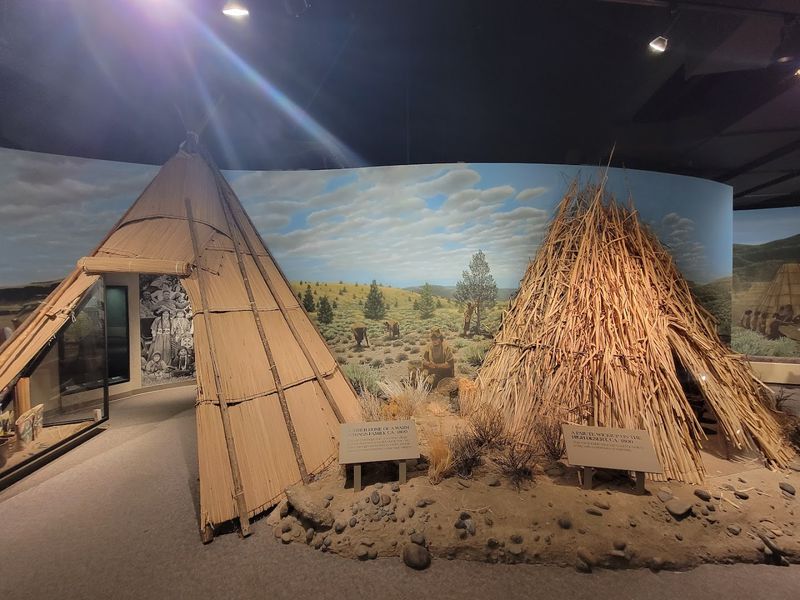
There is something deeply grounding about learning how the Warm Springs tribes organized their lives around the seasons. The museum walks visitors through a year in traditional life, from spring root gathering to summer fishing to fall hunting and winter storytelling.
Each season had its own rhythms, foods, and ceremonies. The knowledge required to live well in the high desert was enormous.
These were not simple lives. They were sophisticated, deeply practiced, and finely tuned to the land.
Miniature dioramas and detailed displays help make this section visually engaging. I spent longer here than I expected, tracing the logic of how people moved across the landscape and why.
It made the high desert outside feel less harsh and more knowable.
Understanding how food was gathered, prepared, and shared also reveals something about community values. Generosity, cooperation, and respect for natural cycles show up again and again.
These were not just survival strategies.
They were a way of being in relationship with the world around you.
The Rotating Gallery and Contemporary Indigenous Art
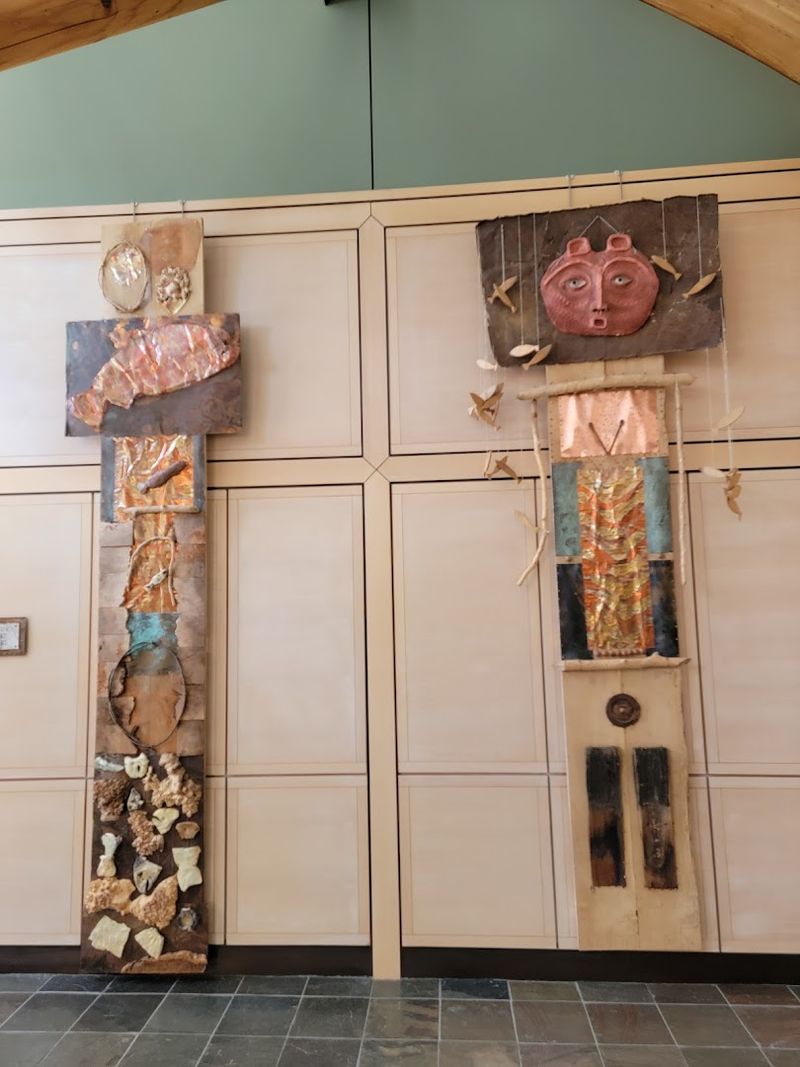
The rotating gallery is where the museum feels most alive in the present tense. It features contemporary Indigenous art from artists connected to the Warm Springs community and beyond.
The work ranges from traditional-influenced pieces to bold modern expressions.
Seeing this space reminded me that Indigenous culture is not frozen in the past. These artists are working right now, pushing boundaries and finding new ways to express ancient ideas.
That energy is electric in a small gallery setting.
The quality of the work on display is consistently high. Beadwork, painting, sculpture, and mixed media all make appearances depending on the current show.
The gift shop nearby carries pieces from many of the same artists.
Stopping at the rotating gallery also supports living artists directly. Purchasing a piece or simply spending time with the work matters.
Art does not just decorate walls. It carries meaning, identity, and continuity across generations.
This gallery understands that, and it shows in every piece chosen for the walls.
The Gift Shop and the Artists Behind It
Gift shops can feel like afterthoughts. This one is genuinely worth your time.
The shop at the Museum at Warm Springs carries handmade pieces from Indigenous artists, including jewelry, baskets, clothing, and woven goods. Everything feels intentional and well chosen.
The quality here is real. These are not mass-produced souvenirs.
They are works made by skilled hands with cultural knowledge behind every choice of color, material, and pattern. Picking up a piece means taking home something with actual meaning.
One visitor encounter that stuck with me involved a basket artist who sold her work through a nearby shop on the reservation. Her warmth and pride in her craft were obvious.
That kind of connection between maker and buyer is rare and worth seeking out.
Shopping here also supports the broader Warm Springs community in a direct way. The money flows back to artists and families rather than distant corporations.
That is a good reason to linger and look carefully.
You might find something you will keep for the rest of your life.
Planning Your Visit to the Museum at Warm Springs
The museum sits right on Highway 26, making it an easy stop between Portland and Bend. The drive itself is worth the trip.
High desert scenery, wide sky, and the smell of juniper all set the mood before you even arrive. It takes roughly two to two and a half hours from Portland.
Hours are currently Tuesday through Saturday, 9 AM to 12 PM. The museum is closed Sunday and Monday.
Calling ahead is a smart idea, especially around holidays, since closures can happen without much online notice.
Plan to spend at least an hour inside, though many visitors end up staying two to three hours. The experience moves at your own pace.
There is no pressure to rush through anything.
Bring curiosity and leave assumptions at the door. This is a place where listening matters more than knowing.
The staff are knowledgeable and genuinely happy to answer questions. It is one of those stops that earns its place on any Oregon road trip itinerary without needing to oversell itself.
Address: 2189 US-26, Warm Springs, OR 97761
