Imagine you are walking down a typical city sidewalk, melting in the humidity, when you step through a nondescript glass door and suddenly drop into a completely different dimension.
Beneath the tires of idling taxis and the frantic pace of the surface streets lies a massive, climate-controlled labyrinth that most people drive over without even realizing it exists.
It is an entire world of neon signs, steaming coffee, and miles of walkways that feel more like a futuristic movie set than a city infrastructure project. If you have ever wanted to pull back the curtain on how a city actually breathes, you just have to look down.
The Origins: How Houston Built A City Beneath Its City
Most underground systems in the world were built for trains or utilities, but Houston had a different idea entirely.
The tunnel network here started taking shape in the 1930s, born out of a very practical problem: the Texas heat is relentless, and downtown workers needed a way to get around without melting on the sidewalk.
Back then, the first connections were simple and modest, just short passageways linking a couple of buildings. Nobody could have predicted that those early corridors would eventually grow into a six-mile labyrinth connecting 95 city blocks.
Each decade brought new expansions as more building owners saw the value of tying into the system. Office towers, hotels, banks, and government buildings all joined in over time.
What makes this history so fascinating is that it was never one grand plan executed overnight. It grew organically, block by block, deal by deal, shaped by Houston’s booming economy and its famously hot summers.
The result is a network that feels almost accidental in its ambition, which somehow makes it even more impressive to experience firsthand.
Six Miles Of Cool: What The Climate-Controlled Tunnels Actually Feel Like
The temperature difference between the street above and the corridor below is immediate and almost comical, the kind of relief that makes you exhale slowly and think, yes, this is exactly where I need to be right now.
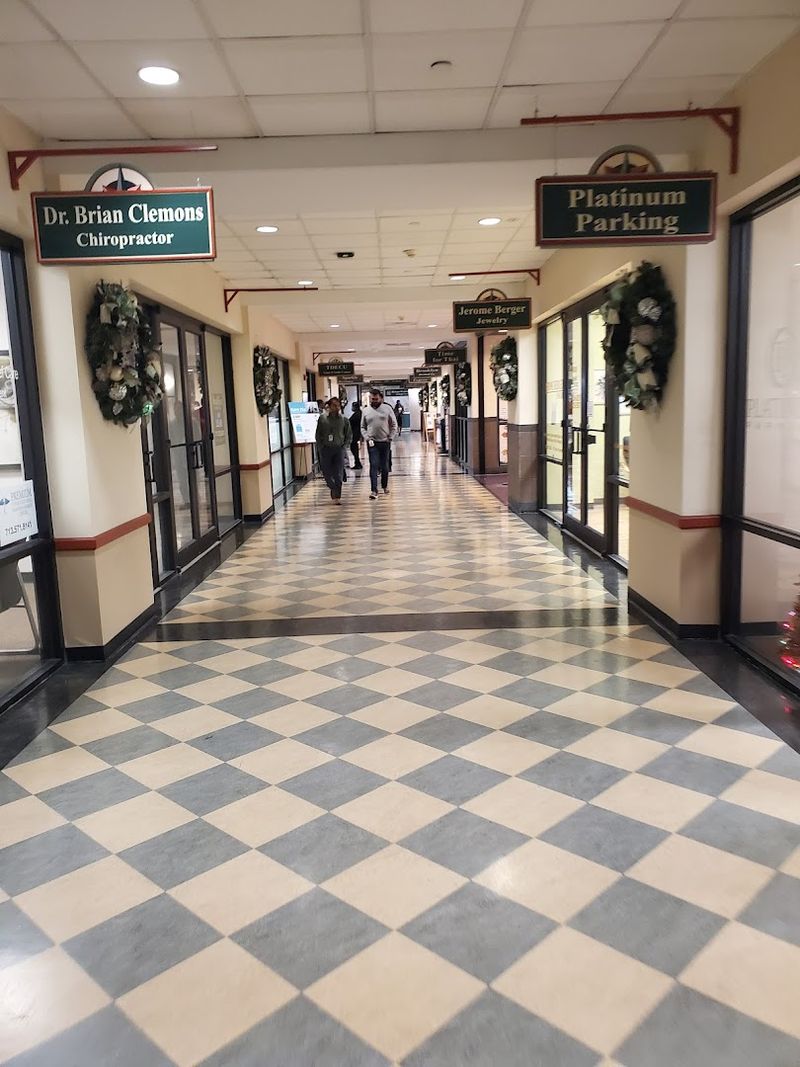
The tunnels are well-lit and surprisingly spacious in most sections. Bright overhead lighting, clean floors, and the steady rhythm of foot traffic give the whole place a lively, purposeful energy.
Some sections feel like a modern mall corridor, while others are narrower and more utilitarian, clearly built in an earlier era. You get a real sense of the system’s age in certain stretches, where the architecture shifts noticeably between decades.
The tunnels are generally open on weekdays from around 8 AM to 5 PM, which means this is very much a working world, not a tourist attraction dressed up for show. The crowd is mostly office workers on lunch breaks, and that everyday rhythm is exactly what makes the experience feel so authentic and alive.
Shops, Bites, And Surprises: The Underground Retail Scene
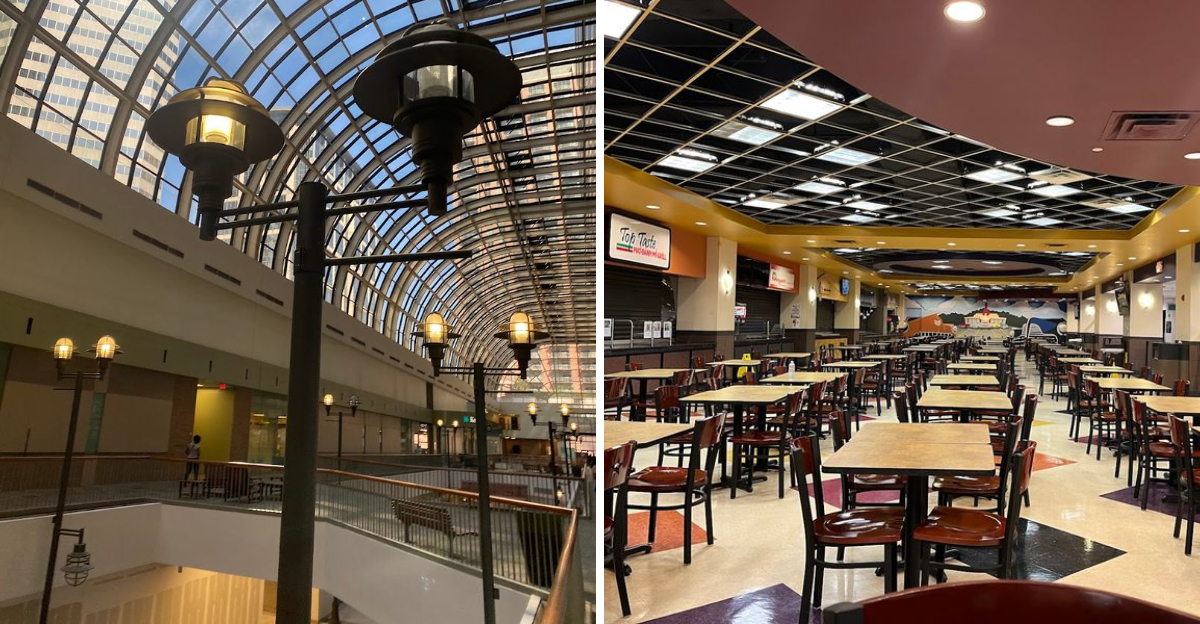
The variety of what you find down here is genuinely surprising. Sandwich counters sit next to hair salons, and a pharmacy might be tucked just around the corner from a sushi spot.
The tunnel system hosts a rotating mix of restaurants, cafes, convenience shops, and service businesses that cater almost entirely to the downtown workforce.
Lunch is the main event. Between roughly 11 AM and 1 PM, the tunnels fill up with people grabbing everything from tacos to Thai food, and the energy is completely different from any food court you have visited above ground.
There is something oddly charming about eating a bowl of noodles twelve feet below a city street while business suits rush past you in both directions. Some of the food spots here have been operating for years and have built loyal followings among downtown regulars.
If you are visiting as a tourist, just follow the lunch crowd and let curiosity lead the way. You are almost guaranteed to find something worth trying, and probably something you were not expecting to find in a tunnel at all.
Getting In: How To Actually Access The Tunnel System
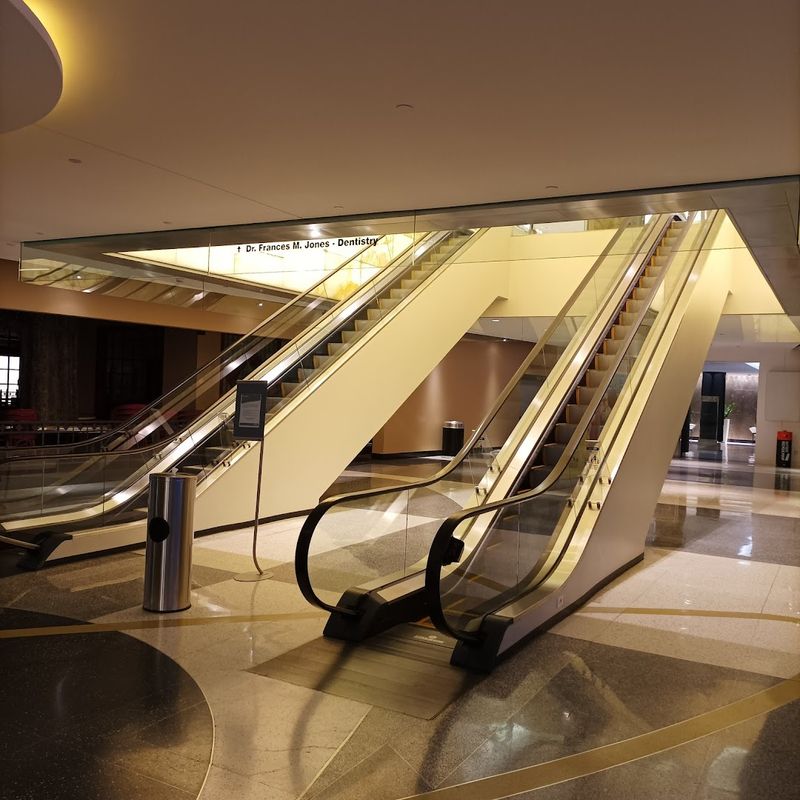
Finding your way into the tunnels for the first time is half the adventure. There are no grand entrance signs on the sidewalk announcing the underground world below.
Access happens primarily through the lobbies of connected buildings, and if you do not know to look, you can walk right past an entrance without realizing it.
Wells Fargo Plaza and the McKinney Garage on Main Street are among the spots that offer more direct street-level access. Most other entry points require you to walk into a building lobby and find the staircase or escalator heading down.
Maps of the tunnel system are available online through the Downtown Houston Management District, and it is genuinely worth studying one before you go. The layout is not always intuitive, and some sections connect in ways that feel completely unexpected.
Elevators are available for accessibility throughout much of the network. The tunnels are open on weekdays during business hours, so plan your visit accordingly and avoid showing up on a weekend expecting to explore.
Getting a little lost is honestly part of the fun, but having a rough map in your pocket keeps the adventure from becoming frustrating.
Art And Architecture: The Unexpected Visual Details Underground
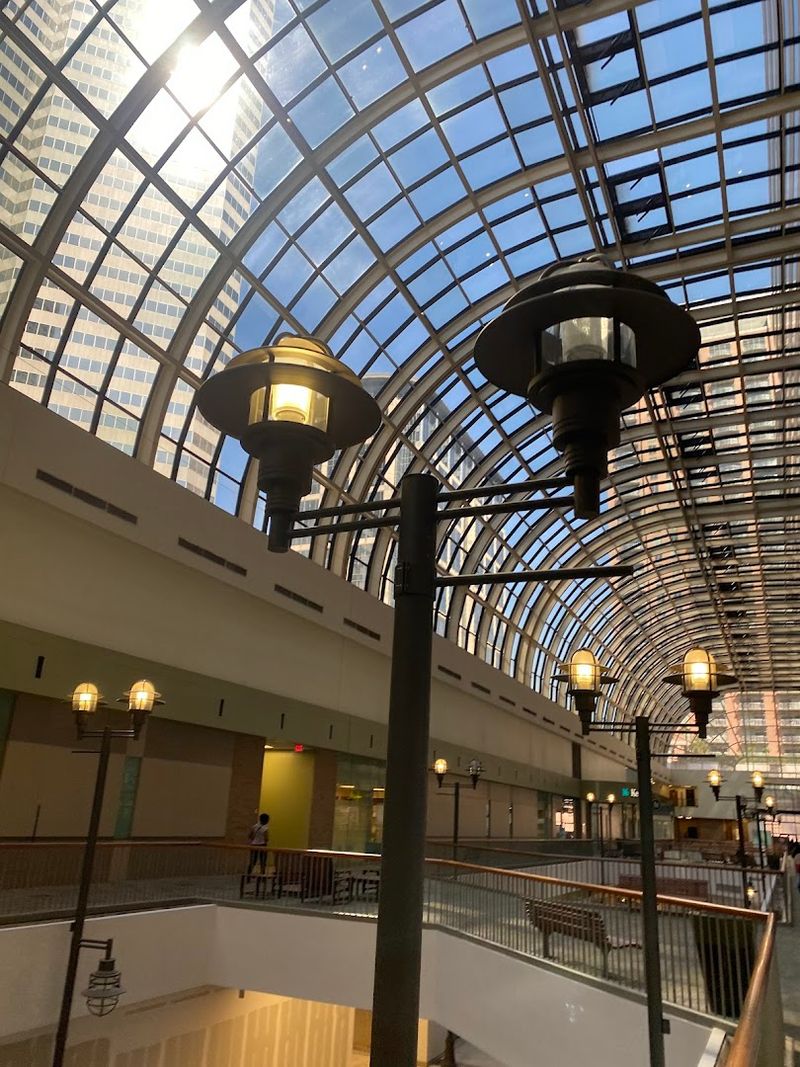
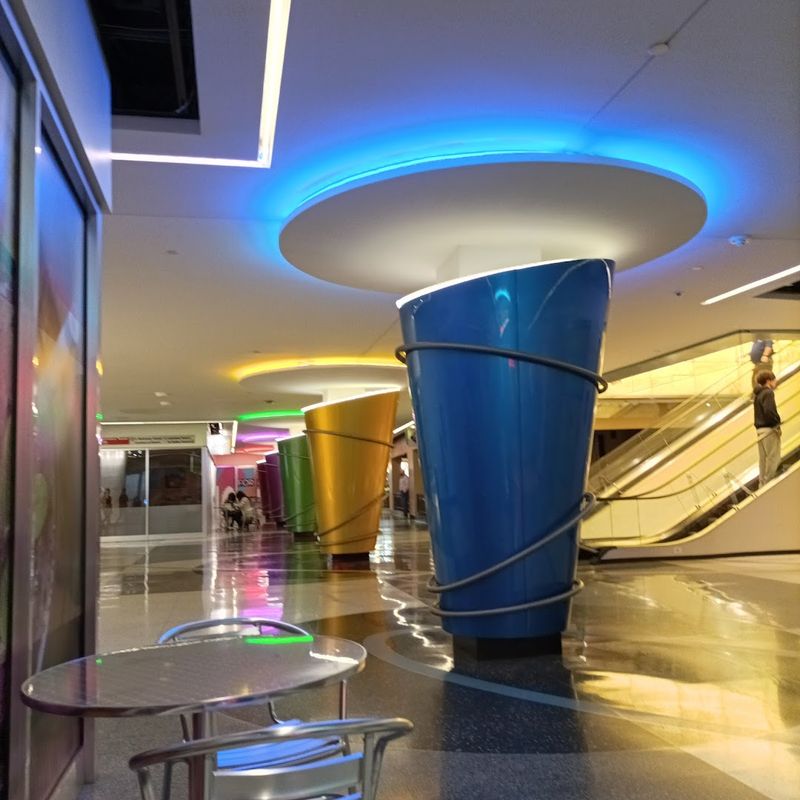
Not everything down here is purely functional. Scattered throughout the tunnel system, you will find moments of visual interest that catch you off guard in the best possible way.
Some corridors feature murals, decorative tile work, or architectural flourishes that reflect the era in which that particular section was built.
The contrast between older stretches with their dated finishes and newer sections with cleaner, more modern design is itself a kind of visual timeline of Houston’s growth. It is not a polished gallery experience, but there is genuine character in these details.
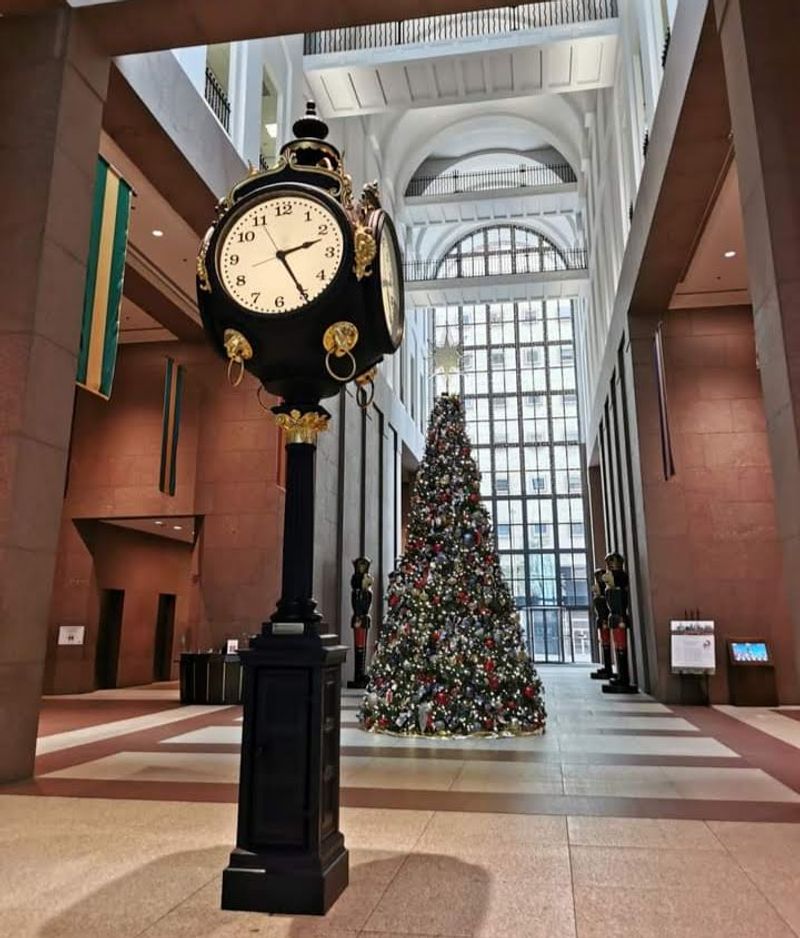
A few building lobbies that connect to the tunnels are genuinely stunning, with soaring ceilings and dramatic design elements that feel almost theatrical after the more modest tunnel corridors.
Keep your eyes open as you move through different sections, because the shift in aesthetic from block to block tells a story about how the city has changed over the decades.
The tunnels are not trying to be beautiful, which is exactly why the moments of unexpected beauty feel so rewarding when you stumble across them on a quiet stretch between lunch spots.
Connecting To The Theater District And Beyond
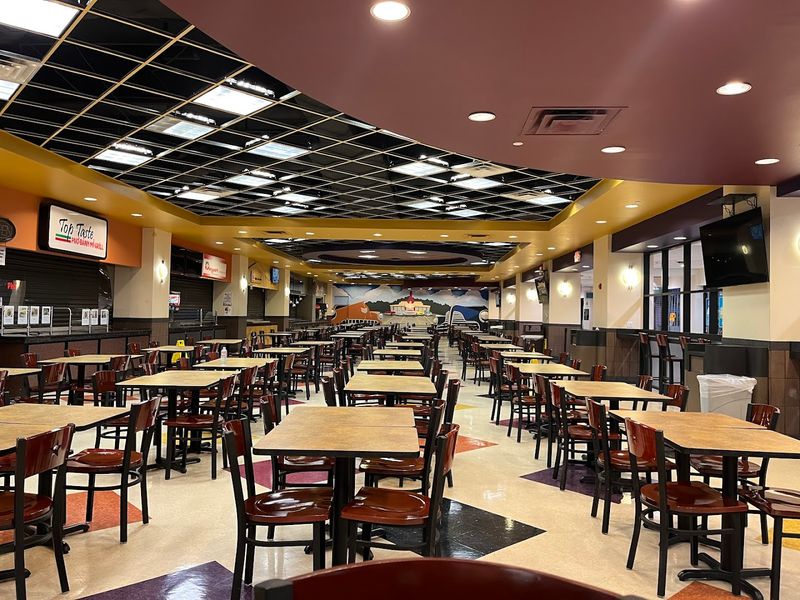
One of the more impressive things about the tunnel network is just how far its reach extends. The system does not just connect office buildings and banks.
It also links to the Houston Theater District, which makes it a genuinely useful route for people heading to performances or events downtown.
That connection gives the tunnels a cultural dimension that goes beyond the workaday lunch-break crowd. On evenings with performances nearby, the energy shifts noticeably, even if the tunnels themselves close before showtime for most sections.
The broader web of connected buildings includes hotels, which means visitors staying downtown can use portions of the system to reach restaurants or offices without stepping outside at all. For anyone spending a few days in the city, that kind of connectivity is surprisingly practical.
Houston is not always the easiest city to navigate on foot above ground, given its scale and the heat, so knowing that a climate-controlled network runs beneath a significant chunk of downtown changes how you think about getting around.
The tunnels quietly make the city more walkable than it appears from street level.
Tips For Visiting: Making The Most Of Your Time Underground
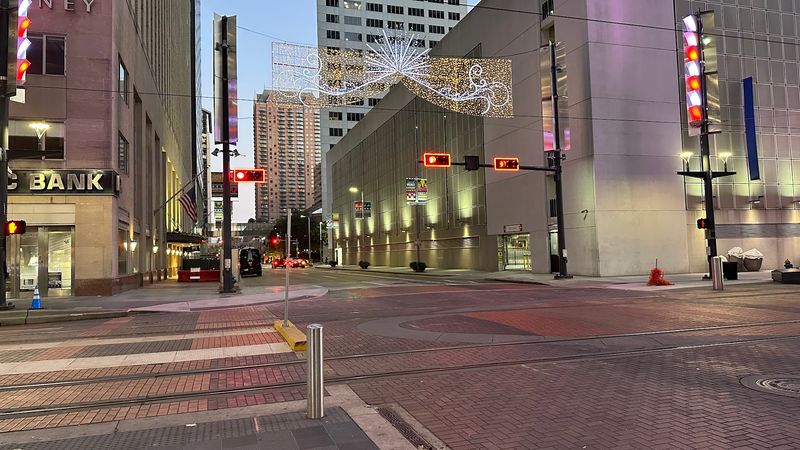
A few simple things will make your tunnel visit significantly better. Go on a weekday, ideally around lunchtime, when the system is fully alive and all the food spots are open.
Arriving too early or too late in the day means quieter corridors and fewer options, which is a very different experience.
Download or print a tunnel map before you go. The Houston Downtown Management District, based at 909 Fannin Street, Suite 1650, makes resources available through their website at downtownhouston.org.
Wear comfortable shoes because you will cover more ground than you expect, and the floors can be slippery in spots near building entrances. Bring cash as a backup since not every small vendor accepts cards.
Give yourself at least an hour to wander without a specific destination in mind, because the best moments tend to happen when you are not rushing toward anything. The tunnels reward curiosity more than planning.
If you are visiting Houston and you want to see a side of the city that most travel guides barely mention, this is the place. It is strange, practical, charming, and completely unlike anything else you will find above ground.
