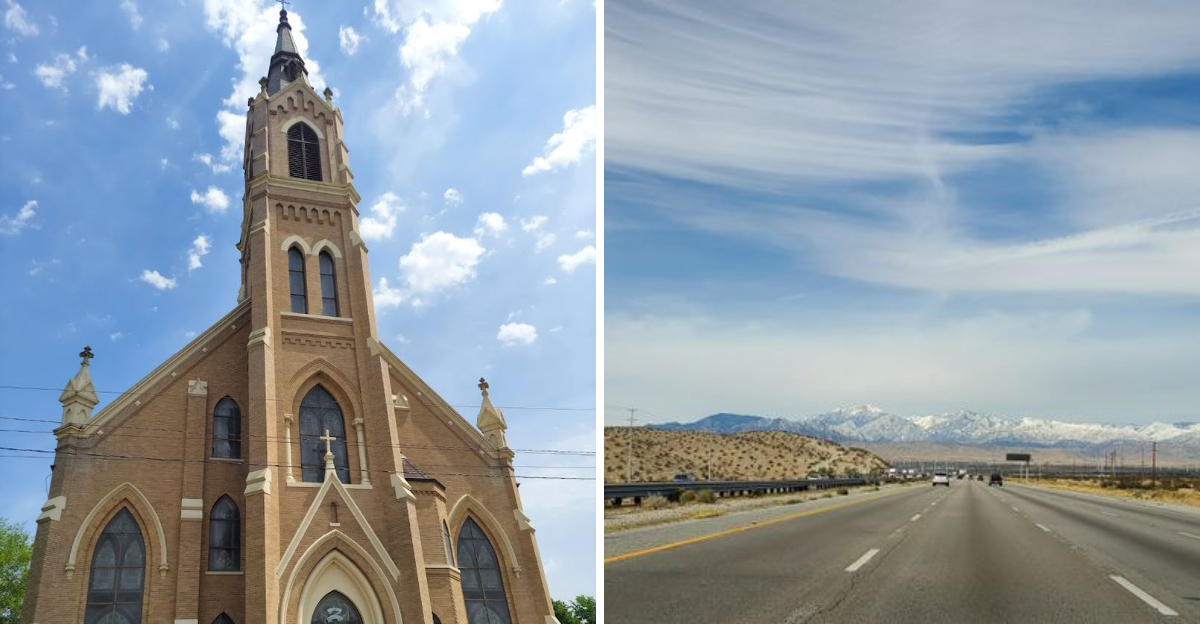
There is a specific kind of magic found in a place that refused to get the memo about the twenty-first century. While the rest of the world is busy tearing down history to build another glass-and-steel box, this little gem is content with its original brickwork and sun-drenched storefronts.
It is a town that feels lived-in rather than curated for tourists. If you have been looking for an excuse to slow down and actually see what you are driving past, this is the sign you have been waiting for.
The Kolache Culture That Put Weimar On The Map
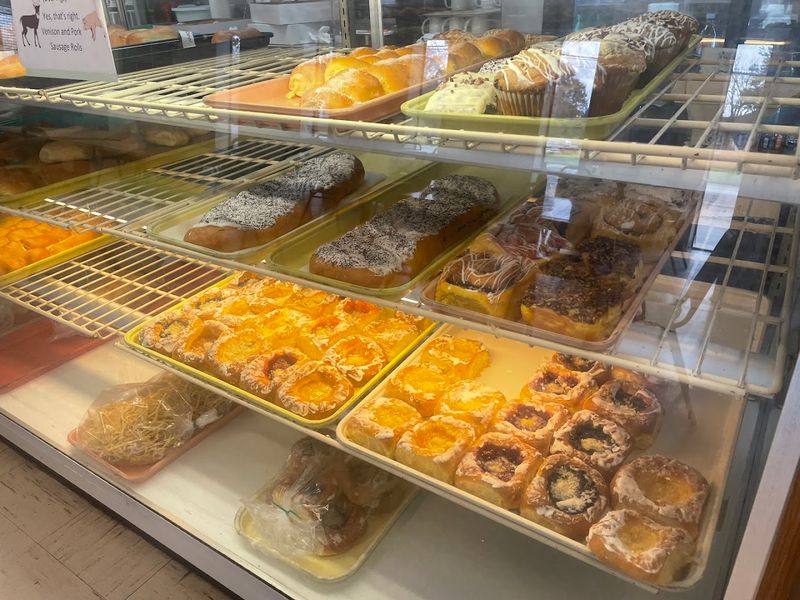
Some towns are known for their sunsets or their skylines. Weimar, Texas, is known for its kolaches, and honestly, that might be the better deal.
These soft, pillowy pastries, rooted in Czech immigrant tradition, have become the town’s most beloved calling card, drawing road-trippers off the highway with a kind of gravitational pull that no billboard could replicate.
The kolache itself is deceptively simple: a tender dough wrapped around sweet or savory fillings, baked until golden and impossible to eat just one of.
Czech settlers brought the recipe to Central Texas generations ago, and places like Weimar kept that tradition alive while much of the country moved on to chain bakeries and drive-throughs.
What makes the kolaches here feel special is not just the recipe, it is the consistency. Locals line up early, regulars know their orders by heart, and first-timers quickly realize they underestimated how many to buy.
Grab a sausage-filled version for the road and a fruit-filled one for dessert, because at this point, that is practically a Weimar tradition.
Main Street Architecture That Actually Tells A Story
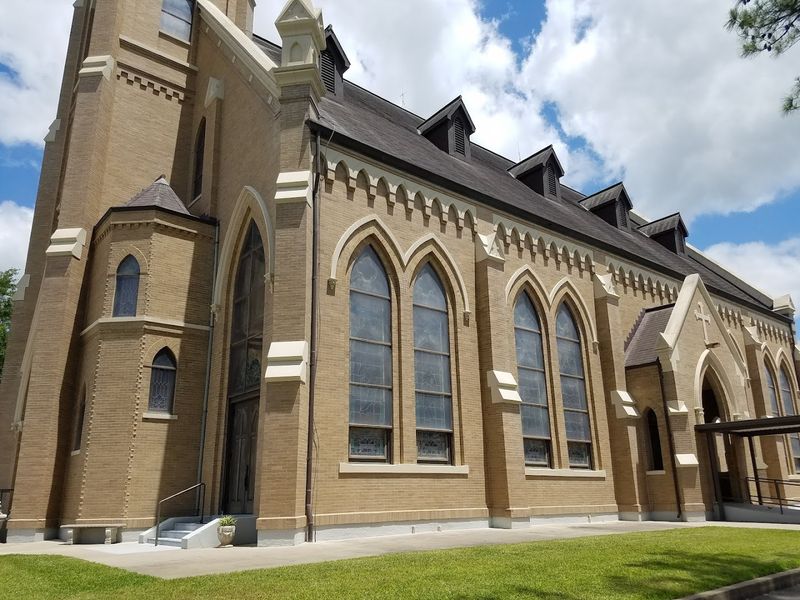
Not every small town manages to hold onto its history the way Weimar has. Main Street here is not a reconstruction or a theme park version of the past, it is the real thing, with buildings that have been standing since the late 1800s and still carry the character of every decade they have lived through.
The German settlers who founded Weimar in 1873 built with intention. The masonry work, the proportions of the storefronts, the way the street feels human-scaled rather than car-scaled, all of it speaks to a community that valued permanence.
Walking along here, you get the sense that the people who built these buildings expected them to last, and they were right.
Several of the original structures have been repurposed over the years into shops, offices, and community spaces, which keeps the street feeling alive rather than preserved under glass. There is a quiet pride in how Weimar maintains its built environment without turning it into a spectacle.
Photographers and architecture enthusiasts will find plenty to linger over, and even casual visitors tend to slow their pace once they notice the details carved into the older facades.
The Weimar Heritage Museum And What It Reveals
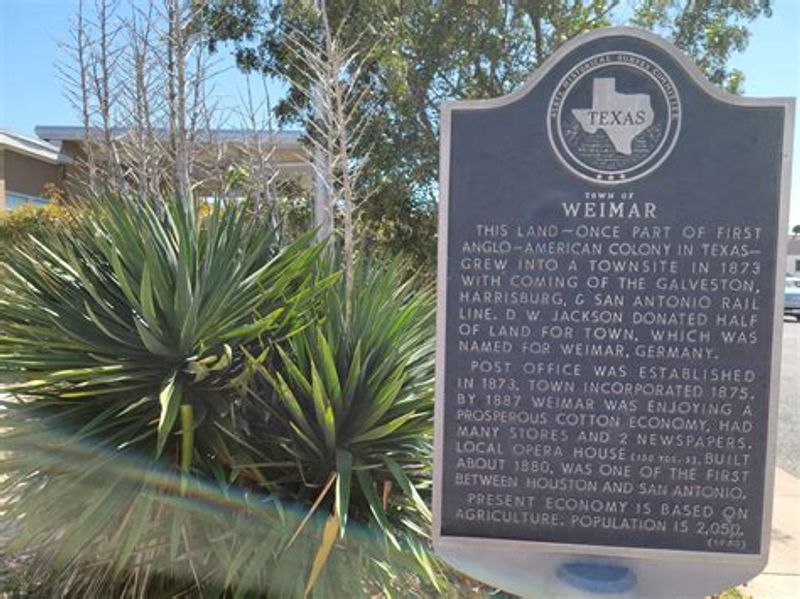
History museums in small towns can go one of two ways: dusty and forgettable, or genuinely surprising. The Weimar Heritage Museum falls firmly into the second category.
The collection here does not just catalog dates and names, it actually makes you feel connected to the people who shaped this corner of Texas.
The exhibits trace the town’s roots through its German and Czech immigrant communities, showing how those settlers adapted to the Texas landscape while holding onto their cultural traditions. Old photographs, farm tools, household items, and documents fill the space with a tangible sense of the past.
It is the kind of place where you find yourself reading every placard instead of skimming them.
What I appreciated most was how the museum contextualizes Weimar within the broader story of Texas immigration and settlement. This was not an easy land to build on, and the resilience of the early residents comes through clearly in the artifacts they left behind.
Even if you are not typically a museum person, the Weimar Heritage Museum has a way of pulling you in with its specificity and warmth. Budget at least an hour, because rushing through it would be doing yourself a disservice.
Address: 125 E Main St, Weimar, TX 78962
The Road Trip Logic: Why I-10 Makes Weimar Perfect
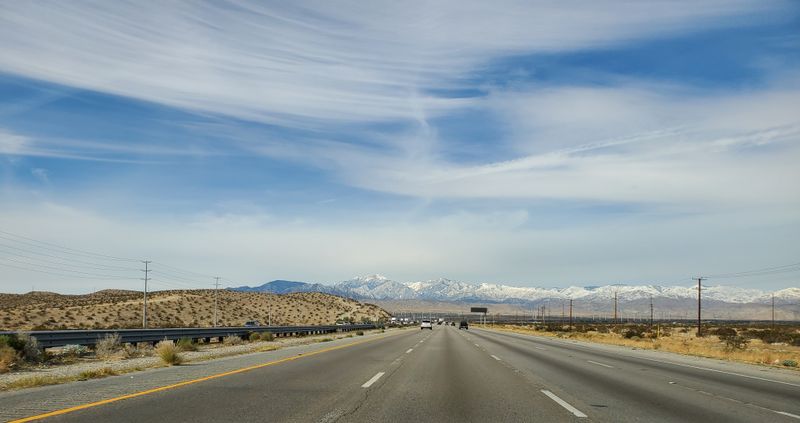
There is a particular kind of magic that happens when a road trip destination is exactly where you need it to be. Weimar sits almost perfectly between Houston and San Antonio along I-10, making it the kind of stop that feels less like a detour and more like the trip doing you a favor.
The drive into Weimar from the highway is easy and low-stress, which matters more than people admit. You do not need a complicated route or a reservation.
You just exit, park somewhere simple, and suddenly you are in a completely different pace of life than the interstate offers. That transition is part of what makes the stop so satisfying.
For anyone doing the Houston-to-San Antonio corridor, Weimar is genuinely the best argument for leaving the highway for an hour or two. The town is compact enough that you can hit the bakery, walk the historic district, and peek into a shop or two without losing your whole afternoon.
It is also the kind of place that makes you reconsider every time you have ever driven past a small-town exit without stopping. Some of those exits are hiding exactly this.
German Heritage Hiding In Plain Sight Around Town
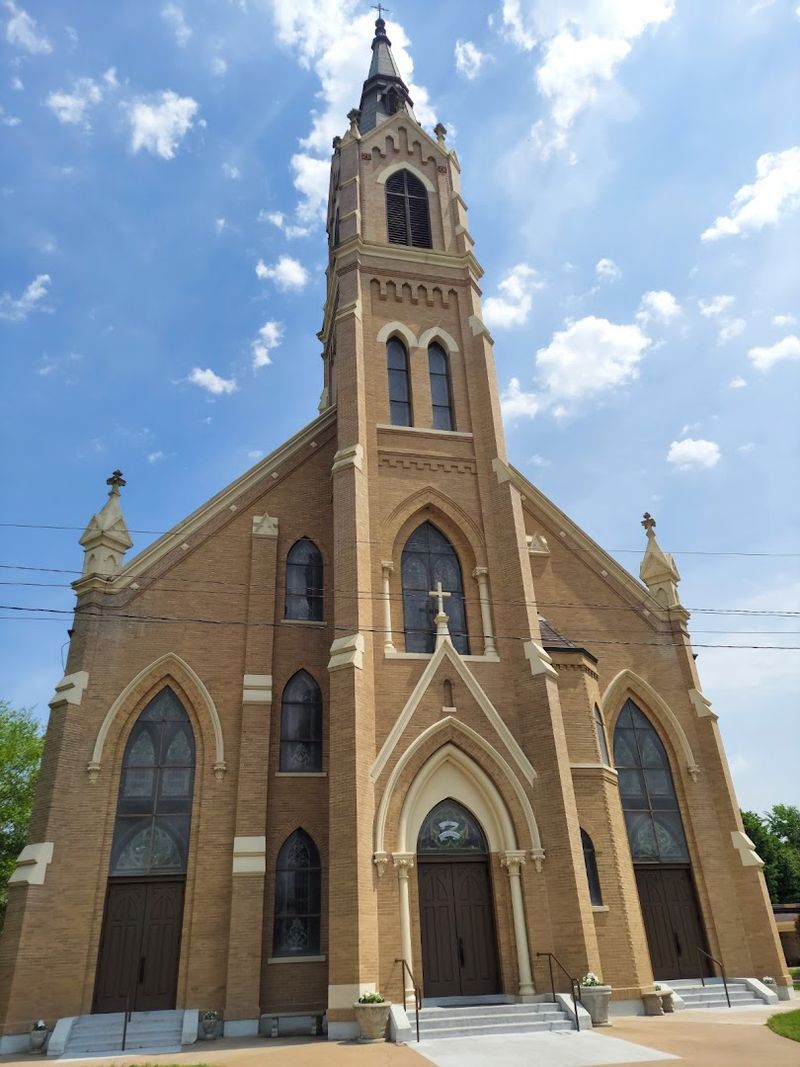
Weimar was founded by German immigrants, and that heritage is not buried in history books, it is built into the town itself. From the names on old businesses to the architecture lining the streets, the German influence shows up in ways that feel organic rather than performed.
This is not a heritage festival town. The culture is simply part of the fabric.
The food traditions are where this connection feels most alive. Sausage-making, meat markets, and baked goods with European roots have all persisted here in ways that would have impressed the original settlers.
There is a continuity to Weimar that is genuinely rare in modern American towns, where so much history gets paved over in favor of something new and generic.
Local family names, old church congregations, and community events all carry threads of the original German settlement forward into the present. It is not nostalgia exactly, more like a living inheritance.
Spending time in Weimar gives you an appreciation for how culture travels, roots itself in new soil, and adapts without disappearing. That story is woven into every old building and every family recipe that has survived intact across multiple generations of Texas life.
Small-Town Shopping Worth Slowing Down For
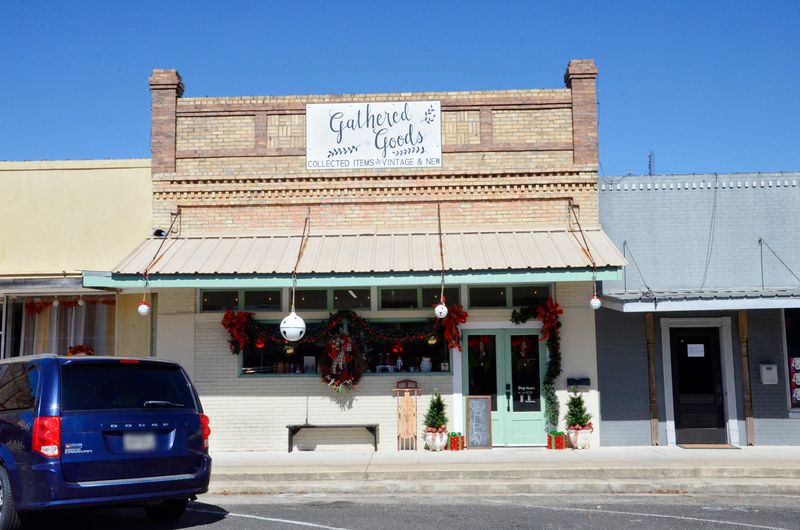
Retail in Weimar operates on a different frequency than what most people are used to. There are no chain stores, no identical window displays, no loyalty apps to sign up for.
What you get instead are small, independently owned shops where the inventory reflects genuine local taste and the staff actually knows what they are selling.
Antique hunters tend to do well here. The mix of German, Czech, and classic Texas ranch culture means the secondhand market pulls from a wide and interesting range of sources.
Old farm tools sit alongside vintage kitchenware, handmade textiles, and the occasional piece of furniture that looks like it has a story worth asking about.
Beyond antiques, a few specialty shops carry locally made goods that make for meaningful souvenirs. Buying something from Weimar feels different than buying something from a gift shop at a highway rest stop.
There is intention behind what local vendors choose to sell, and that comes through when you hold something in your hands and realize it was made nearby by someone who cares about the craft. Take your time browsing.
The pace of Main Street practically insists on it anyway.
The Quiet Residential Streets Worth A Slow Wander

Most visitors stick to Main Street, and while that is a perfectly good plan, the residential neighborhoods just beyond the commercial district offer something genuinely lovely.
Old homes with wide porches, mature trees arching over quiet streets, and the kind of silence that feels earned rather than empty make for a surprisingly rewarding walk.
The houses here span several eras of Texas residential architecture, from Victorian-influenced designs of the late 1800s to mid-century bungalows that have aged gracefully under the oak canopies.
Many are well-maintained by families who have lived in Weimar for generations, and the care shows in the details: painted porch railings, flower beds, and screen doors that look like they have been opening and closing since before your parents were born.
There is no formal walking tour of the neighborhoods, which is actually part of the appeal. You set your own route, follow whatever catches your eye, and let the town reveal itself at your pace.
On a clear morning especially, the light through the trees and the birdsong filling the air make these streets feel like a reward for everyone who chose to exit the highway instead of blowing straight through.
Local Diners And Casual Eats Beyond The Bakery
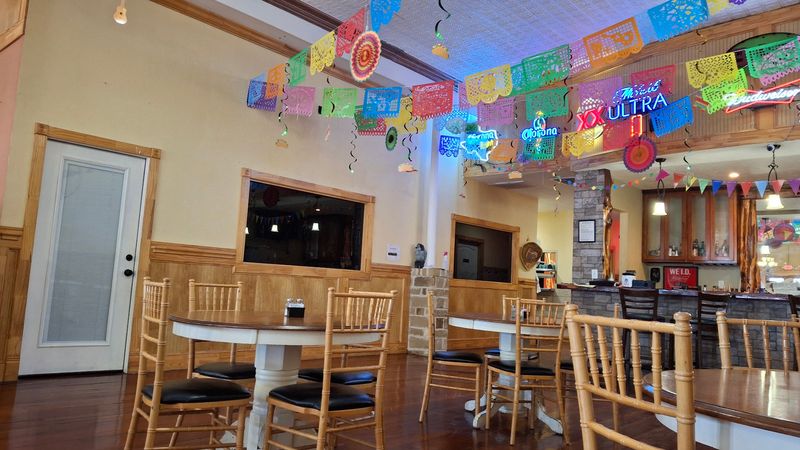
Once the kolaches are gone and the morning slides into afternoon, Weimar still has something to offer on the food front. The town’s local diner culture is unpretentious in the best possible way, the kind of places where the menu has not changed much in decades because it does not need to.
Texas comfort food shows up here in its most honest form. Chicken-fried steak, homemade sides, fresh-brewed iced tea in glasses that are never quite empty for long, and pie that tastes like someone’s grandmother made it because, in a town this size, she probably did.
The portions are generous and the atmosphere is welcoming without being performative about it.
Eating at a local diner in Weimar is also a good way to get a feel for the community. Conversations happen easily here, between tables, between strangers, between people who clearly see each other every week.
It is the kind of social fabric that larger cities often talk about wanting but rarely manage to recreate. If you have the time to sit and linger over a meal rather than eating on the road, Weimar’s casual spots will make that decision feel very right.
Why Weimar Stays With You Long After You Leave
Some places are impressive. Weimar is something rarer: it is restorative.
There is a quality to the town that is hard to name precisely but easy to feel after a couple of hours spent wandering its streets, eating its food, and absorbing its quiet confidence about what it is and what it does not need to be.
It does not chase trends or compete with the tourist-heavy destinations nearby. Weimar simply exists on its own terms, rooted in a history that its residents clearly value, built around a community that still shows up for itself.
That kind of authenticity is harder to find than most people realize, and it is why so many road-trippers who stop here once end up stopping again on the next trip through.
The town has a way of recalibrating your sense of what a good travel day looks like. Not every stop needs a packed itinerary, a long drive, or a famous landmark.
Sometimes the best version of a road trip is an unexpected exit, a warm pastry, a slow walk down a historic street, and the quiet satisfaction of discovering something real. Weimar, Texas, is exactly that kind of discovery, and it is one worth making more than once.
