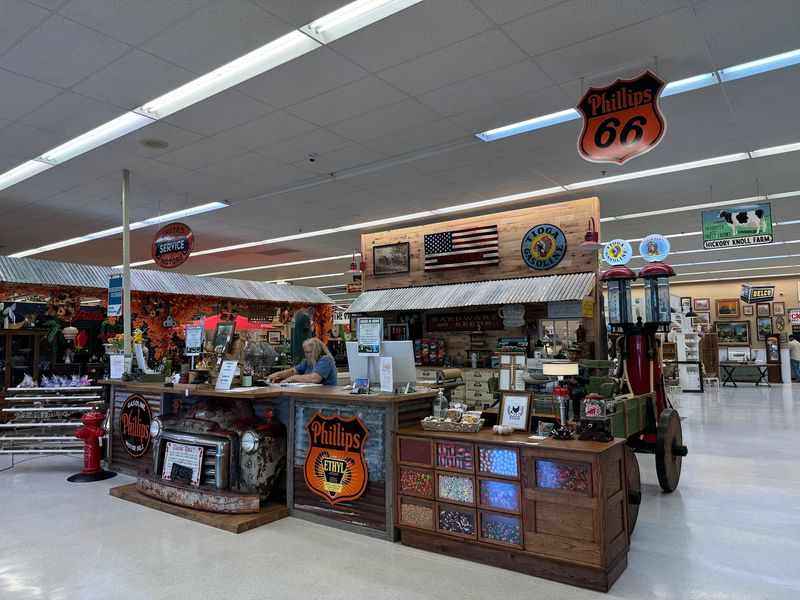
Some Oklahoma buildings look like nothing from the parking lot, and then you walk in and lose track of two hours. That happened to me at a warehouse-sized shop off a busy expressway, where booth after booth held chrome dinette chairs, rusted advertising signs, stacks of vinyl records, and glassware my grandmother used to set out on holidays.
One shopper told me she showed up at 3:30 in the afternoon and still had not finished the place by closing time. If you like hunting through the past with a coffee in hand, this one earns the drive.
A Warehouse Full Of Booths On Northwest Expressway
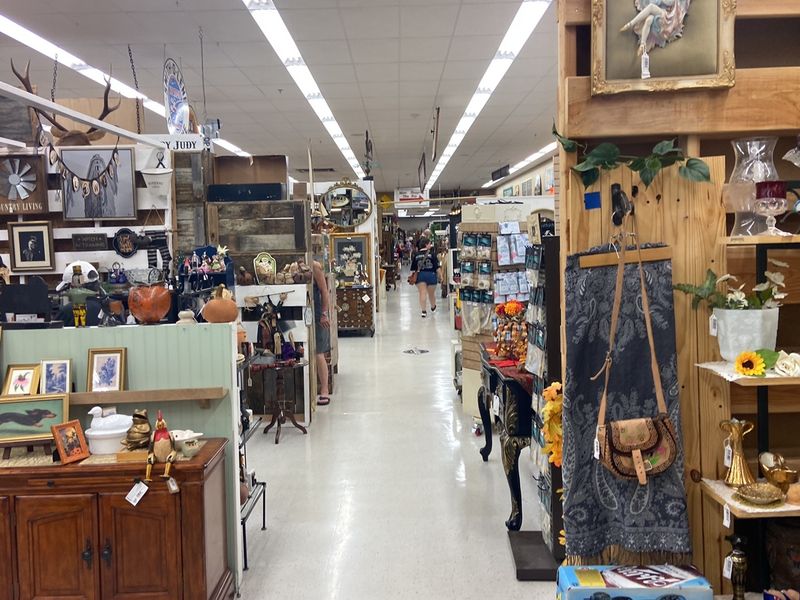
Tucked along the north side of Oklahoma City at 4848 Northwest Expressway, 3 Strands Vintage Antique Mall fills a warehouse-style space with more than 100 individual vendor booths under one roof.
Calling it an antique store undersells what is happening inside. Each booth is leased and stocked by a different dealer, which means the inventory shifts constantly and no two visits look quite the same.
Shoppers who have made a hobby of this sort of thing say the scale is the first surprise. One traveling couple who claim more than 500 antique stores across 15 states ranked this one at the top of their list, which is quite a thing to say about a shop sitting between a bank branch and a strip center.
What you get is part flea market, part design showroom, part museum of ordinary American life. Mid-century furniture sits near crates of records, marble statues, sports memorabilia, costume jewelry, and old commercial signage.
Parking is ample on a normal day, and the front doors open onto aisles wide enough for a cart. Regulars mention arriving with a plan and leaving with something they never expected.
How A Multi-Vendor Mall Keeps Reinventing Itself
Over 100 vendors share the floor here, and that number explains almost everything about the shopping experience. When a hundred different people are choosing what to buy, price, and display, the result is variety no single owner could ever assemble.
The mall model works a little like a farmers market for old things. Dealers source from estate sales, private collections, auctions, and family attics, then arrange their square footage however they see fit.
Staff run the front counter and checkout, so you pay once at the end no matter how many booths you raided. Clerks will also help load heavy pieces into a vehicle, which matters when the thing you fell for is a solid oak dresser.
Because stock turns over quickly, seasoned shoppers treat the place as a repeat stop rather than a one-and-done. One vintage seller who buys and resells for a living said the inventory grows often enough to justify weekly visits.
That churn is the real draw. Whatever you saw last month has likely sold, and something else has taken its place in the same corner.
Mid-Century Furniture Worth Slowing Down For
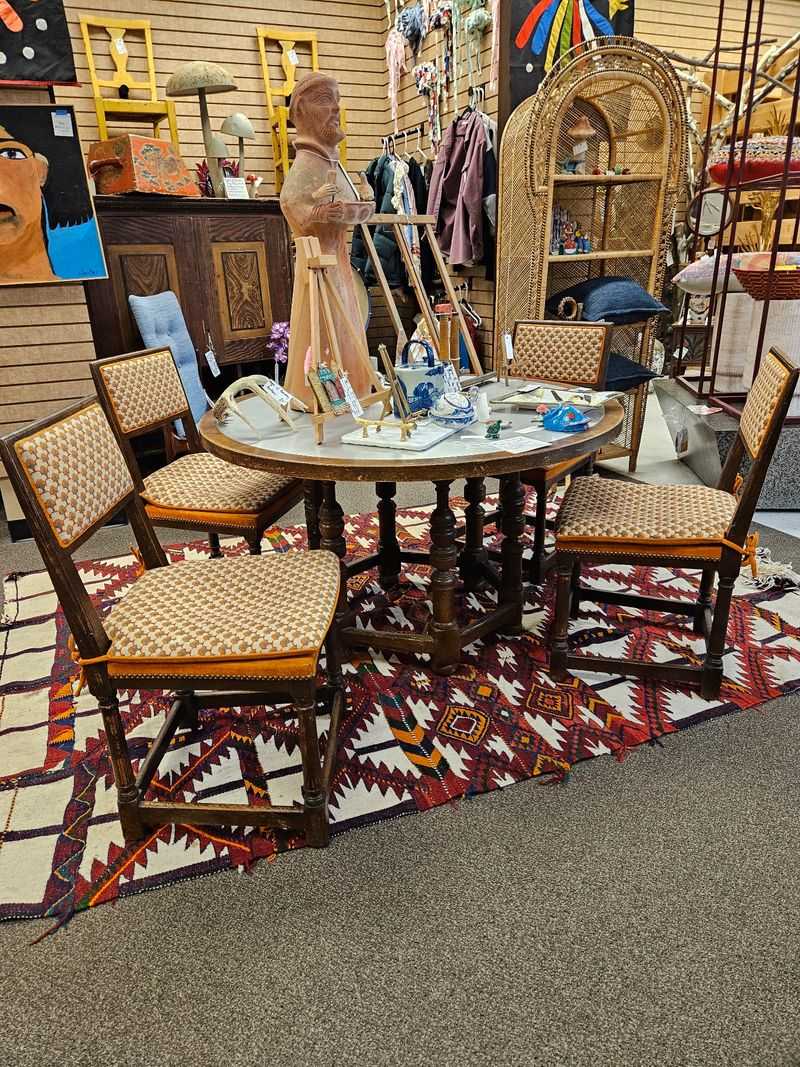
Furniture is one of the most talked-about categories in the building, and the 1950s end of things is where the eye tends to stop. Think tapered legs, warm wood veneers, chrome-edged dinette tables, and vinyl-upholstered chairs in colors nobody makes anymore.
Period pieces show up throughout the warehouse rather than clustered in one wing, so the hunt is spread out. A teak credenza might sit two booths away from a painted farmhouse cupboard, with a wicker chair wedged between them.
Visitors regularly single out the furniture selection as a highlight, and several note the condition is better than average for a mall this size. Dealers here appear to clean and stage their pieces, which makes it easier to judge what you are actually buying.
Bring measurements if you are furniture shopping seriously. Aisles are navigable, but a large sideboard looks very different in a warehouse than it will in a bungalow living room in Edmond or Yukon.
Staff assistance with loading takes some of the stress out of a big purchase, though a pickup or SUV still helps enormously.
Old Signs, Advertising Art, And Wall-Worthy Salvage
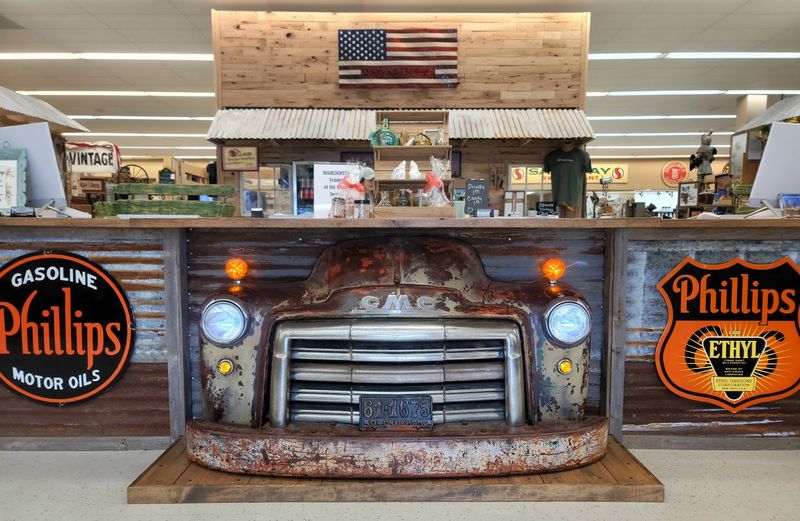
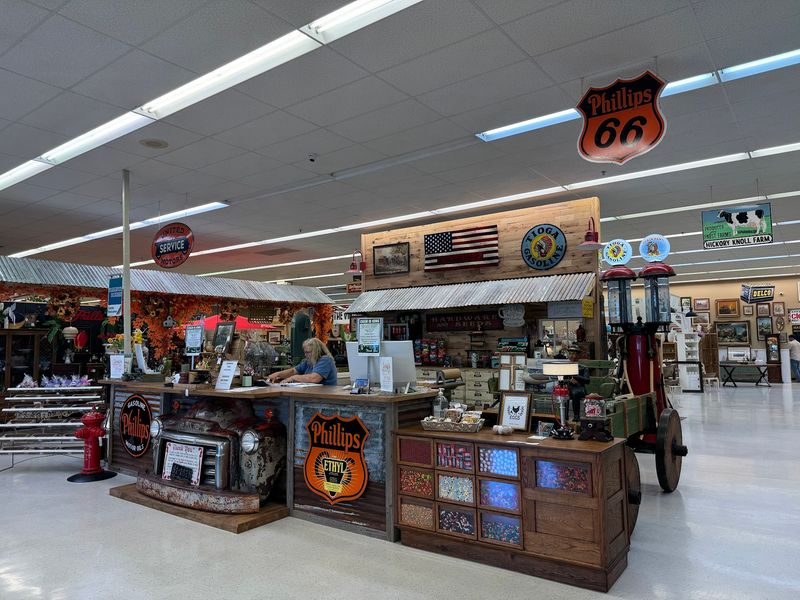
Painted metal, faded enamel, and honest rust: old signage has a pull that reproduction decor never manages. Walk the booths here and you will pass advertising panels, rustic wall pieces, and retro graphics that once hung over service stations, five-and-dimes, and small-town storefronts.
Sign collecting rewards patience more than budget. Some dealers price original pieces as the investment items they are, while others tuck smaller tin signs and framed ephemera into bins where a few dollars still buys character.
A fun quirk of the mall is how signage doubles as decoration for the booths themselves. Vendors use it as backdrop, so even the displays you are not shopping look like a set from an old highway diner.
Not everything on the walls is antique, and shoppers have said so plainly. A handful of booths mix in newer prints and modern reproductions, and management has acknowledged that with so many vendors, pieces should be labeled for what they are.
Read tags, ask questions at the counter, and trust your eyes. The genuinely old stuff tends to announce itself.
Glassware, Records, And The Smaller Nostalgia Aisle
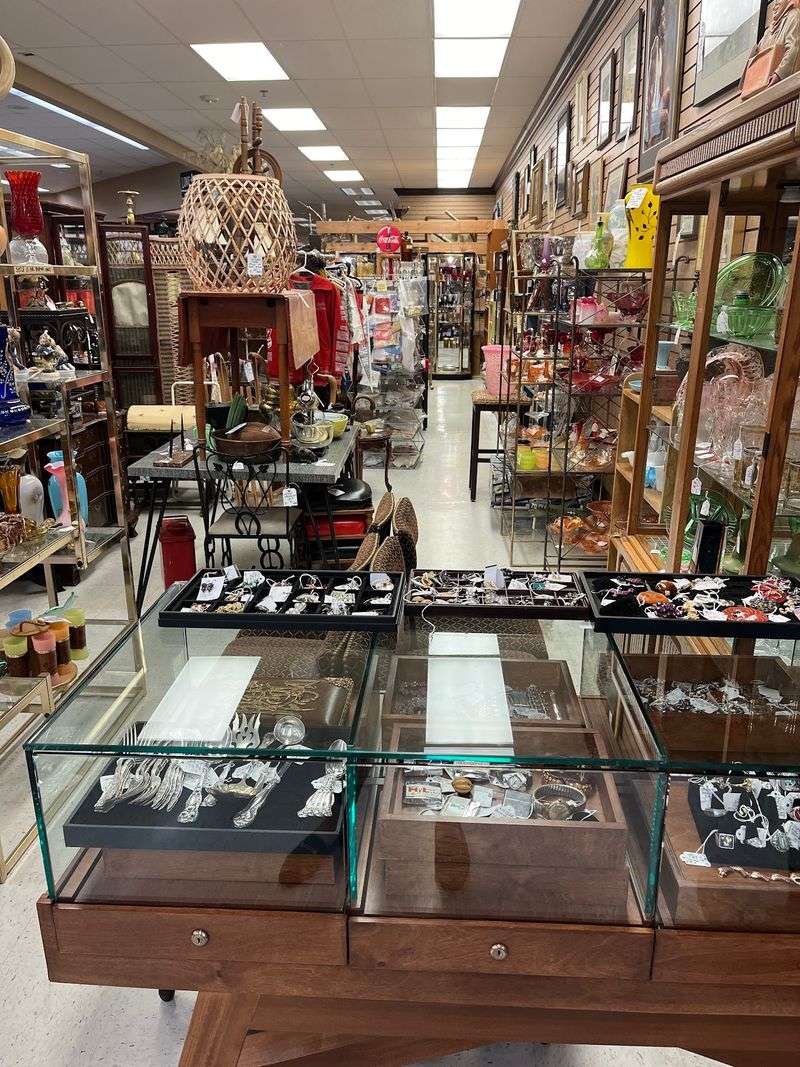
Not every treasure needs a moving truck. Plenty of shoppers leave with something that fits in a tote: a two-quart measuring bowl, a stack of vinyl records, a piece of colored glass that catches the light on a kitchen windowsill.
Collectibles fill a big share of the smaller booths. Depression glass, kitchenware, costume jewelry, toys, sports memorabilia, crystals, musical instruments, and vintage clothing all turn up depending on the week.
The clothing racks deserve special mention. Shoppers who chase vintage apparel have called the selection strong, with prices ranging from fair to genuinely good.
What makes this section fun is the usefulness factor. Many pieces are nostalgic and still practical, the sort of thing you actually mix into daily life rather than store in a curio cabinet.
One family reported browsing easily with children in tow and walking out with records and a mixing bowl, already planning a return trip. That is the rhythm of the small-goods aisles: low stakes, high delight, and an excuse to come back.
Bring cash or card, and maybe a reusable bag for fragile finds.
A Layout That Does Not Swallow You Whole
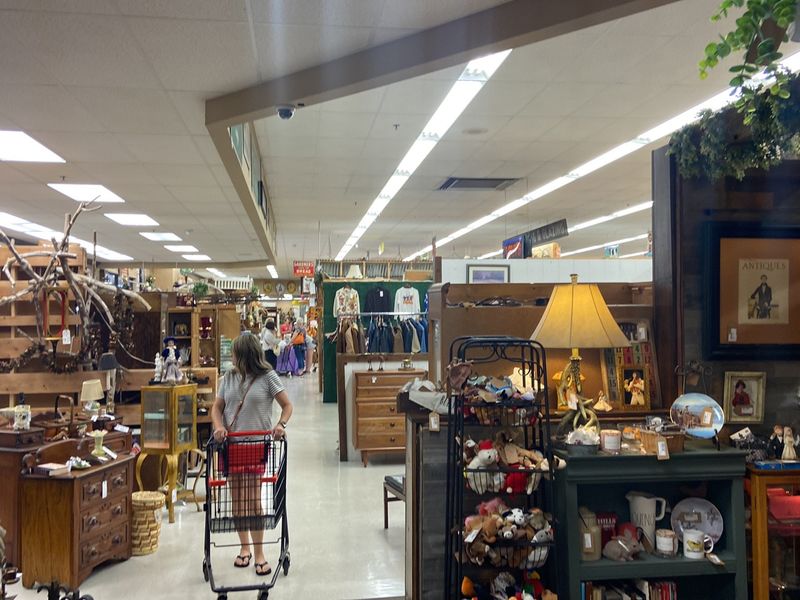
Big antique malls can feel like an obstacle course of teetering stacks and narrow gaps. That is not the reputation this one has built.
Cleanliness comes up again and again in visitor comments, with more than 30 mentions of how tidy the place feels. Aisles stay clear, lighting is bright, and merchandise is dusted rather than buried.
Organization matters more than people expect. When booths are staged well, you can scan a section in seconds and decide whether it is your kind of thing, which is how one couple covered the whole store in roughly 90 minutes.
Several shoppers point out that you will not get lost in here, and that the layout holds up even when you are pushing a cart with kids alongside. Strollers and wheelchairs benefit from the same open floor plan.
Vendors clearly take pride in their sections, and shoppers notice the difference between a curated booth and a pile of stuff. That care is probably the single biggest reason people describe the visit as relaxing rather than exhausting.
Comfortable shoes still help. Warehouse floors are unforgiving.
The Coffee Shop Tucked In The Back
Halfway through a warehouse, a coffee counter starts to look like genius planning. There is one in the back of the mall, and shoppers mention it as a legitimate perk rather than an afterthought.
Caffeine changes the math on a long browse. A cup in hand turns booth number sixty from a chore into part two of the fun.
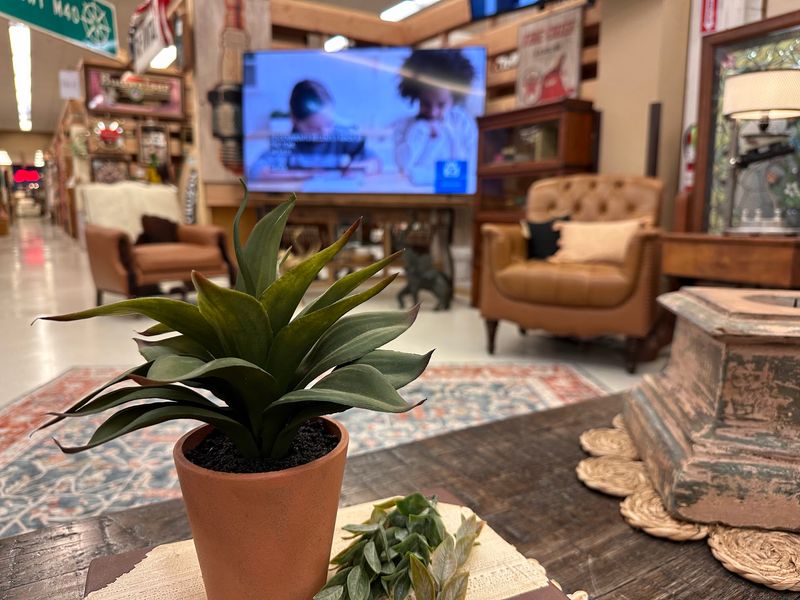
There is also a sitting area with a television, which is the unsung hero for anyone traveling with a companion who does not share the antiquing bug. Spouses, teenagers, and tired grandparents can park themselves while the hunt continues.
Families use the break spot strategically. Kids who have hit their limit can rest for ten minutes and reset, which often buys enough time to finish the back half of the store.
Plenty of visitors pair the trip with a meal, treating the mall as the before or after stop on a Northwest Expressway outing. The corridor has no shortage of places to eat within a few minutes of the door.
Small amenity, big difference. It is the kind of detail that turns a stop into an afternoon.
Prices That Run The Whole Spectrum
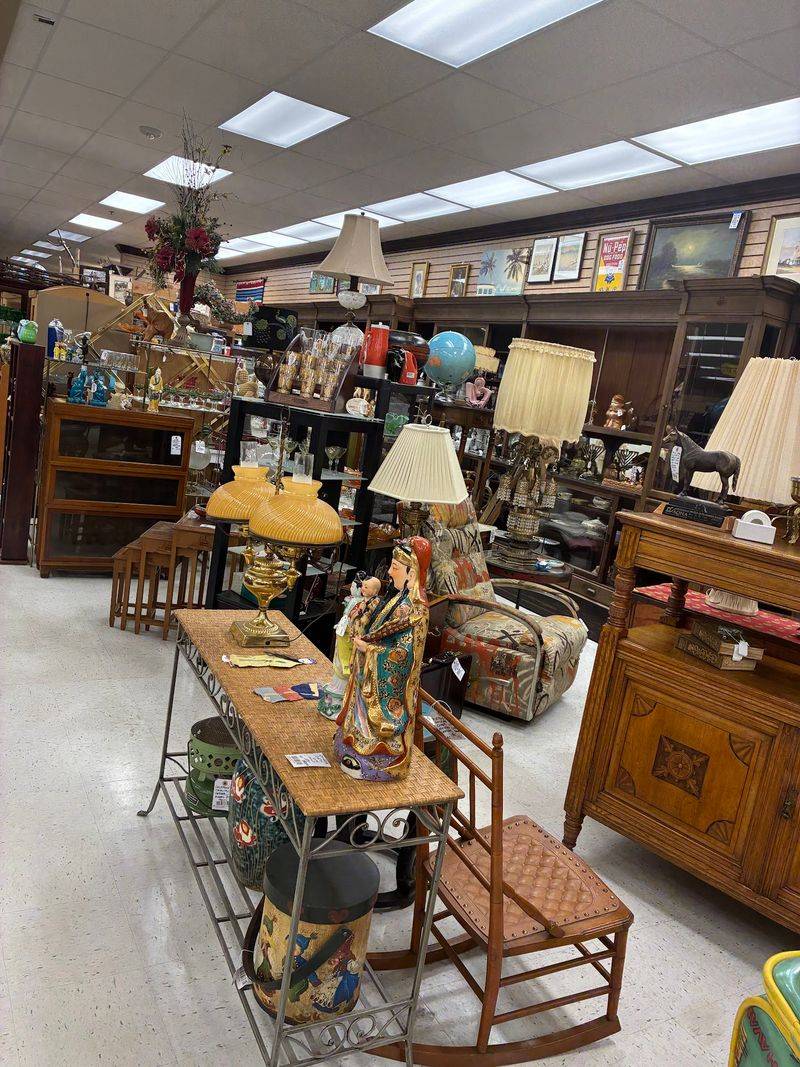
Money talk is where opinions here split most, and it is worth understanding why. Every vendor sets their own prices, so one booth may be a bargain bin while the next is priced for serious collectors.
Some shoppers have called the store expensive, particularly on furniture and larger statement pieces. Others, including people who buy and resell vintage professionally, say the pricing lines up with the broader market and with other malls around the metro.
Both things can be true in a building with over 100 dealers. A signed music poster and a five-dollar hat can live under the same roof.
The practical approach is to browse widely before committing. Small collectibles, glassware, records, and clothing tend to be where the friendliest numbers hide, while restored or rare furniture carries the weight you would expect.
Vendors also run sales fairly often, so tags are not always the final word. Asking at the counter about current promotions costs nothing.
Treat it like a treasure hunt with a budget in your pocket. Walk away from anything that does not feel right, because the inventory will be different next month anyway.
Dollar Day And The Crowds It Draws
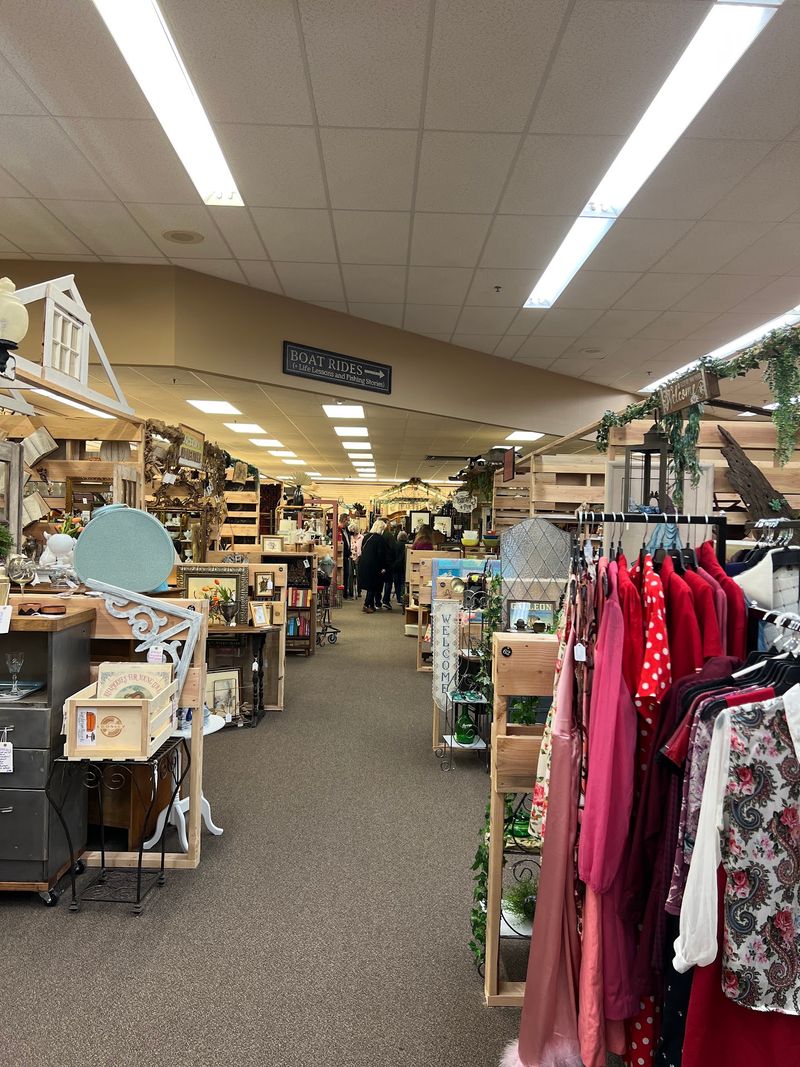
Ask a regular about events and Dollar Day comes up immediately. The mall runs it as one of its biggest draws of the year, and staff openly describe it as a treasure hunt with a basket in hand.
Expect a scene. Lines form before opening, parking gets tight, and checkout can stretch long once the doors open and the baskets start filling.
The store uses a holding system during these events, where shoppers claim items with numbered keys and collect everything before paying. It works, but management has acknowledged that unclaimed items in holding areas sometimes get returned to the floor when things get hectic.
Best advice from people who have done it: arrive early, keep your own items with you when you can, and double check your pile before heading to the register. A little organization on your end goes a long way.
If crowds are not your thing, skip event days entirely and shop a weekday morning instead. The selection is still enormous and the aisles are calm.
Either way, call ahead at 405-448-1875 to confirm upcoming sale dates before making a long drive.
Friendly Faces Behind The Counter
Hospitality gets mentioned more than any single item in the store. Friendly staff shows up in visitor comments dozens of times, which is telling for a place where the merchandise is the main event.
Owners are often at the front checkout stand and happy to chat. Several shoppers describe pleasant conversations there, and one traveling collector made a point of saying how welcoming the owner was during their visit.
Helpfulness extends past small talk. Clerks assist with loading furniture, answer questions about vendors, and respond to feedback publicly and directly.
That responsiveness cuts both ways, and it is part of what makes the operation feel like a real Oklahoma small business rather than a faceless chain. When someone raises a concern about a booth or a label, management addresses it.
For first-timers, the counter is a good starting point. Ask where the furniture booths cluster, whether any vendor specializes in what you collect, and what is on sale that day.
A two-minute conversation can save twenty minutes of wandering, and it makes the visit feel less like shopping and more like being shown around.
Who Gets The Most Out Of A Visit
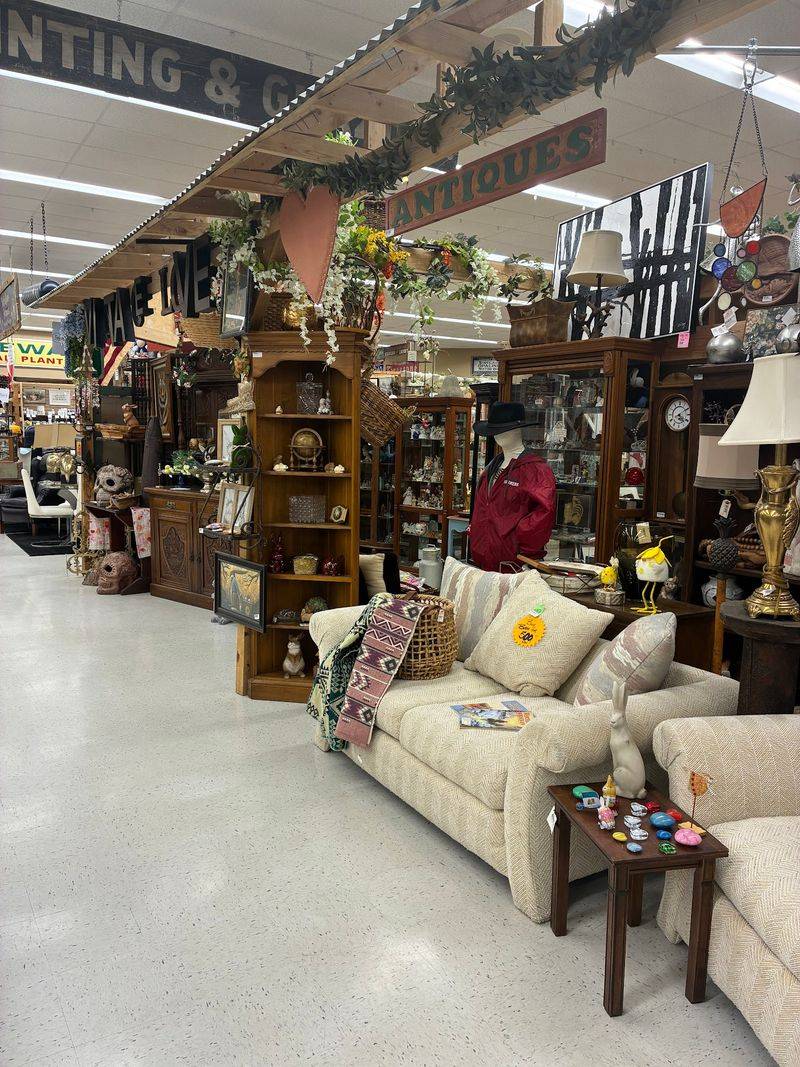
Collectors with a specific quarry do well here, because a hundred booths give you a hundred chances at the thing you have been chasing. Records, Pyrex, jewelry, signage, western pieces, mid-century chairs: pick a lane and start walking.
Decorators and first-apartment furnishers get just as much mileage. Solid wood furniture at secondhand prices beats flat-pack every time, and the character is free.
Families report smooth visits, with wide aisles that accommodate kids and a break area for when attention spans run out. Grandparents often have the best time of anyone, pointing at kitchen tools and toys they grew up with.
Road-trippers passing through Oklahoma City will find it an easy detour off Northwest Expressway, and plenty of out-of-state antiquers have made it a planned stop rather than a happy accident.
The one group that may want to temper expectations is bargain-only shoppers who need everything cheap. Deals exist, but they take digging.
Budget 90 minutes minimum. Give yourself two or three hours if you plan to read every tag, and longer if you arrive late afternoon.
Hours, Directions, And Planning The Trip
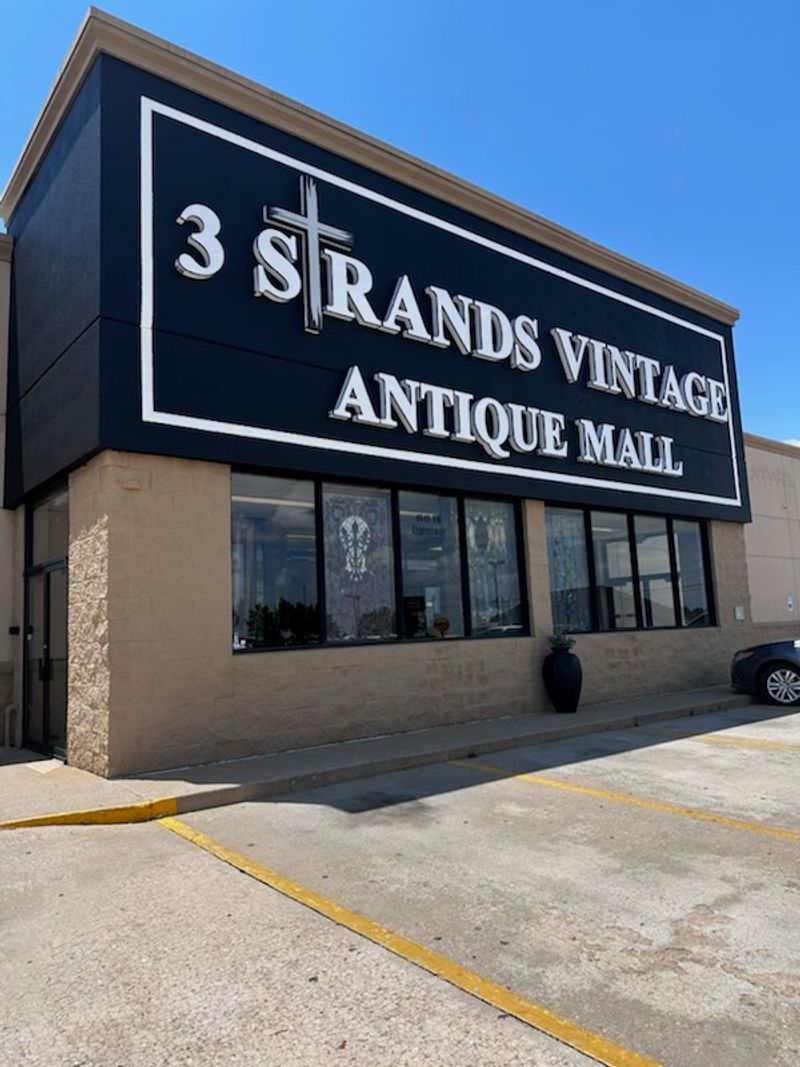
Timing is simple here, which makes planning easy. Doors open at 10 AM and close at 7 PM every day of the week, so weekends and weekdays both work.
Arriving right at opening or in the first couple of hours tends to mean thinner crowds and easier parking. Late afternoon visits run the risk of the clock beating you, since one pair who showed up around 3:30 still had not finished the store by closing.
The address is 4848 Northwest Expressway, on the northwest side of Oklahoma City. From downtown OKC it is a short drive of roughly 20 minutes depending on traffic, and from Tulsa it lands around 90 minutes to two hours on I-44.
Parking is generally described as ample, with the notable exception of big sale days when the lot fills fast.
Oklahoma weather is worth a glance before you go, though the beauty of an indoor warehouse is that heat, wind, and spring storms barely matter once you are inside.
Details can shift, so a quick check of 3strandsvintagemall.com or a call to 405-448-1875 is smart before a long haul.
Final Word On An Afternoon Well Spent
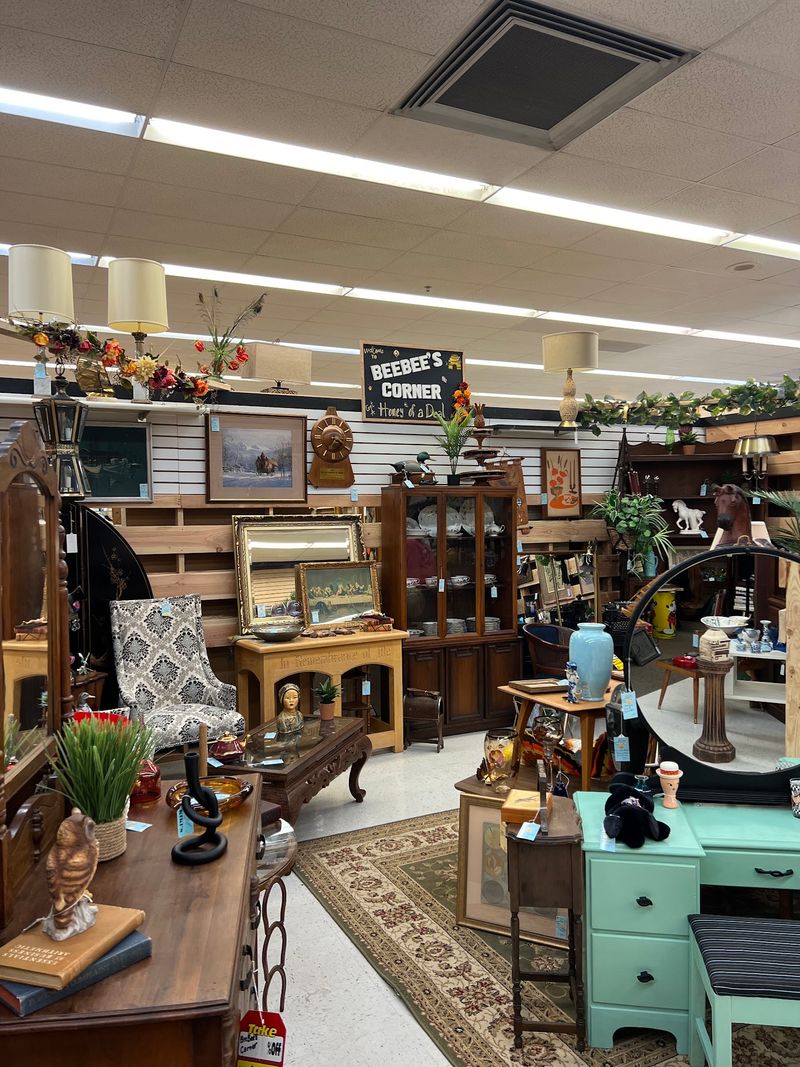
Some places earn their reputation quietly, one satisfied shopper at a time. That is the story of this warehouse of booths on the northwest side of Oklahoma City, where the selection, the tidy aisles, and the people at the counter do most of the talking.
Is everything a steal? No, and anyone who tells you otherwise has not walked the whole floor.
Prices swing from delightful to serious depending on which dealer staged the booth.
But the hunt itself is the product, and on that count the place delivers. Chrome dinette chairs, weathered signs, crates of records, and shelves of kitchen glass add up to an afternoon that costs nothing to enjoy if you decide not to buy.
For Oklahomans who like proof their own state holds something worth the drive, this qualifies. It is unpretentious, well kept, family friendly, and open seven days a week from 10 AM to 7 PM.
Bring a tape measure, a little patience, and someone who enjoys pointing at old things as much as you do. Then plan a second visit, because the inventory will have changed.
