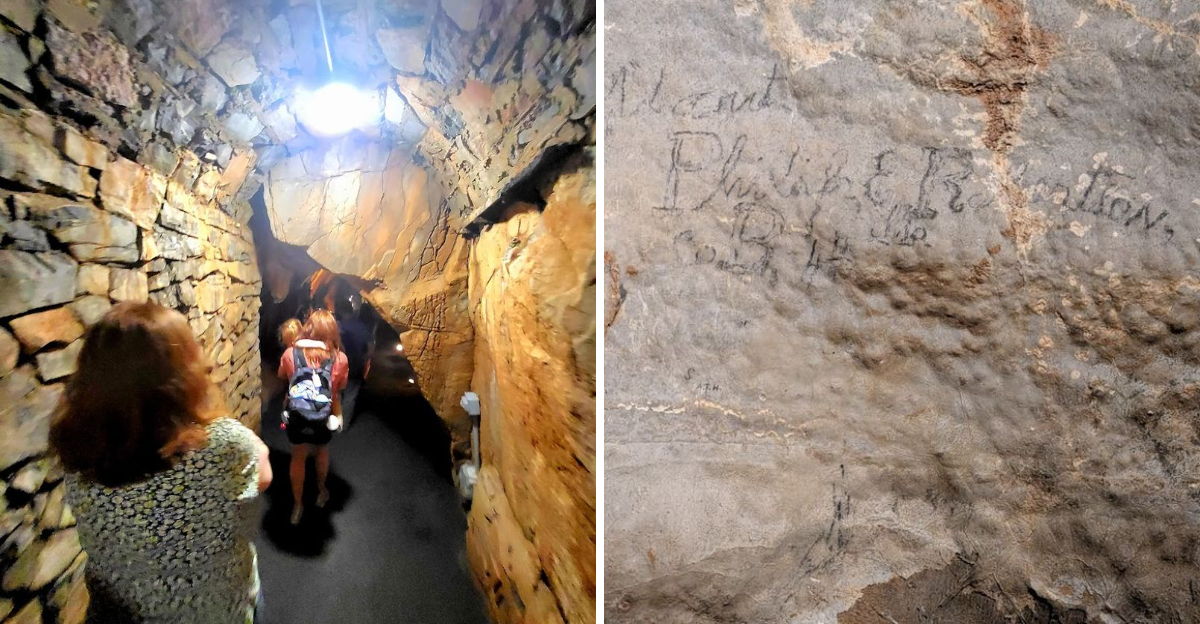
Caves are naturally strange places. Dark, cool, full of rock formations that took thousands of years to grow.
But this Virginia cave has something else that makes it even more haunting. Names carved into the stone by Civil War soldiers who passed through during the conflict.
Union and Confederate, side by side on the walls, their handwriting still visible more than a century later. I ran my fingers over the grooves and thought about what those men were feeling.
Boredom? Fear?
The need to leave a mark before marching off to something uncertain. The cave is beautiful on its own.
But the carvings turn it into something else entirely. A memorial made by the people who lived through it.
The Discovery That Started It All
Back in 1818, a man named John Harrison was going about his business on the family homestead in Rockingham County, Virginia, when he stumbled onto something that would eventually captivate history lovers for generations. The land had been in the Harrison family for years, and yet the earth itself had been quietly keeping a secret the whole time.
The caverns sat tucked beneath a stretch of Virginia countryside north of Harrisonburg, completely undisturbed and waiting. Nobody could have predicted that a discovery made during an ordinary day of farm life would later become one of the most fascinating underground sites in the entire state.
What made the find truly remarkable was not just the geology, though that alone is worth the trip. The cave’s consistent underground temperature and sheltered environment created the perfect conditions for preserving anything left inside.
Nature had basically built a time capsule long before anyone knew what to do with it.
Why Civil War Soldiers Chose This Cave
April 1862 was a tense month across Virginia. Union forces under General Nathaniel P.
Banks were moving through the Shenandoah Valley, and they needed somewhere safe, cool, and out of sight to stash critical supplies. Melrose Caverns checked every single box.
The cave offered a steady temperature of 55 degrees Fahrenheit year-round, making it ideal for storing rifles, ammunition, and equipment without the unpredictable exposure of open-air storage. It was also practically invisible from the outside, which meant supplies stayed protected from Confederate eyes.
Soldiers from Ohio and Indiana regiments, including the 4th, 7th, 8th, and 29th Ohio Volunteer Infantries, used the caverns as both a storage facility and a place of rest. Being underground during wartime must have felt like stepping briefly out of the chaos.
That combination of practical utility and rare quiet made this particular Virginia cave one of the more strategically clever choices of the entire Shenandoah campaign.
Hundreds of Names Etched in Stone Forever
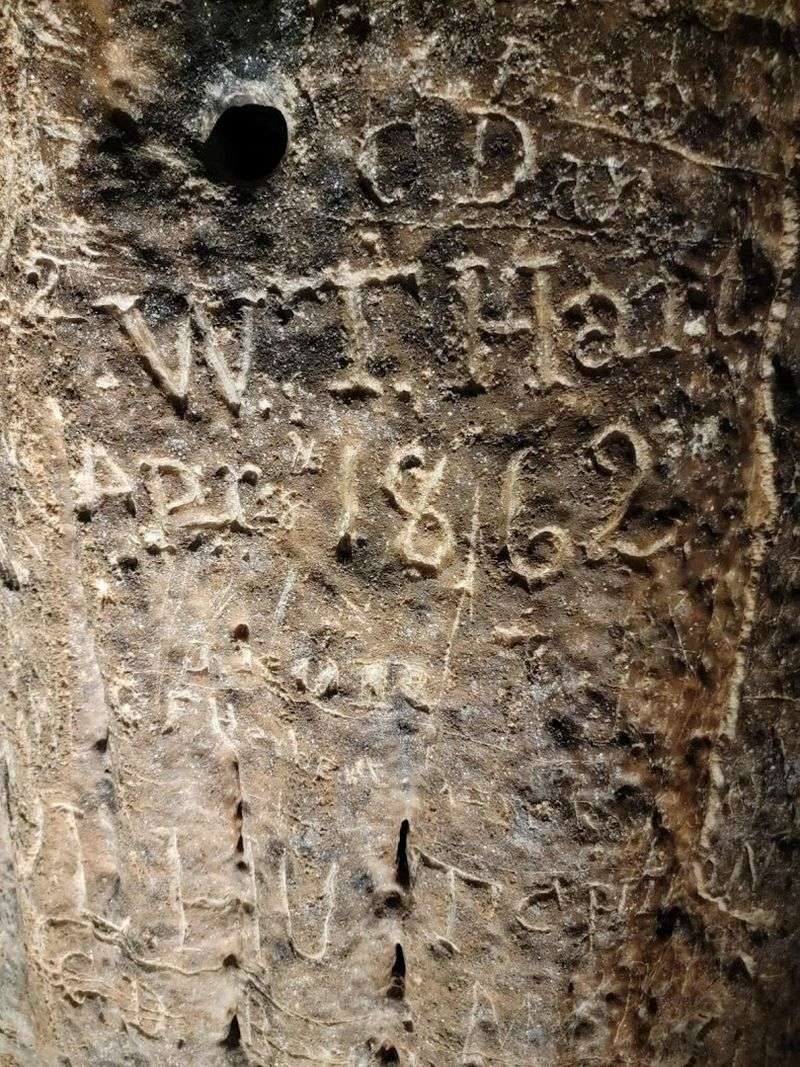
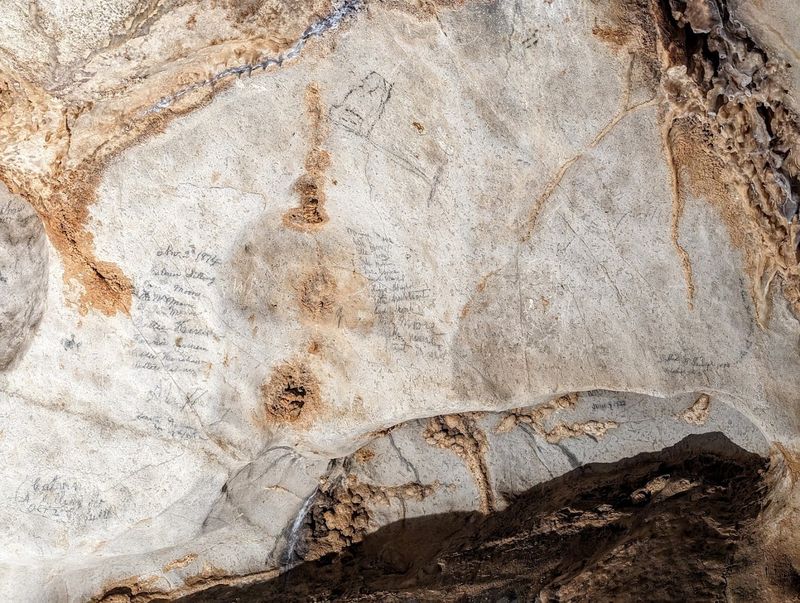
Picking up a bayonet, a knife, or a piece of charcoal from a torch and carving your name into a cave wall sounds almost casual. For the soldiers who did it here, it was probably something closer to saying, I was here, and I mattered.
Around 400 inscriptions are still visible inside Melrose Caverns today, and the vast majority are dated 1862.
Melrose Caverns maintains a list of more than 300 identified soldiers whose names appear on the walls. Some carvings are neat and deliberate, with full names and ranks.
Others are rougher, scratched in haste by someone who maybe only had a few minutes before being called back to duty.
What makes this so jaw-dropping is not just the quantity of names. It is the fact that they are still sharp, clear, and fully legible.
The underground environment protected these inscriptions from rain, wind, and sun for over 160 years. Walking past them feels less like reading graffiti and more like shaking hands with people who lived through one of America’s most defining moments.
The Artwork That Went Beyond Names
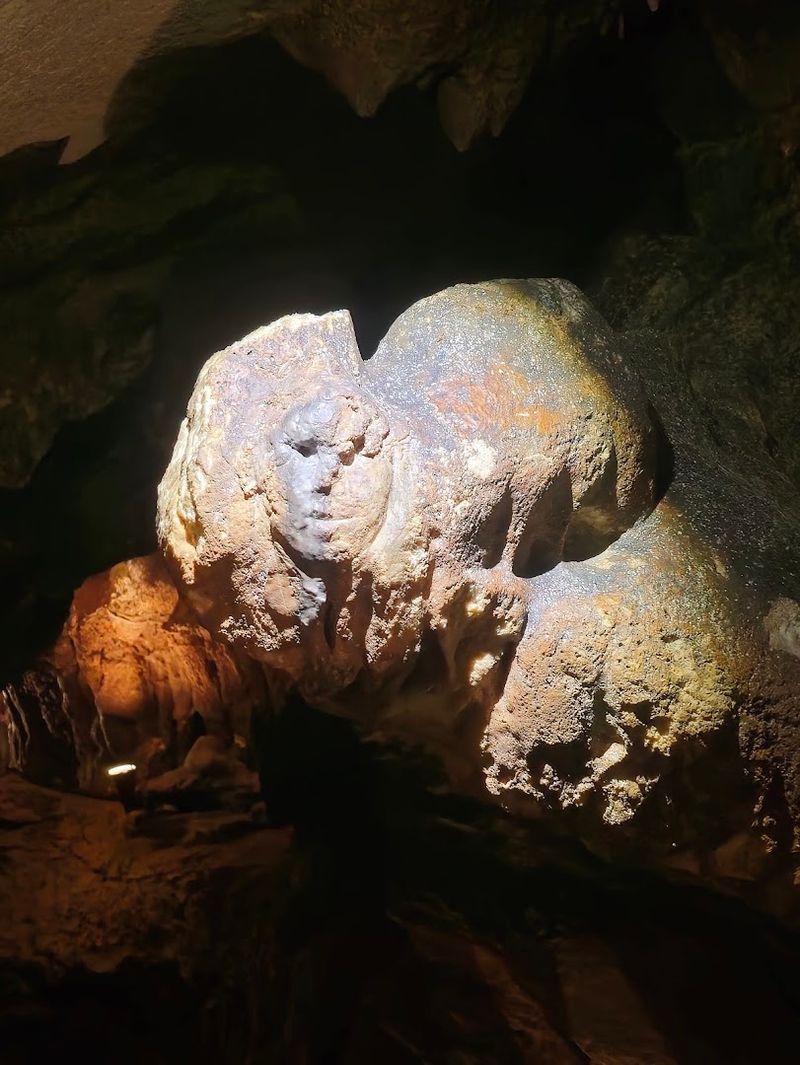
Some soldiers were not content with just signing their names. A few left behind actual artwork, and those pieces are among the most startling things you will see anywhere in Virginia.
A carved Union shield, a recognizable bust of President Lincoln, and multiple flag designs including both the Stars and Stripes and the Stars and Bars appear among the inscriptions.
Think about that for a second. Soldiers from opposing sides both left their marks inside the same cave.
Union troops from Ohio and Indiana carved their symbols of loyalty. Confederate soldiers from Maryland, Virginia, and North Carolina did the same.
The walls became an unplanned shared gallery of an entire conflict.
The Lincoln bust in particular is a remarkable find. Carving a likeness of the sitting president into stone, underground, during an active military campaign, takes a certain kind of audacity and artistic drive.
It is one of those details that makes Melrose Caverns feel less like a tourist attraction and more like a place where real human stories are literally embedded in the rock.
Bullet Holes in the Formations
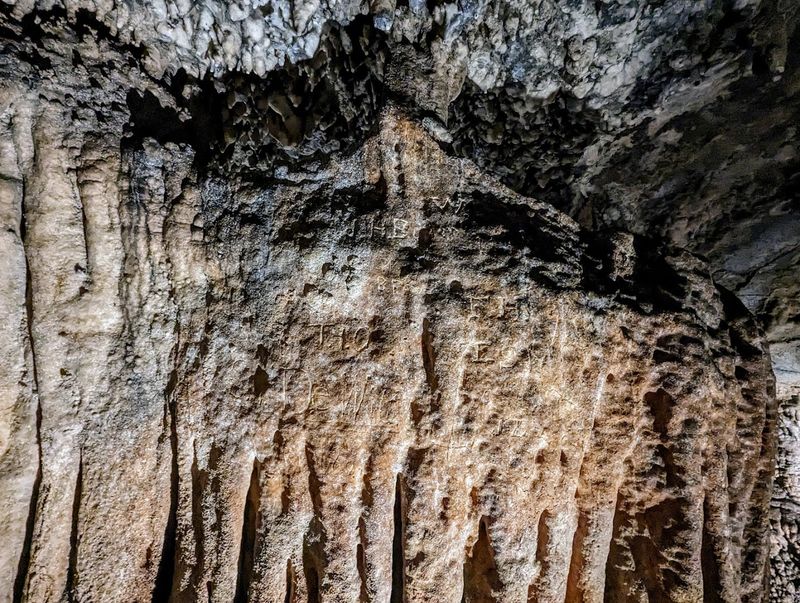
Not everything the soldiers left behind was carved with care. Some cave formations inside Melrose Caverns bear the unmistakable marks of musket and handgun fire.
Soldiers apparently discharged their weapons underground, and the evidence is still right there in the rock.
It is a jarring detail that shifts the mood from historically fascinating to genuinely unsettling in the best possible way. These were armed men living through extreme stress, cooped up underground with loaded weapons.
The fact that some of them fired those weapons at stalactites and stalagmites feels both reckless and completely human.
The ballistic impacts add another layer to the story that no textbook ever quite captures. You can read about the Civil War in Virginia for years and still never get the visceral sense of what daily life felt like for those soldiers.
Standing in a cave and looking at a bullet-scarred formation from 1862 does something that a photograph or a museum exhibit simply cannot replicate. It makes history feel uncomfortably close.
Specific Soldiers Whose Stories Survived
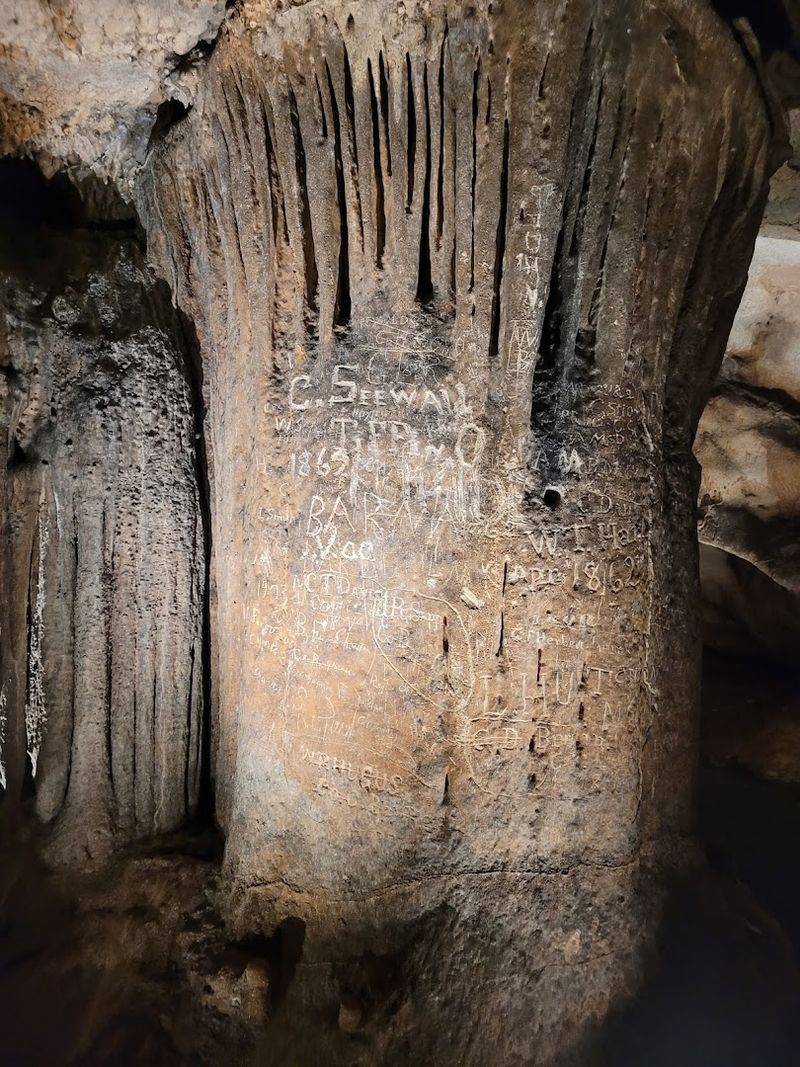
History loves anonymity, but Melrose Caverns pushes back against that tendency. Because the carvings are so well preserved, researchers have been able to identify specific individuals whose names appear on the walls, and some of their stories are genuinely moving.
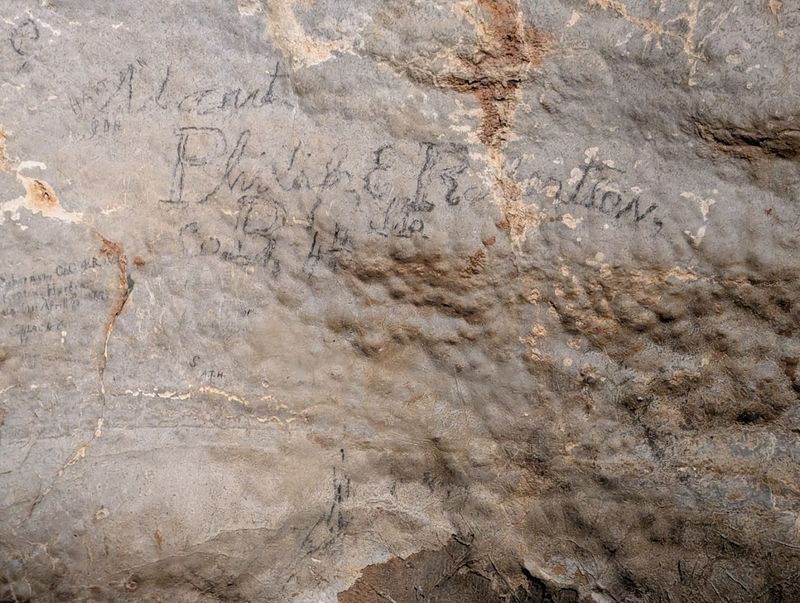
Private Jacob Hollabaugh Jr. and Private Philip Emery Robertson, both of the 4th Ohio Volunteer Infantry, left their marks here. So did Private Allen Willie Wyeth of the 14th Indiana.
These are not famous names. They are ordinary young men who fought in an extraordinary conflict and chose to record their presence in the most permanent way available to them.
Confederate soldiers from Maryland, Virginia, and North Carolina also inscribed their names, which means the cave holds a rare kind of unity. Enemies who never sat down together somehow ended up sharing the same limestone canvas.
Knowing the actual names and regiments of the people behind those carvings transforms a walk through the cave from a geology tour into something far more personal and profound.
The Geology That Makes It All Possible
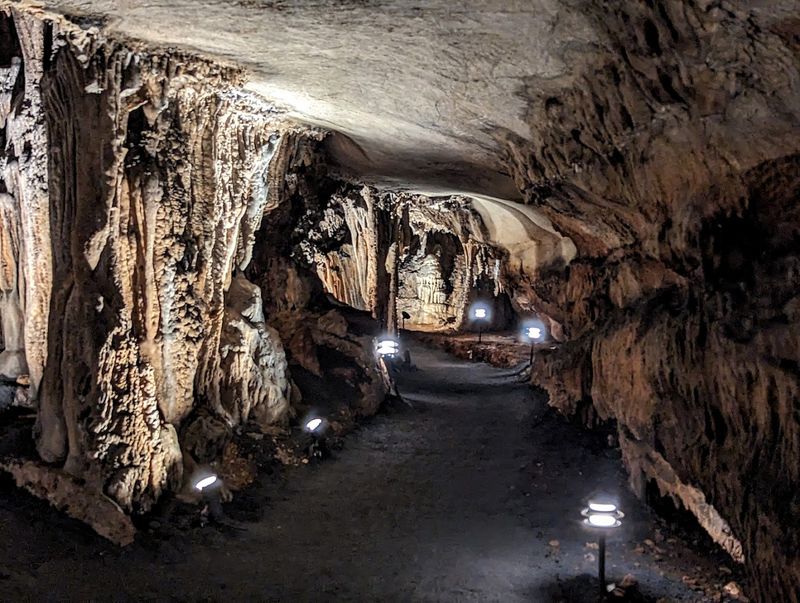
All that history would have crumbled away centuries ago if the geology had not cooperated. Melrose Caverns is a limestone cave formed through the slow dissolution of rock by slightly acidic groundwater over millions of years.
The result is a network of passages filled with formations that range from delicate stalactites to thick, layered flowstone.
The steady underground temperature is what makes the cave such a perfect preservationist. At 55 degrees Fahrenheit year-round, there is no freeze-thaw cycle to crack the rock, no humidity swings to degrade inscriptions, and no UV light to fade pigment.
The charcoal markings from soldier torches have survived in remarkable condition because of this stable environment.
Guided tours at Melrose Caverns cover both the geological story and the Civil War history, so you get two fascinating narratives woven together. The formations themselves are genuinely beautiful, and understanding how they formed over geological time makes the Civil War inscriptions feel even more surreal.
Ancient stone that took millions of years to build, marked in a single afternoon by a teenager with a bayonet.
From Blue Grottoes to Melrose Caverns
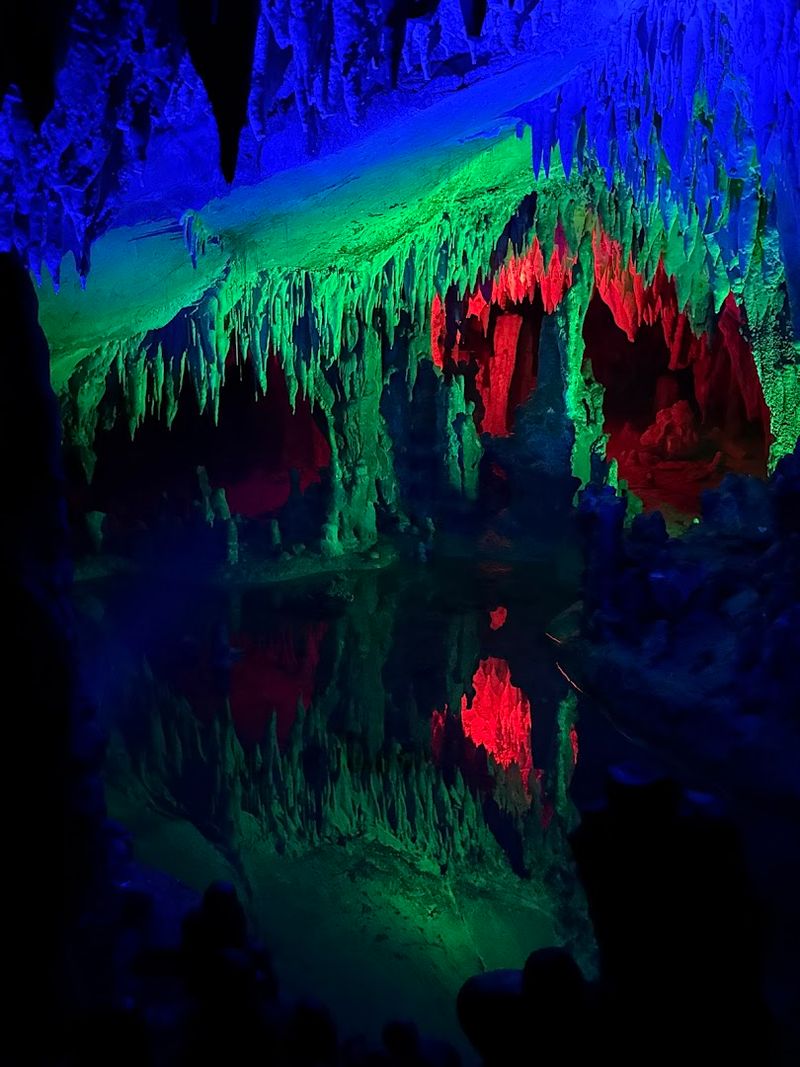
The cave’s commercial history is its own interesting chapter. When the caverns first opened as a tourist attraction in 1932, they were marketed under the name Blue Grottoes, the Civil War Caverns.
That original name tells you exactly what the early owners understood about the site’s appeal: the history was always going to be the main draw.
Over time, the attraction evolved and eventually became known as Melrose Caverns, a name tied to the Harrison family homestead where the cave was first discovered. The family connection runs deep here.
This is not a corporate operation that swooped in to monetize a geological curiosity. It is a place that has been in the same family for generations, and that personal investment shows in how the site is managed and presented.
The shift from a novelty roadside cave to a thoughtfully curated historical destination took time, but today Melrose Caverns sits comfortably as one of the more distinctive underground experiences in all of Virginia. The name may have changed, but the commitment to preserving what soldiers left behind has never wavered.
What a Guided Tour Actually Feels Like
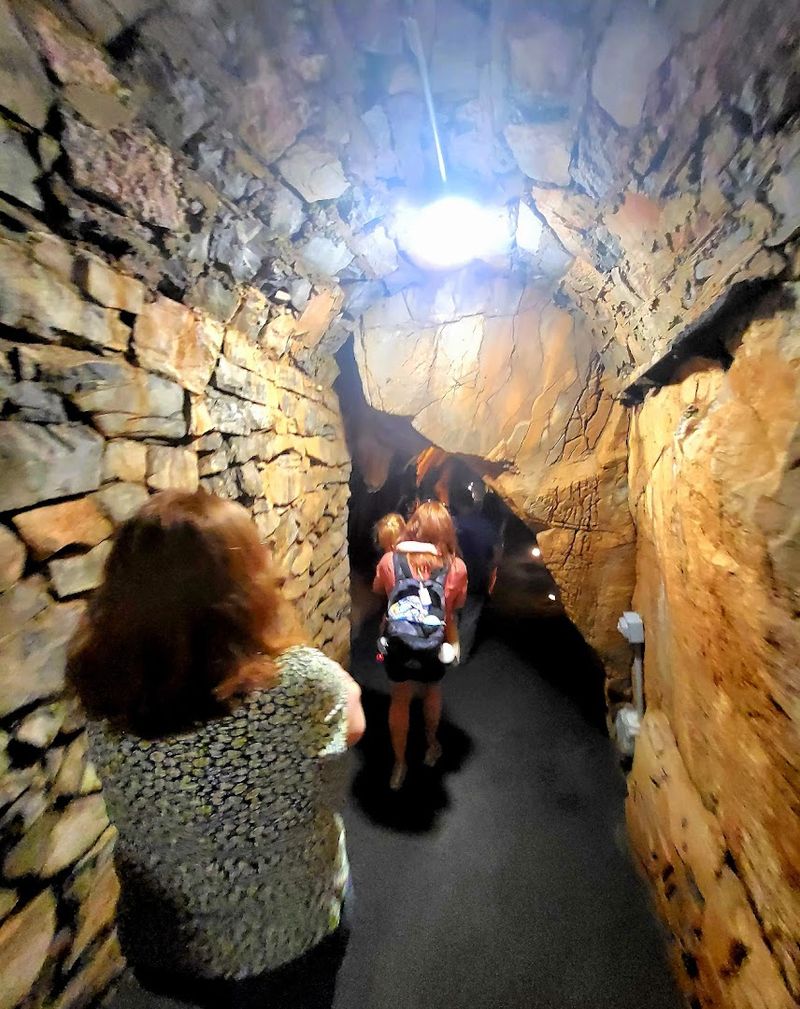
Walking into Melrose Caverns with a knowledgeable guide is a completely different experience from just wandering through a cave on your own. The guides here grow up with this history.
Some are family members who played in these passages as children, and that personal connection makes every explanation feel lived-in rather than rehearsed.
Tours cover both the geological features and the Civil War inscriptions in a way that keeps you constantly engaged. One moment you are looking up at a stunning stalactite formation, and the next you are leaning in close to read a soldier’s name scratched into the wall beside you.
The pacing is relaxed, the group sizes tend to stay small, and there is genuine room for questions.
The cave is not massive, which works in its favor. You never feel rushed or lost in an overwhelming maze of tunnels.
Every section has something worth pausing over, and the guides know exactly which details will catch people off guard. I left with a much richer understanding of both the Shenandoah Valley campaign and the surprisingly elegant science of how limestone caves form.
Plan Your Visit to Melrose Caverns
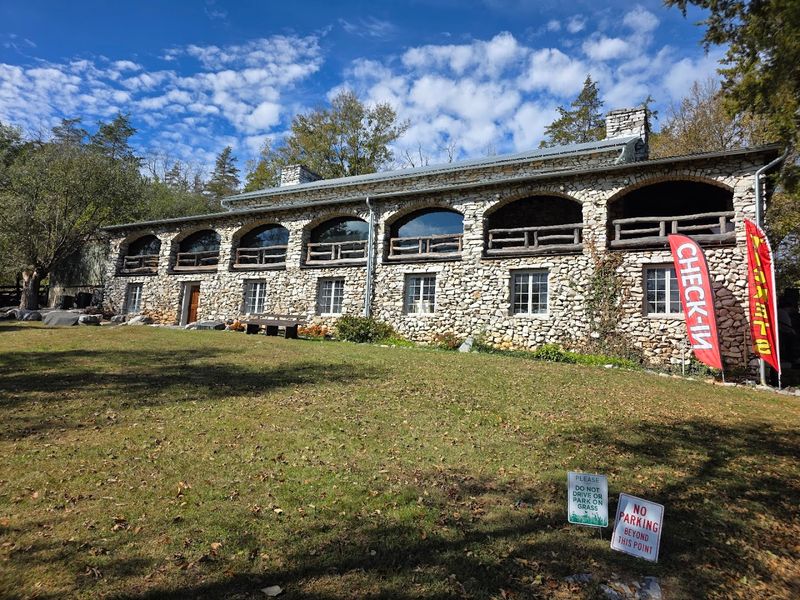
Melrose Caverns sits at 6639 N Valley Pike in Harrisonburg, Virginia, right in the heart of Rockingham County. The location puts it within easy reach of the broader Shenandoah Valley, making it a natural addition to any road trip through this part of the state.
Tours run Tuesday through Sunday, with Saturday morning slots opening earlier than the rest of the week. The site closes on Mondays, so plan accordingly.
Parking is not an issue here, and the relatively small tour group sizes mean you are not fighting for a clear view of the carvings or the formations.
A gift shop rounds out the experience, and the surrounding property has a genuinely beautiful rustic quality that makes the whole visit feel unhurried and grounded. Virginia has no shortage of historical sites, but Melrose Caverns occupies a category all its own.
Nowhere else in the state can you stand underground and read the actual handwriting of soldiers who passed through during one of history’s most turbulent chapters. Pack comfortable shoes, bring curiosity, and give yourself enough time to really absorb what you are seeing.
You will not regret it.
