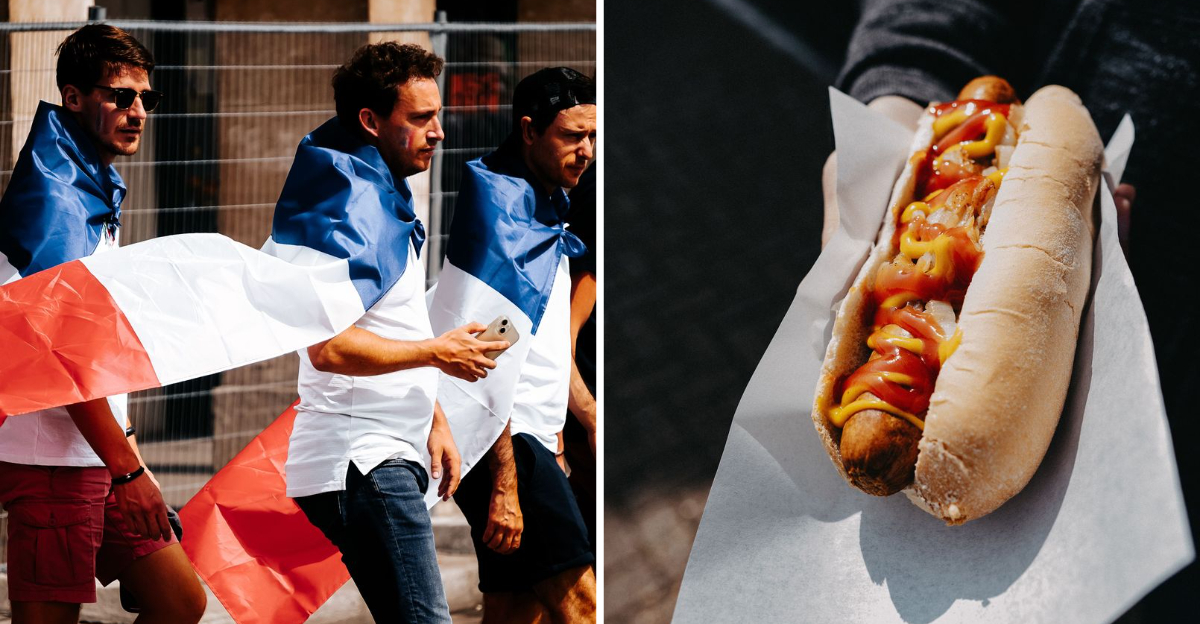
European football fans may arrive expecting skyscrapers, stadium noise, and maybe one heroic slice of pizza before kickoff, but New Jersey has a few cheerful surprises waiting in the wings.
Match day here comes with global crowds, generous food portions, blunt-but-helpful locals, and skyline views that make every phone suddenly run out of storage.
One minute you are navigating transit like a confused midfielder; the next, someone is recommending the best diner, bagel shop, or beach town with total confidence.
During the World Cup, the state becomes louder, friendlier, tastier, and far more international than many visitors expect.
These are the culture shocks Europeans may notice first.
1. The World Cup Final Is Actually In New Jersey
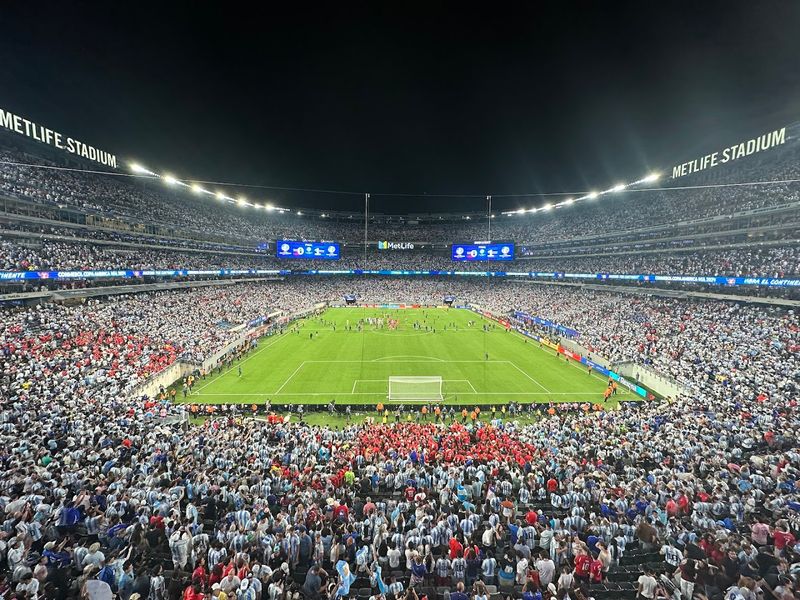
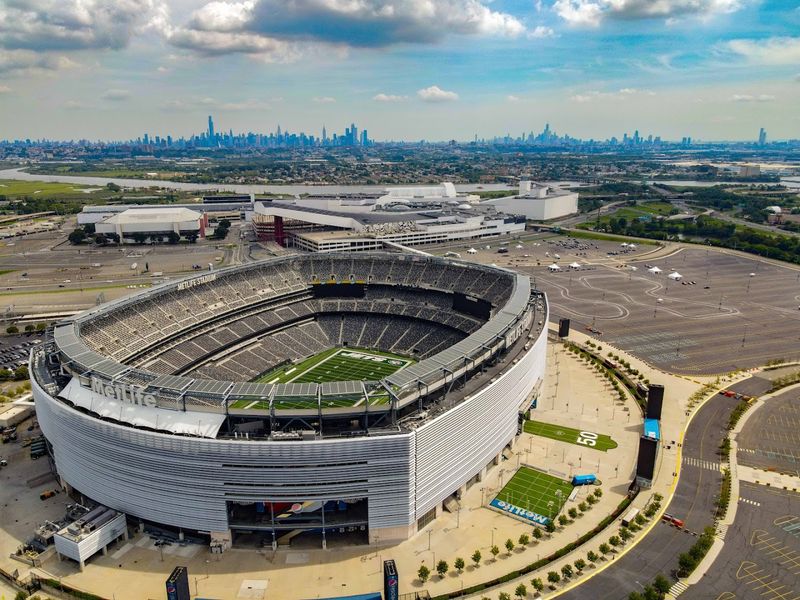
Something clicks the moment you pull up the match schedule and realize the Final is not in Manhattan. MetLife Stadium sits in East Rutherford, New Jersey, temporarily renamed New York New Jersey Stadium for the tournament.
For many Europeans, that distinction feels genuinely surprising.
The stadium is hosting eight matches total, including the biggest game of the entire competition. Getting there from the city is straightforward, but the mental shift from “New York” to “New Jersey” takes a beat to process.
It is one of those small geographic corrections that changes the whole trip plan.
MetLife is one of the largest stadiums in the United States and holds over 82,000 fans. The atmosphere inside during a full match crowd is electric in a way that is hard to describe without experiencing it firsthand.
The scale of everything, from parking lots to concourse space, feels almost theatrical.
Europeans accustomed to older, tighter stadium designs may find the sheer openness of the venue almost disorienting at first. Wide concourses, multiple food levels, and massive video boards create a very different match-day feel.
Once you settle in, though, the energy is completely infectious and hard to resist.
2. Soccer Feels Bigger Than Expected Here
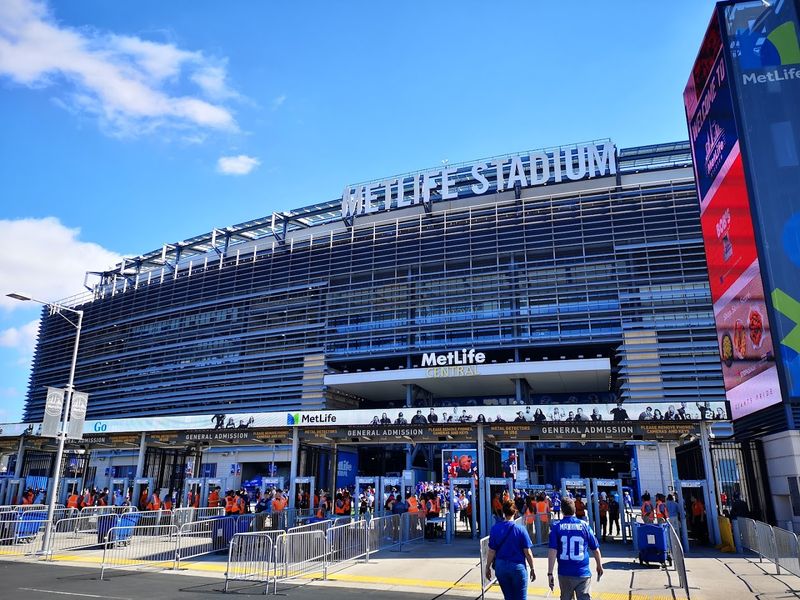
Walking toward the stadium surrounded by chanting fans from a dozen different countries is not what most Europeans picture when they think of New Jersey. The assumption tends to be that American sports energy belongs exclusively to football, basketball, or baseball.
The World Cup flips that completely.
New Jersey actually has one of the strongest youth soccer cultures in the entire country. Participation rates have been high for decades, and the state produces a steady stream of players who go on to compete at collegiate and professional levels.
That foundation means the local crowd knows the game well.
During World Cup matches, the energy outside the stadium rivals anything you might find in a European city on match day. Fans arrive in full kit, paint their faces, and gather in groups hours before kickoff.
The noise level builds steadily from the moment you step off the transit shuttle.
What surprises many Europeans most is how genuinely invested the local fans are, not just the traveling supporters. New Jersey residents show up ready, loud, and knowledgeable.
The sport may not dominate American television year-round, but during the World Cup, it absolutely owns the conversation in this part of the country.
3. The Food Scene Goes Way Beyond Stadium Snacks
Expecting to survive on hot dogs and pretzels during a World Cup trip to New Jersey would be a serious miscalculation. The food landscape here is genuinely staggering, and it starts the moment you step outside the stadium zone.
Jersey diners alone deserve their own travel category.
Classic New Jersey diners serve massive, comforting meals around the clock. Think loaded omelets, stacked sandwiches, and pancakes the size of a small shield.
Beyond diners, the state offers some of the best pizza in the country, legendary bagels, Korean barbecue spots, Italian bakeries, and Latin food that rivals anything found in major cities.
Halal carts and casual neighborhood restaurants add even more texture to the eating experience. Many of these spots are run by families who have been cooking the same recipes for generations.
The quality-to-price ratio at these places tends to genuinely surprise first-time visitors.
European fans used to quick espressos and light pre-match bites may find themselves accidentally eating a full three-course meal just by stopping in for a snack. The food here rewards curiosity.
Wandering a few blocks from any transit stop usually turns up something worth trying, and the locals are always happy to point you toward their personal favorites.
4. The Fan Mix Feels Genuinely Global
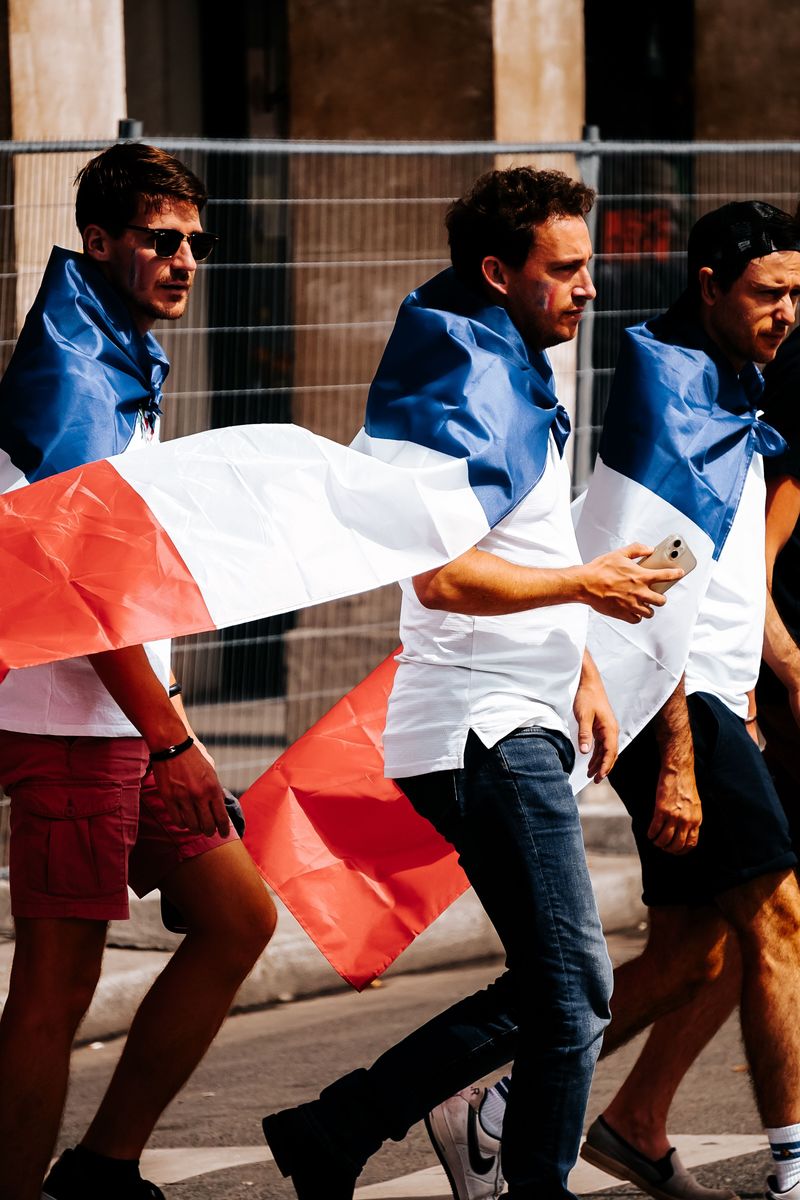
Few places in the world pack as much cultural diversity into one region as New York and New Jersey combined. FIFA recognized this when selecting the area as one of the tournament’s major host regions, and the fan mix on match days reflects exactly that choice.
Walking through the crowd feels like a miniature United Nations.
New Jersey itself is home to large communities from Latin America, South Asia, West Africa, East Asia, and across Europe. During the World Cup, those communities come out in full force.
Jerseys, flags, drums, and chants in a dozen languages fill the streets around the stadium and the transit hubs.
For European visitors, this is often one of the most unexpectedly moving parts of the trip. The diversity feels organic rather than performed.
Families, friend groups, and solo travelers from wildly different backgrounds end up side by side, sharing food recommendations and directions without a second thought.
The region’s international character makes it a uniquely comfortable place to be a foreign fan. Nobody feels out of place because almost everyone is from somewhere else, or at least one generation removed from it.
That sense of shared belonging gives the whole tournament experience a warmth that is hard to replicate anywhere else.
5. Even The Stadium Food Has Local Personality
Stadium food in Europe tends to be predictable. A pie here, a bratwurst there, maybe a bag of crisps.
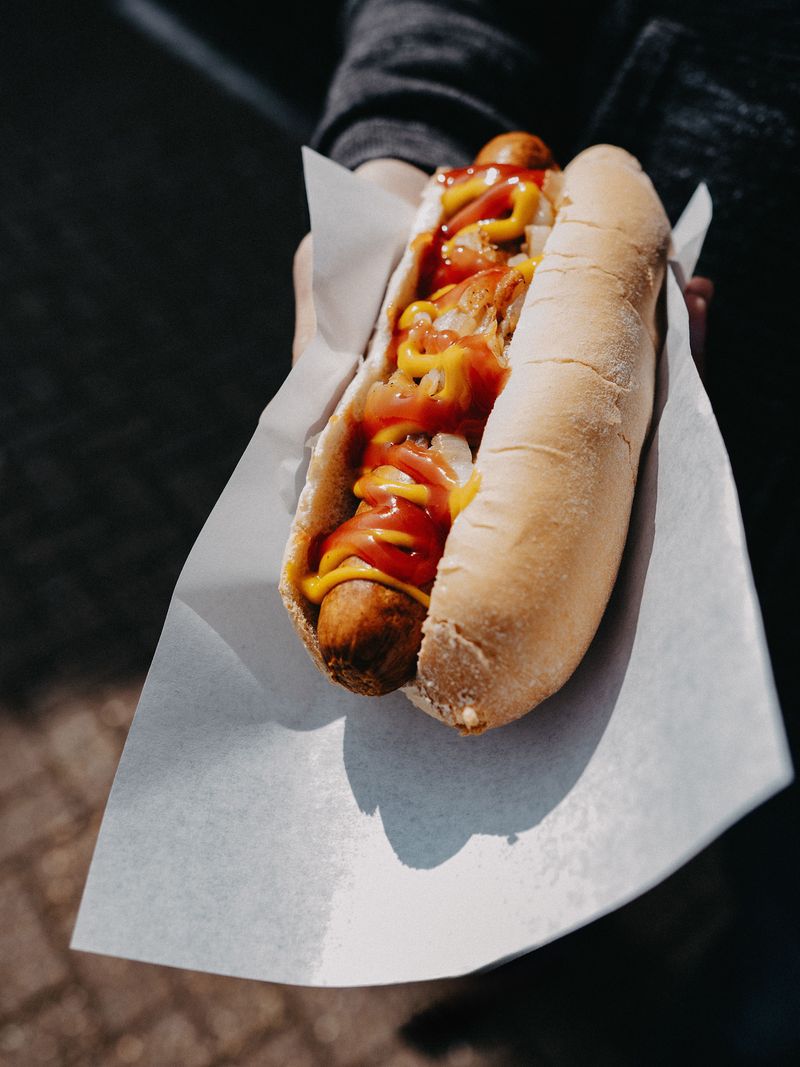
MetLife Stadium during the World Cup is operating on a different philosophy entirely, and the Ripper Hot Dog is the first proof of that commitment to local flavor.
The Ripper is a New Jersey original. It is a hot dog deep-fried until the skin blisters and splits open, giving it that signature crackling texture.
The name comes from the way the casing rips apart during cooking. It has been a staple of New Jersey street food culture for decades, long before any stadium thought to put it on a menu.
Finding that kind of regional identity inside a major tournament venue feels genuinely refreshing. Most mega-events default to the safest, most generic food options available.
Seeing a state-specific dish get proper recognition at the World Cup Final venue says something meaningful about how the tournament is being approached here.
Beyond the Ripper, concession stands are expected to feature a range of locally inspired options that go well past the usual fare. For fans who want to eat something that actually belongs to the place they are visiting, the stadium itself becomes part of the food tour.
That is not something most Europeans expect to say about a sports venue.
6. The Jersey Shore Is Closer Than Many Expect

Most people planning a World Cup trip do not factor beach time into the itinerary. Then they look at a map of New Jersey and realize the Atlantic coast is sitting right there, practically within reach of a day trip.
FIFA itself highlights the region’s 130 miles of coastline as part of what makes this host area special.
The Jersey Shore is not just a stretch of sand. It is a whole culture, complete with boardwalks, amusement rides, seafood shacks, funnel cake stands, and towns that have been drawing summer crowds for well over a century.
Asbury Park has a vibrant music and arts scene layered on top of its beach identity.
Cape May, at the southern tip of the state, is famous for its preserved Victorian architecture and calm, elegant atmosphere. It feels almost like stumbling into a different era.
The contrast between a roaring stadium match and a quiet Cape May evening walk is genuinely striking.
For Europeans who assumed this trip would be purely urban, the shore offers a completely different side of New Jersey. Catching a match at MetLife and then spending the next morning watching the sun rise over the Atlantic is the kind of travel combination that makes a trip genuinely memorable rather than just logistically successful.
7. Game Day Feels Like A Whole-Day Event
Back home, match day often means showing up roughly on time, finding your seat, and leaving shortly after the final whistle. In New Jersey during the World Cup, that approach would mean missing about half the experience.
Americans treat the build-up as part of the event itself, and it shows.
Fans arrive hours before kickoff. They gather near transit stops, set up outside restaurants, take photos with strangers in opposing jerseys, and generally turn the entire area around the stadium into one long, rolling celebration.
The energy ramps up gradually rather than spiking only at kickoff.
Food plays a central role in all of this. Pre-match meals at nearby diners and restaurants are a serious part of the ritual.
Spots close to the stadium fill up fast, and the conversations at those tables tend to be lively, opinionated, and full of predictions that may or may not age well by halftime.
Post-match, the same energy continues. Win or lose, fans tend to linger, replaying moments and debating decisions over plates of food that somehow seem to keep arriving.
For Europeans used to a quicker in-and-out match culture, this all-day commitment to the experience is one of the most enjoyable and unexpected adjustments to make during the tournament.
8. The Skyline Views Are Real
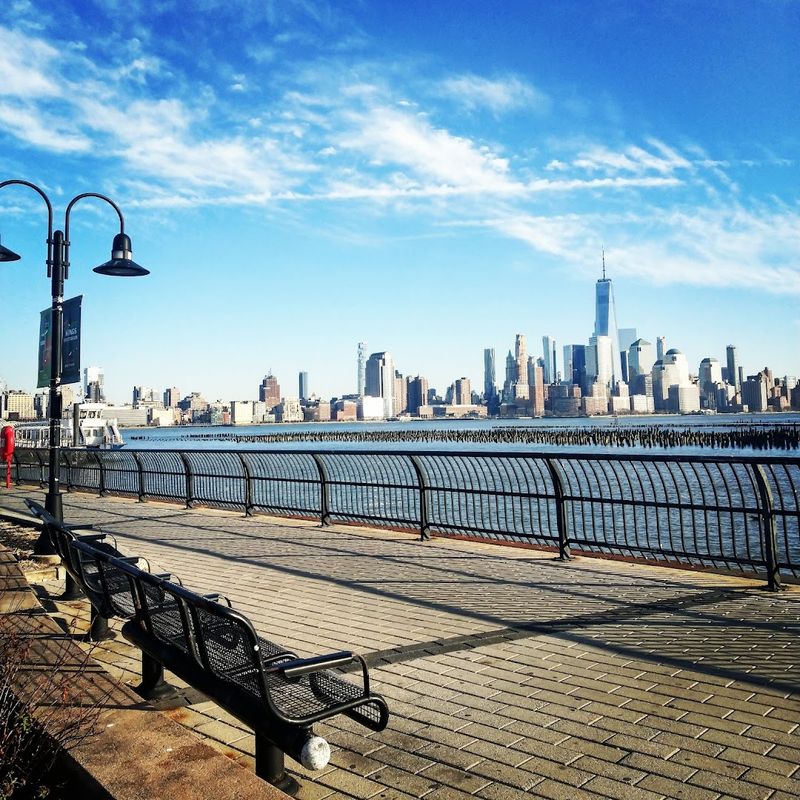
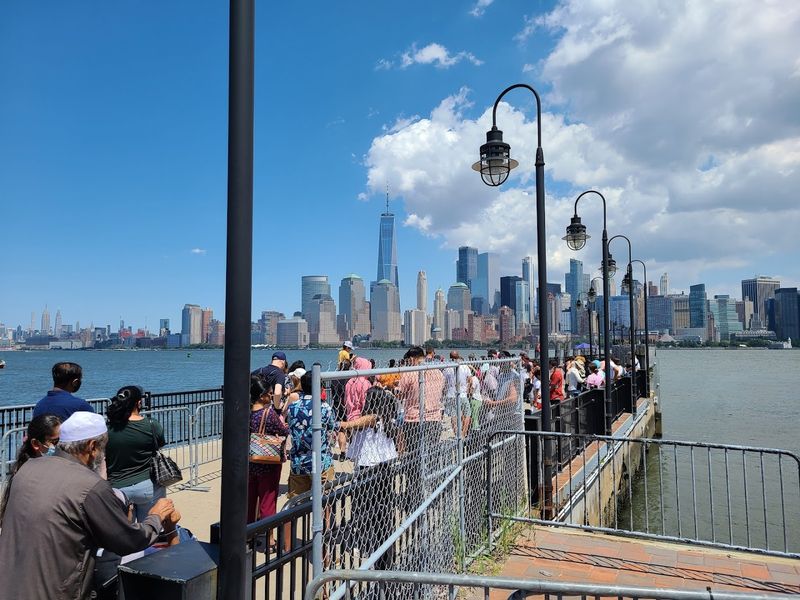
New Jersey gets a lot of jokes about being the less glamorous neighbor across the river. Then you actually stand on the waterfront and look east, and the Manhattan skyline rises up in front of you like something out of a movie poster.
The view from New Jersey is, by many accounts, better than the view from within Manhattan itself.
Jersey City’s waterfront offers some of the most photographed views of New York City in the world.
Liberty State Park, just across from Ellis Island and the Statue of Liberty, gives visitors an almost cinematic perspective on one of the most recognizable skylines on the planet.
Standing there in a soccer jersey with the river breeze coming off the Hudson is a genuinely special moment.
Hoboken and Weehawken offer similar vantage points, each with their own character and surrounding neighborhood energy. These are not tourist traps.
They are real communities where people live and eat and go about their days with one of the world’s great skylines casually visible in the background.
Europeans who arrive expecting highways and industrial zones tend to be visibly caught off guard by how beautiful the New Jersey waterfront actually is.
It adds an unexpectedly scenic layer to what might otherwise be a purely sports-focused trip, and it makes for the kind of travel photos that genuinely impress people back home.
9. People Are Friendlier Than The Stereotype Suggests
New Jersey has a reputation for being blunt, fast-talking, and not particularly interested in small talk. That reputation is not entirely without basis.
But during the World Cup, and honestly in general, the people here tend to be far warmer and more helpful than the stereotype suggests.
Ask someone for a food recommendation and you will get a full breakdown of their top three spots, ranked with conviction and backed by personal history.
Ask for transit directions and the answer will be detailed, direct, and often accompanied by a follow-up question to make sure you actually understood.
It is helpfulness delivered at a brisk pace.
The humor here is dry and quick. Locals tend to enjoy a good-natured exchange with visitors, especially around football.
If you are wearing the jersey of a team they find amusing, expect a comment. It will be funny, and it will be meant kindly.
For European fans who may arrive with a certain guardedness around strangers, New Jersey locals have a way of dissolving that quickly. The directness that can initially feel abrupt starts to read as honest and efficient rather than rude.
By the end of a match day spent navigating the state with local help, most visitors leave with a genuinely positive impression of the people they met along the way.
10. Public Transit Becomes Part Of The Adventure
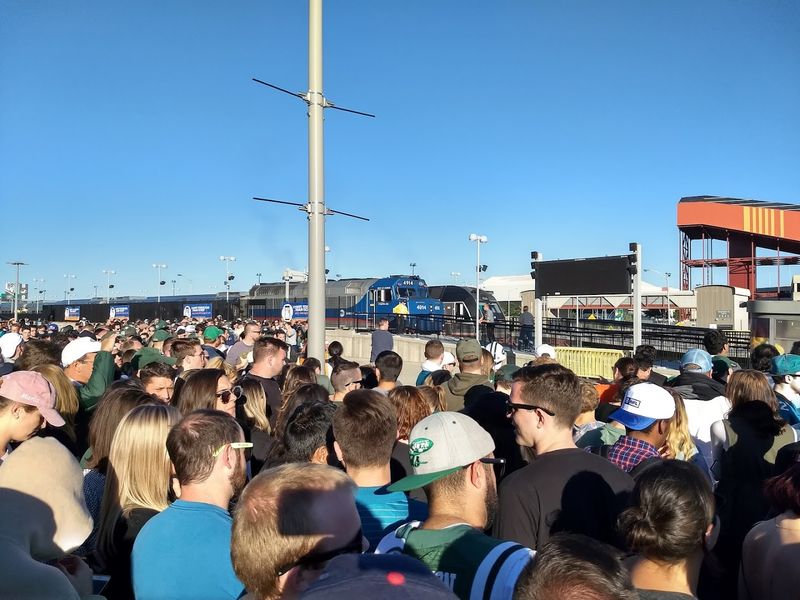
Getting to MetLife Stadium without a car is not only possible during the World Cup, it is actually the recommended approach.
NJ Transit and official tournament shuttles form the backbone of the match-day travel setup, and riding them turns the commute into something worth experiencing rather than just enduring.
The trains and buses fill up with fans from every corner of the globe. Chants start spontaneously.
Flags get waved in the aisles. Someone always has snacks and is willing to share them with strangers.
By the time you reach the stadium stop, the crowd is already buzzing with energy that the match itself will only amplify.
For Europeans accustomed to extensive metro networks in cities like Paris, Berlin, or Madrid, the New Jersey transit system will feel different in scale.
It is not as dense or as frequent as some major European networks, but for World Cup match days, the service is specifically bolstered to handle the crowds efficiently.
The transit experience also gives visitors a chance to move through real New Jersey neighborhoods rather than just stadium zones and tourist corridors.
Watching the landscape shift from urban to suburban to stadium-adjacent through a train window is its own small education in what this state actually looks like.
It adds texture to the trip that a car ride simply cannot replicate.
11. The Portions Can Feel Shockingly Generous

Ordering food in New Jersey for the first time can produce a genuine moment of confusion when the plate arrives. What was described as a sandwich turns out to be a construction project.
What was listed as a side order could comfortably serve as a main course back home. The portions here operate on a completely different scale.
Diners are the most dramatic example. Pancakes arrive stacked and wide.
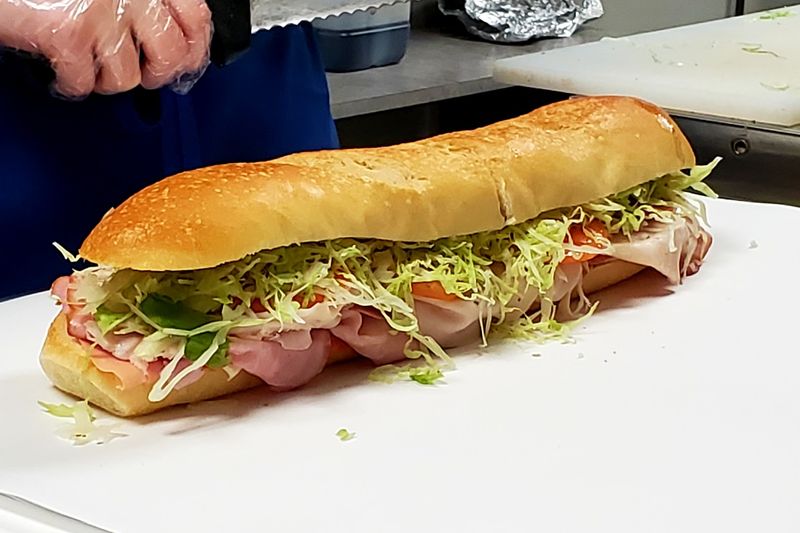
Omelets come stuffed and overfilled. Sandwiches are built tall enough to require a structural strategy before the first bite.
It is impressive and slightly overwhelming in equal measure, especially if you ordered two things without thinking it through.
Pizza slices in New Jersey are their own category. A single slice from many local spots is the size of a small serving platter.
Folding it in half, New York style, is not just an aesthetic choice. It is a practical necessity for anyone who wants to eat while walking.
For European visitors used to measured café portions or lighter pre-match snacks, this scale shift is one of the most talked-about adjustments of the trip. The good news is that the value tends to be strong.
One well-chosen order can fuel an entire match day, leaving plenty of energy for the walk back to the transit stop after the final whistle.
Address: New Jersey, NJ 08608
