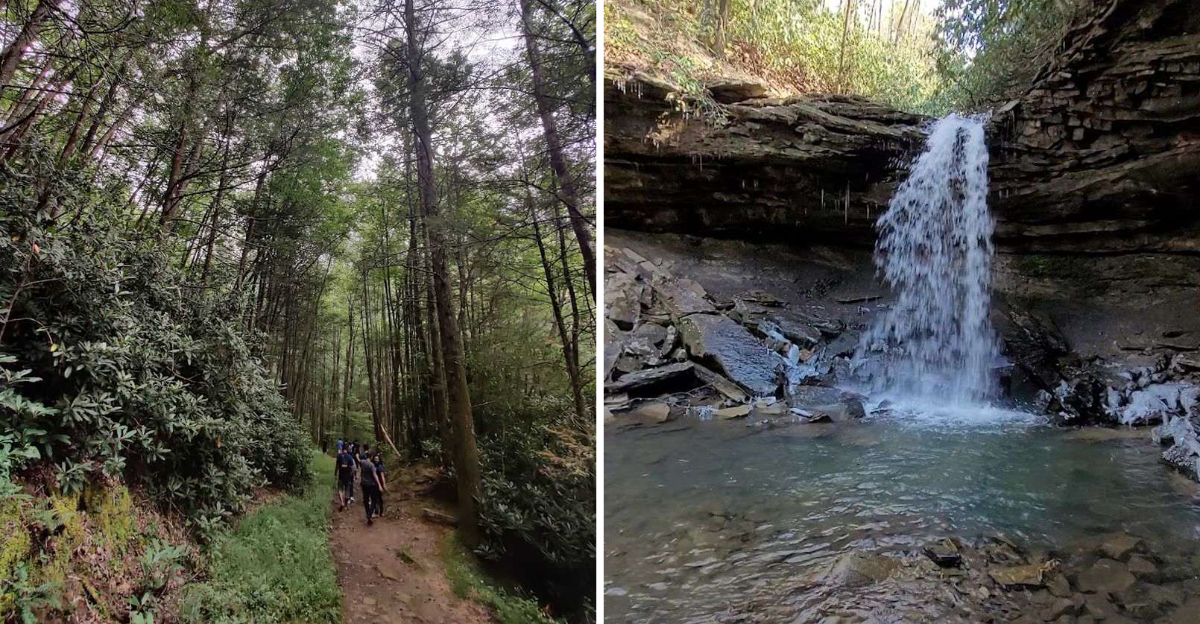
Two waterfalls. One short trail. Zero complaints.
That is the kind of math I can get behind.
This little loop in the West Virginia hills is basically a two-for-one special from Mother Nature herself.
The first fall greets you quickly, wide and showy like it is trying to impress you.
Then the trail gets a bit wilder, leading you through some rhododendron tunnels to the second fall, which is taller and demands a little rock scramble for the best view.
Both are seasonal, so they put on their best show after a good rain or in the spring melt.
The whole thing is barely a mile, making it the perfect adventure for anyone who wants maximum payoff with minimum effort.
Does it get any better than that?
West Virginia knows the secret.
The Twin Falls Resort State Park Setting
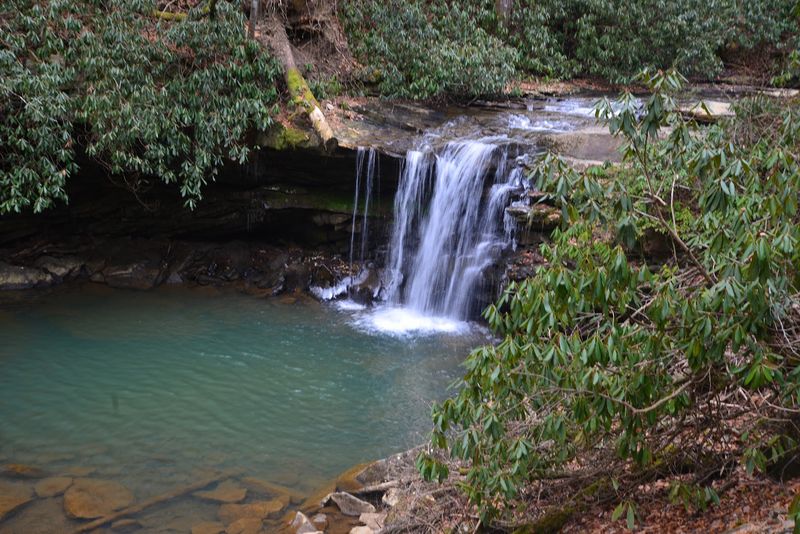
Tucked into the hills of Wyoming County, West Virginia, Twin Falls Resort State Park is the kind of place that makes you wonder why you ever spent a vacation anywhere crowded.
The park sits near the town of Mullens, and its name comes directly from the two waterfalls at its heart.
That alone tells you something about how central they are to the whole experience here.
The park covers a generous stretch of forested land, offering trails, a golf course, and cabins alongside the main natural attractions. Getting there feels like peeling away from the noise of everyday life one mile at a time.
The drive in through the park road sets a peaceful tone before you even lace up your boots.
Ample parking is available right at the Falls Trailhead, making the start of your visit genuinely stress-free. The park is open around the clock every day of the week, so early risers and golden-hour chasers both have something to look forward to here.
The Falls Trail Overview
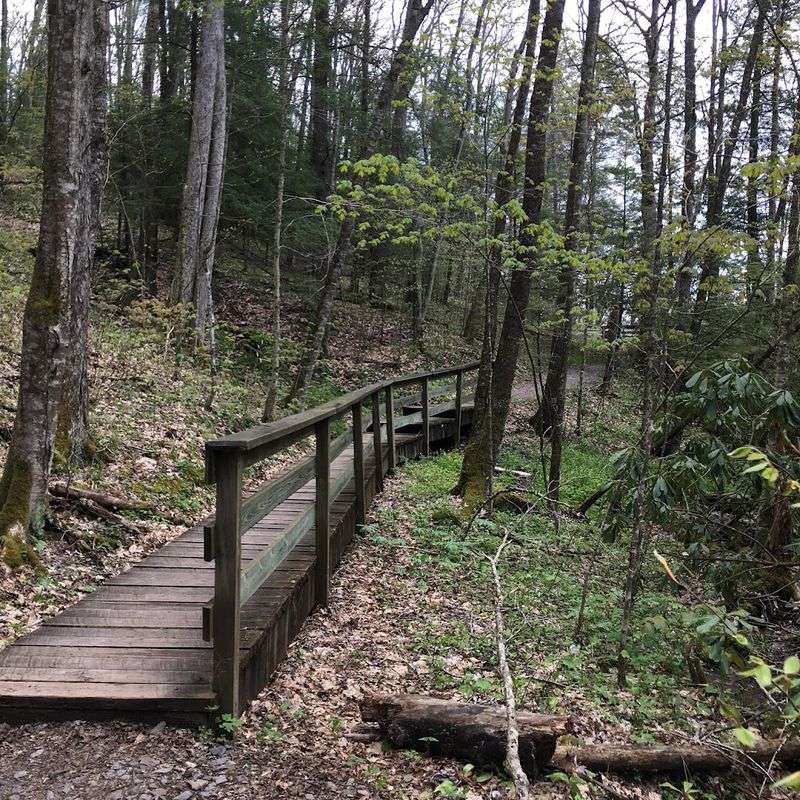
The Falls Trail is one of those rare hikes where the distance and the reward feel perfectly matched. Running as a loop of roughly one to one and a quarter miles, it connects both Marsh Fork Falls and Black Fork Falls in a single satisfying outing.
Moderate difficulty means most hikers with a reasonable fitness level will find it enjoyable rather than punishing.
What makes the trail feel special beyond its length is the environment surrounding it. Rhododendrons line much of the path, and when they bloom, the trail transforms into something almost otherworldly.
Even outside bloom season, the dense canopy and creek sounds keep the atmosphere lively and immersive.
The trail is well-marked and the terrain is manageable for the most part, though certain sections require a bit of careful footwork. Rocks near the waterfalls tend to get slippery, especially after rain, so grip-friendly footwear is genuinely worth thinking about before you head out.
A little preparation goes a long way on this one.
Accessible Start to the Trail
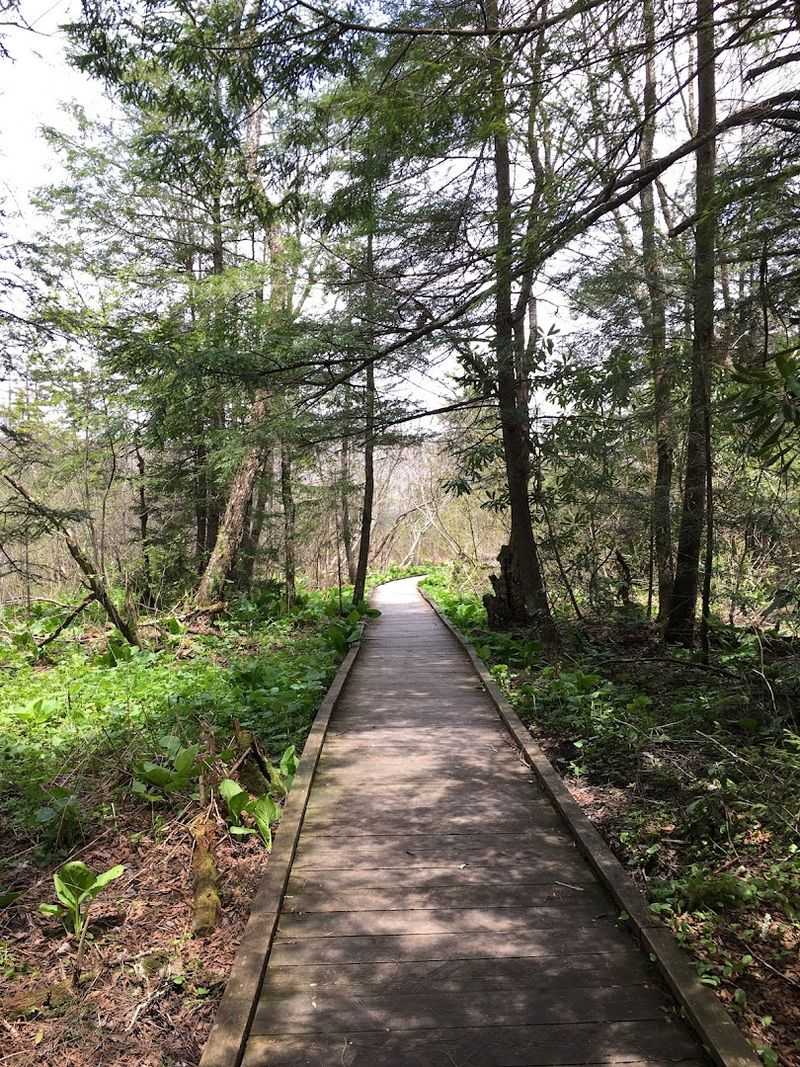
One of the most thoughtful features of this trail is how it begins. The initial section leading to Marsh Fork Falls is fully paved and universally accessible, complete with a ramp down to one of the overlooks.
That kind of design choice means more people get to experience something genuinely beautiful, and that feels worth celebrating.
Families with strollers, visitors with mobility considerations, and anyone who simply appreciates a smooth start to their hike will find this section welcoming and well-maintained. The paved path does not feel sterile or out of place either.
It blends into the surroundings naturally, guiding you toward the first waterfall without any jarring transition.
Standing at that first overlook, even before the trail gets more rugged, you get a real sense of what the park values. Accessibility and natural beauty are not treated as competing priorities here.
They coexist comfortably, and that makes the whole experience feel more generous and inclusive from the very first step you take onto the trail.
Marsh Fork Falls Up Close
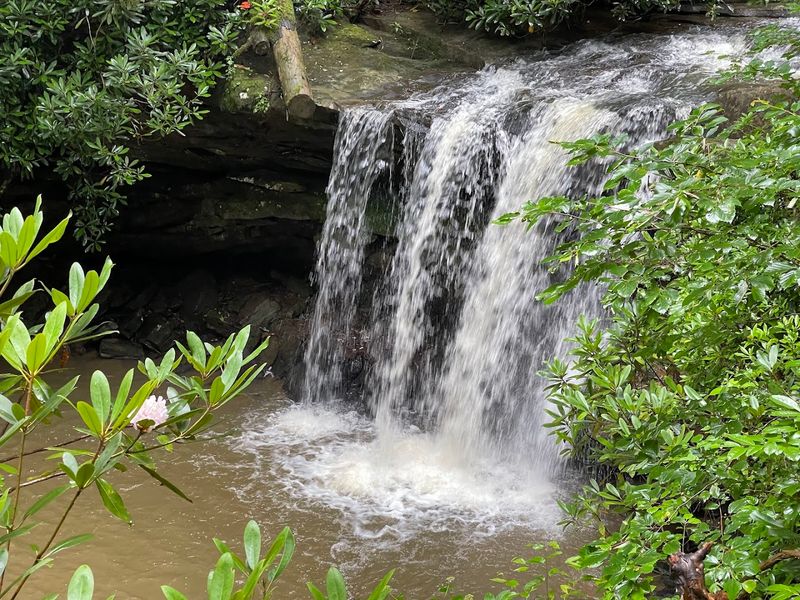
Marsh Fork Falls carries a lot of history in a relatively compact package.
Standing around ten to fifteen feet tall, it may not be the tallest waterfall you will ever encounter, but its volume of water and the way it spreads across the rock face give it a presence that feels larger than its measurements suggest.
Multiple overlooks let you find the angle that speaks to you most.
Historically, this waterfall went by different names, including Cabin Creek Falls and Foley Falls. An old mill once operated at its site as far back as 1882, which adds a quiet layer of human history to an otherwise purely natural scene.
Knowing that people worked beside this same water well over a century ago makes the moment feel a little more layered.
Spring and winter visits tend to reward you with the strongest flow, while summer visits may find the falls running lighter or even dry.
After a good rainfall, though, Marsh Fork Falls puts on an impressive show that makes the short walk down feel completely worthwhile and genuinely memorable.
The History Behind the Name
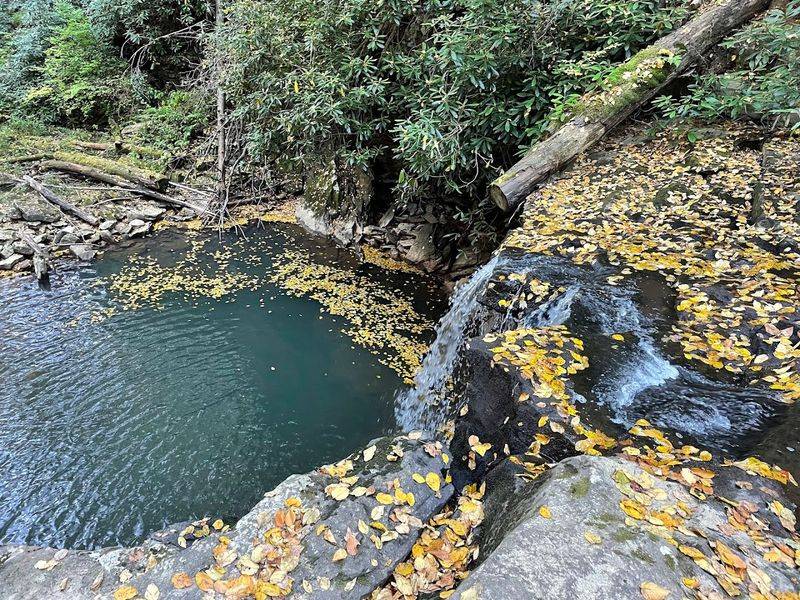
West Virginia has a way of layering history into its landscapes without making a big fuss about it. The fact that a mill stood at the site of Marsh Fork Falls in 1882 is the kind of detail that sneaks up on you mid-hike and suddenly makes the whole place feel deeper.
Someone once ground grain beside that same waterfall.
The waterfall has worn several names over the years, from Cabin Creek Falls to Foley Falls, before settling into its current identity as Marsh Fork Falls. Names like that usually trace back to families, local geography, or community history that has slowly faded from common memory.
Each name is a small echo of a different era in this corner of Wyoming County.
Twin Falls Resort State Park itself carries the dual waterfall identity right in its title, which is a rare and lovely thing. Most parks name themselves after mountains or rivers or founders.
Here, the falls were significant enough to anchor the entire identity of the park, which says everything about how much they mean to the landscape and the community around them.
Continuing to Black Fork Falls
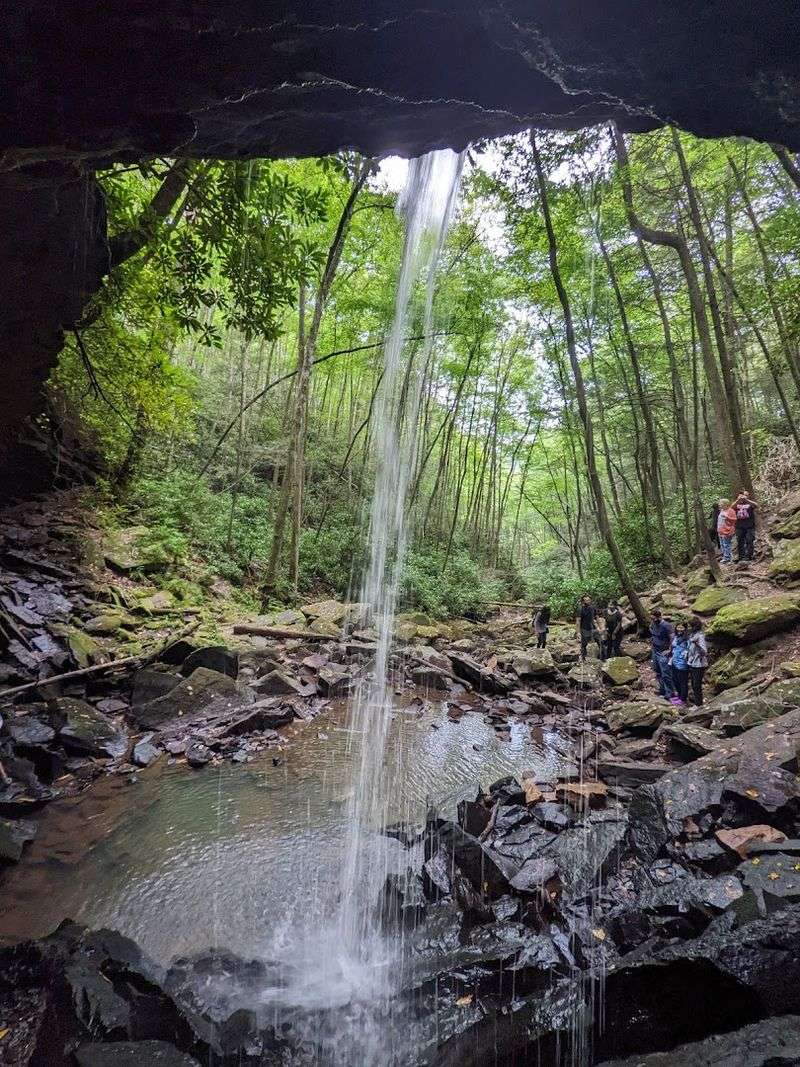
After visiting Marsh Fork Falls, the trail continues onward and the terrain shifts noticeably. Black Fork Falls sits further along the loop, roughly three quarters of a mile from the trailhead, and the path leading there becomes more rugged and adventurous as you go.
The change in character feels intentional, like the trail is building toward something.
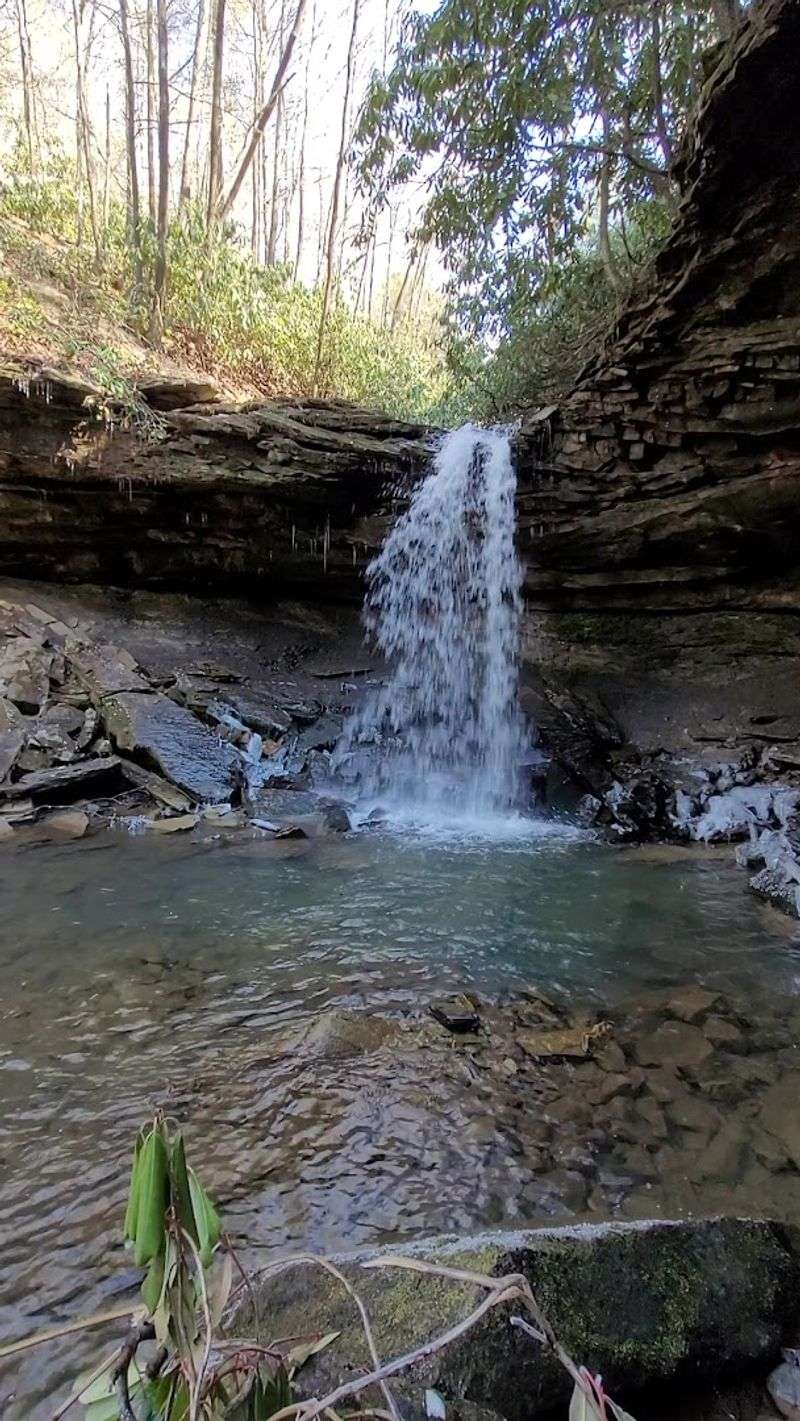
A steep spur trail branches off to reach the base of Black Fork Falls, and that descent is where hikers need to pay the most attention. The rocks are uneven and can be slick, especially in cooler or wetter conditions.
Taking your time on that spur is genuinely good advice rather than just cautious language.
The effort involved in reaching the base is repaid generously once you arrive. Standing at the bottom of Black Fork Falls and looking up at the water coming down over the rocks is a different experience entirely from viewing a waterfall from a platform above.
You feel the mist, hear the full sound of the water, and get a perspective that photographs struggle to fully capture no matter how good your camera happens to be.
Rhododendron Blooms Along the Path
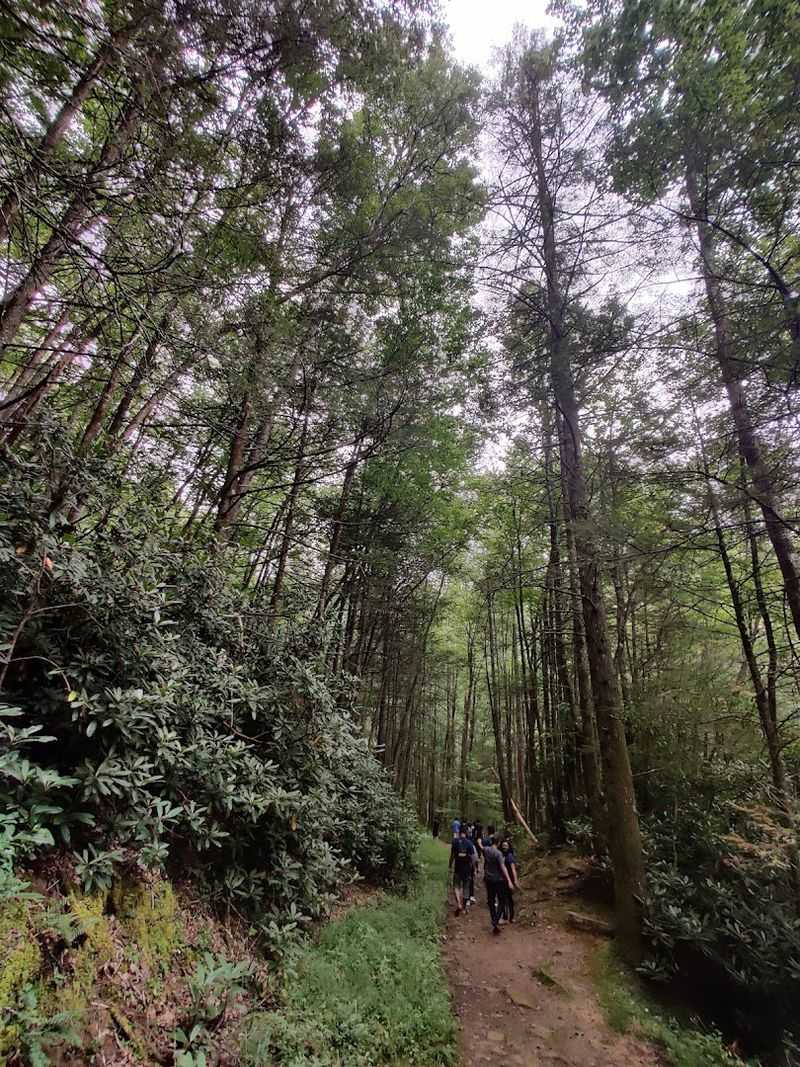
Timing a visit to coincide with the rhododendron bloom season adds a completely different dimension to this already rewarding hike.
The bushes line much of the Falls Trail, and when they flower, the path turns into a corridor of pink and white blossoms that feels almost theatrical in the best possible way.
It is hard not to stop every few steps to take it all in.
Rhododendrons bloom in late spring across much of West Virginia, typically peaking somewhere between May and June depending on elevation and weather patterns.
Planning a waterfall hike to overlap with that window means you get two natural spectacles for the price of one short walk.
That kind of layering is exactly what makes certain trails stick in your memory for years.
Even outside bloom season, the rhododendron bushes themselves create a dense, evergreen tunnel effect along the trail that keeps the atmosphere lush and sheltered. In winter, their thick leaves hold snow in dramatic shapes.
Every season brings a genuinely different version of the same trail, which is a compelling reason to visit more than once.
Best Times to Visit for Peak Water Flow
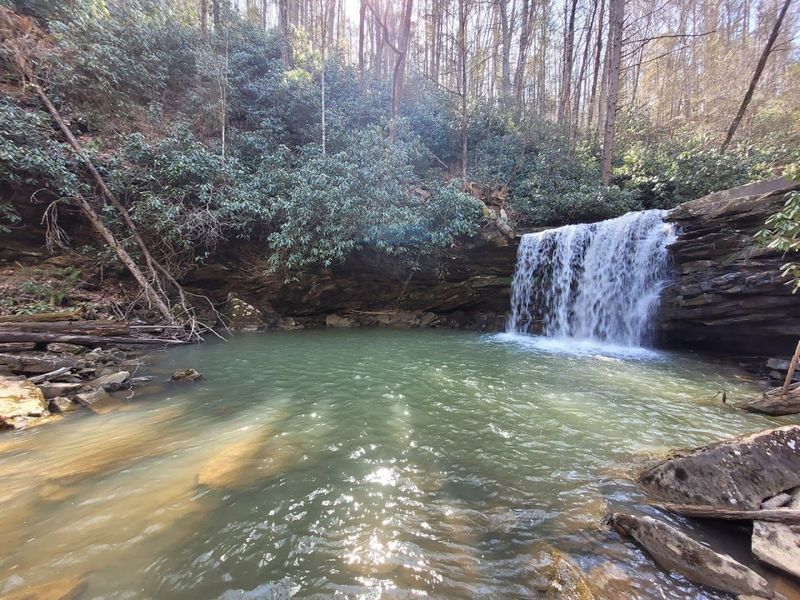
Seasonal waterfalls operate on nature’s schedule, not ours, and that unpredictability is part of their personality. Both Marsh Fork Falls and Black Fork Falls tend to slow down or dry up entirely during hot, dry summer stretches.
Summer visits can still be enjoyable, but managing expectations about water flow is a smart move before making the trip.
Spring is widely considered the prime season for experiencing these falls at their most dramatic. Snowmelt and spring rains combine to push the water volume up, and the surrounding forest is just waking up with fresh green growth at the same time.
The whole scene feels energized in a way that is hard to replicate at other times of year.
Winter visits also reward those willing to brave the cooler temperatures. Cold weather keeps the water flowing and occasionally produces icy formations around the edges of the falls that look completely extraordinary.
Visiting right after a significant rainfall at any time of year is another reliable strategy for catching the falls in strong, photogenic form worth every step of the walk.
Planning Your Visit to Park Rd 801
Getting to this trailhead is straightforward, and the setup at the park makes the whole experience feel smooth from arrival onward.
Parking is plentiful right at the Falls Trailhead, so there is no scrambling for a spot or hiking an extra distance before the actual trail even begins.
That kind of practical comfort matters more than people usually admit.
The park is open twenty-four hours a day, seven days a week, giving you genuine flexibility in planning your timing. Early morning visits offer quieter trails and softer light filtering through the trees.
Late afternoon arrivals can catch a warmer golden glow on the water that makes every photograph look effortless.
Wearing waterproof or grippy footwear is the single most useful piece of preparation for this hike. The rocks around both waterfalls get slippery, and a little traction goes a long way toward keeping the experience enjoyable rather than stressful.
Bring water, pack a snack, and give yourself more time than you think you need. This short trail has a way of making you want to linger far longer than the mileage would suggest.
Address: Park Rd 801, Mullens, WV 25882
