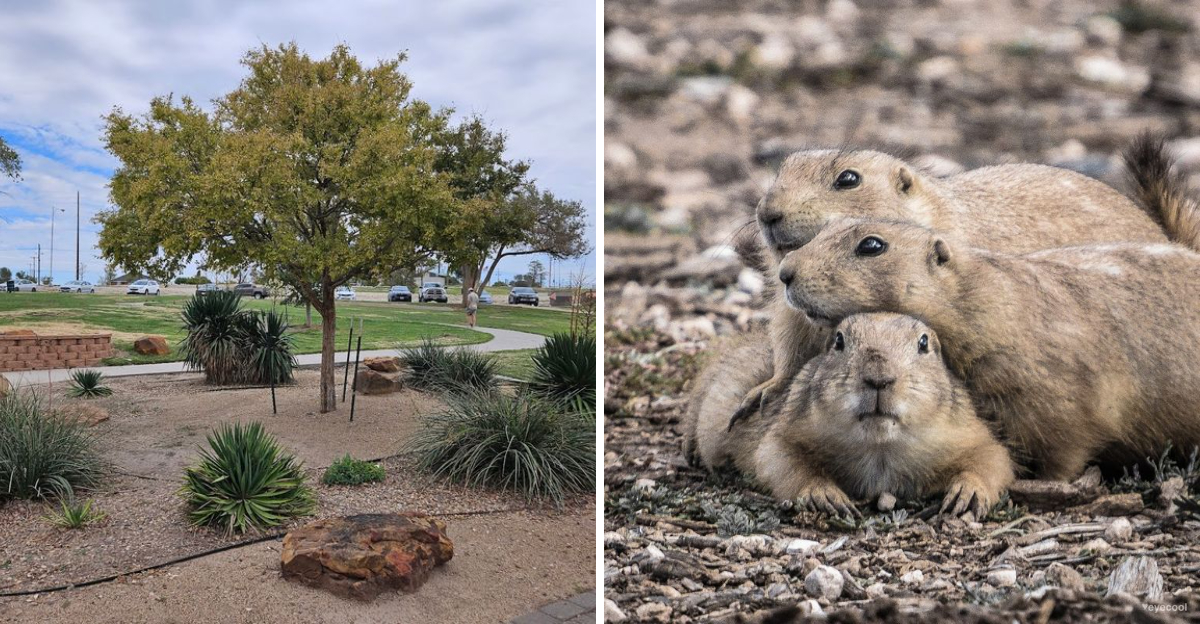
You have fed ducks at a pond and goats at a petting zoo. But have you ever handed a snack to a prairie dog popping out of its own little dirt tunnel?
This little known park lets you do exactly that, and it is as entertaining as it sounds. The prairie dogs are curious, quick, and not shy about running right up to you.
You can watch them stand on their hind legs like tiny sentinels guarding their underground city. Kids love it, adults love it, and honestly the prairie dogs seem to love the attention too.
Bring some approved snacks and get ready for the most adorable wildlife encounter you did not see coming.
The History Behind Prairie Dog Town
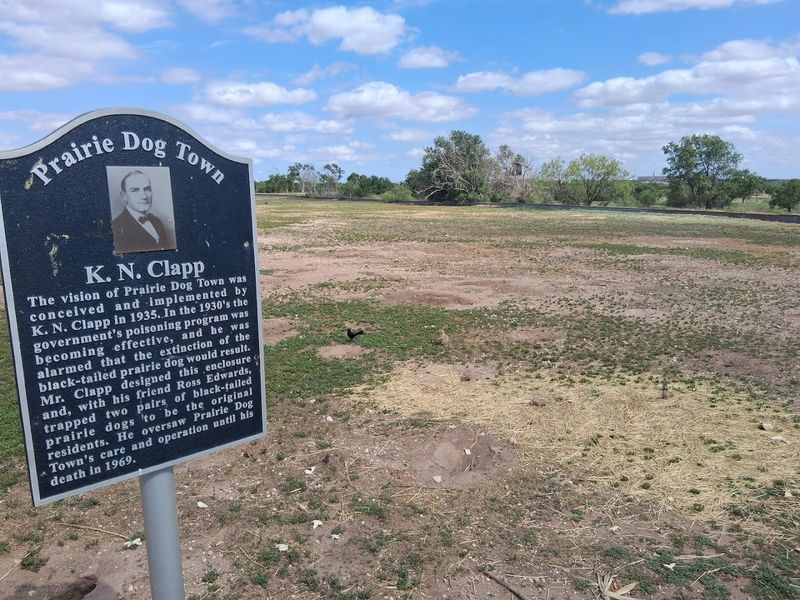
Not many wildlife attractions in Texas can trace their roots back nearly a century, but Prairie Dog Town can. It all started in the early 1930s when Mr. and Mrs. Kennedy N.
Clapp decided to protect a small group of prairie dogs that might otherwise have been exterminated. They began with just four prairie dogs and two burrows, which sounds almost comically modest for something that would eventually become a landmark.
By 1935, the colony had grown enough that it was relocated to its permanent home. That move turned it into the first protected prairie dog colony of its kind anywhere in the country.
That is a genuinely remarkable title to hold, and the park wears it quietly without making a big fuss about it.
Knowing that history changes how you see the place when you visit. You are not just watching animals dig holes.
You are standing in the middle of a nearly 90-year-old conservation effort that started because two people thought these small creatures deserved a safe place to live. That kind of backstory gives the whole visit a surprisingly meaningful weight.
What Prairie Dogs Actually Look Like Up Close
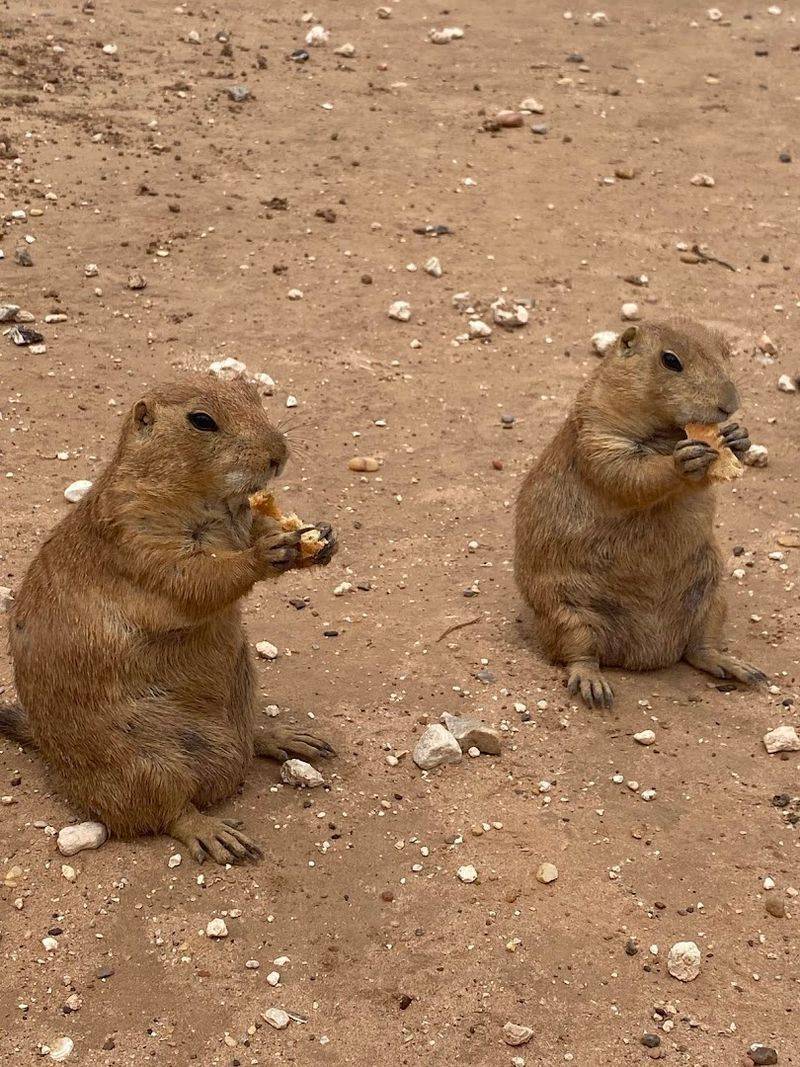
Before visiting, I honestly had no clear picture in my head of what a prairie dog actually looks like in person. They are smaller than you might expect, roughly the size of a large squirrel, with rounded bodies, short tails, and these bright, alert little eyes that track your every move.
Their fur is a warm tan-brown that blends almost perfectly with the dry Texas soil around their burrows.
What catches you off guard is how upright they sit. They pop out of their burrows and stand straight up on their hind legs, scanning the area like tiny, very serious sentinels.
When one spots something interesting, it lets out a sharp bark, which is exactly where the name comes from. That bark is surprisingly loud for such a small animal.
Their faces have this expressive quality that makes them almost comically endearing. Chunky cheeks, a twitchy nose, and an air of mild suspicion that somehow flips into bold curiosity the moment you hold out a snack.
Seeing them this close, without a fence or glass between you, is a completely different experience from a zoo. It feels genuinely wild, even in the middle of a city park.
How to Feed the Prairie Dogs Safely
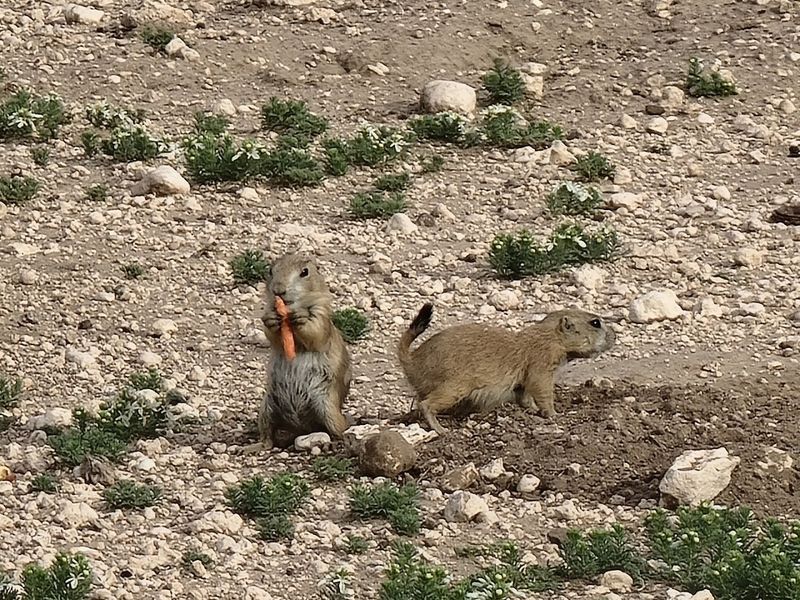
Feeding the prairie dogs is absolutely one of the highlights of visiting, and it is something the park actually encourages. The key is knowing what to bring.
Carrots are a crowd favorite, and unsalted nuts also go over very well. The animals seem to have strong opinions about what they like, and they will let you know quickly if something does not meet their standards.
Processed foods, salty snacks, and anything sugary should stay in your bag. Prairie dogs have sensitive digestive systems, and the wrong food can genuinely harm them.
Sticking to fresh vegetables keeps the interaction fun for you and safe for them, which is a fair trade.
The best technique is to hold the food low and stay calm. Sudden movements send them scrambling back into their burrows, and then you have to wait for curiosity to pull them back out.
Crouching down to their level helps a lot. Once one brave individual decides you are trustworthy, the others tend to follow pretty quickly.
There is something almost giddily exciting about a prairie dog taking a carrot directly from your fingers. It is a small moment, but it sticks with you long after you leave the park.
The Best Time of Day to Visit
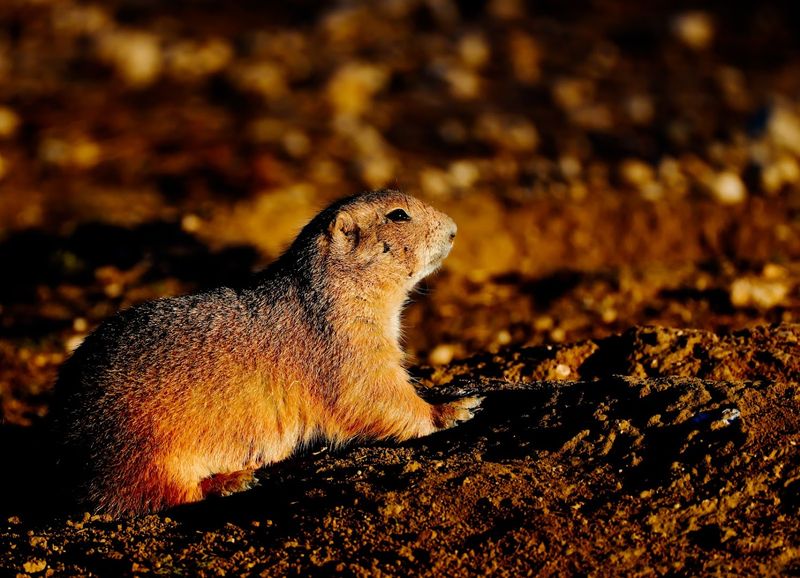
Timing your visit makes a real difference here. Prairie dogs are most active during the cooler parts of the day, which in Texas means early morning and late afternoon are your best windows.
Midday in summer can get brutally hot on the South Plains, and the prairie dogs respond to that heat by retreating underground and essentially disappearing.
Early mornings have a particular magic to them at this park. The light is soft, the air is still relatively cool, and the colony is in full swing, barking, chasing each other, and hauling dirt out of their tunnels with impressive dedication.
It feels like catching a private show before the rest of the world wakes up.
Late afternoon is equally rewarding, especially in the hour before sunset when the golden light hits the grassland and the prairie dogs come back out for their evening activity burst. The park is open daily from 5:00 AM to midnight, so you have plenty of flexibility to choose your moment.
Weekday mornings tend to be quieter than weekends, which means more uninterrupted time with the animals and a more relaxed overall atmosphere. Plan accordingly and you will have a much richer experience.
What to Bring for the Perfect Visit
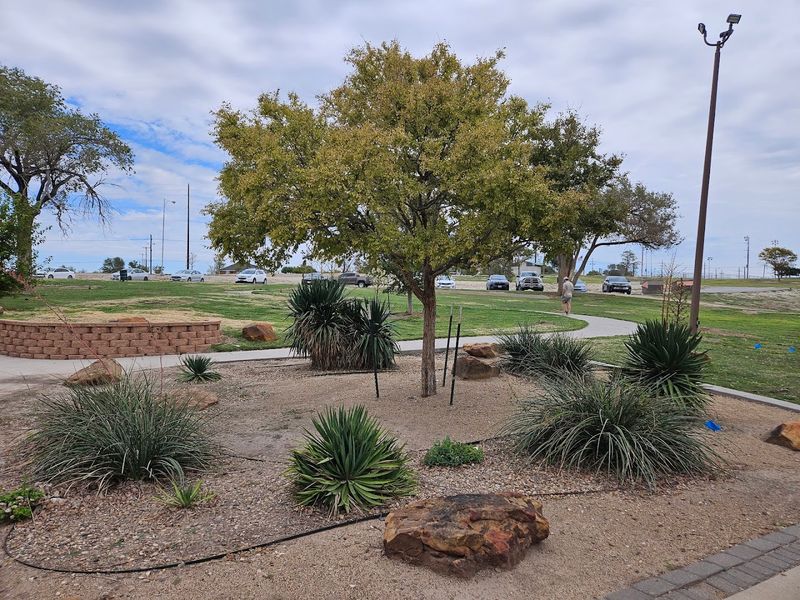
A little preparation goes a long way at Prairie Dog Town. The most important thing to pack is fresh produce for feeding the animals.
Carrots are the easiest option since they are cheap, easy to handle, and the prairie dogs go absolutely wild for them. Cutting them into smaller sticks makes them easier for the animals to grab and carry.
Sunscreen and a hat are non-negotiable in Lubbock, especially from late spring through early fall. The observation area is mostly open with limited shade, and the Texas sun does not mess around.
A reusable water bottle is worth throwing in the bag too, both for yourself and to rinse your hands after feeding.
Comfortable shoes matter more than people expect. The ground around the burrows is uneven, full of small holes and loose dirt, and you will spend a fair amount of time crouching, shifting, and moving around.
Sandals are not ideal. A small blanket or portable chair can also be a nice touch if you want to settle in and watch the colony for a while without standing the entire time.
The longer you stay still, the more the prairie dogs relax around you, and that is when the really good moments happen.
Prairie Dog Behavior and Social Life
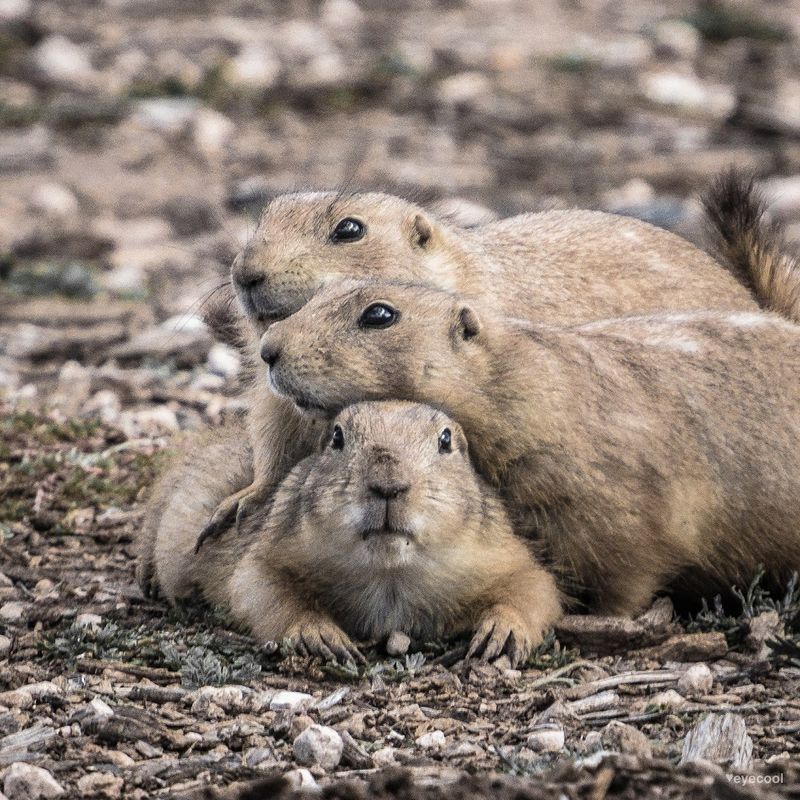
One of the genuinely fascinating things about spending time at this colony is watching how much is actually going on. Prairie dogs are not just sitting around looking cute.
They have a complex social structure built around family groups called coteries, and the interactions between individuals are surprisingly layered if you slow down and pay attention.
The greeting behavior alone is worth watching. When two prairie dogs from the same family meet, they often touch noses or even appear to kiss, which researchers believe is a form of identification.
It looks adorable, but it is actually a sophisticated way of confirming who belongs to which group. Outsiders get a very different reception.
Territory defense is real and occasionally dramatic. You might see a prairie dog chase a neighbor away from a burrow entrance with surprising speed and determination.
Alarm calls ripple through the colony when a hawk passes overhead, and every animal dives underground within seconds. The speed of that response is startling every single time.
Watching all of this unfold without any barriers between you and the animals gives the whole experience an intimacy that genuinely sets Prairie Dog Town apart from more conventional wildlife viewing spots.
Exploring the Wider Mackenzie Park
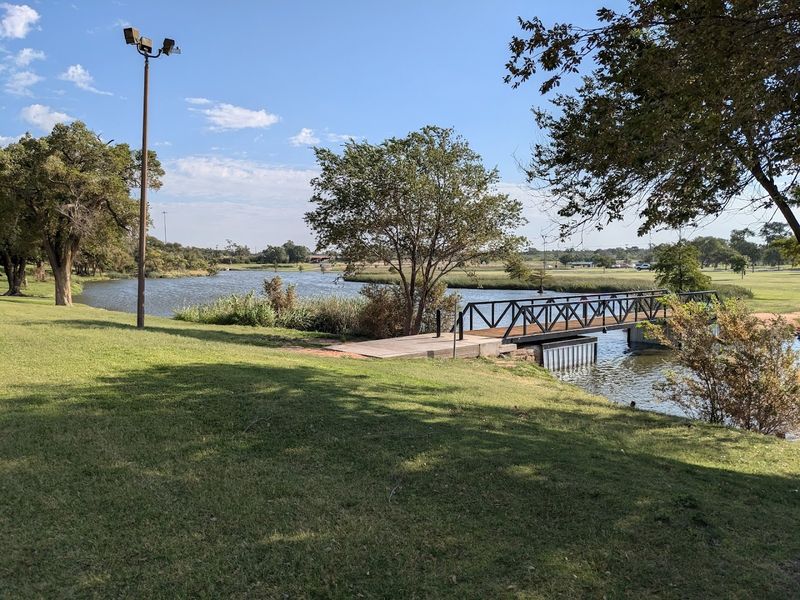
Prairie Dog Town sits inside Mackenzie Park, which is a much larger green space worth exploring before or after your animal encounter.
The park stretches across a significant chunk of land along the Prairie Dog Fork of the Yellow House Draw, and it has a genuinely pleasant, unhurried atmosphere that feels like a world apart from the surrounding city streets.
There are walking and jogging paths that wind through the park, shaded picnic areas, and open fields that are great for kids to run around in.
The landscape has that classic West Texas look, wide open sky, scrubby trees, and a certain flatness that somehow feels expansive rather than empty once you settle into it.
Spending an hour in the broader park before heading to the prairie dog colony is actually a nice way to build up to the main event. You get a sense of the space, you stretch your legs, and you arrive at the colony in a relaxed state of mind rather than rushing straight in.
The park also has a golf course and an amusement area nearby, which makes it a solid full-afternoon destination for families with kids of different ages and interests.
Getting There and Practical Visitor Information
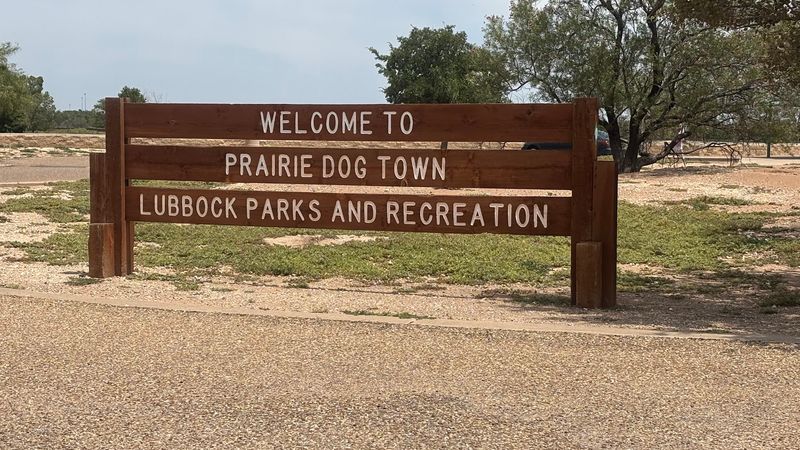
Getting to Prairie Dog Town is straightforward. Mackenzie Park sits on the east side of Lubbock, and the prairie dog colony is easy to spot once you are inside the park.
Parking is available nearby, and the walk from the lot to the viewing area is short and flat, which makes it accessible for visitors of all mobility levels.
The park is open daily from 5:00 AM to midnight, which is an unusually generous window. That said, showing up in the early morning or late afternoon remains the smart move for the reasons already covered.
There is no admission fee, which makes it one of the most accessible wildlife experiences in Texas regardless of your budget.
Cell service is generally fine in the area, so navigation apps will get you there without any trouble. The gazebo-style structure near the colony provides some shade and works well as a base while you watch the animals.
It is worth noting that the ground around the burrows can be muddy after rain, so checking the weather before you go is a small but useful habit. Prairie Dog Town is located at MacKenzie Park Rd, Lubbock, TX 79401.
Address: MacKenzie Park Rd, Lubbock, TX 79401.
