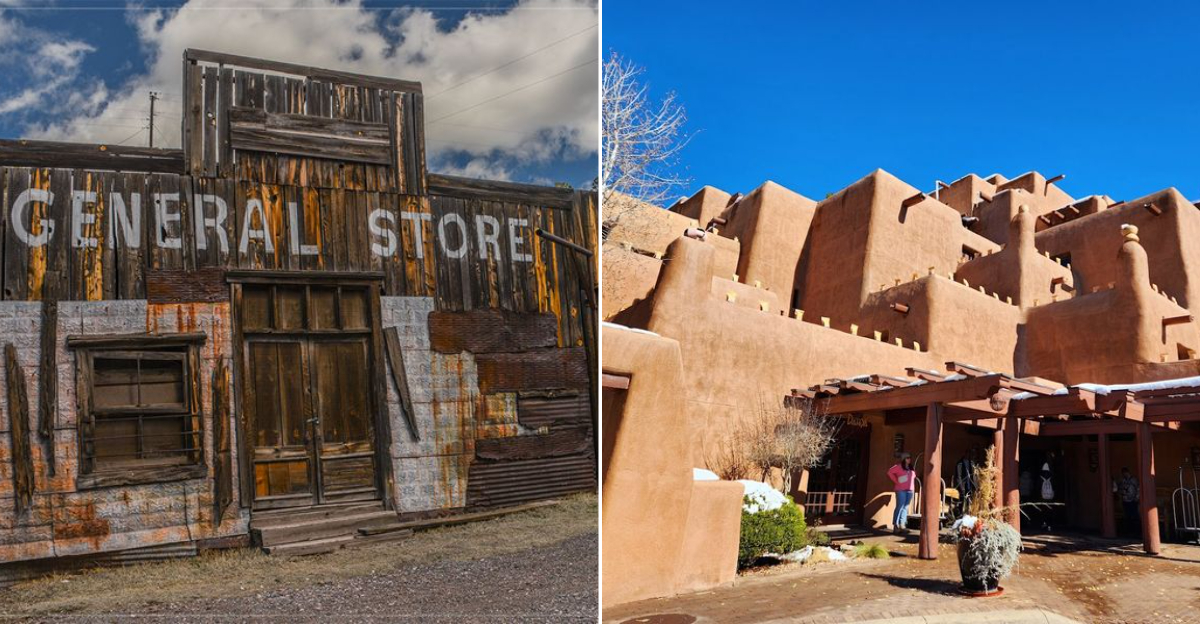
Picture a whole town where the only movement comes from clouds passing overhead. Eleven such places exist across New Mexico, each one quieter than the last.
Old buildings still line the main streets, though the people who built them left long ago. You can walk right up to weathered wooden doors and peek through dusty windows.
The legends tied to these towns are gentle kind of spooky, the sort you might share around a campfire without losing sleep. Some say a certain general store still smells like fresh bread even though the oven went cold decades back.
Others talk about a schoolyard swing that moves on still afternoons. New Mexico’s landscape keeps these towns oddly well preserved, as if the desert air decided to save them.
Visiting feels like opening a time capsule someone forgot to label. Go with a friend and stay curious.
1. Shakespeare
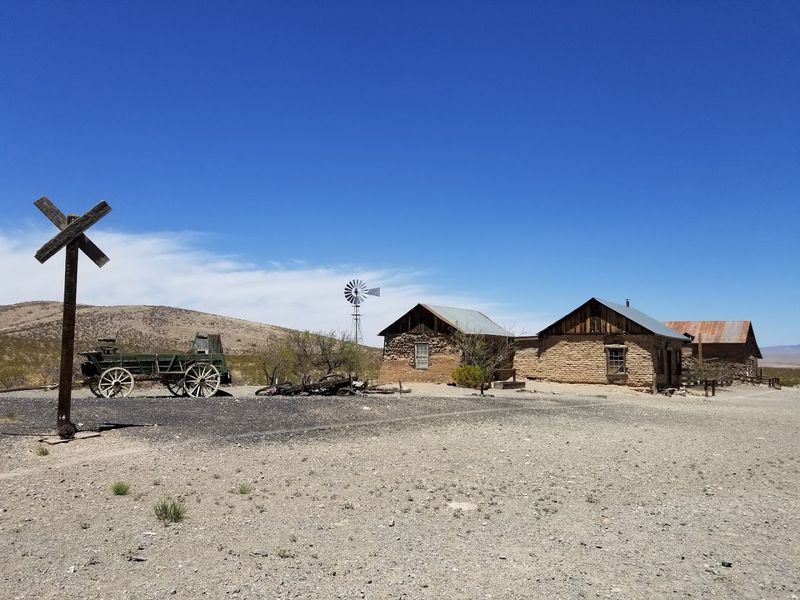
You know that feeling when a place seems quiet in a way that is almost polite, like it is waiting for you to lower your voice? That is exactly how Shakespeare felt to me, sitting out in southern New Mexico with its old buildings, hard light, and that strange stillness that makes every footstep sound too loud.
It is preserved better than a lot of ghost towns, which somehow makes the stories feel even closer.
People around here still talk about a friendly prospector who is said to shuffle through the camp as if he never really clocked out. The image is not violent or dramatic, which honestly makes it creepier, because you can picture him making his familiar rounds, checking doors, glancing at tools, and keeping watch over a place he knew by heart.
That kind of ghost story sticks with you because it feels almost tender.
There are darker tales tied to Shakespeare too, including hanging stories and rough frontier trouble, so the whole town carries a layered kind of unease. Still, what lingers most is that idea of a watchful presence moving softly through the old rooms at night.
If you visit, I think you will understand why people leave feeling like someone courteous, dusty, and long gone just passed nearby.
2. Chloride
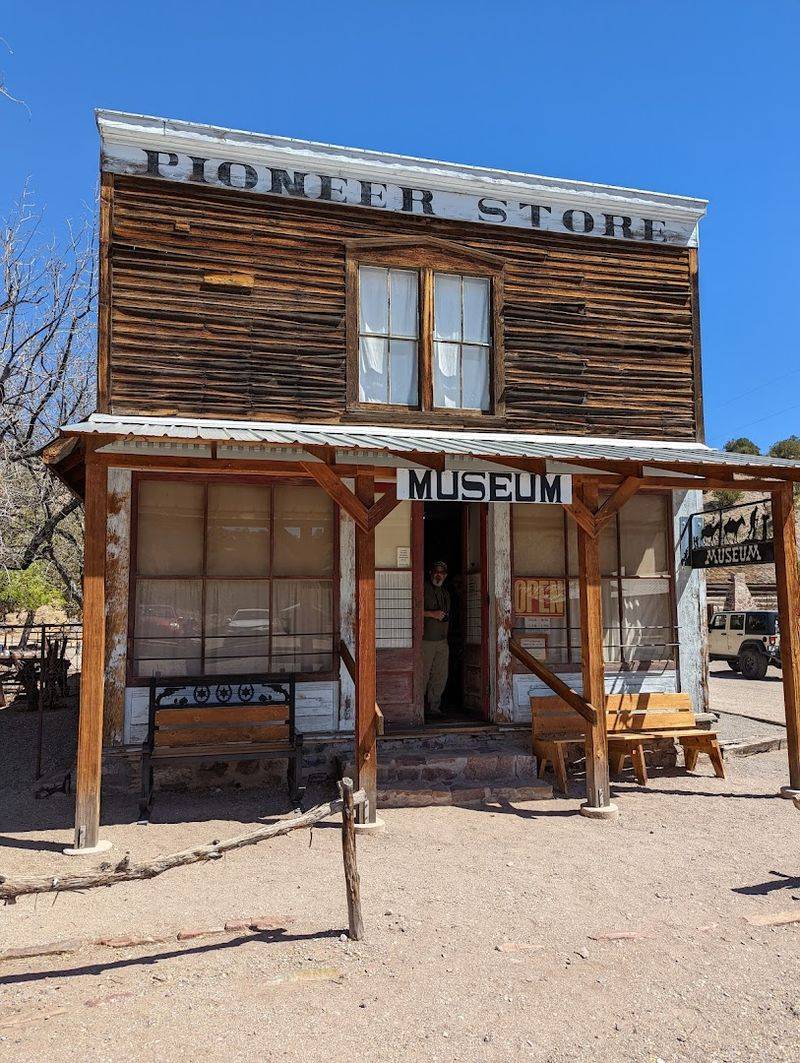
What gets me about Chloride is that it does not feel staged or polished, and that makes it easier to imagine real lives still brushing against the present. Tucked into the Black Range of New Mexico, it has weathered buildings, mountain air, and the kind of main street where your eyes keep drifting to windows without meaning to.
You can walk around feeling curious one second and oddly cautious the next.
The story most people bring up is tied to the old Pioneer Store, where visitors have reported soft whispers and the faint clink of something being moved inside. I like that legend because it sounds so ordinary at first, almost domestic, until you remember nobody should be there at all.
It gives the place a stayed-behind feeling, like one former resident simply never agreed to leave.
Chloride already has plenty of history hanging over it, from mining hopes to violence and loss, so the atmosphere does not need much help. Still, those little sounds in the store give the whole town a closer, more personal chill than the usual ghost tale.
Instead of imagining some dramatic apparition, you picture an unseen person still tending to a familiar room, and somehow that lands harder.
3. Lake Valley
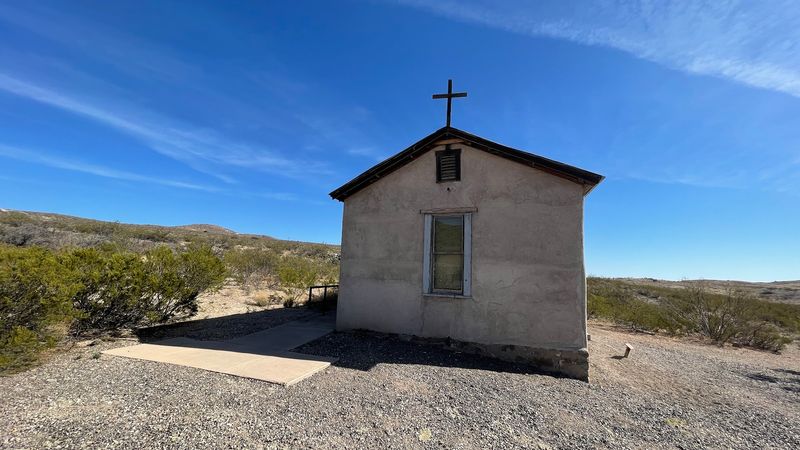
There is something especially haunting about a town that looks like it is still listening for arrivals, and Lake Valley has that exact mood. Down in southern New Mexico, the place opens out under a big sky, with scattered structures and a quiet that feels wider than the road leading in.
You stand there and get the odd sense that movement used to organize everything, and now the land is still waiting for it.
The local legend says that on very quiet nights, people hear faint wagon wheels and horse hooves, like an old stagecoach is still making its rounds through town. That image fits Lake Valley almost too well, because you can picture dust lifting off the road and some overdue arrival rolling in from the dark.
It is one of those stories that sounds gentle until you imagine hearing it yourself with nobody else around.
Lake Valley rose fast, faded fast, and left behind the feeling of a place interrupted instead of concluded. Maybe that is why the stagecoach tale has such staying power, because it turns absence into motion and silence into expectation.
If you like ghost stories that creep in sideways rather than jumping at you, this is the kind of place where you might find yourself stopping mid-step just to listen.
4. Dawson
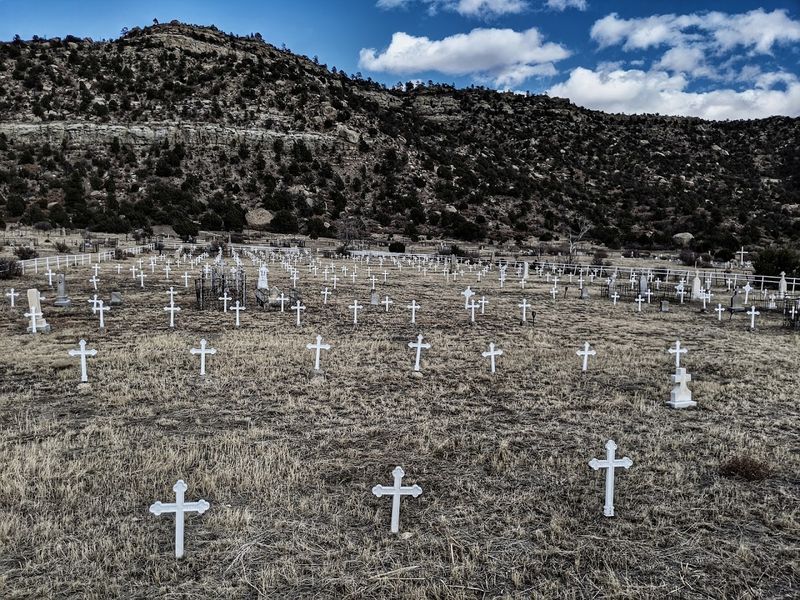
If there is one place on this list that carries grief in a really physical way, it is Dawson. Near Cimarron, this former coal town is mostly remembered now for its cemetery, and the silence there does not feel casual at all.
You do not need to know every detail of the tragedies to sense that the ground holds more sorrow than most places know what to do with.
People have long reported hearing faint echoes of picks and shovels near the old mine entrances, as if work never fully stopped underground. That detail is what gets me, because it is not a theatrical haunting so much as a repetition of routine, like labor itself got imprinted on the place.
In a town shaped by mining and devastating loss, those phantom sounds feel less like a performance and more like memory refusing to fade.
Dawson is often described as one of the most haunted places in New Mexico, and once you stand near the cemetery, that reputation makes emotional sense. There are also stories of lights, whispers, and strange cold patches among the graves, which only deepen the feeling that the town never found real peace.
This is not an easy stop, but if you want a place where history and legend press against each other, Dawson stays with you.
5. Pinos Altos
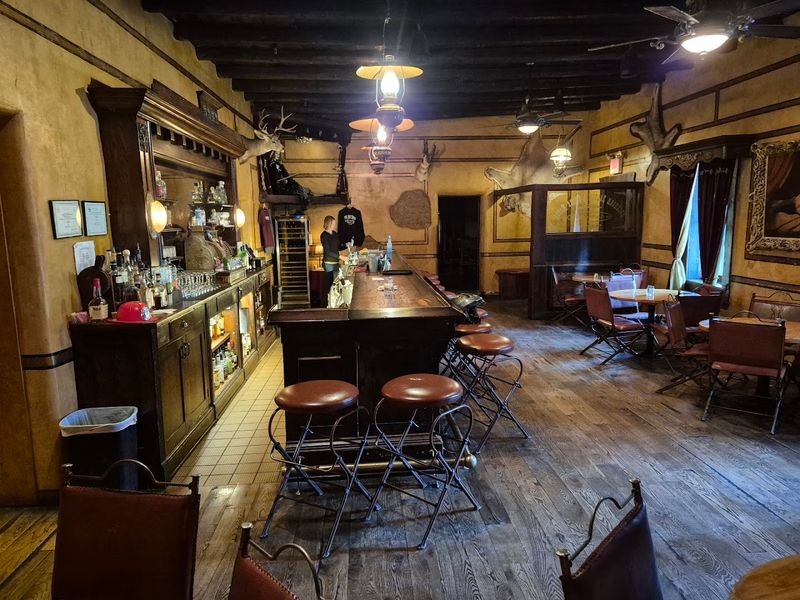
Not every eerie place in New Mexico is fully abandoned, and that is part of what makes Pinos Altos so interesting. It still has life around it, but the old mining-town character is strong enough that the past keeps leaning into the present.
When a place stays standing long enough, every room starts to feel like it remembers conversations that ended a long time ago.
The local story that always catches people is about a card-playing figure seen at the old saloon, sitting alone at a table that has not been used in ages. I know that sounds cinematic, but it is eerie in a quieter way than you would think, because the image is so specific and so still.
Nobody describes a loud scene or some dramatic vanishing act, just a solitary figure absorbed in a familiar ritual that should have ended long ago.
That legend works because Pinos Altos already feels suspended between then and now, with weathered buildings and mountain air that slow everything down. You can imagine someone slipping into an old habit so completely that time no longer matters, and that is weirder than any obvious scare.
If you wander through town near evening, it is easy to glance into a dim corner and half expect a seated figure to look briefly, then return to the game.
6. Mogollon
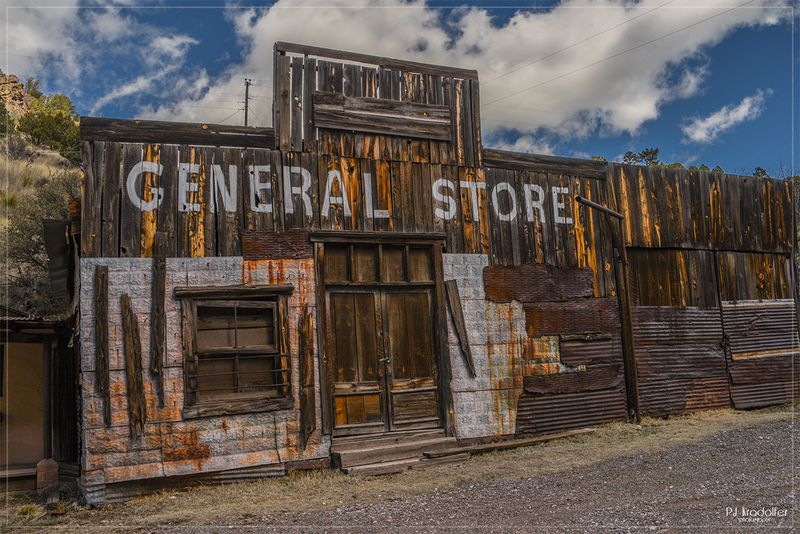
Getting to Mogollon feels like part of the haunting, because the road winds into a canyon that already seems cut off from regular time. Deep in the mountains of New Mexico, the old mining town still clings to the slope with buildings that look stubborn, battered, and strangely alert.
Before you even hear a legend, the setting does a lot of the work.
The story I keep coming back to is the soft blue light that people say appears in the upper windows of one old building. No one seems to agree on what causes it, and that uncertainty is exactly why it stays creepy instead of turning into a neat little mystery.
Blue light in a deserted mountain town just does something to your imagination, especially when the canyon starts dimming and every sound carries farther than it should.
Mogollon already has a heavy reputation, with stories of restless spirits, phantom footsteps, and a Woman in White drifting through the area. Add in old mines, floods, fires, and sudden losses, and the whole town feels charged in a way that is hard to explain without sounding dramatic.
Still, I think the blue window light says enough on its own, because it suggests someone, or something, is still upstairs after everyone else has gone.
7. Kelly
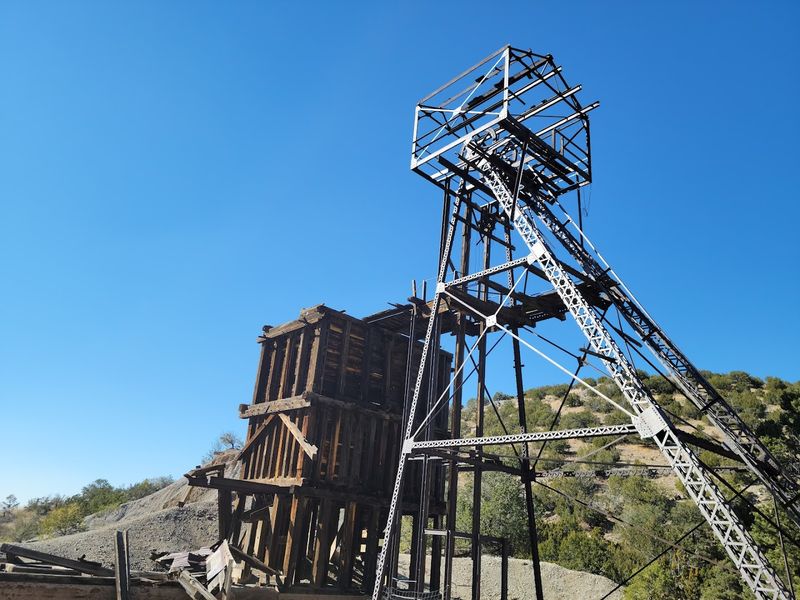
Kelly has one of those landscapes that feels beautiful right up until it starts feeling watchful, and then the mood changes fast. South of Magdalena, the mine ruins and open ground make the place seem exposed, but somehow not empty.
It is easy to understand why stories took root here, because the silence does not settle evenly around the old workings.
One legend says miners sometimes felt a sudden quiet come over them in certain tunnels, as if someone was gently urging them to turn back. I actually find that more unsettling than a full ghost sighting, because it suggests a presence that is not trying to frighten anyone, only warn them.
There is something intimate about that kind of story, like the town remembers danger and keeps trying to spare people from repeating it.
Kelly also has reports of shadowy figures, odd sounds, and strange lights near the ruins and cemetery, though some people look for natural explanations. Even so, the warning feeling in the tunnels fits the place especially well, because mining towns carry so many stories of risk, hope, and sudden loss.
When you walk among the remains, you can almost imagine the air itself tightening around a doorway, asking you, kindly but firmly, not to go any farther.
8. White Oaks
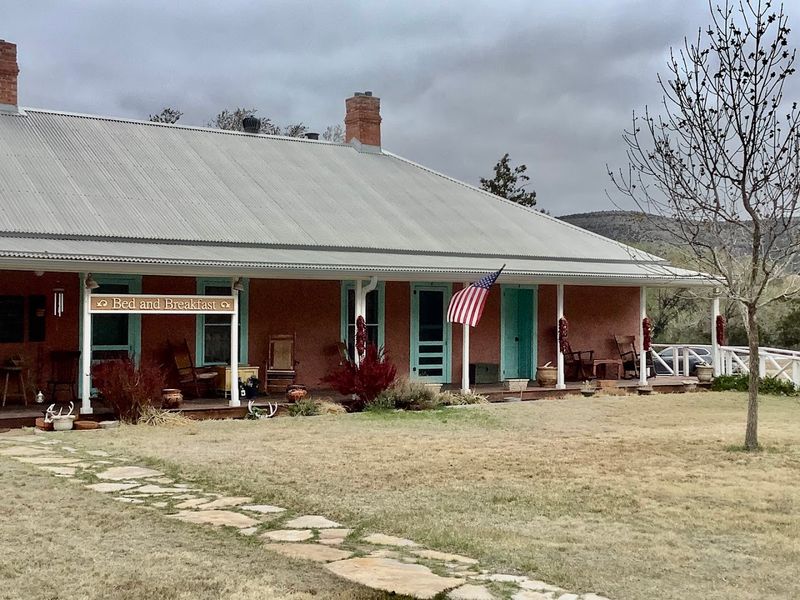
White Oaks does not need much help to feel haunted, because the whole town already carries that half-faded frontier energy that never really relaxes. North of Carrizozo in New Mexico, you get old structures, wide dry light, and a sense that the stories here were never tidy to begin with.
It feels like a place where the air can shift without warning and make you look over your shoulder.
The tale most people remember is that the old jail sometimes creaks on its own, while visitors near the Wortley Hotel have felt a sudden chill move through them for no obvious reason. I know those are simple details, but that is exactly why they work, because they sound like things you would try to explain away and then keep thinking about later.
A chill in the wrong spot can change the mood of an entire street.
White Oaks is deeply tied to rough mining history and outlaw lore, so it already comes with a built-in sense of unfinished business. Maybe that is why ordinary sounds and temperature shifts seem amplified here, as if the town knows how to use subtlety.
If you spend even a little time around the jail or stand quietly near the old hotel, you may not see anything at all, but I would bet you still leave feeling accompanied.
9. Steins
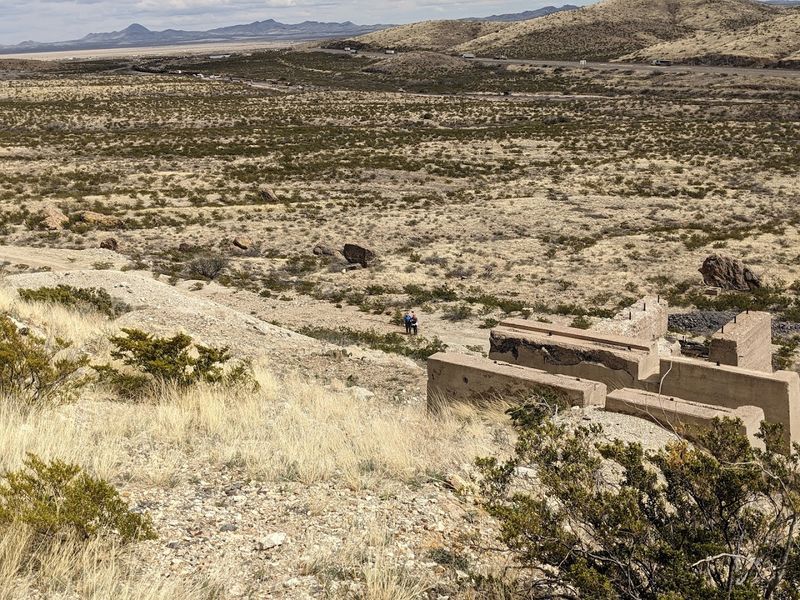
Out near the Arizona line, Steins feels like the kind of place where dusk arrives with a little too much personality. The old railroad setting, the open desert, and the half-abandoned look of everything combine into a mood that feels both exposed and oddly secretive.
Even before you hear a single story, it seems like the tracks might still be carrying news from somewhere you cannot see.
The legend that follows Steins is about a lone lantern light flickering along the old railroad tracks at dusk, even though no one is there to carry it. That image is so simple and so effective that it barely needs embellishment, because a moving light in a nearly empty place makes your brain start filling in the rest.
Who is walking there, and why does nobody ever seem to catch up to the glow?
Steins also has a modern layer of mystery hanging over it, which gives the older ghost-town atmosphere an even sharper edge. Add in the region’s harsh history and the uneasy stories surrounding nearby routes, and the whole area starts to feel loaded with unresolved motion.
I think that is why the lantern tale sticks, because it turns an abandoned railroad into something active again, as if one last traveler still has business out there after sunset.
10. Hillsboro
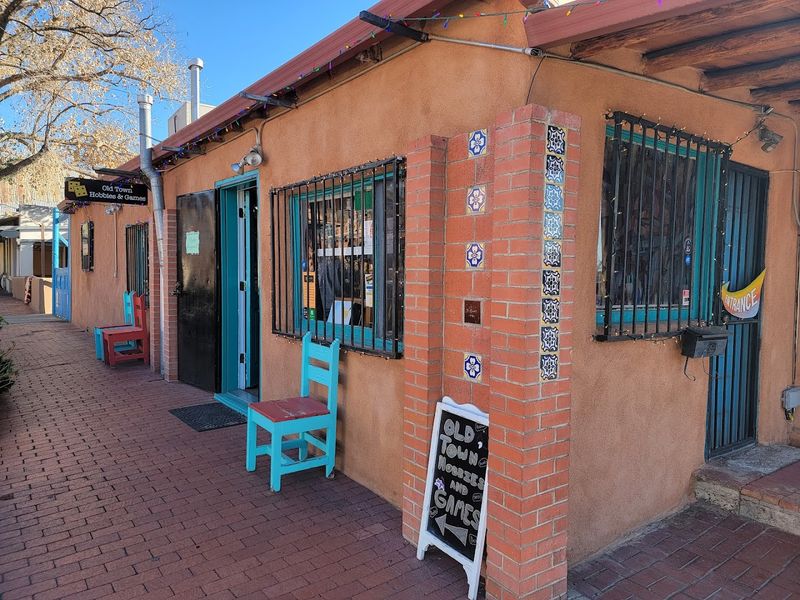
Hillsboro is not a full ghost town in the strict sense, but it absolutely earns a place in this kind of conversation because the old mining-town spirit is still so strong. The buildings, the street layout, and the quiet pockets around town all make it easy to feel the past sitting right beside the present.
Sometimes that mix is creepier than a ruin, because things look just normal enough to lower your guard.
The legend here is wonderfully specific, which is usually a good sign that it will stick in your head. People say a phantom card dealer appears at a table in the old saloon, deals out a hand, and then disappears before anyone can clearly see his face.
That is eerie in such a contained, almost courteous way, and somehow that makes it feel more believable than a louder story would.
Hillsboro has the kind of history that leaves room for all sorts of carried-forward habits, from mining ambition to long evenings spent indoors while the outside world went dark. A ghostly dealer quietly repeating one practiced motion fits the mood better than anything theatrical.
If you wander through town with that image in mind, every empty table starts looking a little too ready, like somebody invisible just stepped away and might return the second you blink.
11. Loma Parda
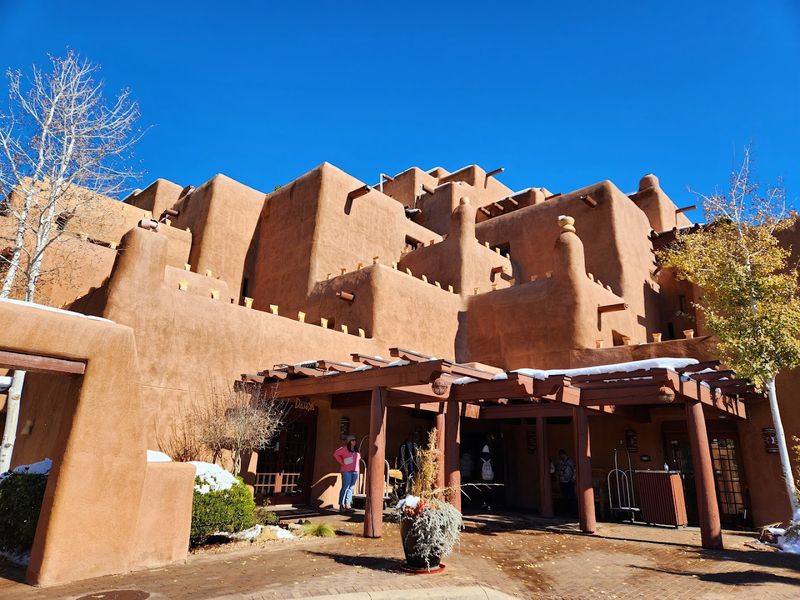
Some places feel haunted in a hard, jagged way, but Loma Parda feels haunted in a softer and stranger register. North of Las Vegas in New Mexico, the remains are sparse enough that you have to imagine a lot, and that actually deepens the mood instead of weakening it.
When the weather turns, the whole area seems to gather itself into a hush that is hard to describe.
The story told here is that during rainstorms, people sometimes hear soft singing or chanting drifting from the ruins of the old chapel. I love how unsettling and peaceful that sounds at the same time, because it does not suggest menace so much as lingering devotion.
You can picture the sound moving with the rain, not loud, not demanding attention, just present enough to make you stop and listen twice.
Loma Parda had a rough and notorious reputation in its active days, which gives the chapel legend an especially interesting contrast. After all that human noise and disorder, the idea that what remains is a distant, almost comforting voice feels oddly fitting.
If you ever stand there with storm clouds rolling in, I think the place would feel less like a dead settlement and more like a memory trying very gently to keep itself from disappearing.
