There is a spot in Vermont that does not show up on travel brochures. No signs point the way.
No websites list it as a destination. But the locals know.
They have always known. Ask them about it and watch what happens.
A slight pause. A glance at the ground.
A change of subject. Whatever happened in this corner of the state, people have decided not to talk about it. The woods are dense here, the roads narrow, and the silence has a weight that feels different from the usual Vermont quiet. I drove out on a overcast afternoon, parked at the edge of the tree line, and sat for a while just listening.
No one came by. No one ever does.
Some places are not meant to be visited. They are meant to be left alone.
The Bennington Triangle, Vermont’s Most Unsettling Geographic Label
Most people have heard of the Bermuda Triangle, but Vermont has its own version, and it sits right here in the southwest corner of the state. Author Joseph A.
Citro gave it the name “Bennington Triangle” in 1992, and the label stuck fast. The region pulls in Glastenbury Mountain alongside nearby towns like Bennington, Woodford, Shaftsbury, and Somerset.
What makes this area feel so different from the rest of Vermont is hard to pin down in a single sentence. The wilderness here is vast and unbroken.
Trails are strenuous, wind patterns are notoriously chaotic, and the dense forest makes it genuinely easy to lose your bearings even with a map in hand.
Former logging and industrial towns like Glastenbury, Fayville, and Somerset once had real populations and active industries. By 1937, they had all been unincorporated, leaving behind ghost towns swallowed up by the forest.
The land essentially erased them.
There is something quietly unsettling about knowing that entire communities once existed here and are now just gone. The mountain did not change.
The people simply disappeared over time, and the wilderness reclaimed everything they left behind. That pattern, as it turns out, became a recurring theme for this particular stretch of Vermont in ways that go well beyond simple economics or population decline.
Ancient Warnings, What the Abenaki and Algonquin Knew First
Long before European settlers ever set foot in Vermont, Indigenous peoples had already made a clear decision about Glastenbury Mountain. The Abenaki and Algonquin tribes viewed the mountain as a cursed, shunned place, and their oral traditions carried specific warnings about what lived there and what the land itself was capable of doing.
One legend describes a “malevolent stone” embedded somewhere in the mountain, sometimes called a “man-eating rock,” said to devour anyone who stepped on it. That kind of story does not survive across generations by accident.
It gets passed down because people believed, with real conviction, that the mountain demanded respect and distance.
Early colonial accounts from the area reported strange lights, unidentifiable sounds, and unusual odors that had no clear source. These were not stories invented centuries later to spice up tourism.
They appear in actual historical records from the time, which gives them a different kind of weight.
It is worth sitting with the fact that multiple distinct cultural groups, separated by time and background, arrived at the same conclusion about this one mountain. The Abenaki did not need a catchy name or a true crime podcast to tell them something was off.
They already knew, and they chose to stay away. That instinct, shared across so many generations, is not something easy to dismiss.
The Bennington Monster, Two Centuries of Something in the Dark
Reports of a large, hairy, black creature roaming the Glastenbury Mountain area stretch back over two hundred years. Known locally as the Bennington Monster, this figure has been described consistently across very different eras as standing over six feet tall, covered in dark fur, and moving through the forest in ways that unsettle even experienced outdoorspeople.
One of the earliest documented accounts comes from the early 1800s, when the creature was reportedly seen attacking a stagecoach. That is not a vague campfire story.
It was recorded as an actual event by people who were there.
Then, in 1867, reports surfaced of what newspapers called the “Glastenbury Wild Man,” a cave-dwelling figure said to have terrorized women in the surrounding area. Whether this was the same type of creature, a person, or something else entirely was never resolved.
The case just went cold, the way so many things connected to this mountain seem to do.
What keeps these sightings interesting is the consistency. Descriptions from the 1800s line up with accounts from the 1900s in specific ways that are hard to explain away as copycat storytelling.
People who had never read the old accounts described the same general creature. That pattern does not prove anything, but it does make the hair on the back of your neck stand up just a little.
Five People Vanished Here Between 1945 and 1950
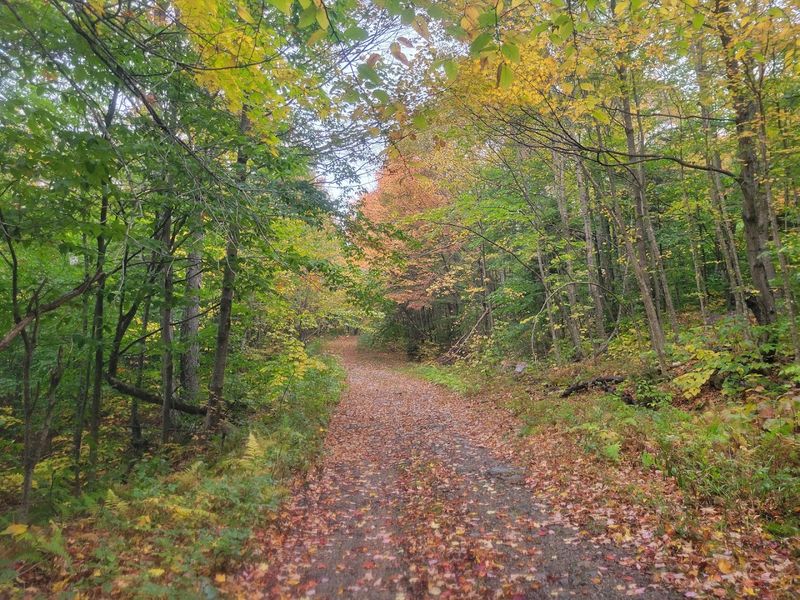
The most documented and deeply unsettling chapter of Glastenbury Mountain’s history is a cluster of disappearances that happened in just five years. Between 1945 and 1950, at least five people vanished in the Bennington Triangle, and not one of them was ever fully explained.
Middie Rivers, a 74-year-old experienced hunting guide, disappeared on November 12, 1945, while leading a group through the area. He was never found.
Paula Welden, an 18-year-old Bennington College student, vanished on December 1, 1946, while hiking the Long Trail in broad daylight. Her case was so alarming that it directly prompted the creation of the Vermont State Police.
James Tetford disappeared on December 1, 1949, from inside a moving bus. His belongings were still on his seat.
Eight-year-old Paul Jepson vanished on October 12, 1950, from a truck while his mother was nearby. Bloodhounds tracked his scent directly toward Glastenbury Mountain, where the trail simply stopped.
Frieda Langer disappeared on October 28, 1950, near Somerset Reservoir after going back to camp to change wet clothes. She had been hiking with her cousin.
Her body was eventually found the following spring, but the cause of passing was never determined. Five people.
Five years. One mountain.
The math on that does not sit quietly in your mind.
Ghost Towns Swallowed by the Forest
There is something deeply strange about hiking through a forest and suddenly realizing the ground beneath your feet was once a street. The towns of Glastenbury, Fayville, and Somerset were real, functioning communities built around logging and industrial work.
By 1937, all of them had been unincorporated, left behind as the industries ended and the people moved on.
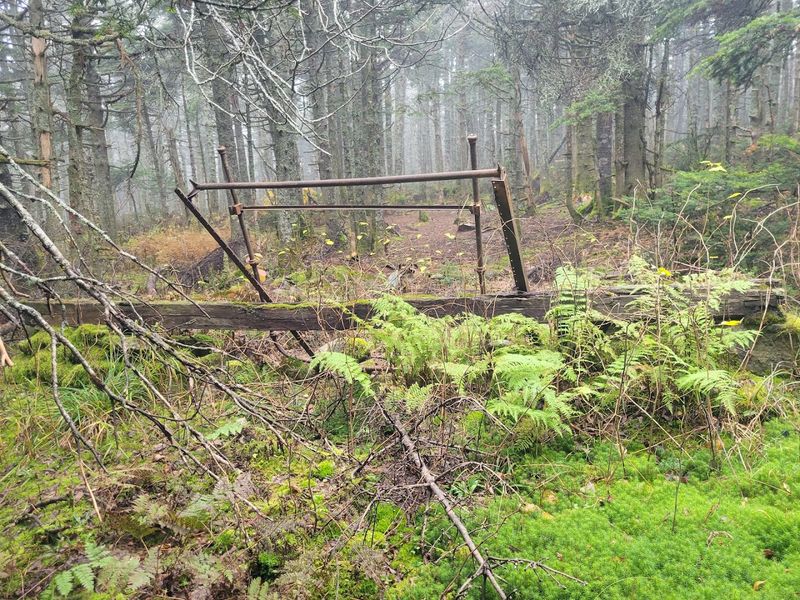
What remains today is mostly swallowed by trees. Foundations peek out from under decades of leaf litter.
Overgrown clearings hint at where buildings once stood. The forest has done a thorough job of erasing the human footprint, but not a complete one.
Somerset Reservoir, mentioned in several of the 1950 disappearance cases, still exists and is accessible as part of the broader trail network. Hikers who make it out to the area sometimes describe an odd stillness there, the kind that feels less like peace and more like absence.
That might just be the remoteness talking. Or it might be something else.
The abandoned airfield that sits along one of the approach routes to Glastenbury Mountain adds another strange layer. An airfield, out here, in all this wilderness.
Nobody seems entirely sure of its full history, which feels appropriate for a place where the past has a habit of going quietly missing. Walking through what used to be someone’s home, now just dirt and silence, is its own kind of haunting.
The Fire Tower, the Trails, and What the Summit Actually Feels Like
Getting to the top of Glastenbury Mountain is not a casual afternoon stroll. The trails are long, the terrain is demanding, and the forest gets noticeably wilder the higher you go.
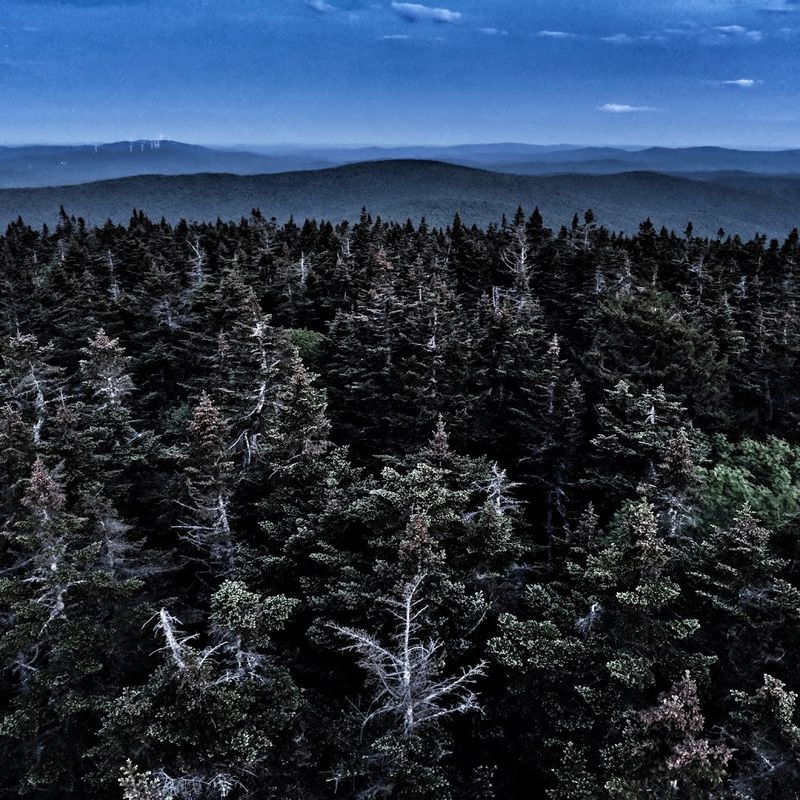
The trees shrink as you gain elevation, shifting into the kind of low, gnarled boreal growth that makes you feel like you have crossed into a completely different ecosystem.
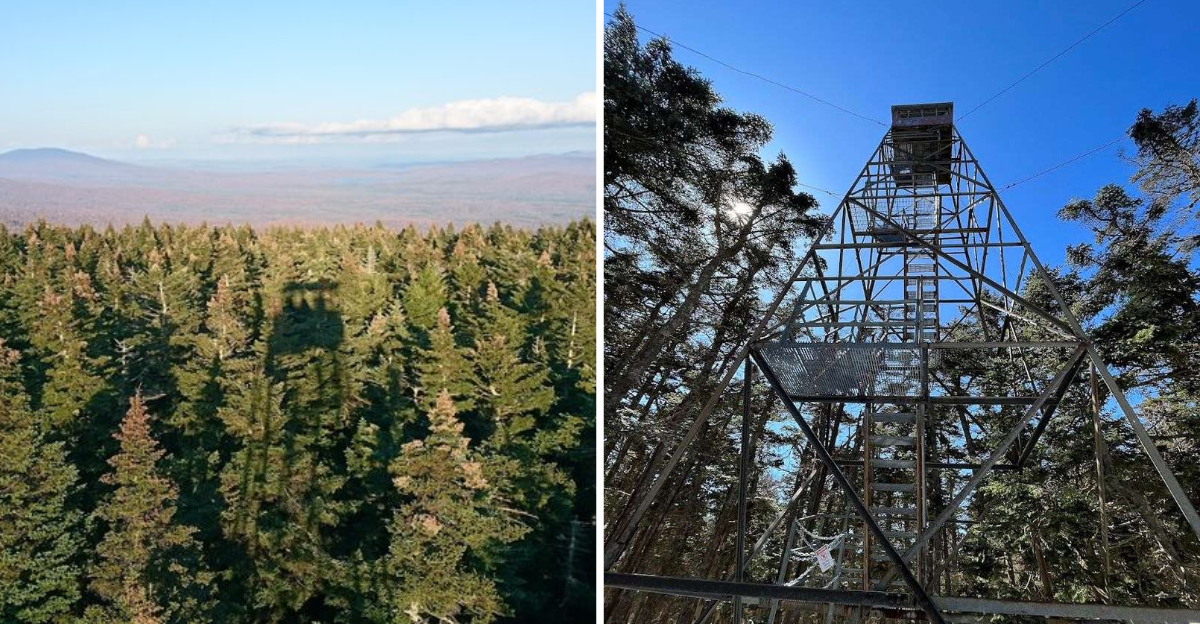
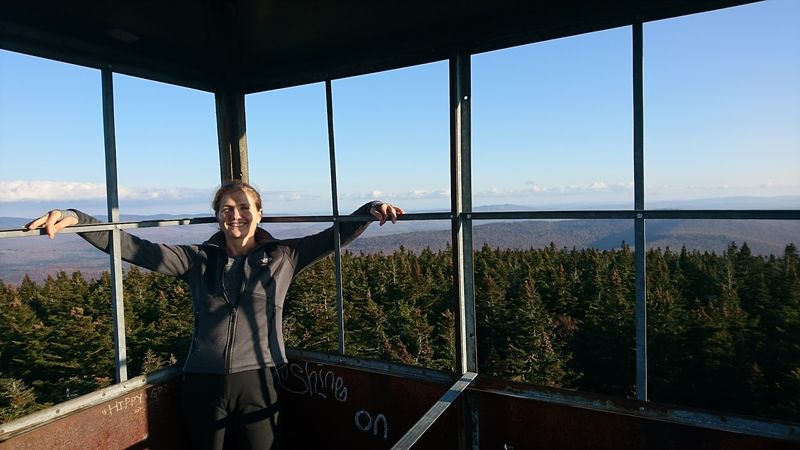
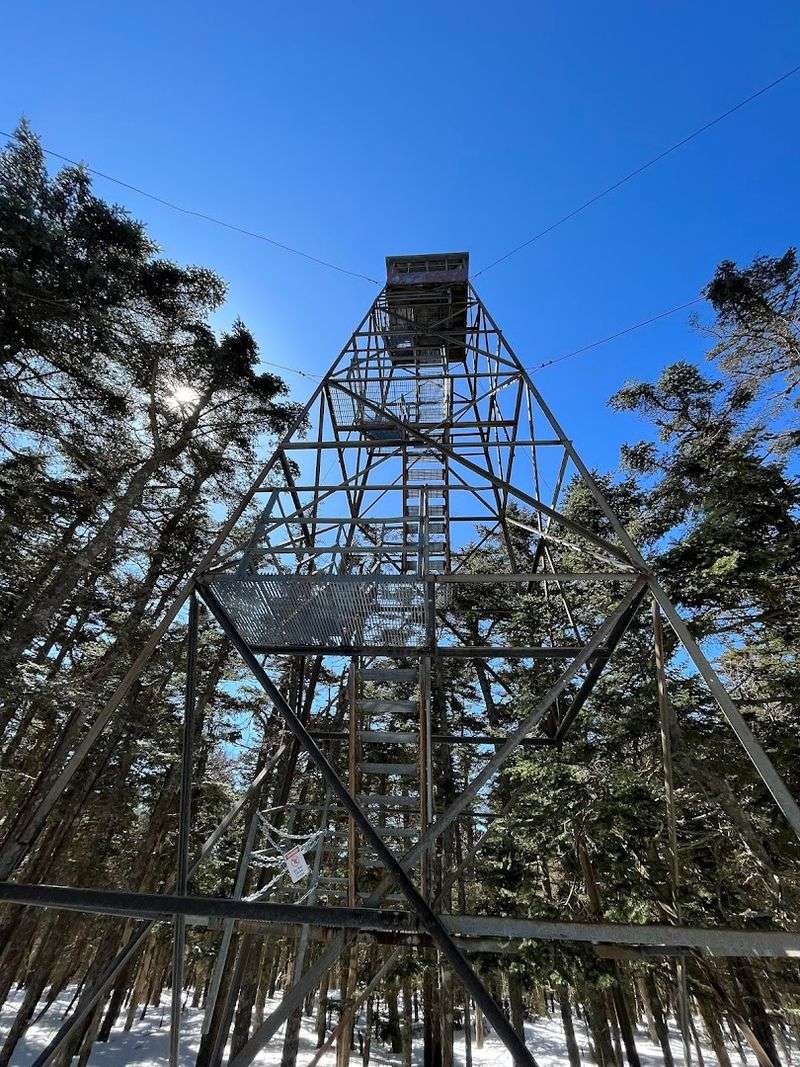
At the summit, there is a fire tower that has been there for decades. It is currently closed for climbing, but even seeing it up close carries a certain atmosphere.
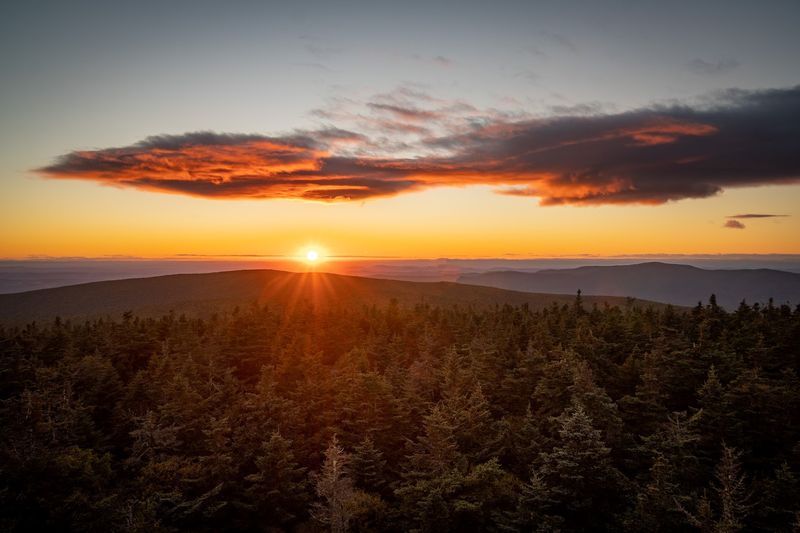
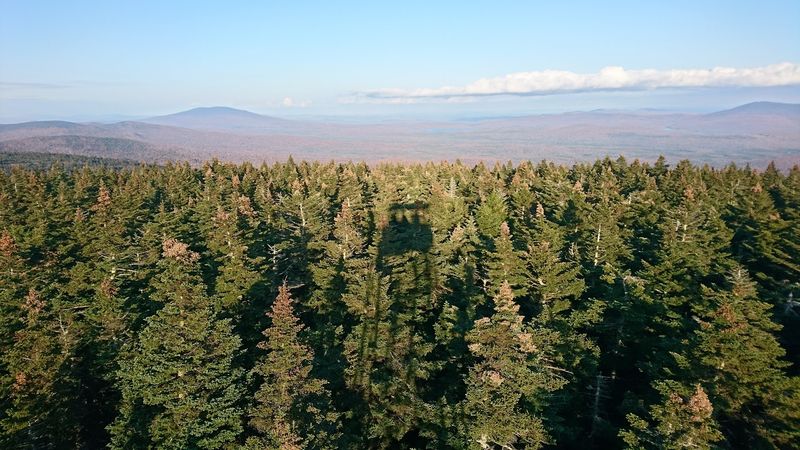
The 360-degree views on a clear day stretch across the Green Mountain National Forest in a way that genuinely stops you mid-thought. Some visitors make a point of timing their arrival for sunset, and based on the light that plays across those ridgelines, that instinct makes complete sense.
The snow at higher elevations can linger deep into April, so timing matters if you are planning a hike. There are also backcountry cabins along certain routes, and the one-way trail options allow for a loop experience that keeps the journey feeling fresh rather than repetitive.
What I find most striking about the summit is the quiet. It is not the comfortable quiet of a well-maintained park.
It feels older, more deliberate. The wind moves through the trees in patterns that experienced hikers describe as genuinely disorienting.
That detail alone, given everything else connected to this mountain, is worth keeping in mind before you head up.
Should You Actually Go? What to Know Before You Head Out
Glastenbury Mountain is a real place that real people visit, and plenty of them come back with nothing more than sore legs and great photos. The 4.7-star rating it holds on Google Maps, built from dozens of reviews, reflects genuine appreciation for the scenery, the remoteness, and the experience.
It is not off-limits, and it is not cursed in any legally actionable sense.
That said, preparation here matters more than on most Vermont hikes. The trails are strenuous and the terrain is legitimately confusing.
Wind patterns in this area are unusually erratic, which can throw off your sense of direction faster than you would expect. Bringing a physical map, a compass, and enough supplies for a longer day than you planned is not overcaution here.
It is just common sense.
The area is accessible year-round, but conditions vary dramatically by season. Deep snow in late spring, muddy trails in early summer, and unpredictable weather in fall all require different gear and different expectations.
Telling someone your planned route before you go is a good habit anywhere in the backcountry, and especially here.
The history of this mountain does not have to scare you off. If anything, knowing the stories makes the experience richer and more layered.
There is beauty here, real and undeniable beauty. There is also something that resists easy explanation.
Both things can be true at once, and Glastenbury Mountain holds both without apology.
Address: Glastenbury, VT 05262
