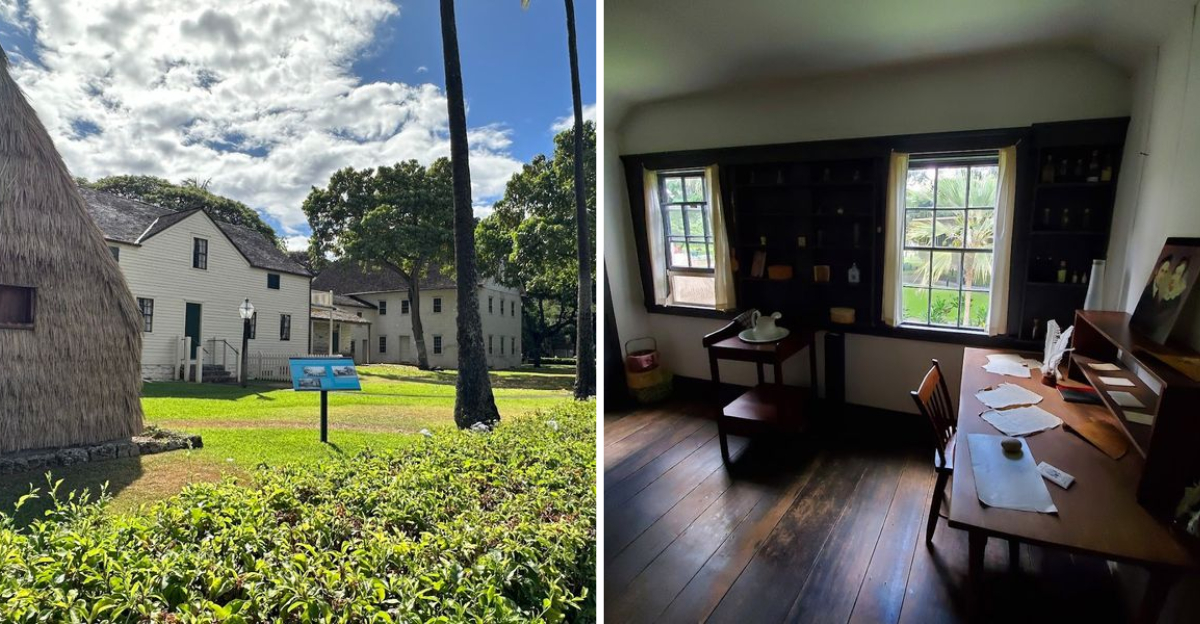
A figure standing in the corner of a dark room. You blink, and it is gone.
Some of the oldest buildings in Hawaii sit on this site, but the real history comes out after dark. Generations of missionaries lived and died within these walls. A woman watching from the upstairs window, footsteps in empty hallways, cold spots that move from room to room.
I heard about this place on a ghost walk and have not been able to shake it since. You feel it when you walk through the door, a presence that does not announce itself, just lingers quietly in the background. History does not always stay in the past.
Sometimes it lingers in the corners, waiting. For you to come.
The Oldest Frame House and Its Unexplained Visitors
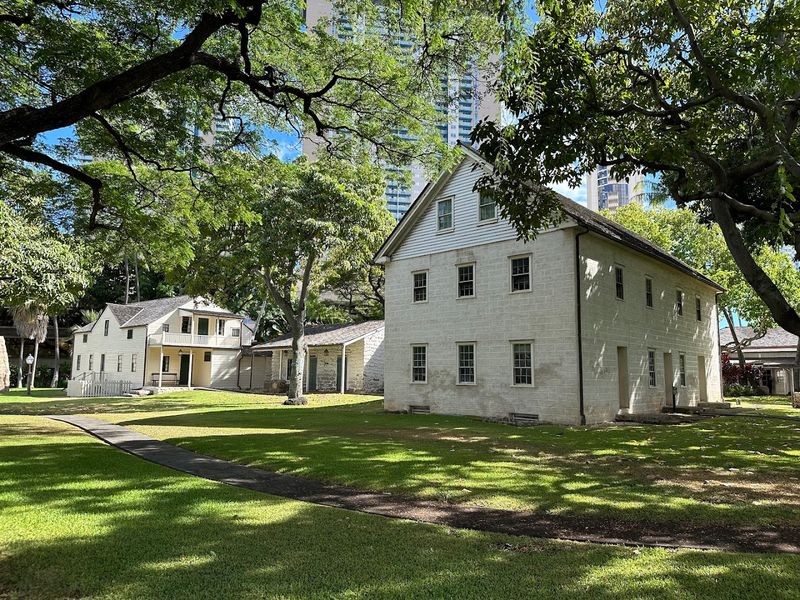
Known locally as Ka Hale La`au, the Oldest Frame House at the Hawaiian Mission Houses Historic Site is consistently identified as the most haunted building on the property. Built in 1821 from pre-cut lumber shipped all the way from Boston, it holds the title of Hawaii’s oldest Western-style wooden structure.
That alone makes it remarkable. But the stories attached to it push it into a different category entirely.
Staff who have stayed late to finish work have described seeing figures standing inside the house, watching silently, only to disappear when approached. The feeling inside is not aggressive, but it is unmistakably present.
Something about the low ceilings and original wood floors makes the air feel thicker than it should.
Visitors on guided tours have also reported catching movement in their peripheral vision near the doorways. The house is meticulously preserved, which means every creak and shadow feels intentional.
It is the kind of place where you find yourself lowering your voice without being asked. Whatever energy lives inside Ka Hale La`au, it clearly has no plans to leave anytime soon.
Late-Night Alarms With No Explanation
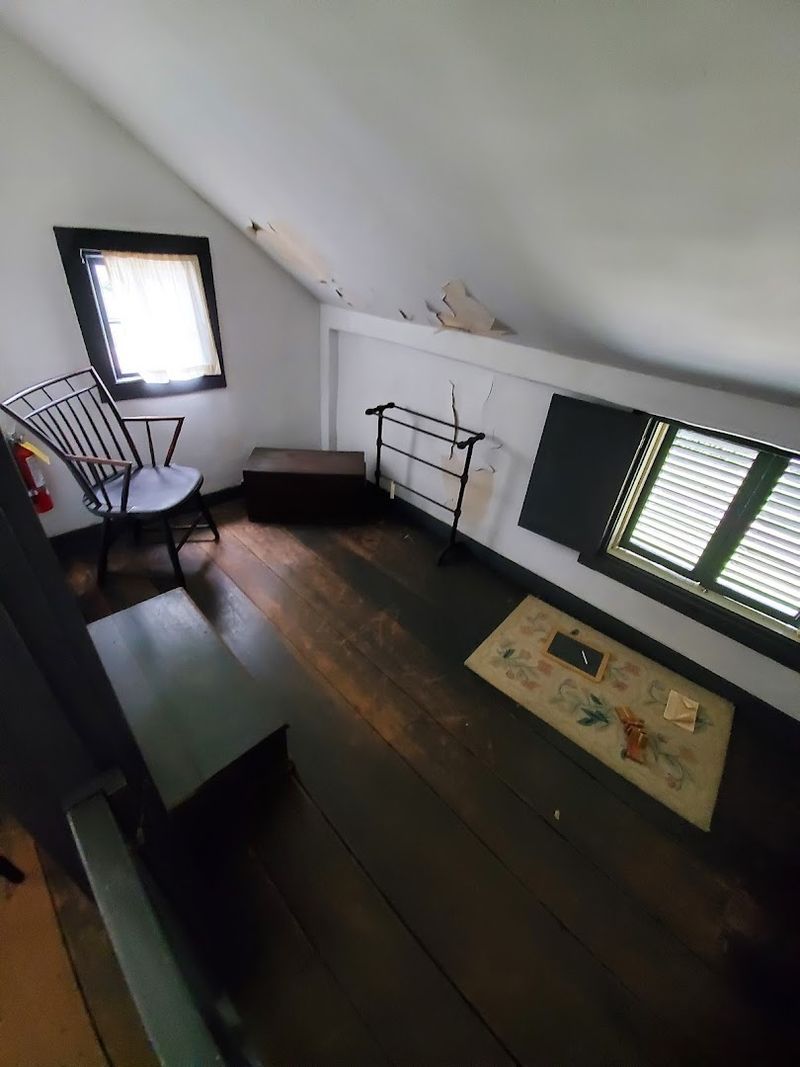
Retired Honolulu Police Department Major Gary Dias documented a series of strange incidents at the Hawaiian Mission Houses that are difficult to brush aside. Alarms would trigger inside the buildings, indicating entry points had been breached, even when every door and window was confirmed to be securely locked.
Officers would respond, find nothing out of place, and leave, only for the alarms to go off again.
During one particularly memorable late-night call, an alarm company representative reportedly spotted a man staring out from a window while officers were still on the grounds investigating. When they checked the building, it was empty.
No one had entered. No one had left.
What makes these accounts stand out is that they were documented by law enforcement, not just casual visitors. These are people trained to look for rational explanations first.
The fact that no explanation was ever found adds a layer of credibility that is hard to dismiss. The mission houses were built for prayer, community, and purpose.
Whatever lingers there now seems to operate on its own schedule, unconcerned with locked doors or late hours.
Ghostly Apparitions of Missionary Women
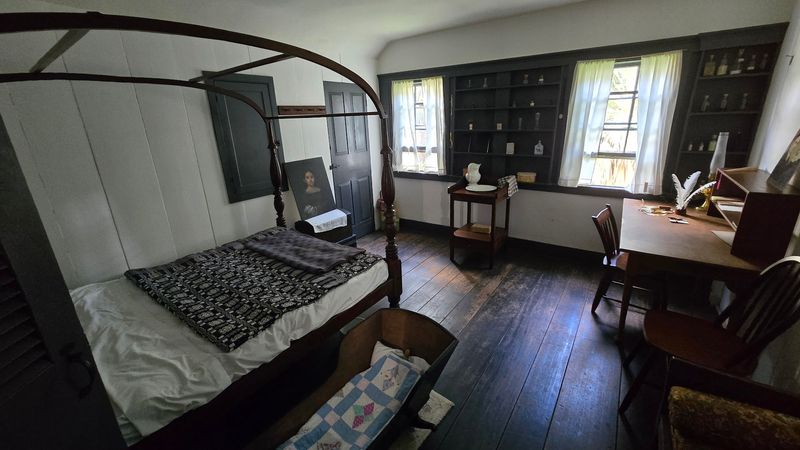
Among the most commonly reported apparitions at the Hawaiian Mission Houses are figures dressed in 19th-century missionary clothing. Visitors and staff alike have described seeing women in period-appropriate attire moving through the rooms, particularly near the preserved living quarters.
The sightings are brief. They appear, and then they are simply gone.
What is interesting is how consistent the descriptions tend to be across different people who have no connection to each other. The figures are calm, not threatening.
They seem to be going about some kind of routine, as though the house is still theirs and the visitors are the ones out of place.
The site holds over 3,000 Hawaiian, Western, and Pacific artifacts, along with more than 12,000 books, manuscripts, letters, and diaries from the missionary period. These were real women who wrote real letters, raised children, and built a life far from everything they knew.
It is almost understandable, in a strange way, that some part of that energy might remain. The museum preserves their memory through objects and records.
Maybe something else preserves it in a different way entirely.
The Sound of Children Playing in Empty Rooms
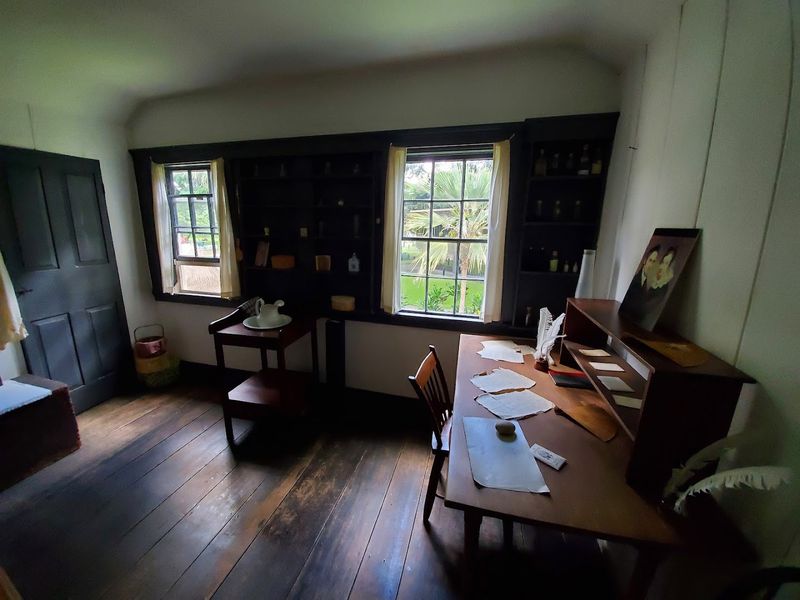
One of the quieter but more unsettling reports from the Hawaiian Mission Houses involves sound rather than sight. Visitors and staff have described hearing the faint, unmistakable noise of children playing, laughing, and running, coming from rooms that are completely empty.
The sounds are soft enough that you might second-guess yourself the first time. The second time, you do not.
Missionary families lived and raised their children on this very property throughout the 19th century. The site served as a genuine home, not just a workplace.
Children grew up here, played here, and in some cases, never made it to adulthood. The cemetery on the grounds serves as a quiet reminder of that reality.
There is something uniquely affecting about hearing children when none are present. It does not feel menacing so much as deeply sad.
The laughter, if that is what it is, carries a kind of innocence that makes it harder to dismiss as imagination. Tour guides at the site are thoughtful about how they present these accounts, grounding them in the real history of the families who called this place home.
That context makes the sounds, whether paranormal or not, feel deeply human.
The Figure in the Unlit Window
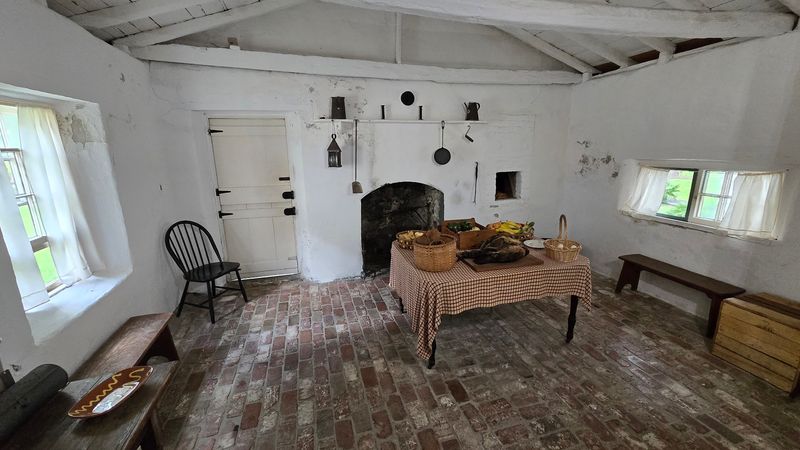
One of the most striking accounts connected to the Hawaiian Mission Houses involves a person exploring the grounds after hours who reported seeing a figure standing in an unlit window. That alone would be unsettling enough.
But the experience did not stop there.
The individual reportedly felt a physical shove, as if pushed by an unseen force, and had their phone knocked out of their hand. When they looked back at the window, the figure was gone.
No one else was on the grounds. The doors were locked, and there was no obvious way anyone could have entered or exited without being seen.
Accounts like this one are harder to categorize because they involve physical interaction, not just visual or auditory phenomena. The Hawaiian Mission Houses staff are thoughtful about how they discuss these stories, acknowledging them without sensationalizing.
The site is, after all, first and foremost a place of genuine historical significance. It holds some of the most important archives in Hawaii, including one of the largest collections of Hawaiian language books in the world.
The haunted reputation is a layer on top of that, not a replacement for it.
A Site With Deep Roots in Hawaiian History
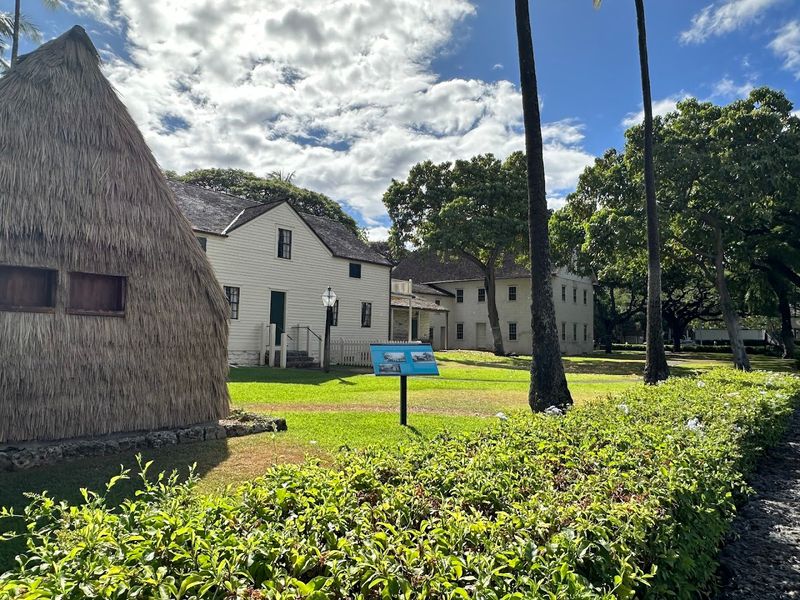
Before the ghost stories, there is the history, and it is genuinely fascinating on its own. The Hawaiian Mission Houses Historic Site served as the headquarters for the Sandwich Islands Mission from 1820 to 1863.
The complex includes three carefully preserved buildings, among them two of Hawaii’s oldest Western-style structures. The 1821 Mission House, the 1831 Chamberlain House, and the 1841 Bedroom Annex all still stand on this one-acre property in downtown Honolulu.
The site was jointly designated a U.S. National Historic Landmark in 1962, alongside the nearby Kawaiahao Church.
The archive alone holds over 80,000 digital pieces and is considered one of the most significant collections of Hawaiian language materials anywhere in the world.
Guided tours run Tuesday through Saturday from 10 AM to 3 PM, and the knowledgeable docents bring the history alive in a way that no exhibit panel can fully replicate. The gift shop is genuinely worth a browse, with locally made items and books that go deeper into Hawaiian history.
For anyone wanting to understand how Western influence shaped modern Hawaii, this site offers context you simply cannot find anywhere else in Honolulu.
Why This Museum Stays With You Long After You Leave
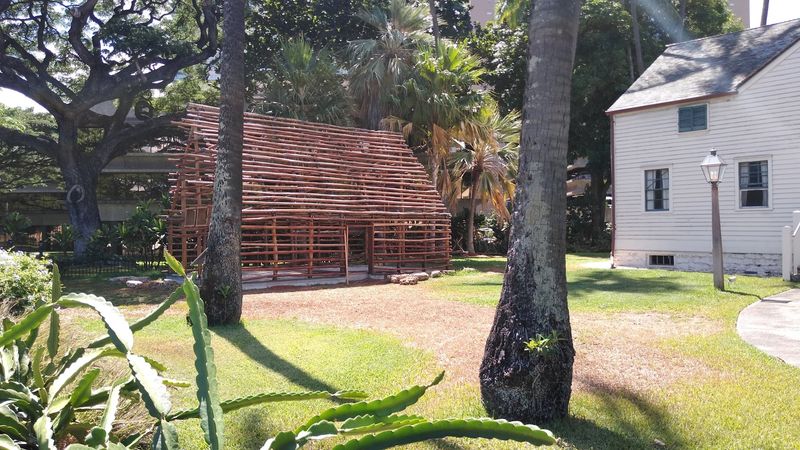
Most museums leave you with information. The Hawaiian Mission Houses leave you with something harder to name.
Maybe it is the weight of the original furniture still sitting where it was placed two centuries ago. Maybe it is the printing press that produced the first Hawaiian-language texts, sitting there like it could still be put to work.
The place does not perform its history. It simply holds it.
Visitors consistently describe leaving the tour in a kind of thoughtful quiet. The guides are knowledgeable and honest about the complexities of the missionary period, not glossing over the impact on traditional Hawaiian culture.
That nuance makes the experience feel respectful rather than promotional.
Add the paranormal layer and you have a destination that operates on multiple levels at once. It is a serious archive.
It is a beautifully preserved historic site. And it is a place where staff have seen figures appear and disappear when no one else should be there.
Whether you come for the history, the ghost stories, or both, the Hawaiian Mission Houses will give you more than you expected. That is a rare thing in any museum, anywhere.
Address: 553 S King St, Honolulu, Hawaii
