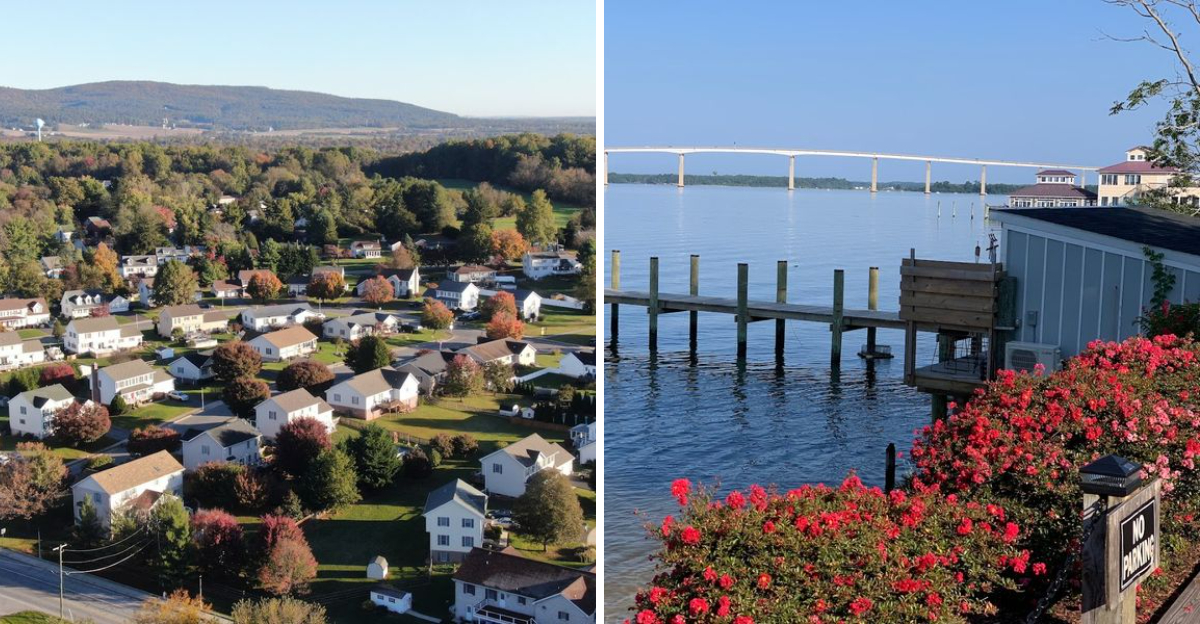
Day trips are supposed to be fun, not stressful on the wallet. Maryland has plenty of affordable adventures that prove you do not need to spend a fortune to have a great time.
Historic towns with free walking tours, state parks with cheap entry fees, and beaches that do not charge an arm and a leg for parking. You can explore a lighthouse, hike to a waterfall, or wander through a charming main street without spending more than gas money and a sandwich.
Families love these trips. Couples enjoy them too.
And solo adventurers can explore without guilt. The variety is wild, and the prices are reasonable.
That is the best part about a Maryland day trip. A full day of fun, a light wallet, and a whole lot of memories for very little money.
1. Chestertown
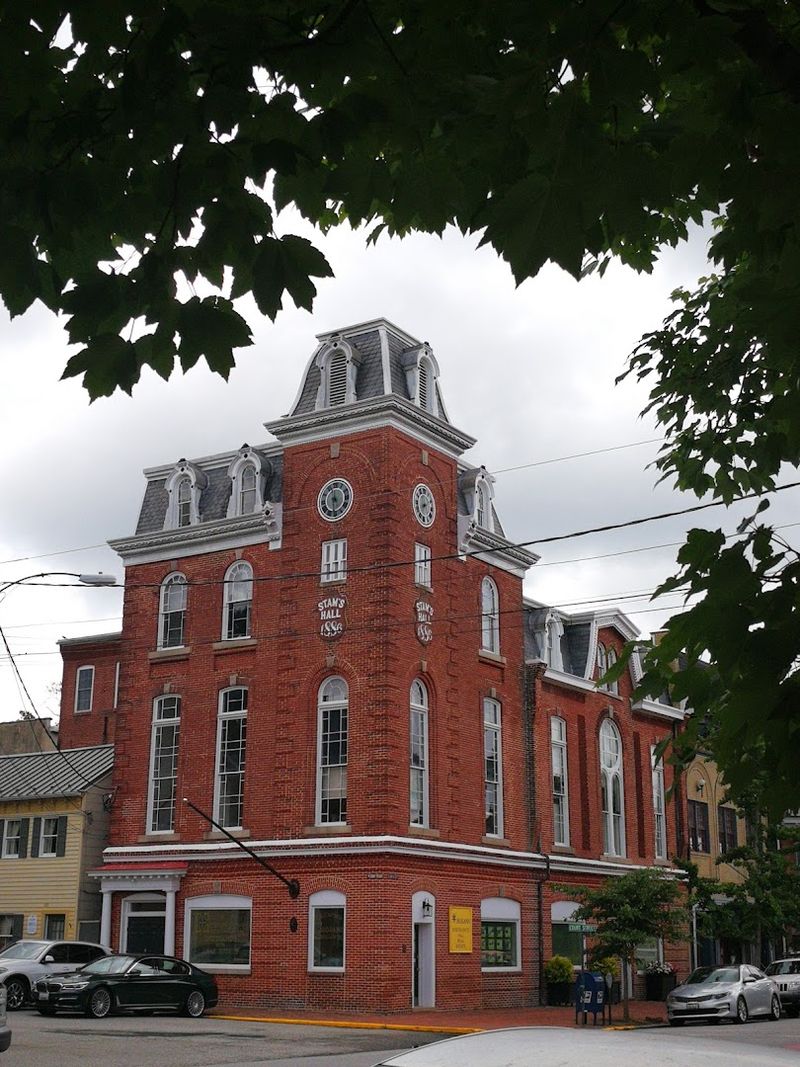
There is something almost theatrical about Chestertown, like someone carefully preserved a slice of colonial America and forgot to tell the rest of the world about it.
The streets are lined with 18th-century brick buildings that lean just slightly, the way old things do, giving the whole place a lived-in warmth that no renovation can fake.
The Chester River runs quietly along the edge of town, and on a calm morning the water reflects the rooftops in a way that makes you want to just stop and look for a while. A walk along the riverfront takes maybe twenty minutes, but you will probably end up stretching it to an hour without realizing it.
Chestertown is a college town, home to Washington College, which brings a certain energy that balances out the historic quiet. Small cafes and independent bookshops fill the gaps between old row houses, and weekend farmers markets draw locals who clearly know something good when they have it.
The town is also known for its annual Chestertown Tea Party Festival, a lively reenactment of a 1774 protest that predates even the more famous Boston event. History here does not feel dusty or distant.
It feels like something people actually care about and celebrate with real enthusiasm.
Getting there from Baltimore takes under two hours, making it an easy and rewarding Eastern Shore escape that feels far more remote than it actually is.
2. Sykesville
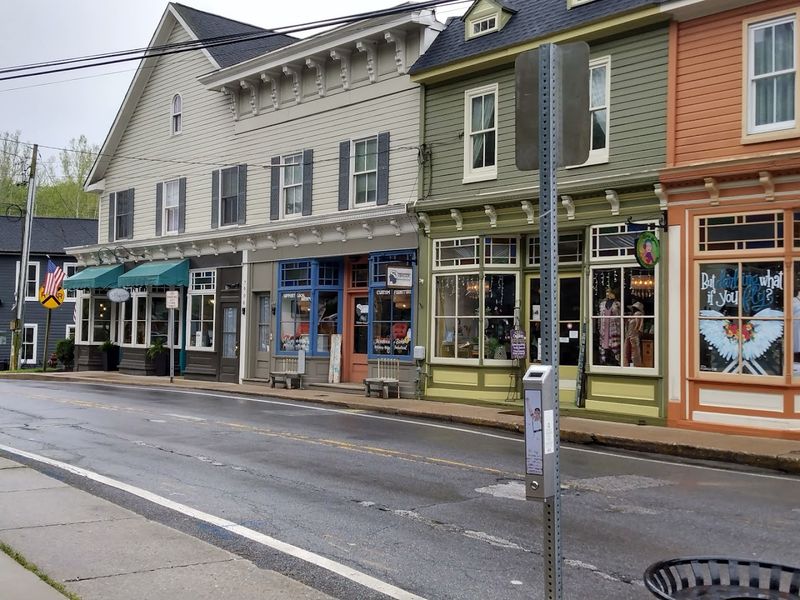
Sykesville sits quietly in Carroll County like a well-kept secret, and honestly, it has earned that reputation. The historic Main Street curves along the South Branch of the Patapsco River, and the whole area has a scrappy, creative energy that feels genuinely earned rather than manufactured for tourists.
The town was largely shaped by the B&O Railroad, and the old stone station still stands as a centerpiece of the downtown area. Around it, you will find independent restaurants, antique shops, and small galleries that have moved into spaces once used for entirely different purposes.
What makes Sykesville especially worth the trip is how it manages to feel both lived-in and full of life at the same time. There is no glossy tourist veneer here.
People actually live and work on Main Street, and that realness makes the whole experience feel more rewarding.
The nearby Patapsco Valley State Park adds a strong outdoor dimension to any visit. Trails wind through forested hillsides above the river, and the sound of moving water follows you for most of the hike.
It is the kind of place where the walk itself becomes the destination.
Sykesville has also earned a reputation as one of the friendliest small towns in Maryland, and after spending a few hours wandering around, it is easy to understand why that reputation has stuck. The place simply feels good to be in, and that is not something every town can say.
3. St. Michaels
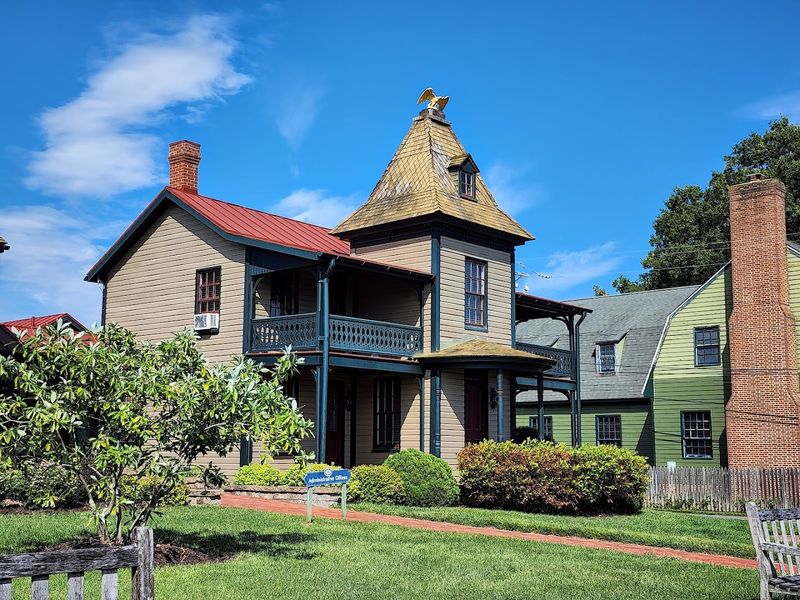
St. Michaels has the kind of charm that photographs well but feels even better in person. Situated on a peninsula along the Miles River on Maryland’s Eastern Shore, this small maritime town has been drawing visitors for decades without ever quite losing its authentic character.
The Chesapeake Bay Maritime Museum is one of the main draws here, and it genuinely earns its reputation.
Spread across 18 waterfront acres, the museum explores the full story of life on the Bay through working boats, historic structures, and hands-on exhibits that make the region’s seafaring past feel immediate and alive.
Beyond the museum, the town itself invites slow exploration. Boutique shops and seafood restaurants line Talbot Street, and the pace of life feels deliberately unhurried.
I found myself lingering over a waterfront view longer than planned, which seemed to be exactly what the town intended.
The harbor area is especially pleasant in the late afternoon, when the light hits the water at a low angle and everything turns golden. Skipjacks and workboats bob gently alongside pleasure craft, and the whole scene carries the kind of visual poetry that makes you reach for your camera without thinking.
St. Michaels also has a quirky piece of history worth knowing. During the War of 1812, residents reportedly hung lanterns in trees to mislead British gunboats, causing the cannonballs to overshoot the town.
That bit of clever local legend has earned St. Michaels the nickname the town that fooled the British.
4. Berlin
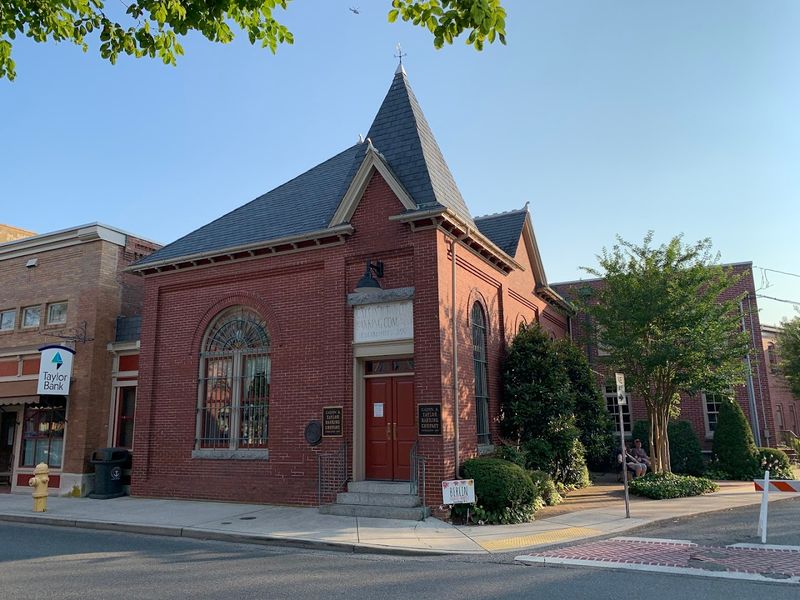
Berlin, Maryland, is the kind of town that makes you slow down without being asked. The Victorian-era downtown is compact and walkable, with a Main Street that feels like it belongs in a film set, except everything here is completely real and genuinely welcoming.
The town was named one of the coolest small towns in America by Budget Travel magazine, and a visit makes it easy to understand why. Independent shops, art galleries, and locally owned restaurants fill beautifully preserved storefronts, and the overall atmosphere is relaxed in the best possible way.
Berlin is also just a short drive from Assateague Island National Seashore, which means a day trip here can easily combine small-town charm with one of the most unique natural experiences on the East Coast.
The famous wild ponies of Assateague are genuinely wild, roaming the beach and dunes with total indifference to the humans watching them in quiet awe.
Pedestrian and bicycle access to the Assateague beach is free, which makes this combination stop one of the most rewarding budget-friendly options in the region. Watching a pony wade through shallow surf is not something you forget quickly.
Back in Berlin, the restored Globe Theater hosts live performances and community events, adding a cultural layer to what might otherwise be a purely scenic visit. The town rewards curiosity, and the more you wander, the more you find hidden into corners and side streets that most visitors walk right past.
5. Havre de Grace
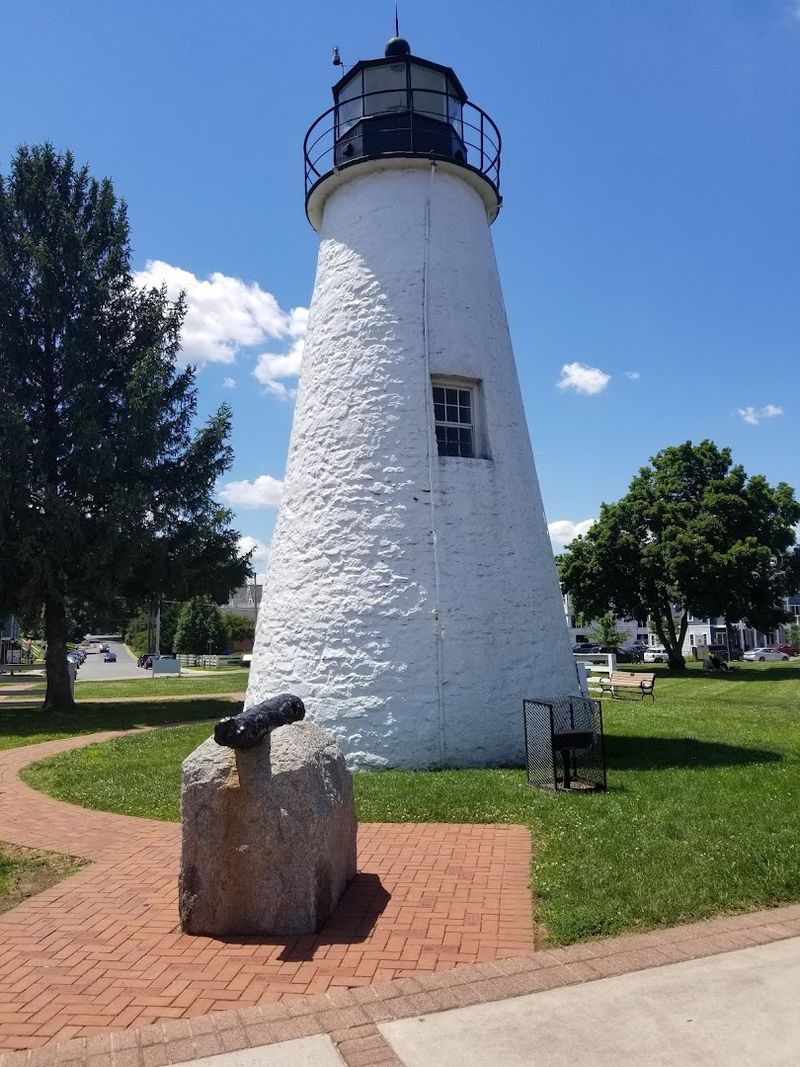
Havre de Grace sits at the northern tip of the Chesapeake Bay where the Susquehanna River meets open water, and that geographic drama shapes everything about the town’s personality.
The waterfront promenade is free to walk and stretches along the edge of town with sweeping views that feel almost disproportionately grand for such a quiet place.
The Concord Point Lighthouse, built in 1827, is one of the oldest continuously operated lighthouses on the East Coast. Visitors can walk right up to it at no cost, and standing beside it while looking out over the water gives you a real sense of how much history this small town carries.
Havre de Grace has a strong identity as the decoy carving capital of the world, and the Decoy Museum celebrates that tradition with an impressive collection of hand-carved waterfowl that doubles as genuine folk art.
The craftsmanship on display is remarkable, and even visitors with no prior interest in decoys tend to leave impressed.
The town’s streets are lined with Victorian homes and small shops, and the whole place moves at a pace that feels restorative. There is no rush here, and the locals seem to prefer it that way.
I found the promenade especially enjoyable in the early morning, when the light was soft and the water was still.
For history lovers, outdoor enthusiasts, or anyone who just needs a peaceful reset, Havre de Grace offers more than its modest size would suggest.
6. Oxford
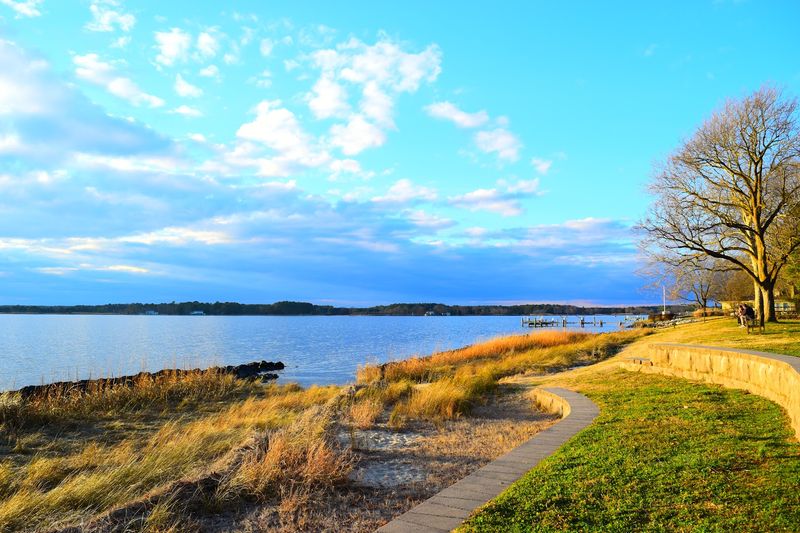
Oxford is one of those places that feels like it exists slightly outside of time.
One of the oldest towns in Maryland, it sits at the end of a long peninsula on the Tred Avon River, and the only way to reach it from the Eastern Shore’s main roads involves either a scenic drive or a ride on the Oxford-Bellevue Ferry, which has been running since 1683.
The ferry crossing is short but genuinely memorable. The river opens up around you, the breeze picks up, and for a few minutes the modern world feels very far away.
It is the kind of small experience that ends up being the highlight of a trip.
Oxford itself is quiet and residential, with tree-lined streets, historic homes, and a waterfront park that invites long, unhurried walks. There is not a lot of commercial activity here, and that is precisely the point.
The town’s appeal lies in its stillness and its sense of permanence.
Robert Morris Jr., one of the signers of the Declaration of Independence, grew up in Oxford, and the town’s history runs deep in every direction. A small museum and various historic markers fill in the details for those who want them.
Visiting Oxford feels like a reward for paying attention to the lesser-known corners of the map. It does not advertise itself loudly, and it does not need to.
The experience of simply being there, watching herons pick through the shallows, is more than enough reason to make the drive.
7. Ellicott City
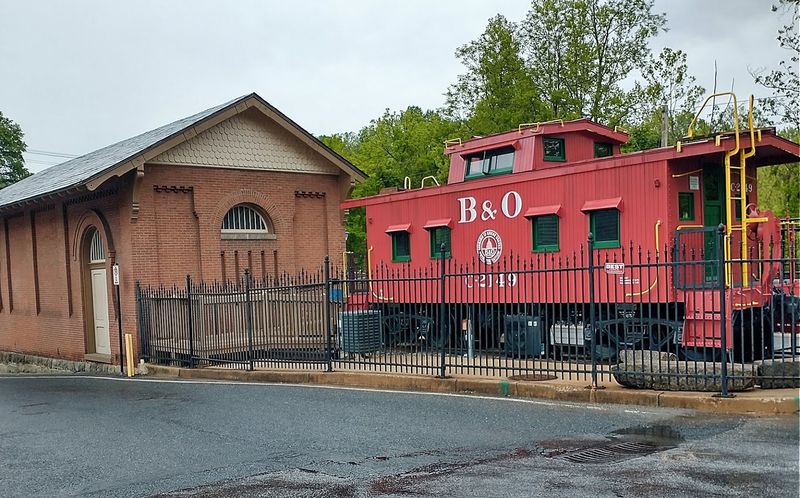
Ellicott City is built into a hillside in a way that makes the whole town feel like it was assembled by someone who enjoyed a challenge.
The main street runs through a narrow valley carved by the Patapsco River, and the stone buildings that line it look like they grew out of the landscape rather than being constructed on top of it.
Founded by Ellicott brothers in the 1770s, the town grew around a flour mill and eventually became home to what is considered the oldest surviving railroad station in the United States.
The B&O Railroad Museum Ellicott City Station still stands at the bottom of Main Street, and it anchors the town’s identity in a way that feels both historical and deeply personal.
Main Street itself is a destination in its own right. Independent shops, art studios, and restaurants fill the old stone buildings, and the overall atmosphere rewards slow exploration.
I spent more time here than expected, mostly because every doorway seemed to lead somewhere interesting.
The nearby Patapsco Valley State Park adds serious outdoor appeal to any visit. Thirty-two miles of trails wind through the forested valley, and the hike to Cascade Falls is one of the more satisfying short hikes in the region.
Free parking is available at several trailheads, which makes combining the two a genuinely easy and affordable outing.
Ellicott City has faced significant flooding in recent years, and the community’s resilience in rebuilding and preserving its character is itself a remarkable story worth acknowledging.
8. Leonardtown
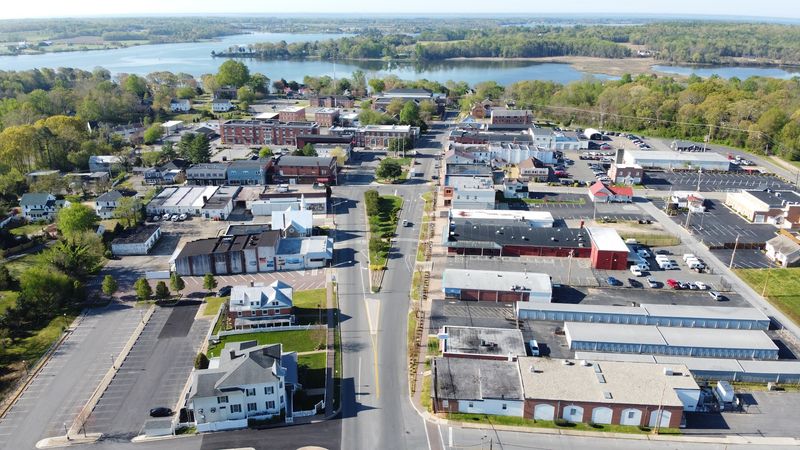
Leonardtown does not get mentioned in enough travel conversations, and that oversight is worth correcting.
The county seat of St. Mary’s County in Southern Maryland, it has a compact and genuinely charming historic square that anchors a walkable downtown full of independent businesses and local character.
The town square itself is a great starting point. A central gazebo and surrounding historic buildings create a setting that feels both relaxed and rooted in place.
On weekends, the square often hosts farmers markets and community events that give visitors a real window into local life rather than a curated version of it.
Leonardtown Wharf, a short drive from the square, adds a waterfront dimension to the visit. The wharf overlooks Breton Bay, a quiet tributary of the Potomac, and the views there are peaceful in the way that only water views can be.
A kayak launch, a small beach, and picnic areas make it a flexible spot for different kinds of visitors.
The surrounding St. Mary’s County is rich with early American history. St. Mary’s City, just a short drive away, was Maryland’s first colonial capital, and its living history museum brings that early chapter to life in a way that textbooks simply cannot match.
Leonardtown has been growing in recent years, with new restaurants and shops opening alongside longtime establishments. But it still feels like a real town rather than a tourist destination, and that distinction matters more than most people realize when choosing where to spend a free day.
9. Solomons
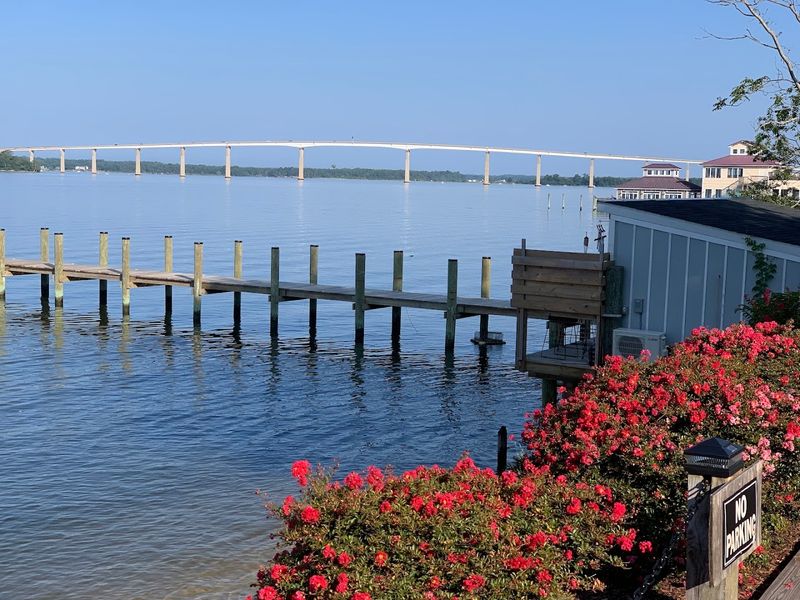
Solomons is a small island town at the very southern tip of Calvert County, where the Patuxent River meets the Chesapeake Bay, and the water is basically everywhere you look.
The town has a nautical soul that you feel immediately upon arrival, with boats lining the marinas and the smell of the Bay drifting through every open window.
The Calvert Marine Museum is one of the best small museums in Maryland, covering everything from prehistoric fossils found in the local cliffs to the ecology of the Patuxent estuary.
Admission is very reasonable, and the outdoor areas alone, including a lighthouse and a boat basin, are worth the visit on their own terms.
The boardwalk along Back Creek is a favorite local gathering spot and makes for a genuinely pleasant stroll at any time of day. The views of the marina and the surrounding water are expansive, and the pace of life along the waterfront feels deliberately slow in the best possible way.
Nearby Calvert Cliffs State Park is an easy add-on for anyone visiting Solomons. The cliffs rise dramatically above the Bay shoreline and are famous for yielding Miocene-era fossils, including shark teeth, that visitors can collect right on the beach.
The hike to the beach takes about two miles round trip and passes through a mix of forest and wetlands.
Solomons rewards visitors who are happy to simply be near the water and let the rhythm of the Bay set the pace for the day.
10. Cumberland
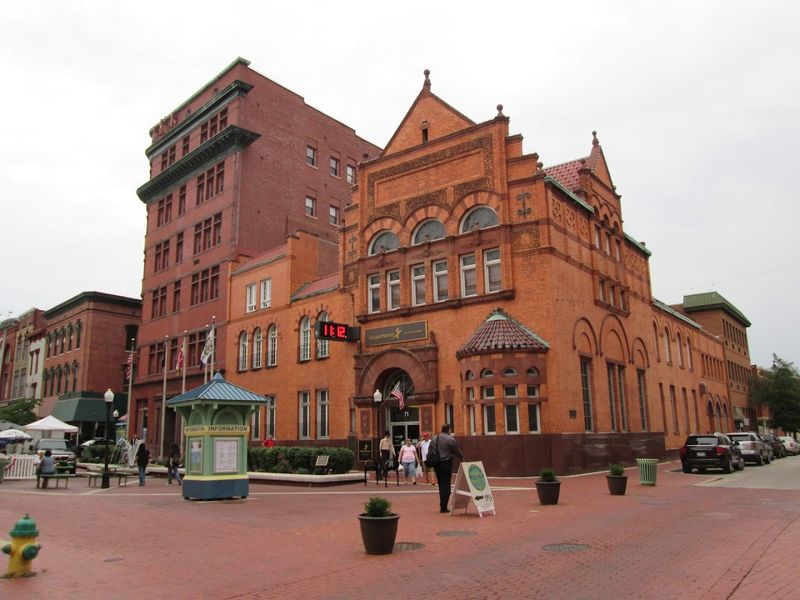
Cumberland sits in a mountain valley in far western Maryland, hemmed in by the Allegheny ridges in a way that gives the city a distinctive geographic drama.
It was once one of the most important transportation hubs in early America, serving as the western terminus of the C&O Canal and the starting point of the National Road, and that history is layered into every corner of the downtown.
Canal Place, the historic district along the Potomac River, is the best starting point for any visit.
From here, the C&O Canal towpath stretches east for 184.5 miles all the way to Georgetown in Washington, D.C., and even a short walk along the flat, tree-shaded path gives you a powerful sense of the canal’s scale and ambition.
The Western Maryland Scenic Railroad departs from Cumberland and winds through mountain terrain that is genuinely spectacular, especially in fall when the foliage turns. The ride itself is the attraction, and the views from the train windows are the kind that make you wish the journey were longer.
Downtown Cumberland has a handsome collection of Victorian architecture, and the history museum in the old railroad station does a strong job of contextualizing the city’s outsized role in American expansion.
I found the exhibits more engaging than expected, particularly the sections on the National Road era.
For a city of its size and location, Cumberland punches well above its weight in terms of what it offers to curious travelers willing to make the drive out west.
11. Frostburg
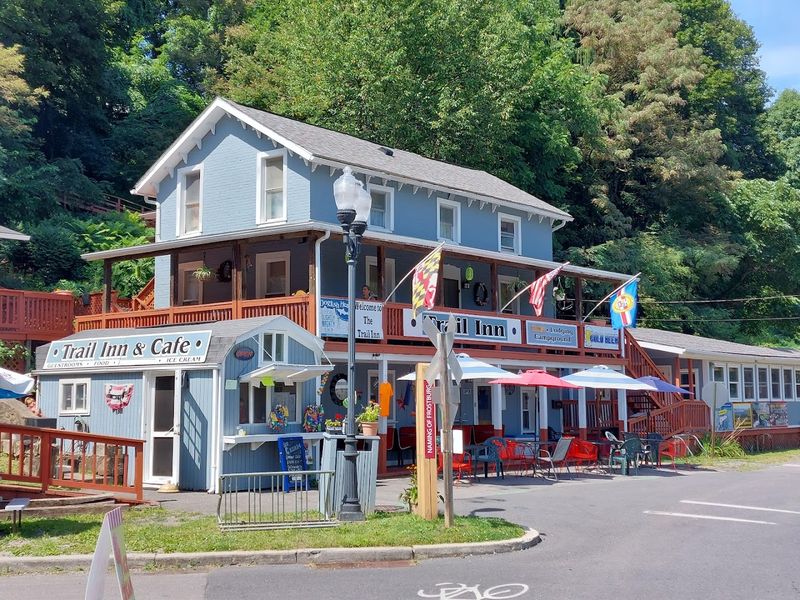
Frostburg sits at an elevation of about 2,000 feet in the Allegheny Mountains, and the air there genuinely feels different, cooler and cleaner, in a way that makes every breath feel like a small reward for making the drive.
The town has a compact, walkable downtown that benefits enormously from being home to Frostburg State University.
The university brings an energy and a creative undercurrent to what might otherwise be a very quiet mountain town.
Independent coffee shops, bookstores, and small galleries are scattered through the historic downtown, and the overall vibe is relaxed and genuinely welcoming to visitors who wander in without a strict plan.
The Western Maryland Scenic Railroad also stops in Frostburg, arriving from Cumberland through the mountain terrain with views that shift dramatically with the seasons.
The old train depot in town has been restored and serves as both a station and a small museum, connecting the present-day experience to the town’s industrial past.
Frostburg is also a gateway to some excellent outdoor recreation. The surrounding state forests and trails offer hiking, mountain biking, and wildlife watching in a setting that feels genuinely remote without requiring a long expedition to reach.
Big Savage Hiking Trail and the nearby Dans Mountain State Park are both worth exploring for anyone with comfortable shoes and a free afternoon.
There is a low-key pride in Frostburg that reveals itself slowly. The town knows what it is and seems entirely comfortable with that, which is a quality worth appreciating in any place you visit.
12. Boonsboro
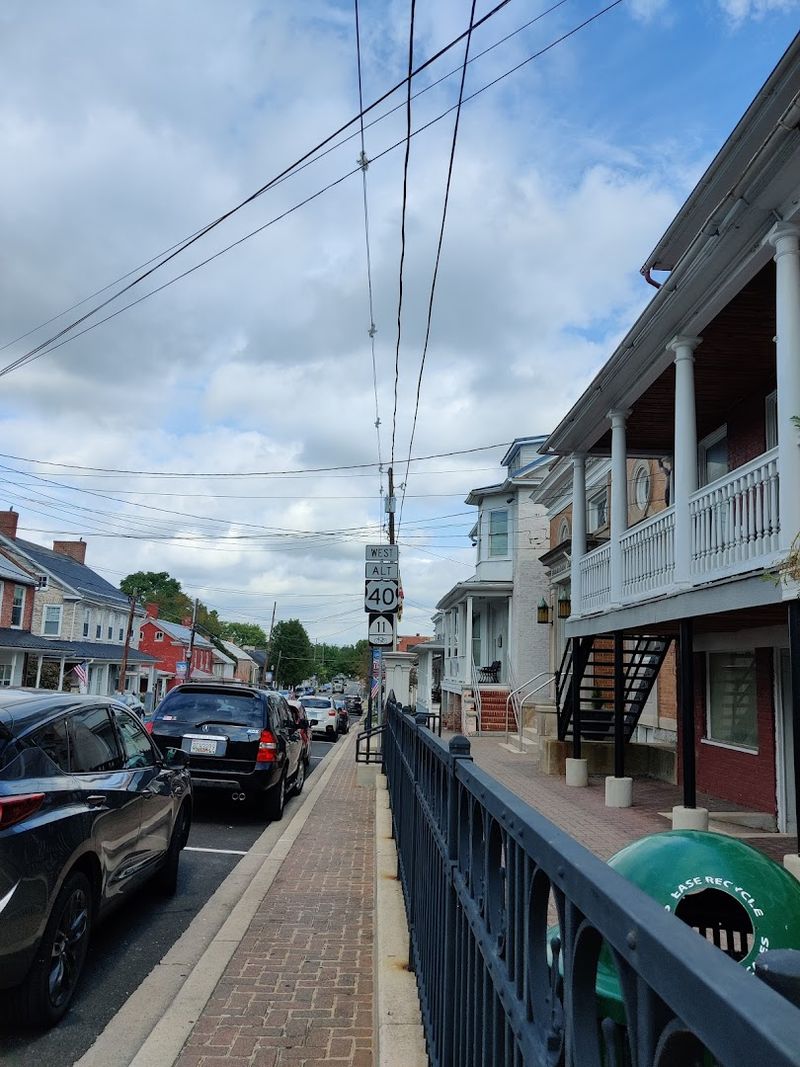
Boonsboro is a small Washington County town that sits at the foot of South Mountain, and it has a quiet confidence about it that makes a visit feel like discovering something most people have overlooked.
The main street is modest but genuine, with local businesses that have clearly been there long enough to earn the trust of the community.
The town is surrounded by Civil War history in a way that is almost impossible to overstate.
The Battle of South Mountain took place just outside town in September 1862, and the nearby Washington Monument State Park sits at the summit of South Mountain, home to the first monument built in honor of George Washington, completed in 1827 by local citizens.
The hike up to the monument along the Appalachian Trail is manageable for most fitness levels and rewards visitors with panoramic views of the Cumberland Valley stretching out to the west. On a clear day the view is expansive enough to feel genuinely earned, even on a relatively short hike.
Crystal Grottos Caverns, located just outside Boonsboro, is one of Maryland’s few commercially operated cave systems and offers guided tours through impressive limestone formations. It is the kind of unexpected attraction that ends up being a highlight of the day simply because no one anticipated it.
Boonsboro also has a charming independent bookshop that has developed a loyal following well beyond the local community. It is worth a stop even if you are only passing through, because browsing a good bookshop is never really wasted time.
13. Thurmont
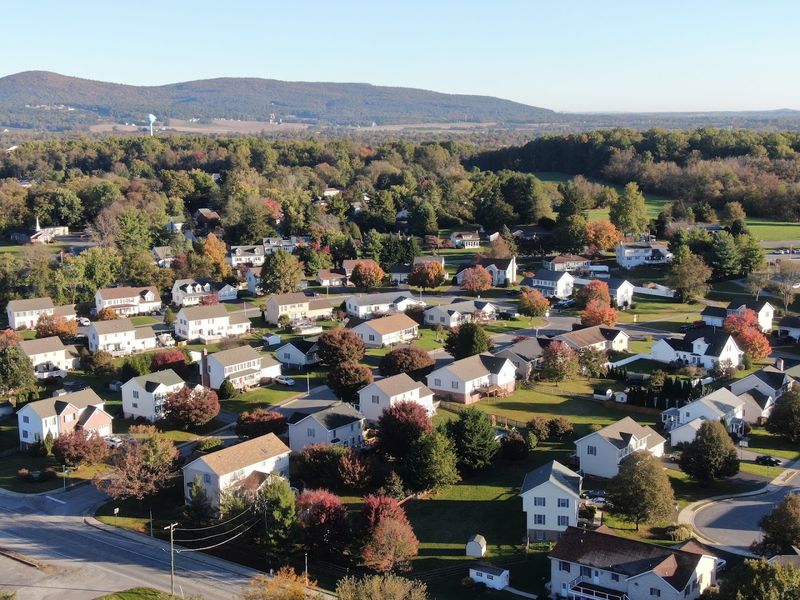
Thurmont is the kind of small town that earns its reputation not through any single landmark but through the accumulated effect of its surroundings.
Nestled at the base of Catoctin Mountain in Frederick County, it serves as the gateway to both Cunningham Falls State Park and Catoctin Mountain Park, giving it an outdoor credibility that far exceeds its modest downtown footprint.
Cunningham Falls is the main draw, and it absolutely delivers. Maryland’s largest cascading waterfall drops 78 feet through a rocky gorge surrounded by dense forest, and the trails leading to it are accessible enough for families with younger children.
The sound of the falls reaches you before you can see them, which builds anticipation in a way that feels almost cinematic.
Walking or biking into the state park is free, which makes this one of the most rewarding zero-cost outdoor experiences in the entire state.
The trails around the falls connect to a broader network that winds through the Catoctin highlands, offering longer hikes for those who want to extend the adventure beyond the waterfall itself.
Catoctin Mountain Park, managed by the National Park Service and adjacent to the state park, adds even more trail options and a fascinating history. The park is famously home to Camp David, the presidential retreat, which lends an air of intrigue to the forested ridgeline above town.
Thurmont itself has a handful of local diners and shops worth browsing after a morning on the trails. The town feels unhurried and genuinely glad to have visitors, which is exactly the right note to end a day on.
