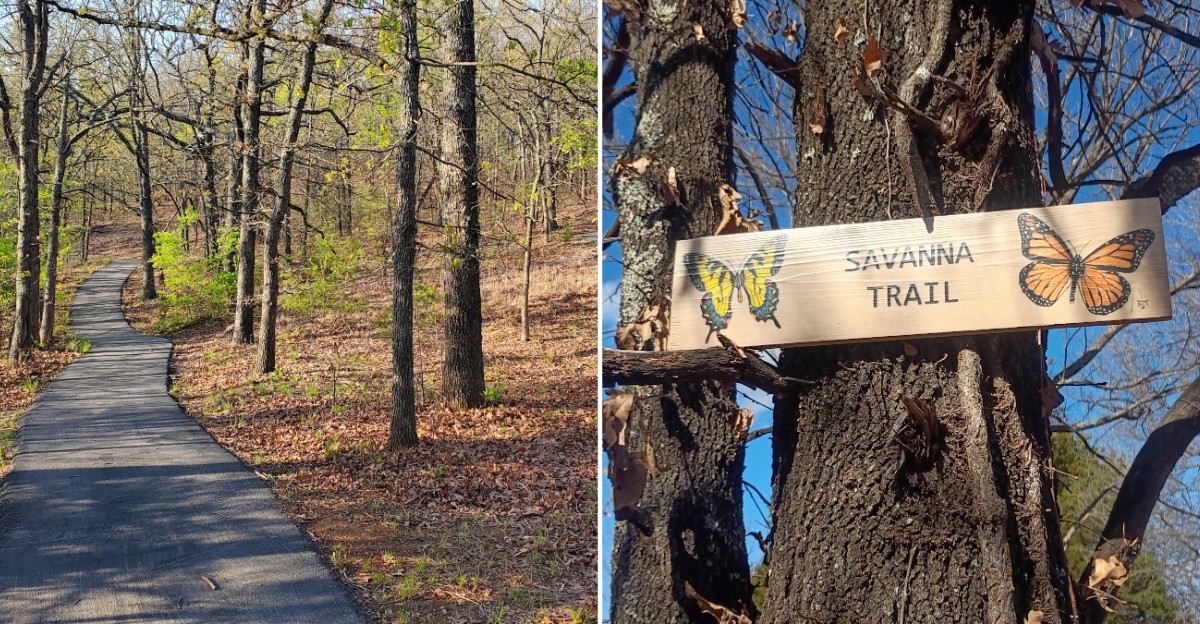
Some of the cedars on these trails were already growing before the United States existed. A few are around 500 years old.
That’s older than the country, the state, and every road leading to them.
Post oaks here have stood for about 300 years too. Rocky ground and a thick canopy helped protect the forest from logging and agricultural development.
I like how stubborn that sounds.
This patch of Oklahoma woods once caught the attention of author Washington Irving in 1832. You can still stand at a lookout named for him.
I can’t imagine many trails offer a view shared with a famous writer.
The best part? The forest is still wild, still growing, and still open to hikers today.
So which trail would you pick first?
These Trees Were Here Long Before The Country Was
Old trees usually live in faraway places like California or the Pacific Northwest. Keystone Ancient Forest flips that idea right on its head, sitting just outside Tulsa in Sand Springs.
The headliners are eastern red cedars that reach about 500 years old. Post oaks around 300 years old keep them company along the trails.
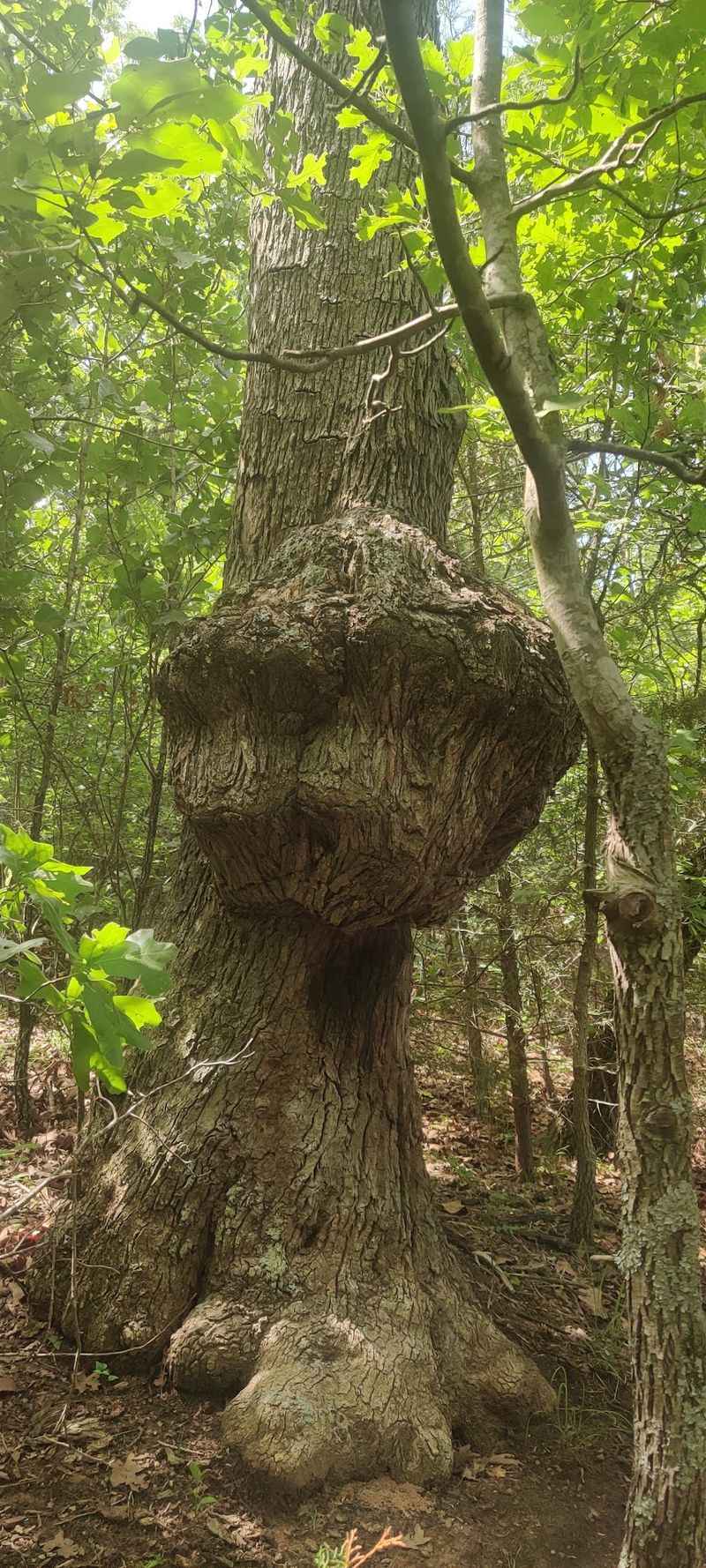
Don’t expect towering redwoods, though. Cross Timbers trees grow short, twisted, and tough, shaped by thin soil and rocky slopes.
Their gnarled trunks look like they’ve been arguing with the weather for centuries, because they have.
So how did they last? The rugged, rocky ground made logging and farming nearly impossible.
The thick canopy also helped shield the woods from fires that cleared other areas.
That luck matters more than you’d think. Roughly 80 percent of ancient Cross Timbers forest in Oklahoma has been cut or changed.
In 2021, the preserve joined the Old-Growth Forest Network. It became the first forest in Oklahoma to earn that honor.
When you hike here, slow down and look closely at the bent, craggy trunks. Some of the least impressive-looking trees may be the oldest ones around.
Age doesn’t always show up as height in these woods.
You Can Stand Where Washington Irving Once Stood
Back in 1832, author Washington Irving traveled through what was then Indian Territory. He wrote about the thick, tangled Cross Timbers in his journals, and he wasn’t exactly gushing.
Early settlers felt the same way. They named the region Cross Timbers because the dense forest was a real chore to get through.
Here’s the fun twist. That same stubborn forest once stretched about 30,000 square miles, running from Texas through Oklahoma and into Kansas.
Today, this preserve is one of the best surviving examples of it.
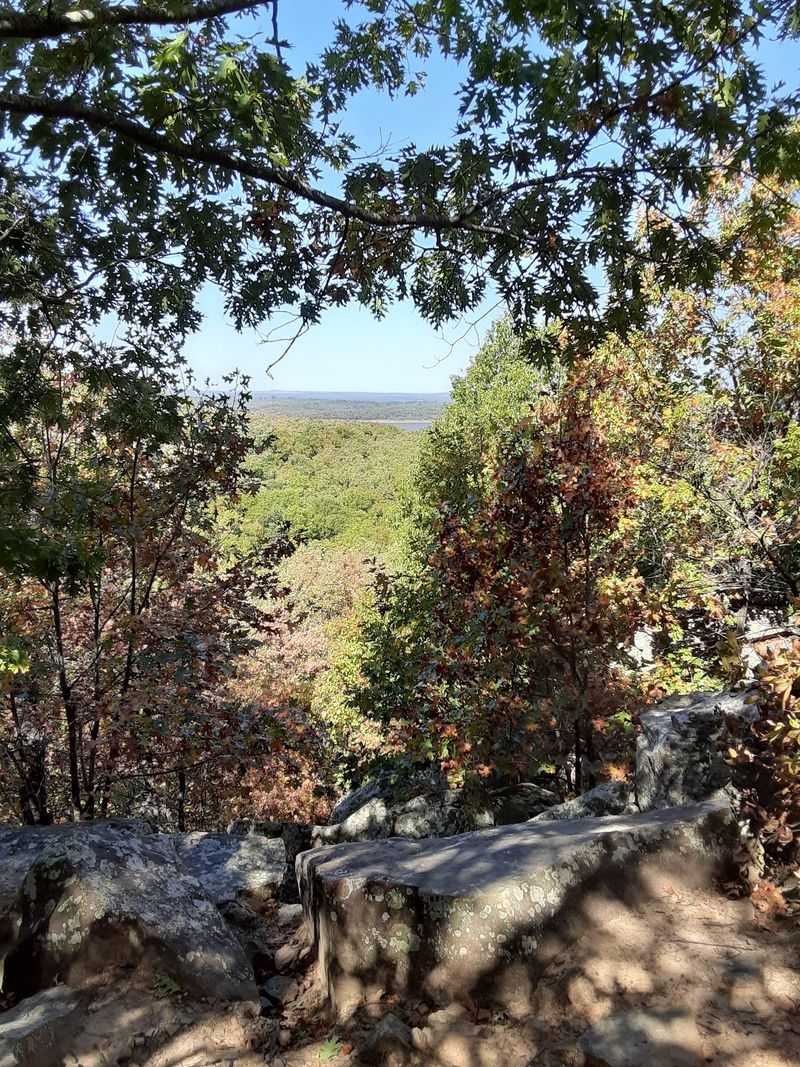
A lookout point inside the forest carries Irving’s name. Hikers can stand roughly where he once stood and take in a view he’d still recognize.
I love that kind of connection. Most history lives behind glass in a museum, but this history has bark and roots.
Think of the lookout as a reward for climbing. Ask the volunteers at the visitor center how to reach it before you start.
They can point you in the right direction and share more stories about the land. Bring a camera, since the scenery includes views toward Keystone Lake.
Irving had to write his descriptions, but you get to snap yours.
Pick A Trail That Matches Your Mood
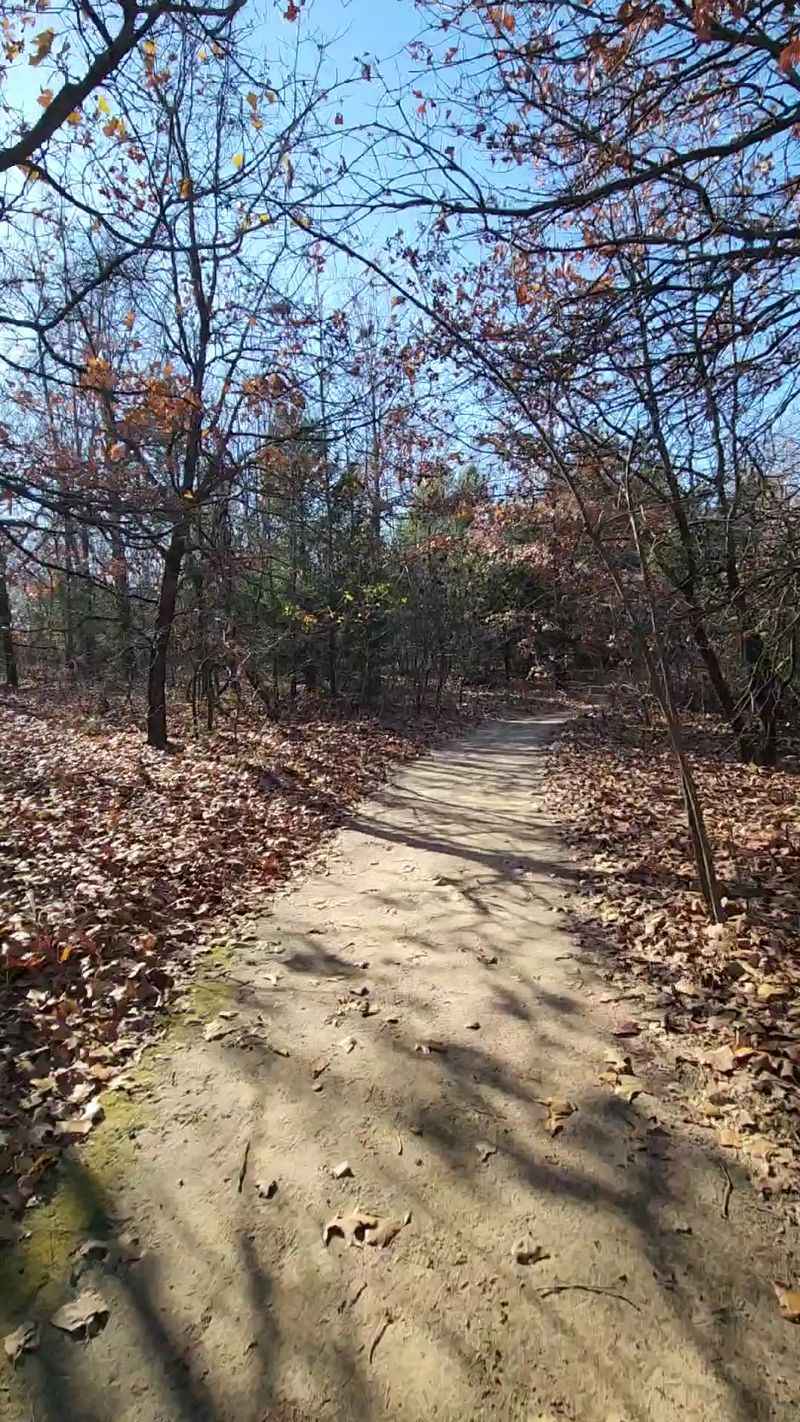
More than 12 miles of trails twist through these woods. That means a lazy stroll and a leg-burning workout can happen on the same morning.
Start easy with the Frank Trail if you want a taste of everything. It’s a 2.8-mile round trip with compacted stone and bare soil, rated moderately difficult.
Plan on about an hour.
The trail is named for the Irv Frank family. Irv Frank was a former landowner who donated money to help save the forest.
Craving a little more challenge? The Wilson Trail covers one mile and carries a difficult rating.
It opened in 2014 and packs a punch for its size.
The Less Traveled Trail opened in October 2017. Its name sounds poetic, but plan for some real effort and good shoes.
Every trail starts near the visitor center and heads off from the Fire Road. Color-coded flags on the trees help keep you on track.
Mile markers also include location numbers, which helps rescuers find you in an emergency.
My tip? Pick one trail per visit and save the rest.
Coming back for a different route gives you an excuse to return, and that’s never a bad thing.
The Falls Trail Will Make Your Legs Talk Back
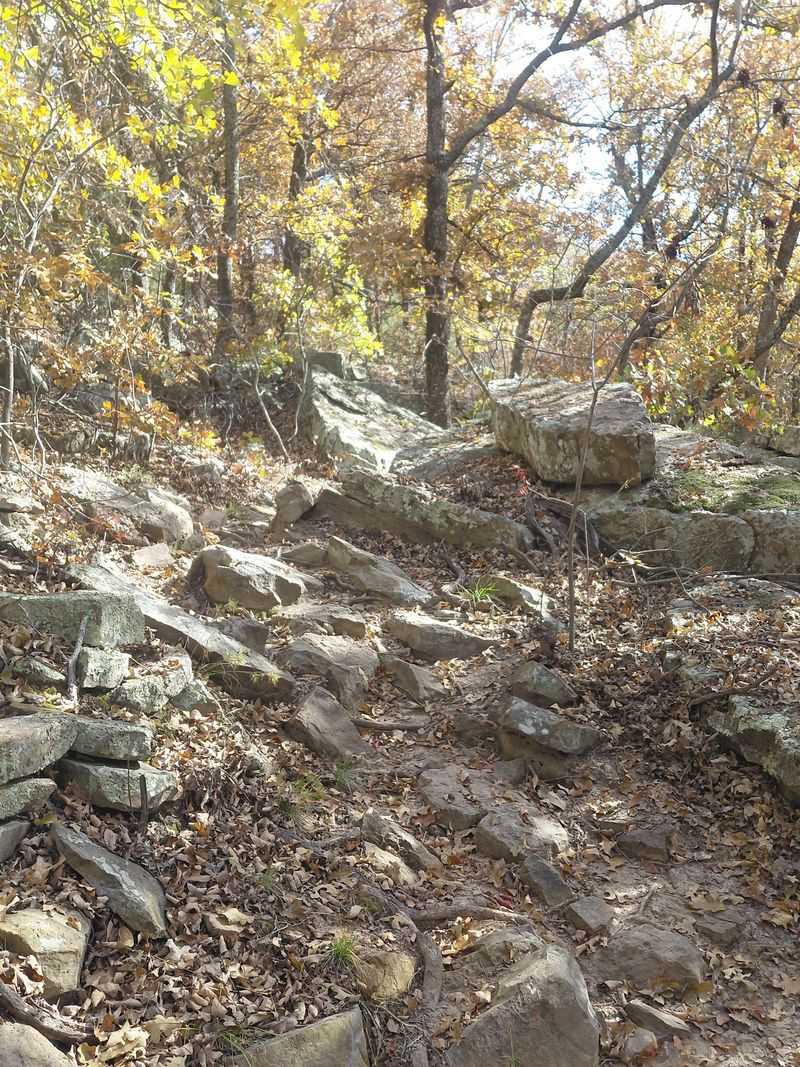
Waterfalls in the Tulsa area? Yes, and they come with a workout attached.
The Falls Trail opened in 2021 and runs 3.5 miles. It’s rated difficult, and that label isn’t just for show.
A longer Falls Trail Loop stretches to 4.5 miles.
Expect big elevation changes as you move along creek drainages. Rock formations and boulders pop up along the way, so watch your footing.
The canopy here is thick, which helps on sunny days. It also means you’re deep in the woods for most of the hike.
Waterfalls appear along the creek drainages, adding a nice payoff for all that effort. Water flow can change with the weather, so a rainy stretch may give you a better show.
Pack plenty of water and wear shoes with solid grip. Give yourself extra time too, since a rugged route rarely moves as fast as you’d hope.
Borrow a free hiking stick from the visitor center before heading out. Your knees will thank you on the steep parts.
Start early in the day if you can. The forest closes at 2 p.m. on Thursdays, so check the clock before tackling this one.
Everyone Gets A Shot At These Old Woods
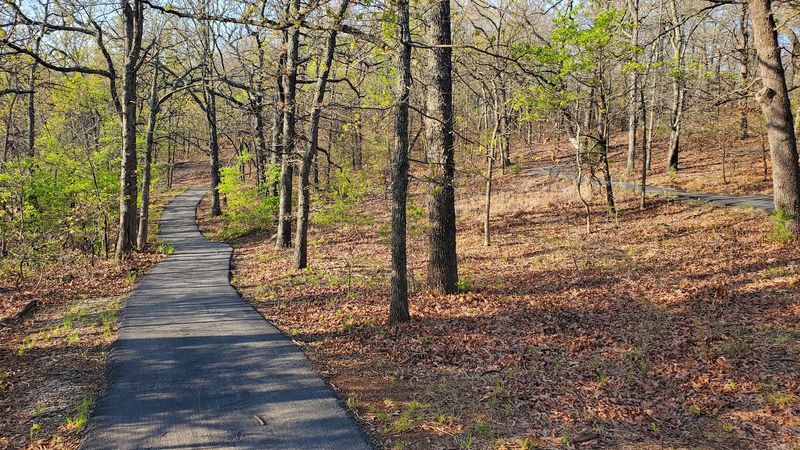
Plenty of nature spots leave out folks with mobility challenges. Keystone Ancient Forest decided that wasn’t good enough.
The Childers Trail is paved, five feet wide, and ADA accessible. It runs 0.6 miles and takes about 15 minutes, which makes it great for wheelchairs, strollers, and anyone wanting a gentle walk.
The trail honors the Sam Childers family, who donated land for the preserve. It’s a sweet way to remember that gift.
Now for the really cool part. The preserve offers two motorized Trackchairs, which are rugged all-terrain chairs built for outdoor trails.
Phillips 66 donated $25,000 in 2022 so the city could buy them. This became the first free public-use Trackchair program in Oklahoma.
The chairs can roll along the Childers, Fire Road, and Frank Trails. That opens up much more of the forest than pavement alone could.
If someone in your group could use one, reserve it ahead of time through the city. Planning ahead helps make sure a chair is ready when you arrive.
I believe this is one of the kindest things about the whole preserve. Ancient trees feel even better when everybody gets to see them up close.
Start Your Hike At A Visitor Center Built For Curious Minds
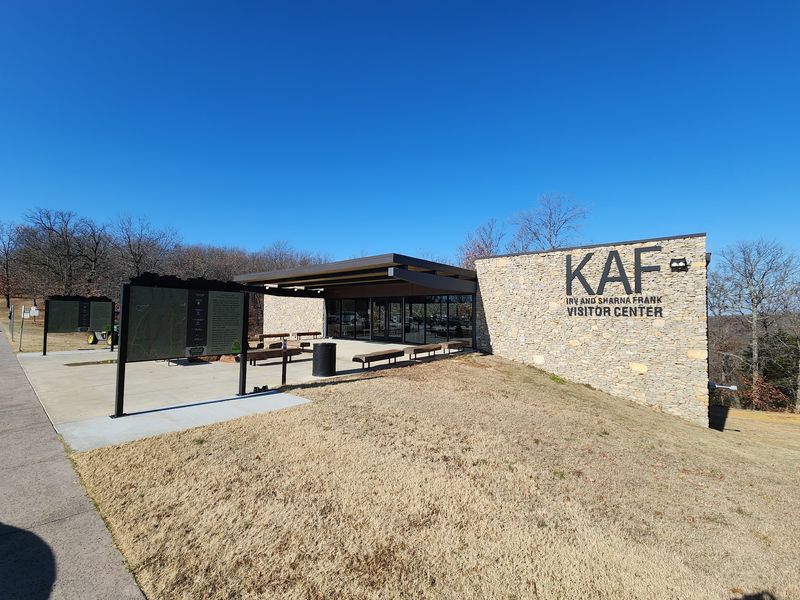
A million dollars went into building the Irv and Sharna Frank Visitor Center. It officially opened in 2021, and it makes a great first stop.
Inside, it’s climate-controlled, which feels like a gift during Oklahoma summers. You’ll find restrooms and a gift shop stocked with souvenirs.
It’s also a calm place to learn about the forest’s history and ecology. Grab a few facts before you head out, and the trees suddenly get more interesting.
Volunteer interpretive guides are often around to answer questions. Some even join hikers on the trail to share what they know.
Not sure which trail fits your energy level? Ask them, since they know these woods well.
Hiking sticks are free to borrow here too. They’re handy on rocky stretches and steep climbs.
Here’s a helpful timing tip. Arrive a few hours before closing so you aren’t rushing through the forest.
The preserve is open Thursday through Sunday. Hours run 7 a.m. to 2 p.m. on Thursday, and 7 a.m. to 6 p.m.
Friday through Sunday. It’s closed Monday through Wednesday, so don’t plan a midweek visit and end up staring at a locked gate.
Keep Your Eyes Open For Wings, Tails, And Paws
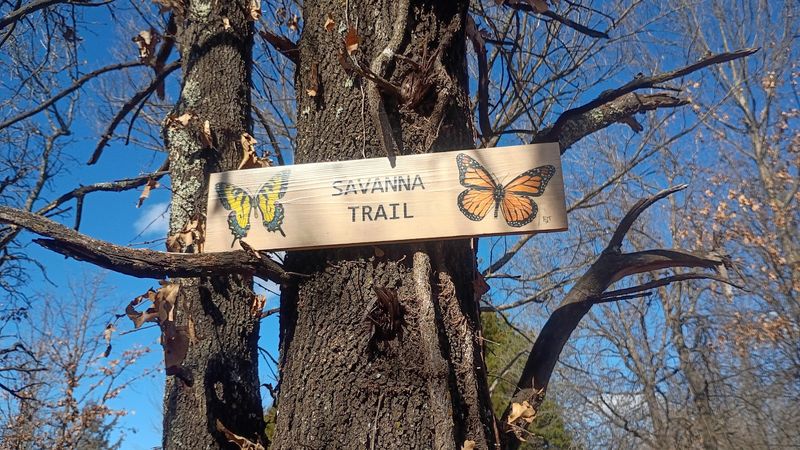
Over 80 species of butterflies flutter through this preserve. That’s a lot of color packed into one Oklahoma forest.
The wildlife list keeps going from there. Deer, bobcats, mountain lions, eagles, and migratory birds all call this area home or pass through it.
Spotting a mountain lion is unlikely, so don’t plan your day around it. Still, it’s fun knowing such shy animals share these woods.
Birdwatchers should bring binoculars. Migratory birds move through during the seasons, so each visit may bring different feathered guests.
Butterfly fans have even more to look forward to. The preserve is developing a butterfly savanna that’s expected to be one of the largest in Oklahoma once finished.
A savanna is an open, grassy area with scattered trees. It’s perfect for wildflowers, which butterflies love.
Move slowly and keep your voice low on the trails. Quiet hikers usually spot more animals than loud groups do.
Look down sometimes too. Tracks in soft dirt can tell you who wandered by earlier.
Above all, give wildlife plenty of space. Watching from a distance keeps both you and the animals happy, and that’s the best kind of encounter.
Your Dog Has Special Days On The Calendar
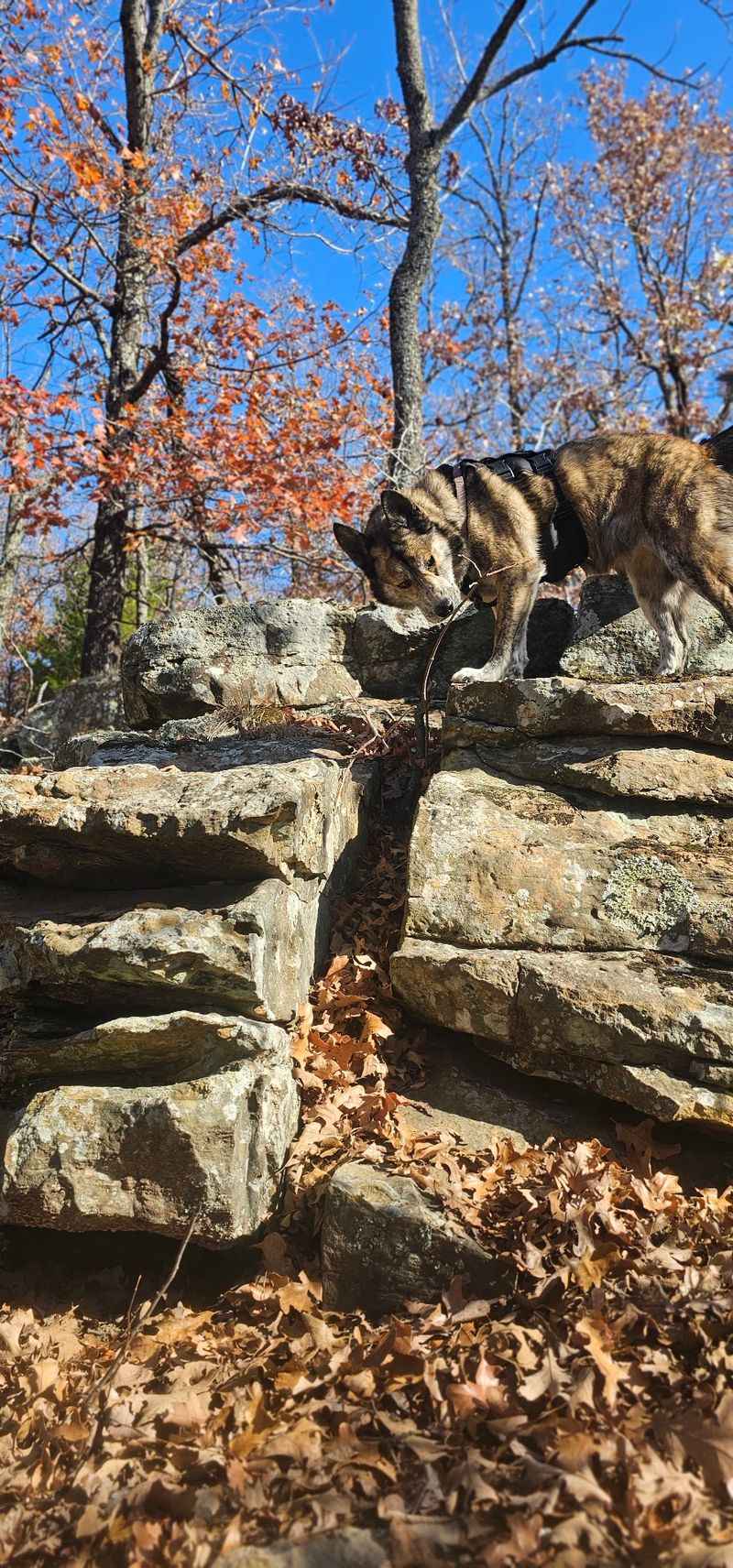
Leashed dogs can join the fun, but only on certain days. Mark the first Saturday and third Sunday of each month on your calendar.
Those dates keep things balanced. Wildlife gets quiet time, and pups still get their turn sniffing ancient trees.
Bring a sturdy leash and water for your four-legged buddy. Rocky trails can get warm, so watch their paws on hot days.
Events here make visits even livelier. Since 2015, the preserve has hosted a New Year’s Day Hike With Your Dog Day, which beats lounging on the couch all holiday.
Runners have options too. The annual Ancient Trail Trek offers 5K, 10K, and 15K distances, and proceeds help maintain the park.
An Ancient 5K run has also been part of the lineup.
Night owls, this one’s for you. Astronomy nights take place at times throughout the year, giving you a chance to see stars above the old forest.
Check the City of Sand Springs calendar before you go. Event dates shift, and you don’t want to miss a good one.
Honestly, a race through 500-year-old cedars sounds far more interesting than laps around a track.
A Forest Saved By People Who Cared
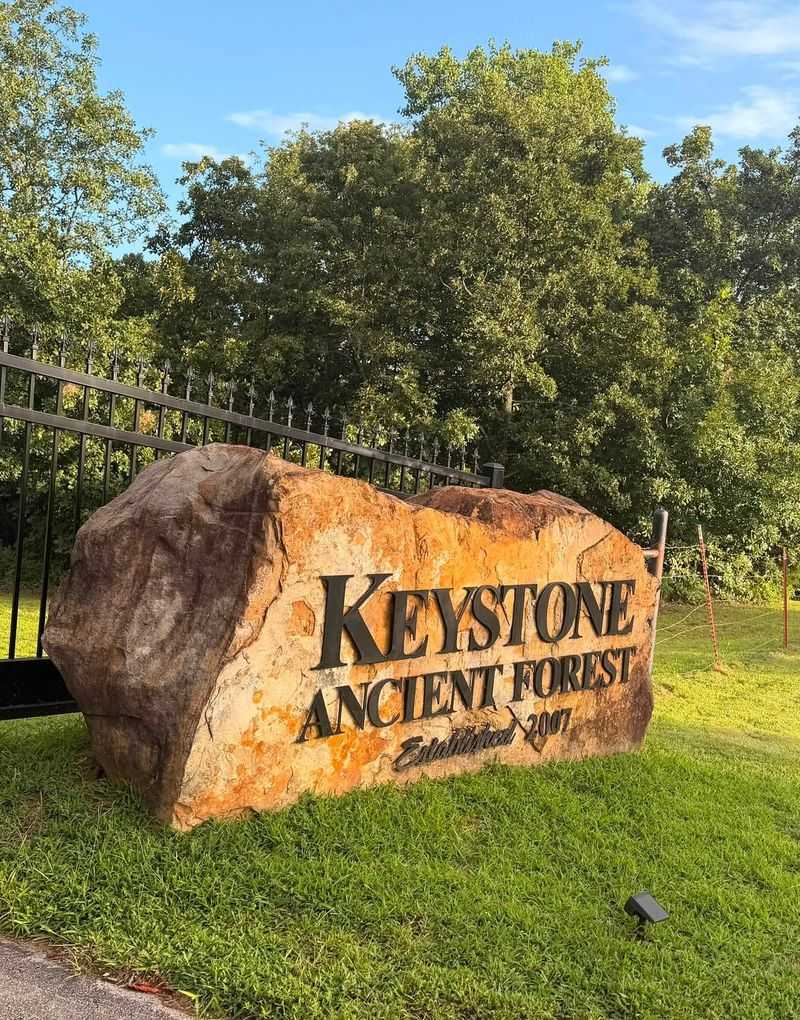
None of this happened by accident. Keystone Ancient Forest exists because a lot of people fought to protect it.
In 2001, the City of Sand Springs approved the Cross Timbers Scenic Acquisition proposal. Between 2001 and 2002, the Oklahoma Department of Transportation used $1.4 million in federal funds to buy the land.
The Nature Conservancy has helped manage the preserve since 2002. In 2004, former landowner Irv Frank chipped in $50,000.
The park first opened on a limited basis in fall 2007. A $200,000 state tourism grant helped get it going.
Then came a big promise for the future. In March 2015, the city donated a conservation easement to The Nature Conservancy, which keeps the land natural for good.
Today, the preserve covers about 1,360 acres. That’s plenty of room for old trees to keep doing their thing.
Finding it is easy. The address is 160 Ancient Forest Dr, Sand Springs, OK 74063, a short drive west of Tulsa.
When you visit, follow the trail rules and pack out your trash. These cedars made it 500 years, and with a little help, they can keep going strong for many more.
