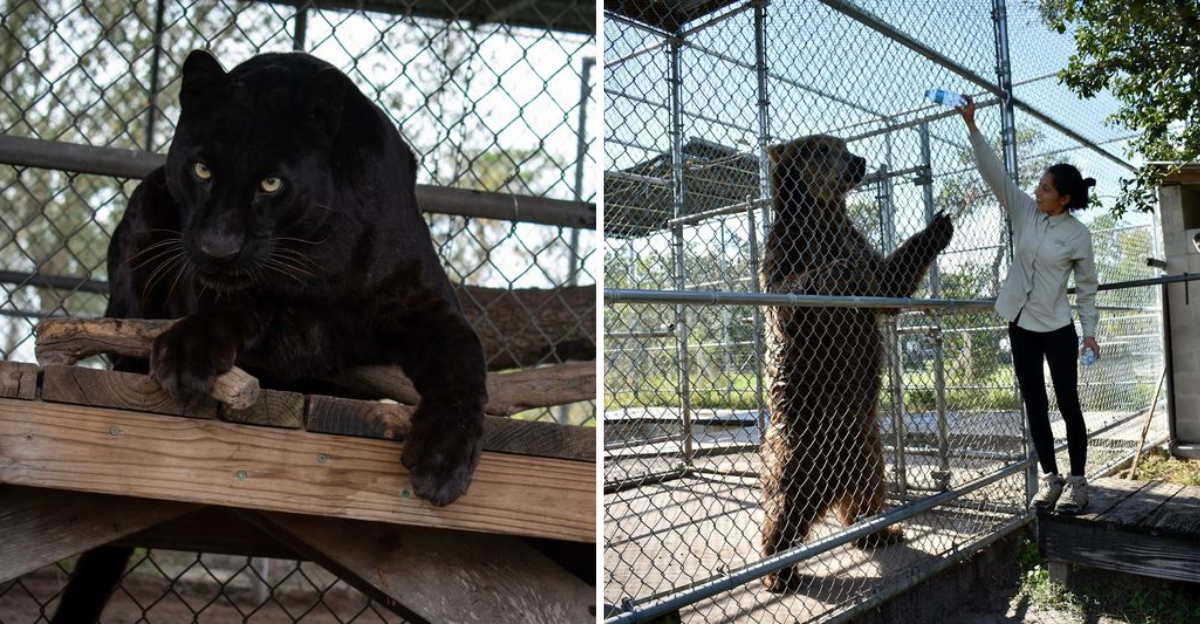
Tucked along a quiet stretch of road in rural Florida, this wildlife sanctuary feels like a secret the rest of the world has not quite discovered yet. The moment you hear a distant roar echo through the trees, you realize this place is something genuinely extraordinary.
Tigers, leopards, lemurs, tropical birds, and even a grizzly bear named Stanley call this sanctuary home, each with their own story of rescue and second chances. I visited on a warm Saturday morning and left feeling like I had witnessed something rare.
A place where compassion and conservation actually coexist. Founded in 2012, this entirely volunteer-run nonprofit has quietly become a lifeline for exotic and wild animals in desperate need of permanent care.
Wildlife enthusiasts, curious travelers, or anyone who just wants to feel hopeful about the world, this sanctuary will not disappoint.
A Sanctuary Born From Pure Compassion
Not every great idea starts in a boardroom. Elmira’s Wildlife Sanctuary began with something far more powerful: a deep, personal commitment to animals that had nowhere else to go.
Founded in 2012 in Wimauma, Florida, the sanctuary was built on the belief that every wild creature deserves a safe, loving place to live out its life with dignity.
The organization operates entirely as a nonprofit, which means every dollar donated goes directly toward the animals’ care. There are no investors or corporate backers pulling strings behind the scenes.
It runs on heart, hustle, and the dedication of volunteers who show up week after week because they genuinely love what they do.
What makes this origin story so compelling is that the sanctuary never set out to be flashy. It simply set out to help.
Over the years, that quiet mission has grown into something remarkable, a home for tigers, leopards, lemurs, tropical birds, and a lovable grizzly bear. The sanctuary proves that meaningful conservation doesn’t always start with big budgets.
Sometimes it starts with one person deciding that enough animals have fallen through the cracks, and that today, that changes.
Stanley the Grizzly Bear: The Star Resident
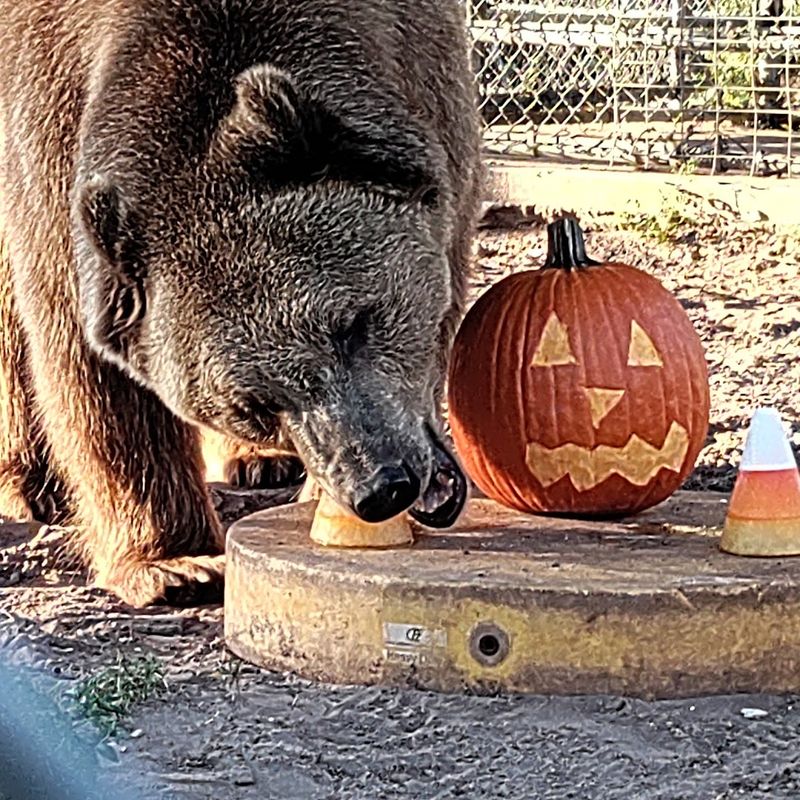
Ask any regular visitor who their favorite resident is, and you’ll hear the same name come up again and again: Stanley. This 12-year-old grizzly bear has become the unofficial ambassador of Elmira’s Wildlife Sanctuary, and honestly, it’s not hard to see why.
There’s something magnetic about watching a creature that massive move with such calm, unhurried confidence.
Stanley was rescued and brought to the sanctuary after it became clear he couldn’t survive in the wild. His enclosure gives him plenty of room to roam, and the team works hard to keep him mentally stimulated with enrichment activities.
Grizzlies are incredibly intelligent animals, and boredom is genuinely bad for their wellbeing.
During the devastating back-to-back hurricanes Helene and Milton in October 2024, one of the first questions people asked was whether Stanley was okay. He was, thankfully, along with every other animal on the property.
That collective concern from the public says everything about how deeply this bear has worked his way into people’s hearts. Visiting the sanctuary and seeing Stanley in person is one of those experiences that shifts your perspective on wildlife conservation in a way no documentary ever quite manages to.
Big Cats With Big Stories
There’s a moment during the sanctuary tour when you round a corner and suddenly a tiger is just there, closer than you’d ever expect, separated by secure fencing but close enough to feel the full weight of its presence. My heart did something unexpected in that moment.
It wasn’t fear exactly, more like a deep, instinctive recognition of something wild and beautiful.
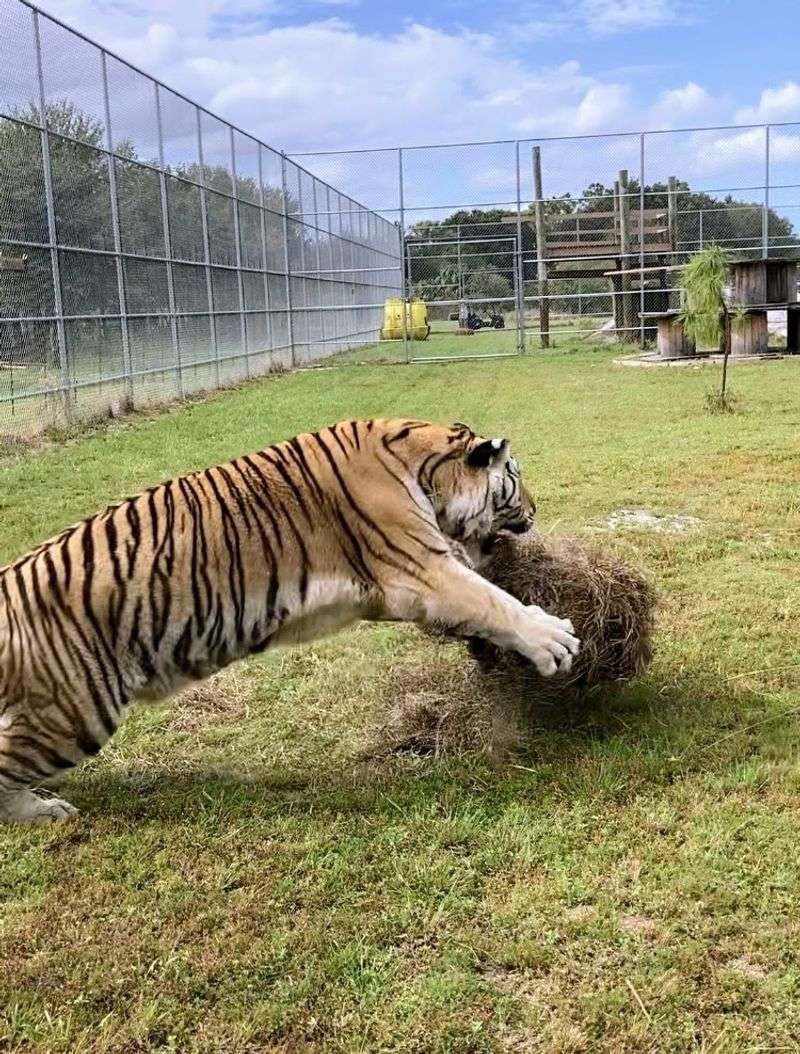
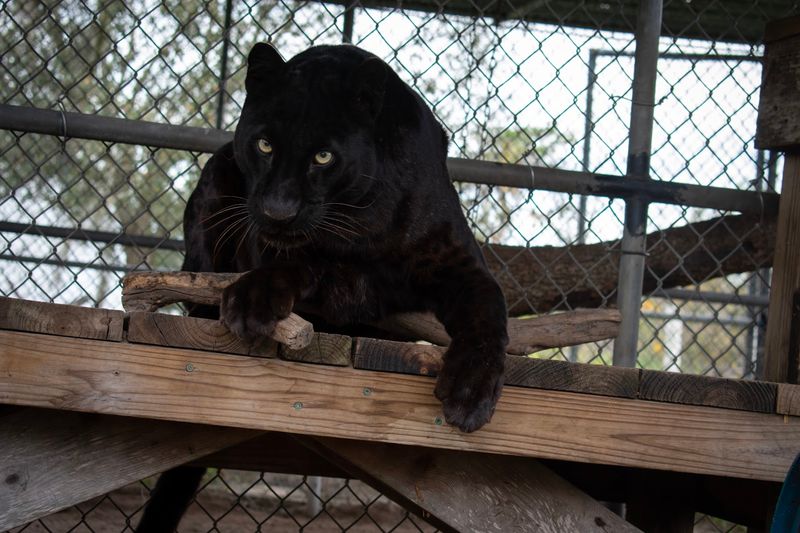
Elmira’s Wildlife Sanctuary is home to both tigers and leopards, two of the most iconic big cat species on the planet. These animals arrived at the sanctuary from a variety of difficult situations, including private ownership scenarios where they were kept in conditions that couldn’t meet their complex physical and behavioral needs.
The sanctuary gives them space, proper nutrition, and the specialized care they require.
Big cats don’t thrive in small spaces or without mental stimulation. The team at Elmira’s takes enrichment seriously, introducing new scents, objects, and activities to keep these animals engaged and healthy.
Watching a tiger interact with an enrichment item placed in its enclosure reveals a playful side that most people never get to see. These aren’t just rescued animals.
They’re individuals with personalities, preferences, and moods that make every visit feel like meeting someone new.
Lemurs, Tropical Birds, and the Unexpected Residents
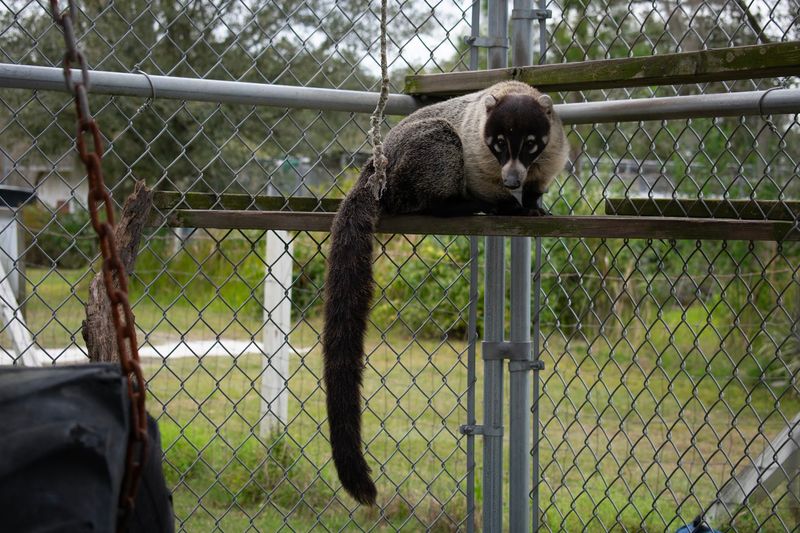
Beyond the big cats and Stanley the bear, Elmira’s Wildlife Sanctuary is home to a cast of characters that genuinely surprises first-time visitors. Lemurs peer out with those wide, expressive eyes that make them look perpetually astonished by everything around them.
Tropical birds fill the air with color and sound in a way that feels almost surreal against the quiet Florida landscape.
Lemurs are native to Madagascar and are classified as endangered due to severe habitat loss. Seeing them up close at the sanctuary offers a rare opportunity to connect with a species that most people only encounter in nature documentaries.
The sanctuary’s care for these animals goes beyond feeding schedules; it includes behavioral enrichment tailored to each species’ natural instincts.
The tropical birds bring an entirely different energy to the property. Bright plumage, unexpected vocalizations, and curious personalities make the avian residents endlessly entertaining to observe.
Some species represented here are also facing significant pressure in the wild from habitat destruction and the exotic pet trade. Learning about their backgrounds during the guided tours adds real depth to what could otherwise be a simple sightseeing experience.
Every animal here has a story worth knowing.
Volunteer-Powered: The People Behind the Mission
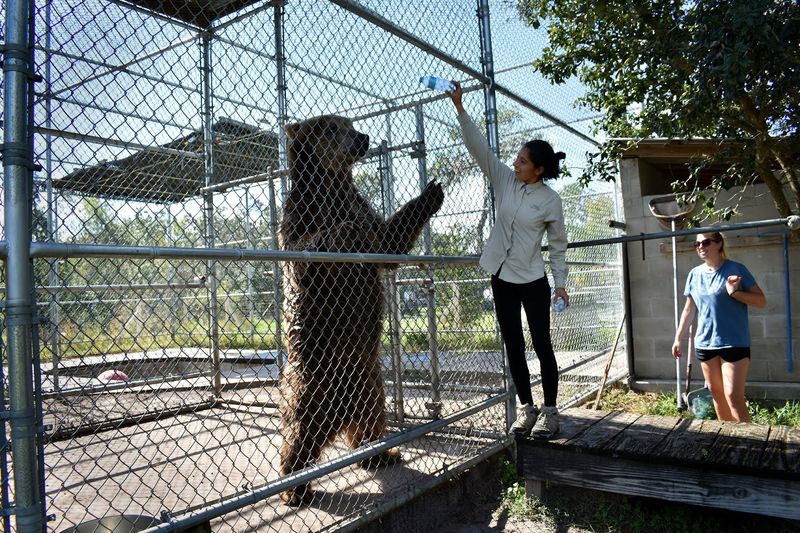
Running a wildlife sanctuary without paid staff sounds impossible, but Elmira’s Wildlife Sanctuary does exactly that. Every single person who shows up to feed the animals, clean the enclosures, repair storm damage, or lead a public tour is a volunteer.
That fact alone changes how you see the place once you know it.
The volunteer culture here is genuinely inspiring. People from all walks of life show up regularly because they believe in the mission and find real meaning in the work.
It’s not glamorous labor, caring for big cats and bears involves serious physical effort and a steep learning curve around animal behavior and safety protocols.
After hurricanes Helene and Milton tore through the property in late 2024, it was volunteers who descended on the sanctuary to clear downed trees, assess damaged enclosures, and make sure every animal was safe and accounted for. That kind of loyalty isn’t manufactured.
It grows organically when people feel connected to something larger than themselves. Supporting the sanctuary through donations directly funds the supplies and resources that make the volunteers’ work possible.
A $25 contribution covers supplements for senior residents. Fifty dollars provides enrichment toys for the tigers.
Small amounts genuinely add up to something meaningful here.
Educational Tours That Actually Teach Something

Public tours at Elmira’s Wildlife Sanctuary run every Saturday at 11 AM, 12:30 PM, and 2 PM, with additional tours on the first Sunday of each month at 12:30 PM and 2 PM. Private and group tours can also be arranged by appointment, which makes this a genuinely flexible option for families, school groups, and corporate outings looking for something beyond the ordinary.
What sets these tours apart from a typical zoo visit is the depth of information shared by the guides. You’re not just looking at animals from a distance and reading a placard.
You’re learning about each animal’s individual backstory, their species’ conservation status, and the specific challenges that brought them to the sanctuary in the first place. That context transforms the experience entirely.
I came away from the tour knowing things I hadn’t expected to learn. The guides have a way of making complex conservation topics feel immediate and personal rather than abstract and distant.
Kids respond especially well to this format because the animals are right there, real and present, making everything feel urgent and relevant. The sanctuary’s educational mission isn’t a side feature.
It’s woven into every moment of the tour experience, and that intentionality shows.
How Storms Tested the Sanctuary and What Came Next
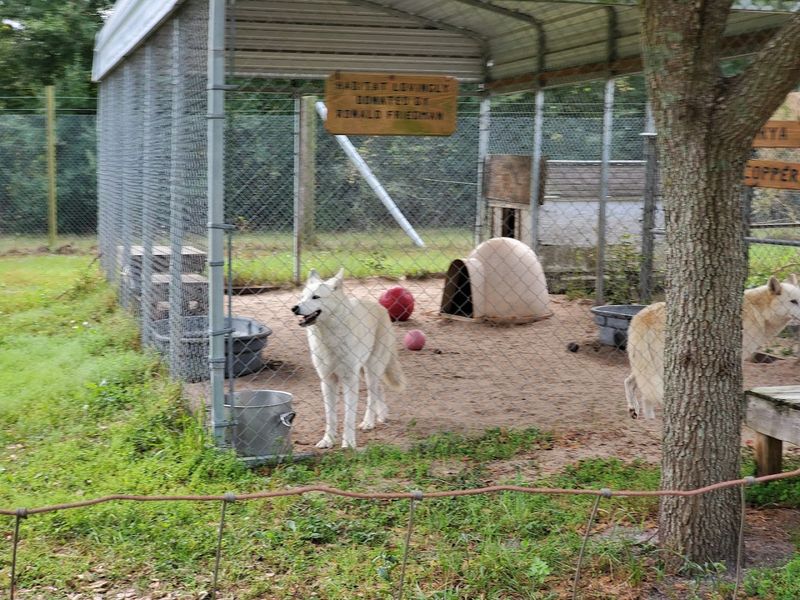
October 2024 brought two of the most destructive storms to hit the Tampa Bay area in recent memory. Hurricanes Helene and Milton arrived within weeks of each other, leaving a trail of downed trees, flooded roads, and structural damage across the region.
For Elmira’s Wildlife Sanctuary, the impact was significant and immediate.
Enclosures were damaged. Trees came down across the property.
The logistical challenge of keeping large, powerful, and sometimes frightened animals safe during back-to-back hurricane events is something most people never think about. The sanctuary team and its volunteers worked around the clock to assess damage, secure the animals, and begin the long process of recovery.
Every single animal, including Stanley the grizzly bear, came through unharmed. That outcome wasn’t luck.
It was the result of careful planning, a deeply committed volunteer base, and years of building a sanctuary infrastructure designed to withstand Florida’s unpredictable weather. The recovery period highlighted just how dependent the sanctuary is on public support.
Donations during and after the storms helped fund repairs and essential supplies. The resilience shown by everyone involved was remarkable, and it reinforced why places like this matter so much.
Address: 13910 Seminole Trail, Wimauma, FL
