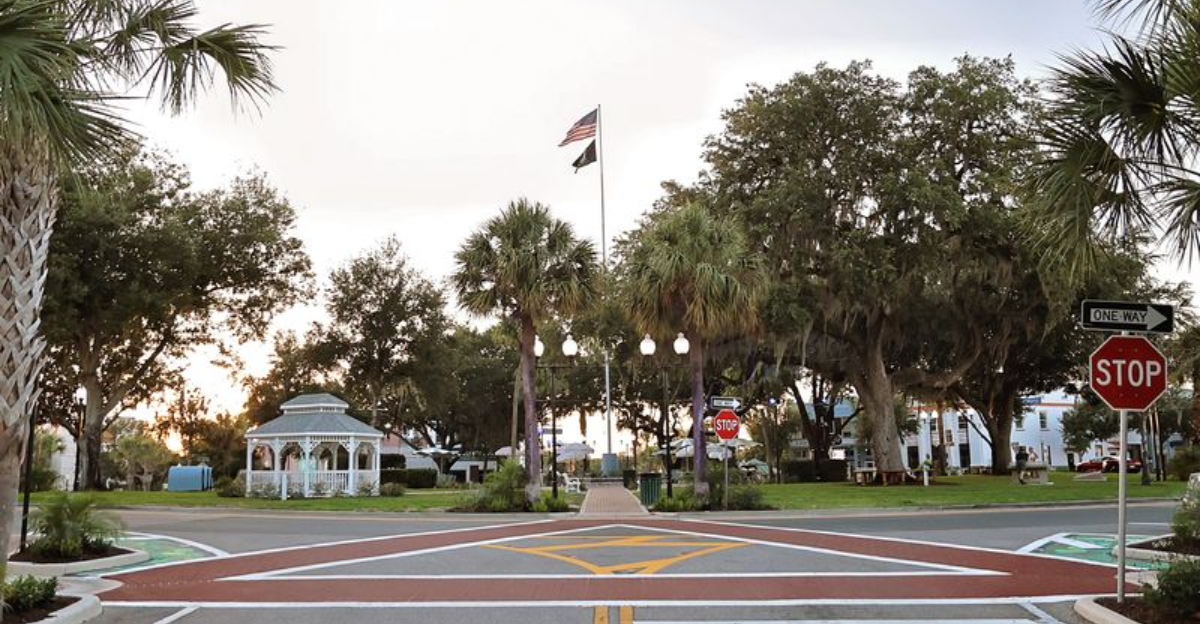
Florida’s small towns often appear quiet and unassuming throughout most of the year, with their charming streets and friendly locals creating a peaceful atmosphere that feels worlds away from the bustling tourist hubs.
However, when festival season rolls around, these communities transform into vibrant celebrations of culture, history, and local traditions that draw visitors from across the country.
From seafood festivals along the Gulf Coast to art shows in historic downtown districts, these events showcase the unique character and spirit that make each town special.
Whether you’re searching for fresh oysters, handcrafted art, or thrilling motorsports, these eleven Florida towns prove that the most memorable experiences often come from the most unexpected places.
1. Mount Dora
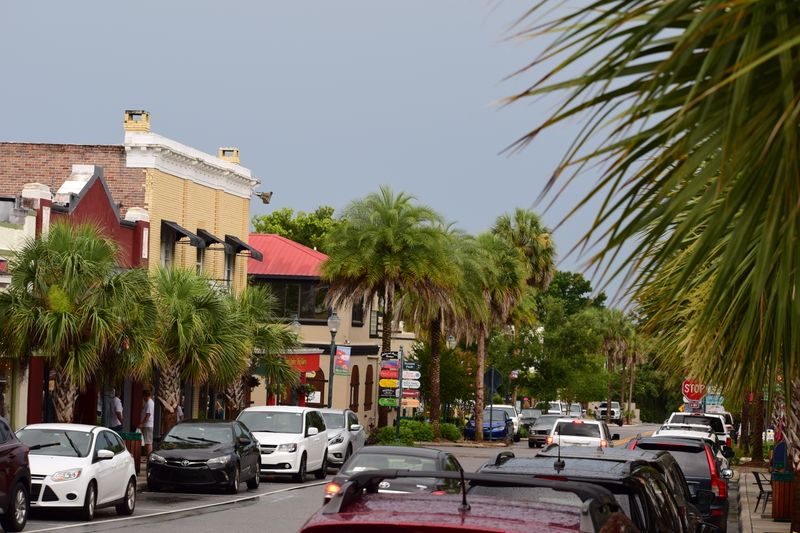
Nestled among rolling hills and sparkling lakes, this charming community north of Orlando maintains an old-world elegance that captivates visitors year-round.
The historic downtown features brick-lined streets, antique shops housed in century-old buildings, and waterfront views that create a postcard-perfect setting.
Most days, locals stroll leisurely through the quiet streets, stopping for coffee at cozy cafes or browsing vintage treasures in family-owned stores.
Everything changes when the Mount Dora Arts Festival arrives each February, transforming the peaceful town into one of the nation’s premier outdoor art exhibitions.
Hundreds of artists from across the country set up displays along the streets, showcasing paintings, sculptures, jewelry, and handcrafted items that represent countless hours of creative dedication.
The festival draws over 250,000 visitors during its three-day run, filling every corner of downtown with energy and excitement.
Street performers entertain crowds at intersections while food vendors offer everything from gourmet cuisine to classic festival favorites.
Galleries that normally see modest foot traffic suddenly buzz with collectors and art enthusiasts seeking that perfect piece to take home.
Local restaurants extend their hours and outdoor seating to accommodate the influx of hungry festival-goers.
The lakefront becomes a gathering spot where families relax between browsing sessions, watching boats drift by while musicians provide live entertainment.
When the festival ends and the tents come down, Mount Dora returns to its tranquil rhythm, but residents already begin anticipating next year’s transformation.
The contrast between everyday calm and festival excitement perfectly captures what makes this town so special to those who discover it.
2. Cedar Key
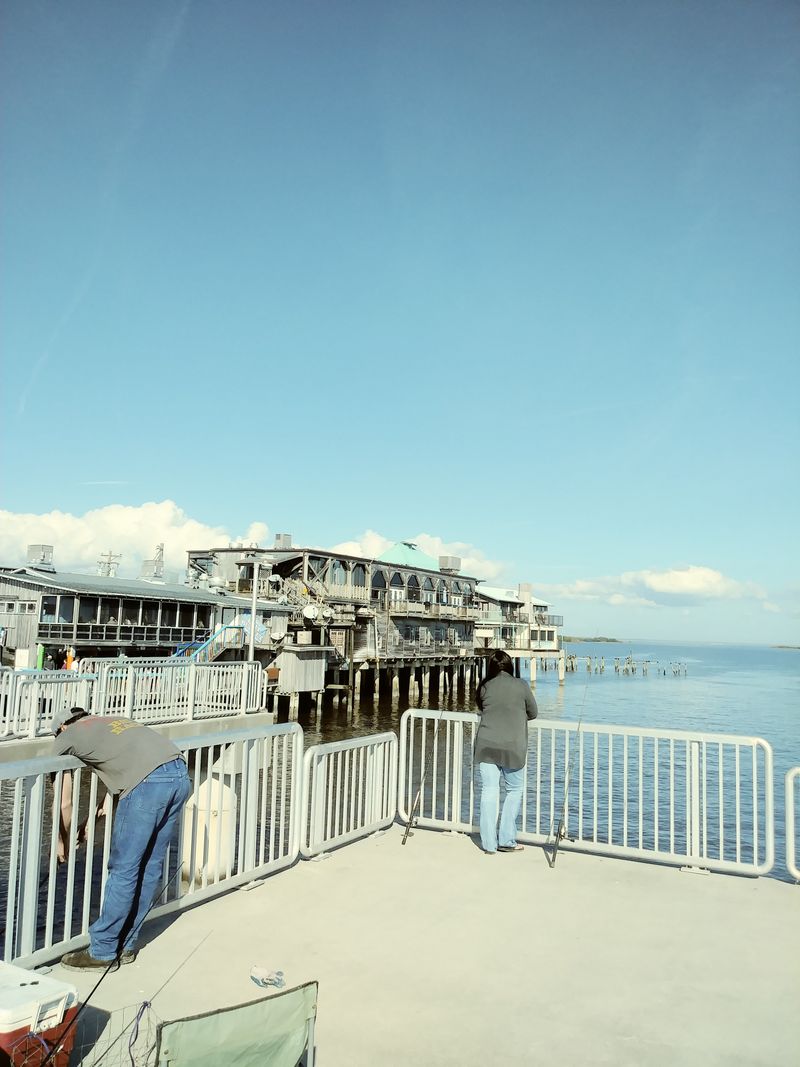
This island community sits at the end of a scenic causeway, where the Gulf of Mexico meets Old Florida charm in the most authentic way imaginable.
Weathered docks stretch into blue-green waters where fishing boats bob gently, their captains preparing for another day harvesting the sea’s bounty.
The town’s few streets feature galleries showcasing local artists, small restaurants serving whatever was caught that morning, and shops selling handmade crafts.
Life moves slowly here, with pelicans and herons providing most of the action as they dive for fish near the shore.
Visitors who arrive during the annual Cedar Key Seafood Festival witness a completely different scene unfold before their eyes.
The waterfront explodes with activity as thousands descend upon this normally quiet refuge to celebrate the region’s rich maritime heritage.
Fresh clams, oysters, shrimp, and fish prepared dozens of different ways fill vendor booths that line the streets.
The aroma of seafood cooking over open flames mixes with salt air, creating an intoxicating atmosphere that defines coastal Florida.
Local craftspeople display their wares under colorful tents, offering everything from handwoven baskets to paintings capturing the island’s natural beauty.
Live music echoes across the waterfront throughout the weekend, with bands playing everything from country to classic rock.
Families spread blankets on the grass while children run freely, their faces painted and hands clutching cotton candy.
The festival celebrates not just seafood but the entire lifestyle that defines this unique corner of Florida’s Nature Coast.
When Monday arrives and the crowds depart, Cedar Key settles back into its peaceful existence until the cycle repeats next year.
3. Sebring
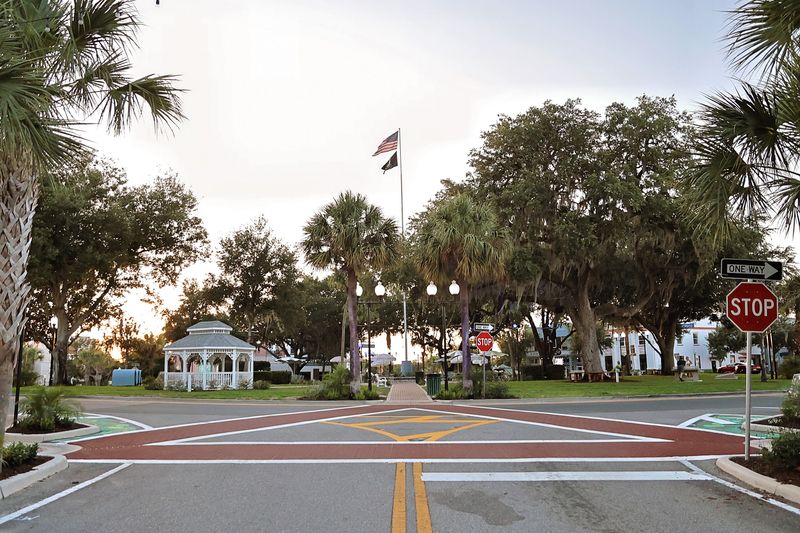
Central Florida’s landscape of citrus groves and cattle ranches seems an unlikely home for one of motorsports’ most legendary venues.
Throughout most of the year, this community maintains a quiet, small-town atmosphere where agriculture and fishing dominate local conversations.
Downtown features typical small-town amenities including locally-owned shops, family restaurants, and a historic circle that serves as the community’s gathering point.
The famous raceway sits relatively quiet much of the year, hosting occasional events that draw modest crowds of dedicated enthusiasts.
Everything transforms each March when the 12 Hours of Sebring brings international attention and tens of thousands of racing fans.
This legendary endurance race has been testing drivers and machines since 1952, creating traditions that span generations of motorsports families.
The roar of high-performance engines replaces the usual soundtrack of birdsong and distant traffic as teams from around the world compete.
Camping areas surrounding the track become temporary cities where fans gather around motorhomes, grills smoking and racing stories flowing freely.
The infield transforms into a festival atmosphere with vendor displays, interactive exhibits from racing manufacturers, and entertainment beyond the track action.
Local hotels fill months in advance while restaurants prepare for their busiest weekend of the entire year.
The town’s population temporarily swells as racing teams, media members, and fans converge from every corner of the globe.
Night racing adds extra drama as headlights cut through Florida darkness while drivers battle fatigue and mechanical challenges.
When the checkered flag finally waves after twelve grueling hours, Sebring begins its transition back to agricultural community.
The contrast couldn’t be more striking between race weekend chaos and the peaceful weeks that follow.
4. Apalachicola
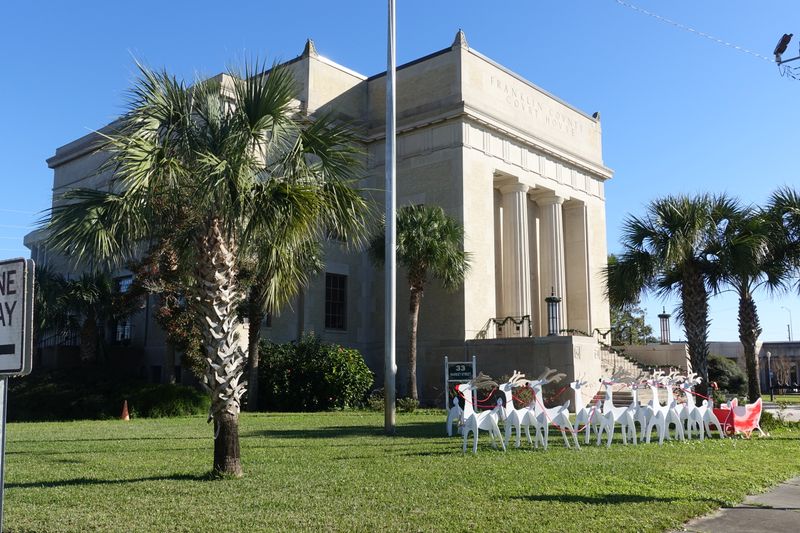
Tucked along Florida’s forgotten coast, this historic port town seems frozen in time with its Victorian-era architecture and working waterfront.
Shrimp boats and oyster vessels line the docks where they’ve worked for generations, their crews continuing traditions passed down through families.
The downtown district features galleries, bookshops, and seafood restaurants housed in buildings that witnessed centuries of Gulf Coast history.
Spanish moss drapes from ancient oak trees, creating shadows across quiet streets where locals exchange greetings and catch up on town news.
Most visitors arrive seeking the famous Apalachicola oysters, considered among the finest anywhere, harvested from the pristine bay waters.
The annual Apalachicola Oyster Cook-Off transforms this peaceful community into a celebration of the mollusk that built its economy.
Teams compete to create the most creative and delicious oyster dishes, from traditional preparations to wildly inventive culinary experiments.
The competition draws professional chefs and amateur cooks alike, all hoping to claim bragging rights for their oyster creations.
Thousands of visitors pack the waterfront area, sampling entries while enjoying live music that ranges from local bands to regional favorites.
Shucking competitions test speed and skill as contestants race to open dozens of oysters with precision and flair.
Children participate in special activities while parents explore vendor booths offering local crafts, artwork, and Gulf Coast specialties.
The festival atmosphere spreads throughout downtown as restaurants offer special menus and shops extend their hours for the crowds.
When the weekend concludes, Apalachicola returns to its unhurried pace, where the biggest excitement might be watching pelicans dive for fish.
The town’s ability to host such a lively event while maintaining its authentic character makes it truly special.
5. Dade City
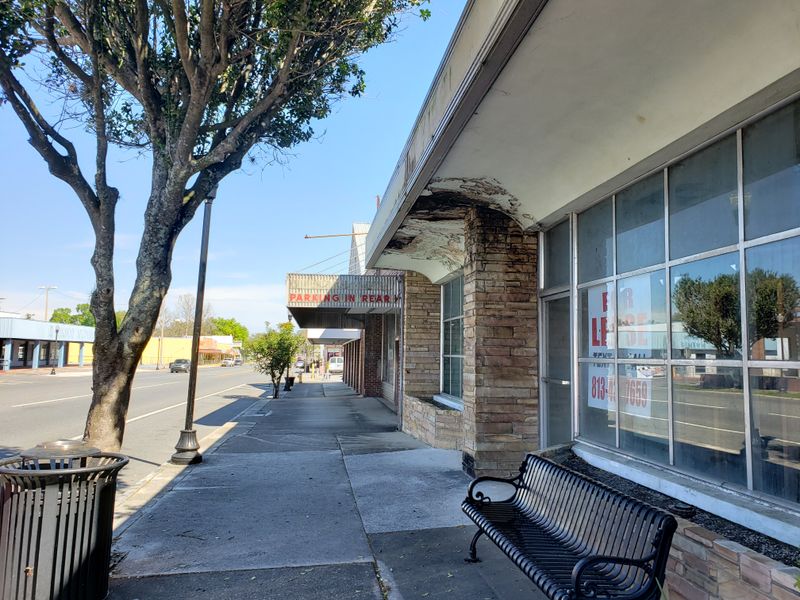
This Pasco County community embodies Old Florida charm with its historic courthouse square and tree-lined residential streets.
Antique shops fill downtown storefronts, offering treasures ranging from vintage furniture to collectible glassware that draws dealers from across the state.
The pace of life here moves deliberately, with locals preferring front porch conversations to the rush found in nearby Tampa.
On typical weekends, visitors browse antique stores, enjoy lunch at family-owned restaurants, and appreciate the town’s preserved architectural heritage.
January brings the Kumquat Festival, celebrating the tiny citrus fruit that thrives in local groves and defines the community’s agricultural identity.
What started as a small celebration has grown into a major event attracting over 50,000 visitors to streets normally traveled by just a few hundred.
Vendors offer every kumquat product imaginable, from jams and jellies to ice cream, pies, and even kumquat-infused beverages.
The festival showcases more than just citrus, with hundreds of craft vendors displaying handmade jewelry, woodwork, paintings, and unique creations.
Live music fills multiple stages throughout downtown, providing entertainment that ranges from country to rock to children’s performers.
Food trucks and vendors supplement the kumquat offerings with everything from barbecue to international cuisine, ensuring nobody goes hungry.
The historic courthouse becomes a backdrop for family photos as children enjoy carnival rides and games set up in nearby lots.
Local organizations use the festival as their major fundraiser, operating food booths and selling drinks to support community projects.
Antique dealers prepare all year for festival weekend, knowing collectors will travel specifically to combine shopping with the celebration.
When the crowds disperse, Dade City returns to its quiet rhythm, though residents remain proud of their unique festival legacy.
6. Micanopy
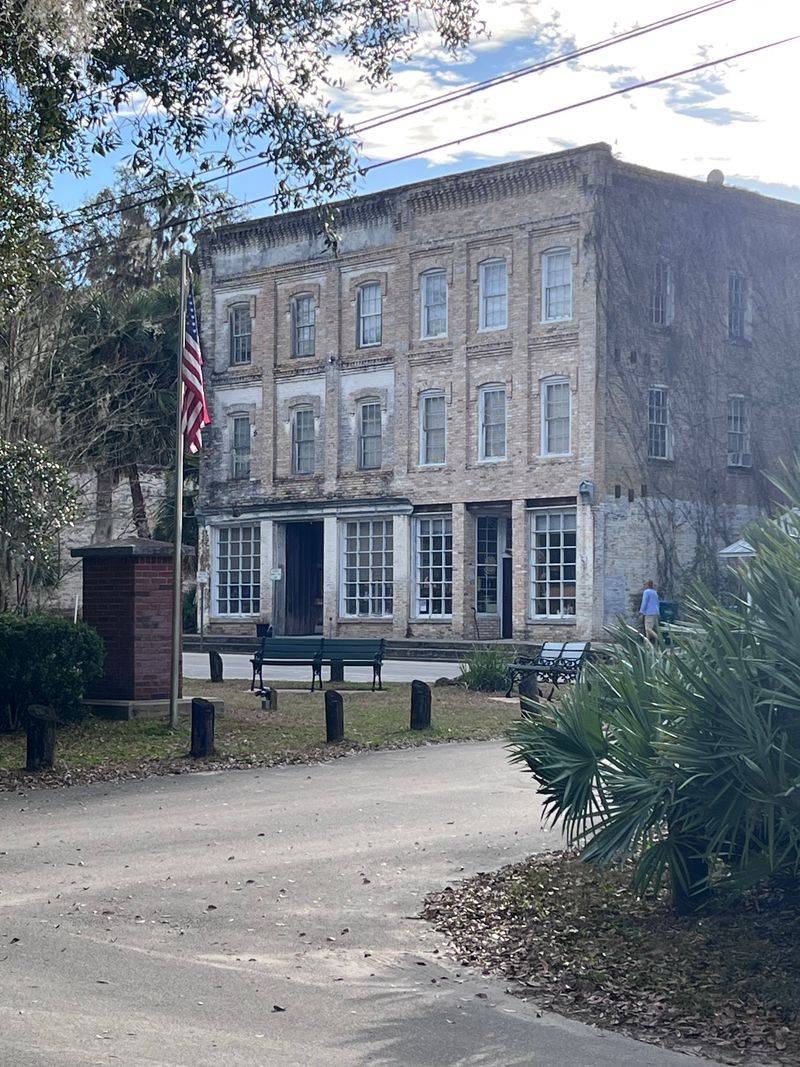
Florida’s second-oldest town maintains an atmosphere that feels more like a movie set than a functioning community.
Massive oak trees create a canopy over the main street, their branches heavy with Spanish moss that sways in gentle breezes.
Historic buildings house antique shops and cafes where time seems to have stopped somewhere around 1950.
The entire downtown stretches only a few blocks, making it possible to explore thoroughly in an afternoon of leisurely wandering.
Most days bring only a handful of visitors seeking vintage treasures or escaping modern life’s frantic pace.
The Micanopy Fall Harvest Festival changes everything, filling the historic streets with thousands who come to experience small-town Florida at its finest.
Artists and craftspeople display their work under the ancient oaks, creating an outdoor gallery that extends the length of the downtown district.
Handmade pottery, paintings capturing Florida landscapes, custom jewelry, and woodwork crafted by skilled artisans attract serious collectors and casual browsers alike.
Local food vendors prepare traditional Southern dishes alongside more contemporary offerings, with proceeds often benefiting community organizations.
Live music provides a soundtrack to the festival, with performers playing on stages set up at strategic locations throughout town.
The fall timing means comfortable temperatures replace summer’s oppressive heat, making outdoor browsing actually enjoyable.
Families spread blankets in shaded areas, relaxing between shopping expeditions while children play games organized by local volunteers.
The antique shops that form Micanopy’s economic backbone see their busiest weekend of the year as collectors flock to discover hidden gems.
When autumn leaves finally settle and the festival ends, this tiny town returns to its peaceful existence, waiting patiently for next year’s celebration.
7. St. Augustine
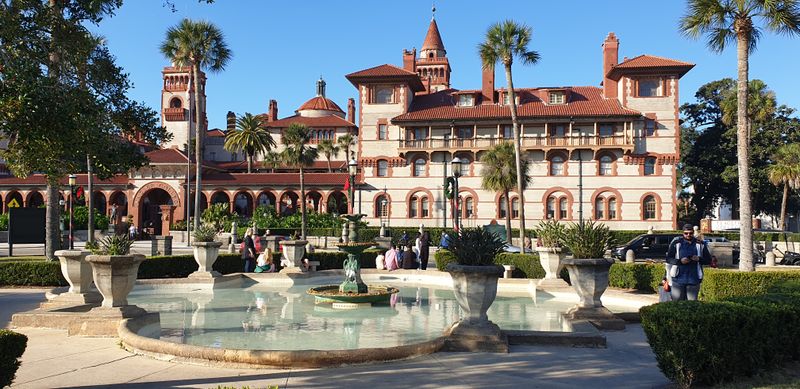
America’s oldest continuously occupied European settlement carries the weight of over 450 years of history in its cobblestone streets and fortress walls.
The Spanish colonial architecture, preserved fortifications, and historic homes create an atmosphere unlike anywhere else in the United States.
Throughout most of the year, visitors explore museums, tour the imposing Castillo de San Marcos, and wander through the historic district’s shops and restaurants.
The city maintains a steady tourism presence, but the crowds remain manageable and the pace relatively relaxed compared to other Florida destinations.
Everything transforms when Nights of Lights begins each November, covering the historic district in millions of twinkling white lights.
This spectacular display runs for two months, turning the already beautiful city into a magical wonderland that draws visitors from around the world.
Every tree, building, bridge, and monument receives careful decoration, creating scenes that photographers dream about capturing.
Horse-drawn carriages clip-clop through illuminated streets while families stroll hand-in-hand, stopping frequently to admire particularly stunning displays.
Restaurants and shops extend their hours and create special offerings to accommodate the increased visitor numbers throughout the holiday season.
The waterfront becomes especially popular as lights reflect off the Matanzas Bay, doubling the visual impact of the decorations.
Local residents take pride in the display, with many decorating their own homes to contribute to the citywide celebration.
Special events throughout the season include holiday concerts, parades, and festivals that add to the festive atmosphere.
Hotels book solid months in advance as repeat visitors plan their annual pilgrimage to experience the lights once again.
When January arrives and the lights come down, St. Augustine returns to its historical attractions, though the memory of those illuminated nights lingers.
8. Mount Plymouth
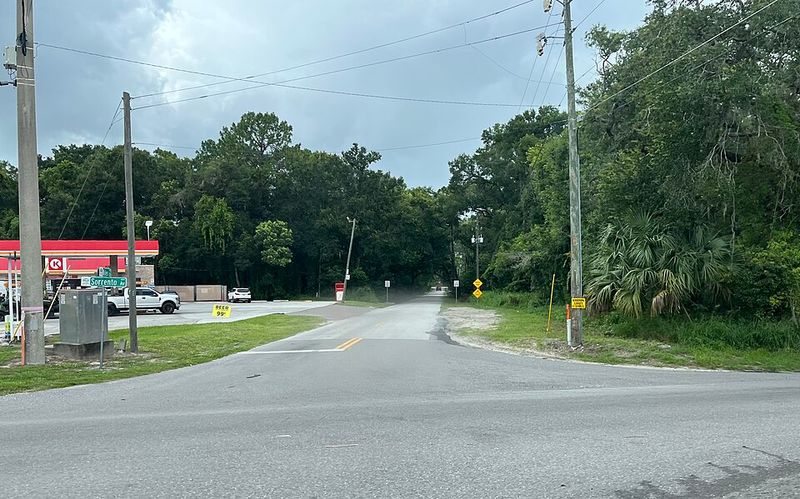
This small Lake County community barely registers on most Florida maps, existing primarily as a residential area between larger towns.
The landscape features rolling terrain unusual for Florida, with hills and lakes creating scenic views that attracted settlers generations ago.
Most residents commute to nearby cities for work, returning to enjoy the peace and quiet of their neighborhood community.
There’s no traditional downtown or commercial district, just scattered homes, a few churches, and the natural beauty that defines rural Florida.
The annual Mount Plymouth Fall Festival brings this quiet community together in a celebration that showcases small-town values and neighborly spirit.
Local organizations coordinate the event, transforming a community park into a festival ground filled with vendors, entertainment, and activities.
Area craftspeople display handmade items while local businesses set up booths to connect with neighbors and introduce their services.
Food vendors offer everything from barbecue to funnel cakes, with proceeds often supporting local schools, fire departments, or community improvement projects.
Live entertainment features local musicians and bands, giving area performers a chance to showcase their talents before an appreciative hometown crowd.
Children enjoy carnival rides, face painting, and games organized by volunteers who remember when they were young festival-goers themselves.
The festival creates a sense of community identity for an area that lacks the traditional town center that naturally brings people together.
Neighbors who might only wave in passing during the year stop to catch up and strengthen connections that define small-town life.
When the festival ends and the park returns to normal, residents carry that community spirit with them until next fall’s gathering.
For one weekend each year, Mount Plymouth becomes more than just a place on a map.
9. New Smyrna Beach
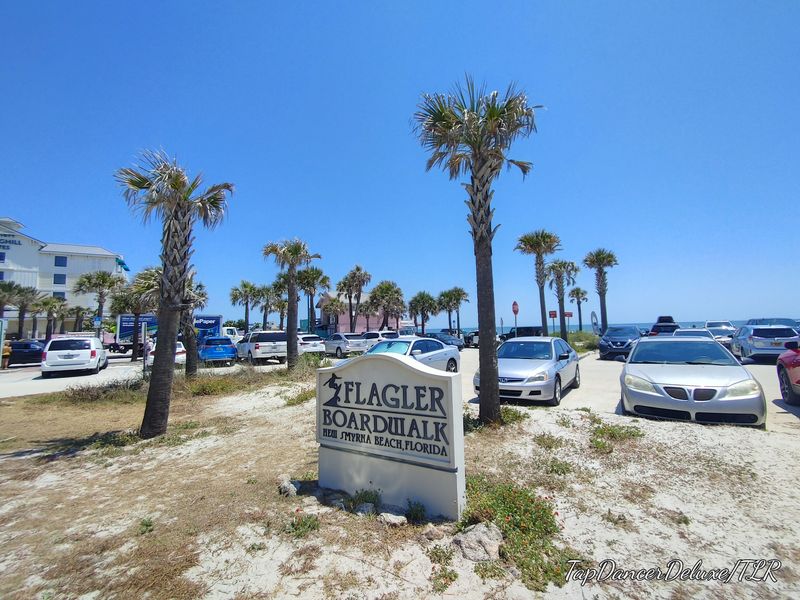
This coastal community has long attracted artists, surfers, and those seeking a more laid-back beach experience than neighboring Daytona offers.
The historic downtown features galleries showcasing work by local and regional artists who’ve made this area their creative home.
Flagler Avenue, the main beach access street, offers casual restaurants, surf shops, and the kind of authentic beach-town vibe that’s increasingly rare in Florida.
Most days bring a steady stream of beach-goers, but the town never feels overcrowded or overwhelmed by tourism.
The annual New Smyrna Beach Jazz Festival elevates the community’s already strong arts reputation, drawing music lovers from across the Southeast.
Top jazz musicians perform throughout the weekend, with stages set up along the riverfront and in downtown locations.
The festival attracts serious jazz enthusiasts who appreciate the quality of performers and the intimate venue settings.
Unlike massive music festivals where crowds prevent real connection with the music, this event maintains a manageable scale that enhances the experience.
Attendees can actually see the musicians, watch their techniques, and feel the music in ways impossible at larger venues.
Between performances, visitors explore the art galleries that stay open late, browse craft vendors, and sample food from local restaurants.
The waterfront location provides a stunning backdrop as sunset colors paint the sky while smooth jazz fills the evening air.
Local accommodations fill with visitors who return year after year, making the festival a tradition and reunion combined.
The event showcases New Smyrna Beach’s commitment to arts and culture, distinguishing it from purely tourist-focused beach communities.
When the final notes fade, the town returns to its artistic, surfing roots, already planning next year’s musical celebration.
10. Fernandina Beach
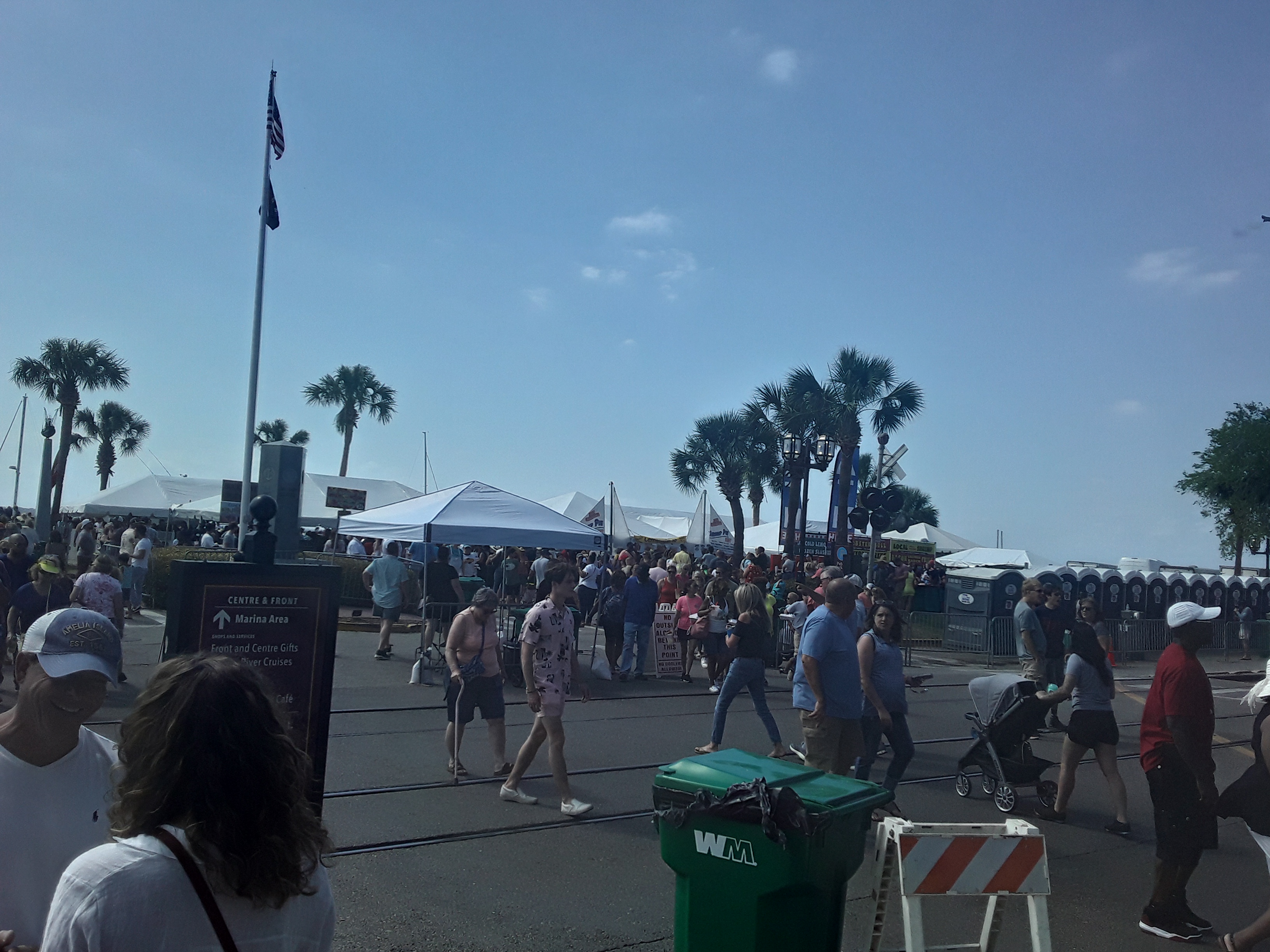
This island community at Florida’s northeast corner preserves its Victorian-era downtown with a dedication that borders on obsessive.
Centre Street features brick buildings housing shops, restaurants, and galleries that maintain the architectural integrity of the late 1800s.
The working waterfront still hosts shrimp boats that head out daily, continuing the maritime traditions that built this community.
Most weekends bring a pleasant mix of tourists and locals enjoying the beaches, historic district, and relaxed island atmosphere.
The Isle of Eight Flags Shrimp Festival transforms Fernandina Beach into one of the Southeast’s premier celebrations of maritime heritage and coastal culture.
The festival name references the eight different flags that have flown over Amelia Island throughout its complex history.
Shrimp boats parade through the harbor, decorated elaborately and competing for prizes that recognize the most creative displays.
The festival grounds stretch along the waterfront and throughout downtown, with hundreds of vendors offering everything from fresh seafood to handcrafted artwork.
Food vendors prepare shrimp every way imaginable, from traditional boiled and fried preparations to creative dishes that showcase culinary innovation.
Parades wind through historic streets as crowds line sidewalks, children scrambling for candy while adults admire the floats and marching bands.
Live music stages feature regional and national acts, providing entertainment that ranges from country to rock to beach music.
The festival draws over 150,000 visitors during its three-day run, temporarily transforming this quiet island into a bustling celebration.
Local businesses prepare all year for their busiest weekend, with restaurants and shops seeing sales that significantly impact their annual revenues.
When Monday arrives and the crowds depart, Fernandina Beach returns to its peaceful existence, the shrimp boats heading back to their regular routines.
11. DeLand
Home to Stetson University, this Volusia County seat blends college-town energy with historic preservation and small-town charm.
The downtown features beautifully maintained buildings surrounding a courthouse square that serves as the community’s gathering place.
Students from the university add youthful energy to local coffee shops, restaurants, and bookstores throughout the academic year.
The town maintains a thriving arts scene with galleries, a performing arts center, and regular cultural events that distinguish it from typical small towns.
Most weekends bring a pleasant mix of university activities, local events, and visitors exploring the antique shops and historic attractions.
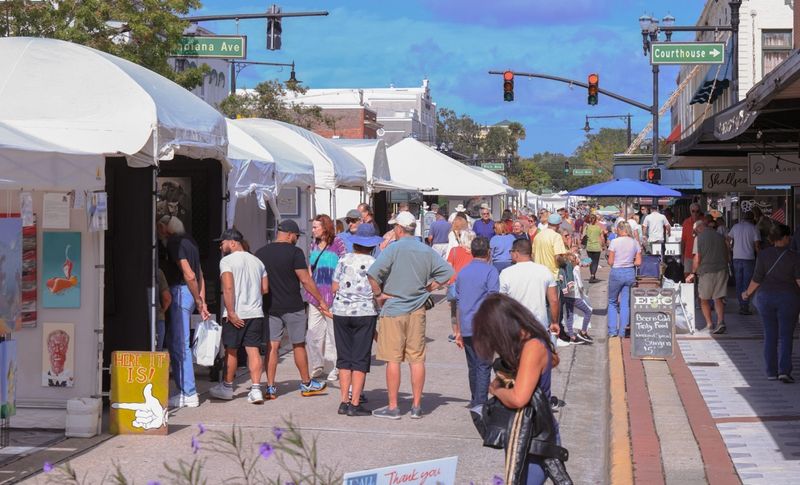
The DeLand Fall Festival of the Arts elevates the community’s already strong cultural reputation, transforming downtown into an outdoor gallery.
Artists from across the country apply for limited booth spaces, with jurors selecting only the highest quality work for display.
The result is an exhibition that rivals major city art shows, featuring paintings, sculptures, photography, jewelry, and diverse media.
Serious collectors attend alongside casual browsers, with many artists reporting significant sales from this well-attended event.
Live demonstrations allow visitors to watch artists at work, seeing the techniques and processes that create the finished pieces on display.
Food vendors supplement downtown restaurants, offering options that keep visitors fueled as they browse hundreds of artist booths.
Street performers and musicians add to the festive atmosphere, creating entertainment at every corner of the festival grounds.
The university community turns out in force, with students and faculty supporting an event that showcases DeLand’s commitment to arts and culture.
When the festival concludes, DeLand returns to its normal rhythm, though the downtown galleries often see increased traffic from visitors who discovered the town’s artistic side.
Dear Reader: This page may contain affiliate links which may earn a commission if you click through and make a purchase. Our independent journalism is not influenced by any advertiser or commercial initiative unless it is clearly marked as sponsored content. As travel products change, please be sure to reconfirm all details and stay up to date with current events to ensure a safe and successful trip.
