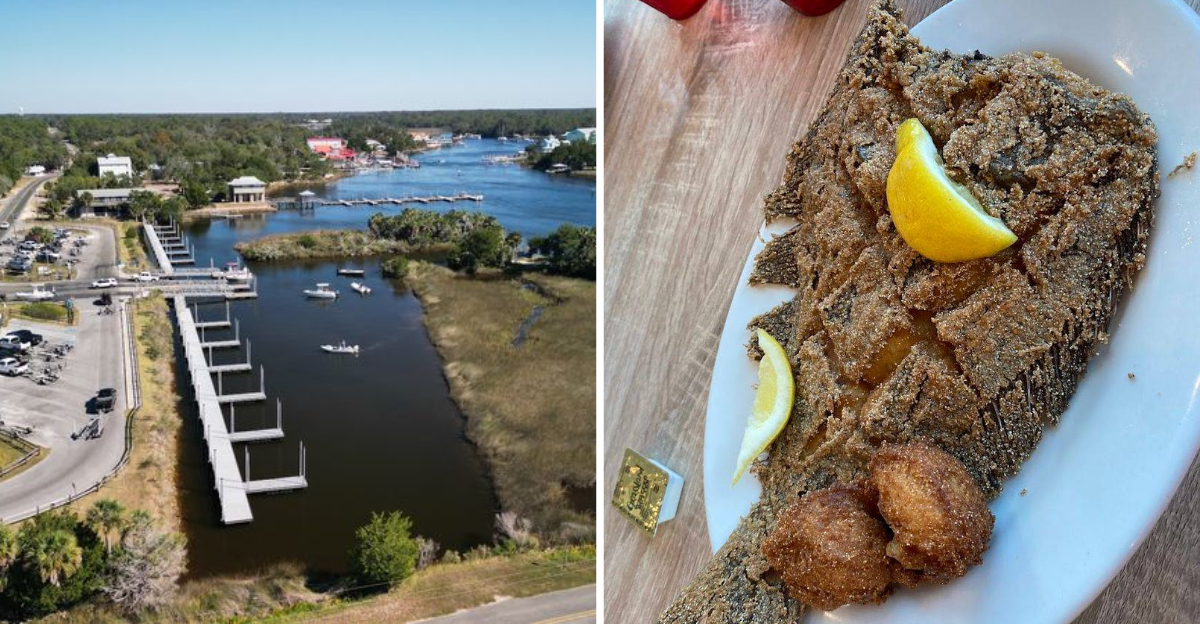
Most people drive right through this place without stopping. A few buildings.
A bait shop. A dock.
Easy to miss. But the smoked mullet is the reason you pull over.
The fish is caught locally, brined in a family recipe, then smoked low and slow over wood until the flesh turns golden and flaky. The skin gets that perfect smoky char. The flavor is deep without being overpowering.
I ate mine on a paper plate standing next to a picnic table, the Gulf breeze keeping the flies away. Locals buy it by the pound to take home.
Tourists stumble onto it by accident and remember it for years. Florida’s Gulf Coast has plenty of seafood spots. This forgotten village has the real deal.
The Village That Time Forgot: Steinhatchee’s Quiet Gulf Coast Charm
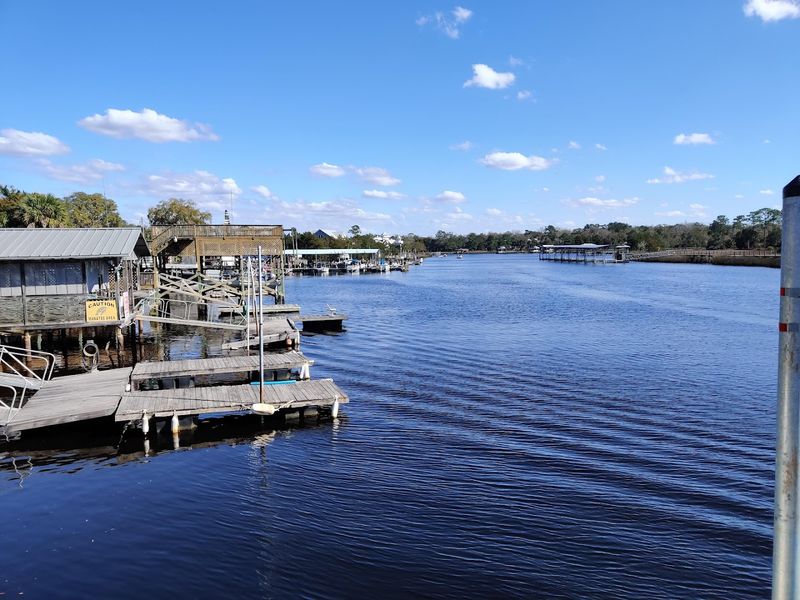
Steinhatchee doesn’t announce itself. You drive through miles of pine flatwoods and marsh before the road suddenly opens up to a river mouth meeting the Gulf, and there it is, a village that genuinely doesn’t care if you find it or not.
No chain restaurants. No resort hotels.
Just docks, fishing boats, and a handful of locals who have been doing the same thing their families did generations before them.
The town sits in Taylor County, one of the least visited corners of Florida’s Gulf Coast. That’s actually the appeal.
Tourists who stumble here usually do so on purpose, chasing something real rather than something packaged.
The pace here is slow in the best possible way. People wave from their trucks.
Pelicans sit on dock posts like they own the place, because honestly, they kind of do.
Steinhatchee has been a working fishing community for over a century. Scalloping brings some seasonal visitors, but smoked mullet is the dish that quietly defines the town’s culinary soul.
It’s the kind of food culture that develops over generations, not marketing budgets. Coming here feels like catching a glimpse of Old Florida before the condos showed up.
Roy’s Restaurant: Where the Smoked Mullet Legend Lives
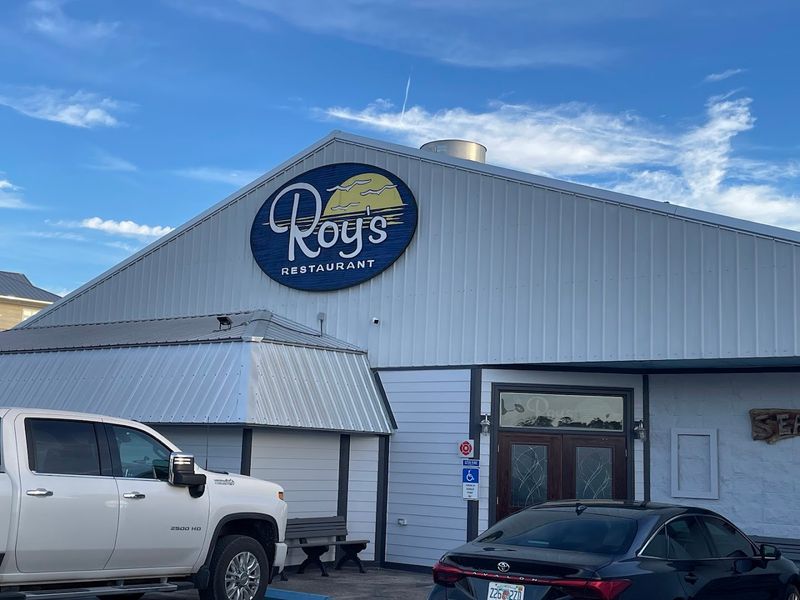
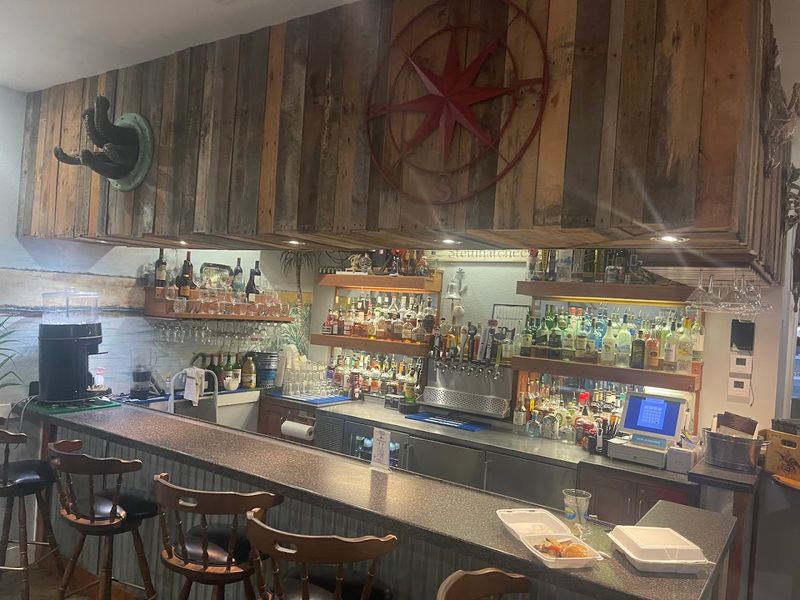
Roy’s Restaurant has the kind of reputation that spreads by word of mouth, slowly and honestly. Located at 100 1st Ave SE in Steinhatchee, it sits close enough to the water that you can hear the river while you eat.
The building itself is unpretentious. Worn wood, simple tables, a menu that doesn’t try to impress with fancy descriptions.
What it does instead is deliver food that makes you stop mid-bite and just appreciate the moment.
Smoked mullet is the centerpiece here, and has been for years. Locals treat it like a pilgrimage spot.
Visitors who stumble in by accident usually end up planning a return trip before they even finish their first plate.
The staff moves with the ease of people who know exactly what they’re doing. There’s no performance here, just good food made the way it’s always been made.
Roy’s doesn’t need a social media presence to stay busy. Its reputation travels through fishing camps, family road trips, and the kind of honest recommendations that only come from someone who genuinely loves a place.
That authenticity is rarer than most people realize, and it’s exactly what makes Roy’s worth the drive.
What Exactly Is Smoked Mullet and Why Does It Matter
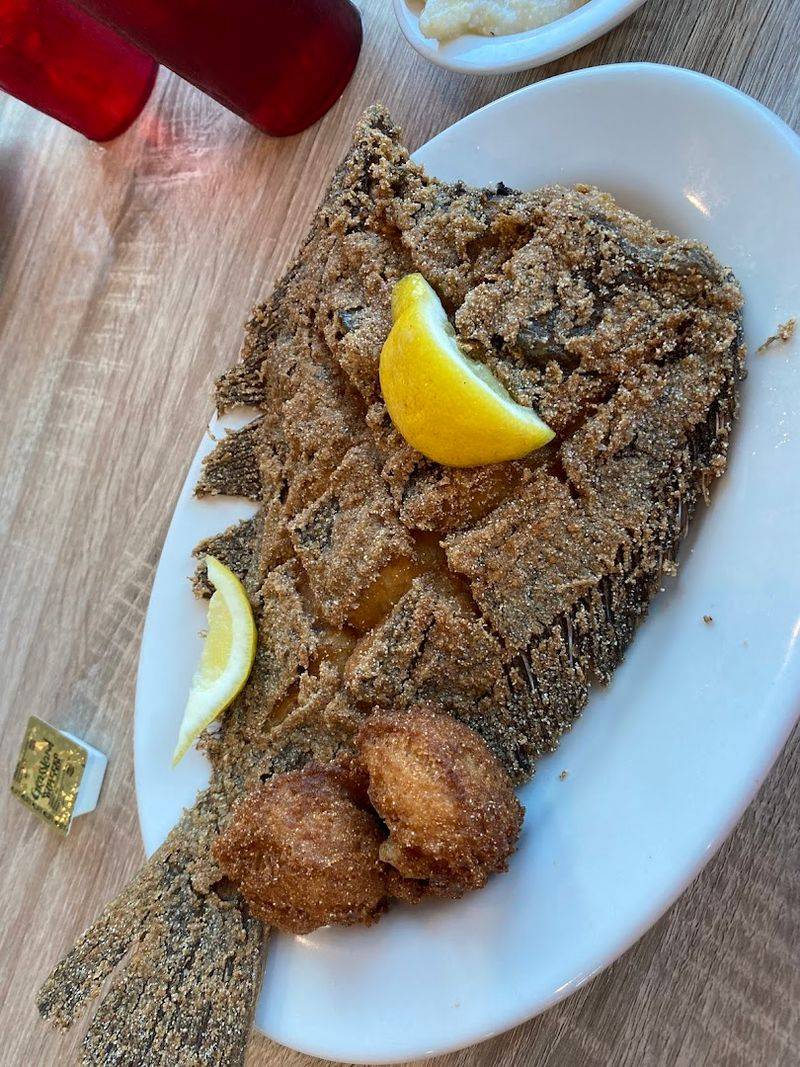
Mullet gets underestimated constantly. It’s a fish that swims in enormous schools along Florida’s coastlines, jumping out of the water for reasons scientists still debate, and it has fed Gulf Coast communities for centuries.
The species most commonly eaten is black mullet, known scientifically as Mugil cephalus. It has a rich, slightly oily flesh that takes smoke beautifully, developing a deep flavor that’s hard to compare to anything else.
Preparation is straightforward but requires patience. The fish is split down the back, butterflied open, brined for a few hours, then left to dry before going into the smoker.
Hickory wood is a common choice, adding a warm, earthy depth to the finished product.
Smoked mullet is typically eaten plain, on crackers with hot sauce, or blended into a spread. Each method highlights something slightly different about the fish.
Florida actually tried to rebrand mullet as “lisa” back in the 1960s to make it sound more appealing to a wider market. The effort failed completely.
Locals never needed a rebrand. They already knew what they had, and places like Roy’s have been proving that point ever since.
The fish speaks for itself.
Centuries of Smoke: The Deep History Behind This Gulf Coast Tradition
Long before Roy’s had a sign out front, people along Florida’s Gulf Coast were smoking mullet as a way of life. The Timucuan people near Mayport were using wood frame racks called buccan or barabicu to smoke fish centuries before European settlers arrived in 1564.
That technique didn’t disappear. It evolved and spread through generations of coastal communities who depended on the sea for survival.
Smoking was practical, it preserved the fish without refrigeration and made it portable for long fishing trips.
Minorcan settlers who arrived in Florida during the 1700s as indentured servants also became skilled mullet fishermen. Their influence on North Florida’s food culture is still traceable today in coastal kitchens and family recipes.
Mullet was so abundant historically that it was sometimes used as fertilizer. That abundance made it a staple for working-class families who couldn’t afford more expensive fish, and over time it became something people genuinely loved rather than merely relied on.
The annual mullet run, when massive schools move along the coast from early fall through around Christmas, still draws fishermen and food lovers to Gulf Coast towns. That seasonal rhythm connects modern visitors directly to a tradition that stretches back further than most Florida history books bother to mention.
The Forgotten Coast and the Villages That Kept the Flavor Alive
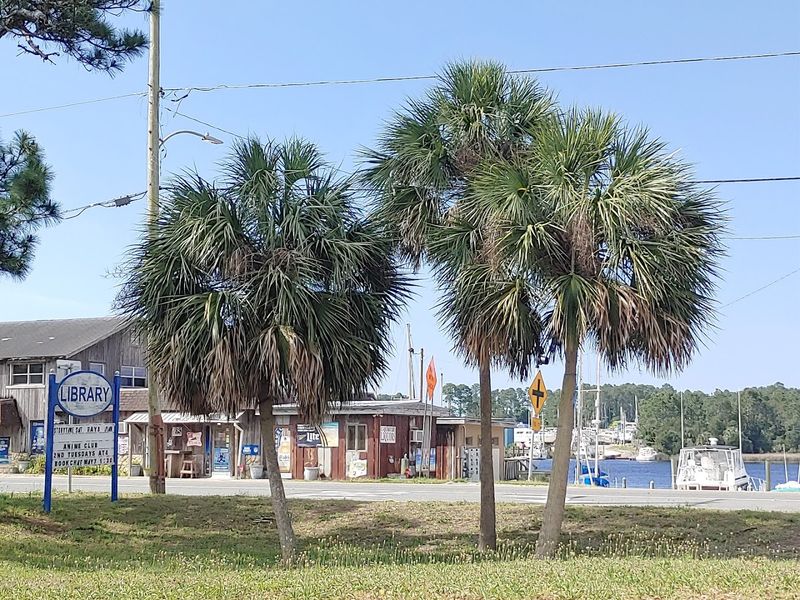
Florida’s Forgotten Coast is a roughly 90-mile stretch of Gulf shoreline that earned its name by staying stubbornly undeveloped while the rest of the state built condos and theme parks. Towns like Apalachicola, Carrabelle, and Steinhatchee sit along this corridor with a quiet pride that’s hard to fake.
These aren’t tourist traps dressed up to look authentic. They’re actual working communities where fishing is still a livelihood and smoked mullet is still something you make at home or pick up from a local spot that’s been around longer than most residents can remember.
Apalachicola is famous for oysters, but smoked mullet holds its own here too. Carrabelle has that same low-key coastal energy where the food is honest and the portions are generous.
What ties these towns together is a shared resistance to the kind of development that erases local character. They’ve held onto their culinary identities partly out of stubbornness and partly because the people who live there genuinely value what they have.
Visiting this stretch of coast feels like finding a version of Florida that most travel guides overlook entirely. The smoked mullet you find here isn’t a novelty item on a trendy menu.
It’s just lunch, and that’s exactly what makes it special.
How to Eat Smoked Mullet Like a Local
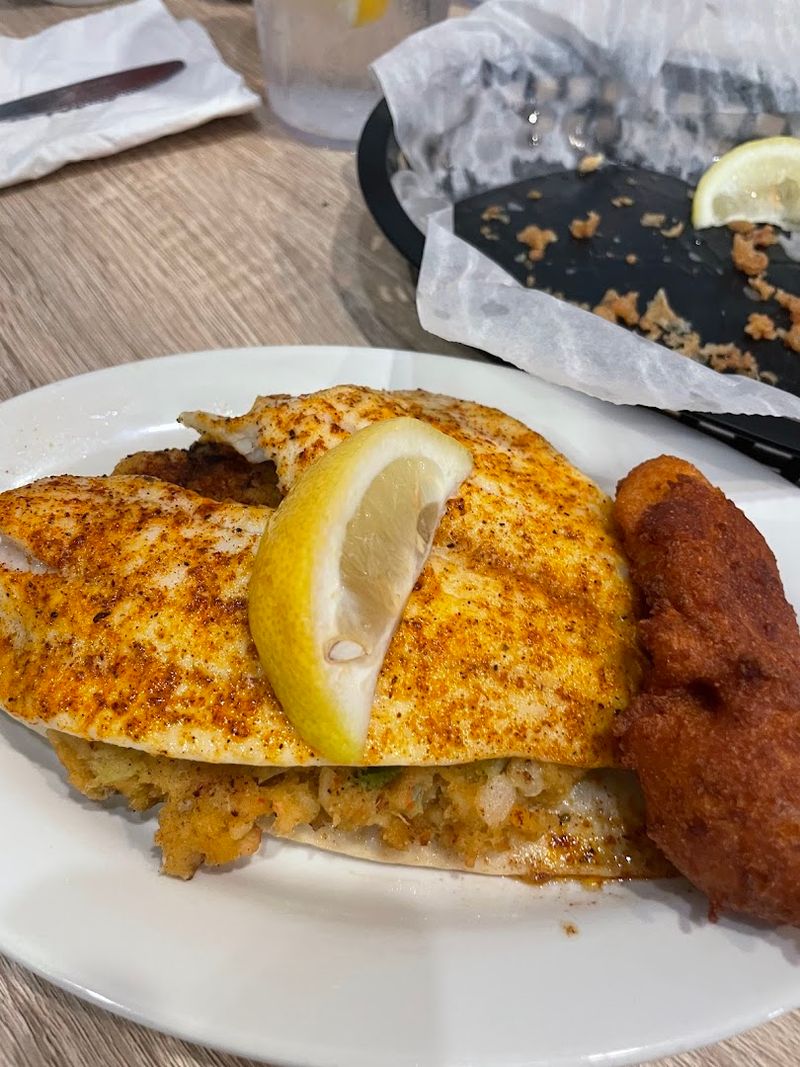
First-timers sometimes aren’t sure what to do when a plate of smoked mullet lands in front of them. There’s no fancy presentation, no garnish drizzled in a circle, just golden-brown fish that smells incredible and tastes even better.
The classic local approach is simple. Pull the flesh away from the skin with a fork, pile it onto a saltine cracker, and add a few drops of hot sauce.
That’s it. The combination of smoky, salty fish with the crunch of a cracker is genuinely hard to beat.
Some people prefer a smoked mullet dip, where the fish is mixed with cream cheese or sour cream and seasoned with lemon and herbs. It spreads beautifully and works as an appetizer or a full snack depending on how generous you are with the crackers.
Eating it plain is also completely valid. The smoke and brine do enough work on their own that no accompaniment is strictly necessary.
What matters most is slowing down while you eat it. Smoked mullet isn’t fast food energy.
It belongs to long afternoons on a dock, a breeze coming off the water, and a conversation that doesn’t need to go anywhere in particular. That’s the full experience, and Roy’s in Steinhatchee delivers every piece of it.
Why the Drive to Steinhatchee Is Worth Every Mile

Getting to Steinhatchee takes some commitment. It’s not on the way to anywhere particularly famous, which is part of why it has stayed so genuinely itself.
The drive cuts through long stretches of North Florida flatwoods where the trees press close to the road and the towns between are tiny.
That isolation is the point. By the time you arrive, you’ve already left the noise behind.
The river comes into view before the town does, wide and calm, reflecting the sky in a way that makes you want to pull over before you even reach Roy’s. Fishing boats move slowly.
The air smells like salt and something warm from the direction of the smoker.
Roy’s sits right in the middle of all of it, a place that has absorbed decades of fishing stories, family dinners, and quiet weekday lunches without changing much. That consistency is its own kind of luxury in a state that reinvents itself constantly.
Smoked mullet at Roy’s isn’t just a meal you have once. It becomes a reference point, the thing you compare everything else to and find lacking.
Steinhatchee stays with you because it offers something genuinely rare: a place that hasn’t decided to be anything other than exactly what it is. Address: 100 1st Ave SE, Steinhatchee, FL 32359.
