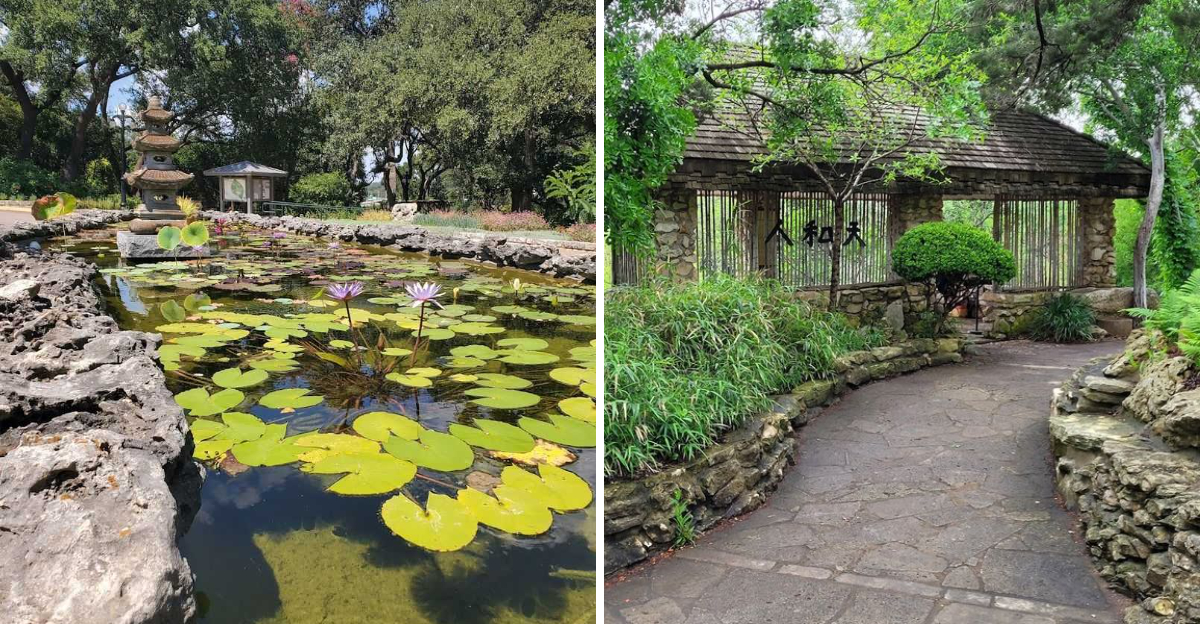
A full day surrounded by flowers and fresh air should not cost a week’s worth of groceries. This garden gets that.
Seniors can walk through the gates for just five dollars, which leaves plenty of change for a coffee or a cold treat afterward. The paths are gentle on the knees, and benches pop up in all the right places, shady spots with views of koi ponds or butterfly bushes.
Twice a month, a master gardener leads a free stroll, pointing out which plants you can actually eat and where the best birdwatching happens. You might learn something, or you might just enjoy the quiet.
Either way, it is a bargain that makes getting outside feel easy and smart.
The $5 Senior Admission That Makes Every Visit Worth It
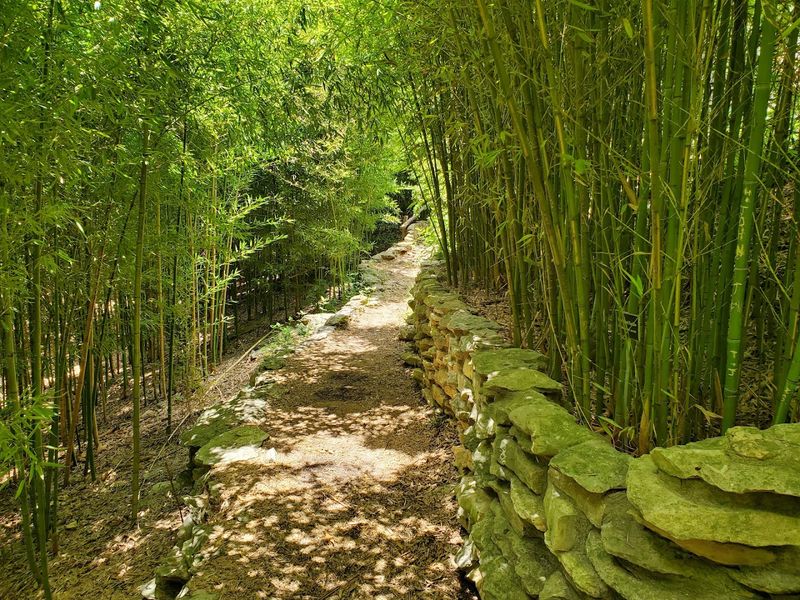
Not every great experience comes with a big price tag, and Zilker Botanical Garden proves that beautifully. Austin area residents aged 62 and over pay just $5 to spend an entire day wandering through one of the city’s most beloved green spaces.
That is less than a cup of coffee at most cafes, yet the value you get in return is remarkable.
The admission covers full access to all the garden’s themed sections, seasonal exhibits, and walking paths. There are no hidden fees or confusing tiers once you are inside.
You simply show up, pay at the gate, and the whole garden is yours to explore at whatever pace feels right.
Non-Austin residents aged 62 and over pay $7, which is still a genuinely affordable rate for what the garden offers. Children aged 2 and under always get in free, making multigenerational visits easy on the wallet.
For seniors who enjoy getting outside regularly, this pricing structure makes Zilker Botanical Garden a realistic weekly or monthly ritual rather than a rare splurge. It is the kind of deal that feels almost too good to pass up.
A Garden Built on Decades of Austin History
Zilker Botanical Garden has roots that stretch back further than most people realize. The land itself sits within Zilker Park, a beloved Austin green space that has shaped the city’s outdoor culture for generations.
The garden has grown and evolved over the years through a partnership between the City of Austin Parks and Recreation Department and the Zilker Botanical Garden Conservancy.
That public-private partnership matters because it keeps the garden both accessible and well-maintained. The Conservancy brings in funding, programming, and botanical expertise, while the city provides the land and infrastructure.
Together they have created something that feels genuinely cared for rather than neglected or commercialized.
Mature trees shade the walking paths, and some of the plantings have had decades to establish themselves into something truly impressive. There is a sense of layered history here that you can feel even if you do not know the full story.
Old stone walls, established rose beds, and towering canopies all suggest a place that has been loved for a long time. For seniors who remember Austin before it became a booming city, visiting Zilker Botanical Garden can feel like reconnecting with something familiar and deeply rooted.
Themed Garden Sections That Keep Every Visit Fresh
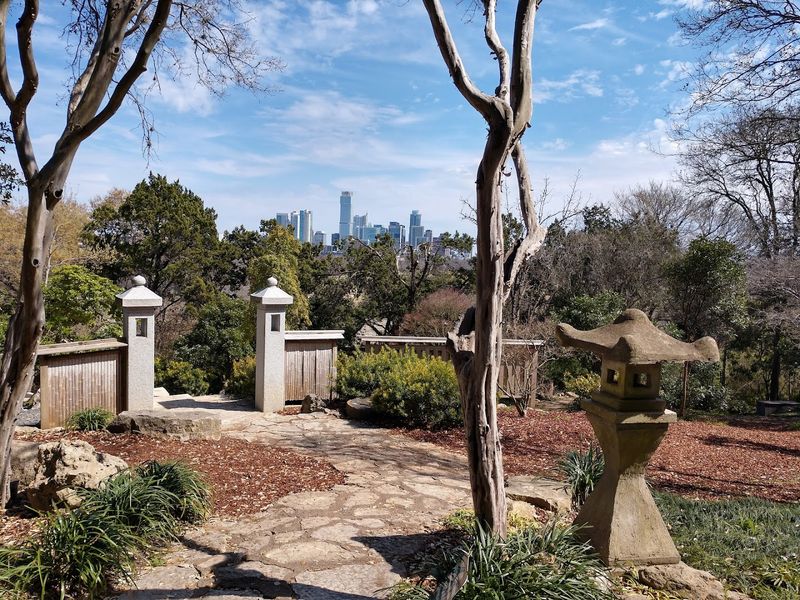
One of the best things about this garden is that it does not feel like one single experience repeated over and over. Zilker Botanical Garden is divided into distinct themed areas, each with its own personality and planting style.
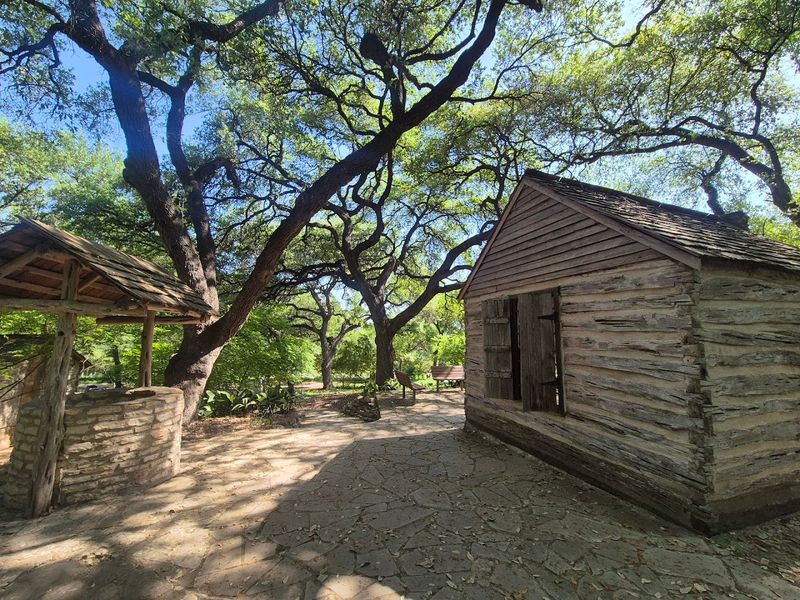
You can move from a Japanese garden to a rose garden to a pioneer cabin area all within a single afternoon stroll.
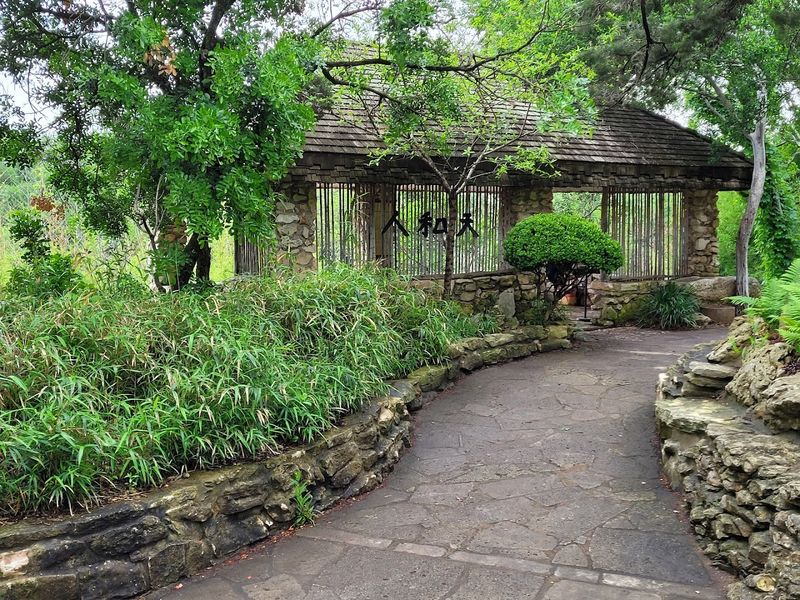
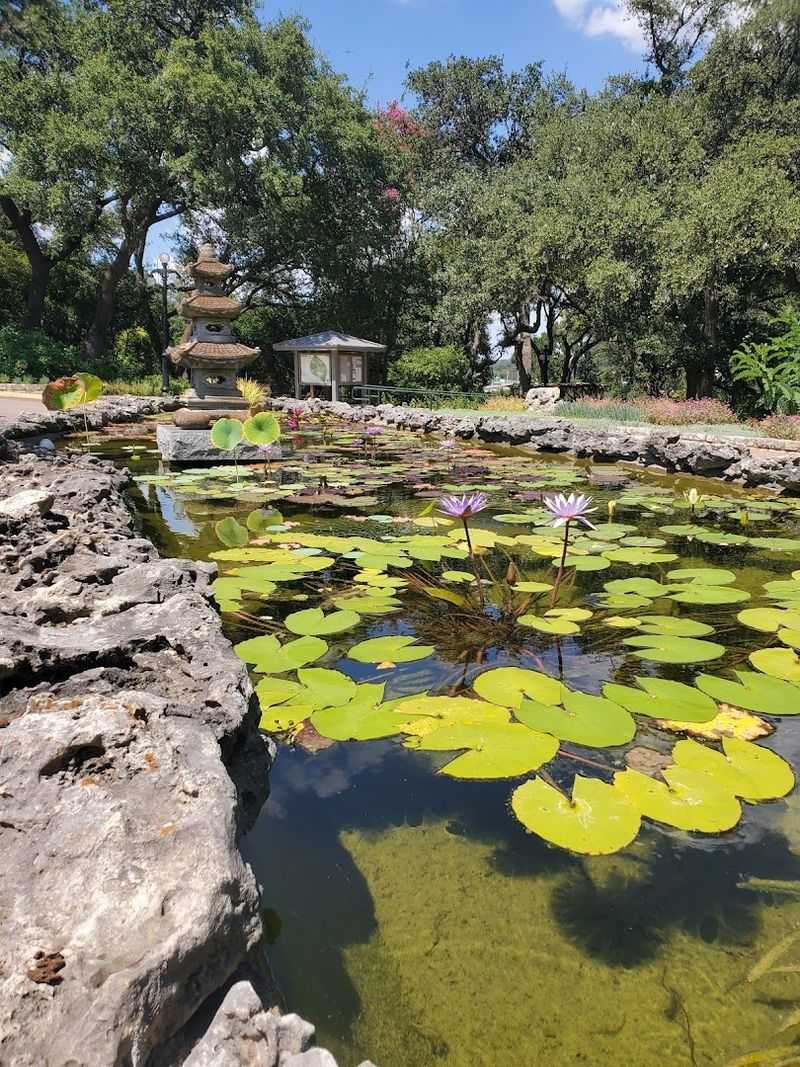
The Japanese garden section is especially striking. Stone lanterns, a koi pond, and carefully shaped plantings create a calm that feels almost meditative.
It is the kind of spot where you naturally slow down and just look around for a while.
The rose garden blooms with impressive variety and fragrance during peak season, drawing visitors who come specifically for that experience. Other sections highlight native Texas plants, which is a wonderful reminder of how beautiful the local landscape can be when given space to thrive.
Each themed area offers something visually and sensory distinct, so even repeat visitors find new things to notice. I found myself doubling back through sections I had already passed just to catch details I missed the first time.
That kind of layered discovery is what makes this garden genuinely replayable across seasons and moods.
Seasonal Hours That Reward Early Morning Visitors
The garden runs on two seasonal schedules, and knowing them ahead of time makes a real difference in how your visit goes. From September through May, regular hours run from 9 AM to 5 PM, with last entry at 4:30 PM.
During the summer months of June through August, hours shift earlier, opening at 8 AM and closing at 4 PM, with last entry at 3:30 PM.
Those summer hours are actually a gift for morning people. Getting into the garden by 8 AM means you beat the Texas heat and experience the space at its quietest and most serene.
The light at that hour is soft and golden, and the air still carries some overnight coolness before the afternoon sun takes over.
For seniors especially, morning visits during summer make the most physical sense. Spending time outdoors in Austin’s summer heat after noon can be genuinely exhausting, so arriving early keeps the experience enjoyable rather than draining.
I arrived just after opening on a June morning and had entire sections of the garden nearly to myself. The birdsong was loud, the paths were cool in the shade, and the whole place felt like a quiet secret.
Planning around the seasonal hours is one of the easiest ways to get the most out of every visit.
Free Parking That Takes the Stress Out of Getting There
Parking anxiety is real, especially in a busy city like Austin where finding a free spot can feel like a competitive sport. Zilker Botanical Garden removes that stress almost entirely.
The main parking lot is free and available on a first-come, first-served basis, which is a genuinely rare perk for a popular Austin attraction.
On busier days, overflow parking is available at 2300 Stratford Drive nearby. From March 1st through Labor Day weekend, City of Austin pay stations are active in that overflow lot.
However, if you have already purchased garden admission, you can request a parking pass that covers the overflow lot cost, so you are not paying twice.
For seniors who drive to the garden, the straightforward parking situation removes one of the common friction points that can make outings feel more complicated than they need to be. There is no app to download, no confusing rate structure, and no scramble for change.
The main lot fills up on popular weekend mornings, so arriving early on those days gives you the best chance of snagging a spot close to the entrance. Midweek visits tend to be even easier, with plenty of space and a noticeably more relaxed atmosphere throughout the garden itself.
The Koi Pond and Japanese Garden Experience
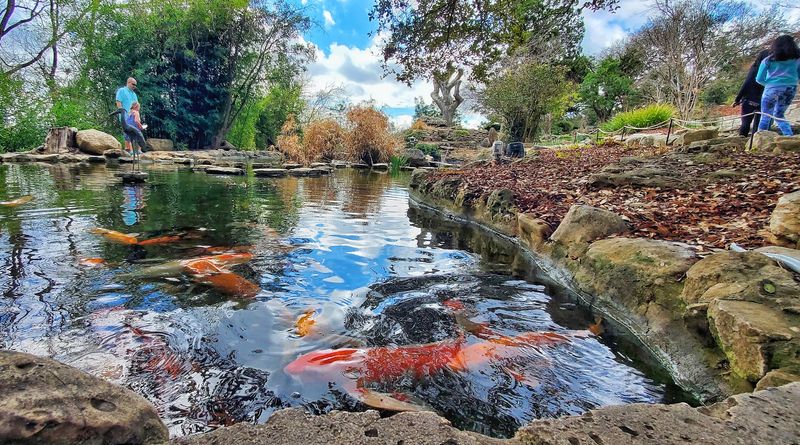
There is a particular kind of calm that settles over you when you find the Japanese garden section of Zilker Botanical Garden. The koi pond sits at its center, and the fish are large, slow-moving, and somehow deeply satisfying to watch.
Time genuinely seems to pass differently here than it does on the busier sections of the path.
Stone lanterns and carefully placed boulders frame the space in a way that feels intentional without being stiff. The plantings are dense and layered, with textures and shades of green that shift depending on the season.
In spring, azaleas add bursts of pink and purple that make the whole area feel almost theatrical.
For seniors looking for a low-effort but high-reward spot to rest and take in the surroundings, this section delivers completely. There are benches nearby where you can sit and watch the koi for as long as you like without feeling like you are blocking anyone’s path.
I spent a good twenty minutes there without realizing it, which is the best kind of time loss. The Japanese garden also tends to be one of the quieter areas of the property, making it a natural retreat even on days when the rest of the garden is buzzing with school groups or weekend visitors.
Native Texas Plants That Tell the Story of the Land
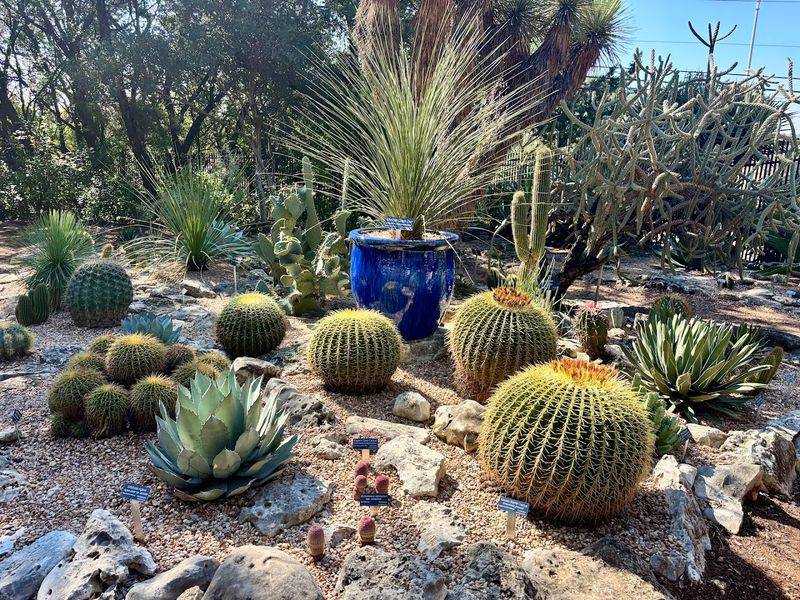
Austin sits in a fascinating ecological zone where the Hill Country meets the Blackland Prairie, and the native plant sections of Zilker Botanical Garden reflect that beautifully. Seeing familiar Texas plants given space and context changes how you think about the landscape you drive through every day.
Bluebonnets, black-eyed Susans, and prickly pear cactus all show up here with a kind of quiet dignity.
Native plantings are also incredibly practical in the Texas climate. They require less water, support local pollinators, and tend to look their best during seasons when other plants are struggling.
The garden does a good job of presenting these species in a way that feels curated rather than scrappy.
For seniors who grew up in Texas or have lived here for decades, these sections can carry a nostalgic pull. Recognizing a plant from a childhood memory or a long-ago camping trip adds a personal layer to the visit that is hard to manufacture.
For newer residents or visitors, the native plant areas offer a genuine education about what this part of the world actually looks like when left to do its thing. Either way, these sections reward slow walking and close attention more than almost anywhere else in the garden.
The Rose Garden in Full Bloom
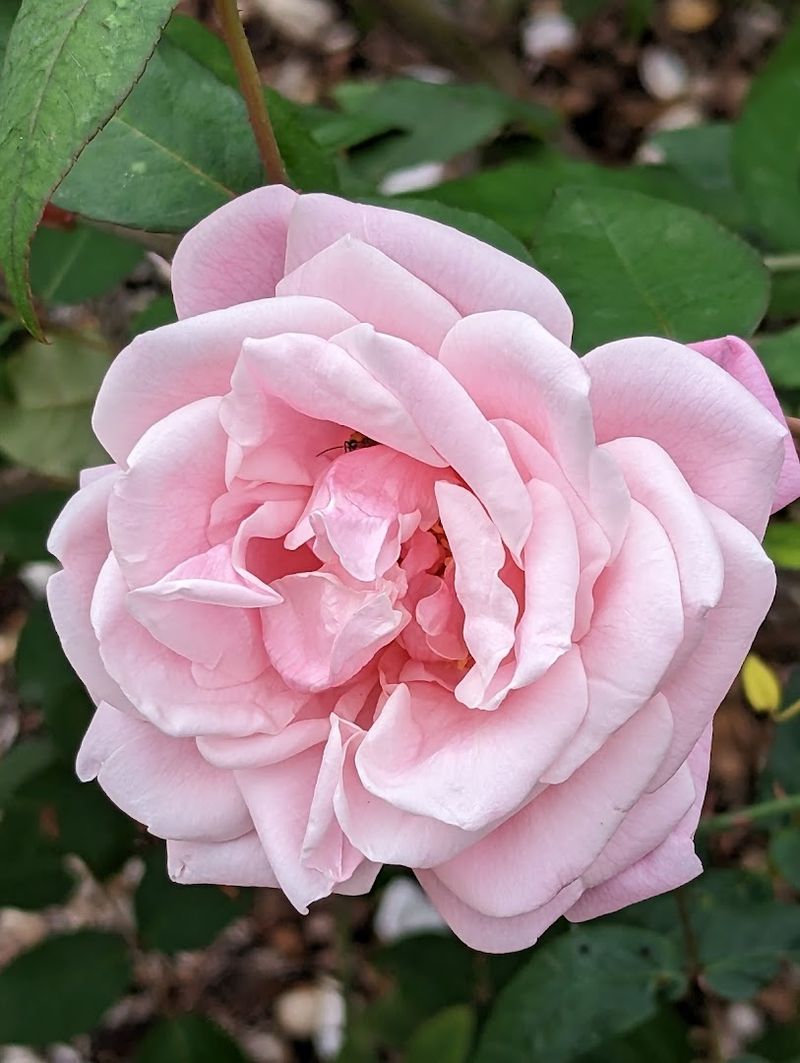
Few things in nature match the sensory experience of a well-maintained rose garden at peak bloom. Zilker Botanical Garden’s rose section earns its reputation, with a variety of cultivars that bring together colors, sizes, and fragrances that feel almost overwhelming in the best possible way.
The scent alone on a warm spring morning is worth the trip.
The layout of the rose garden makes it easy to wander without a plan. Paths wind between the beds in a way that keeps revealing new angles and combinations.
You might round a corner and find a climbing rose spilling over a trellis in a way that stops you mid-step.
Spring is the prime season for this section, though some varieties bloom in waves through the fall as well. For seniors who enjoy gardening or have a history with roses, this area tends to spark real engagement, the kind where you find yourself leaning in to read plant labels and mentally taking notes.
Even for visitors with no gardening background, the sheer visual impact of the rose garden is hard to resist. It photographs beautifully, smells incredible, and has a timeless quality that makes it one of the most consistently satisfying parts of the entire Zilker Botanical Garden experience.
Why Multigenerational Visits Work So Well Here
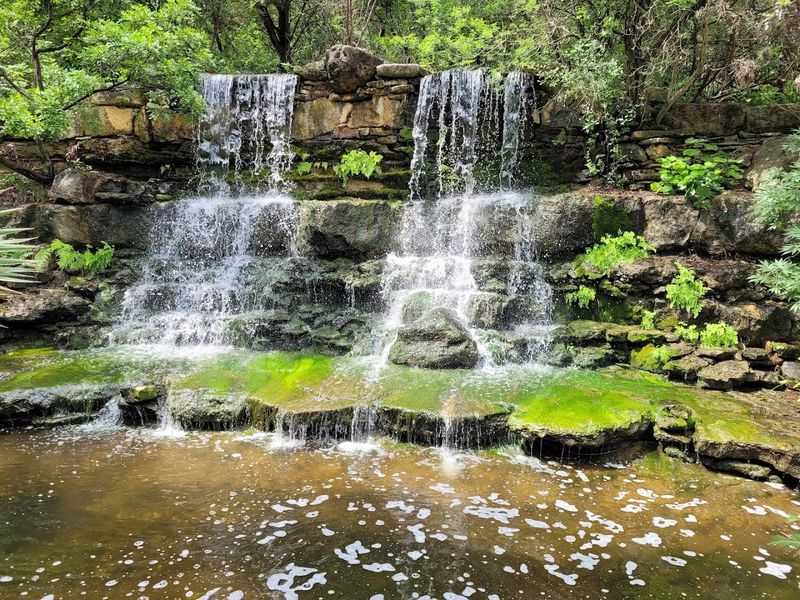
Bringing together different generations for an outing can be tricky, but Zilker Botanical Garden handles it with surprising ease. The variety of themed sections means that a grandparent, a parent, and a curious eight-year-old can all find something that genuinely holds their attention.
Nobody has to pretend to be interested just to keep the group happy.
The walking paths are wide enough for side-by-side strolling and mostly flat, which matters when you have both young children and older adults in the group. Benches are scattered throughout the property, offering natural rest points without anyone having to ask for a break.
That kind of thoughtful design makes longer visits feel easy rather than exhausting.
Children tend to be drawn to the koi pond immediately, while older visitors often gravitate toward the rose garden or the Japanese section. The pioneer cabin area sparks curiosity across ages in a different way, mixing history with hands-on visual interest.
Admission pricing is structured to make family visits affordable too, with free entry for children aged 2 and under.
For seniors who want to share something meaningful with grandchildren or younger family members, this garden offers a shared experience that does not require anyone to compromise on what they enjoy.
It just naturally works for everyone.
Making the Most of Your Visit to Zilker Botanical Garden
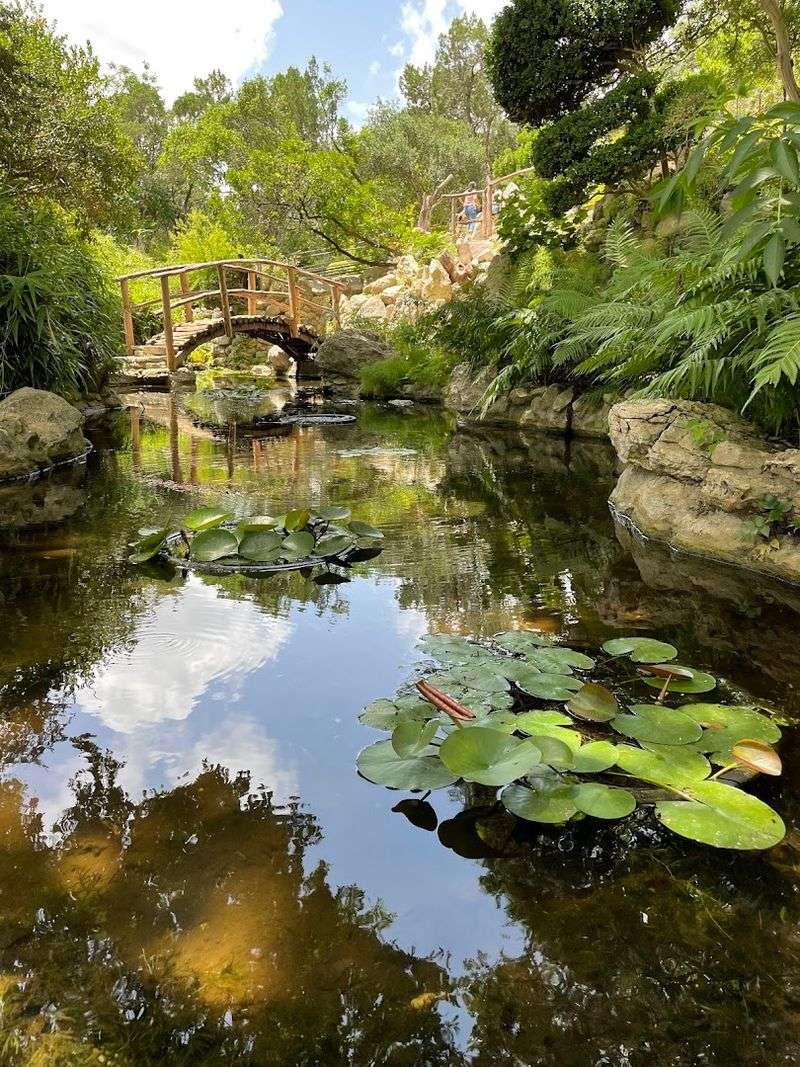
Getting the most out of a visit here comes down to a few simple choices. Arriving early, especially in summer, gives you cooler temperatures, softer light, and the kind of quiet that makes the whole experience feel more personal.
Weekday mornings are the sweet spot for anyone who wants the garden mostly to themselves.
Wearing comfortable shoes matters more than you might expect. The paths are mostly flat and paved, but you will naturally want to wander further than planned once you get going.
A hat and sunscreen are smart additions for any visit between spring and fall, when the Texas sun is unforgiving even in a garden setting.
Bringing a reusable water bottle is a practical move, especially for seniors spending extended time outdoors. The garden does not feel rushed or crowded on most days, so there is no need to power through every section at once.
Moving slowly, doubling back to favorite spots, and sitting by the koi pond for longer than feels strictly necessary are all completely valid strategies. The $5 senior admission makes it easy to visit multiple times across different seasons, which is honestly the best way to understand what this garden truly offers.
Each season brings something new worth seeing.
Address: 2220 Barton Springs Rd, Austin, TX 78746
