Alabama does not always get the credit it deserves when people talk about America’s most breathtaking natural landscapes. From glowing canyon floors to ancient rock arches and river deltas teeming with rare wildlife, this state holds natural wonders that rival anything you will find from coast to coast.
I find it genuinely surprising how many people overlook Alabama when planning a nature trip, especially given how diverse and dramatic its scenery truly is. Whether you love hiking, paddling, caving, or simply standing somewhere that makes you feel small in the best possible way, Alabama has a spot with your name on it.
These ten hidden gems are proof that the most stunning nature in the entire country might just be hiding right here in the Heart of Dixie.
1. Dismals Canyon
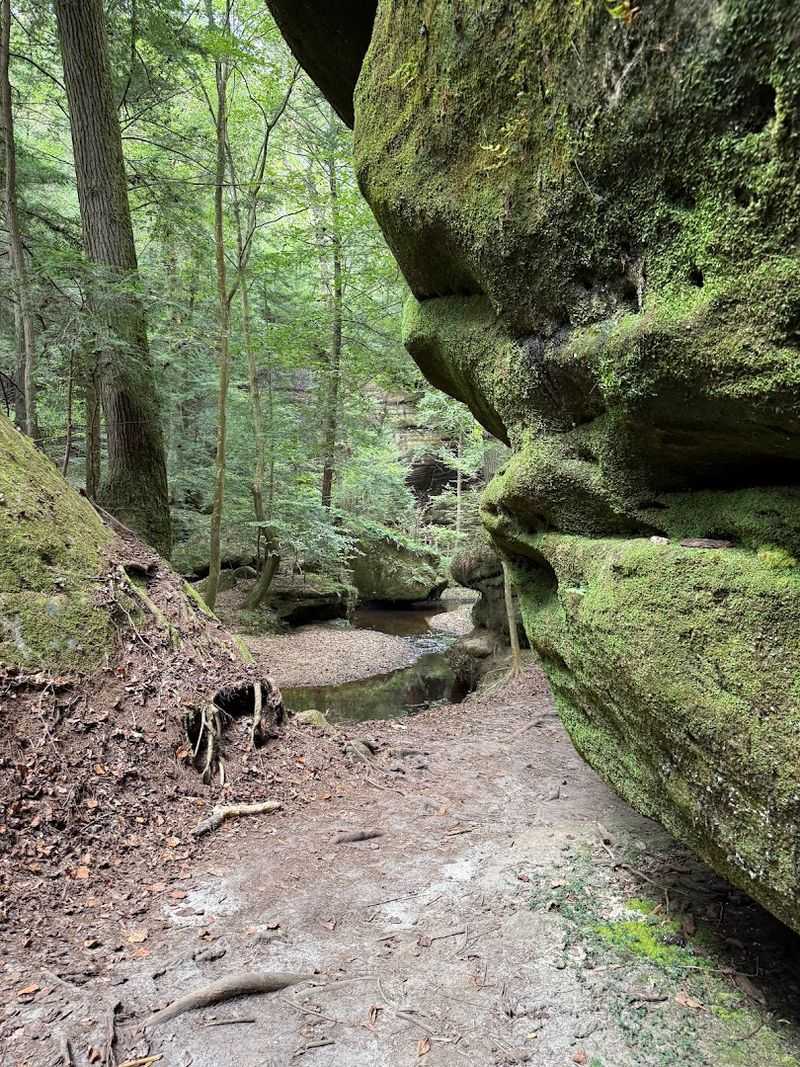
Some places earn their magic after dark, and Dismals Canyon in Phil Campbell is one of the most extraordinary examples of that anywhere in the world. This 85-acre privately owned nature conservatory is a designated National Natural Landmark, and it earns that title with every moss-draped rock and shadowy grotto it holds.
The canyon walls rise steeply around a cool, winding stream, covered in ferns and ancient rock formations that feel carved by centuries of patient water. Grottos, bluffs, caves, and small waterfalls line the 1.5-mile trail that follows the canyon floor, making every step feel like a discovery.
What truly sets Dismals Canyon apart from every other natural wonder in Alabama is what happens after sunset. The canyon is one of only a handful of places on the entire planet where dismalites live.
These rare glowworm-like insects produce a soft blue-green bioluminescence that lights up the canyon walls like scattered stars.
Night tours are available and genuinely unforgettable. The experience of standing in near-total darkness while tiny living lights pulse around you is something no photograph can fully capture.
Dismals Canyon is located at 901 Highway 8, Phil Campbell, AL 35581. If you are looking for one Alabama experience that will stay with you for years, this is the one to put at the top of your list.
2. Little River Canyon National Preserve
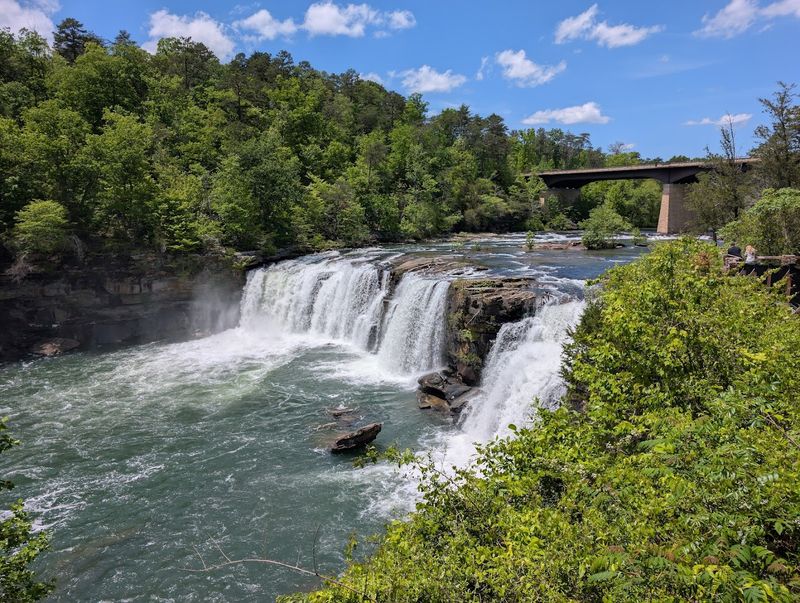
People call it the Grand Canyon of the East, and once you see it, that comparison does not feel like an exaggeration at all. Little River Canyon National Preserve sits atop Lookout Mountain in Fort Payne, Alabama, protecting roughly 14,000 acres of rugged, jaw-dropping landscape that most Americans have never heard of.
The canyon walls drop sharply into a river valley lined with ancient hardwoods, wildflowers, and dramatic cliff faces that glow orange and gold in the afternoon light. Hiking trails lead to secret overlooks where you can stand at the edge of the world and watch hawks circle below you.
That feeling of looking down rather than up at a natural wonder is rare and genuinely thrilling.
Little River Falls is the crown jewel of the preserve, a wide and powerful waterfall that pours over a sandstone ledge into a pool perfect for summer swimming. When water levels calm down in the warmer months, visitors can wade under the falls and feel the cool mist on their faces.
The preserve is located at 4322 Little River Trail NE, Fort Payne, AL 35967. Nearby, the DeSoto State Park Lodge and Restaurant at 7104 DeSoto Parkway NE, Fort Payne, AL 35967 offers a great spot to refuel after a long day on the trails.
Little River Canyon is the kind of place that makes you wonder why everyone is not already talking about it.
3. Sipsey Wilderness in Bankhead National Forest
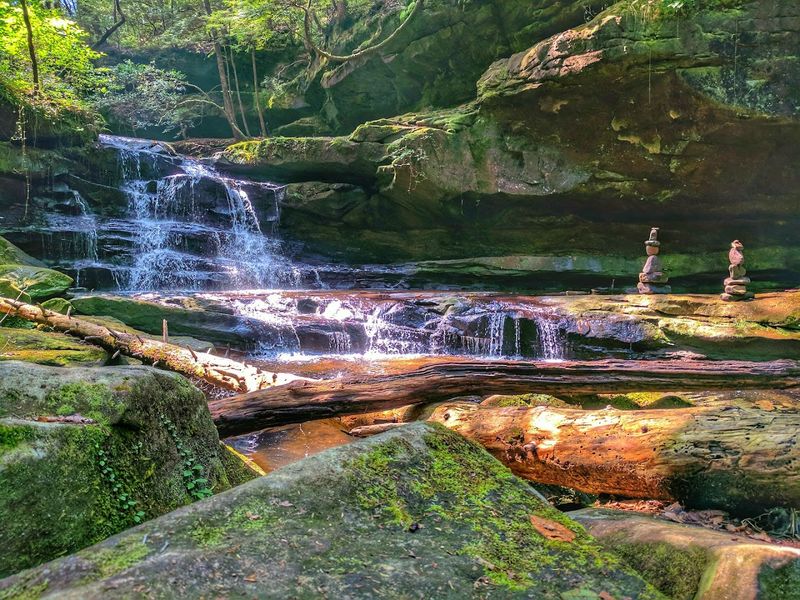
Known as the Land of 1000 Waterfalls, the Sipsey Wilderness inside Bankhead National Forest is the kind of place that makes serious hikers go quiet with awe. Covering 24,922 acres, it is Alabama’s largest and most beloved wilderness area, and it earns every bit of that reputation across 45 miles of trail.
The Sipsey River winds through the heart of the wilderness, flanked by mossy canyon walls, enormous beech trees, and water cascades that appear around almost every bend. The trail system ranges from easy riverside walks to more challenging routes that reward you with solitude and scenery that feels completely untouched.
One of the most remarkable features here is a tree simply known as The Big Tree. Located on the Bee Branch Trail, this ancient tulip poplar is estimated to be 600 years old and stretches 150 feet into the sky.
Standing next to something that old and that massive puts the entire human timeline into a humbling new perspective.
The main trailhead is accessible off County Road 60 near Haleyville, Alabama. For a meal after your hike, the Bankhead Area has limited dining nearby, but Arley Family Restaurant in Arley, AL 35541 is a local favorite worth the short drive.
The Sipsey Wilderness is proof that Alabama’s forests hold treasures that no other state in the country can match for sheer, quiet grandeur.
4. Cathedral Caverns State Park
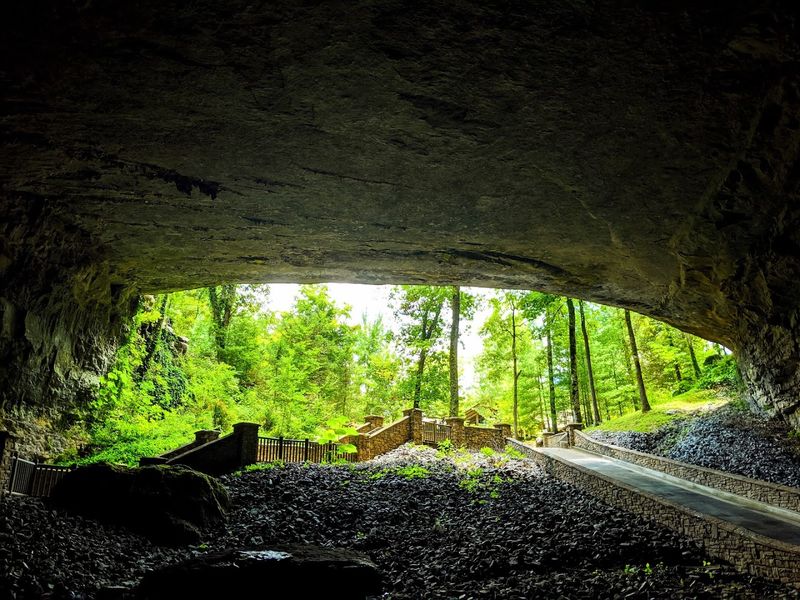
Few natural entrances in North America are as instantly dramatic as the one at Cathedral Caverns State Park in Woodville, Alabama. The cave mouth stretches 126 feet wide and 25 feet tall, making it one of the largest show cave entrances in the entire nation.
Walking through it feels less like entering a cave and more like walking into a cathedral built by the earth itself.
Inside, the temperature stays cool and constant year-round, a welcome relief in Alabama’s summer heat. Guided tours cover 1.3 miles through chambers filled with extraordinary formations.
Goliath, a single stalagmite standing 45 feet tall with a girth of 243 feet, is considered one of the largest stalagmites in the world and stops every visitor in their tracks.
Beyond Goliath, the cave holds a frozen waterfall formation and stretches of delicate cave bacon, a thin translucent mineral formation that glows when light passes through it. The variety of textures and structures inside Cathedral Caverns is genuinely unlike anything above ground.
Cathedral Caverns State Park is located at 637 Cave Road, Woodville, AL 35776. After your tour, the nearby town of Scottsboro is worth a visit, and Goose Pond Colony Resort at 417 Ed Hembree Drive, Scottsboro, AL 35769 offers lakeside dining with a relaxed local atmosphere.
Cathedral Caverns is one of Alabama’s most underrated geological treasures, and it deserves far more national attention than it currently receives.
5. Natural Bridge Park
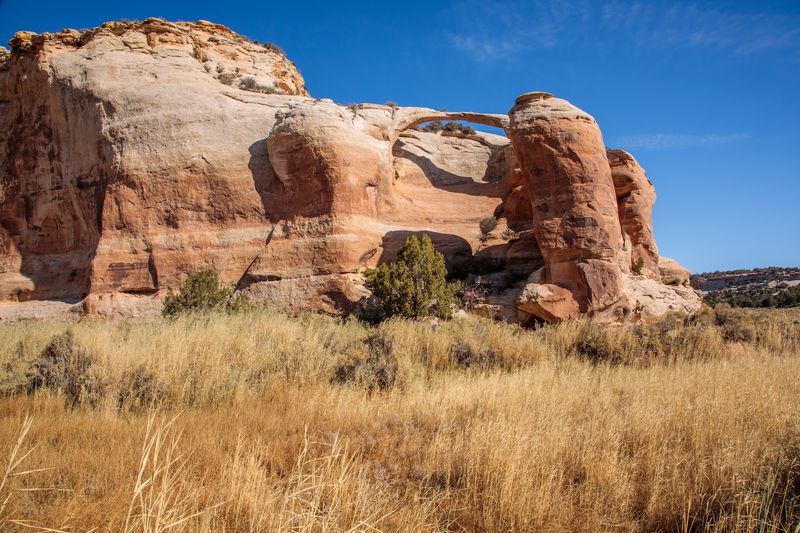
Millions of years of slow water erosion created something near Haleyville, Alabama that engineers still marvel at today. The Natural Bridge at Natural Bridge Park is the longest natural sandstone arch east of the Rocky Mountains, stretching an impressive 148 feet in length and rising 60 feet above the forest floor beneath it.
What makes this place feel different from a typical roadside attraction is how genuinely ancient and organic it looks. The arch curves overhead with a weight and permanence that reminds you the earth has been shaping itself long before humans arrived to admire it.
Ferns cling to the shaded walls below, and the surrounding forest keeps the area cool and quiet even on warm afternoons.
Nature trails wind around the base of the bridge and through interesting rock formations nearby. One of the more curious features of the park is a carved image of an Indian head found close to the bridge, adding a layer of human history to an already fascinating geological site.
Natural Bridge Park is located at 7921 AL-13, Natural Bridge, AL 35577. The nearby town of Haleyville offers casual dining options, and Haleyville Family Restaurant on 20th Street in Haleyville is a reliable local choice for a hearty meal before or after your visit.
Natural Bridge Park is the kind of quiet, unhurried Alabama gem that rewards anyone willing to slow down and look up.
6. Cahaba River National Wildlife Refuge
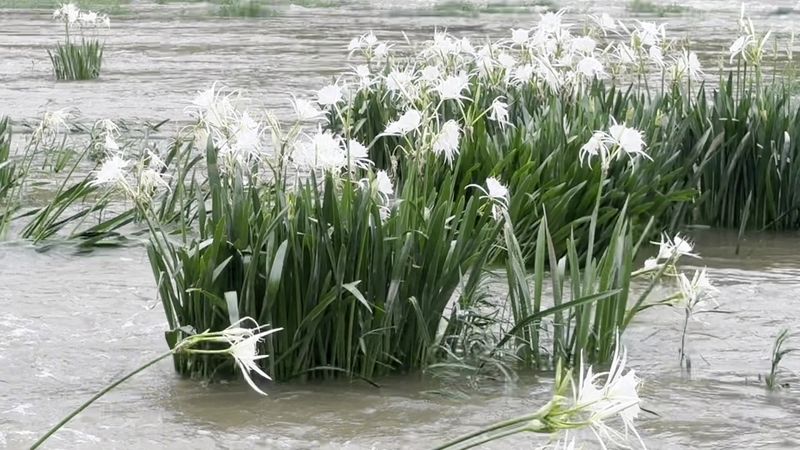
Every year between mid-May and mid-June, something extraordinary happens along the Cahaba River near West Blocton, Alabama. The world’s largest known stand of the Cahaba lily bursts into bloom, covering the rocky river shoals with hundreds of delicate white aquatic flowers that look almost too beautiful to be real.
The Cahaba River National Wildlife Refuge protects this rare spectacle along with an incredible range of biodiversity that makes it one of the most ecologically significant freshwater habitats in the entire southeastern United States. Rare fish species, freshwater turtles, and dozens of other sensitive species depend on this winding river and its surrounding forests for survival.
Beyond the lily blooms, the refuge offers a genuine sense of wildness that is increasingly hard to find anywhere near populated areas. The river curves through rocky shoals and shaded bottomland forest, and the sounds of moving water and birdsong replace every other noise almost immediately after you step onto the trails.
The Cahaba River National Wildlife Refuge is accessible near West Blocton, AL 35184, with river access points along River Road. After exploring the refuge, the small town of Montevallo nearby offers dining at places like Orion Restaurant at 720 Main Street, Montevallo, AL 35115.
The Cahaba River is proof that Alabama’s waterways hold living treasures that rival any national park in the country for sheer natural beauty and biological richness.
7. Neversink Pit
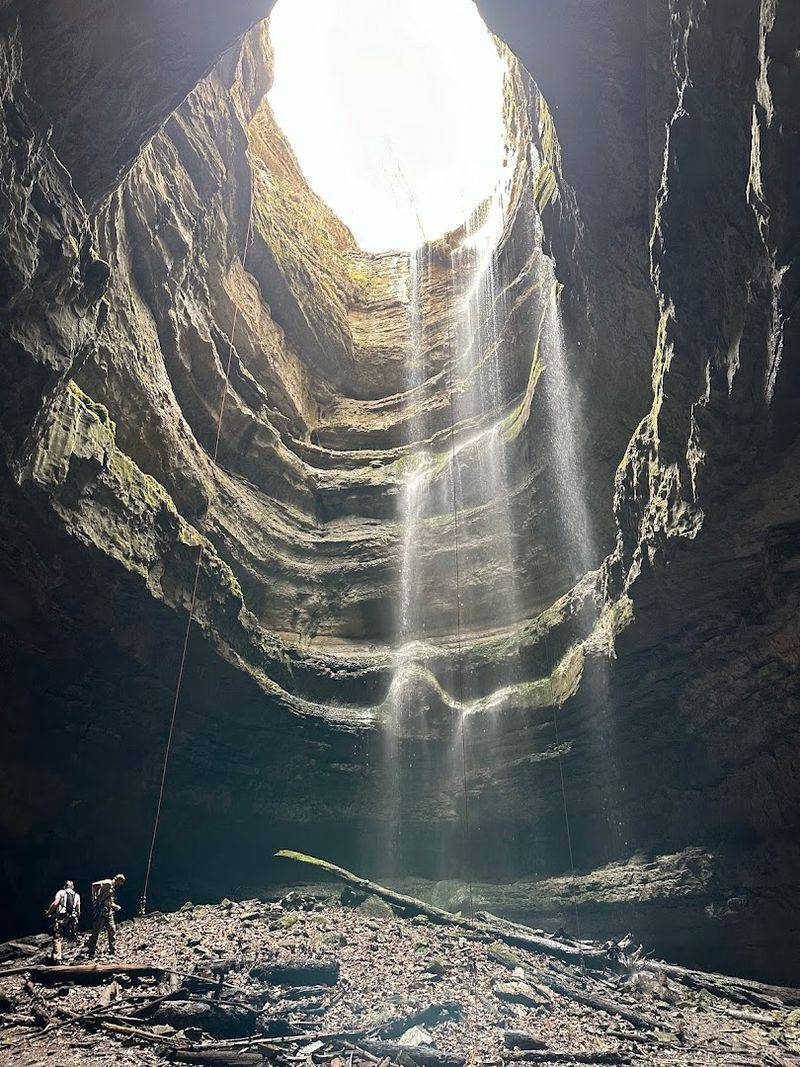
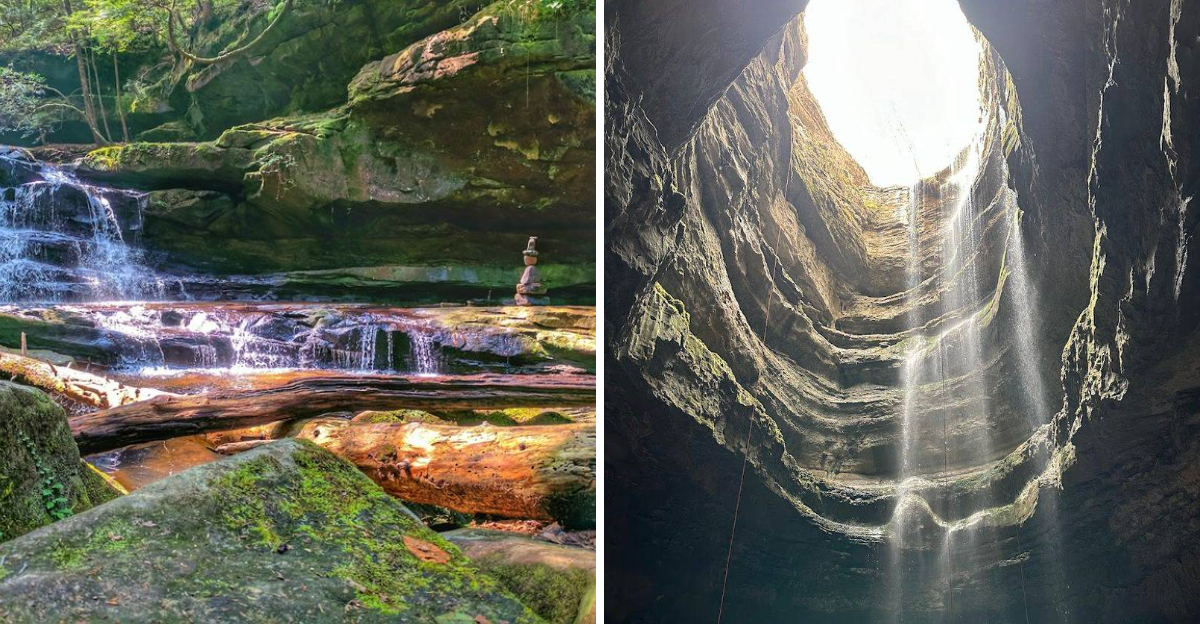
Somewhere between a sinkhole and a cave, Neversink Pit in Fackler, Alabama is one of the most visually striking geological features in the entire country. The pit drops roughly 16 stories straight into the earth, and the walls that line that descent are covered in rare and lush flora that thrives in the pit’s unique microclimate.
Thin waterfalls stream down the walls and disappear into the darkness below, catching light in ways that make the whole pit look almost unreal. Photographers travel from across the country to capture Neversink, and it regularly appears in lists of the most photogenic natural places in North America.
The combination of depth, moisture, green life, and falling water creates a scene that is hard to describe and even harder to forget.
Reaching the bottom requires rappelling, which makes Neversink a favorite destination for experienced climbers and outdoor adventurers. The pit is on private land managed by the Southeastern Cave Conservancy, and access requires a permit obtained in advance.
Planning ahead is essential, but the reward is absolutely worth the effort.
Neversink Pit is located near Fackler, AL 35746, in Jackson County. The nearby city of Scottsboro provides the closest services, and Goose Pond Colony Resort at 417 Ed Hembree Drive, Scottsboro, AL 35769 is a solid base for visitors exploring this part of northern Alabama.
Neversink is the kind of place that feels like a secret the earth has been keeping for a very long time.
8. White Cliffs of Epes
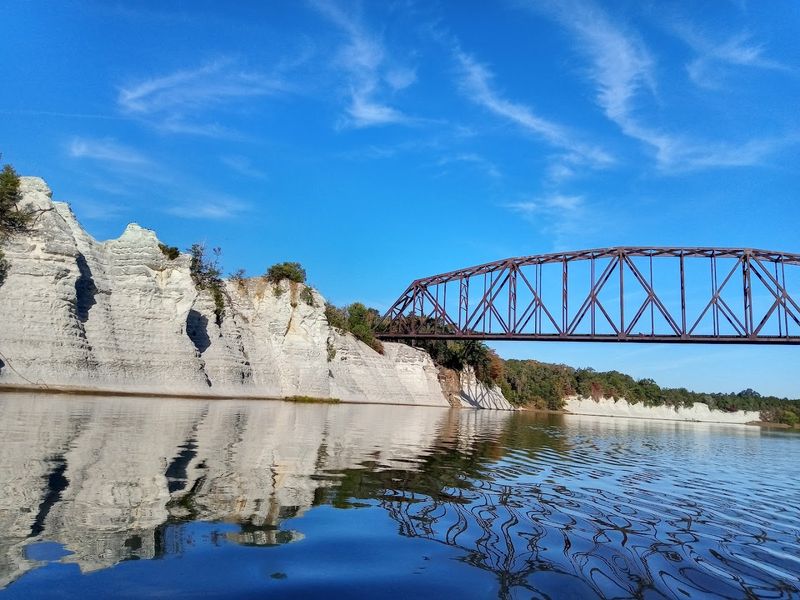
Alabama has its own version of the White Cliffs of Dover, and not nearly enough people know about it. The White Cliffs of Epes rise dramatically above the Tombigbee River in Epes, Alabama, their pale chalky faces gleaming in the sunlight against the dark water and green forests that frame them on every side.
These cliffs are composed of ancient Selma Chalk, a geological formation laid down during the Cretaceous period when this part of Alabama was covered by a shallow inland sea. That history is written right into the rock itself, and fossil hunters have found marine animal remains in the chalk layers over the years.
Knowing that you are looking at the floor of a prehistoric ocean makes the cliffs feel even more extraordinary.
The best way to experience the White Cliffs is by boat on the Tombigbee River, where the full height and scale of the formations becomes clear. The reflections of the white chalk in the dark river water create a striking visual that feels more like a painting than a real Alabama landscape.
The cliffs are accessible near Epes, AL 35460 in Sumter County. The Tom Bevill Visitor Center at 3606 AL-86, Pickensville, AL 35447 is a worthwhile stop nearby for context on the river’s history and ecology.
The White Cliffs of Epes are a geological wonder hiding in plain sight along one of Alabama’s most scenic waterways, and they deserve far more visitors than they currently attract.
9. Mobile-Tensaw Delta
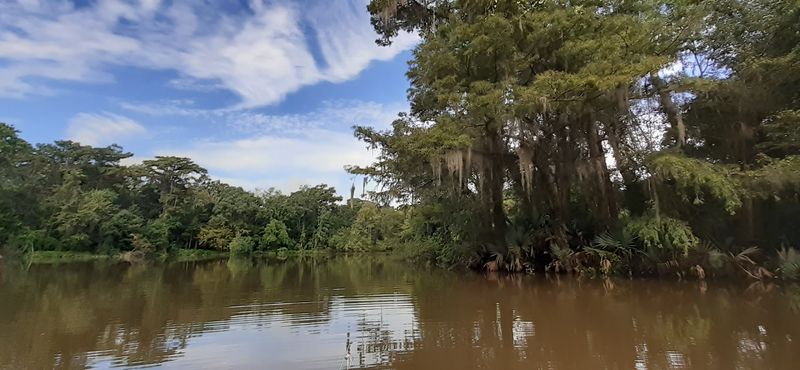
The Mobile-Tensaw Delta is the second-largest river delta in the entire United States, and it is one of the most biologically rich ecosystems anywhere in North America. Five rivers converge here before flowing into Mobile Bay, creating a vast and layered landscape of cypress swamps, tupelo forests, marshes, bogs, and estuaries that shelters more than 50 rare and endangered species.
Paddling through the delta by canoe or kayak is one of the most immersive nature experiences Alabama offers. The Bartram Canoe Trail winds through 120 miles of waterways named after the famous naturalist William Bartram, who explored this region in the 1770s and described it as one of the most beautiful places he had ever seen.
That description still holds up today.
The delta changes with every season. Spring brings nesting birds and blooming aquatic plants.
Summer turns the canopy dense and green. Fall brings migrating waterfowl by the thousands.
Winter strips the trees bare and reveals the stark, beautiful bones of the swamp landscape beneath.
The Meaher State Park at 5200 Battleship Parkway, Spanish Fort, AL 36527 provides a great entry point to the delta with boat launches and nature trails. For a meal nearby, Moe’s Original Bar B Que at 1149 Battleship Parkway, Spanish Fort, AL 36527 serves up excellent smoked meats in a relaxed setting.
The Mobile-Tensaw Delta is wild, ancient, and utterly irreplaceable as an Alabama natural treasure.
10. Cheaha State Park and Mount Cheaha
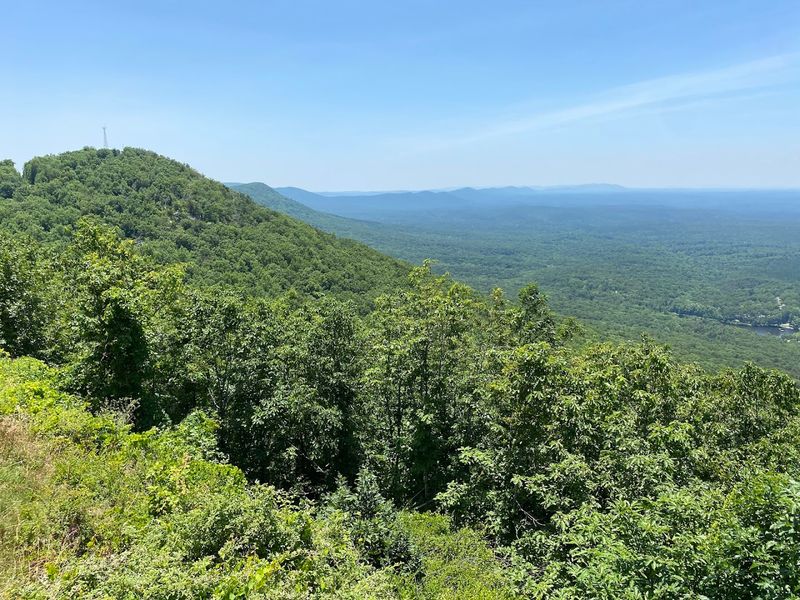
At 2,407 feet above sea level, Mount Cheaha is the highest point in Alabama, and the view from the top is the kind that resets your entire perspective on the world. Cheaha State Park surrounds the summit and holds the title of Alabama’s oldest state park, a place that has been drawing hikers, families, and nature lovers since the 1930s.
On mornings when conditions are right, the mountain earns its nickname as an island in the sky. A thick layer of clouds settles into the valleys below while the summit stays clear, giving you the surreal experience of standing above the weather.
Watching the sun burn through those clouds and light up miles of forested ridgeline is genuinely one of the most beautiful sights in the entire southeastern United States.
The park offers waterfalls, tunnels of mountain laurel that bloom pink and white in late spring, and a diverse bird population that attracts serious birdwatchers from across the region. The accessible Doug Ghee Accessible Trail leads to Bald Rock Summit, making panoramic views available to visitors of all ability levels.
The 271-mile Pinhoti Trail also passes through the park for those seeking a longer backcountry adventure.
Cheaha State Park is located at 19644 AL-281, Delta, AL 36258. The on-site Cheaha Resort Restaurant serves meals with mountain views right at the summit.
Mount Cheaha is not just Alabama’s highest point. It is the state’s most powerful reminder that breathtaking natural beauty does not require a plane ticket to find.
