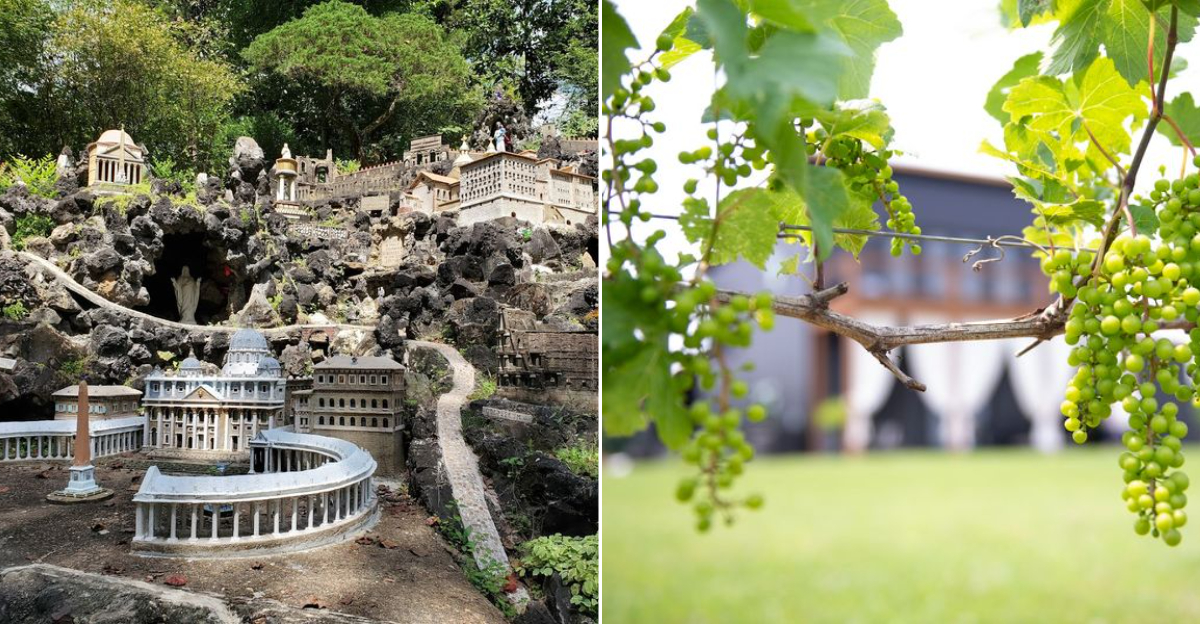
I did not expect Alabama to keep giving me these little flashes of Italy, but somewhere between the tiled roofs, old-world facades, quiet gardens, and waterfront streets, that is exactly what started happening on this trip for me.
What makes it even better is that none of these places feel staged or overly polished, and they mostly show up like a surprise when you turn a corner, slow down, and look around for a minute.
You get abbey towers, vine-covered views, mansion districts, and promenades that somehow make Alabama feel softer and more Mediterranean, and the whole thing becomes a lot more fun once you stop expecting the obvious version of the state.
So if you are in the mood for a daydreamy drive with places that feel a little transportive and still completely rooted in Alabama, these are the stops I would tell you to go see first there.
1. Eufaula’s Seth Lore & Irwinton Historic District
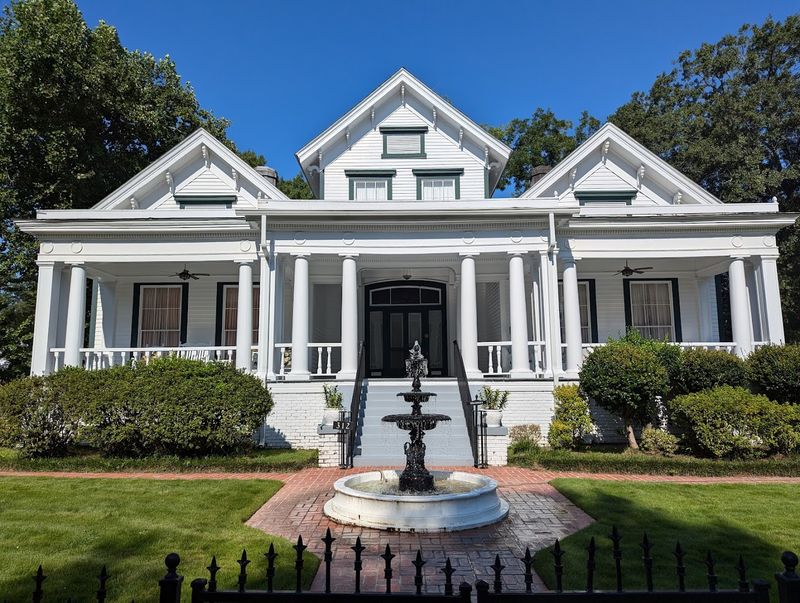
You know that strange feeling when a town suddenly starts looking far more European than your brain was prepared for? That is exactly what happens in Eufaula, especially once you start wandering through the Seth Lore and Irwinton Historic District around three hundred thirty-three East Broad Street, Eufaula, Alabama.
The streets feel gracious and a little theatrical, with houses that seem built for lingering glances instead of quick drive-bys.
What got me here was the skyline, because those cupolas, tall windows, and layered rooflines really do pull your eye upward in that very Italianate way. There is so much trim, brickwork, iron, and porch detail that you almost stop seeing Alabama for a second and start thinking about old villas translated through Southern weather.
It all feels surprisingly intimate, though, because the neighborhood stays quiet and rooted instead of showy.
If you want one of the clearest examples, walk toward Fendall Hall and keep noticing how many homes borrow that same elegant language. The district has this soft grandeur that feels less museum-like and more lived in, which honestly makes it better.
I would take this slow, on foot if you can, because every block gives you another little reason to keep looking.
2. Mio Sogno & Historic Covered Bridges
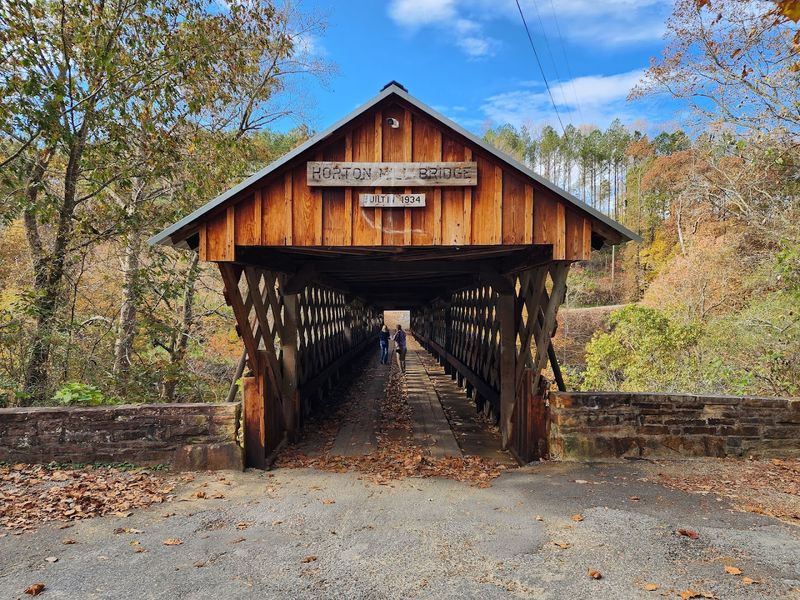
If you ever want a part of Alabama that feels a little more tucked into the hills and a little less expected, head toward Oneonta. Begin around Mio Sogno at two hundred thirty-one Second Avenue East, Oneonta, Alabama, then turn the outing into a rambling drive toward the covered bridges near Horton Mill Bridge Road.
The whole area has that mountainous, old-country mood that sneaks up on you.
What makes this one feel faintly Italian is not just one building or one postcard view, but the overall setting. The slopes, the narrow roads, the stone, the weathered wood, and the way the landscape folds around you all start suggesting a rural hillside far from the version of Alabama most people picture first.
Then a covered bridge appears, and the nostalgia level climbs immediately.
I like this stop because it feels personal rather than polished, almost like the kind of route a local friend would mention quietly. You are really here for atmosphere, curves in the road, and that slightly romantic sense of discovering somewhere with its own pace.
If you take your time and let the day stretch a little, Oneonta has a way of feeling both familiar and oddly transported at once.
3. Historic Downtown & Avenue of the Oaks
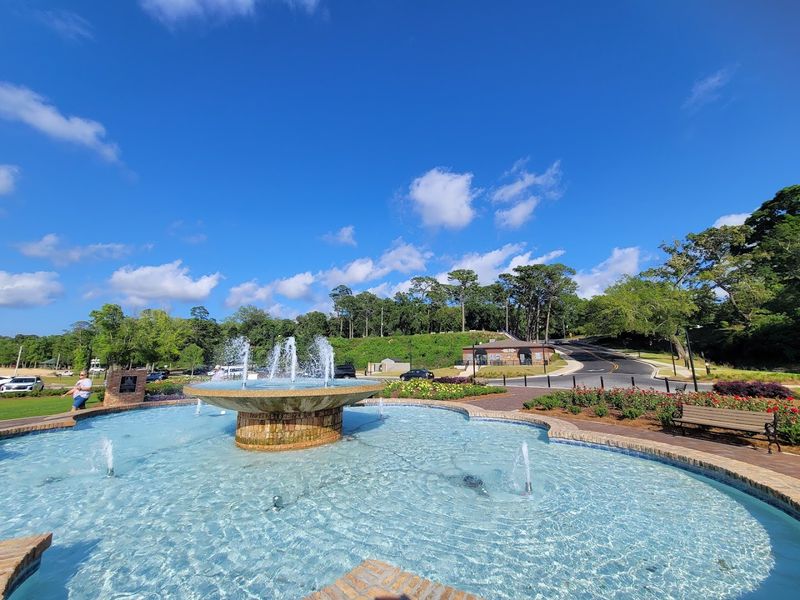
There is something about Fairhope that makes you slow your pace without even deciding to. Start around Fairhope Avenue and North Section Street, Fairhope, Alabama, then wander down toward the Fairhope Municipal Pier at one Beach Road, and the whole place starts feeling oddly coastal in that soft, Mediterranean way.
It is the mix of flowers, walkability, and water that does it.
The downtown streets feel intentionally human-scaled, which sounds nerdy until you are actually there and realize how pleasant that makes everything. Brick paths, storefronts, balconies, and those beautifully kept public spaces create a rhythm that feels much closer to an Italian seaside town than most people would ever expect from coastal Alabama.
Then the bay opens up, and suddenly the promenade really seals the illusion.
I also love the Avenue of the Oaks because it gives the town a kind of old, shaded elegance that softens every walk. Nothing here tries too hard, and that is probably why it works so well.
If you catch it in the right light, with the breeze coming off Mobile Bay, Fairhope feels less like a regular downtown and more like a place where you accidentally stay much longer than planned.
4. St. Bernard Abbey & Ave Maria Grotto
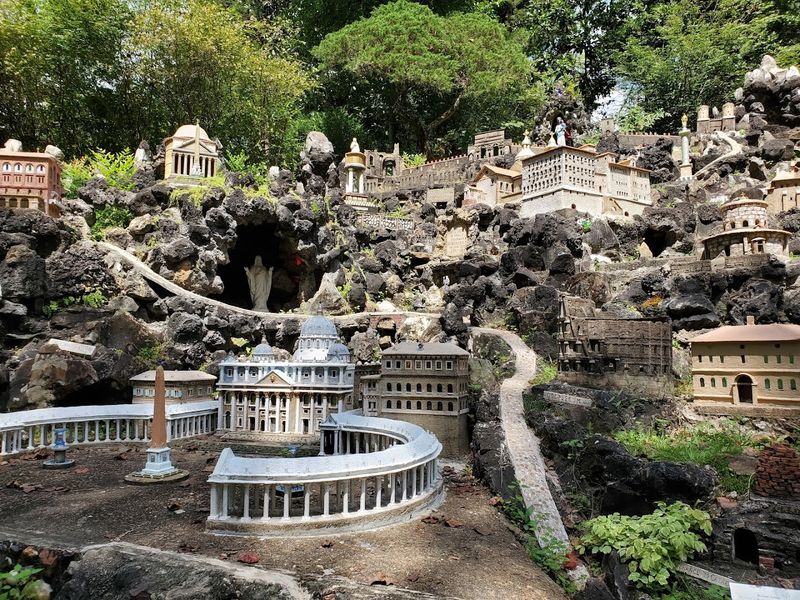
Some places make you lower your voice without anybody asking, and this is one of them. St. Bernard Abbey and Ave Maria Grotto, at sixteen hundred Saint Bernard Drive Southeast, Cullman, Alabama, have that calm, layered beauty that immediately feels removed from ordinary roadside life.
You walk in expecting something local and lovely, then the whole setting starts nudging your imagination straight toward Europe.
The abbey itself has that heavy, grounded Romanesque look, with twin spires and brickwork that feels almost monastic in the most transporting way. Then you head into the grotto grounds, and suddenly there are miniature sacred structures tucked into the landscape like a tiny old-world map made by somebody very patient and very devoted.
It is unusual, yes, but it is also genuinely moving once you slow down enough to take it in.
What I like most is that the place never feels gimmicky, even though the details could have gone that direction so easily. Instead, it feels handmade, reverent, and a little dreamlike, which is probably why it sticks with people.
If Alabama ever wanted to quietly prove it can surprise you, this would be one of the strongest arguments it has.
5. The Tuscan-Style Gardens
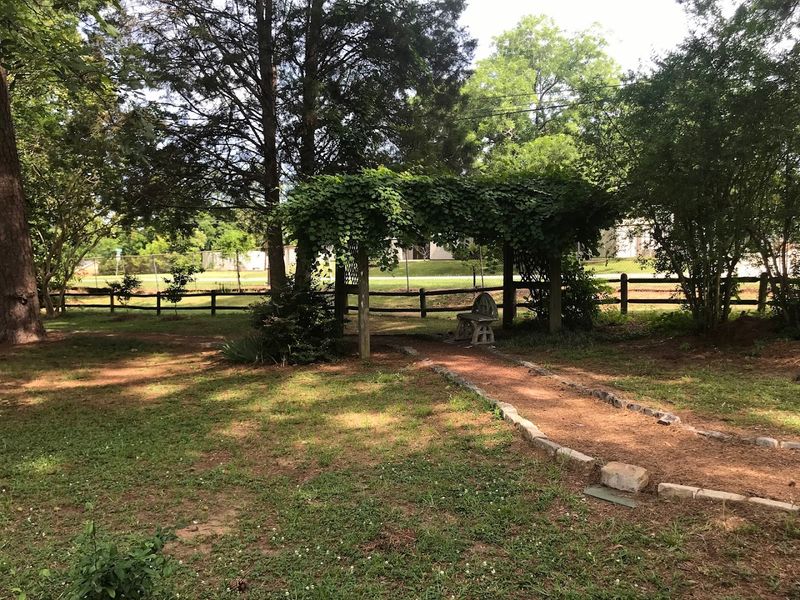
I always like a place more when it feels slightly whispered about, and these gardens in Montgomery definitely have that energy. Tucked behind the station area near two hundred thirty-five South Jackson Street, Montgomery, Alabama, the space feels unexpectedly Mediterranean once you step past the everyday city surroundings.
It is the kind of contrast that makes you stop and laugh a little because it is so not what you expected.
Instead of grand scale, what you get here is texture, shade, and that rustic arrangement of trellises, stone, and planting that immediately reads more Tuscan than Southern civic space. The design leans into restraint, which helps, because nothing feels overdone or theatrical.
You just get those dry-garden notes, warm walls, and quiet corners that make you want to linger longer than you planned.
What I appreciate is how local this place feels, like something people around Montgomery may know without making a big fuss about it. That keeps the experience grounded, even while the atmosphere nudges your mind somewhere far beyond central Alabama.
If you like finding pockets of old-world mood in completely ordinary settings, this one has a very gentle way of winning you over.
6. Dave Patton House
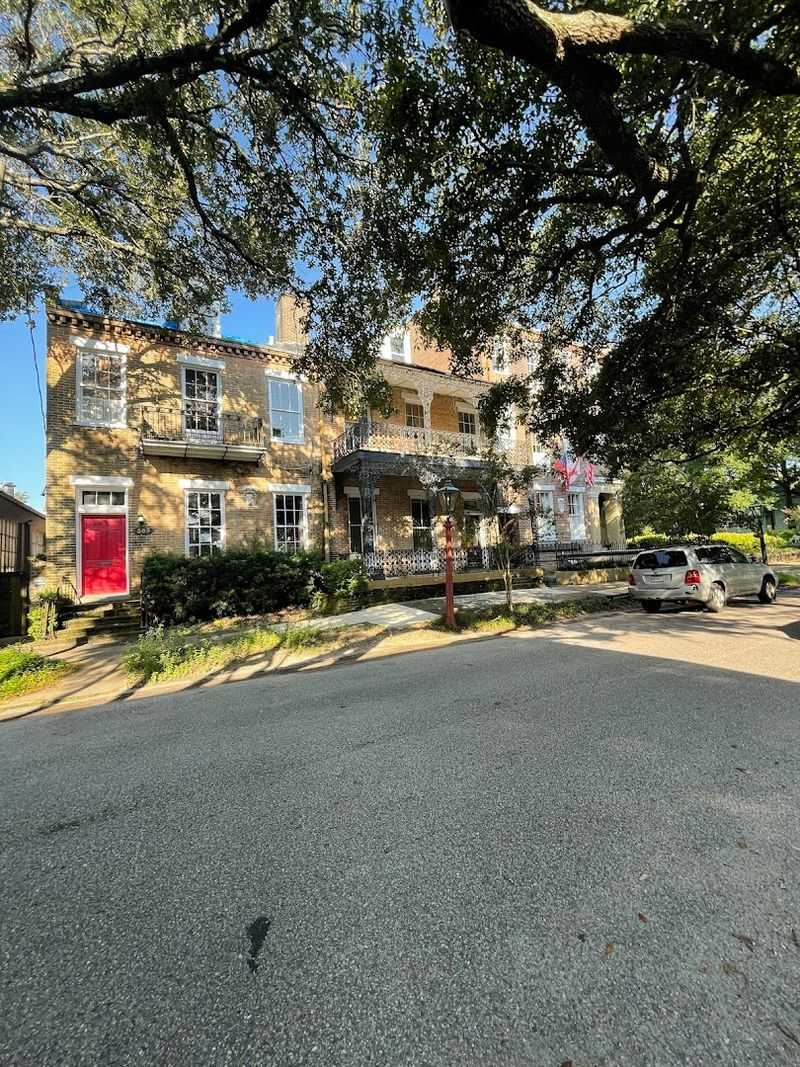
Every now and then, one house carries an entire mood by itself, and that is exactly how the Dave Patton House feels in Mobile. You will find it in the De Tonti Square area around South Claiborne Street, Mobile, Alabama, where the neighborhood already has enough age and texture to set the stage.
Then this Mediterranean Revival beauty shows up, and the whole block suddenly shifts tone.
The stucco walls, red tile roof, and decorative details give it that unmistakable southern-Europe energy without losing its Gulf Coast identity. It feels sun-friendly, a little romantic, and just ornate enough to make you pause across the street for longer than you meant to.
I love architecture that changes the emotional temperature of a place, and this one really does.
What makes it memorable is that it is not trying to recreate Italy in any theme-park way. It simply belongs to that architectural conversation, and in this part of Mobile it feels both graceful and completely at ease.
If you are already walking through the historic district, take a few extra minutes here and look carefully at the roofline, the surface texture, and the small flourishes, because that is where the whole illusion really comes alive.
7. La Famiglia Winery
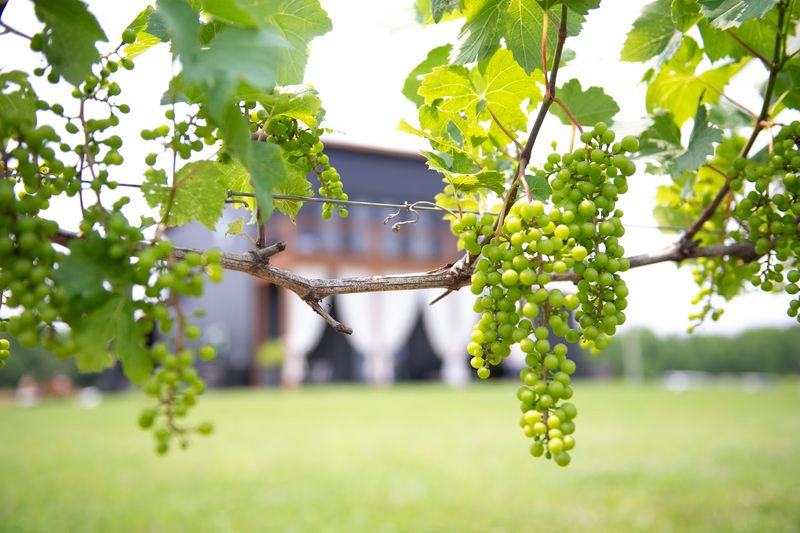
You probably do not expect North Alabama to give you vineyard scenery that feels even faintly old-world, which is why this stop lands so well. La Famiglia Winery, at one hundred twenty-seven ninety-five Pulaski Pike, Toney, Alabama, has that family-estate feeling that instantly softens the landscape around it.
Even before you know much about the place, the rows of vines and open sky start doing a lot of the work.
What I enjoy here is the sense of heritage more than anything flashy, because the property leans into tradition instead of spectacle. The setting feels rural, patient, and deeply tied to the land, which is exactly the kind of atmosphere that can make a place in Alabama suddenly feel connected to immigrant memory and older European rhythms.
It is not a copy of Italy, but it definitely nods in that direction.
If you visit, give yourself time to walk the grounds and really notice the lines of the vines against the countryside. The experience is as much about mood as scenery, and that mood is gentle, familial, and a little transportive.
I think that is why this place lingers with people, because it feels sincere in a way that many more obvious destinations never quite manage.
8. Historic Avenue & Italianate Architecture
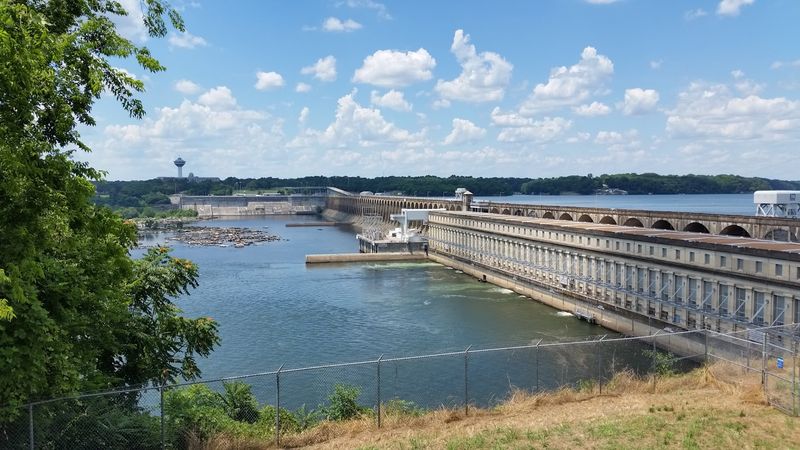
Florence has one of those backstories that already sets your imagination in motion before you even start walking around. Around North Court Street and the historic downtown core near one hundred South Court Street, Florence, Alabama, you can feel the city’s Italian connection in both the name and the architecture that still anchors several blocks.
That context changes how you see everything, and honestly, it makes the details more fun to notice.
What stands out most is the Italianate influence tucked into older commercial buildings and homes, where brackets, tall windows, and decorative cornices quietly keep showing up. Places like Southall Drugs and nearby historic facades give the streets a formality that feels more old-world than standard small-town Southern.
It never tips into imitation, though, because Florence still feels unmistakably Alabama in pace and personality.
I like this stop because it works on two levels at once, with the city name planting the idea and the architecture backing it up block by block. If you wander without rushing, you start seeing a place that feels shaped by cultural memory rather than spectacle.
That is usually the version of travel I trust most, because it lets a town reveal itself gradually instead of trying to impress you all at once.
