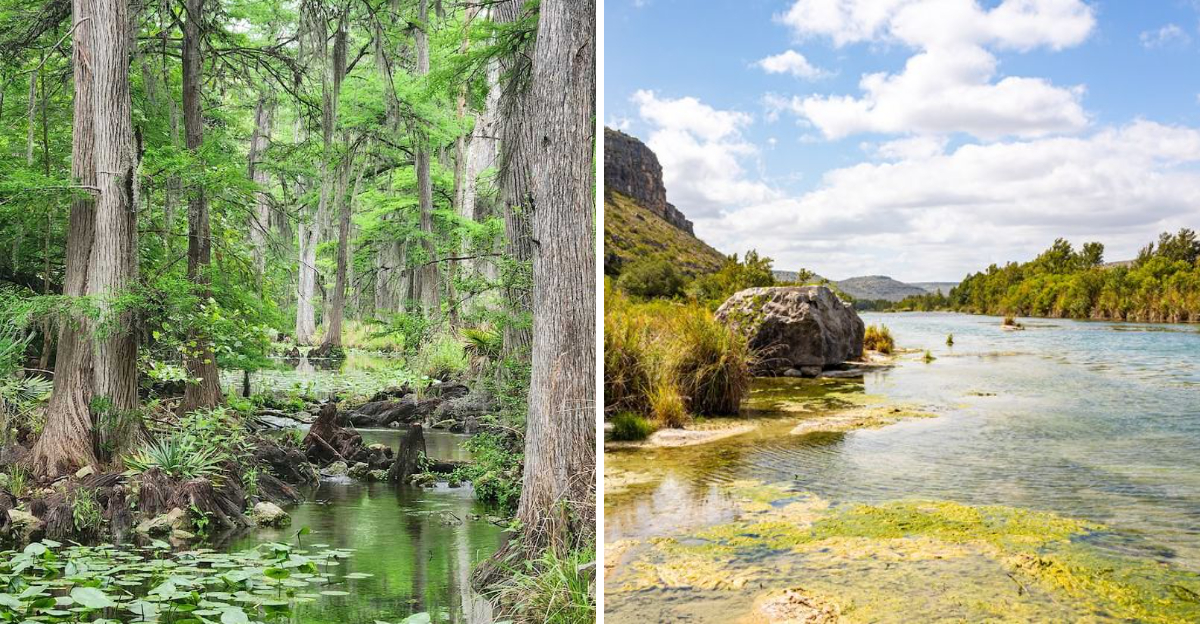
Everyone races to the same famous spots every weekend. The parking lots fill up before noon.
The lines get long and the patience runs short. But there are other places hidden off the main roads that somehow stay quiet.
No crowds, no chaos, no fighting for a decent photo. Some of these spots have been sitting there for years, waiting for someone to notice.
The locals are not talking, and that is exactly why they are still hidden. A wrong turn or a slow drive might lead to something unexpected.
1. Big Thicket National Preserve
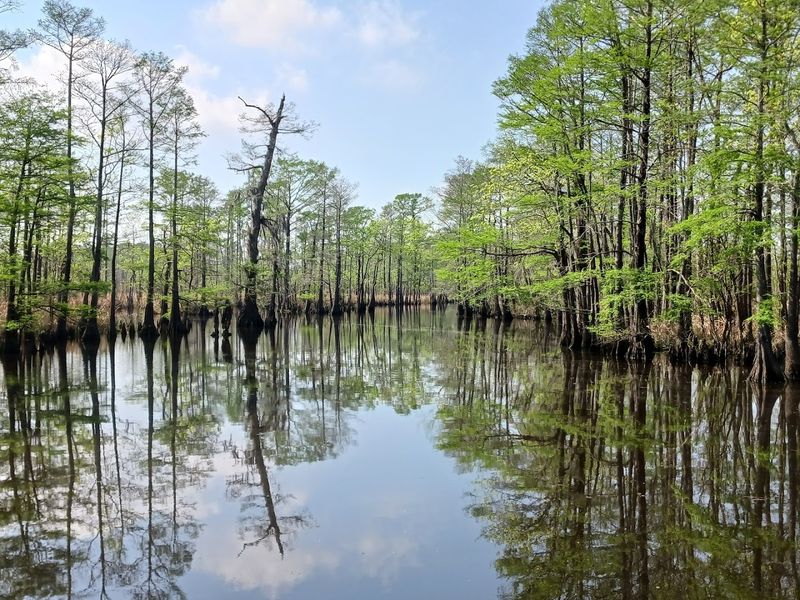
There’s a strange magic to Big Thicket that’s hard to put into words. It sits in Southeast Texas like a biological crossroads, where the pine forests of the East collide with Gulf Coast wetlands, Appalachian foothills, and Midwest prairies all at once.
The result is one of the most ecologically diverse places in North America, and most people have never heard of it.
Over a hundred thousand acres of protected land host more than a thousand plant species, including four types of carnivorous plants. I found myself crouching next to pitcher plants along a quiet trail, completely alone, which felt almost unreal given how extraordinary the surroundings were.
Kayaking the Neches River through the preserve is one of the more peaceful experiences you can have in Texas. The forest closes in on both sides, birds call from somewhere deep in the canopy, and the water moves slowly enough to feel like you’re drifting through a nature documentary.
Hiking trails range from easy boardwalk loops to longer backcountry routes, and the wildlife spotting opportunities are genuinely impressive for those willing to move quietly and pay attention.
Address: Farm to Market 420, Kountze, TX
2. Seminole Canyon State Park & Historic Site
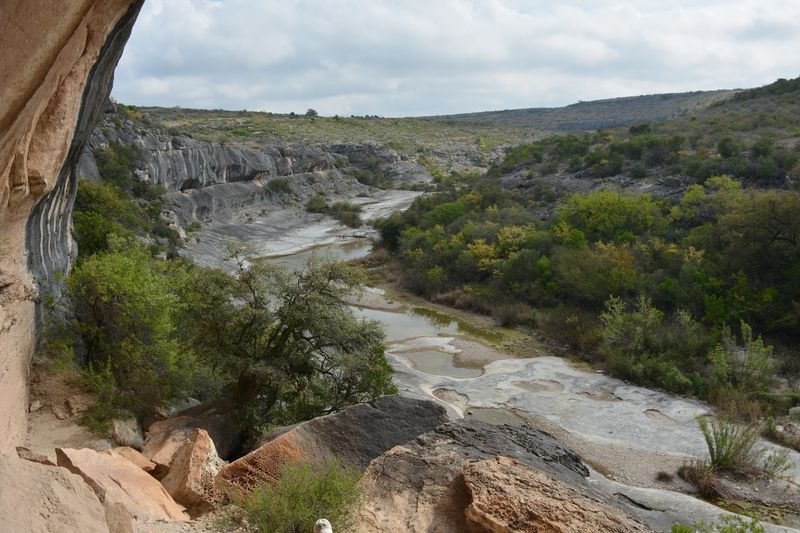
Few places in Texas carry the weight of human history as quietly as Seminole Canyon. Hidden along the US-90 corridor near the confluence of the Pecos River and the Rio Grande, this park contains some of the oldest rock art in North America, painted by ancient peoples over four thousand years ago.
The pictographs at Fate Bell Shelter are extraordinary. Guided tours lead visitors down into the canyon where the images remain vivid against the limestone walls, depicting shamanic figures, animals, and abstract symbols that archaeologists are still working to fully interpret.
There’s a humbling quality to standing before artwork that predates most known civilizations.
Beyond the rock art, the canyon itself is worth the trip. The landscape is rugged semi-desert, all dry arroyos, thorny shrubs, and dramatic cliff faces that glow amber at sunset.
I kept thinking how easy it would be to spend an entire afternoon just watching the light shift across the canyon walls. Camping here means genuinely dark skies, and the silence at night is the kind that reminds you how loud daily life usually is.
Address: US-90, Comstock, TX
3. Big Bend Ranch State Park
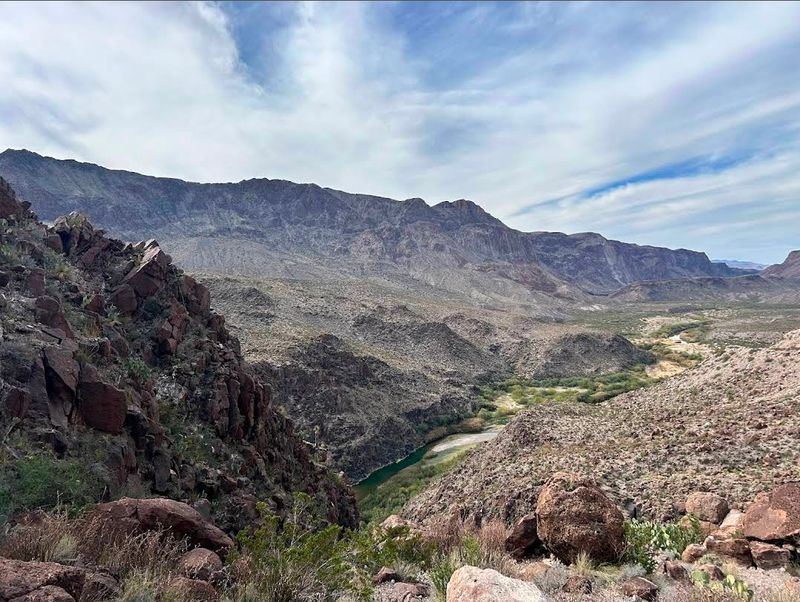
Most people who make the long drive to the Big Bend area head straight for the national park, which is fair. But Big Bend Ranch State Park, sitting just to the west along the Rio Grande corridor, is Texas’s largest state park and somehow still manages to feel like a well-kept secret.
The landscape here is volcanic and ancient, shaped by geological forces that left behind dramatic lava flows, hidden waterfalls, and canyon systems that you can explore for days without retracing your steps.
The Closed Canyon Trail is a personal favorite, a narrow slot canyon where the walls press close and the light filters down in thin ribbons.
Camping in the backcountry here requires a permit and some planning, but the reward is total solitude in one of the most remote corners of the American Southwest.
The Rio Grande forms the southern boundary, and floating sections of it through the park by canoe is an experience that feels genuinely far from the modern world.
The nearest large town is hours away, and the skies at night are almost incomprehensibly clear. Big Bend Ranch rewards patience and preparation with something rare: real wilderness.
Address: 21800 FM170, Terlingua, TX
4. Balcones Canyonlands National Wildlife Refuge
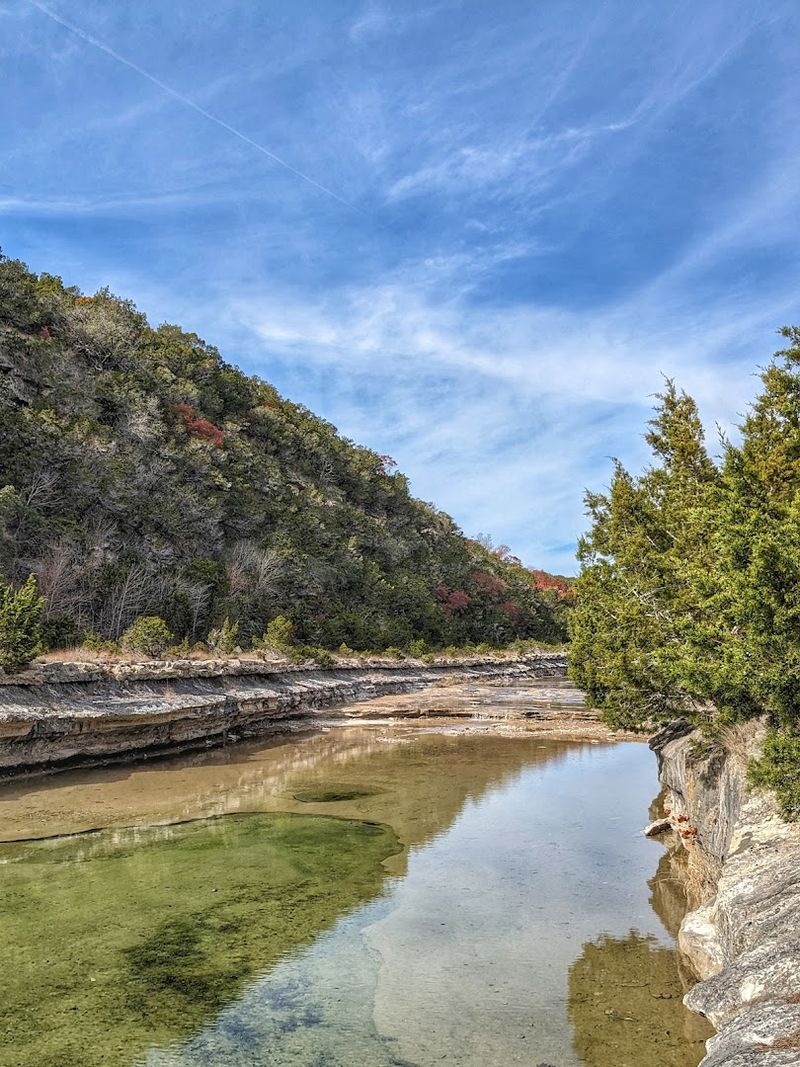
Just west of Austin, where the Hill Country begins to buckle and fold into limestone ridges and cedar-choked canyons, lies one of the most important bird habitats in the entire country.
Balcones Canyonlands National Wildlife Refuge was established specifically to protect two endangered songbirds: the golden-cheeked warbler and the black-capped vireo.
Both nest here, and both are genuinely difficult to find anywhere else.
Spring mornings at the refuge are something else entirely. The air is cool, the cedar smells sharp and clean, and the birdsong is layered and constant.
I spent a few hours on the Doeskin Ranch unit trails once and counted more species in a single morning than I usually see in a month back home.
Beyond birding, the refuge offers hiking through classic Hill Country terrain with views of distant ridges and the kind of quiet that cities simply cannot replicate. Wildlife beyond birds includes white-tailed deer, wild turkey, and the occasional fox.
The refuge is open year-round, though spring is peak season for both wildflowers and warblers. Crowds are light even on weekends, which is remarkable given how close it sits to one of the fastest-growing cities in the United States.
Address: 24518 FM 1431, Marble Falls, TX
5. Devils River State Natural Area
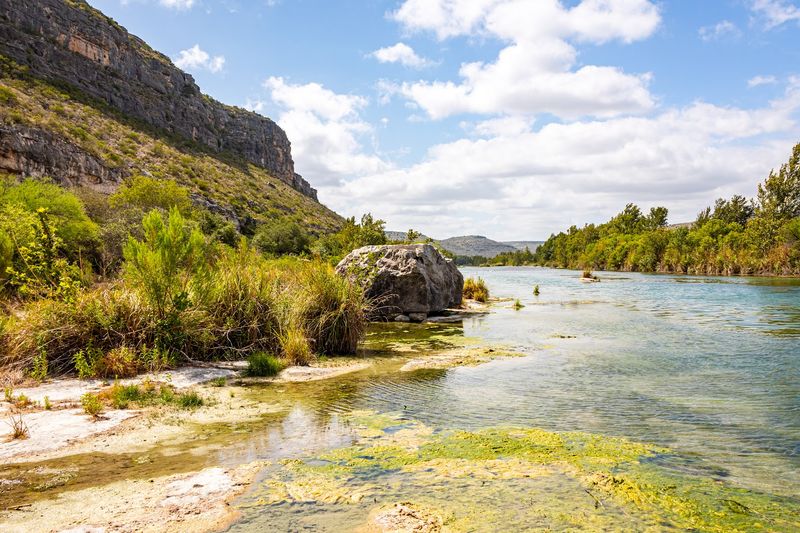
Getting to Devils River State Natural Area is part of the experience. The drive out from Del Rio involves miles of unpaved ranch road, and the remoteness is not accidental.
This place is intentionally difficult to reach, and the effort filters out casual visitors in a way that keeps it feeling genuinely wild.
The Devils River itself is considered one of the clearest and cleanest rivers in Texas, fed by springs that maintain remarkably consistent flow even in dry years. Paddling it is extraordinary.
The water is so transparent that you can watch fish moving along the bottom from several feet up, and the canyon walls that rise on both sides give the whole corridor a dramatic, almost otherworldly character.
Archaeological sites dot the area, and the rock formations are visually striking throughout.
Hiking and mountain biking trails push through classic Chihuahuan Desert terrain with thorny plants, rugged limestone, and an abundance of wildlife including white-tailed deer, javelinas, and various raptors overhead.
Camping spots fill up fast despite the remoteness, so planning ahead is essential. This is genuinely one of the most unspoiled natural areas in Texas, and it has the quiet to prove it.
Address: 21715 Dolan Crk Rd, Del Rio, TX
6. Honey Creek State Natural Area
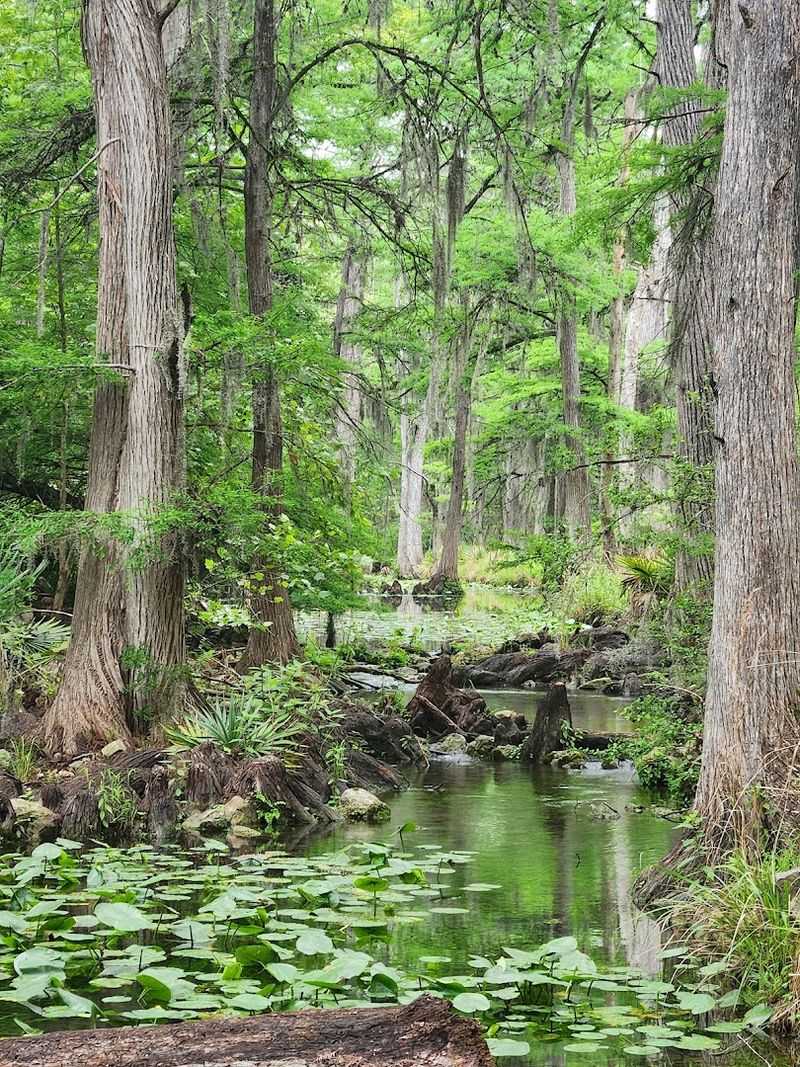
Honey Creek doesn’t announce itself. It hides behind Guadalupe River State Park in the Hill Country, accessible only through guided tours offered on weekend mornings, which is part of why it remains so beautifully uncrowded.
The creek itself is a spring-fed gem, running cold and clear through a narrow limestone canyon draped in ferns, cypress, and sycamore.
The guided hike follows the creek for about two miles, crossing it multiple times on stepping stones while the guide points out plant life, geological features, and the occasional wildlife sighting.
It has the feeling of a private tour through one of the Hill Country’s most photogenic corners.
What makes Honey Creek special beyond its looks is how intact the ecosystem feels. Because access is limited and guided, the habitat has been able to maintain a health and density that unrestricted parks often lose over time.
Golden-cheeked warblers nest in the area during spring, and the creek supports a range of aquatic life visible through the clear water. The tour typically lasts around three hours, and the pace is relaxed enough to really absorb the surroundings.
It’s the kind of place you leave talking about for weeks.
7. Old Tunnel State Park
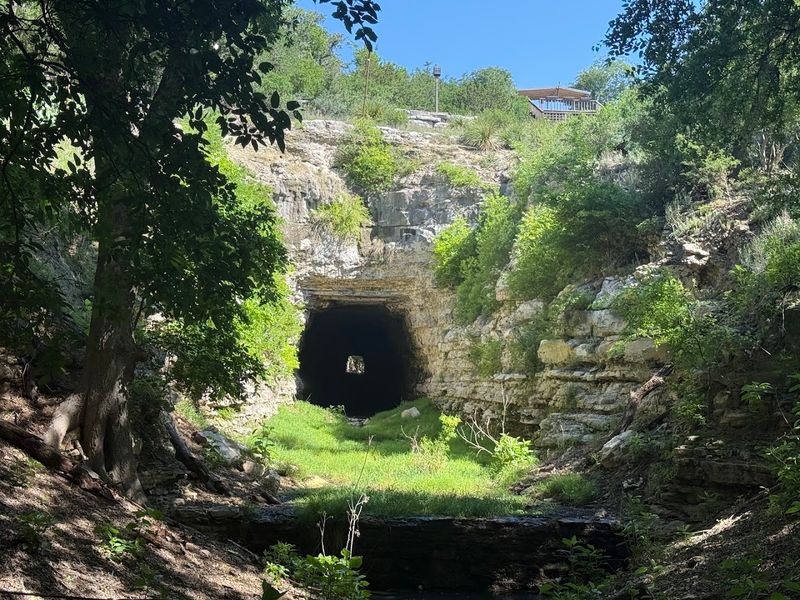
Every evening between May and early November, something extraordinary happens on a quiet stretch of Old San Antonio Road outside Fredericksburg. Around dusk, millions of Mexican free-tailed bats begin pouring out of an abandoned railroad tunnel in a spiraling column that can last for thirty minutes or more.
It’s one of those natural spectacles that genuinely defies description until you’ve witnessed it firsthand.
Old Tunnel State Park was established to protect both the tunnel and its resident bat colony, which numbers between one and three million individuals depending on the season. The viewing area is simple and unhurried, with lower and upper platforms offering different perspectives on the emergence.
Rangers are usually on hand to answer questions, and the atmosphere is surprisingly relaxed given how remarkable the show is.
The bats consume an enormous quantity of insects each night, making them a vital part of the local agricultural ecosystem. Beyond the nightly bat flight, the park offers a short trail through classic Hill Country cedar and oak woodland.
Morning visits have their own quiet appeal, and the tunnel itself is visible from the trail. This is the kind of experience that converts skeptics into genuine wildlife enthusiasts almost immediately.
Address: 10619 Old San Antonio Rd, Fredericksburg, TX
8. Caprock Canyons State Park
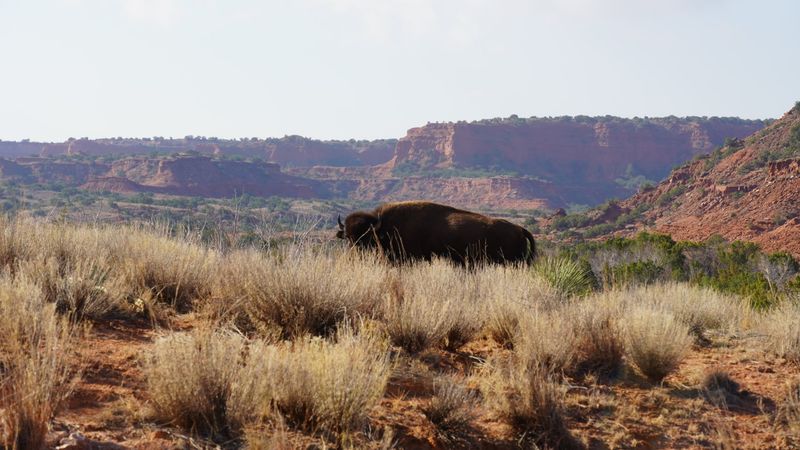
The Texas Panhandle doesn’t get enough credit for its landscapes. Most people picture flat plains and not much else, which makes Caprock Canyons State Park one of the state’s most satisfying surprises.
The canyon system here drops suddenly from the surrounding plateau in layers of red, orange, and pink rock that feel almost surreal against the wide Panhandle sky.
The park is home to the official Texas State Bison Herd, descendants of one of the last surviving wild bison populations on the Southern Plains. Seeing them move through the canyon floor is a genuinely moving experience, a reminder of a landscape that once supported tens of millions of these animals.
The herd is managed carefully, and sightings are common but never guaranteed, which keeps every visit feeling like an actual encounter rather than a zoo trip.
Hiking trails range from easy walks along the canyon rim to more demanding backcountry routes that push deep into the park’s rugged interior. The South Prong Trail is particularly beautiful, following a creek through increasingly dramatic terrain.
Camping is available in several areas, and the night skies here rival anything in West Texas. Caprock Canyons deserves far more attention than it currently receives.
Address: 850 State Park Rd, Quitaque, TX
9. Fort Boggy State Park
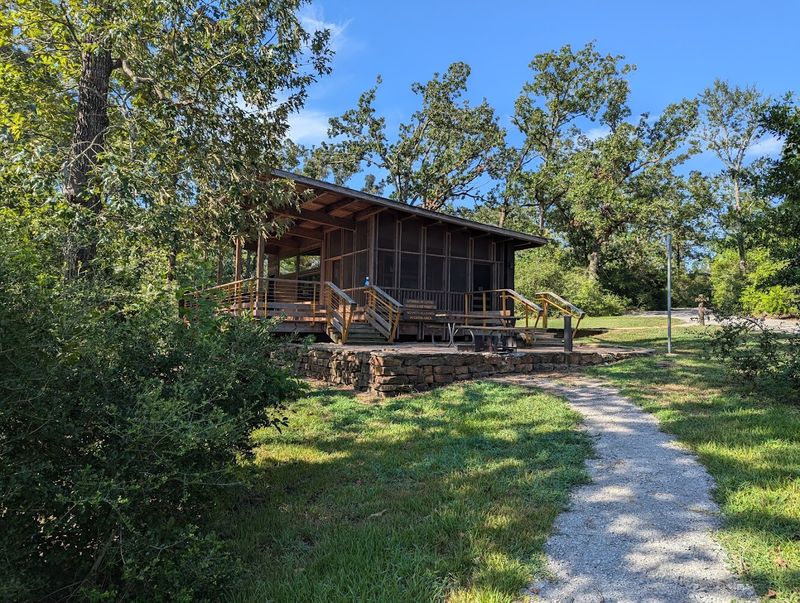
Fort Boggy is the kind of park that regulars tend to keep to themselves. Found along Highway 75 in Leon County between Dallas and Houston, it’s easy to pass without a second thought.
That would be a mistake. The park centers on a small, dark-watered lake surrounded by dense East Texas forest, and the atmosphere it creates is genuinely tranquil in a way that larger parks rarely manage.
The lake is stocked and popular with anglers, particularly for bass and catfish. Kayaking and canoeing the shoreline is a relaxed way to spend a morning, with turtles sunning on logs and herons standing motionless in the shallows.
The forest trails are short but rewarding, winding through a mix of pine, oak, and yaupon that feels properly wild rather than manicured.
Camping here is affordable and unhurried. Sites near the water fill up on summer weekends, but the park never reaches the shoulder-to-shoulder density of more famous East Texas parks.
The swimming area is popular with families during warm months, and the picnic areas are genuinely pleasant spots to slow down. Fort Boggy rewards visitors who aren’t chasing dramatic scenery but instead want something quieter and more restorative.
Address: 4994 TX-75 South, Centerville, TX
10. Kickapoo Cavern State Park
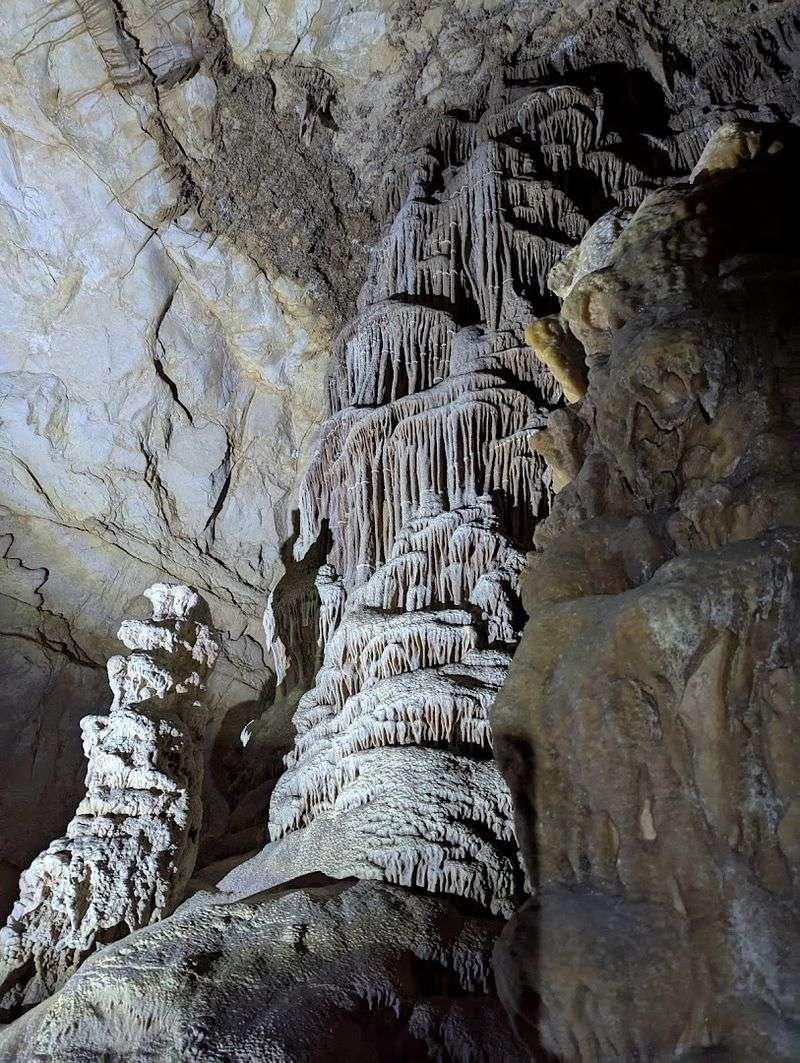
Somewhere between Brackettville and Rocksprings, a network of underground caves sits beneath the Edwards Plateau that most Texans have never thought to visit.
Kickapoo Cavern State Park protects seventeen known caves, and tours of the main cavern reveal formations that rival anything you’d find in more famous show caves around the country.
The main cave tour winds through chambers filled with stalactites, stalagmites, soda straw formations, and cave popcorn in a variety of colors and textures. The scale of some rooms is genuinely surprising, and the guide’s narration adds geological and historical context without ever feeling like a lecture.
I came away with a much deeper appreciation for just how slowly these formations grow.
Above ground, the park offers hiking through classic Tamaulipan thornscrub, a habitat type that supports a remarkable range of wildlife including white-tailed deer, wild turkey, and a variety of raptors.
The park also has a bat flight of its own, with cave myotis bats emerging from one of the cave entrances at dusk during warmer months.
Stargazing here is exceptional due to the remote location and minimal light pollution. Kickapoo Cavern consistently delivers more than visitors expect, which might be the highest compliment a hidden gem can earn.
Address: 20939 Ranch to Market Road 674 North, Brackettville, TX
11. Milburn-Price Culture Museum
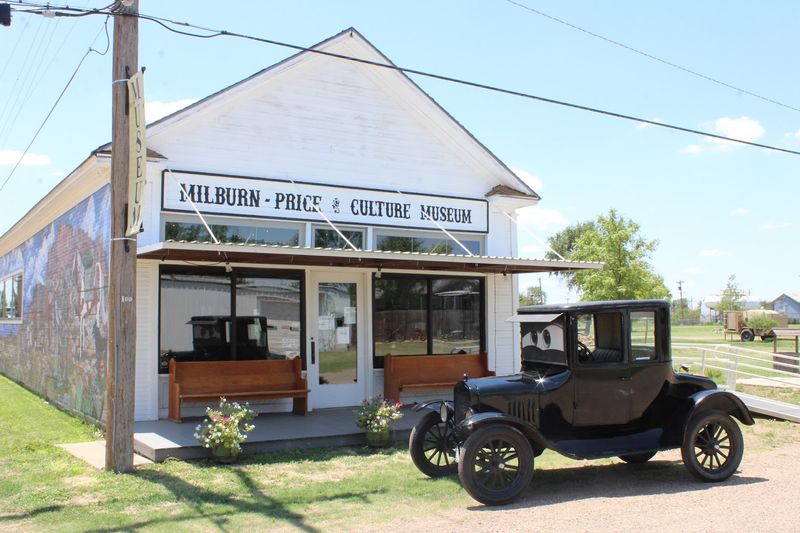
Vega, Texas sits on old Route 66 in the Panhandle, and most drivers pass through without stopping. That’s understandable on the surface, but the Milburn-Price Culture Museum gives a compelling reason to pull over.
It’s a community museum in the truest sense, dedicated to preserving the agricultural and pioneer heritage of Oldham County and the surrounding High Plains.
The collection inside is surprisingly rich for a small-town institution. Exhibits cover early ranching and farming life, the role of Route 66 in shaping Panhandle communities, and the personal stories of families who built lives in one of the more unforgiving landscapes in Texas.
Old photographs, hand tools, household items, and local artifacts fill the displays with a texture that feels genuinely lived-in rather than curated for tourism.
What makes this place worth a stop isn’t any single exhibit but rather the cumulative portrait it paints of a community’s resilience and identity. The staff are welcoming and knowledgeable, often with personal connections to the history on display.
Vega itself is a quiet town with that unhurried Panhandle rhythm, and the museum fits perfectly into its character. For anyone traveling the old Route 66 corridor, this is the kind of stop that turns a road trip into something more meaningful.
Address: 1005 Coke St, Vega, TX
