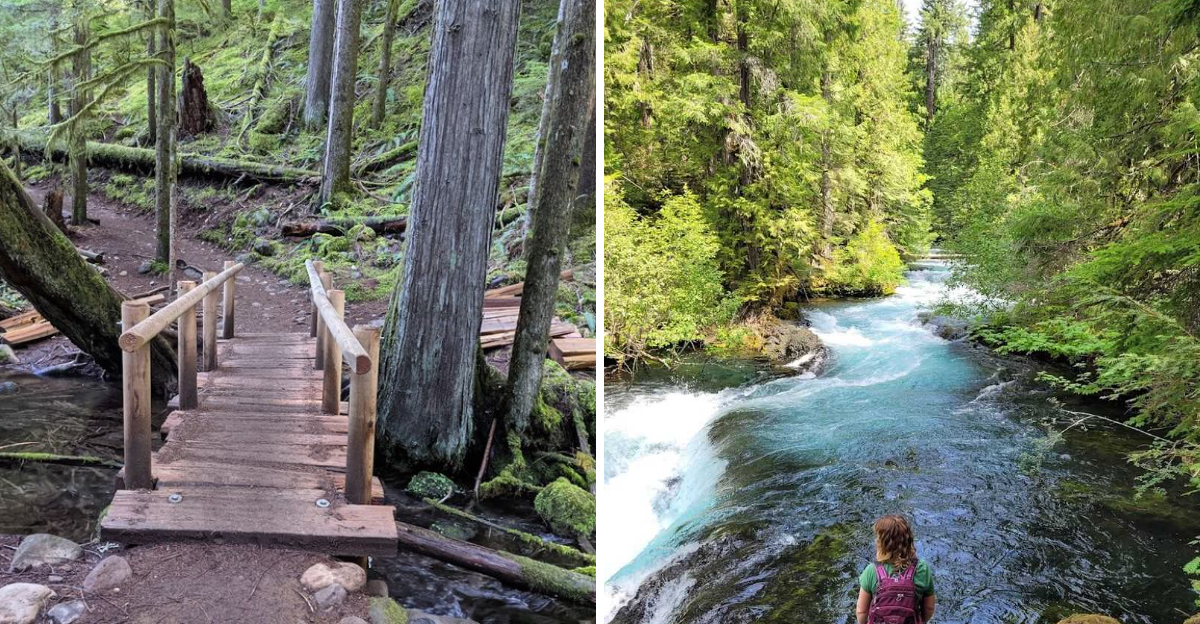
26 miles of pure Oregon trail magic waiting for boots and a sense of adventure. The path follows a river that changes color every few miles like it cannot pick a favorite.
Two hot springs sit right off the trail where tired hikers can soak their sore legs. I dipped my toes into the first one and suddenly the next ten miles felt completely doable.
The swimming hole appears without warning and its blue color makes you rub your eyes twice. No filter on earth could recreate that shade of turquoise glowing in the Oregon sunlight.
Waterfalls crash down along the way and provide excellent excuses to stop and stare for awhile. Ferns grow taller than my shoulders and the forest smells like cedar and happy tiredness.
Oregon really packed volcanoes, rivers, and hot springs into one single trail like a greatest hits album. The miles fly by when every turn offers something more beautiful than the last view honestly.
The Trail Itself: 26.4 Miles of Pure Oregon Magic
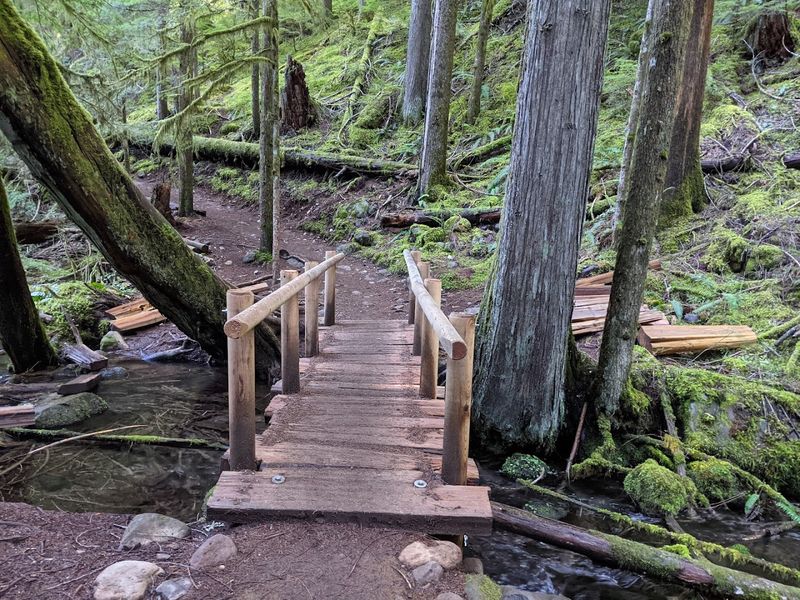
There is something almost meditative about walking a trail that just keeps going. The McKenzie River Trail runs 26.4 miles of single-track from Clear Lake all the way down to the McKenzie Bridge area.
It follows the river so closely that you can hear the water nearly the whole time.
The upper sections feel more rugged. Lava rock juts out from the ground, roots cross the path, and the forest gets dense and dark in the best possible way.
The lower half flows more smoothly, almost like the trail is guiding you downhill on purpose.
It is open 24 hours, every day of the year. Hikers and mountain bikers share the route, so staying aware of your surroundings matters.
Starting from the ranger station near McKenzie Bridge gives you solid info before heading out. The trail is well-marked but bring a map anyway.
Tamolitch Blue Pool: The Swimming Hole That Breaks Your Brain
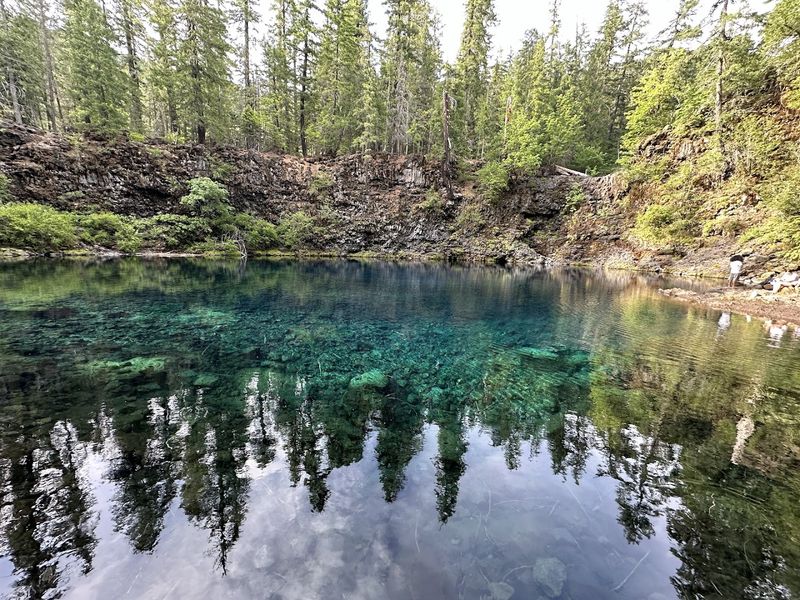
Nothing prepares you for actually seeing the Blue Pool. You hike about two miles from the Tamolitch trailhead, and then suddenly the trees open up and there it is.
The water is this deep, electric shade of blue-green that looks digitally enhanced but is completely, stubbornly real.
The pool sits inside a volcanic bowl. The McKenzie River actually disappears underground upstream and resurfaces here, which explains the color and the cold.
And yes, it is cold. Swimming in it feels like jumping into glacier melt.
The last stretch down to the water is steep. Wear shoes with grip.
The rocks around the pool are slippery, so moving carefully is just smart. The trail to the Blue Pool is probably the most popular section of the whole route.
Go early if you want some peace and quiet. Even with other hikers around, the place holds a kind of silence that feels earned.
Sahalie Falls: Where the River Goes Full Drama
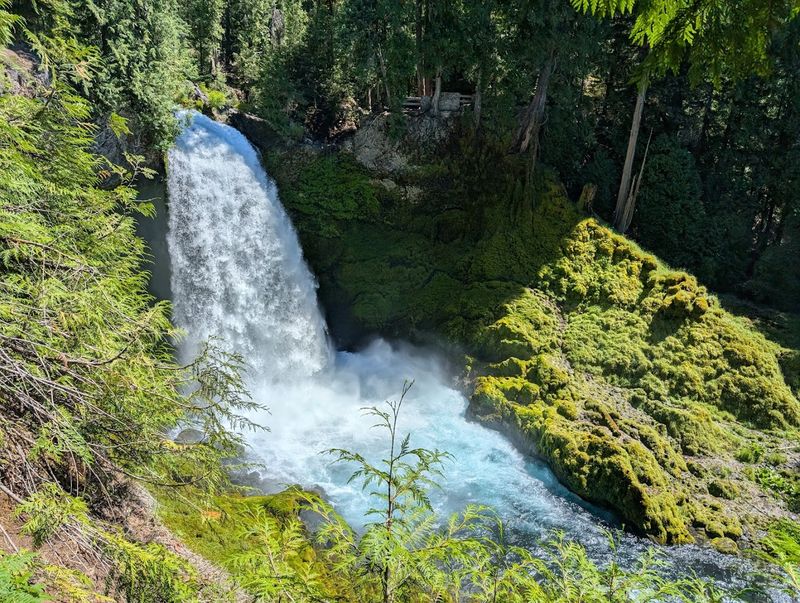
Sahalie Falls hits differently than most waterfalls. The McKenzie River drops about 100 feet over a ledge of ancient volcanic basalt, and the sound alone is enough to stop a conversation mid-sentence.
Mist drifts off the falls and cools the air around it noticeably.
The viewpoints are close and accessible. You do not need to scramble down a cliffside or earn this one with a brutal climb.
The trail brings you right to the edge, and the view rewards every step. The water below churns into a deep turquoise that matches the rest of the river’s signature color.
Sahalie connects directly to Koosah Falls via a short loop trail. Doing both in one go makes total sense and takes maybe two to three hours at a relaxed pace.
The falls look incredible in every season. Spring brings the heaviest flow.
Autumn adds golden color to the surrounding trees.
Koosah Falls: The Quieter, Equally Stunning Neighbor
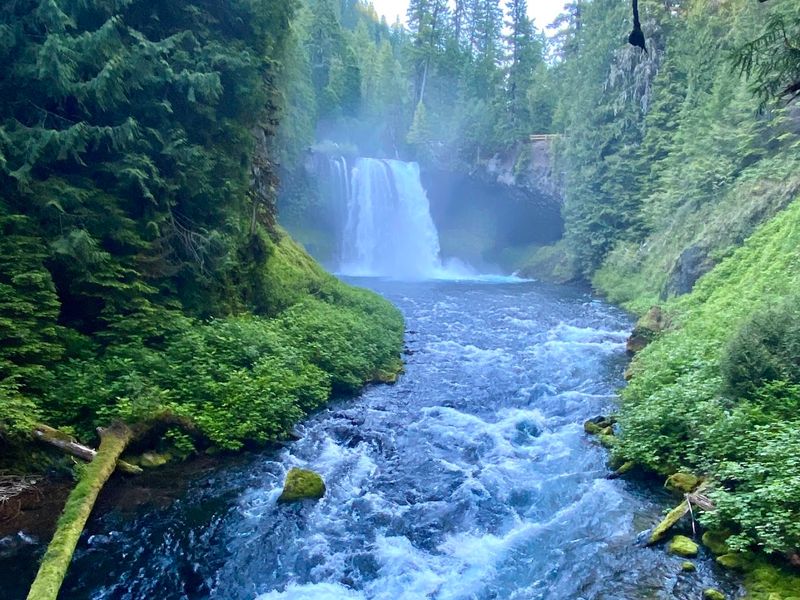
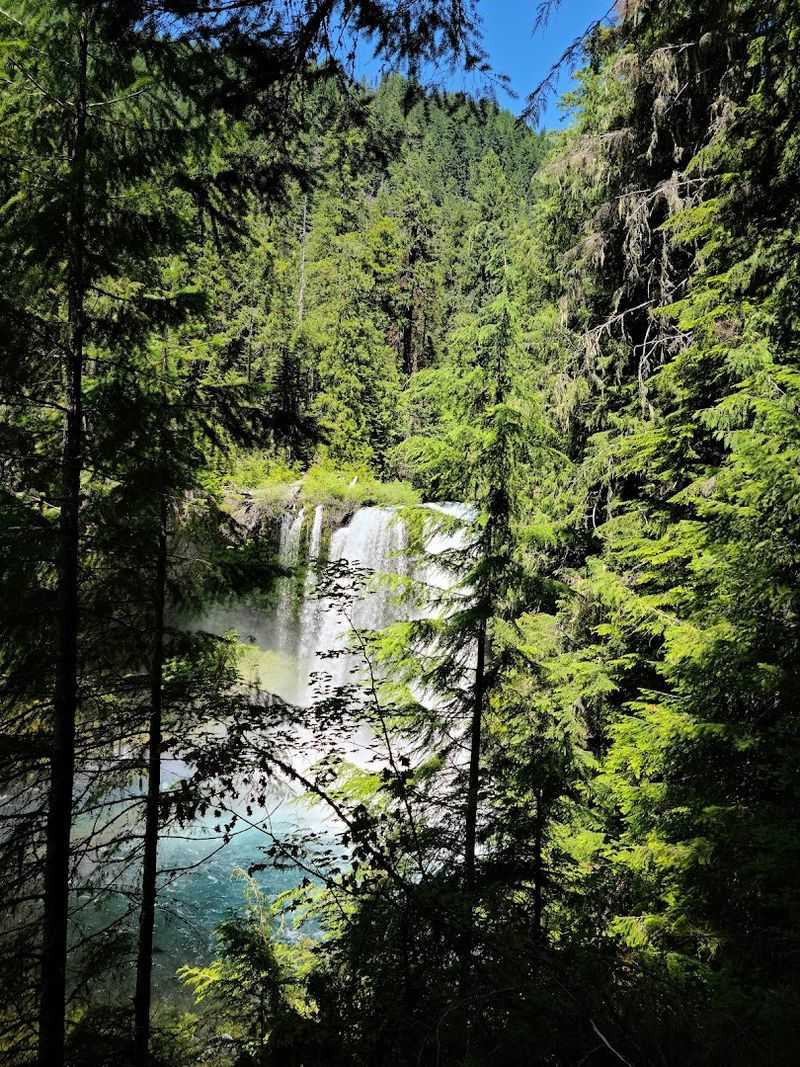
Koosah sits just downstream from Sahalie, and the two waterfalls feel like a matched set. Where Sahalie is tall and theatrical, Koosah spreads wide and crashes in layers.
It has a different kind of power, more horizontal than vertical, which makes it look almost like the river is throwing itself sideways off a cliff.
The viewing area here is quieter. Most people spend more time at Sahalie, which means Koosah gets a bit of breathing room.
Standing at the rail with mist on your face and the sound filling up your chest is genuinely one of the better free experiences Oregon has on offer.
Searching for Koosah or Sahalie Falls directly in your maps app works better than searching for the general trail entrance. Parking near the falls is limited but manageable if you arrive early.
The short loop connecting both falls is beginner-friendly and kid-approved. Families with younger hikers often pick this section specifically.
It delivers big scenery without demanding big effort, which is a rare combination on any trail.
Clear Lake: A Volcanic Wonder at the Trail’s Start
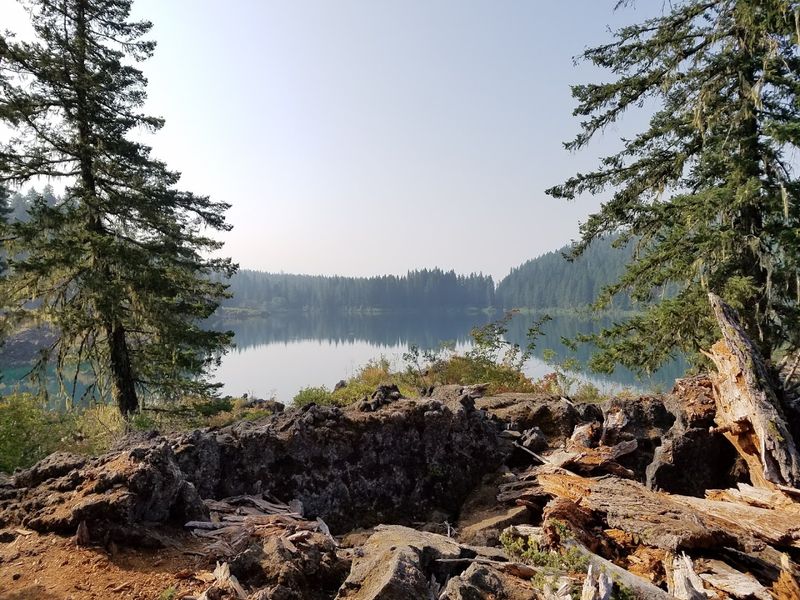
Clear Lake is where the McKenzie River Trail technically begins, and it sets a high bar right from the start. The lake sits in a lava-formed basin and is fed entirely by cold springs.
The water is so transparent you can see the tops of ancient trees still standing on the lake floor, preserved for over 3,000 years.
That detail alone is worth sitting with for a moment. Trees that were alive before the Roman Empire are still visible beneath the surface.
It feels more like a natural museum than a lake.
Rowing a small boat over the submerged forest is a popular activity here. The surrounding trail is gentle and well-maintained, making it a solid starting point for longer rides or hikes heading south.
The forest around the lake is quiet in a deep, old-growth kind of way. Sounds are muffled.
Light filters through at odd angles. It has the kind of atmosphere that makes you slow down without even meaning to.
Starting the trail here sets the right tone for everything that follows.
Hot Springs Along the Way: Nature’s Built-In Rest Stops
Two hot springs sit within reach of the McKenzie River Trail, and they feel like the trail rewarding you for showing up. Belknap Hot Springs is one of the most well-known in the area.
Warm mineral water flows into developed pools set against a backdrop of dense Pacific Northwest forest.
The springs are not a secret, but they never feel overcrowded in the way that more famous spots do. There is something genuinely restorative about soaking after a long day on the trail.
Your legs thank you immediately.
Terwilliger Hot Springs, also called Cougar Hot Springs, is another option nearby. It sits a bit deeper in the forest and has a more natural, undeveloped feel.
Multiple pools cascade at slightly different temperatures, so you can move between them as you like. Both springs are worth planning around rather than treating as an afterthought.
Building them into your itinerary before or after a big trail day turns a good trip into a genuinely great one. Pack a towel and plan to linger.
The Douglas Firs: Giants That Put Everything in Perspective
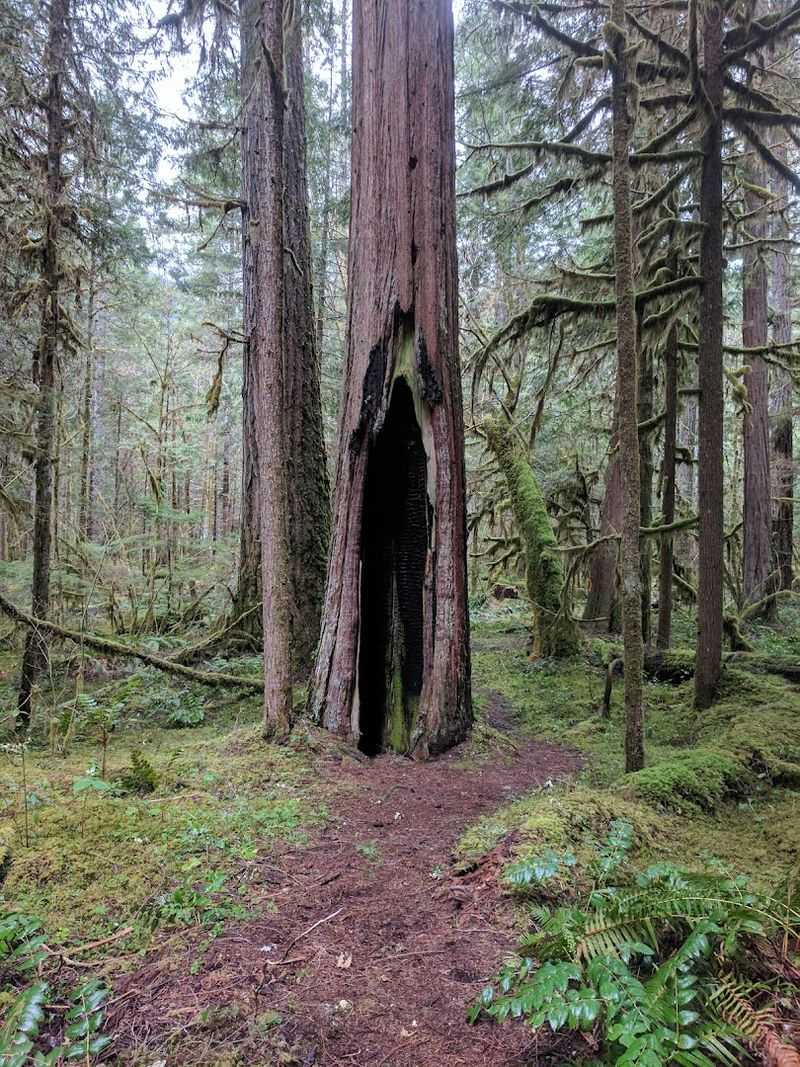
Walking beneath the Douglas firs on this trail is a humbling experience. Some of these trees are enormous, with trunks wider than a car and canopies so high they blur into the sky.
The forest feels genuinely ancient, like it has been growing here since long before anyone thought to build a trail through it.
Light moves strangely in this kind of forest. It comes through in shafts and pools, landing on ferns and moss in ways that look almost staged.
Early morning is the best time to experience it. The forest is quieter then, and the light is softer.
These trees are not the coastal redwoods of Northern California. They are their own thing entirely.
Tall, straight, and deeply rooted in the volcanic soil of the Oregon Cascades. The smell of the forest after rain is one of those sensory memories that stays with you.
It is earthy and sharp and green all at once. Walking through it slowly, without rushing, is the right way to appreciate what this trail actually offers beyond the waterfalls and the Blue Pool.
Lava Rock Terrain: When the Trail Gets Interesting
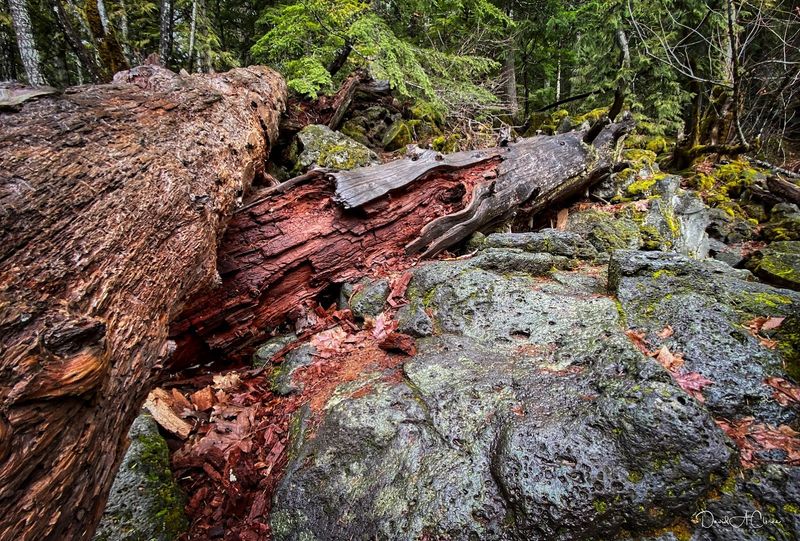
The lava rock sections of this trail are where casual hikers start paying closer attention to their feet. The McKenzie River Valley sits on top of old volcanic activity, and that history shows up underfoot in the form of jagged, uneven basalt.
It is not dangerous if you are careful, but it demands focus.
Mountain bikers often describe the upper sections as technical for this reason. The rock is unpredictable.
One moment the trail is smooth dirt, the next it is a field of chunky lava that tests your balance and ankle strength. Sturdy footwear is non-negotiable here.
The lava adds a visual dimension that sets this trail apart from most Pacific Northwest hikes. Black rock against green moss and blue river water creates a color contrast that photographs beautifully.
It also tells a geological story that is genuinely fascinating. This landscape was shaped by eruptions and lava flows that carved the valley over thousands of years.
Every rocky stretch is a small reminder of how young and volatile this part of Oregon actually is beneath its calm, forested surface.
Wildlife and River Life: What Moves Along the Trail
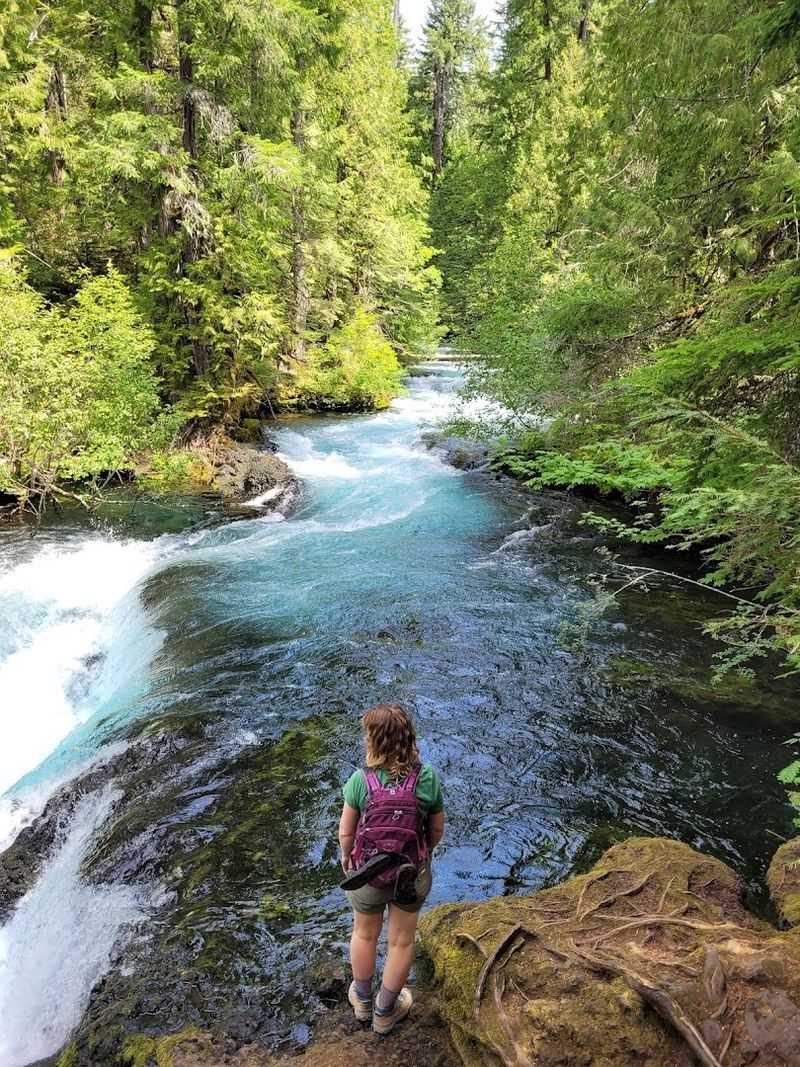
The McKenzie River is alive in a very literal sense. Otters move through the water.
Birds call from the canopy. The river itself supports wild salmon and steelhead, and on clear days you can spot them holding position in the current from the bank.
Rafters and kayakers use sections of the river too, and watching them navigate the whitewater from the trail is genuinely entertaining. There is even a kayak and paddleboard launch point accessible from parts of the trail.
The river has a whole community built around it.
Dogs are welcome on the trail, and plenty of hikers bring them. The path stays close enough to the water that four-legged trail companions tend to be very happy about the whole arrangement.
Deer appear more often in the early morning and late afternoon. The forest edges near the river are good spots to pause and watch quietly.
Wildlife sightings are never guaranteed, but the conditions here are right for them.
Planning Your Visit: What You Should Know Before You Go
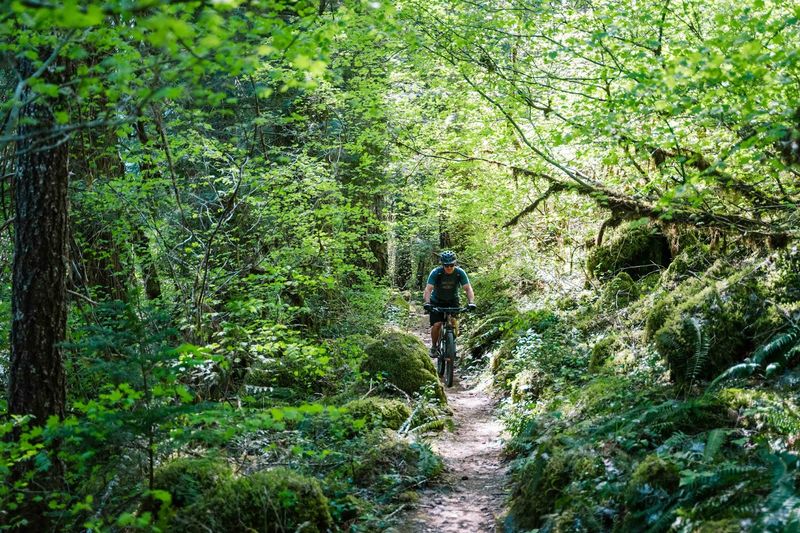
The McKenzie River Trail is open every single day, around the clock. That said, some sections are better in certain seasons.
Snow lingers on parts of the upper trail through April, so checking conditions before heading out in early spring is smart. Traction devices or gaiters can make a real difference.
Parking is a recurring topic in trail reviews for good reason. The Blue Pool trailhead fills up fast on weekends.
Getting there early, before 8 a.m., makes a noticeable difference. Weekday visits are significantly calmer across the board.
The ranger station near McKenzie Bridge is a reliable first stop for current conditions and trail closures. Some sections have been rerouted due to closures in recent years, so checking ahead saves frustration.
The trail address is 56621 McKenzie Hwy, McKenzie Bridge, OR 97413, and the phone number for the ranger station is +1 541-822-6272. The official trail website at mckenzierivertrail.com also carries useful planning information.
Pack water, wear layers, and leave no trace. This trail deserves to stay exactly as wild as it is.
