Connecticut has a lot of history above ground. Colonial homes.
Historic markers. The usual.
But beneath the surface, things get weird. Abandoned bunkers.
Secret tunnels. Forgotten military installations that most people drive right over without knowing.
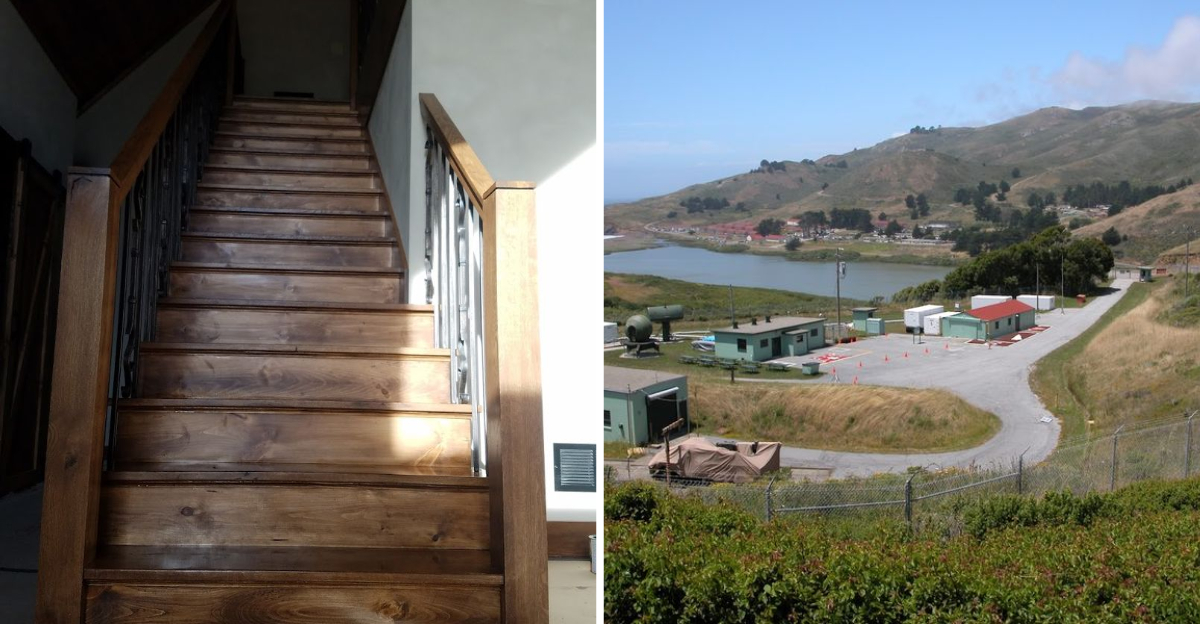
I found an entrance near some woods, barely visible, half hidden by brush. Inside, the air was cold and still. Graffiti covered the walls.
Rooms branched off in every direction. I walked for what felt like forever, hearing my own footsteps echo back.
No signs. No maps.
Just concrete and darkness. Connecticut is not usually on the list for underground exploration.
But these tunnels are real. Bring a flashlight.
And maybe a friend. Going alone is not smart.
The Fallout Bunker Beneath Hartford
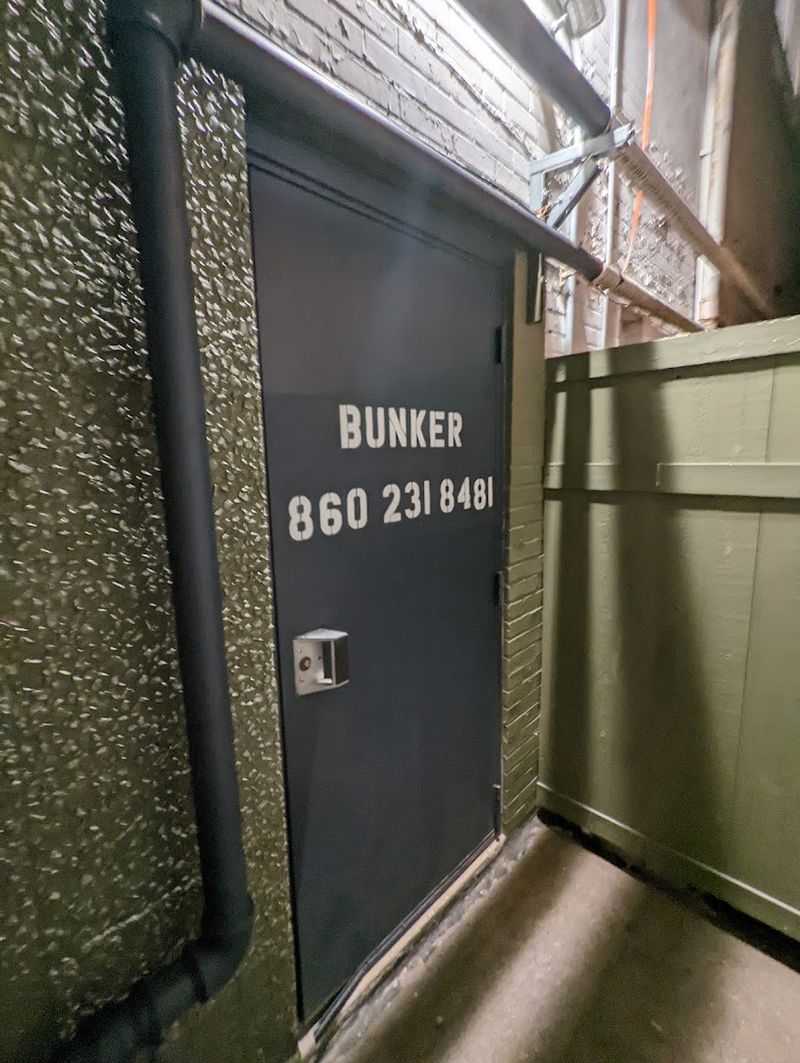
Most people walk past the Hartford State Armory without giving it a second thought, but beneath its stone walls sits one of Connecticut’s most quietly unsettling secrets. Completed in 1909, a fallout bunker was built directly beneath the building with the specific purpose of sheltering state officials in the event of a nuclear attack.
The reinforced underground areas feature sealed doors that feel almost theatrical in their seriousness, a reminder that the Cold War was not just a political abstraction.
State officials never had to use it, thankfully. The bunker is not accessible on public tours, which somehow makes it feel even more intriguing.
There is something deeply strange about knowing that a place designed for the worst-case scenario just sits there quietly beneath a building people pass every day.
Hartford itself carries a lot of layered history, and this bunker is one of its most overlooked chapters. The armory building above ground is impressive on its own, with its castle-like architecture and military legacy.
But knowing what lies beneath changes the way you look at it entirely.
For history enthusiasts and urban explorers who appreciate the Cold War era, this location offers a rare emotional punch. It is not just a curiosity.
It represents a moment in American history when fear was literally built into the ground beneath government buildings, poured into concrete, and sealed behind heavy doors that were never meant to be opened.
Address: 360 Broad Street, Hartford, Connecticut
The Yale Tunnels
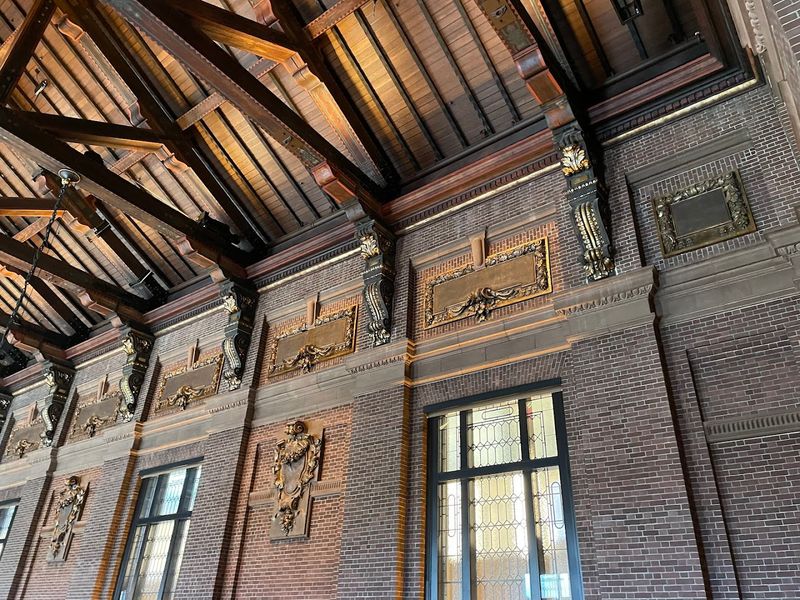
Yale University is known for its gothic architecture, secret societies, and academic prestige, but the underground world beneath its campus has its own kind of mythology. A vast network of utility tunnels runs beneath New Haven’s most famous institution, originally built in the early 1900s to carry heat, steam, and electricity across the sprawling campus.
What started as practical infrastructure quickly became the subject of legends, late-night dares, and campus folklore that has persisted for over a century.
The tunnels are not open to the public, and Yale takes unauthorized access seriously. That restriction has done nothing to dim the curiosity surrounding them.
If anything, the prohibition has only deepened the mystique, turning the underground network into one of the most talked-about off-limits spaces in New England.
Down there, the air is thick and warm from decades of steam pipe heat. The narrow passages twist and branch in ways that could easily disorient someone unfamiliar with the layout.
Former students who claim to have ventured inside describe the experience as claustrophobic but oddly thrilling, a world completely removed from the manicured quads above.
Whether you are a Yale student, a history buff, or simply someone fascinated by what cities hide beneath their streets, the idea of this tunnel network is captivating. It represents the hidden circulatory system of one of America’s most storied institutions, quietly doing its job while rumors and legends swirl in the darkness around it.
German POW Escape Tunnels at Bradley Field
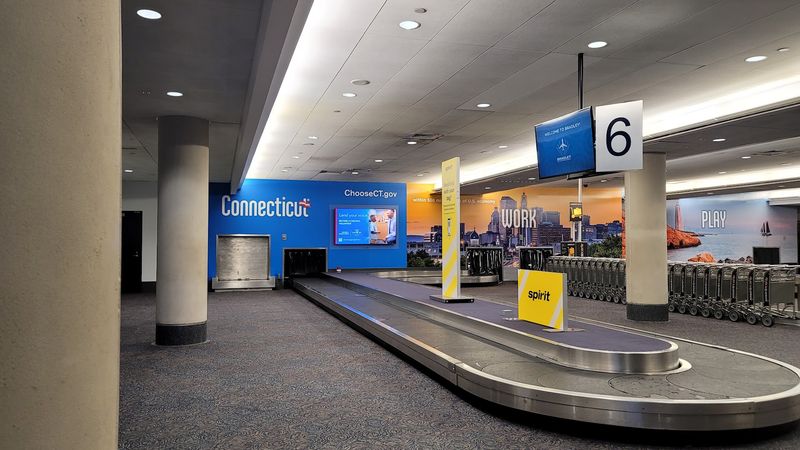
During World War II, Bradley International Airport served as more than just a military airfield. It also housed German prisoners of war, and with them came something that military historians and local legends have debated for decades: the possibility of escape tunnels.
Rumors have circulated for years that some prisoners dug tunnels either to attempt escape or to move supplies covertly beneath the base. No confirmed tunnels have ever been officially unearthed, which makes the story feel even more compelling.
What has been confirmed is the existence of a buried quonset hut bunker with blast berms on state property near the airport’s control tower. That structure alone is worth knowing about, a physical remnant of the wartime activity that once defined this now-busy commercial airport.
Bradley International Airport is one of the most traveled airports in New England today, and most passengers have no idea about its wartime past sitting just off the tarmac.
The idea of prisoners of war digging by hand beneath a Connecticut airfield is the kind of story that feels almost cinematic. Whether the tunnels exist or not, the atmosphere around the site carries a weight that history tends to leave behind.
Old military bases have a particular energy that is hard to describe but easy to feel.
For history travelers, this is a stop that rewards imagination as much as evidence. The known bunker structure is tangible proof that Bradley Field’s past is far more layered than its current role suggests.
Address: Bradley International Airport, Windsor Locks, Connecticut.
Adding to the intrigue, longtime locals and aviation enthusiasts have continued sharing stories about sealed-off areas and forgotten wartime infrastructure hidden beyond public view. Very little of the original military footprint remains visible now, which only deepens the sense of mystery surrounding what may still lie buried beneath one of Connecticut’s busiest transportation hubs.
The Meshomasic State Forest Nike Missile Bunkers
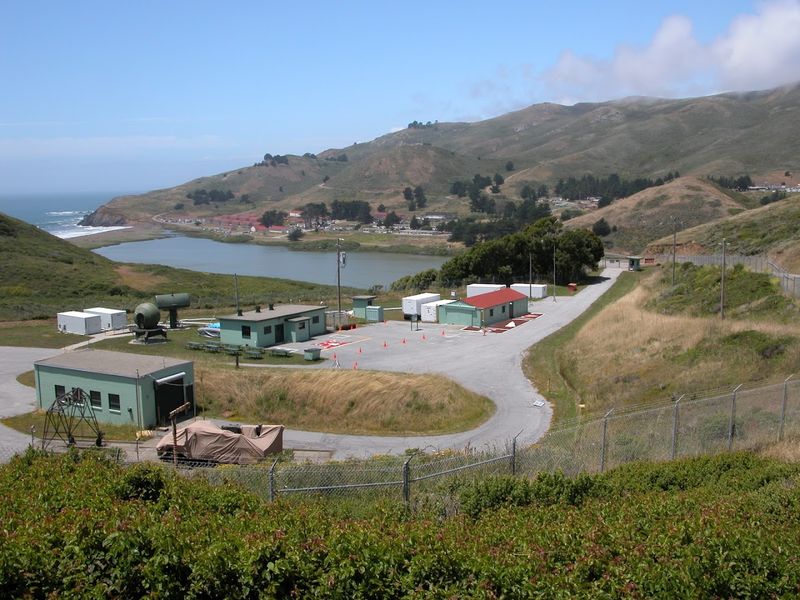
Hidden deep within Meshomasic State Forest, straddling the towns of Portland and Glastonbury, are the remnants of one of Connecticut’s twelve Cold War-era Nike missile defense sites. The site, known as HA-36 and HA-26, was part of a nationwide aerial defense network built during the tensest years of the Cold War.
What remains today are underground bunkers and tunnels that have been reclaimed by time, weather, and an unsettling amount of darkness.
Getting to the site requires a hike through dense forest, and the surroundings already feel remote before you even spot the concrete structures. There is no cell service in the area, which adds a layer of genuine unease that no haunted attraction could replicate.
The staircases leading into the bunkers are often filled with dirt, and the tunnels below suffer from flooding, poor air quality, and complete blackout conditions.
Authorities and experienced urban explorers both strongly caution against attempting to enter the underground sections. The physical risks are real and serious.
But simply standing at the surface level and looking at the remnants of a missile defense installation in the middle of a Connecticut forest is enough to make history feel immediate and strange.
There is something deeply surreal about the contrast between the peaceful forest canopy above and the militarized concrete below. The Nike missile program was a direct response to Cold War anxiety, and these bunkers are its physical fingerprint, left behind in the woods for anyone curious enough to find them.
Rusting metal fragments, broken ventilation shafts, and scattered debris still hint at how active the facility once was during the height of nuclear paranoia. Nature continues swallowing the site year after year, but the eerie atmosphere remains remarkably intact.
Even in daylight, the abandoned bunkers carry the unmistakable feeling that something important once happened there.
The Montville Souterrain
Discovered in 1938 after a hurricane tore through Montville, this stone-lined underground structure is one of the most genuinely mysterious sites in all of Connecticut. The souterrain, a term used to describe underground stone passages found primarily in Iron Age Ireland and Scotland, has no confirmed origin story.
Nobody knows who built it, when it was constructed, or what purpose it originally served. That ambiguity alone makes it extraordinary.
The entrance is a tight squeeze, roughly sixteen inches high and twenty-two inches wide, which immediately filters out anyone with even mild claustrophobia. Once inside, the passage gradually widens and heightens, stretching nearly thirty-eight feet through the earth.
The walls are carefully stacked stone, suggesting deliberate construction rather than a natural formation or a simple collapsed cellar.
Archaeologists and historians have debated its origins for decades without reaching a firm conclusion. Some have drawn comparisons to pre-colonial structures, while others suggest it may be the remnant of an early colonial root cellar or storage space.
The resemblance to Irish souterrains is close enough to raise genuinely fascinating questions about who may have built it and why.
For travelers who appreciate mysteries that do not come with tidy answers, Montville’s souterrain is a rare find. It sits quietly in the Connecticut landscape, largely unknown outside of local history circles, waiting for someone to figure out its story.
Few places in New England carry this kind of open-ended historical intrigue packed into such a small and ancient space.
Even the atmosphere surrounding the tunnel feels unusual. Cool air lingers inside year-round, and the silence underground creates an almost eerie sense of isolation.
Visitors often leave with more questions than answers, which only adds to the enduring fascination surrounding one of Connecticut’s strangest hidden landmarks.
