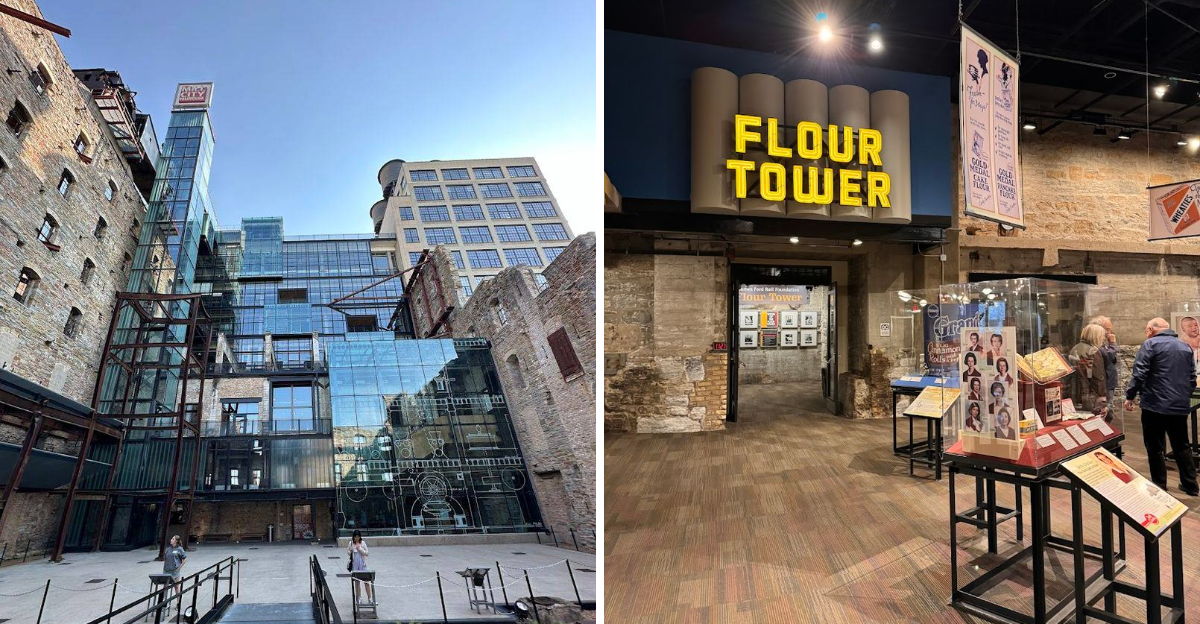
It is impossible to ignore the crumbling limestone walls of this industrial ruin, which still rise dramatically above the river after decades of abandonment. The relics of a devastating fire that sent the mill to its grave are still visible in the charred brick and twisted metal.
You are actually standing on the site of what was once the world’s largest flour mill. The museum built inside the ruins is just as cool, using interactive technology to tell the story of Minneapolis and its roots as the flour milling capital of the world.
You can travel down to the original lab where they tested the flour for quality and learn about the history of the mill from the 1880s to the present day. The combination of the original mill ruins and the modern museum is striking and makes for an unforgettable visit.
Minnesota holds this history within its walls, and you can feel the past all around you. It is a must-see destination that you will not find anywhere else in the country.
The Washburn A Mill Ruins That Became A Museum
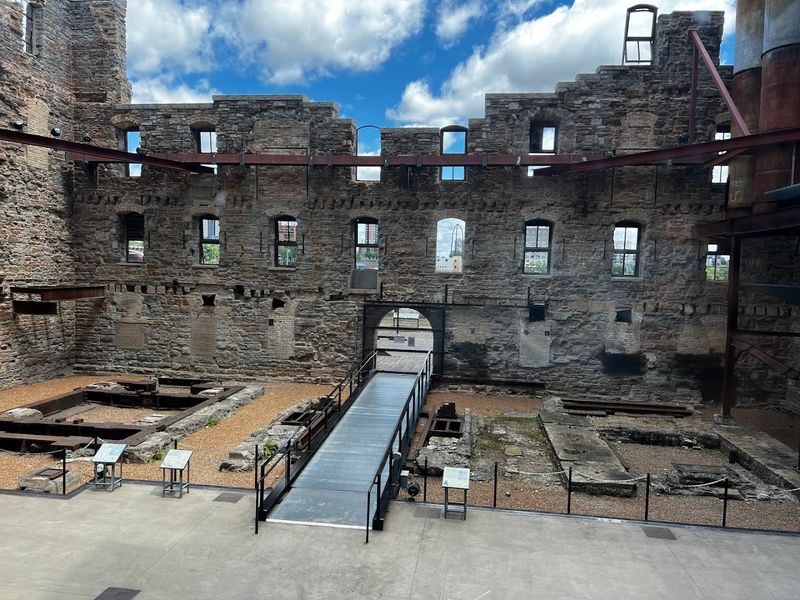
Some buildings carry so much history inside their walls that you can almost feel it just by standing nearby. The Washburn A Mill ruins are exactly that kind of place.
The original mill was built in 1874 and quickly became the largest flour mill in the world, producing massive amounts of flour that fed people across the country.
The mill suffered devastating explosions and fires over the decades, including a catastrophic fire in 1991 that gutted much of the structure. Rather than demolishing the ruins, architects made a bold decision to build the museum right inside the surviving stone walls.
The result is something genuinely spectacular.
Charred stone walls stand tall alongside sleek glass panels and modern steel walkways. The contrast between old and new creates a mood that feels both haunting and exciting at the same time.
You walk through spaces where mill workers once stood, and that feeling never quite leaves you during the entire visit.
The Famous Flour Tower Elevator Experience
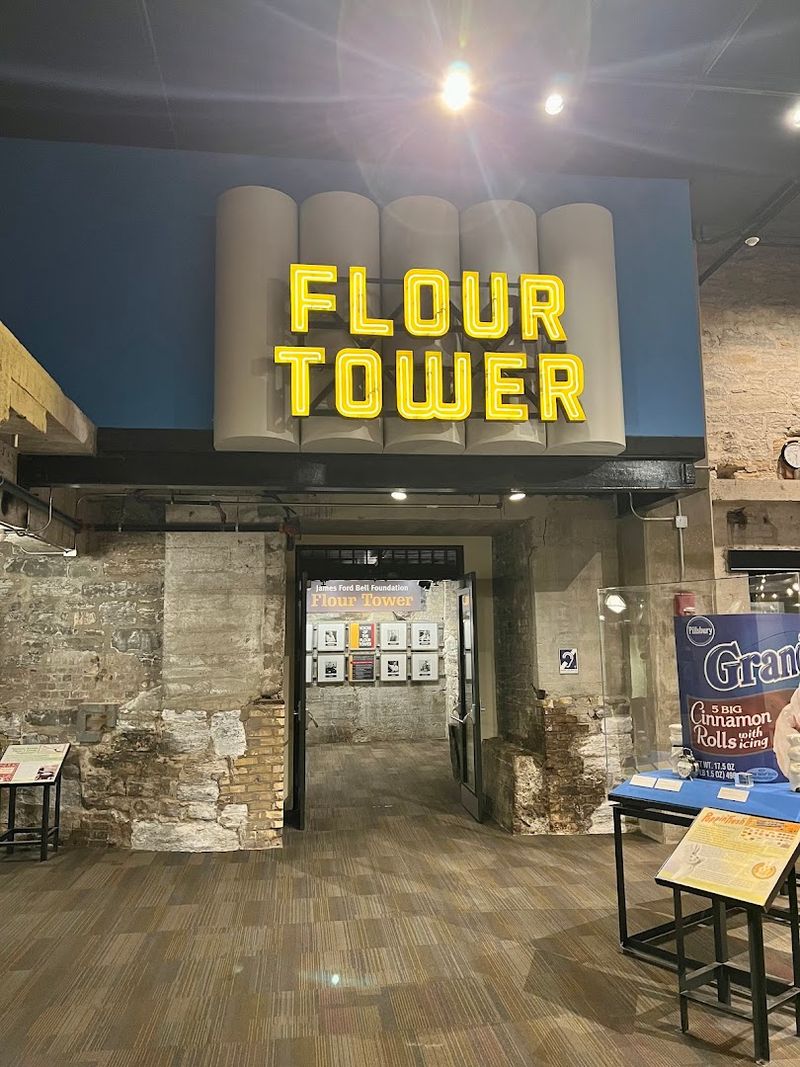
Nothing at Mill City Museum gets people talking quite like the Flour Tower. The moment I stepped into the elevator, I had absolutely no idea what was coming next.
This is not your average museum tour by any stretch of the imagination.
The Flour Tower is a theatrical elevator ride that travels up through eight floors of the old mill building. At each level, the doors open to reveal a different scene from the mill’s history.
Sounds, voices, and visuals recreate what daily life felt like inside a working flour mill during its peak years.
Visitors hear recorded voices of people who actually worked in mills like this one, sharing memories and stories from their time on the job. The whole ride lasts around ten minutes, but it leaves a lasting impression that sticks with you long after you leave.
Kids absolutely love it, and honestly, adults get just as caught up in the experience. It is clever, immersive, and genuinely moving in unexpected ways.
The Incredible Observation Deck Views
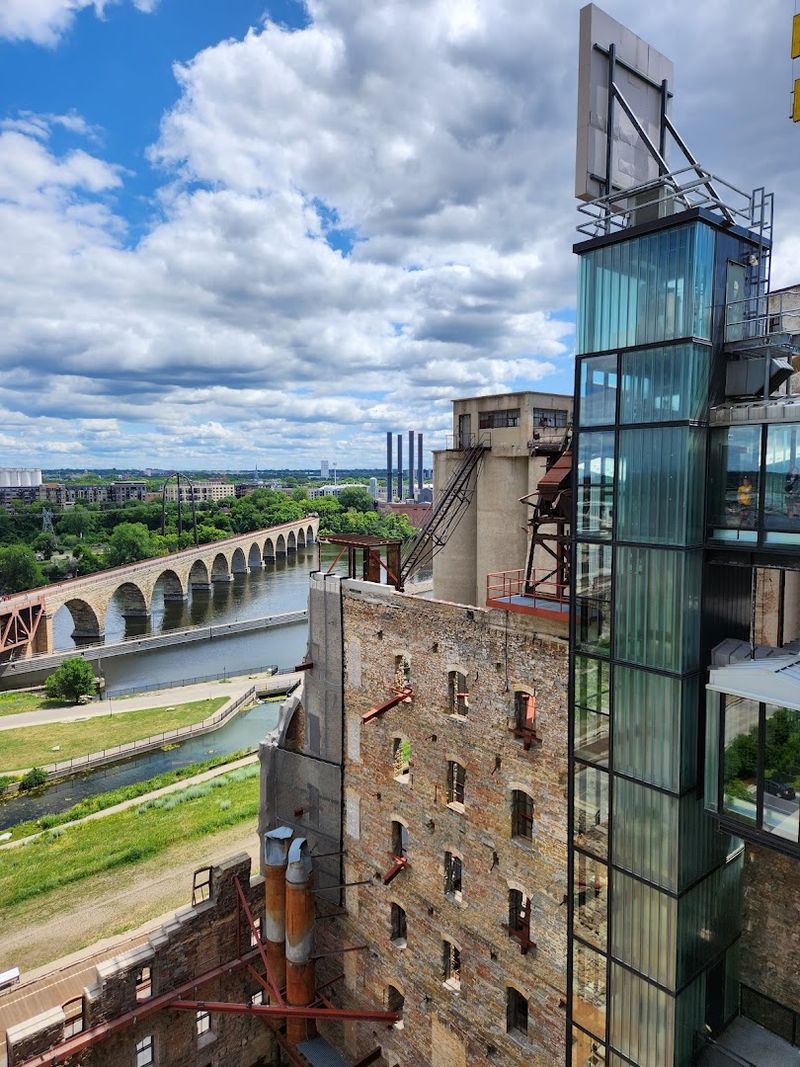
Reaching the observation deck at Mill City Museum feels like earning a reward after exploring the floors below. The elevator carries you up nine stories, and when you step outside, the view hits you like a warm gust of wind on a summer afternoon.
The Mississippi River stretches wide and silver below, moving with a quiet power that feels deeply connected to everything you just learned inside the museum. The Stone Arch Bridge curves gracefully across the water, its old stone arches linking the city’s industrial past to its modern energy.
St. Anthony Falls, the only natural waterfall on the entire Mississippi River, tumbles nearby in a steady roar.
On a clear day, the Minneapolis skyline rises in the background, creating a layered view that feels almost too beautiful to be real. Photographers will want extra time up here, and families tend to linger longer than they planned.
The observation deck alone makes the trip to Mill City Museum completely worthwhile, even before you factor in everything else inside.
The Minnesota History Film That Sets The Stage
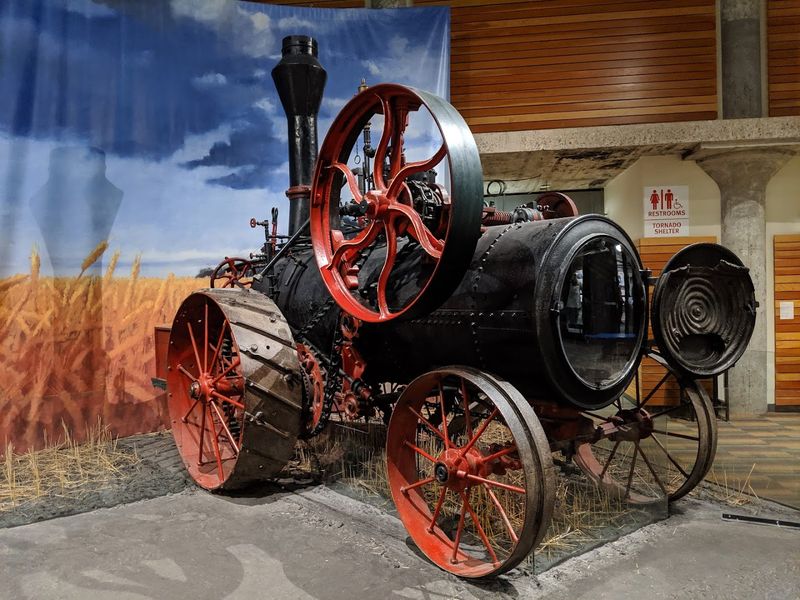
Before exploring the exhibits, visitors are invited to watch a short introductory film that covers the history of Minneapolis and how flour milling shaped the entire city. I was not expecting much from a museum intro video, but this one genuinely surprised me with its personality and warmth.
The film is narrated with humor and local flavor, giving newcomers and longtime residents alike a fresh perspective on how this city grew from a small settlement into a global flour powerhouse. It covers wheat farming, river power, immigration, and the rise of famous brands like Gold Medal Flour and Pillsbury, all within a tight and entertaining runtime.
Watching it first makes everything else in the museum click together in a satisfying way. You start to understand why the river mattered so much, why Minneapolis became so important to American food production, and why these ruins are worth preserving and celebrating.
It is a smart way to start any visit, and kids tend to stay surprisingly engaged throughout the whole thing.
Hands-On Exhibits For Kids And Curious Adults
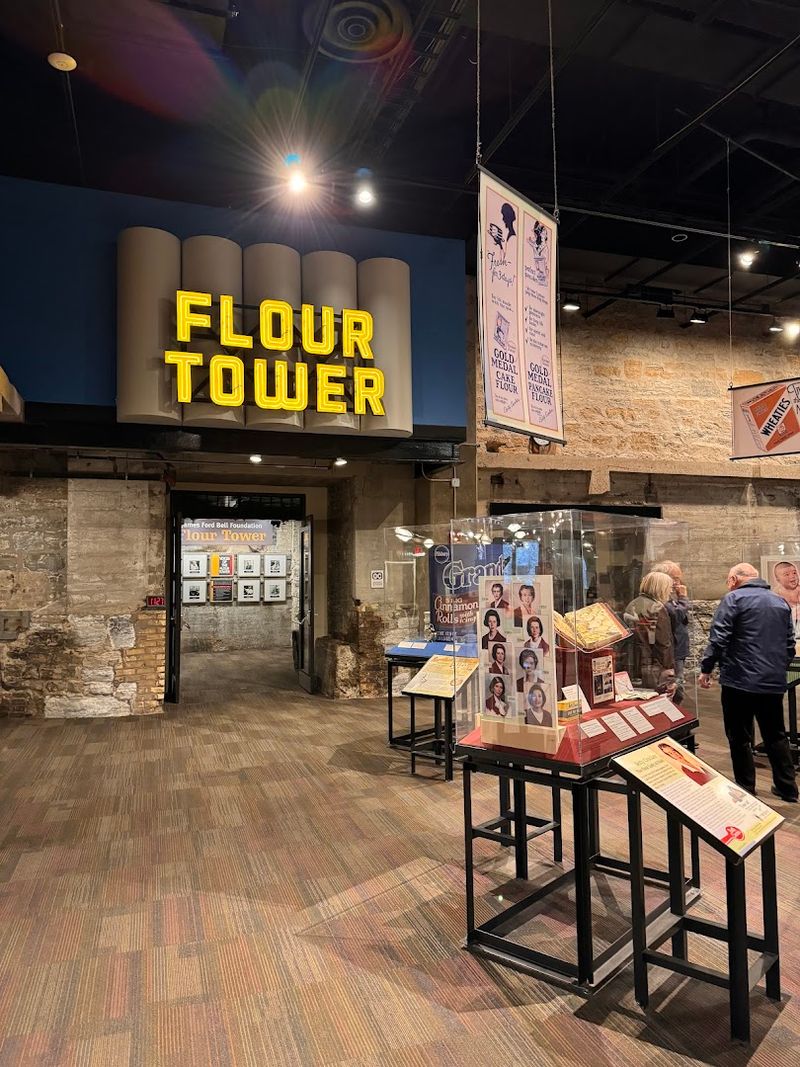
Mill City Museum does something that a lot of history museums struggle to pull off: it makes learning feel genuinely fun. The hands-on exhibits scattered throughout the building invite visitors to touch, build, experiment, and explore rather than just read labels and move on.
The water and baking lab is a particular highlight, letting younger visitors play with water flow models that demonstrate how river power drove the massive mill machinery. There are large wooden block puzzles, interactive turbine models, and stations where kids can learn the basics of how grain gets turned into flour.
Adults find themselves just as drawn in as the children.
A scavenger hunt guide is available for families, adding a playful layer of discovery to the whole visit. Each activity connects back to real history, so the fun always has a purpose behind it.
The exhibits are designed thoughtfully for different age groups, meaning a family with an eleven-year-old and a seventeen-year-old can both find something genuinely interesting to engage with throughout the museum.
The Story Of Minneapolis As The Flour Milling Capital
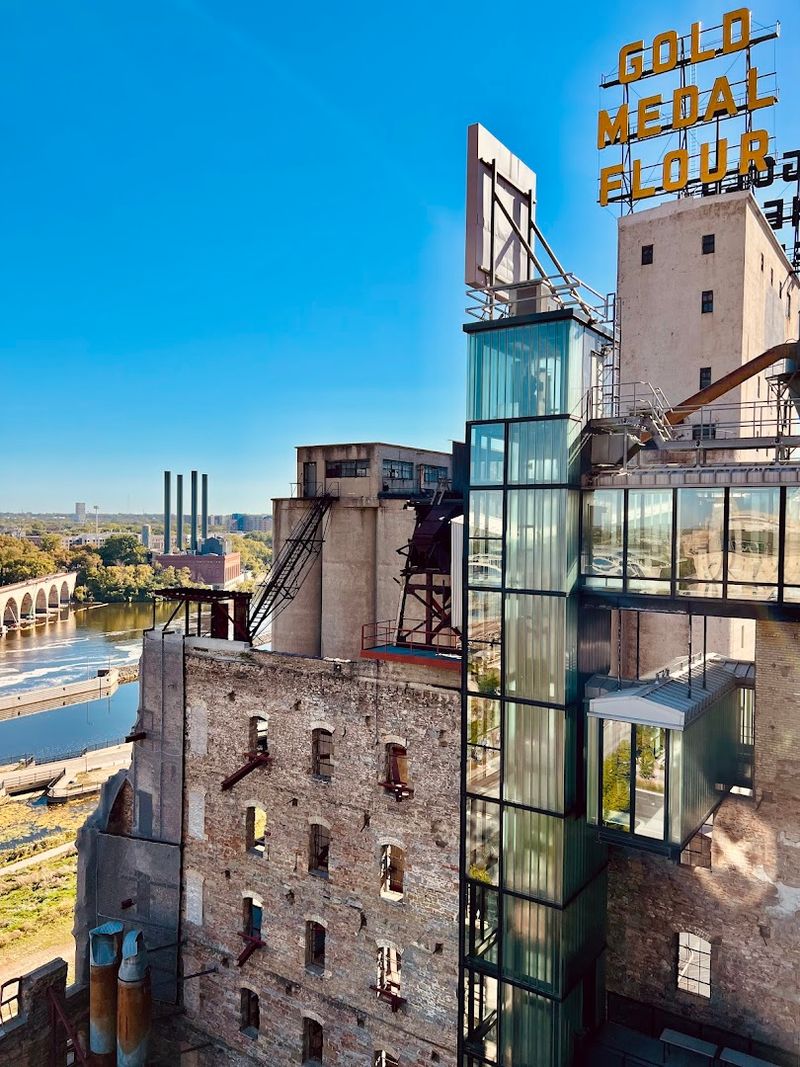
At its peak, Minneapolis was producing more flour than any other city on the planet. That is a fact that genuinely surprised me when I first read it on one of the museum’s exhibit panels.
The city’s rise to dominance in flour production was driven by geography, innovation, and fierce industrial ambition.
The exhibits walk visitors through the entire arc of that story, starting with the natural power of St. Anthony Falls and moving through the technological leaps that made Minneapolis mills more efficient than their competitors. Brands like Gold Medal Flour and Pillsbury were born here, and their legacies are woven throughout the displays with vintage advertisements, original packaging, and fascinating production statistics.
The Gold Medal Flour sign still sits atop the historic grain elevators near the museum, a landmark that connects the city’s modern skyline to its industrial roots. Learning the full story behind that sign gives it a completely different meaning.
By the time you finish the exhibits, Minneapolis feels like a city you understand on a much deeper and more personal level.
The Dust Explosion Demonstration
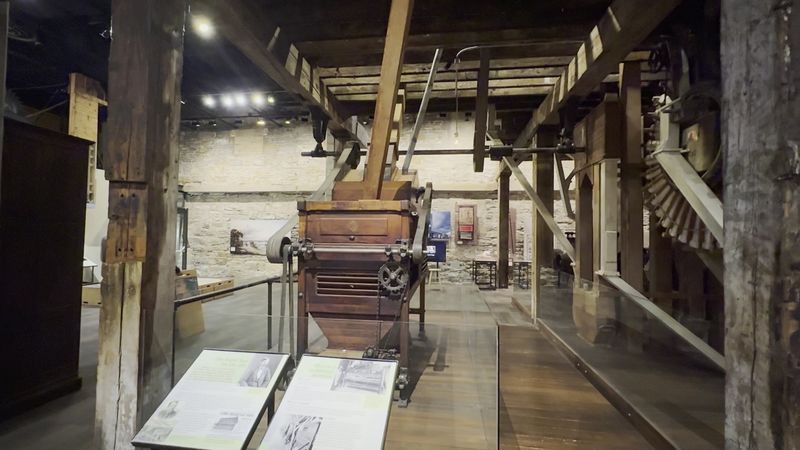
One of the most dramatic moments during any visit to Mill City Museum is the flour dust explosion demonstration. It sounds alarming at first, and honestly, that slight nervousness is part of what makes it so effective as a teaching tool.
Museum staff use a controlled setup to show visitors exactly how combustible flour dust really is. A small flash of flame demonstrates the explosive potential that made early mills incredibly dangerous places to work.
The Washburn A Mill itself was destroyed by a massive flour dust explosion in 1878, killing eighteen workers in an instant.
Seeing the demonstration brings that history out of the abstract and into sharp, vivid focus. Suddenly the charred stone walls surrounding you feel much more significant.
The demo is safe, brief, and genuinely eye-opening for visitors of every age. It also explains why the mill experienced so many catastrophic fires and explosions over its long history.
Understanding the real dangers that mill workers faced every single day gives the entire museum experience a much more human and emotional weight.
The Architecture Of Ruin And Renewal
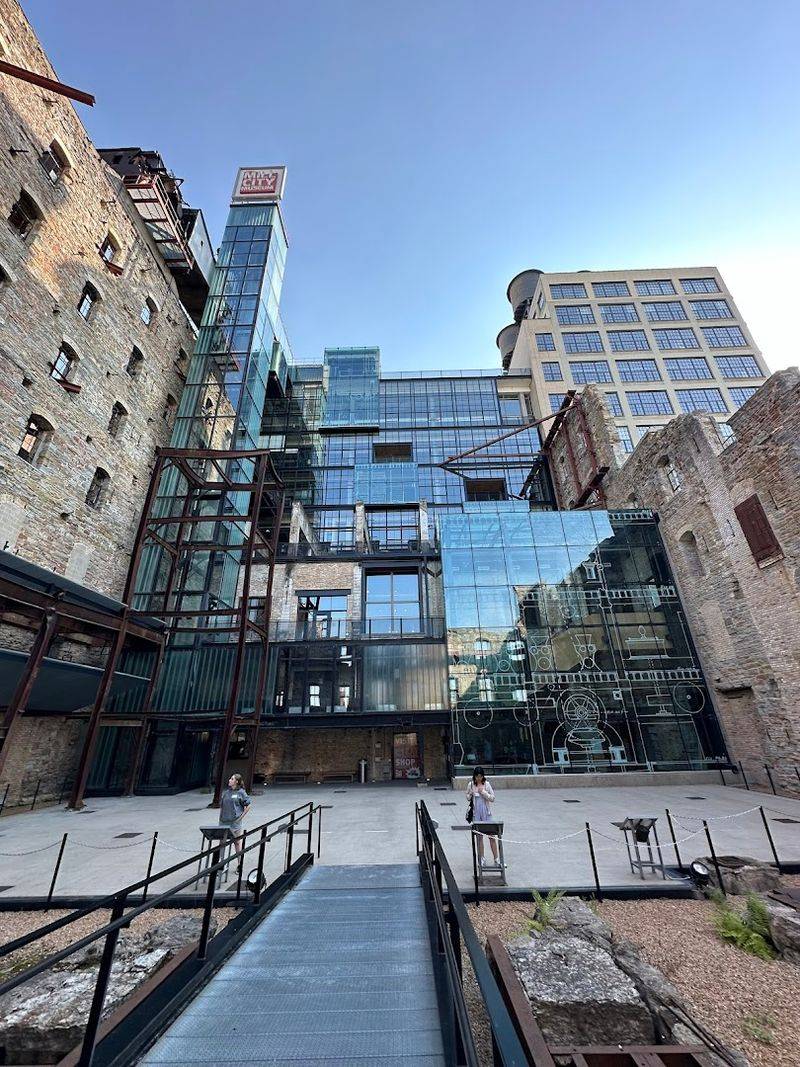
The building that houses Mill City Museum is itself one of the most fascinating exhibits on offer. The design was created by the architecture firm MSR Design, and the approach they took is genuinely bold.
Instead of hiding the ruins, they celebrated them completely.
Original stone walls, some still visibly scorched from the 1991 fire, stand alongside transparent glass walls and polished steel walkways. Natural light pours through the glass facade, illuminating old mill schematics etched directly into the surface.
Every design choice feels intentional, honoring the original structure while making it functional and beautiful for modern visitors.
Walking through the building, you constantly catch glimpses of the outdoor courtyard, the river, and the surrounding historic district through large glass panels. The museum never lets you forget where you are or what this building used to be.
That ongoing dialogue between past and present is what elevates Mill City Museum beyond a typical history museum and turns it into something closer to a genuine work of public art that anyone can walk through and experience firsthand.
Planning Your Visit To Mill City Museum
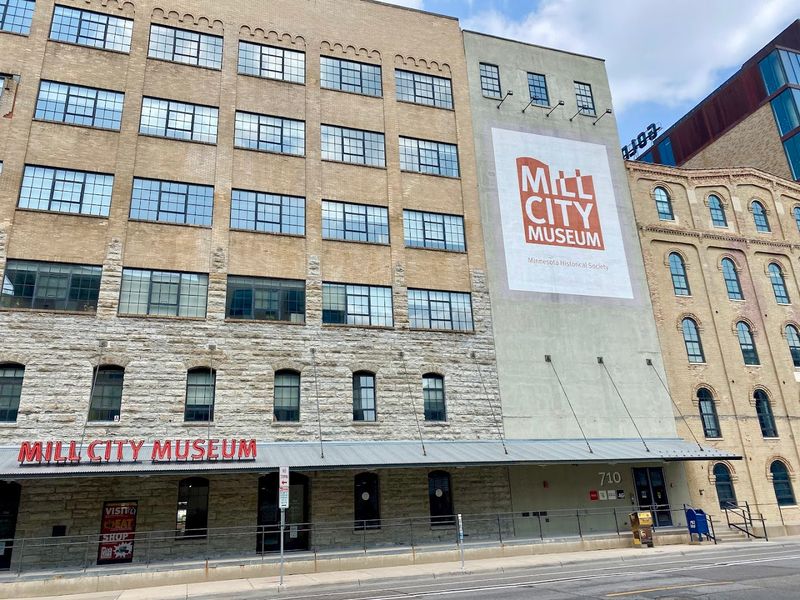
Mill City Museum is located at 704 S 2nd St in Minneapolis, right along the Mississippi riverfront in a neighborhood packed with history and character. The museum is open Thursday through Sunday, with hours running from 10 AM to 4 PM on Thursdays and Fridays, and 10 AM to 5 PM on Saturdays and Sundays.
Planning around those hours makes a big difference.
Street parking is available nearby and tends to be straightforward to find, with paid spots that are easy to access for a couple of hours. Most visitors find that one to two hours covers the main highlights comfortably, though those who linger in the exhibits and spend time on the observation deck often stay longer.
First-time visitors are encouraged to start with the introductory film, then head straight to the Flour Tower before the lines grow. Ending on the observation deck gives the whole visit a memorable and visually stunning finish that is hard to top.
