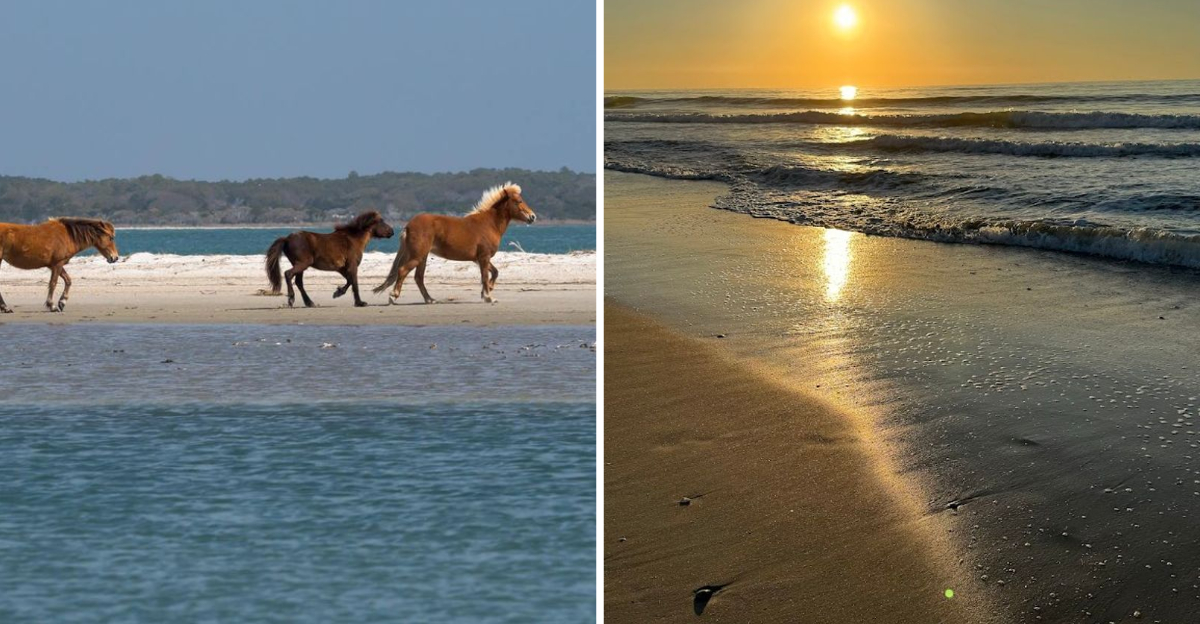
A remote barrier island along the North Carolina coast is reached only by ferry, creating a strong sense of separation from everyday life. No roads cut through the land, no buildings break the horizon, and no permanent human presence defines the environment. Nine miles of windswept coastline stretch across dunes, open sand, and shifting coastal air shaped entirely by natural forces.
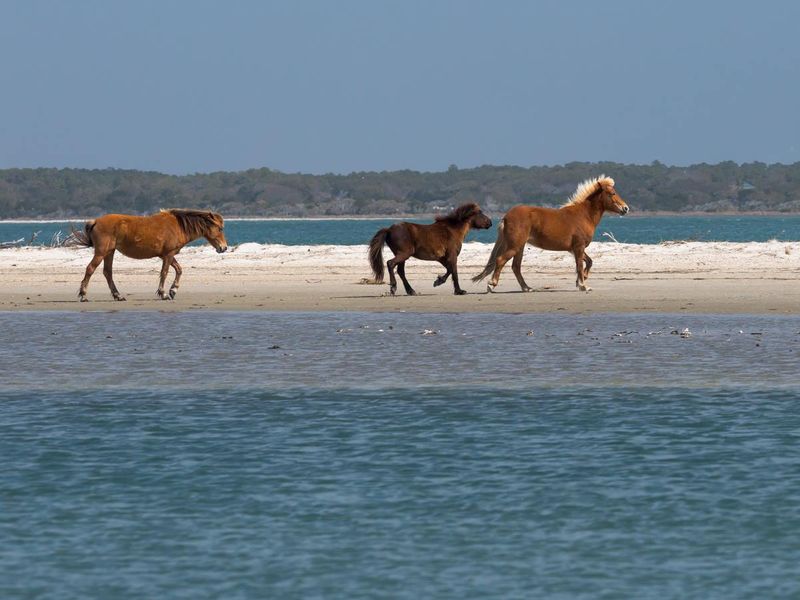
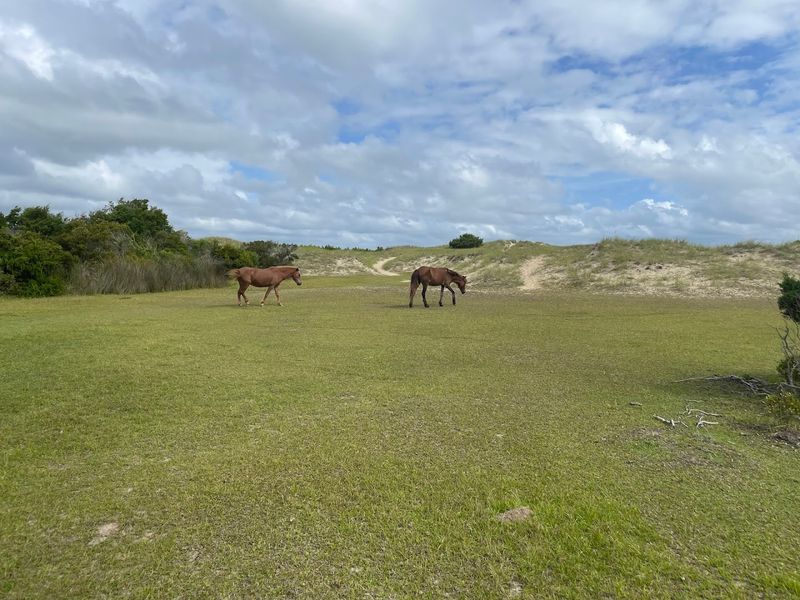
Wild horses roam freely between dunes and empty beaches as if the space belongs entirely to them. These Banker ponies descend from Spanish horses that survived 16th-century shipwrecks and have lived here for centuries. Arrival feels surreal, shaped by isolation, ferry access, and untouched wilderness where ocean and shoreline remain in constant motion.
The Wild Horses of Shackleford Banks
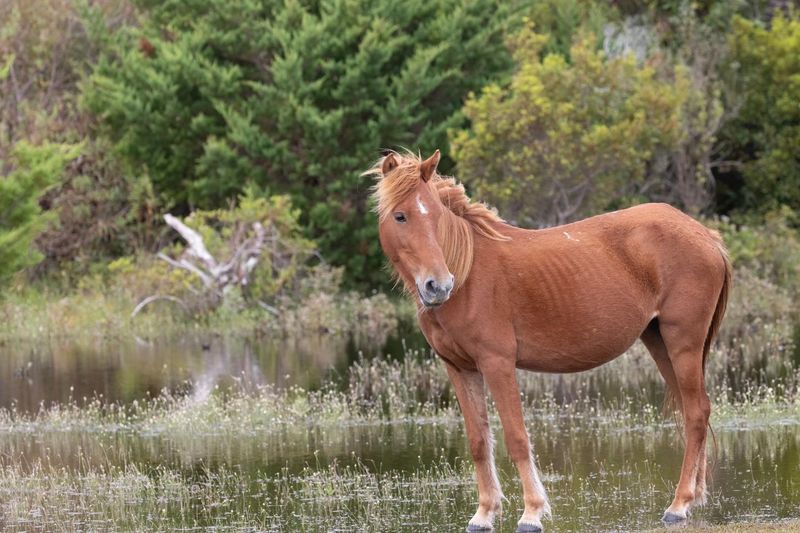
Centuries of survival have shaped these horses into something remarkable. The Banker ponies of Shackleford Banks are compact, sturdy, and deeply self-sufficient, standing between 11 and 13 hands tall, which is noticeably smaller than most domestic horses.
Their stocky build is a direct result of adapting to an island with limited fresh water, salty vegetation, and relentless coastal sun.
Genetic studies have traced their lineage back to Iberian horses, likely brought over by Spanish explorers in the 1500s. The working theory is that some of these horses survived shipwrecks off the North Carolina coast and eventually swam ashore to Shackleford Banks.
Over generations, they became fully wild, foraging on native sea oats and salt marsh grasses, and finding fresh water from ponds, low-lying seeps, or by digging with their hooves.
Federally protected under the Shackleford Banks Wild Horses Protection Act of 1998, the herd is jointly managed by Cape Lookout National Seashore and the Foundation for Shackleford Horses. The target population sits between 100 and 130 horses.
Seeing them move freely across the dunes, completely unbothered by the world, feels like witnessing something ancient and unfiltered.
Getting There: The Ferry Experience
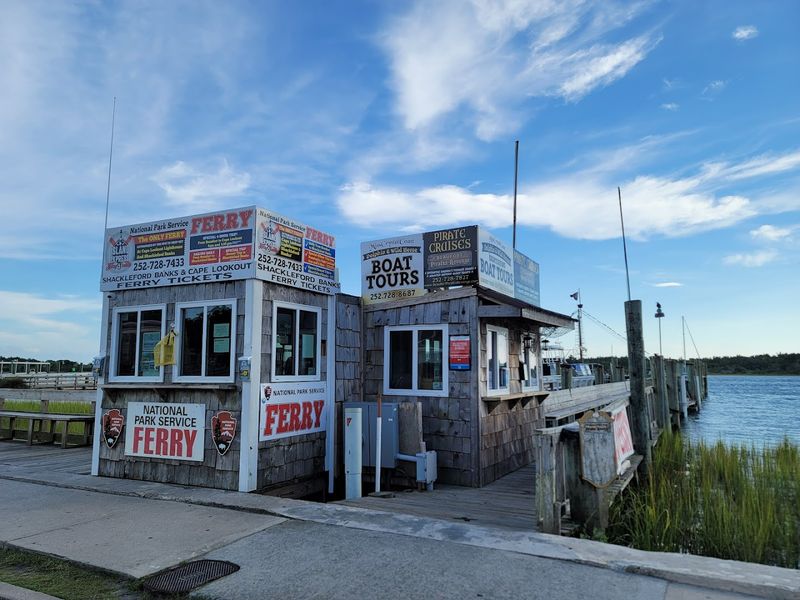
There are no bridges to Shackleford Banks. The only way onto the island is by boat, which is honestly part of what makes the whole trip feel like a proper adventure.
The most popular option for visitors is the Island Express Ferry, which departs from the Harkers Island Visitor Center and drops passengers off at the easternmost end of Shackleford Banks.
The round-trip ferry ride is affordable and worth every cent. Ferries run on a regular schedule, typically picking up passengers once per hour, which gives you the flexibility to stay as long as you like.
Most visitors aim for a full-day trip, arriving in the morning and heading back in the late afternoon after exploring as much of the island as their legs allow.
Once the ferry drops you off, there are no marked trails, no rangers stationed at the landing, and no map handed to you at the gate. You simply step onto the sand and start exploring.
It feels wonderfully unstructured. Going left from the drop-off point leads to calmer water on the sound side, while heading right brings you toward the Atlantic, where the waves are bigger and the ocean breeze is constant.
What to Pack for a Day on the Island
Shackleford Banks has no fresh water sources available for visitors, no food vendors, no restrooms except for a compost toilet near the ferry drop-off, and absolutely no shade trees to hide under. Packing smart is not optional here.
It is genuinely essential to having a good time.
Water is the top priority. Bring more than you think you need, especially during warmer months when the sun is relentless and the sand reflects heat right back at you.
Sunscreen and a wide-brimmed hat are must-haves. Bug spray deserves a spot in your bag too, since mosquitoes can be surprisingly aggressive in certain parts of the island, particularly in the marshy interior sections.
Footwear matters more than most people expect. Flip-flops are a bad idea here.
The island is dotted with small cacti that blend into the sand and grass, and the dune terrain can be physically demanding. Sturdy closed-toe shoes or water shoes are a much better call.
Snacks, a reusable bag for shells, and a light backpack round out the essentials. Arriving prepared means you spend more time enjoying the horses and the scenery and less time wishing you had brought that second water bottle.
Shelling and Beach Exploration
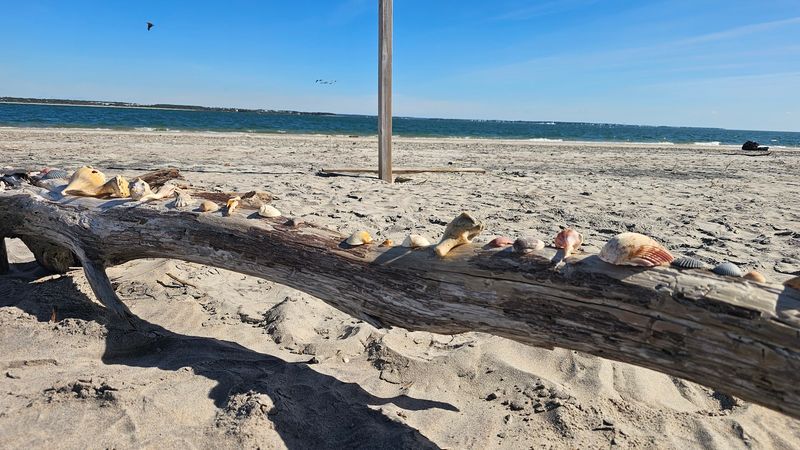
Even if you never spot a single horse, Shackleford Banks would still be worth the ferry ride just for the shelling. The beaches here are genuinely spectacular for shell hunting, and the variety of what washes ashore is hard to match anywhere else along the North Carolina coast.
Large conch shells, intricate spiral shells the size of your fist, and tiny delicate pieces of sea glass all end up scattered across the sand.
The eastern end of the island near the ferry drop-off tends to get the most foot traffic, so shells get picked over quickly in that area. Walking further west along the shoreline rewards you with quieter stretches of beach and better pickings.
The southern Atlantic-facing side tends to have more wave action, which churns up bigger shells and keeps things interesting.
The water itself is strikingly clear, especially on the sound side where it stays calm and shallow for a surprisingly long distance out. Some visitors wade out 50 meters and still find the water barely knee-deep.
It is the kind of casual, low-effort swim that feels almost too good to be true. Bring a mesh bag or a simple drawstring sack to carry your finds without weighing yourself down.
Wildlife Beyond the Horses
The horses get most of the attention, and rightfully so, but Shackleford Banks is teeming with wildlife that goes far beyond the famous herd. The surrounding waters are a regular haunt for Atlantic bottlenose dolphins, and spotting them from the ferry or while wading near the shore is surprisingly common.
Multiple visitors have reported seeing dolphins within just a few meters of the boat on the crossing alone.
Shorebirds are everywhere on the island. Brown pelicans, laughing gulls, terns, and various sandpiper species move across the beaches and tidal flats throughout the day.
The marshy interior of the island supports a different set of species entirely, with wading birds picking through the shallow water in the quieter hours of the morning.
The marine environment around the island is also rich. The clear, shallow waters on the sound side make it easy to spot small fish, crabs, and other sea life without any snorkeling gear.
Keep an eye out near the tidal pools and along the waterline as the tide shifts. The whole island feels less like a single destination and more like a layered ecosystem that reveals something new every time you look a little closer.
Rules, Etiquette, and Responsible Visiting
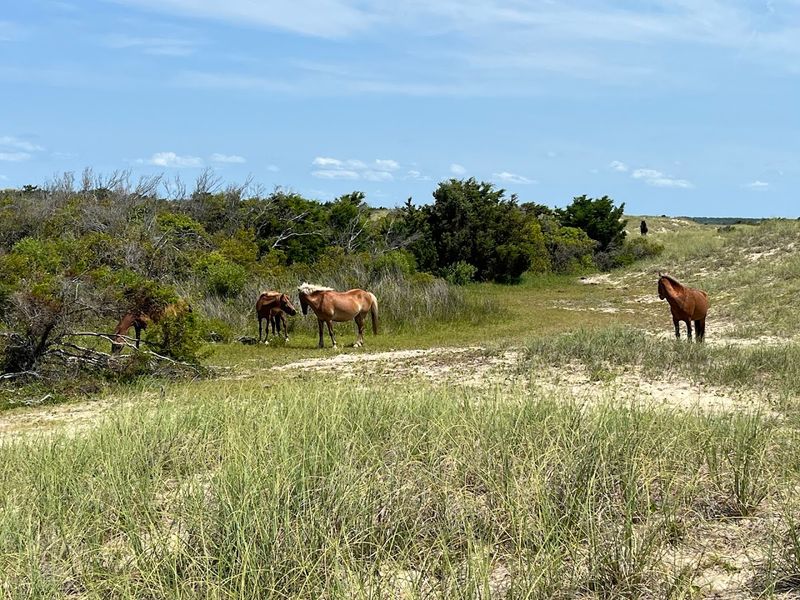
Getting close to a wild horse feels tempting, especially when they wander near the beach with an almost casual confidence. But the rules around the Shackleford Banks horses exist for good reason, and they are strictly enforced.
Visitors are legally required to maintain a minimum distance of 50 feet from the horses at all times.
Feeding, touching, or attempting to ride the horses is illegal and can result in real fines. The horses are not domesticated.
They have not been trained to interact with humans, and approaching them can cause stress or trigger unpredictable behavior. The horses may look calm and approachable, but they are genuinely wild animals that have survived for centuries without human help.
Beyond the horse rules, the island itself benefits from a low-impact approach. Pack out everything you bring in, since there are no trash facilities on most of the island.
Stick to existing paths where possible to avoid trampling native vegetation like sea oats, which play a critical role in stabilizing the dunes. If you bring a dog, keep it under strict control at all times.
The goal is to leave Shackleford Banks looking exactly as you found it, wild, untouched, and entirely its own.
Overnight Camping on Shackleford Banks
Most visitors treat Shackleford Banks as a day trip, but spending the night out there is a completely different experience. Primitive camping is permitted on the island through Cape Lookout National Seashore, and the feeling of having the beach almost entirely to yourself after the last ferry leaves is something genuinely hard to describe.
There are no designated campsites, no fire rings, and no facilities beyond the compost toilet near the drop-off point. You bring everything in and take everything out.
A tent, plenty of water, food, and a solid sleeping setup are non-negotiable. Camping here is raw and simple, and that is exactly the appeal.
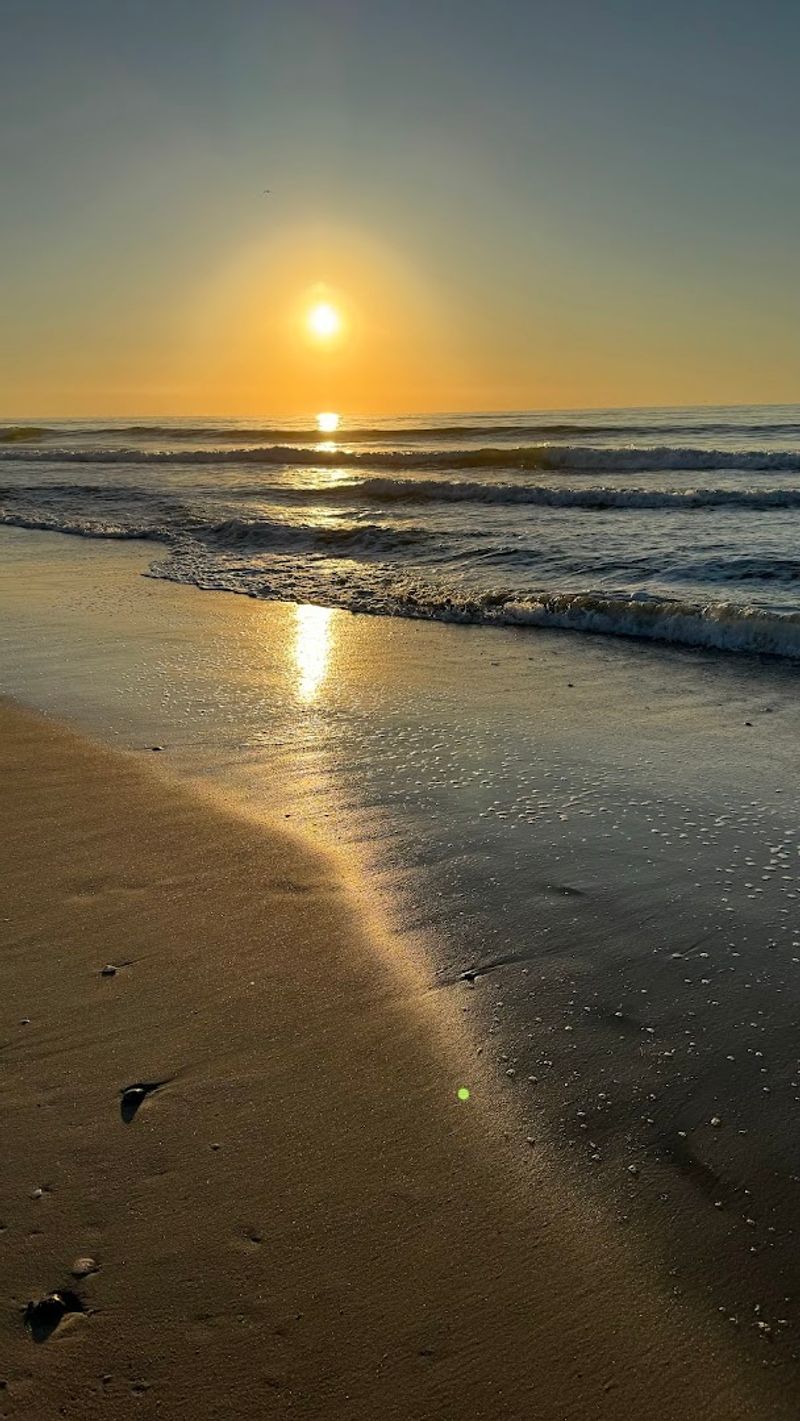
Waking up on Shackleford Banks before the first ferry arrives means experiencing the island in a state of near-total quiet. The horses move differently at dawn, grazing in the low morning light with no crowds around.
The sound of the ocean on one side and the calm water of the sound on the other creates a kind of natural surround sound that is hard to replicate anywhere else. If you are the type of person who loves the idea of sleeping somewhere truly wild, this island delivers that without compromise.
Reservations and permits should be arranged through the National Park Service in advance.
