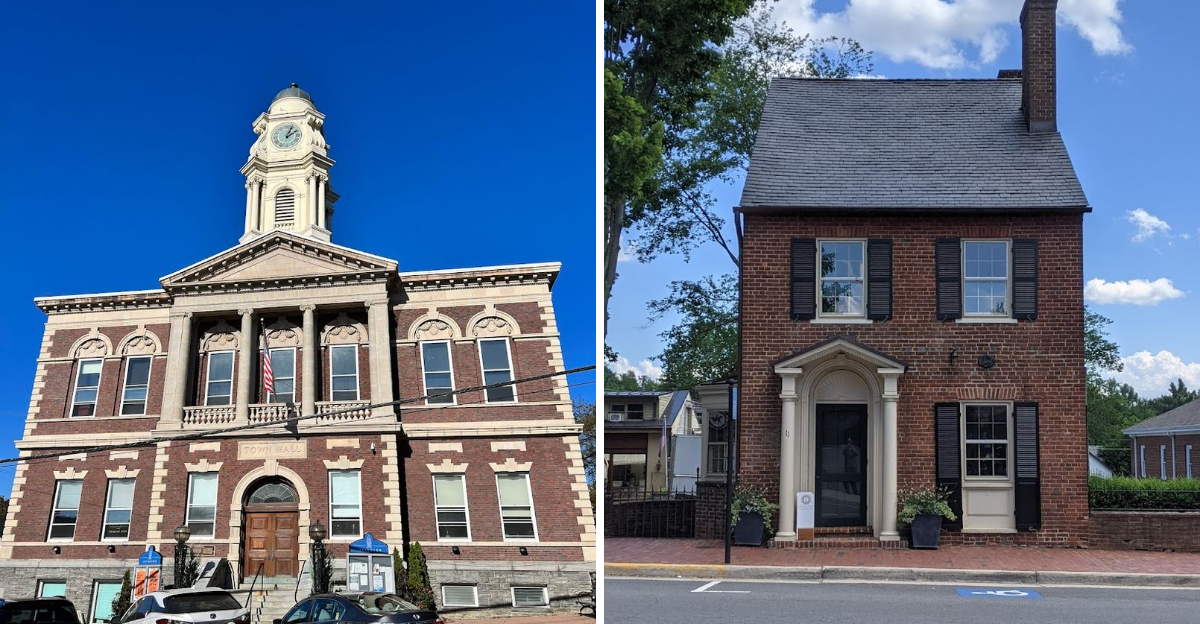
You drive through them and wonder why more people do not stop. The main streets are lined with buildings from another century, the pace is slow, and the people are friendly.
These historic small towns in Virginia are places that time forgot, and that is exactly what makes them special. I have visited each one, and each time I have felt like I was stepping into a different era.
Some are tucked in the mountains, with views that go on forever. Others sit along rivers, with old mills and bridges that have been standing for generations.
The shops are local, the diners are family-owned, and the history is everywhere. Virginia has plenty of famous towns, but these are the ones that have been overlooked.
Go before they are discovered.
1. Onancock, VA
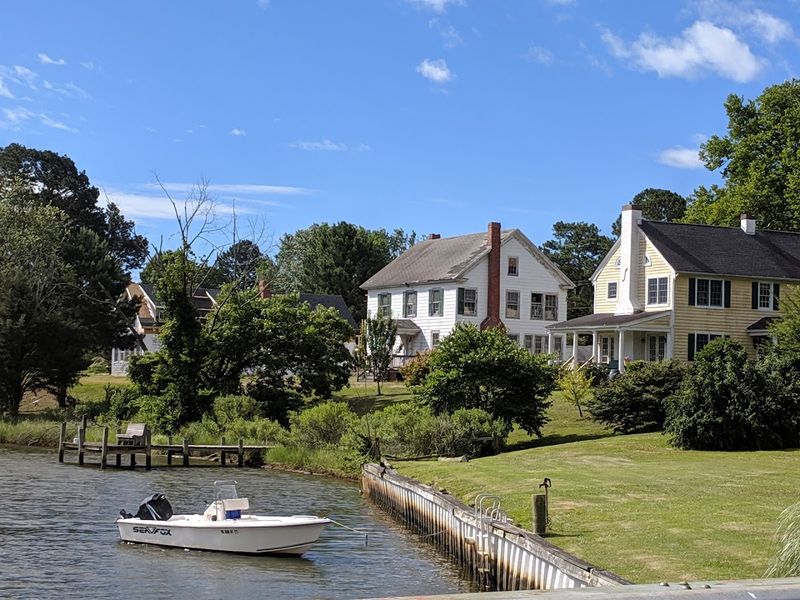
Standing at the edge of Onancock Creek on a quiet Tuesday morning, the stillness is almost theatrical. No traffic noise, no rush, just the soft slap of water against wooden docks and the occasional cry of a gull overhead.
Onancock sits on Virginia’s Eastern Shore like a postcard that forgot to get mailed.
Founded in the 1680s, this colonial settlement is one of the oldest in the state. The historic district alone contains over 250 buildings, each one a chapter in a very long and fascinating story.
The Ker Place Mansion, built in 1799, stands as one of the finest Federal-style homes on the Shore, and the Cokesbury Methodist Church adds a quiet spiritual anchor to the streetscape.
Walking the main street feels genuinely unhurried. Boutique shops sell locally made crafts, art galleries show work by Eastern Shore painters, and small cafes serve up fresh seafood with zero pretension.
The waterfront itself is the real showstopper, with kayaks available for exploring the creek’s winding channels.
What strikes me most is how Onancock resists the urge to perform for tourists. It simply exists, confidently and beautifully, on its own terms.
The population hovers just above 1,200, which means locals actually know each other, and newcomers get a genuine welcome rather than a scripted one.
If the Eastern Shore had a crown jewel, Onancock would be wearing it without even knowing. Address: Onancock, VA 23417.
2. Waterford, VA
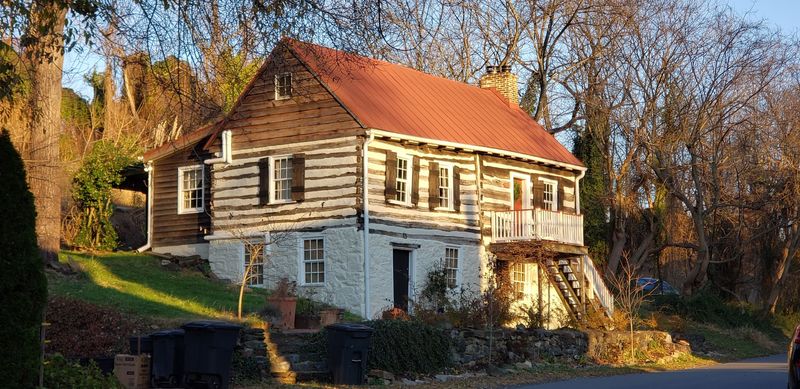
Waterford is the kind of village that makes you check your phone to confirm the year. Every building, every fence post, every winding lane looks as though it stepped straight out of the 18th century and simply never left.
Nestled in Loudoun County, this National Historic Landmark district is one of the most completely preserved 18th and 19th century villages in the entire country.
Originally settled by Quakers from Pennsylvania, Waterford grew into a prosperous mill community. The pacifist values of its founders shaped a town that famously opposed the Confederacy during the Civil War, a remarkable stand for a Virginia settlement of that era.
That independent spirit still seems to linger in the air along its unpaved lanes.
The annual Waterford Fair, held each October, draws artisans and craftspeople who demonstrate colonial-era trades. Watching a blacksmith work a forge or a weaver work a hand loom feels less like a performance and more like a time portal.
The surrounding countryside, rolling green farmland dotted with old stone walls, frames the village perfectly.
Architecture lovers will find pure joy here. Stone houses, log cabins, and Federal-style brick buildings coexist in a harmony that modern planners can only dream about.
There are no chain stores, no neon signs, and no parking lots to break the spell.
Waterford rewards slow exploration on foot, so leave the car and just wander. Address: Waterford, VA 20197.
3. Clifton, VA
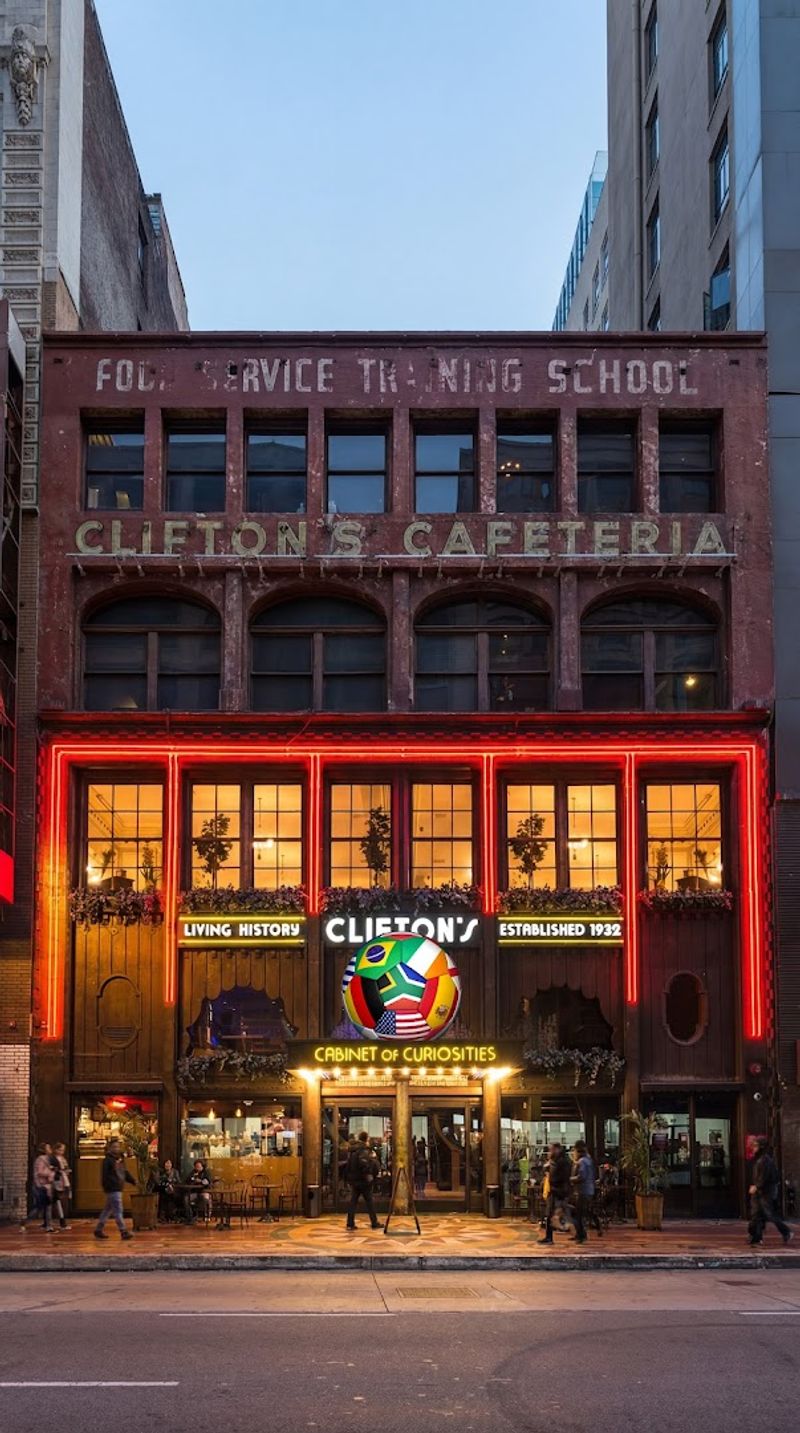
Clifton is Northern Virginia’s best-kept secret, and locals seem perfectly happy keeping it that way. Tucked into the woods of Fairfax County, this tiny railroad town looks like it was preserved in amber sometime around the Victorian era.
The whole place covers barely a square mile, yet it packs in more charm per block than most towns manage across an entire zip code.
The town’s roots run deep into the Civil War period, when it served as a strategic rail stop. Today, the original train station still stands, converted into a charming community landmark.
Surrounding streets feature Victorian cottages with wraparound porches, lovingly maintained by residents who clearly take their preservation duties seriously.
What makes Clifton genuinely special is its stubborn resistance to suburban sprawl. While the rest of Northern Virginia transformed into a sea of townhouses and strip malls, Clifton held its ground.
The result is a neighborhood that feels almost impossibly quaint given its proximity to Washington, D.C.
The town hosts a beloved annual fair that brings the community together with a warmth that feels earned rather than manufactured. Surrounding trails wind through old-growth forest, offering hikers a genuine escape from the concrete world just miles away.
Restaurants and shops occupy historic buildings with original wood floors and low ceilings that creak with character. Every corner tells a story, and every storefront seems to have a history worth asking about.
Address: Clifton, VA 20124.
4. Monterey, VA
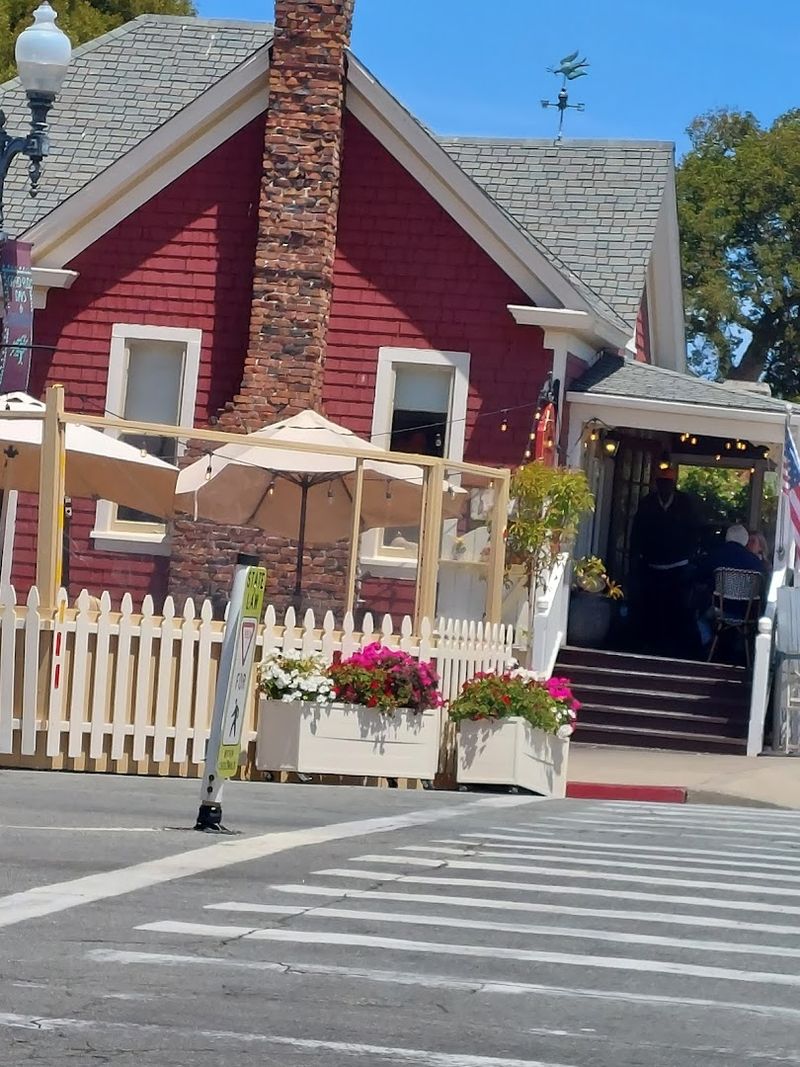
Perched high in the Allegheny Highlands, Monterey sits at an elevation that puts most Virginia towns to shame. The air is noticeably crisper here, the sky a deeper shade of blue, and the pace of life so relaxed it borders on meditative.
As the seat of Highland County, one of the least densely populated counties east of the Mississippi River, Monterey wears its smallness like a badge of honor.
The town is famous throughout the region for its annual Highland Maple Festival, a celebration that draws visitors from across the Mid-Atlantic every spring. Maple syrup producers open their sugar camps to the public, and the main street transforms into a lively, aromatic celebration of the season.
Outside of festival time, though, Monterey returns to its natural state of peaceful obscurity.
Historic buildings line the compact downtown, including the Highland County Courthouse, which anchors the streetscape with quiet authority. Local shops sell handmade goods, regional books, and mountain crafts that feel genuinely local rather than mass-produced for tourist consumption.
Hiking and fishing opportunities surround the town in every direction, with the George Washington National Forest offering trails that reward effort with jaw-dropping ridge views. Wildlife sightings are common, deer and wild turkey practically treat the town limits as their personal backyard.
Monterey reminds me that some of the best places in Virginia are the ones that never tried to become famous. Address: Monterey, VA 24465.
5. Occoquan, VA
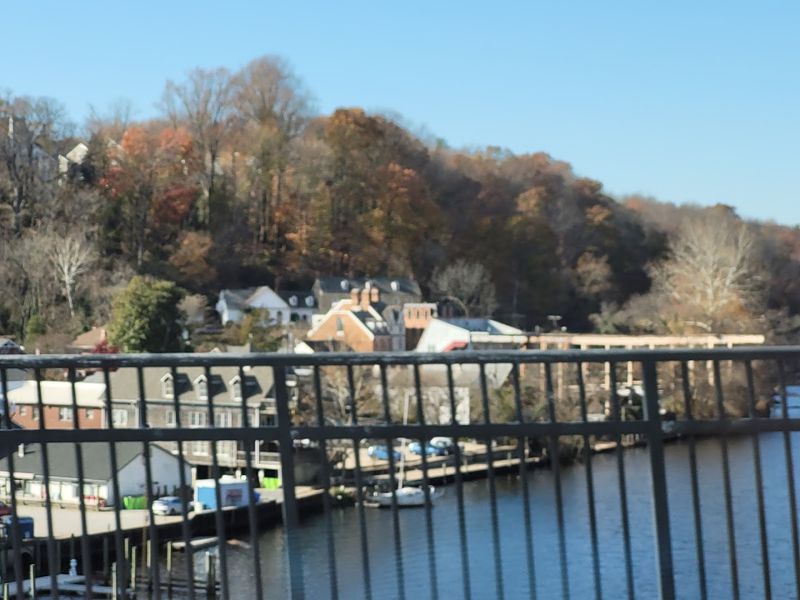
Just 23 miles from Washington, D.C., Occoquan feels like a completely different universe. Perched on the banks of the Occoquan River, this compact historic district is remarkably well preserved, with 18th and 19th century buildings housing more than 60 boutiques, galleries, and eateries.
The contrast between its small-town calm and its proximity to the capital is genuinely startling.
The town’s name comes from an Algonquian word meaning “at the end of the water,” and that poetic origin feels fitting. Walking along the riverfront on a weekend morning, with mist rising off the water and shopkeepers opening their doors, the place has an almost cinematic quality.
The Mill House Museum anchors the historical narrative, offering a well-curated look at the town’s industrial and colonial past.
Occoquan’s streets are narrow and inviting, lined with buildings that lean slightly with age and character. Antique shops occupy former warehouses, and art studios fill spaces that once housed craftsmen of a very different era.
The whole town is walkable in an afternoon, but most people find themselves lingering far longer than planned.
Seasonal festivals bring additional energy, particularly in fall when the foliage reflects off the river in shades of amber and gold. The riverfront park offers a peaceful spot to sit and watch kayakers navigate the current below.
Occoquan is proof that history and liveliness can share the same zip code without either one losing its character. Address: Occoquan, VA 22125.
6. Middleburg, VA
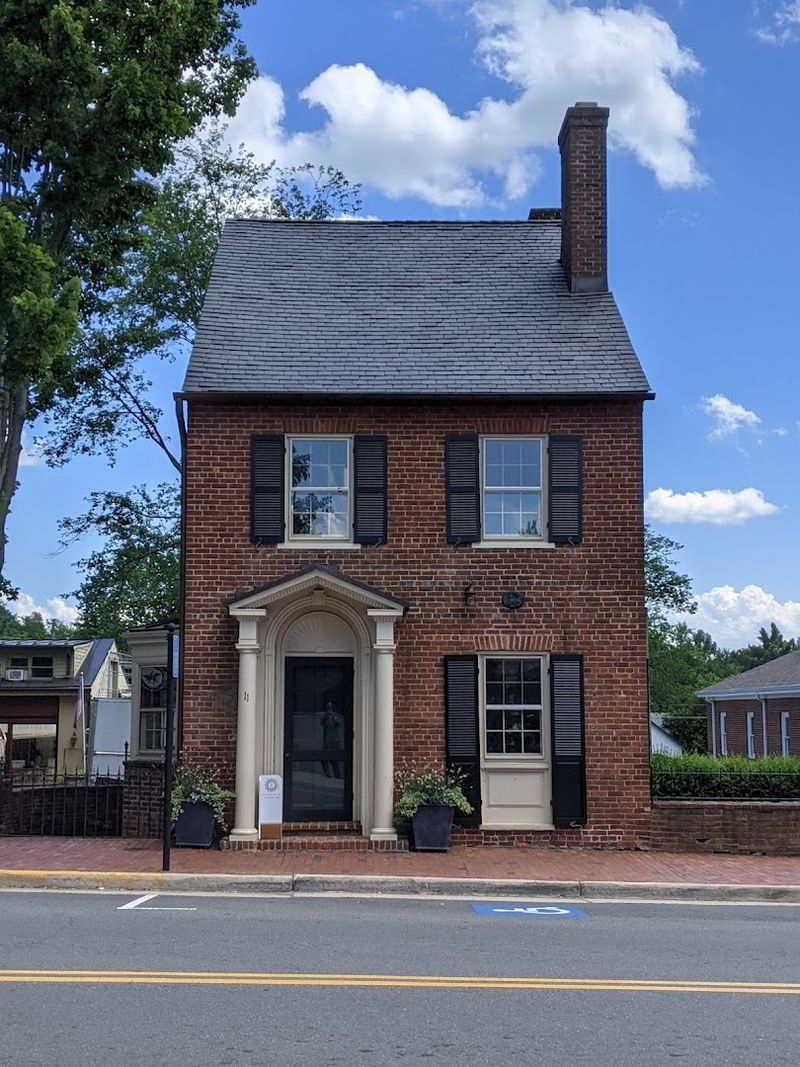
Middleburg operates on a frequency all its own. Known as the heart of Virginia’s horse and wine country, this Federal-period town in Loudoun County carries itself with a quiet confidence that comes from centuries of tradition.
The main street is a textbook example of preserved American townscape, lined with brick buildings that house independent boutiques, tack shops, and sophisticated restaurants.
Founded in 1787, Middleburg became a prominent crossroads town and later a center of hunt country culture. The equestrian heritage is everywhere, from the fenced paddocks visible just outside town to the riders who clip-clop through the streets on weekend mornings.
It is the kind of place where a horse trailer in the parking lot raises absolutely no eyebrows.
The surrounding countryside is breathtaking, rolling green fields divided by stone walls and wooden fences, with the Blue Ridge Mountains providing a permanent backdrop.
Historic sites pepper the area, including the Red Fox Inn, which has been welcoming guests since the mid-1700s and counts among the oldest continuously operating inns in the country. The town also played a notable role during the Civil War, serving as a headquarters for Confederate cavalry commander J.E.B.
Stuart.
Middleburg is polished but never pretentious, historic but never stagnant. Address: Middleburg, VA 20117.
7. Smithfield, VA
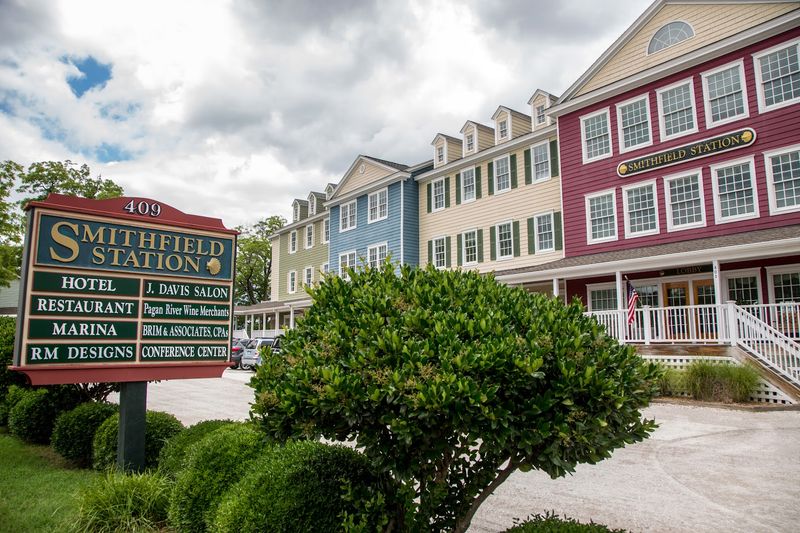
Smithfield greets you with a downtown that looks almost too perfectly preserved to be real. Situated along the Pagan River in Isle of Wight County, this colonial port town is packed with 18th-century architecture that has survived centuries of change with remarkable grace.
Walking its streets feels like flipping through a very detailed history textbook, except the buildings are real and you can touch them.
The town built its identity around ham production, a tradition so deeply embedded in local culture that Smithfield became synonymous with a particular style of salt-cured, hickory-smoked pork.
Beyond the culinary fame, though, Smithfield holds genuine historical treasures that deserve far more attention than they typically receive.
St. Luke’s Church and Museum stands as one of the most extraordinary historic sites in all of Virginia. Dating to the 1600s, it is considered the oldest surviving brick church of English origin in the country.
The Gothic-style building, with its original buttresses and tracery windows, is quietly spectacular in a way that fancy tourist attractions rarely achieve.
Downtown Smithfield is walkable and welcoming, with independent shops, art galleries, and well-maintained antebellum homes lining every block. The Isle of Wight County Museum adds historical depth, displaying artifacts that trace the region’s story from its earliest Native American inhabitants through the colonial and Civil War periods.
Smithfield earns its place on this list with both architectural beauty and genuine historical substance. Address: Smithfield, VA 23430.
8. Buchanan, VA
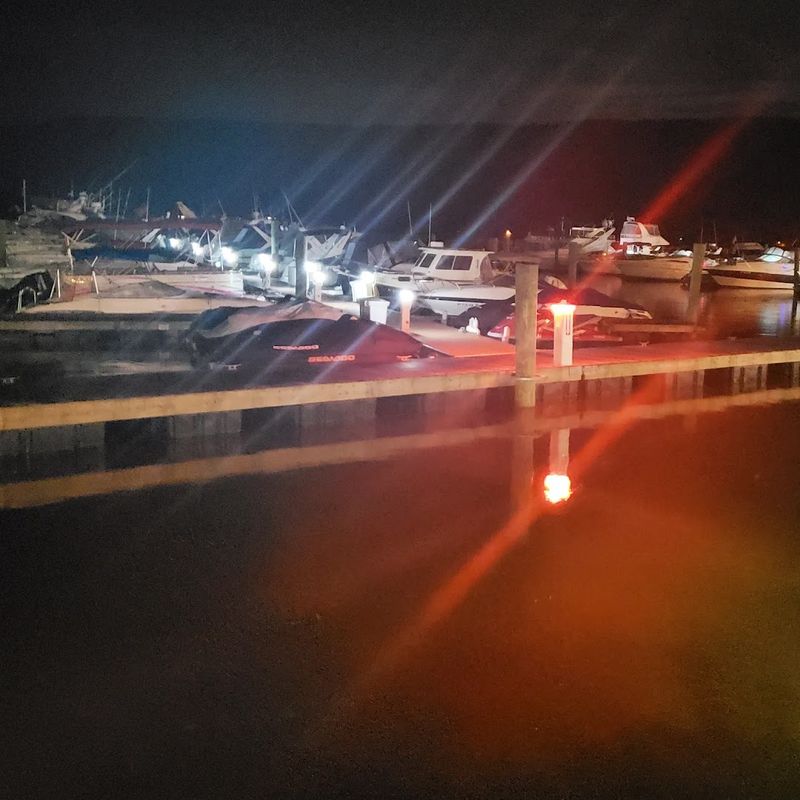
Buchanan sits in the Shenandoah Valley like a forgotten gem that never quite got rediscovered. Nestled between the James River and the Blue Ridge Mountains in Botetourt County, this compact town has a dramatic natural setting that would make any landscape photographer weep with gratitude.
The mountains rise sharply on both sides, framing the town in a way that feels almost deliberately cinematic.
Founded in the early 19th century as a river commerce hub, Buchanan thrived when the James River and Kanawha Canal brought trade through its heart. The canal era eventually gave way to the railroad, and the railroad eventually gave way to the interstate, leaving Buchanan to find its own quieter rhythm.
That rhythm, it turns out, suits the town beautifully.
The swinging pedestrian bridge across the James River is an absolute must. Crossing it while the river rushes below and the mountains loom overhead is one of those simple, memorable experiences that no theme park can replicate.
The bridge itself has become a beloved local landmark, connecting the town to the natural world on its doorstep.
Historic storefronts line the main street, housing antique dealers and local businesses that keep the commercial core alive with a genuine community feel. The Botetourt County history runs deep here, and the town’s architecture reflects multiple eras of American growth and change.
Buchanan rewards curiosity. The more you look, the more layers you find.
Address: Buchanan, VA 24066.
9. Irvington, VA
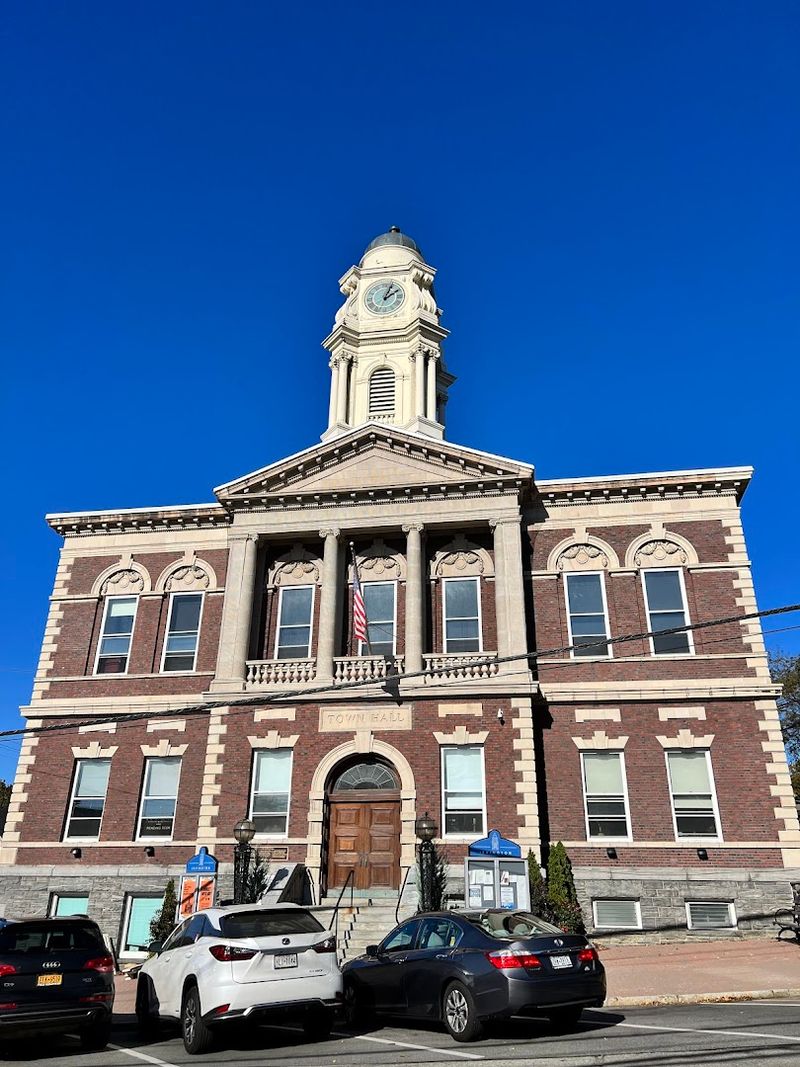
Irvington occupies a quiet peninsula on the Northern Neck of Virginia. This is where the Rappahannock River meets the Chesapeake Bay in a landscape so serene it practically demands a deep breath the moment you arrive.
This little waterfront village has been charming visitors since the Victorian era, and it has lost none of its appeal in the intervening decades.
The town is perhaps best known as home to The Tides Inn, a grand waterfront resort that has been welcoming guests since the mid-20th century.
The resort’s classic architecture and manicured grounds sit comfortably alongside the village’s more modest historic structures, creating a surprisingly harmonious streetscape.
The marina adds a nautical energy that feels perfectly suited to the Chesapeake setting.
Christ Church, located just outside the village, is one of the most extraordinary colonial-era buildings in Virginia. Built in 1735 and remarkably intact, the church retains its original pews, communion table, and three-tiered pulpit.
It stands as a living architectural document of colonial Anglican life, and visiting it feels genuinely moving.
Irvington’s small commercial district offers galleries, gift shops, and locally focused eateries that cater to a crowd that appreciates quality over quantity. The pace here is deliberately slow, and the locals seem to guard that slowness with polite but firm resolve.
Sunsets over the water here are the kind that make you reconsider every life decision that brought you anywhere other than Irvington. Address: Irvington, VA 22480.
10. Damascus, VA
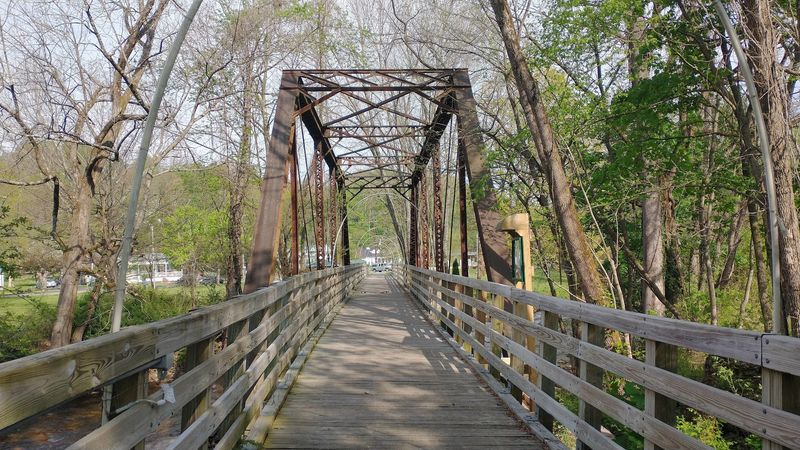
Damascus wears its nickname, Trail Town USA, with complete justification and zero irony. Tucked into the southwestern corner of Virginia near the Tennessee border, this small Appalachian town sits at the intersection of more long-distance trails than almost any other spot in America.
The Appalachian Trail, the Virginia Creeper Trail, the TransAmerica Bicycle Trail, and the Iron Mountain Trail all converge here. It’s creating a crossroads of outdoor adventure that draws hikers and cyclists from across the country.
Despite the trail traffic, Damascus retains the character of a genuine small mountain town rather than a manufactured outdoor retail village.
Historic buildings line the main street, independent outfitters occupy old storefronts. The overall atmosphere is welcoming in the unaffected way that only comes from a community that actually lives there year-round.
The Virginia Creeper Trail deserves special attention. Following an old railroad corridor through some of the most spectacular mountain scenery in the state, the trail offers a riding experience that balances accessibility with genuine natural beauty.
The downhill run from Whitetop Station to Damascus is particularly memorable, dropping through forests and over historic trestles for miles of pure, breathless joy.
Damascus hosts a beloved annual Trail Days festival each May, when the Appalachian Trail community descends on the town for a celebration of hiking culture that has no real equivalent anywhere else in the country.
For anyone who loves the outdoors and appreciates authenticity, Damascus is absolutely unmissable. Address: Damascus, VA 24236.
