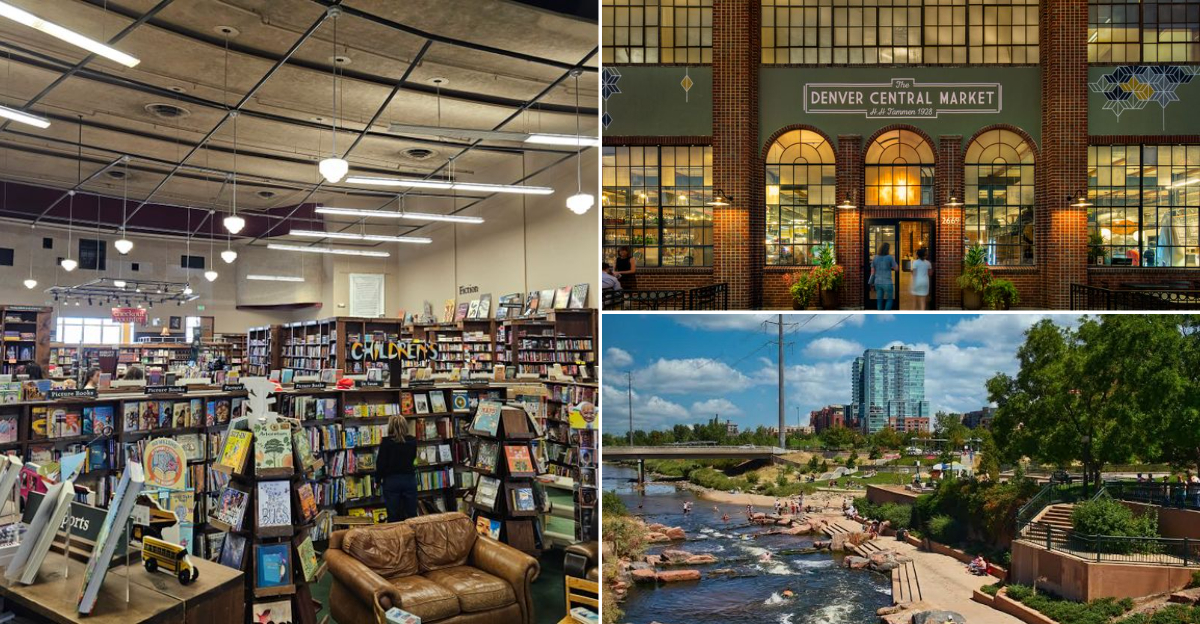
Denver has figured out how to make a home for people who stay and people who float, and it shows up in the smallest daily details. You can feel it in the way neighborhoods pace themselves, like they expect new faces every week yet still protect the routines that anchor locals.
Coffee shops double as offices, parks absorb the overflow, and nobody seems surprised by the mix. It is not slick or showy, it is a steady rhythm that says you can plug in for a while and still respect the folks who built the groove.
If that balance sounds tricky, it is, and it is exactly why I want to show you how the city pulls it off.
Remote Work Made Temporary Living Permanent
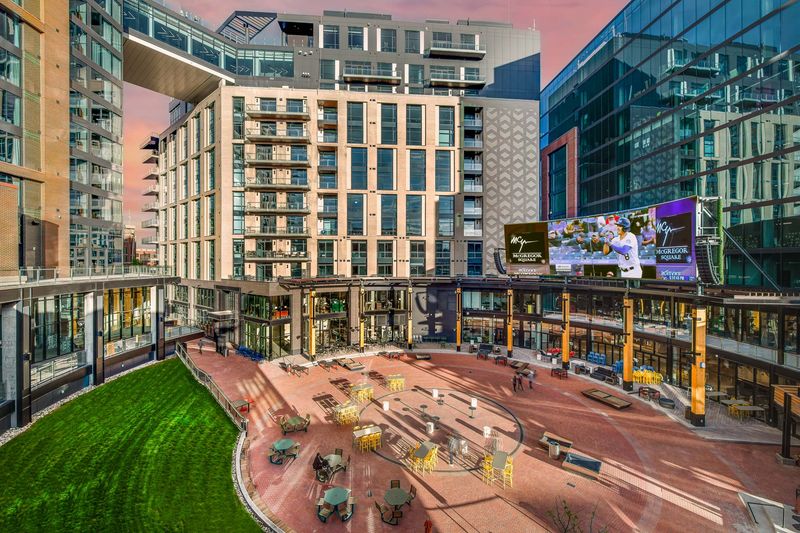
Start at McGregor Square because it tells the story without saying a word. You stand under the big screens and watch laptops open like they belong to the architecture.
The address is 1901 Wazee St, Denver, tucked beside Coors Field and a commuter flow that never really cuts off.
The plaza seats, the shaded corners, the hotel lobby hum, they all act like a starter kit for temporary living.
Remote workers show up with rolling suitcases, then figure out trash pickup days and transit shortcuts within a week. That shift is the magic and the complication.
Denver leans into it with strong public wifi zones and a habit of flexible sitting spaces. You get the signal that you can land here and find your footing fast.
But the permanence sneaks in when month two looks like month twelve. That is when a visitor starts thinking like a neighbor.
Union Station becomes a routine, not a landmark.
You meet someone twice and suddenly your calendar looks local.
Colorado energy helps because people plan around trails and weather windows. Work breaks become actual rituals.
The city feels like it put down soft landing pads across downtown and LoDo. Each pad nudges a stay from quick visit to semi settled life.
You see it and think, this was built intentionally, right? It was, but the intention is gentle, not bossy.
That is how remote work turned temporary living into something quietly permanent. And Denver keeps the door propped open.
Housing Demand Shifted Faster Than Supply
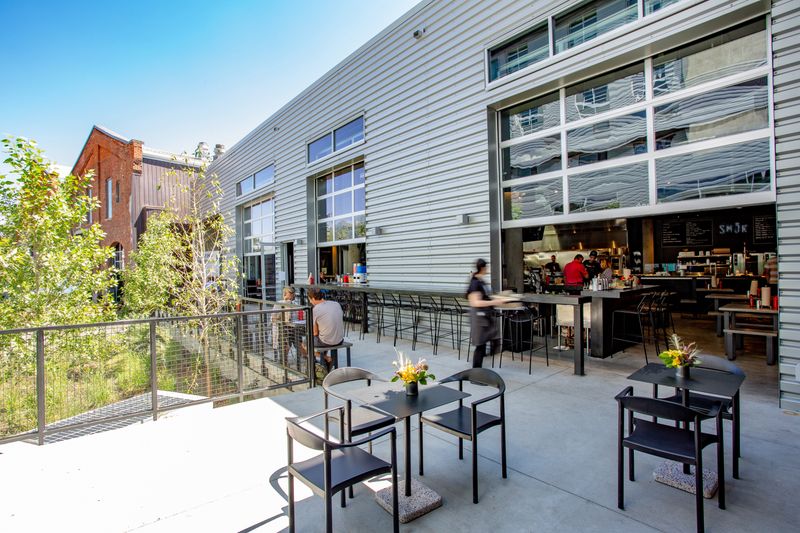
Walk with me along RiNo to The Source Hotel and Market Hall. You can feel the push and pull sitting right inside that lobby.
Short leases showed up before long leases could adjust. Conversions lagged, and neighbors kept comparing moving trucks like weather.
Property managers learned new rhythms around notice periods and furnished units.
Residents learned to track listings like transit schedules.
Colorado keeps drawing remote workers, so vacancies turn over in quick little bursts. Stability is a moving target rather than a fixed address.
The city nudged incentives toward accessory dwelling units and infill. That helped, but it did not change overnight habits.
Inside The Source, the layout reads like a map of flex living.
There is room to perch, linger, and plan the next stay.
On nearby blocks, you can hear luggage wheels bumping against sidewalks. The sonic texture is its own market signal.
Residents started sharing spreadsheets, tips, and building Slack groups. That is community, just redefined for speed.
The address tells you where to meet, but the conversations tell you what to expect. And everyone expects change.
So housing demand sprinted while supply paced itself like a jog. Denver is still stretching into that stride.
Neighborhoods Absorbed Constant Turnover
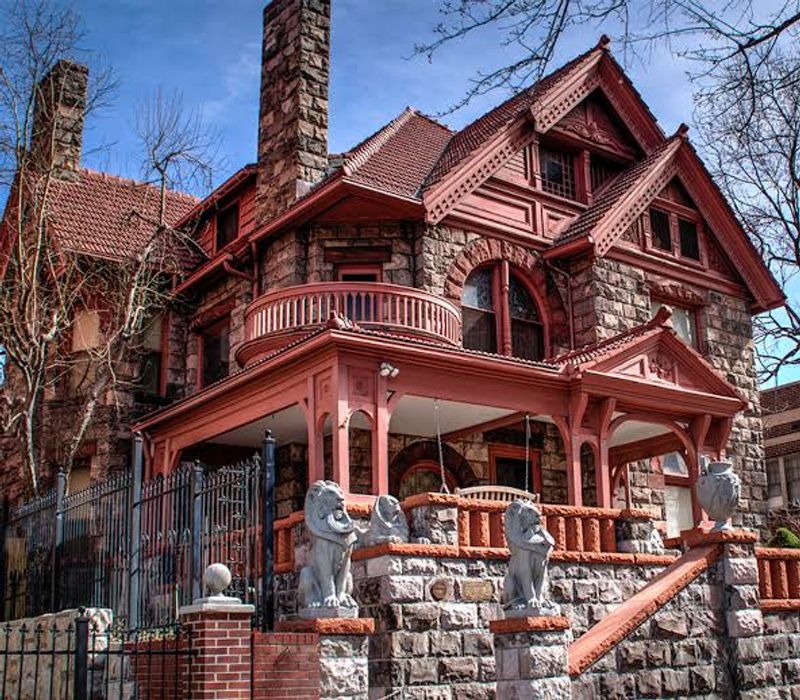
Capitol Hill has this way of breathing people in and out without losing its voice. Stand near the Molly Brown House Museum and listen to the porch steps.
Leases cycle, roommates rotate, but porch plants stay, and that is the anchor. The cadence becomes predictable even if faces change.
Neighborhood associations leaned into welcome notes and hallway bulletin boards. Digital groups mirrored the analog cues.
Colorado stories are easy to swap on stoops, so routines pass quickly.
Trash day rules, street sweeping, and parking logic spread by conversation.
Locals got good at orienting new folks without acting like gatekeepers. That tone matters more than a pamphlet.
Pocket parks held the line on continuity. Cheesman Park kept the same gentle morning loop.
You notice moving trucks, then you notice the smiles that greet them.
Stability arrives in gestures, not paperwork.
Older buildings provide the bones for flexible living. Newer ones offer the amenities that soften the landings.
On a walk, you can read turnover in window light and late night boxes. It is a language you learn fast.
Cap Hill never pretends it is static. It just keeps its character while traffic flows through.
Local Businesses Adapted To Mobile Customers
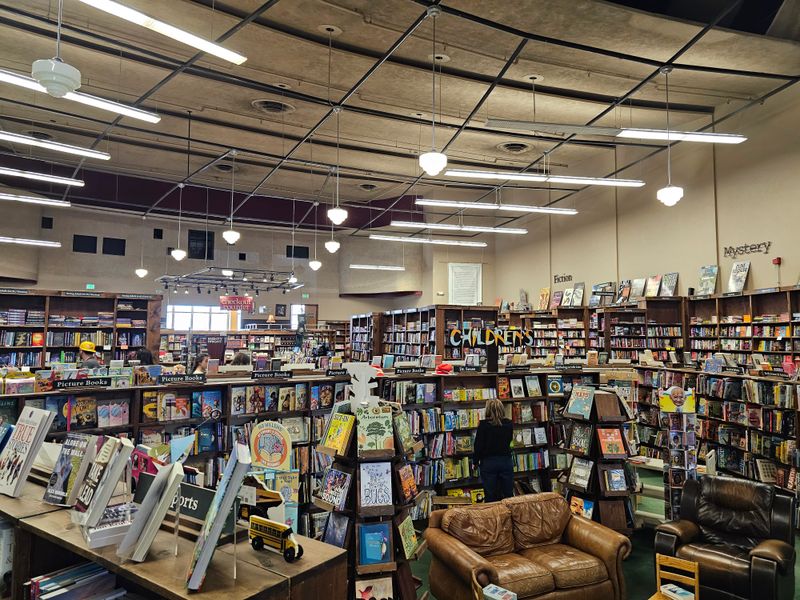
You want to see flexibility in action, go peek at Tattered Cover Colfax. The floor feels like it shifts politely to make room for laptops and locals both.
Shops learned to greet customers who might be here for a month. Loyalty looks different when residence is fluid.
Return policies, storage cubbies, and pick up options all got tweaks. Staff got good at remembering faces faster.
Colorado visitors cycle in with work sprints and trail plans.
Businesses learned to hold both in the same sentence.
Memberships became flexible, and events repeated on rotating schedules. You could catch the same vibe on a new calendar.
The bookstore aisles double as catch up spots and planning corners. You hear gentle voices, not announcements.
Nearby, Twist and Shout, anchors the music side of the rhythm. Long timers and short timers thumb through bins the same careful way.
Their approach proves you can adapt without losing soul. You edit systems, not identity.
Mobile customers do not need flash, they need clarity and kindness.
Denver storefronts learned that language.
It shows in the layout, the signage, and the unhurried nods at the door. That is how a city becomes welcoming without stretching thin.
Coworking Spaces Filled A Community Gap
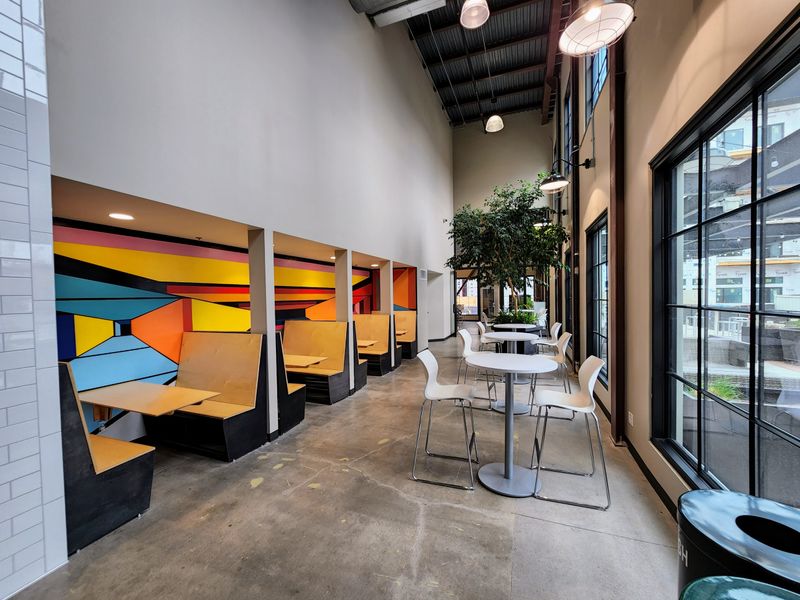
Let us swing by Industry RiNo Station. The lobby buzz feels like a soft handshake rather than a pitch.
Coworking here stitched together routine for people passing through.
Day passes turned into weekly rituals.
Kitchens and lounges act like living rooms that rotate cast members. You learn names by coffee machine proximity.
Colorado mornings invite early starts, so seats fill in a steady trickle. The pace keeps things friendly.
Community managers started acting like neighborhood concierges. They map you to transit, trails, and service desks without fuss.
Industry set up quiet zones beside phone booths. That mix keeps remote teams sane.
Over at Enterprise Coworking, the rooftop view sells focus. Wide sky seems to reset the brain between calls.
Meetups feel casual and practical rather than polished.
People trade gear tips, leases, and pet sitter names.
Desk clusters become mini neighborhoods with rotating neighbors. It is social without any pressure.
When you leave at dusk, it feels like you clocked out of a small town. Then you remember your badge works tomorrow too.
City Services Adjusted To Fluid Residency
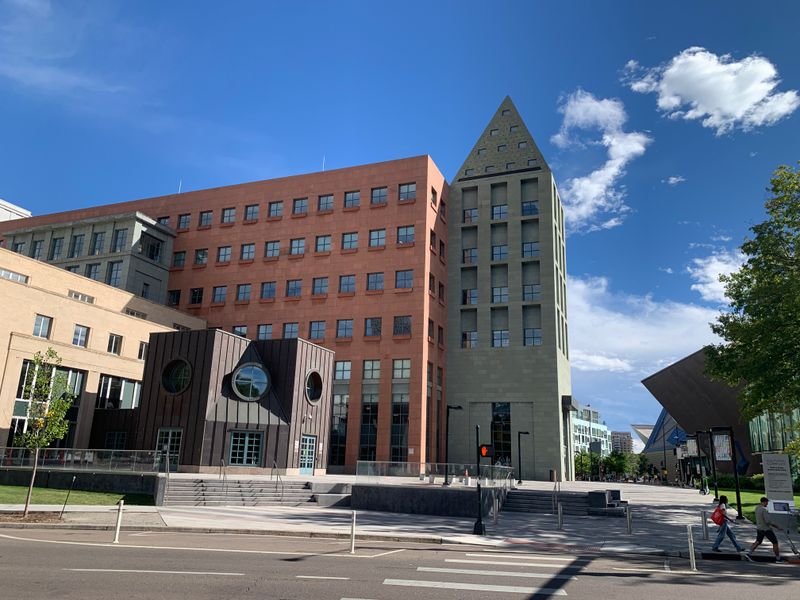
City offices started meeting people where they already were, which you can see near the Webb Municipal Building.
The lobby signage feels tuned for clarity over jargon.
Services simplified account changes and short term setups. That tiny friction drop matters for a roaming workforce.
Library cards, transit passes, and permit questions now travel faster. Staff speak fluent what brings you in today.
Colorado agencies share channels with neighborhood groups. The alerts feel human instead of canned.
Mobile clinics and pop up tables show up at events and stops. The timing catches people between meetings.
The main library acts like an anchor for information. You walk in and get routing without a maze.
Trash, recycling, and compost guidance sits on clean, readable boards.
The everyday stuff keeps the city running smooth.
Someone always asks about short term parking rules and street sweeping times. Answers arrive without sighs.
That is how fluid residency feels supported rather than tolerated. A little clarity, repeated often, saves everyone effort.
It is not flashy, it is steady and kind. Denver learned to translate policy into practical steps.
Cultural Norms Began To Blend And Blur
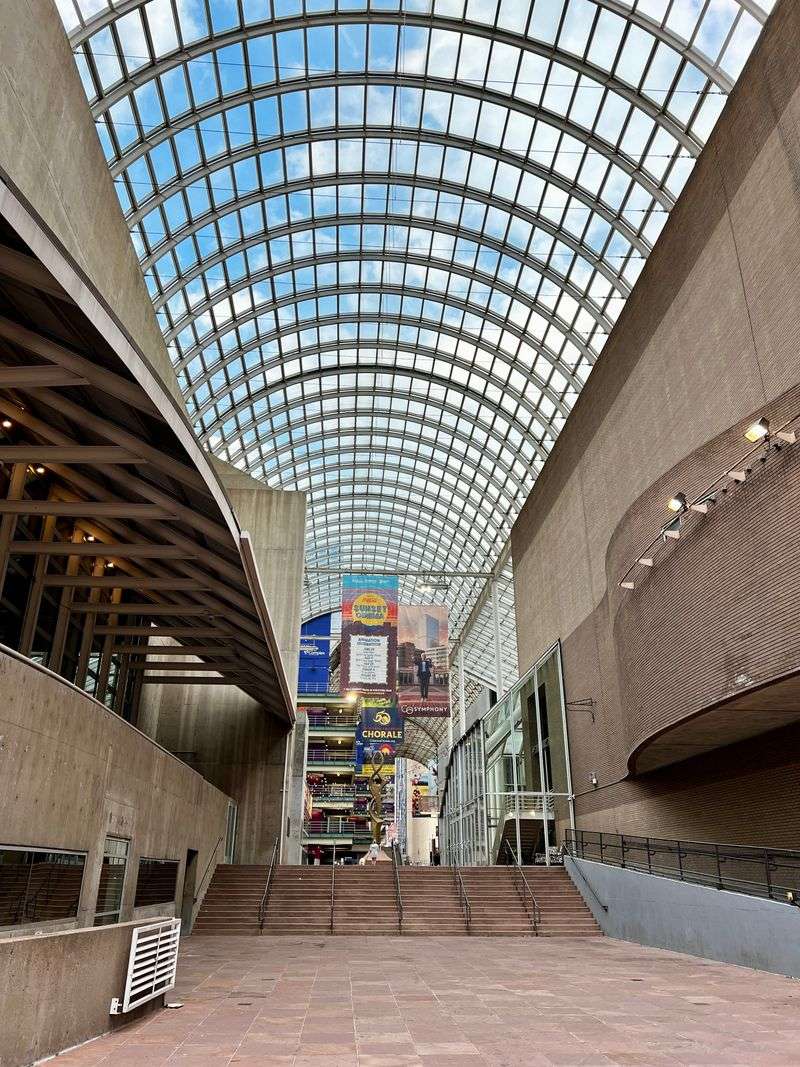
Head to the Denver Performing Arts Complex and you will feel it.
The plaza hosts people who just arrived and people who have had the same seat forever.
Norms mix in small rituals like lines, applause, and intermission chatter. You absorb what is local by standing nearby.
Colorado crowds are warm but not clingy. That balance helps newcomers belong without pressure.
Museums do it too, especially the Clyfford Still Museum. Quiet rooms make intro conversations easy.
Dress codes became softer, schedules more elastic. Evenings feel planned and spontaneous at the same time.
Community calendars loop recurring events so new arrivals can jump in.
No one minds a basic question at the door.
Language around time shifts from staying to being here now. It sounds small, but it changes how people meet.
The complex’s open spaces carry that blended rhythm. You can idle without feeling odd.
Locals keep the spine of tradition so the mood does not drift. Newcomers add spark without rewriting the book.
It is cultural compost in the best way. Things mix, heat, and turn into something nourishing.
Tensions Emerged Around Cost And Access
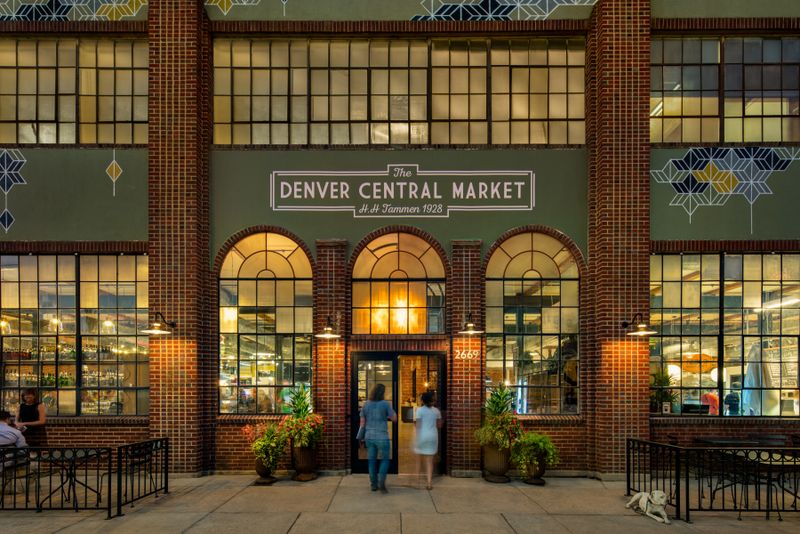
Let us be honest and walk past Denver Central Market. You can feel the squeeze when crowds spike and regulars recalibrate their routes.
Costs rose, access felt wobbly, and schedules got tighter.
People started timing errands like chess moves.
Local groups pushed for clearer transit info and better curb management. Small fixes sometimes carried big relief.
Colorado conversations stay mostly neighborly even when stakes are real. Folks prefer solutions over speeches.
Parking near Walnut Street became a quiet sport. Bikes and scooters solved more than one headache.
The city experimented with pick up zones and loading windows. It made delivery life more rational.
At the curb, you see the whole debate in miniature. Space is finite and demand is nimble.
Residents asked for predictability while nomads asked for flexibility.
The compromise shifts by block and hour.
Inside the market, you hear gentle reminders about lines and entry flow. It is choreography for everyday living.
That is tension managed, not erased. Denver keeps testing small tools until they click.
Some Nomads Transitioned Into Long-Term Residents
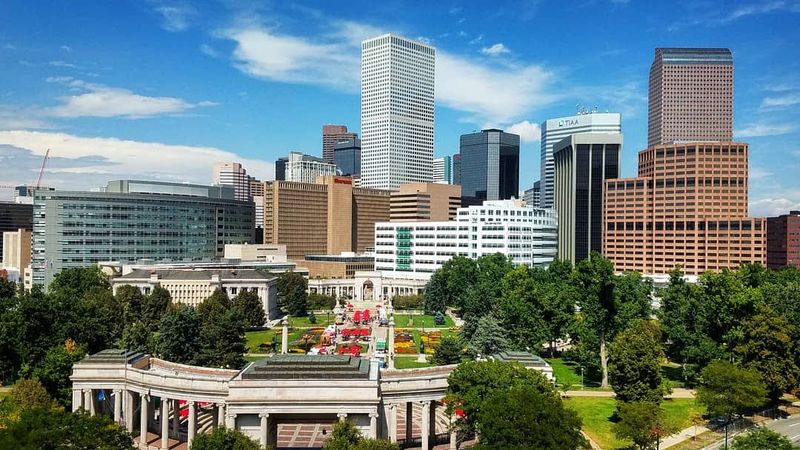
Ever notice how a sublet turns into a lease when you start greeting the same dog every morning? That happened all over Baker and South Broadway.
Morning loops look steady and unforced.
People who came for a project found a barber, a dentist, and a climbing partner. That trio is how roots start in Colorado.
Leases followed routines, not the other way around. It is funny how that works when days line up right.
Neighbors welcomed the steady faces with block cleanups and porch hellos. The vibe was come as you are and stay if it feels good.
South Broadway addresses offer thrift shops and repair spots that make settling simple.
Practical errands become community breadcrumbs.
Lightrail at Alameda Station stitched commutes together. The timetable turned strangers into nodding acquaintances.
The transition from nomad to resident is quiet. One day the key fob lands on a hook by the door.
That is how the city gains new lifers without big announcements. A handful of habits and a shared street.
Denver seems to reward people who learn its rhythm. The longer you listen, the more it sounds like home.
Denver Continues Searching For Middle Ground
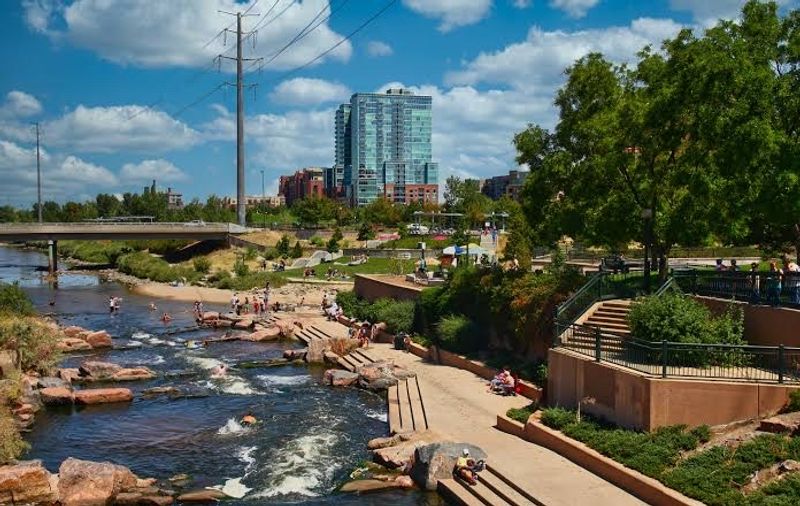
If you want the summary in one walk, take the Cherry Creek Trail by Confluence Park. You will pass commuters, visitors, and neighbors sharing the same lane without much fuss.
The middle ground is not a fixed point, it is a moving handshake. People adjust pace and space in real time.
Policy keeps inching forward with pilots and feedback loops. The vibe stays humble and iterative.
Colorado weather flips, and the city flexes with it.
Outdoor space turns into the meeting room again.
You get a sense that Denver likes the mix. It just wants clear rules and generous manners.
On the trail, that looks like bells, signals, and eye contact. Small courtesies scale surprisingly well.
Confluence Park’s seating lets you read the room for a minute. Then you join without stepping on toes.
Residents hold the memory and nomads bring the spark.
Together they keep the city awake and kind.
It is not solved, it is managed with practice. That practice shows up block by block.
And if we are driving through, we will feel it immediately. The rhythm is welcoming if you match it.
