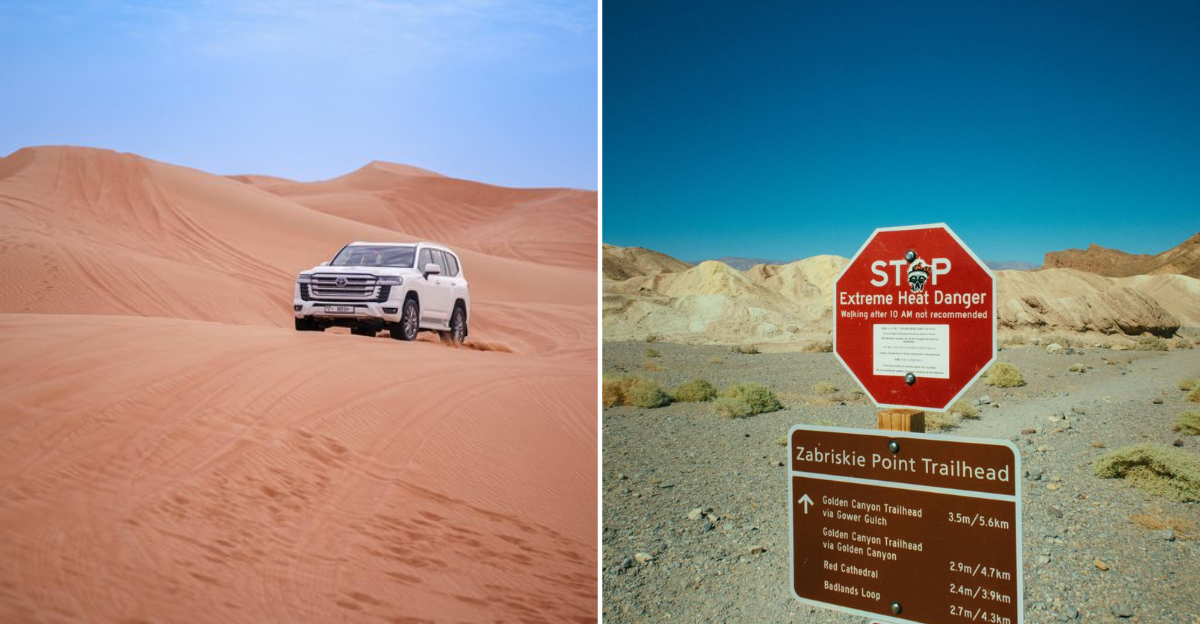
Ever taken a road trip through California’s desert and wondered if you’re really prepared for it? The desert looks wide open and inviting, but driving out there comes with its own set of challenges.
Long stretches of empty highway, sudden changes in weather, and the kind of heat that sneaks up on you can turn a simple drive into something risky if you’re not ready.
I remember my first time heading through the Mojave: no gas stations for miles, my phone signal dropping in and out, and the sun beating down harder than I expected.
It taught me quickly that a desert drive isn’t like cruising through the city or even the coast. You need to think ahead: water in the car, a full tank, and a plan in case something doesn’t go as expected.
Locals know these rules well, but visitors often don’t.
If you want your desert trip to be memorable for the right reasons, a little preparation goes a long way. Are you ready to learn how to keep safe out there?
1. Carry More Water Than You Think You Need

Here’s the rule I live by out there: bring more water than feels reasonable.
California desert stretches can seem easy until a random closure turns a short hop into a long wait.
Heat, low humidity, and wind pull moisture out of you faster than you realize, and thirst sneaks up when you are focused on the road.
Stash big refillable jugs plus smaller bottles you can grab quickly.
Keep some within reach for quick sips, and some in the trunk as backup if you get stuck in traffic or soft sand.
Extra water is the single most important safety item, even on trips that look quick on the map, because it buys you time to think and keeps your body steady.
I also use water for more than drinking. A small pour on a cloth cools the back of the neck, and a quick splash can rinse dust from eyes.
If the car gets fussy, a little water on your hands before checking things keeps you from spreading grime onto everything.
Sounds simple, right? It is, but it is the first thing people skip when they are in a hurry.
I load up before leaving town, top off at any stop with shade, and never assume the next station has working taps.
2. Never Trust Cell Service Alone

Out here, your phone can look fine and then drop to nothing for miles. Large desert areas have weak or nonexistent signal, even along highways that seem busy.
Navigation apps and emergency calls can fail without warning, and that is not when you want to be guessing at a fork in the road.
I always download offline maps before I roll past the last big town. Paper maps still earn their spot in the door pocket, especially for the smaller roads that apps label weirdly.
Let someone know your route and the general timing, so if you go quiet, they know where to start checking.
It helps to screenshot fuel stops and ranger stations while you still have service. That way you are not scrambling to load details when the bars disappear.
A little pre-trip prep takes minutes and can save hours of backtracking under a hot sky.
Do you need fancy gear? Not really, just a plan that does not depend on a signal.
Treat the phone as a nice bonus, not a lifeline, and you will drive California’s desert with a calmer head and better options.
3. Start With A Full Tank And Refill Early
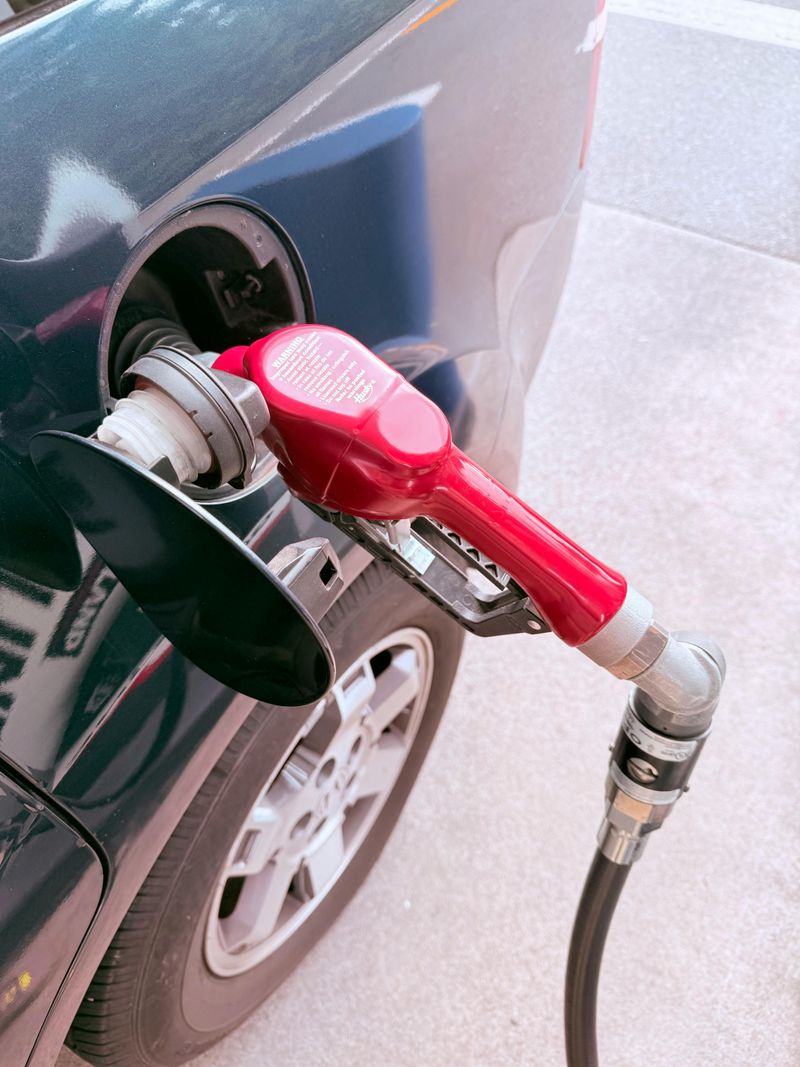
Fuel management is not glamorous, but it is everything out here. Gas stations in desert regions are often far apart and sometimes close earlier than expected.
Skipping a stop because you think there is another one ahead is the classic mistake that turns a chill drive into a stressful crawl.
I start with a full tank before leaving the last reliable town.
Then I refill early, not when the light comes on, because wind, detours, and long climbs eat more fuel than you planned.
Topping off buys you choice, which is priceless when the heat is climbing and shade is not around.
Keep an eye on your range and your actual miles, not just the car’s estimate. If a road looks empty for too long, pull into the next station you see and add what you can.
While you are there, stretch, check tires, and ask about the road ahead.
The goal is simple. You want to remove fuel anxiety from the trip so you can watch the scenery and the sky.
In the desert, that peace of mind feels like the best add-on you could carry, and it keeps your head clear when decisions matter.
4. Avoid Midday Driving During Extreme Heat
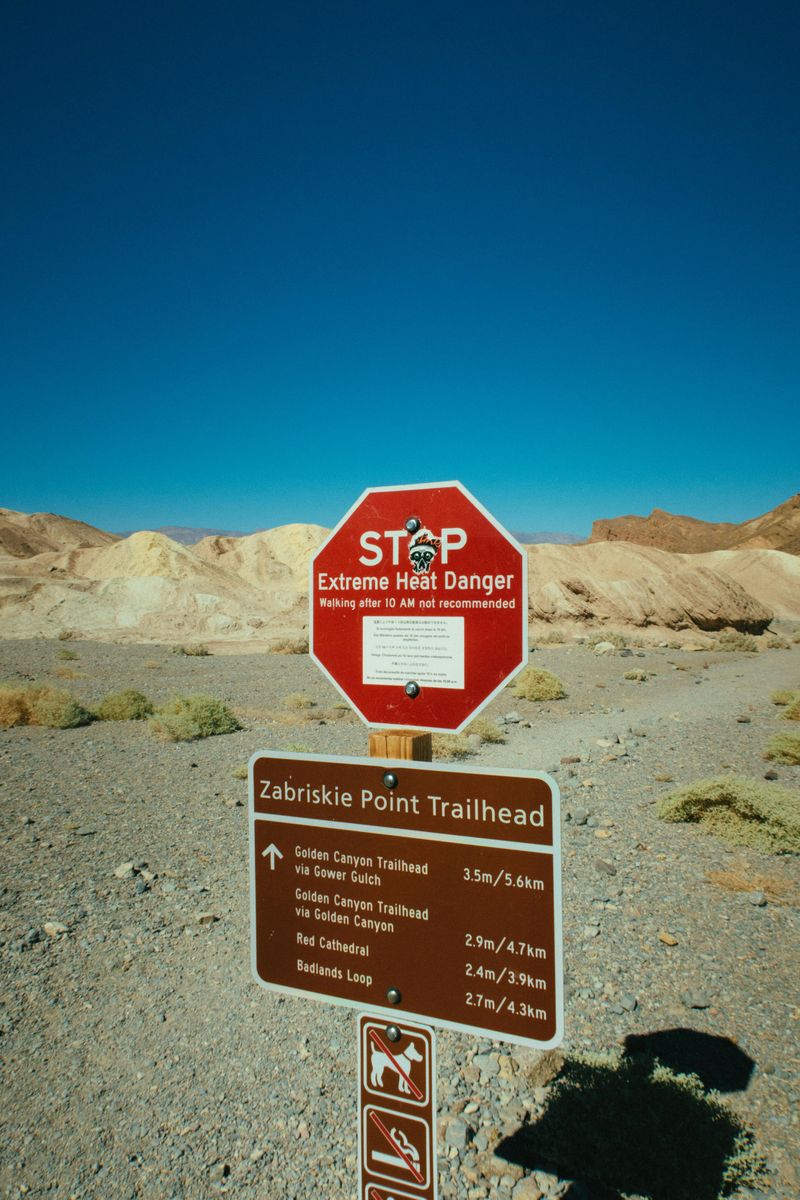
Want an easier day behind the wheel? Aim for early mornings or later evenings.
Summer temperatures can exceed safe levels for both vehicles and people, and the sun at midday turns the cabin into an oven even with the fan blasting.
Breakdowns are more dangerous when the sun is highest and shade is scarce. Rubber, fluids, and temp gauges all get stressed, and your patience gets short.
Shifting your drive window lowers heat stress and mechanical strain, and you feel less wrung out when you stop.
I set alarms, roll out before the light gets fierce, and plan a long rest when the day peaks.
That could be a quiet pullout with a breeze or a visitor center with exhibits and cool air. If the route is flexible, I build the whole day around that safer rhythm.
It is not only about comfort. Cooler hours mean better attention and fewer rushed choices.
In the California desert, that steady head keeps you safer than any gadget, and it makes the whole trip feel smoother and more fun.
5. Check Your Tires Before Leaving Pavement
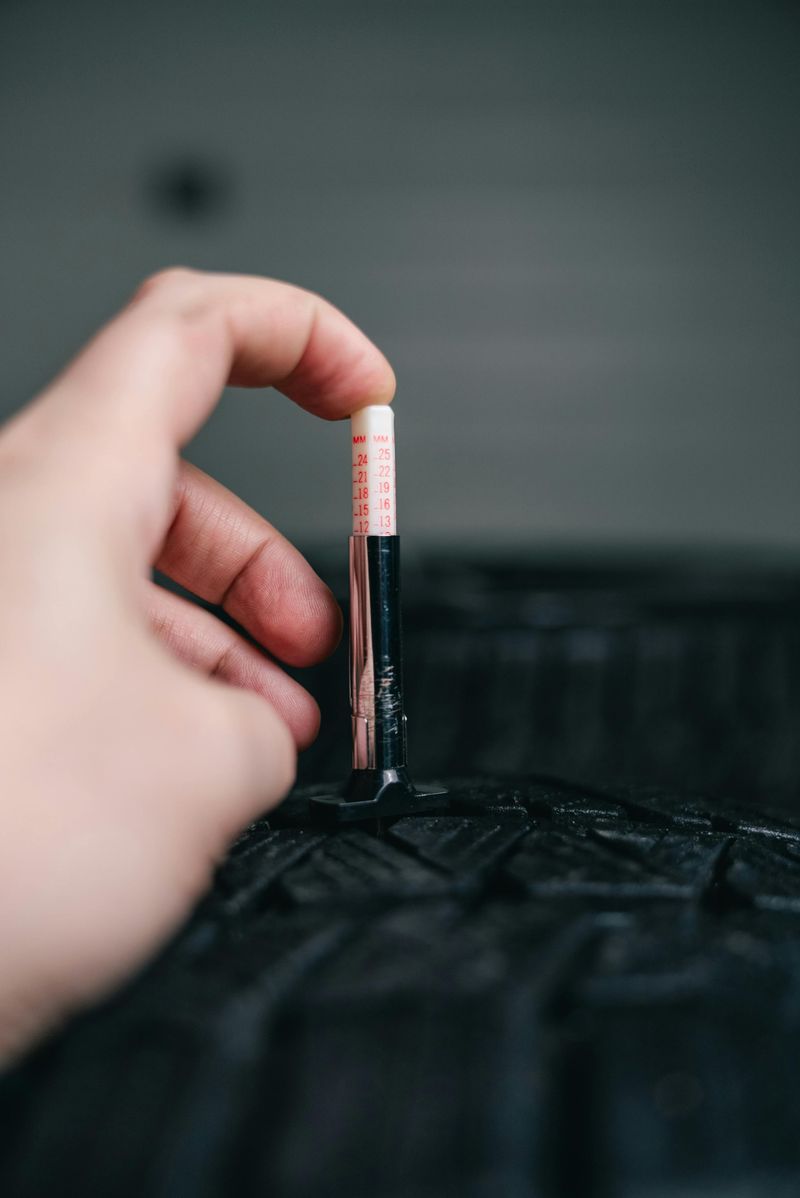
Tires take a beating out here, so give them attention before you roll. Desert heat increases tire pressure and raises the risk of blowouts, especially on long blacktop stretches.
Worn tread or underinflated tires fail faster on hot asphalt, and that can become a stranded afternoon in a hurry.
I do a quick loop around the car at every stop. Look for cuts, bulges, or anything stuck in the tread.
Then check pressure when the tires are cool, not after a long push, so the numbers make sense.
Before leaving pavement or trying a graded road, ask yourself if your tires are built for it. If not, stay on the main route and keep your day easy.
A small choice like that can save a lot of stress when the sun gets higher.
Carry a compact inflator and a proper gauge, and learn where the spare and jack live. A simple kit plus a calm plan turns a bad moment into a fixable pause.
Here, that kind of readiness feels like quiet confidence you can actually use.
6. Carry Emergency Supplies Beyond The Basics
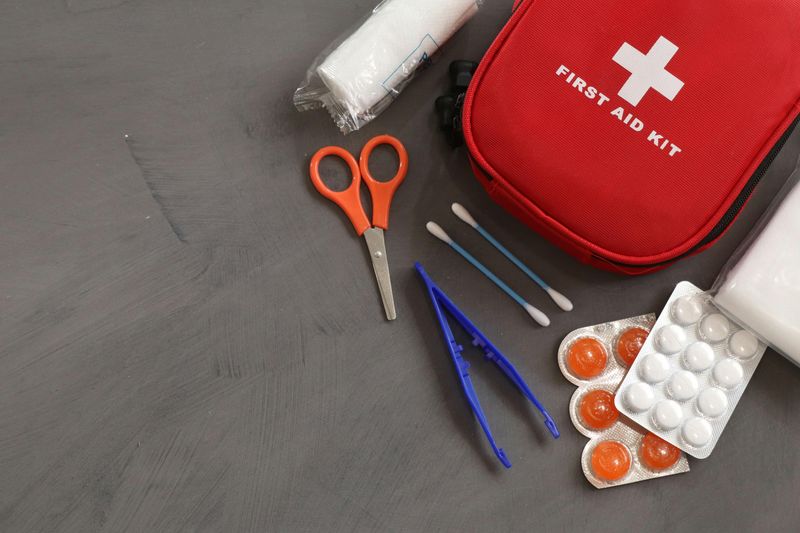
A little kit becomes a big deal when the road empties. Food, a flashlight, sun protection, and a first aid kit matter more in remote areas, where help can take a while.
Desert nights can turn cold quickly, even after extreme daytime heat, so a warm layer is not overkill.
I pack a reflective triangle, a headlamp with spare batteries, a wide brim hat, and a light tarp for shade.
Add a basic toolkit, a tire inflator, and gloves that can handle hot metal. It sounds like a lot, but it all tucks in and disappears until you need it.
Think about comfort too. Lip balm, electrolyte packets, and a simple notebook with key phone numbers live in the glove box.
When everything goes sideways, small comforts keep your mood steady while you sort things out.
It is about being able to choose the best move instead of the only move. That is the difference between a minor story and a long, unnecessary ordeal you will be retelling for too long.
7. Do Not Wander If Your Vehicle Breaks Down
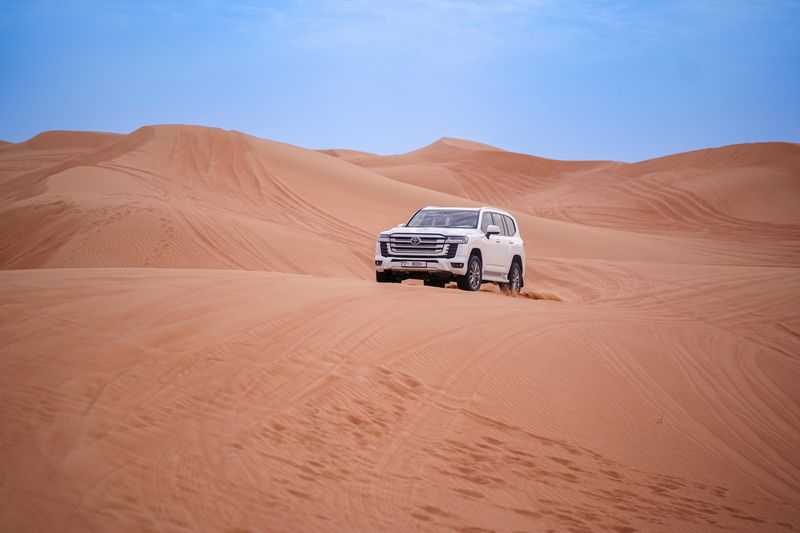
When the car stops, do not head for the horizon.
A vehicle provides shade, visibility, and protection from exposure, and it is easier for others to spot from the road or the air.
Walking in desert conditions often makes situations worse, not better, especially when landmarks look closer than they are.
Turn on hazards, set a reflective triangle, and crack windows for airflow while you wait. If you can, call for help and describe your last known mile marker or junction.
Emergency responders are more likely to find a stationary vehicle than a person on foot wandering between washes.
I keep a simple routine to stay calm. Water first, then a quick check under the hood only if it feels safe, then shade.
After that, settle in and conserve energy.
It is a mindset shift. Staying put feels passive, but it is usually the smartest play.
Patience and visibility are your best tools while help makes its way to you.
8. Watch For Sudden Weather Changes
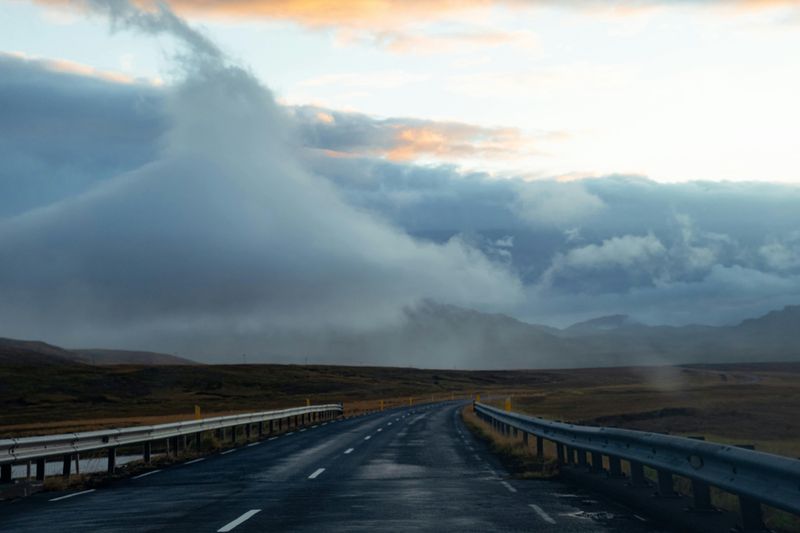
The sky can flip the script in minutes out here. Deserts are known for flash floods, dust storms, and strong winds that arrive with little warning.
A dry wash can flood rapidly even if rain is falling miles away, and that moving water has serious force.
I scan the horizon for dark curtains of rain and for dust walls that look like a tan fog bank.
If visibility drops, I slow down and pull well off the roadway, lights off so others do not follow me by mistake. When thunderheads pile up, I avoid low crossings and watch for closures.
Weather alerts help a lot, so check them before coverage fades. Local radio can be surprisingly useful where apps do not load.
The goal is to avoid surprise, not muscle through it.
Seen a wash with standing water? Wait it out, because a short pause beats a risky crossing, every time.
9. Respect Distance And Speed Limits
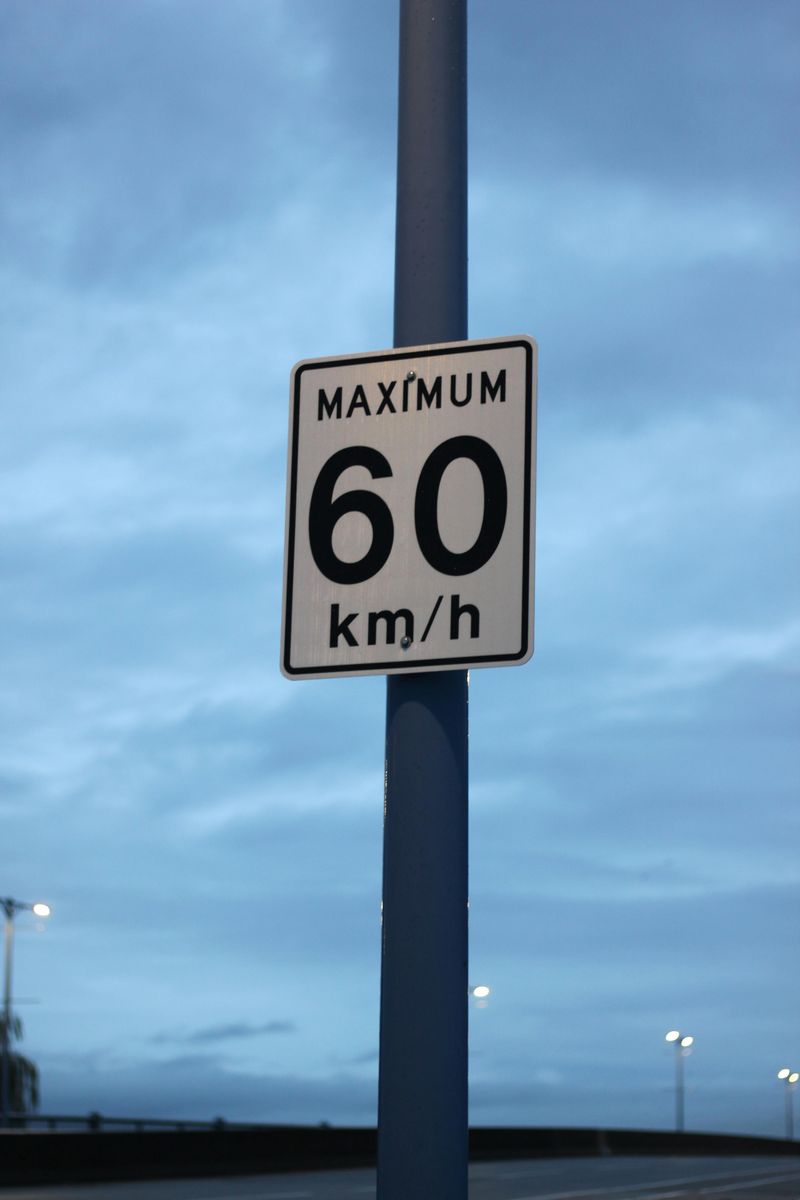
Empty roads tempt you to push the pedal. Long, open stretches can encourage speeding, but reaction time matters more when help is far away.
Wildlife crossings, drifting sand, and sudden curves are common desert risks that show up exactly when you least expect them.
I keep a relaxed pace and let faster cars pass. It takes the edge off and gives me more time to read the shoulder and the surface ahead.
A small patch of loose sand or a surprise gust feels manageable when you are not right on the limit.
Distance plays tricks too. Mountains look close, then never arrive, and that can nudge you into hurrying.
I treat the odometer like a friend and settle into a steady rhythm.
This is not a race. It is a long, sunlit drive across a serious country.
Here, smooth and unhurried feels better, looks smarter, and ends safer.
10. Know Your Vehicle’s Limits
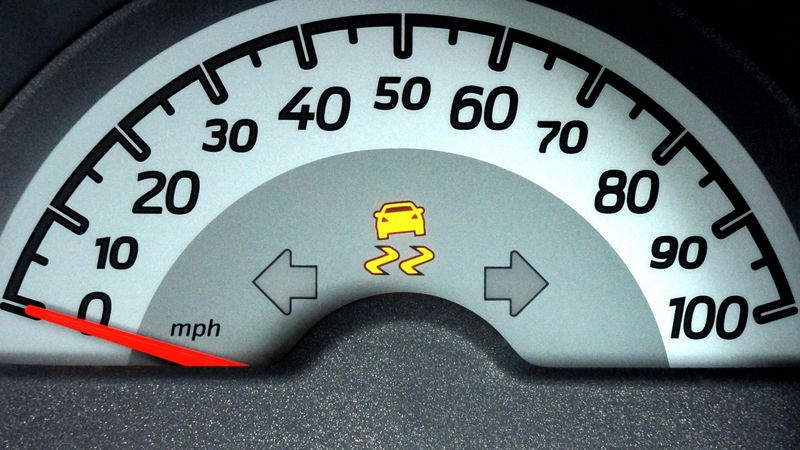
Your car is tough, but heat finds weak spots fast. Overheating is a leading cause of breakdowns in desert driving, and a twitchy cooling system will not hide for long.
Belts, hoses, and fluids should be checked before a long trip, not halfway through it.
I look for leaks, listen for squeaks, and make sure the coolant is right for the job. A quick glance at the fan and the overflow line is worth it.
On the road, if a warning light shows up in extreme heat, I pull over and let the car cool instead of pushing my luck.
Weight matters too. Heavy loads make the engine work harder on long grades, and the temperature creeps up.
Packing lighter keeps everything happier.
Knowing limits is not boring, it is freedom to explore without that nagging worry.
In California, that quiet confidence is the difference between a smooth day and a roadside wait that eats the afternoon.
11. Plan Routes With Services In Mind
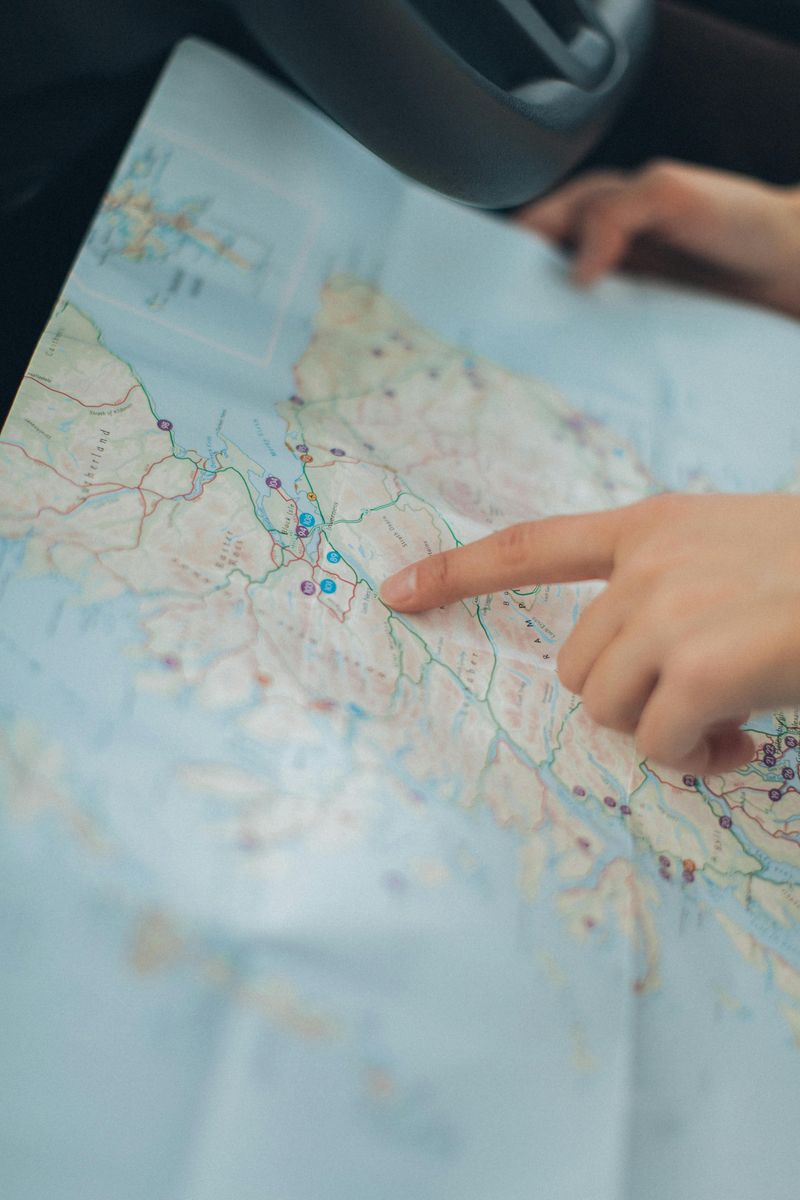
Some roads out here look inviting until you realize there is nothing for a long while.
Scenic desert routes can lack fuel, restrooms, or shade for many miles, and that changes how you pace the day.
Knowing where services exist helps with decisions when the heat climbs and your range drops.
I mark likely fuel stops, ranger stations, and pullouts with decent shade. Then I build the day around those points, so breaks land at the right moments.
A little planning prevents risky last minute detours or tired backtracking.
Ask locals or staff at the last big stop about conditions ahead. They know which stations are open and which roads are being graded.
When in doubt, pick the route with more options, even if it is slightly longer.
This is not about rushing. It is about steady forward progress with easy margins.
Services shape the rhythm of a safe, comfortable drive, and that makes the trip feel better from start to finish.
12. Take Desert Driving Seriously Even On Short Trips
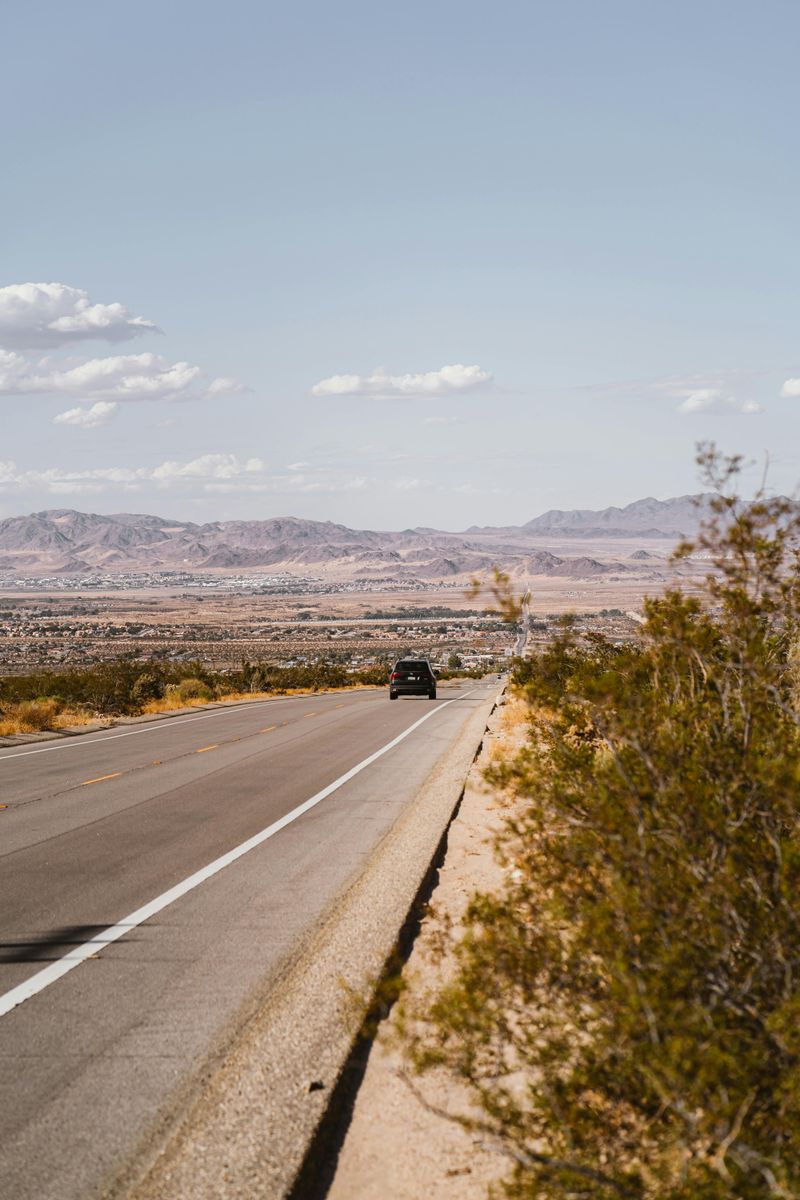
Quick run to a viewpoint? That is where people get caught.
Many desert emergencies start with “it was only a short drive”, and then the wind picks up or construction blocks the way.
Distance, heat, and isolation compound small mistakes fast when the road goes quiet.
I treat short trips with the same basics as a long haul. Water, fuel, a check of the tires, and a look at the weather.
It adds a few minutes and takes away a lot of worry.
If something feels off, turn back and try again later. There is no prize for forcing it when the signs are telling you to wait.
The view will still be there when the conditions line up.
This mindset makes the California desert feel welcoming instead of intimidating. Respect the place, move with intention, and give yourself easy margins.
You will come home with a good story and nothing dramatic to explain.
