Imagine planning a camping trip and stumbling upon a place that feels almost too perfect to be real, only to realize it is off-limits.
Nevada is full of these hidden spots, where wide open skies, rugged landscapes, and quiet solitude tempt explorers who are not expecting the rules.
Why do these areas exist if you cannot camp there? Often it is to protect fragile ecosystems, wildlife, or culturally significant sites, which makes seeing them even more thrilling.
I have wandered near some of these areas, careful to respect boundaries, and found myself captivated by the raw beauty and unexpected views.
These off-limits locations are reminders that adventure does not always mean setting up a tent.
Sometimes it means discovering a secret landscape from a distance and appreciating it for its untouched, untamed character. Nevada has a way of surprising travelers who expect the usual desert sights, and these restricted spots are proof of that.
1. Las Vegas Strip Corridor
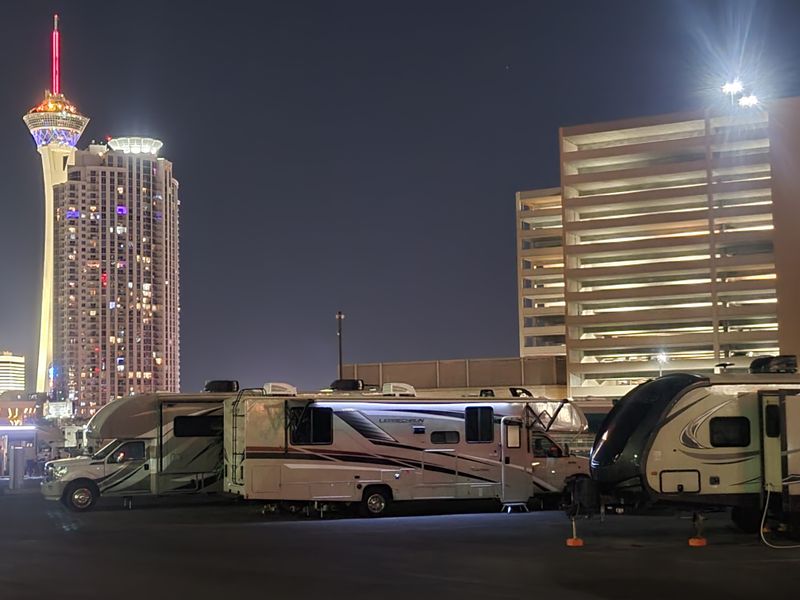
You know that stretch of lights that looks like it never sleeps? That is exactly why camping is a no go along the Las Vegas Strip Corridor around Las Vegas Blvd S, Las Vegas.
Even if you are thinking you will just snooze in the car for a bit, enforcement is constant and clear.
Resorts and county rules are aligned here, so overnight anything gets shut down fast.
It is tempting after a long drive, because the parking garages feel endless and the sidewalks look safe. Security teams watch every level and every corner, and they are trained to redirect you immediately.
If you want the vibe without the hassle, park legally, wander, then leave the whole camping idea for later.
The strip cameras and patrols do not miss a thing.
Want a mental boundary? Think Las Vegas Blvd S between Sahara Ave and Russell Rd, with side streets and resort properties covered too.
The whole corridor is designed for day and night activity, not overnight stays. Save the tent for somewhere quiet and legal outside the urban glow.
2. Red Rock Canyon Scenic Drive
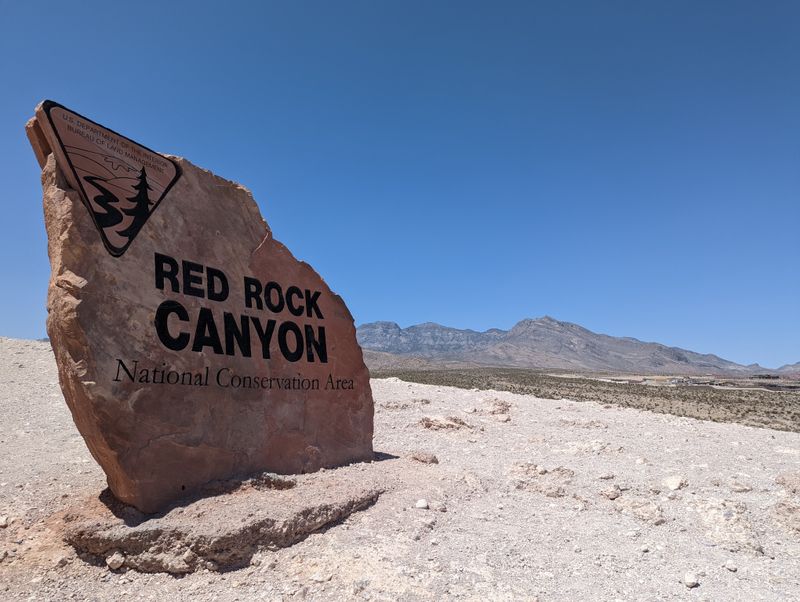
Red Rock Canyon looks like the place you would want to tuck in at sunset, but the Scenic Drive is strictly day use. The one way loop at 1000 Scenic Loop Dr, Las Vegas, closes to camping and overnight parking entirely.
People see pullouts and think, quick nap, no problem.
Rangers do regular sweeps, and the gates and hours make it super obvious that staying overnight is not an option.
The campground is off the loop and only in designated spots, so skipping that and trying a turnout will get you turned around. Those sandstone cliffs glow, and they lure you into bad decisions.
If you want star photos, plan to exit and come back during allowed hours. The Scenic Drive pullouts are not a backdoor campsite.
I always remind friends that the loop is managed for safety and traffic flow.
Overnight gear invites fines and an awkward conversation.
Keep the Scenic Drive for hikes and views. Sleep legally at a designated site and roll back in fresh in the morning.
3. Valley Of Fire State Park
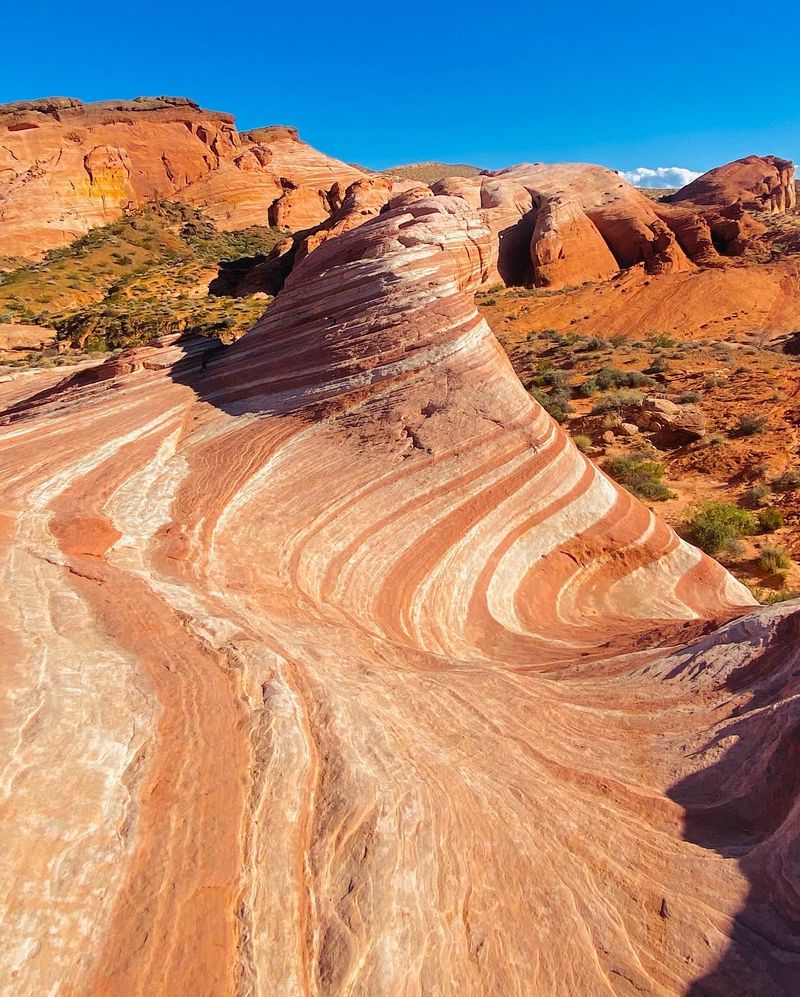
Those red rocks at Valley of Fire are so photogenic that pullouts feel like instant campsites, but they are absolutely not. Outside the official campgrounds near 29450 Valley of Fire Hwy, Overton, day use means daytime only.
Rangers there are nice but firm, and the signage is not vague.
If you try a roadside tuck in, you will probably meet headlights and a polite knock.
I have watched travelers try for just a few hours and get moved along. The park layout funnels cars past common photo stops, so nothing goes unnoticed.
If you want the sunrise glow, book a real spot or exit the park and return early. It keeps the vibe easy and your trip free of stress.
Think of this park like a museum open to the sky. You admire, you take your time, and you leave when the hours say so.
The freedom is in planning ahead a little. The rest is sweeping sandstone and a quiet ride back out to legal camping.
4. Lake Mead National Recreation Area
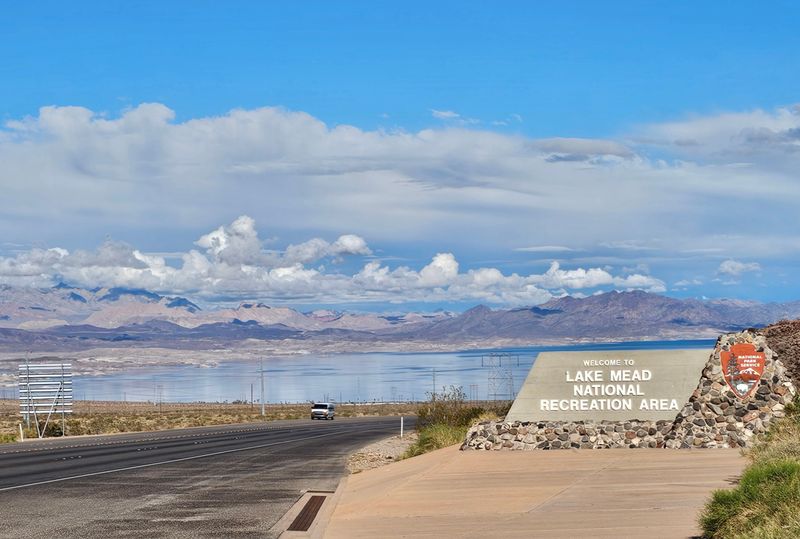
The coves around Lake Mead look like they are begging for a quiet shoreline camp, but that is not how it works. Camping is restricted to designated sites within Lake Mead National Recreation Area, centered around 601 Nevada Way, Boulder City.
Shoreline pullouts feel private until a ranger cruiser rolls by.
The rules protect water quality, wildlife corridors, and safety near fluctuating lake levels.
I have seen people try to hide behind a brushy bend and think they are invisible. The patrol routes and boat views make those hideouts easy to spot.
If you want that sunrise reflection, set up at an approved area and enjoy it without worry. Random beach bivies will get you moved on quickly.
Remember that roads can shift with storms and lake changes.
What looks like firm ground might not be friendly to tires or tent stakes.
Stick with marked camping and sleep knowing you are on the right side of the rules. The water will still be there in the morning, calm and blue.
5. Hoover Dam Vicinity
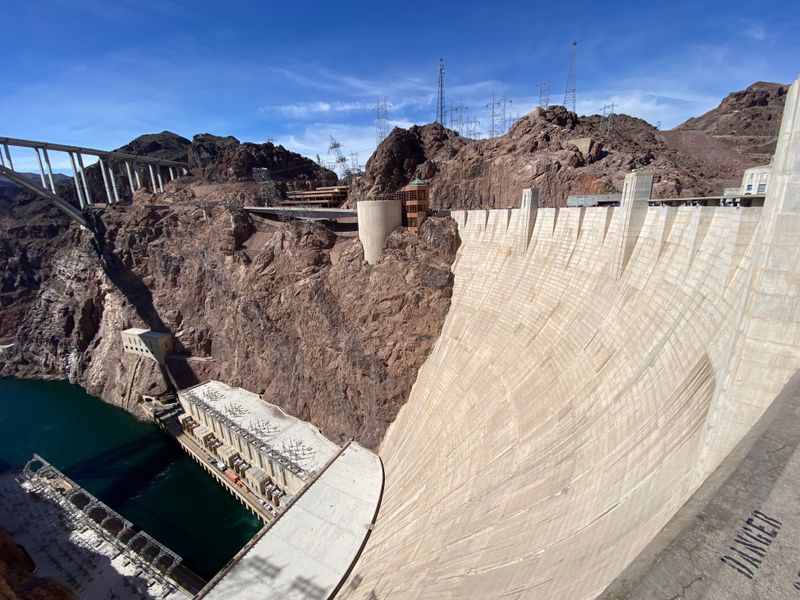
Hoover Dam looks surreal at night, and the roads around it feel quiet, but do not even think about camping there. The security zone around Hoover Dam, 81 Hoover Dam Access Rd, Boulder City, has zero tolerance for overnight stays.
Even sleeping in a vehicle near the viewpoints is a fast no.
You will see signs, cameras, and regular patrols, and none of them are shy.
I always tell friends to keep it simple and pass through after dark. This area protects critical infrastructure, and the rules reflect that reality.
If you want to linger, visit during the day and soak in the engineering details. Then keep rolling to a legal overnight spot down the road.
The canyon walls bounce sound, so any late night activity stands out.
It is not a place to blend in or rest quietly.
Enjoy the views, respect the boundaries, and save the camp for elsewhere. You will sleep better knowing you are not on a security camera checklist.
6. Mount Charleston Developed Recreation Areas
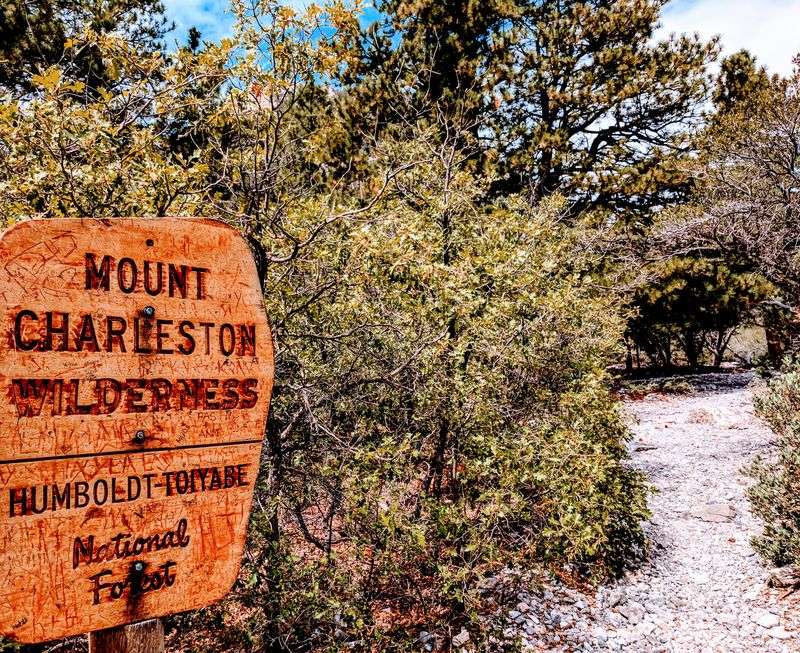
When the desert scorches, everyone flees to Mount Charleston for the cool air, and that is where confusion starts. Around Kyle Canyon and Lee Canyon near 2525 Kyle Canyon Rd, Las Vegas, camping is limited to designated campgrounds only.
Trailhead parking is not a loophole for sleeping.
Signs and patrols reinforce the no dispersed camping rule near developed areas.
I have watched folks set up in a picnic area thinking they found a quiet corner. It always ends with a ranger chat and a repack in the dark.
The forest needs relief from heavy use, and the system keeps it from turning into a sprawling car camp. Once you accept that, planning gets easier.
If you want pine scent and stars, reserve the real thing or drop to lower elevation sites.
The mountain stays peaceful when everyone follows suit.
Bring layers, enjoy the trails, and leave the sleeping to the places that are clearly marked. You will thank yourself at sunrise when you wake up undisturbed.
7. Virginia City Historic District
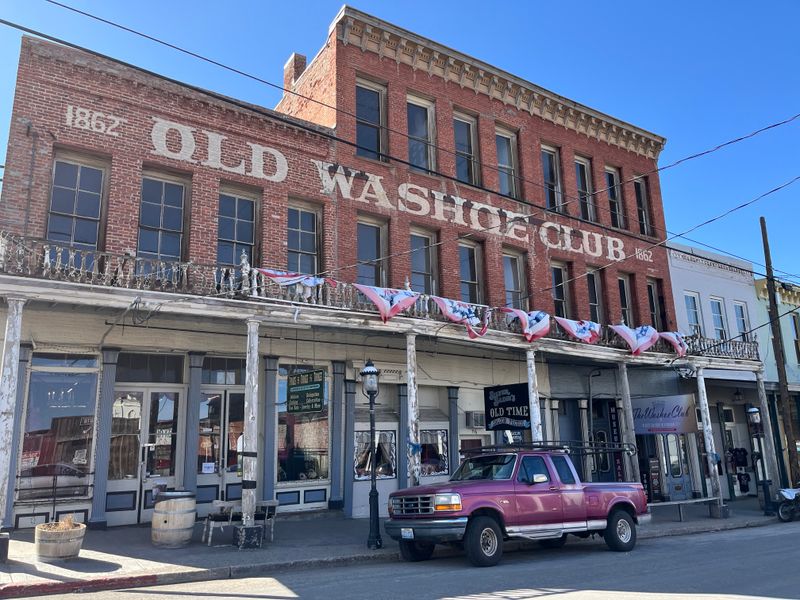
Virginia City feels like a movie set, and that is exactly why overnight camping is not allowed in town. The historic district around C St, Virginia City, keeps its streets and lots free of overnight stays to protect the site.
Those wooden boardwalks and tight streets are not built for campers or stealth parking.
Law enforcement and locals keep a close eye on after hours activity.
I get the appeal of a quiet night among old facades. The better move is to visit late, then drive out to a legal spot beyond the district boundaries.
This is one of those places where preservation comes first. The rules help prevent wear and tear on structures and narrow roads.
Addresses can be quaint, but enforcement is modern and steady.
Do not gamble on a side street because it looks dark.
Snap your photos, soak up the history, and cruise on for the night. The charm stays intact when the streets clear after hours.
8. Lake Tahoe Nevada Shoreline Parks
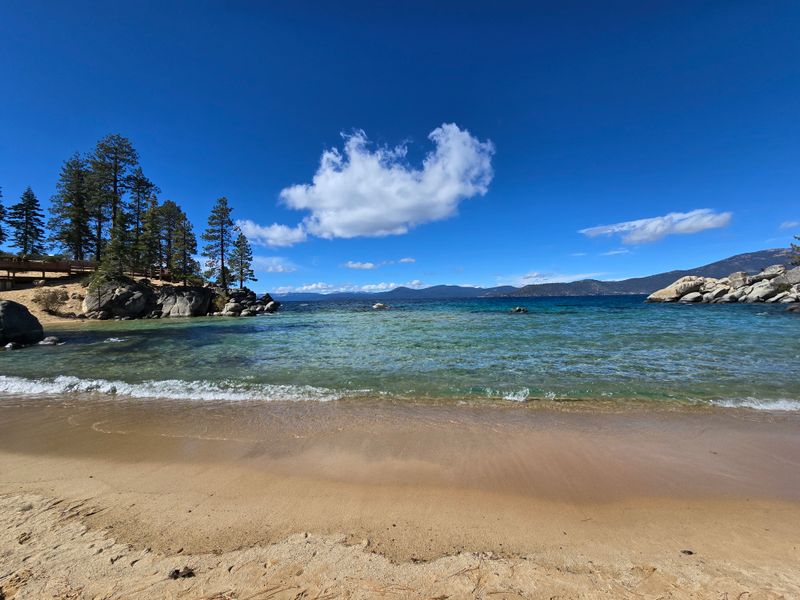
Tahoe’s Nevada shoreline parks look dreamy at dusk, but do not try to stay the night. Places like Sand Harbor at 2005 NV-28, Incline Village, are day use with strict no camping rules despite forest land nearby.
It is easy to assume you can step off the beach and pitch a tent.
Rangers and local patrols keep these access points clear overnight.
I have watched sunsets there and felt the same pull to linger. The trick is to plan a legal campsite up the road and treat the shoreline like a quick visit.
The parking areas close, the gates lock, and sleeping in your car is still considered camping. They are not shy about knocking and nudging you along.
The lake looks calm and harmless, but safety and resource protection drive these rules.
Crowds would balloon if nights were allowed.
Come early, grab your views, and then relocate when the light fades. You will wake up near the lake without waking up to a citation.
9. Reno Riverwalk District
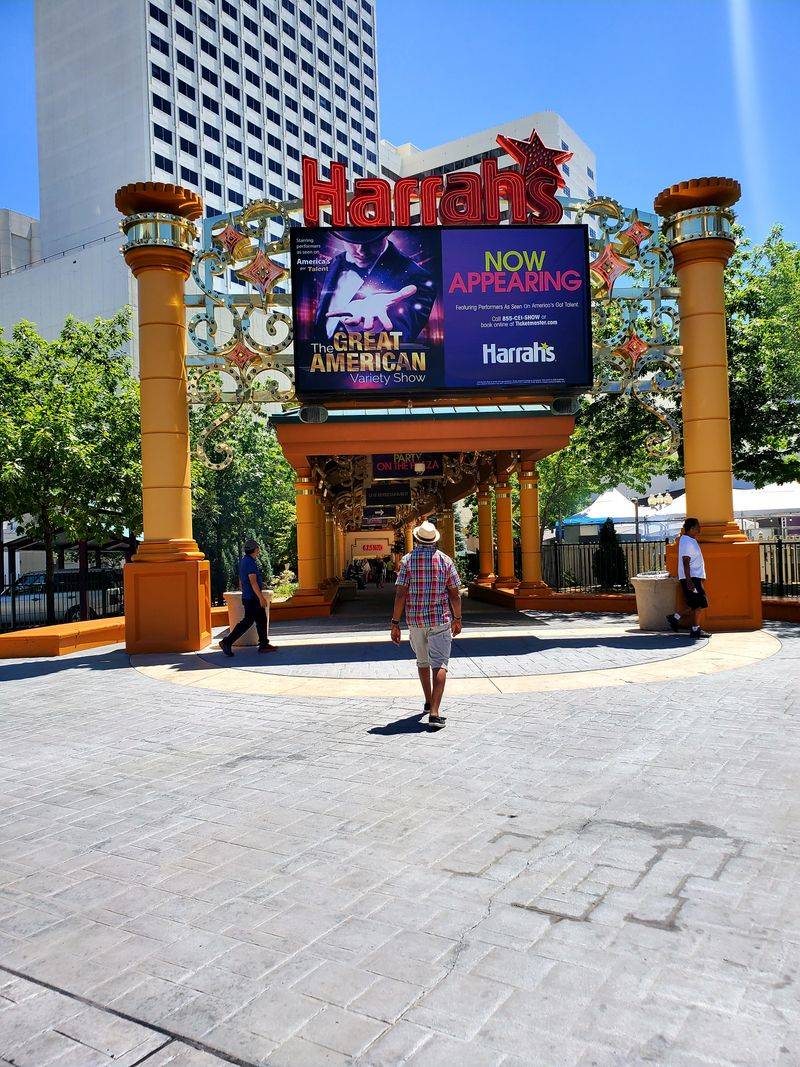
The Reno Riverwalk looks calm at night with the water sliding by, but overnight camping is not allowed there. Around S Virginia St and the Truckee River in Reno, the district enforces no camping rules for public safety and access.
It is an urban corridor with lights, cameras, and nightly patrols.
Sleeping in cars or tucking into landscaping turns into a quick move along.
I have spent plenty of evenings walking that path and understand the temptation. The better plan is to enjoy the art and the river, then head to legal lodging or a proper campsite.
Downtown energy sticks around after hours, and that is not restful. You will sleep better away from traffic, music, and early maintenance crews.
Think of the Riverwalk as a daytime hangout and an evening stroll zone.
Overnight gear changes the feel and gets noticed immediately.
Wrap up your walk, grab your photos, and keep rolling. Tomorrow will still bring sunshine on the water and space to sit.
10. Sloan Canyon National Conservation Area
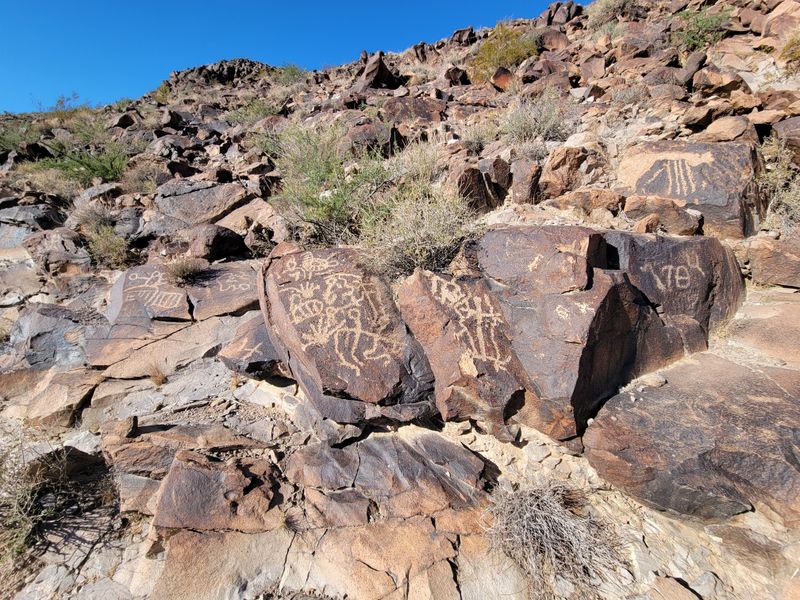
Sloan Canyon is one of those spots where the calm can fool you into thinking a stealth camp would work. It is day use only, with no overnight camping permitted in the conservation area near Nawghaw Poa Rd, Henderson.
The petroglyphs and fragile desert riparian zones need that rest.
Rangers prioritize protection here, and they watch the trailheads closely.
I have finished sunset hikes and felt tempted to linger. The parking areas are minimal and meant for short visits, not all night stays.
If you want quiet stars, plan to camp outside the boundary in legal zones. The difference between legal and not is marked and easy to follow.
This area feels close to the city, which adds to the confusion.
Urban light, easy access, and strict rules collide in one spot.
Respect the signs and move on before dark. You will keep the canyon peaceful and your trip uncomplicated.
11. Cathedral Gorge State Park Non Campground Areas
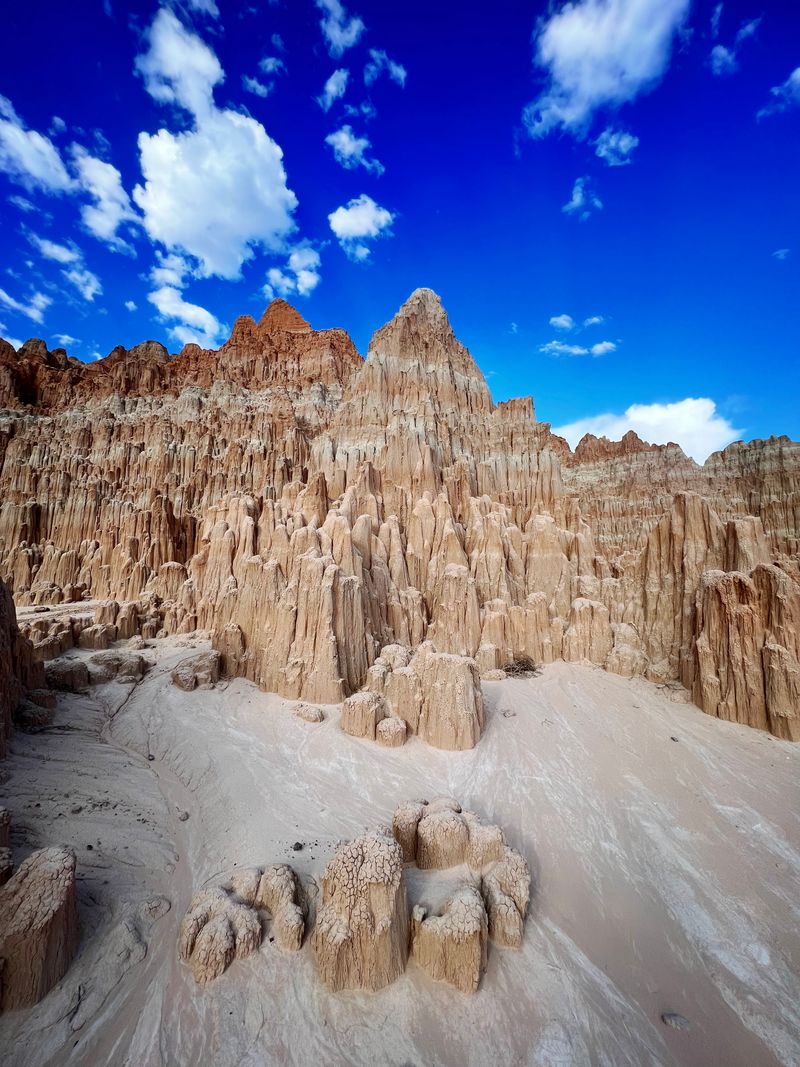
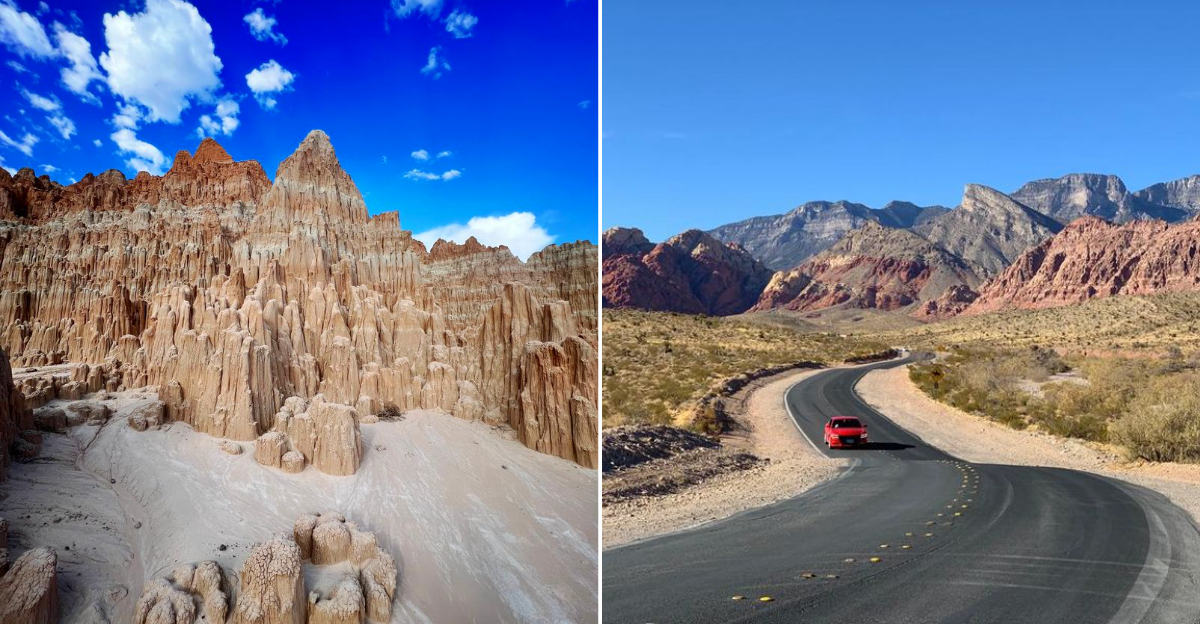
Cathedral Gorge looks like it could hide a small tent in every fold, but the rule is simple. Camping is restricted to the official campground near US-93, Panaca, and nowhere else in the park.
The clay formations are delicate and prone to damage.
Rangers keep hikers on trails and campers in that single designated area for a reason.
I have wandered those slots and understood the urge to tuck away. The problem is that footprints and gear leave marks that last far too long.
Stick with the campground if you want to sleep under those cliffs.
You can still catch late light and early morning shadows without breaking rules.
Navigation gets tricky after dark in those gullies. It is not the place to fumble around looking for a flat spot.
Follow the signs, keep the park pristine, and you will still get your photos. The formations will feel just as dramatic at sunrise.
12. Goldfield Historic Townsite
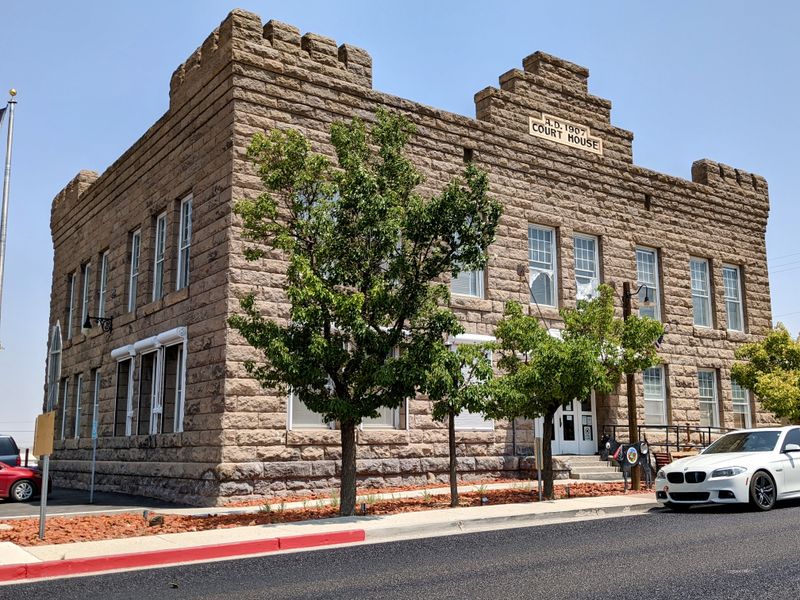
Goldfield has that quiet, open feel that tricks people into thinking the streets are fair game. Inside the town boundaries of Goldfield, overnight camping is restricted to protect property and the historic character.
Main roads and side lots are watched by a small community that notices everything.
When someone parks long and sets up, word travels fast.
I have rolled through at dusk and considered stopping. A few minutes of research confirmed it is better to camp out on legal desert lands beyond town limits.
The older buildings and narrow access points need breathing room. Keeping campers outside the boundary makes the center feel safe and tidy.
If you love historic vibes, linger for photos and stories during the day. Then glide a short distance and set up where it is allowed.
It is the kind of place where respect shows quickly. You leave it calm, and it greets you kindly next time through Nevada.
13. Red Rock Canyon Overflow Areas
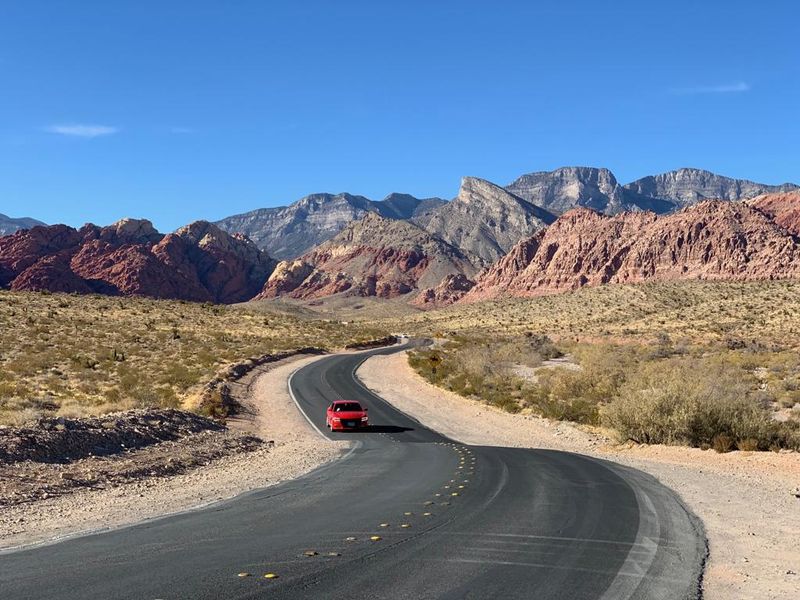
When the Scenic Drive fills up, people eye the shoulders and overflow spots like they are backup camps. They are not, and overnight parking near 1000 Scenic Loop Dr, Las Vegas, is still prohibited outside designated areas.
It is the same enforcement and the same message.
If it looks like a temporary queue or a wide shoulder, treat it that way and move on.
I have seen vans tuck in late and hope for the best. Rangers know the pattern and check these edges because they become informal camp clusters fast.
Use those spaces for staging only. Then roll to a legal campground or out to approved BLM zones beyond the conservation area.
The desert here compresses quickly between cliffs and roads.
Overnight setups create hazards and visual clutter that the rules are meant to prevent.
Keep it simple and keep it moving. You will find a better sunrise spot without the 2 a.m. tap on the window.
