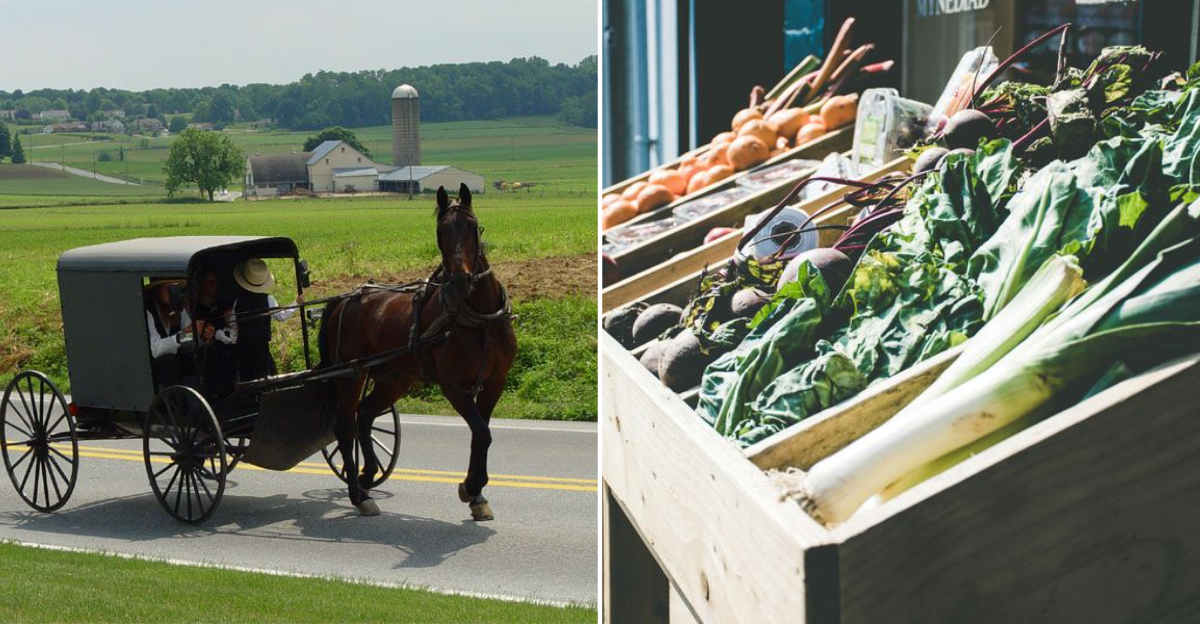
Have you ever wondered what happens when tourists step into Amish markets in Pennsylvania? These markets have long been a place where families sell fresh produce, homemade baked goods, and handcrafted items, all rooted in tradition.
But with more visitors showing up, things are starting to shift. What used to be a quiet, community-focused space now often feels like a busy attraction.
On one hand, tourism brings new customers and helps keep these markets thriving. Travelers love the chance to buy fresh pies, jams, and handmade furniture while experiencing something authentic.
On the other hand, the growing crowds can change the atmosphere. Amish markets remain a unique part of Pennsylvania’s culture, but tourism is reshaping how they operate.
What keeps people coming back, though, is the authenticity: fresh produce, homemade goods, and traditions that feel rooted in something real. The challenge isn’t about losing those traditions, but about finding ways to share them without changing what makes them special in the first place.
Demand Pushes Markets From Local To Global
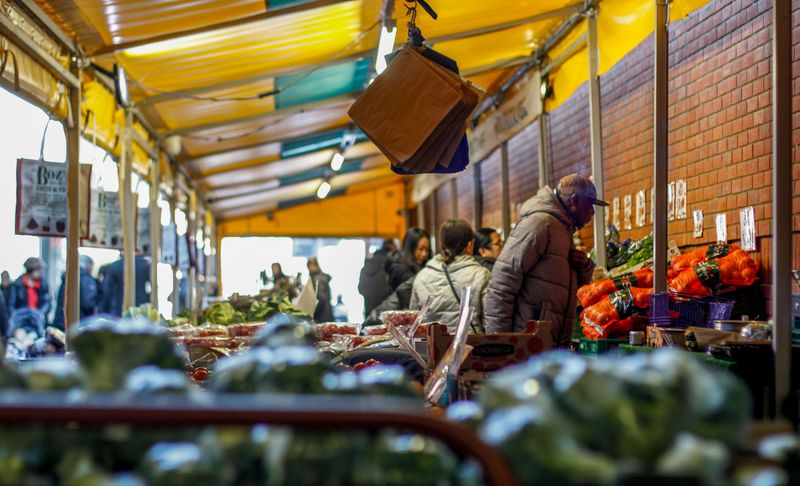
You feel it the second you walk in. The market hums, not loud, just steady, like a barn full of careful work.
What started as neighbors trading essentials now pulls in travelers from many places, all eager to connect with something that feels grounded.
As more visitors roll through Pennsylvania, the demand stretches beyond nearby towns. Stalls that once sold out by midday now plan for full days.
Variety widens too, with more styles, sizes, and bundles to meet different expectations without losing the handmade core.
Vendors talk about it in practical terms. They set aside extra inventory for weekend rushes, then keep weekdays more relaxed for locals.
I feel like that split helps hold onto the original purpose, even while the reach grows.
It changes what gets on the front table. Items that pack easily or travel well move forward, while bulky goods shift to the side.
The goal stays simple, but the display becomes more strategic.
None of this feels flashy. It just looks like careful balance, tuned to the season and the crowd.
Traditional Foods Become Tourist Staples
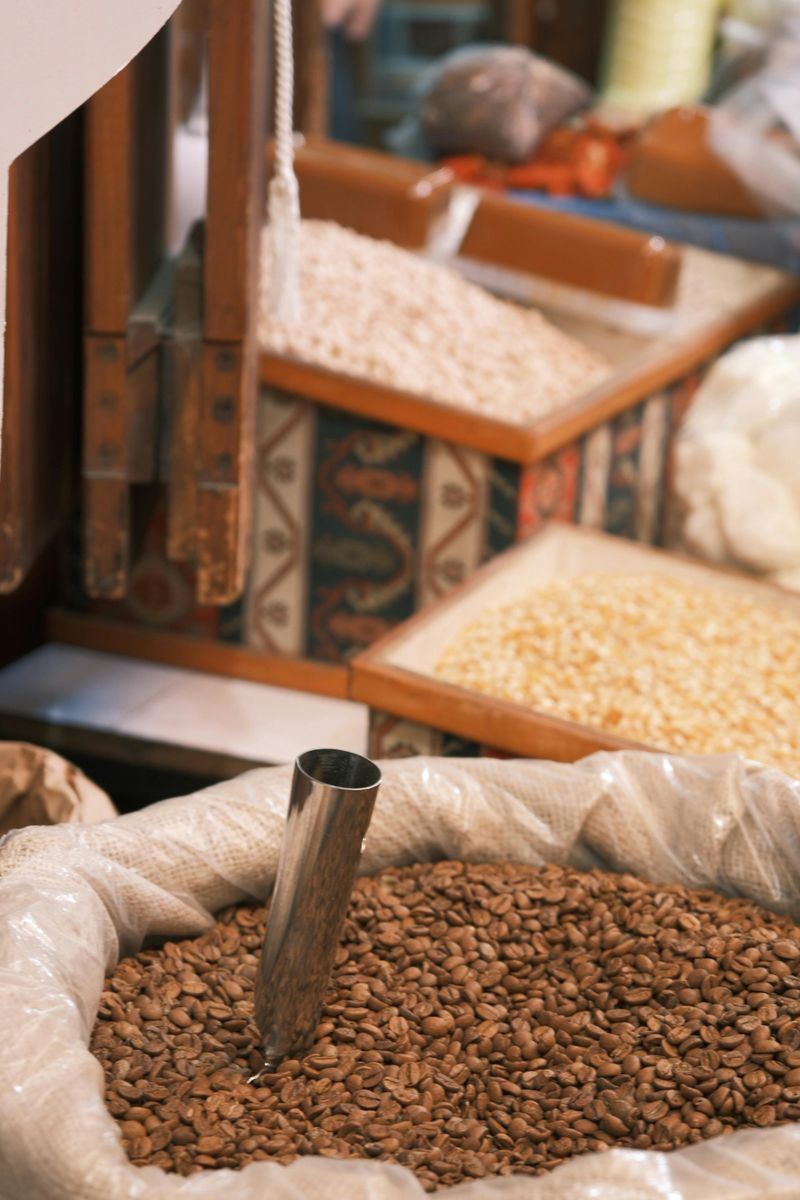
You notice the shelves first, lined with neat jars and simple labels that feel familiar even if it is your first time. Things once meant for weekly routines now catch eyes as souvenirs.
The shift is gentle but clear, and you can sense how presentation matters when visitors pass through.
Recipes stay steady, guarded by habit and trust. Yet the quantities stretch, and the packaging becomes sturdier for car rides.
Stacks form in travel friendly sizes, and people reach for them like little time capsules.
It is not about turning tradition into a show. It is more about guiding it through the realities of tourism in Pennsylvania.
A clean design, a paper band, a hand marked label, and suddenly the story travels home with someone new.
Stalls keep their modest style. You will see clear glass, brown paper, and tidy rows instead of flashy graphics.
The restraint feels intentional, like a promise.
What you carry out matters. It carries the rhythm of the market and the memory of voices behind the counter.
That sense of place needs the quiet formatting that travel demands.
Walking out, you realize the shelves are speaking a shared language. Tradition still leads, but now it waves to the road.
Pennsylvania markets have learned how to greet strangers without losing the thread.
Pricing Adjusts To Visitor Willingness

Here is something you feel but might not admit. Visitors like us often pay more without blinking, and that ripple touches every stall.
Prices slowly reflect the outside world, not just the local wallet.
The result is mixed. Families nearby still need fair numbers, while travelers can absorb a bit more.
Vendors walk a narrow path, choosing gentle adjustments that keep shelves turning and neighbors returning.
It is not gouging. It is sustainability wrapped in courtesy, with margins that protect labor.
Handmade work has a different clock, and time is the real cost.
Markets try small moves before big ones. Seasonal patterns help, with weekend volume supporting steady weekday rates.
The idea is to float on the tourist tide without washing out regulars.
When you buy something, you are not just getting an item. You are supporting the craft and the calendar behind it.
I think that exchange feels fair when you see the care in every step.
The state keeps the tone grounded. Prices bend, but they do not snap.
You leave with a sense that the balance is ongoing and thoughtfully watched.
Markets Expand Beyond Food
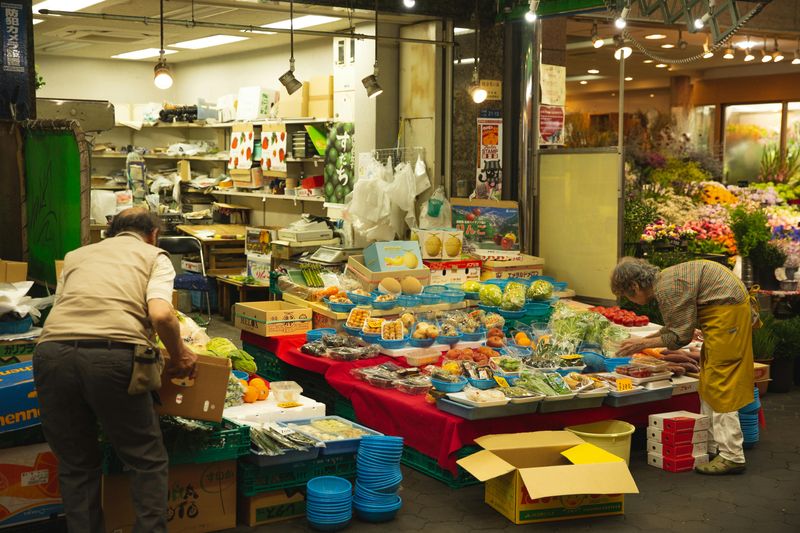
Walk a little farther and the scene opens up. Beyond pantry goods, you find quilts, baskets, simple furniture, and practical home pieces that fit into daily life.
The space feels broader than a pantry and closer to a workshop.
Tourism nudged this change. Visitors love keepsakes that hold meaning beyond a day trip, so vendors added careful items that still live within community values.
Displays stay humble, with plain tags and stacked wood. Crafts show the same discipline as any staple, just shaped for the long haul.
Nothing feels loud, which makes the details stand out more.
Income spreads across more categories. When one area slows, another steadies the week.
I think that mix helps families plan work without leaning too hard on one product.
It does adjust the mood of the market. You drift from the smell of fresh wood to the hush of fabric and thread.
The pace eases, and you browse like you would in a quiet studio.
Across the state, these expansions look different in each town. Some lean toward home goods, others toward small decorative pieces.
Either way, the heart of the market stays in the craft that built it.
Production Scales Up Carefully
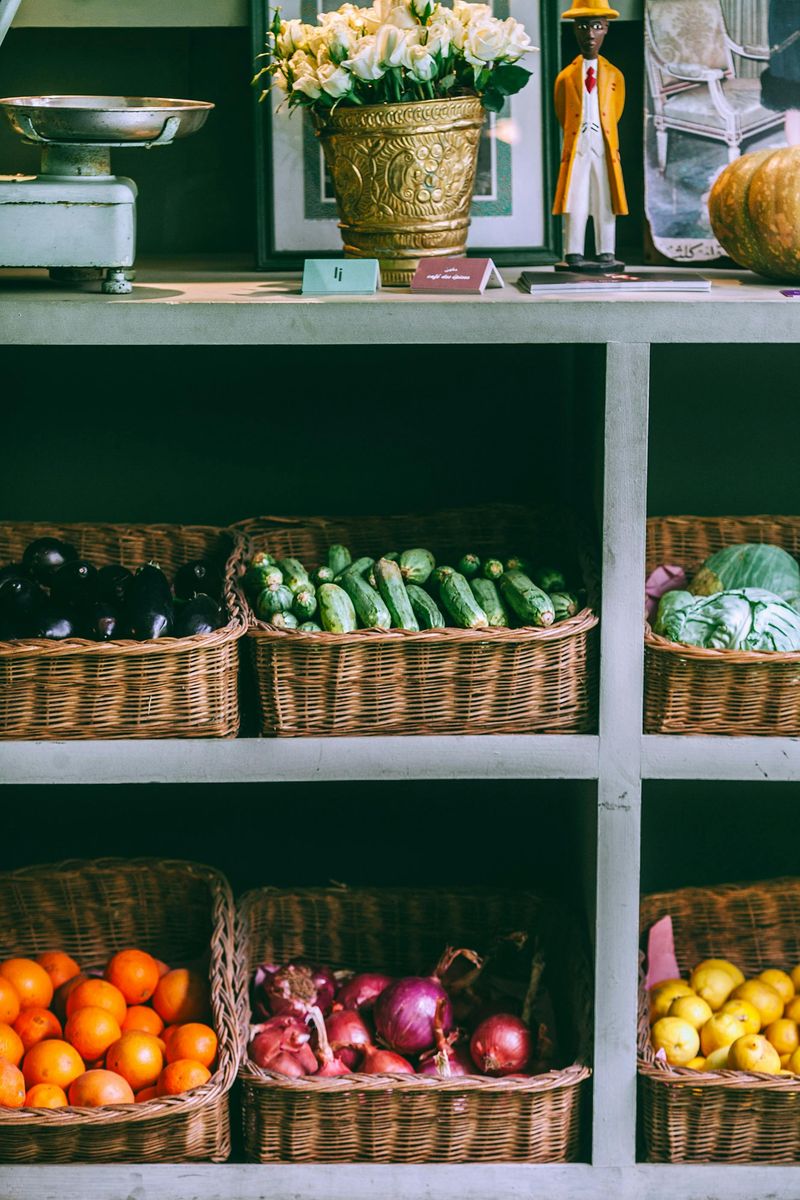
Scaling up here does not look like a factory. It looks like extra hands at the same table, earlier mornings, and a few more shelves stacked neatly.
The rhythm stays measured, guided by values that set clear boundaries.
When visitor numbers climb, families plan cautiously. They expand hours a little, not wildly.
Labor rises before machines do, because the process matters as much as the result.
That approach protects quality. It also protects the spirit of the work, which is the point of coming to Pennsylvania for this in the first place.
You can feel the steadiness even when crowds gather.
There is strain during peak seasons. More prep, more coordination, more restocking between waves.
Still, the workflow stays simple enough to repeat without stress breaking the pattern.
Conversations mention rest and Sunday quiet. That boundary is firm and shapes every decision about output.
You see it in the calm pace, even when things are brisk.
Tourism asks for more. The answer here is yes, but only to a line drawn with care.
That line preserves the hands on soul of these markets across Pennsylvania.
Market Schedules Adapt To Tourist Seasons
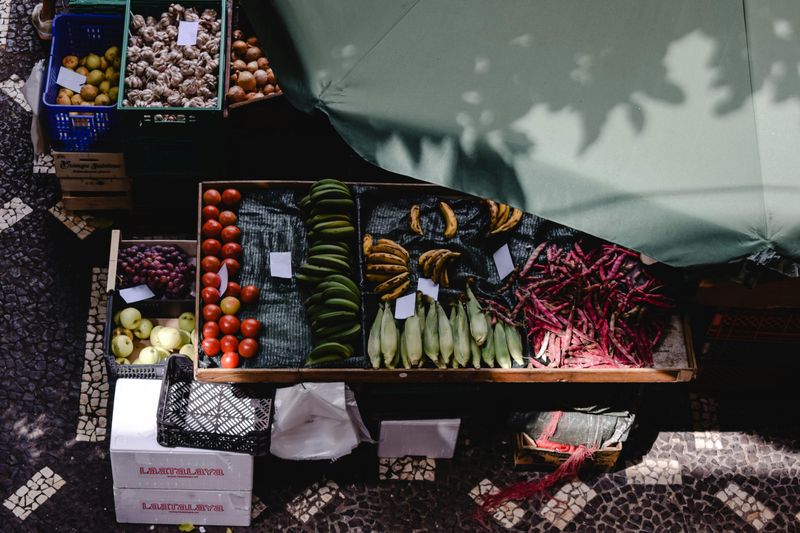
You notice the calendar shift when weekends feel busier than any weekday. Market schedules tilt toward visitor patterns, especially when leaves turn or school breaks roll through.
The flow matches tourism rather than farm chores alone.
That change brings predictability. Vendors prepare for surges, restock in waves, and keep quieter days for community shoppers.
It feels like a polite agreement with the road outside in my opinion.
Early opening times and steady closings help travelers plan. Locals still slip in during familiar windows.
Everyone gets a lane, which keeps the mood friendly.
Across the state, different towns read the seasons in their own way. Some lean into autumn, others into spring weekends.
The common thread is a flexible schedule that respects both work and worship.
When the crowd thins, the market exhales. Staff tidy, chat, and reset for the next wave.
You sense relief and readiness in the same breath.
Tourism does not rewrite the week, it just rearranges the emphasis. The core routine remains, anchored by values that do not move.
Authenticity Becomes A Selling Point
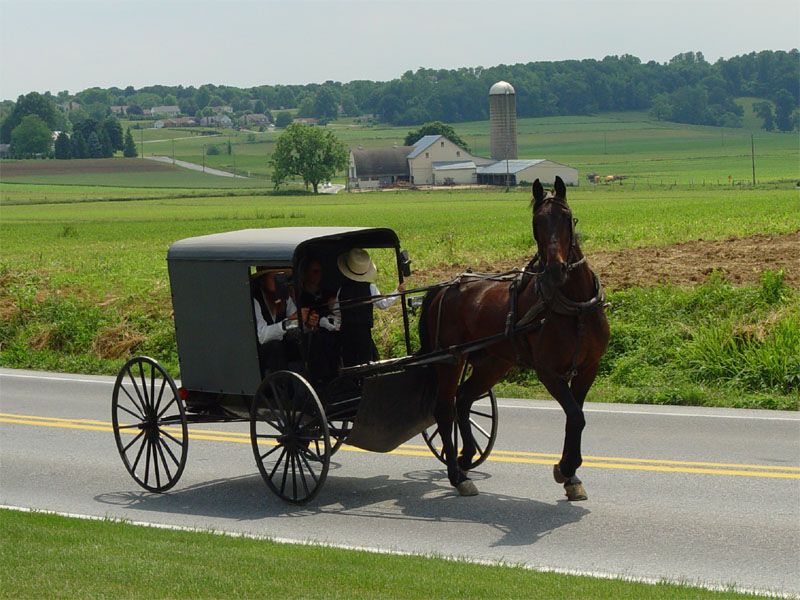
Here is the interesting twist. Visitors come looking for something real, and the market leans into that without turning it into theater.
You see plain dress, simple displays, and quiet conversation that feels unforced.
Authenticity is not a costume. It is the daily rhythm of this place in Pennsylvania.
The look stays consistent because the life behind it stays consistent.
Still, presentation matters. Layouts are tidier, signs clearer, and explanations more visible.
I feel like that helps newcomers understand what they are seeing without intrusive questions.
The line gets thin sometimes. You can preserve tradition and still arrange it for strangers, but you have to be careful.
Most stalls find that balance, letting the work speak for itself.
When you step back, the vibe feels calm and honest. Nothing glossy, just a steady showcase of craft and community.
Tourism sets expectations, and the market meets them by staying itself, not by staging a version of itself. That is why people keep returning.
Increased Traffic Impacts Rural Life

The road tells the story before the stalls do. Cars stack up near entrances, and buggies navigate with extra care.
What used to be a quiet turn can feel like a small junction on busy days.
Parking crews guide politely, keeping lanes open for horse drawn travel. Signs appear where they were not needed before.
It is all done with courtesy, but you feel the pressure on narrow shoulders.
Local life adjusts. Chores shift earlier, and errands pick off hours with fewer visitors.
The flow becomes a shared puzzle that everyone solves together.
Communities work with township planners to keep things safe. Extra gravel lots, clearer markings, and calmer exits all help.
The goal is to fit tourism into the road, not the other way around.
Inside the market, the atmosphere stays relaxed. Outside, the logistics do the heavy lifting.
You appreciate both sides when you see them up close.
Pennsylvania’s countryside holds its character through small, careful measures. Traffic ebbs, fields stay steady, and the market carries on.
It is a daily balance that deserves patience.
Cultural Misunderstandings Increase
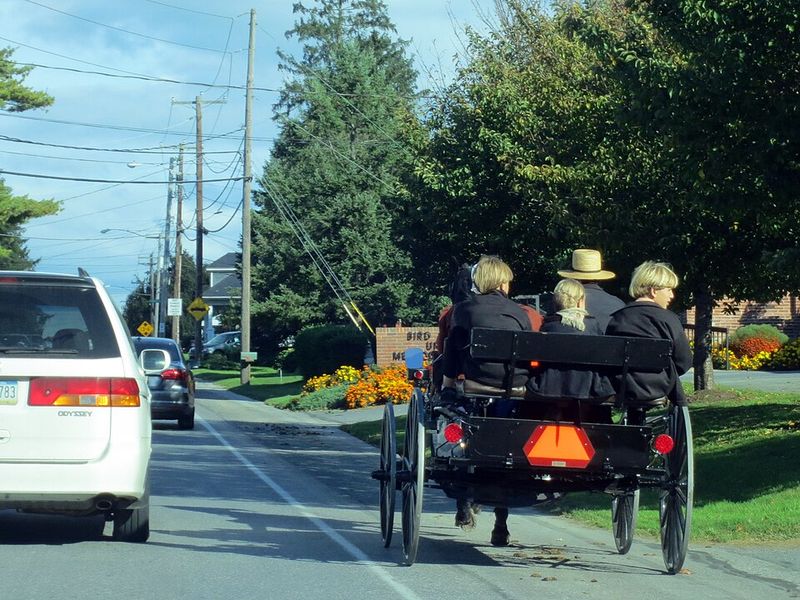
It happens quietly at first. Someone raises a camera without thinking, and a vendor gently reminds them of the rule.
Boundaries here are clear, and they deserve respect.
Markets become small classrooms. Signs explain customs, and conversations fill in the gaps with kindness.
Most visitors respond with care once they understand the why behind the guidance.
Still, repetition can wear people down. Answering the same questions again and again takes energy.
You feel a little protective of the calm when you notice it.
The best approach is simple: read the signs, ask before you act, and follow the lead of the space. The day goes smoother for everyone.
Vendors here carry this teaching role with patience. They share what they can and keep what is private, and that balance protects both culture and comfort.
Tourism brings curiosity, and curiosity can be lovely, it just needs good manners to travel well. Markets help build that, one gentle conversation at a time.
English-Run Markets Influence Expectations
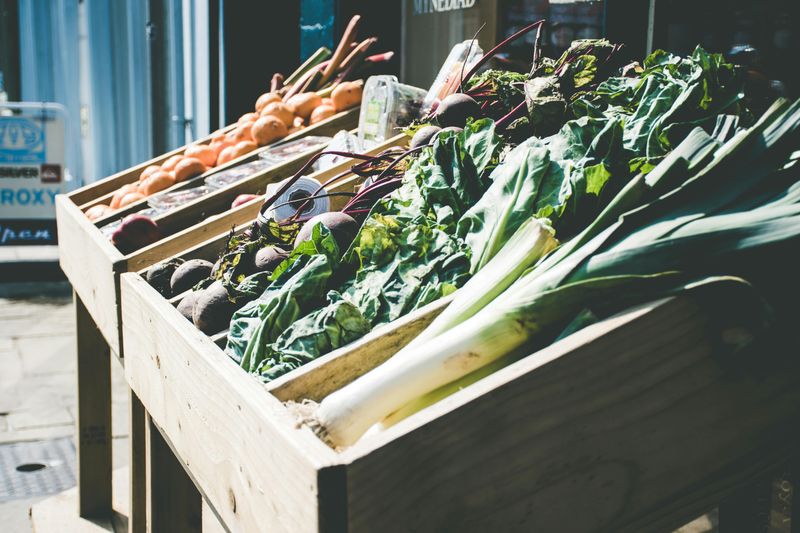
Not every place with Amish in the name is run by Amish families. Some markets feature a mix of vendors, and a few are managed by non Amish owners.
That setup changes what visitors expect when they step in.
Brands and presentation might look more modern. You will see polished signage beside hand lettered tags.
The blend can blur lines for people exploring Pennsylvania for the first time.
For Amish vendors, it means explaining their approach without judging others. They keep the same pace and materials, trusting that steadiness stands out.
Over time, customers learn the difference.
I think that clarity helps. Managers label sections, and vendors describe their work briefly but clearly.
That little bit of guidance avoids confusion and builds trust.
As a traveler, you pay attention to the cues. You look for the quiet details that signal origin and method.
It makes the visit feel more grounded.
The mix is part of the modern landscape. Expectations soften once people understand who is who.
In Pennsylvania, that understanding keeps the market conversation honest.
Economic Benefits Support Farm Preservation
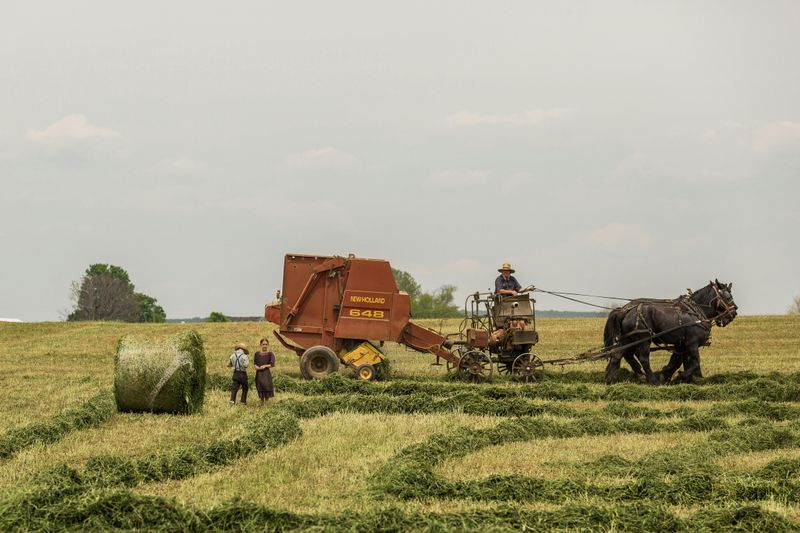
This is the hopeful part. Market income helps keep fields in the family and work on the land possible.
When tourism brings steady sales, the farm can hold its ground.
Rising costs push from every side. The counterweight is community demand that respects handmade goods, and that exchange supports the daily cycle that anchors life here.
You see the link on the drive. Market signs point back to roads lined with barns and quiet lanes.
It all feels connected, because it is.
Some families diversify within tradition. They balance fieldwork with market days, sharing tasks across generations.
The result is resilience rather than expansion for its own sake.
Visitors play a role by choosing thoughtfully. Buying from stalls you know are family run keeps the chain strong.
The difference might be quiet, but it matters.
Across Pennsylvania, that pattern helps protect open land and the steady rhythm of small farms. Tourism becomes a partner rather than a push.
You can feel that partnership in the calm of the countryside.
Tradition Evolves Without Disappearing

End of day light hits the counters and the whole place softens. You can almost hear the echo of morning setup and quiet laughter between neighbors.
The market feels timeless, even with visitor footprints on the floor.
Tourism shapes the packaging and the schedule, not the heart. Production still follows values, and the pace still honors rest.
That constancy is why these spaces hold their power across Pennsylvania.
Change comes in small, careful moves. A clearer sign here, a sturdier box there, nothing that bends the core of how work gets done.
When you step outside, the road reminds you that the world is moving. Inside, the rhythm stays steady enough to guide your own.
It is a good feeling to carry if you ask me.
You leave with more than a purchase. You leave with a picture of how tradition holds when treated with respect, and that memory lasts longer than a quick stop.
Markets evolve because people do. The difference here is that belief sets the terms.
Pennsylvania’s markets keep that promise, day after day.
