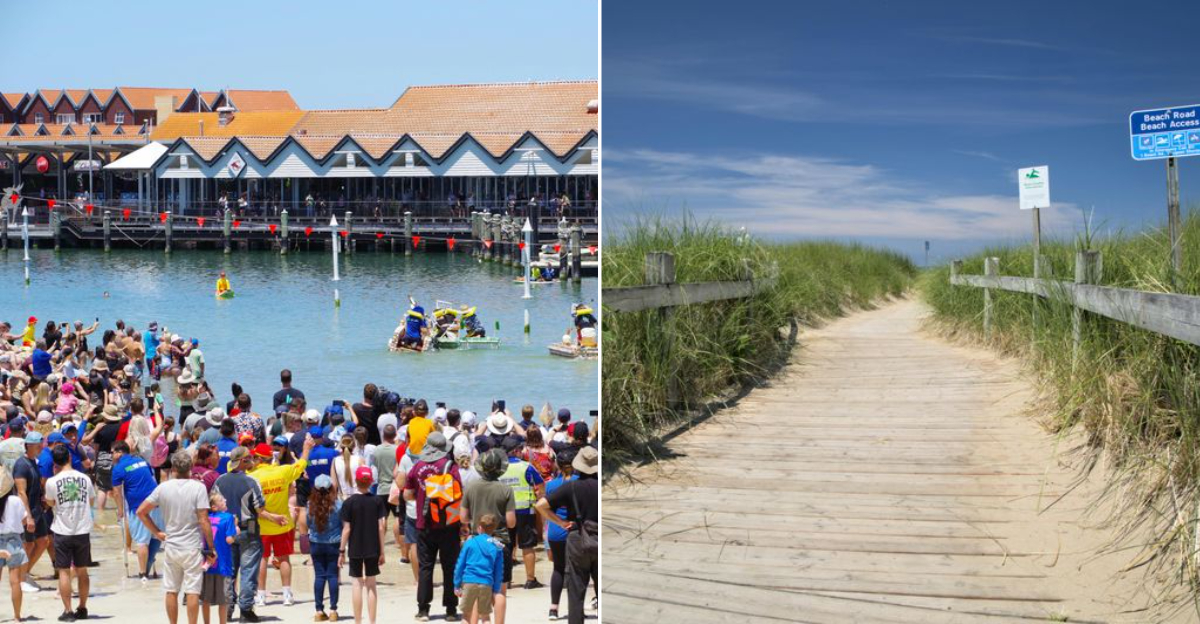
Have you ever thought about how much tourism actually shapes the vibe of Maryland’s coast?
It’s easy to picture the beaches, boardwalks, and seafood spots, but behind all that fun, tourism plays a huge role in keeping these coastal towns thriving.
What I like about Maryland’s shoreline is that it’s more than just a summer escape. It’s a year-round community.
Visitors bring energy, support local businesses, and help preserve the places that make the coast special.
From small family-owned restaurants to big seasonal festivals, tourism keeps the local culture alive and gives residents more opportunities to share what they love about their home.
It’s about the way tourism highlights the coast’s natural beauty, history, and traditions.
Every trip someone takes here adds to the story of why Maryland’s coast is worth protecting and celebrating.
So, curious to see how tourism makes a difference? Here are 12 ways it helps Maryland’s coast shine brighter than ever.
1. Historic Waterfronts Stay Alive And Loved
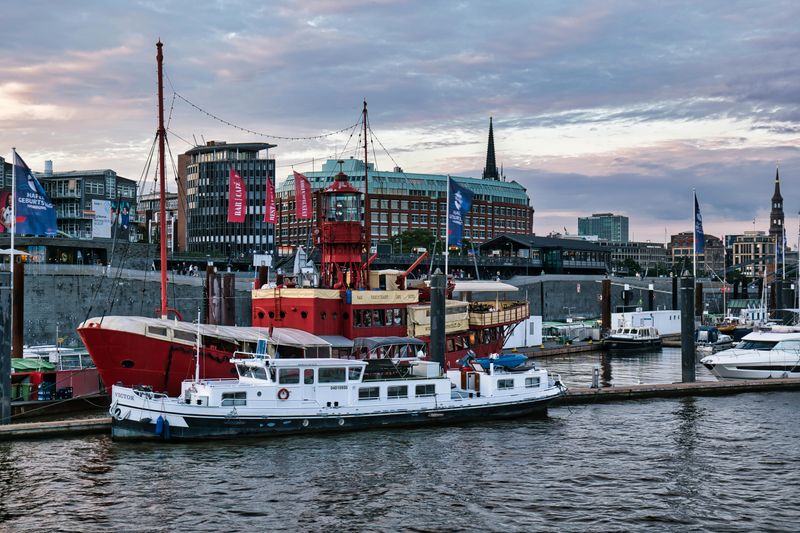
Here is the thing about Maryland’s historic waterfronts, they breathe when visitors show up. Tourism keeps Maryland’s historic coastal towns financially healthy and well maintained.
Places like St. Michaels and Cambridge rely on visitor spending to preserve docks, museums, and colonial streetscapes.
Walk the harbor in St. Michaels and you can feel how donations, tour tickets, and hotel nights loop back into preservation.
Without tourism, many of these working waterfronts would struggle to survive long term. Volunteers stick around because the foot traffic gives their efforts momentum.
In Cambridge, the waterfront paths feel cared for, not forgotten. Visitor interest nudges towns to keep brick streets smooth, signage clear, and views uncluttered.
I feel like that steady attention keeps heritage from fading into a dusty display. It is not just looks.
Tourism keeps skills alive, like boat building and small craft repair, because people want to watch and learn.
Kids ask questions, guides tell stories, and the old trade names stay on the docks.
When you plan your road trip, you are basically adding one more vote for keeping these places real. You show up, listen, spend thoughtfully, and the waterfronts answer back with life.
That is how history keeps working today.
2. Boardwalk Towns Keep Their Classic Energy
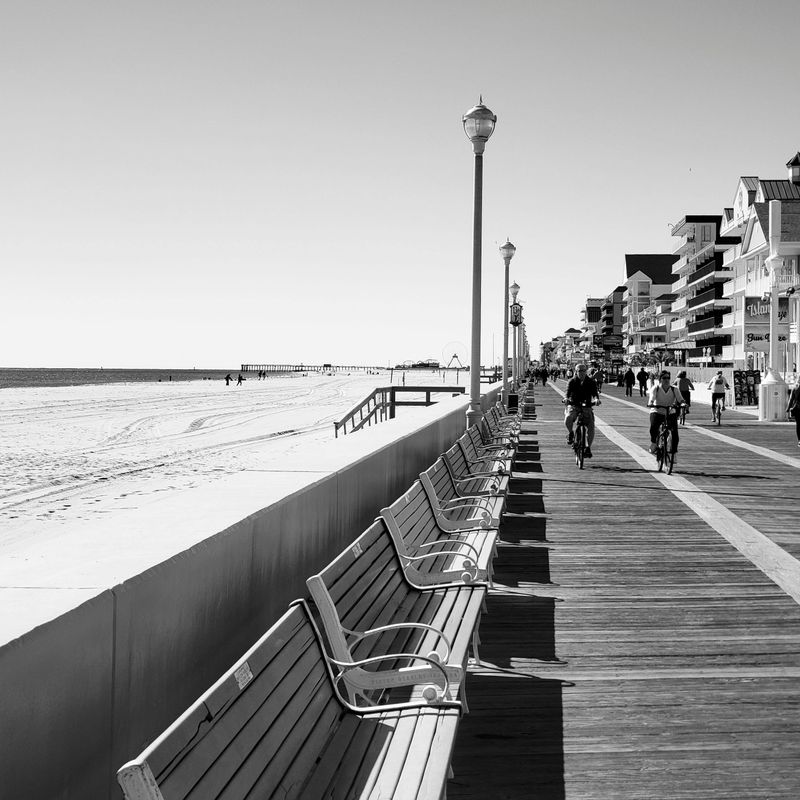
Tell me you do not feel it the second your shoes hit the boards. Ocean City’s boardwalk remains active because millions of visitors return year after year.
Tourism supports arcades, small food stands, live entertainment, and public beach access. That steady flow of visitors keeps the area lively instead of letting it fade into seasonal neglect.
Crowds bring performers, shop owners, and maintenance crews who keep lights bright and benches fixed. The rhythm stays steady even when the breeze turns cool.
Tourism also nudges planners to keep restrooms clean, signs readable, and ramps smooth. Families can move easily, and locals get the same improvements on their morning walks.
It feels like a shared front porch, not just a tourist strip. When people come back, they bring stories and friends.
That builds a feedback loop of care, where small businesses invest in better lighting and updated paint.
The boardwalk’s identity stays familiar without going stale.
You can wander, people-watch, and take your time. The movement around us is what keeps this place humming.
Tourism fuels the upkeep, and the upkeep keeps the magic going.
3. Local Seafood Industries Stay Strong
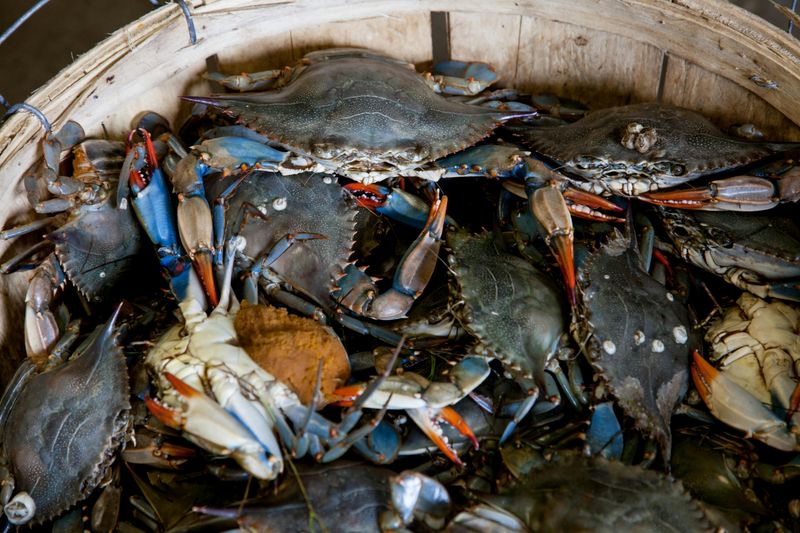
Let’s talk about the boats you see at dawn. Tourism creates consistent demand for Maryland crab, oysters, and locally caught fish.
Restaurants, crab houses, and seafood markets thrive because visitors want authentic coastal food.
That demand helps sustain watermen and long-standing fishing traditions.
Charter captains stay busy with tours that explain habitats and gear. Kids watch the sorting tables and connect the dots between the bay and the plate.
With steady visitors, processors and distributors can plan staffing and gear repairs. Markets keep hours longer, and docks get the maintenance they need.
It is not hype, it is dependable cash flow that keeps the tradition alive. Tourism also supports education about sustainable harvesting.
When people learn how seasons and habitats work, they make better choices.
The culture benefits because knowledge travels home in stories.
On your trip, you can stop by a working harbor and chat with folks who know the tides better than clocks. That conversation alone keeps respect in the system.
Tourism makes sure the next generation sees why this work matters.
4. Coastal Parks Receive Funding And Care
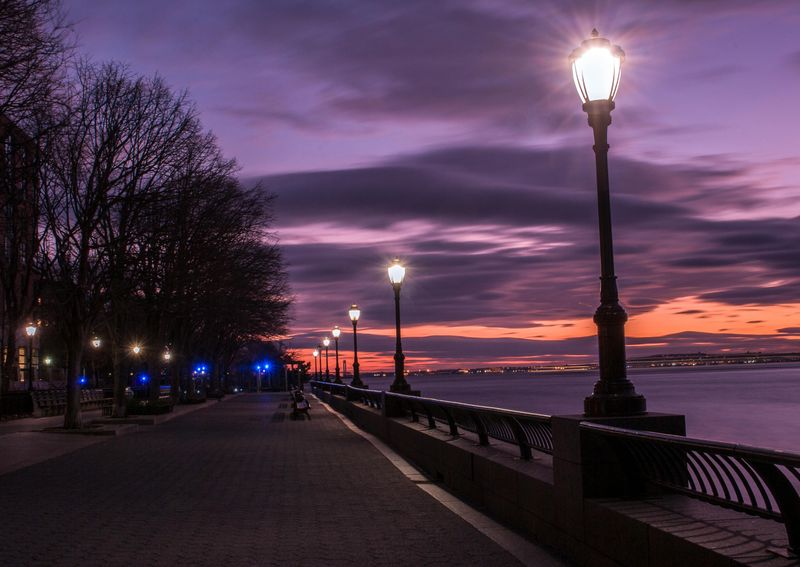
Want a breath of salt air and wild space? Visitor fees and tourism taxes help maintain state parks and coastal preserves.
Assateague Island benefits from funding that supports wildlife protection and beach management. Tourism helps balance public access with conservation efforts.
Trail work gets done, dunes stay roped, and habitat signs do not fall apart.
Rangers can run programs that turn casual walks into real learning.
When people visit, they see wild horses from a respectful distance and remember the rules. I think that shared understanding keeps both people and wildlife safer.
It is a cycle that builds trust in the guidelines.
Clean parking lots and safe boardwalks do not appear by accident.
Visitor numbers justify the planning and the upkeep. The result is a park that feels welcoming without losing its quiet.
5. Small Businesses Find Year-Round Stability
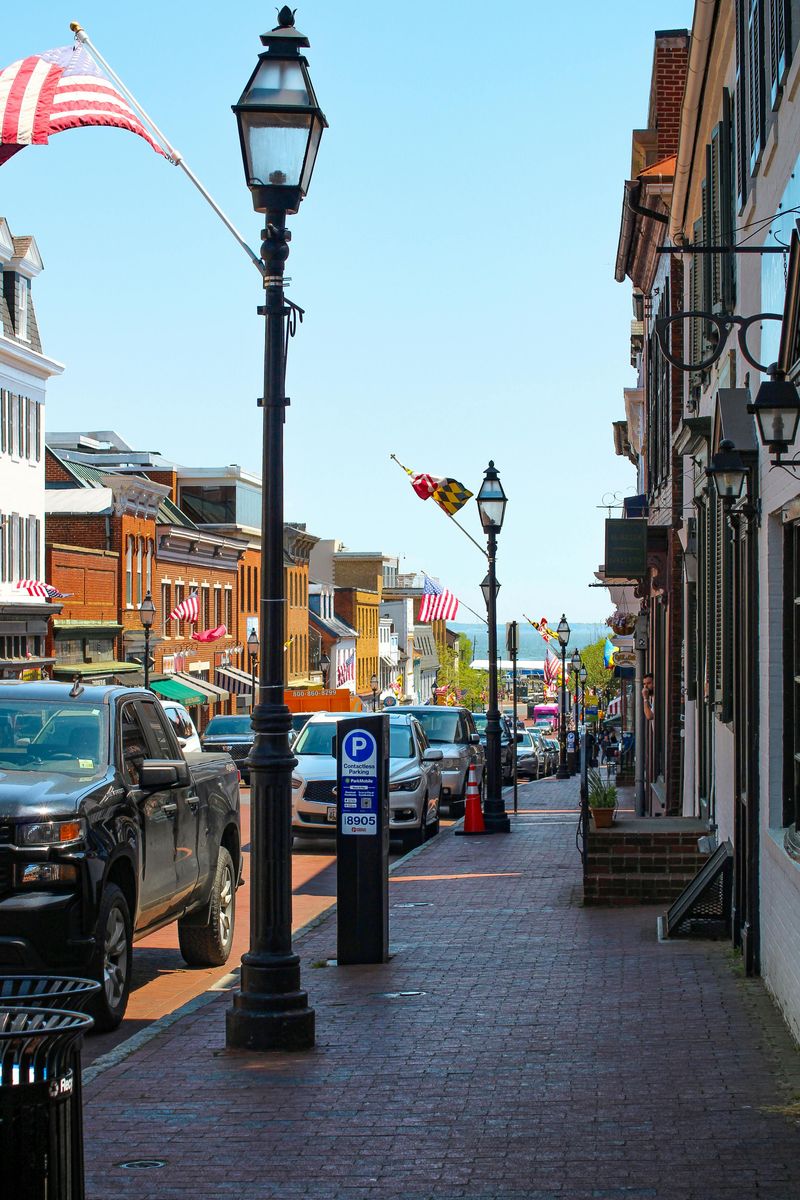
Here is where the local hustle really shows. Hotels, shops, kayak rentals, and tour operators depend on coastal tourism.
Visitor spending allows many family-run businesses to stay open beyond peak summer months. That stability strengthens local economies across the coast.
Employees can hold steady schedules, and owners can plan inventory without guessing wildly.
The community keeps skills on payroll instead of losing talent each off season.
Tourists make slow seasons feel possible. A rainy weekend is not a crisis when next weekend looks promising.
The breathing room lets entrepreneurs try new ideas without risking everything. When you visit, you can book a local guide and choose an independent shop.
Those choices ripple into suppliers, cleaning crews, and maintenance teams.
It is a web that gets stronger with every reservation.
Maryland’s coast shines brighter when small businesses have a future. The storefronts stay lively, and windows do not sit empty.
Tourism is not a quick flash, it is a steady hand that keeps doors open.
6. Maritime History Gets Preserved
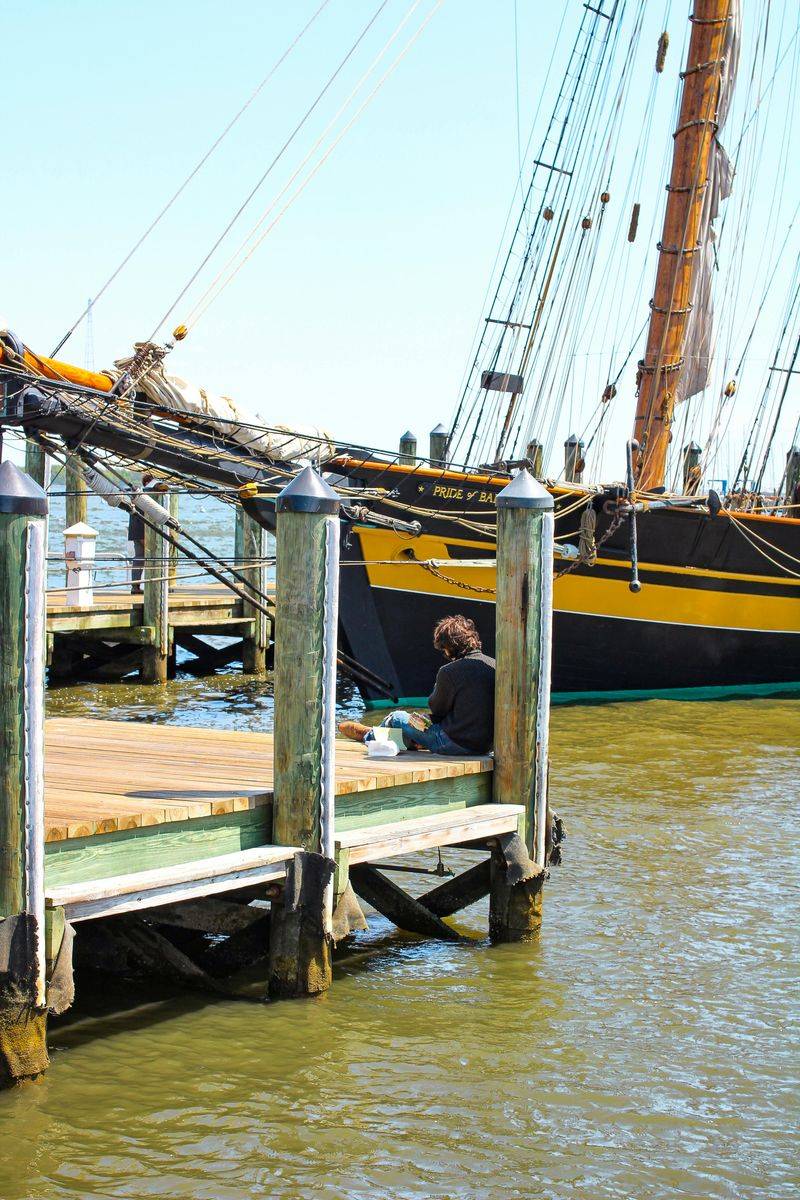
You can hear the stories in the creak of old wood. Tourism supports lighthouses, maritime museums, and historic ships.
Sites like the Chesapeake Bay Maritime Museum rely heavily on visitors. Those dollars help keep Maryland’s nautical history visible and accessible.
Exhibits stay fresh, boatyards run demonstrations, and archives survive with care. It is living history, not a closed cabinet.
Guided tours turn technical details into real memories. Kids see how sails catch wind, and adults learn why navigation markers matter.
The knowledge sticks because it is tied to a place you can touch. Restoration takes time, tools, and people.
Tourism funds pay for planks, rigging, and skilled hands. Without that support, many vessels would sit in silence.
When you visit, you can plan a museum stop and wander the docks.
You will walk out smarter and more connected to the bay’s past, and that is how heritage stays afloat in this state.
7. Public Beach Access Stays Protected
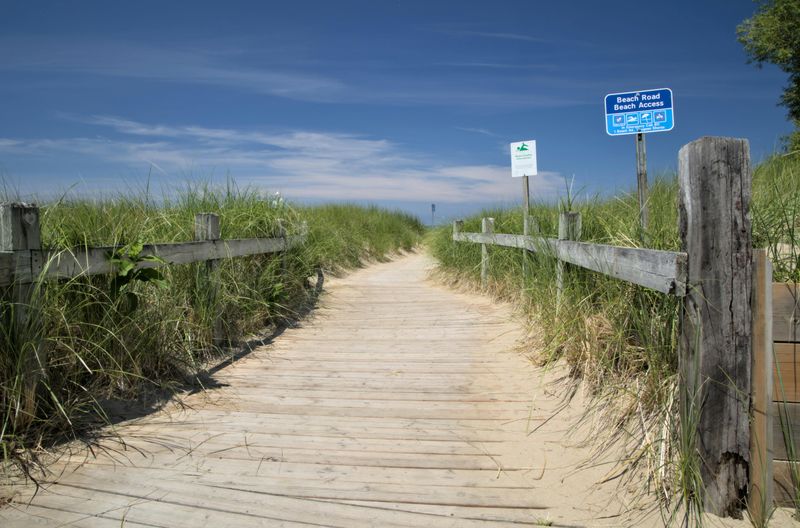
You like wide beaches, right? Tourism reinforces the value of keeping beaches open and maintained for everyone.
Communities invest in clean sand, safety services, and infrastructure because visitors expect it. Locals benefit from the same improvements year-round.
Walkers find clear paths, and families get safer swim zones. The shared investment means upkeep does not fall only on residents.
With steady tourism, towns can plan for regular dune care and litter control. Boardwalk repairs happen before splinters show up.
That kind of attention keeps good days from slipping into frustration.
Public access also builds a sense of fairness.
You feel welcome because the place is designed to include you. I think that feeling keeps people coming back with respect.
When you roll up to a public lot and head for the water, you are seeing those investments in action.
Tourism makes the case, and the community follows through.
Maryland’s coastline stays open and inviting because it is valued.
8. Waterfront Towns Invest In Beautification
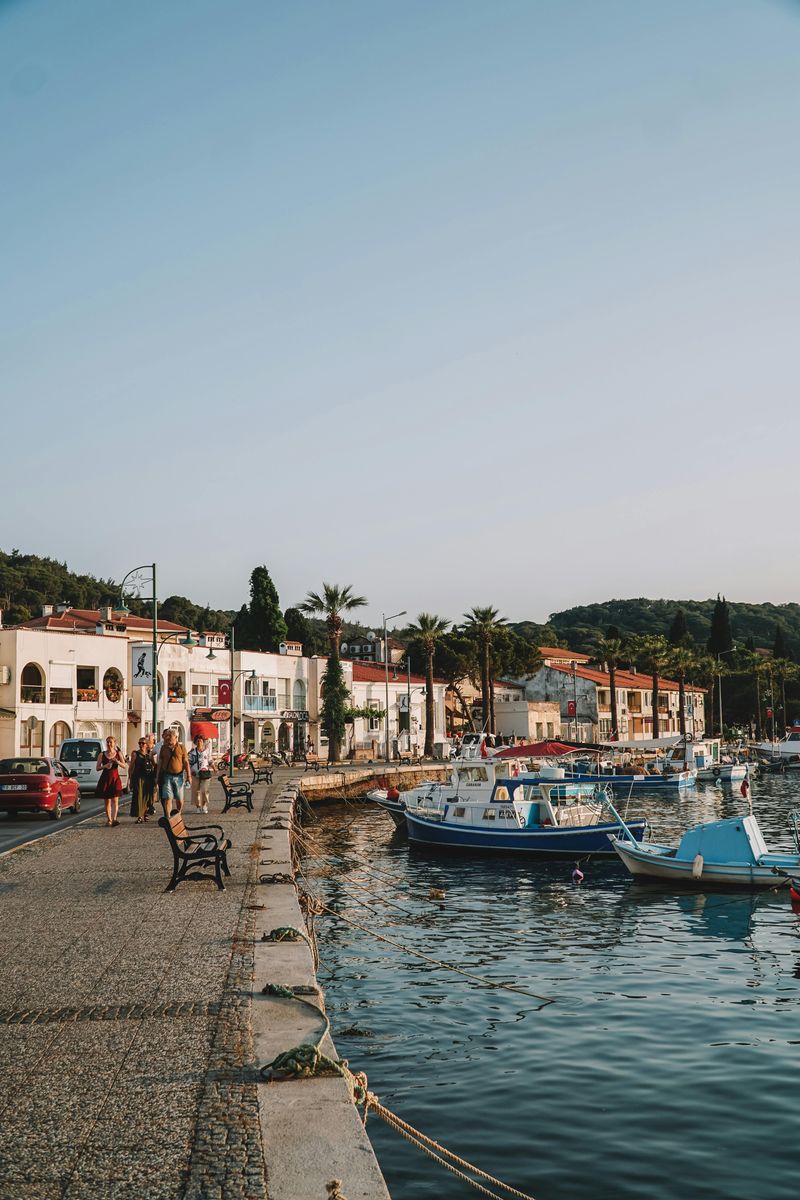
Look at how a fresh coat of paint changes everything. Tourist interest encourages towns to restore docks, parks, and promenades.
Walkable waterfronts become community gathering spaces, not just visitor attractions. That visual care boosts pride and livability for residents too.
Planters get watered, benches stay solid, and night lighting feels warm instead of harsh.
A tidy shoreline invites slow strolling and easy conversation.
When people travel for those views, budgets make room for small but constant fixes. Railings get tightened before storms test them.
Trash is cleared before gulls find it. Beautification is not fluff, it is infrastructure you can see.
It signals safety and welcome without a speech. The whole place feels ready for neighbors and newcomers alike.
9. Eco-Tourism Encourages Responsible Travel
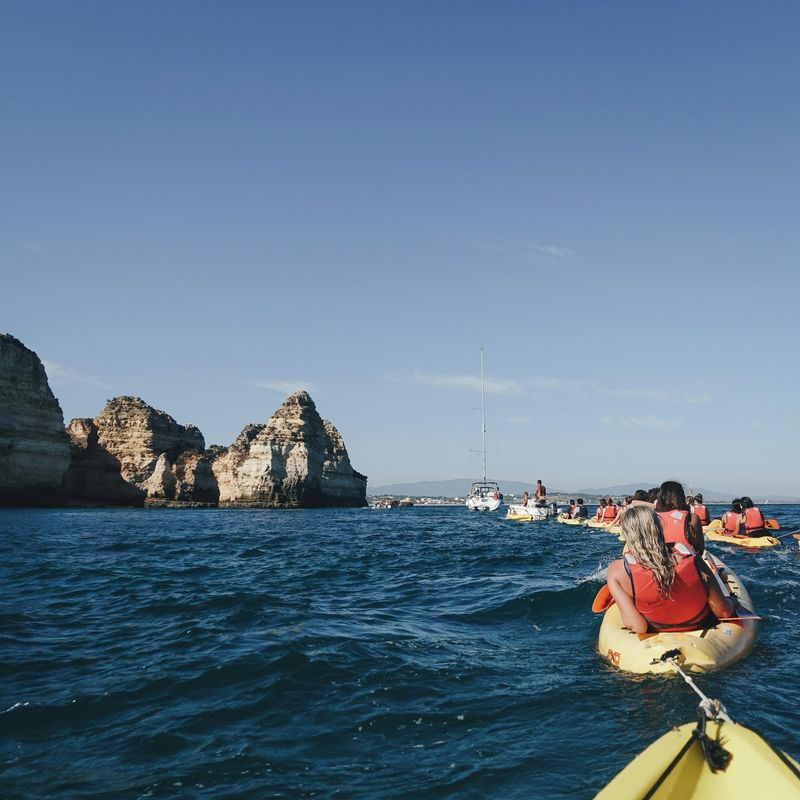
Here is where curiosity turns into care. Kayaking, birding, and bay tours highlight Maryland’s natural ecosystems.
Tourism operators often work closely with conservation groups. This helps visitors understand why protecting the coast matters.
Guides explain marsh grass, oyster reefs, and migratory routes in plain language.
You leave knowing how your choices affect water clarity and wildlife.
Responsible travel shows up in gear cleaning, route choices, and respectful distances. Operators model the behavior, and guests follow.
It becomes normal to do the right thing. When you book an eco tour, you are paying for both fun and stewardship.
That fee helps keep boats efficient and trails marked.
The lessons last longer than the paddle itself in my opinion.
The state benefits because informed visitors become repeat visitors with purpose. They tell friends what they learned and why it mattered.
Tourism and conservation move in the same direction.
10. Seasonal Festivals Keep Traditions Alive
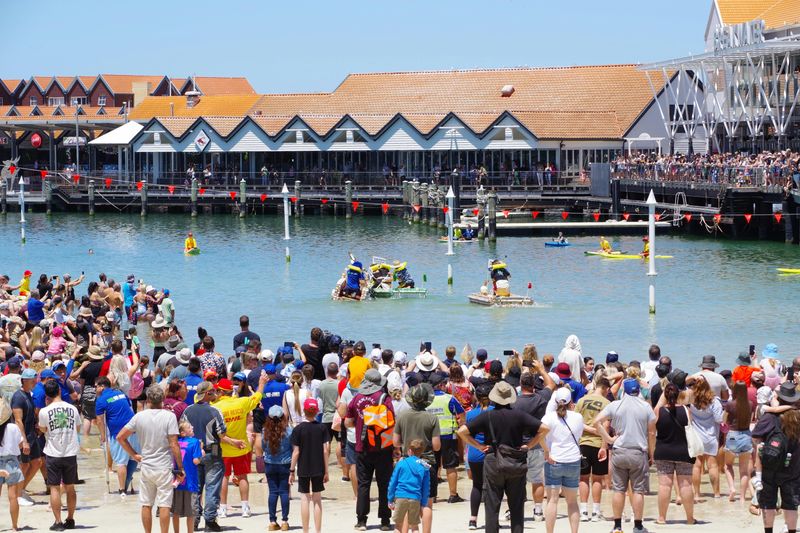
You can hear the music from a block away. Seafood festivals, boat shows, and coastal celebrations draw visitors while honoring local culture.
Tourism helps fund these events and keep them recurring. They strengthen community identity while welcoming outsiders.
Vendors return because crowds return. Organizers can plan programming that feels rooted and fresh.
Festivals also light up shoulder seasons. Streets fill, and stages give locals and guests a place to meet.
I feel like it is the easiest way to learn a town’s personality in an afternoon.
With steady support, traditions keep the spark without turning stiff.
Volunteers train new leaders, and the handoff gets easier. The memories stick because the events feel lived-in.
If you time your trip right, you can catch one and wander the waterfront as the sun sets.
You feel part of something even if it is your first visit, and that is tourism doing community work in this state.
11. Transportation And Infrastructure Improve
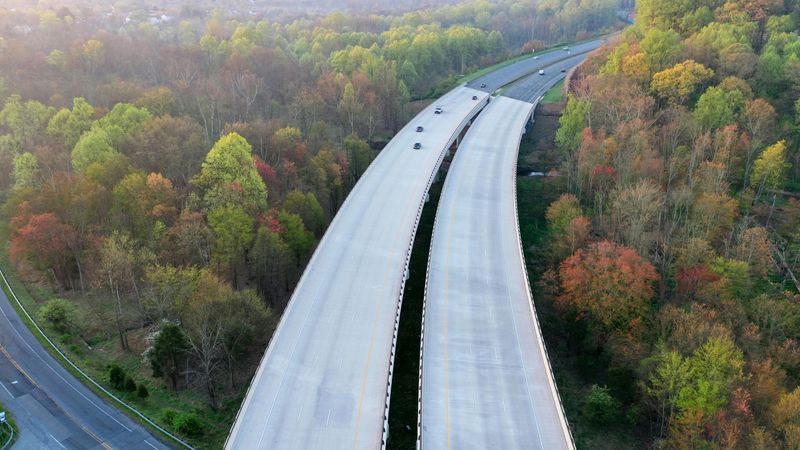
Ever notice how smooth a trip feels when places expect visitors? Tourism drives investment in roads, ferries, marinas, and signage along the coast.
These upgrades improve safety and accessibility for residents.
Better infrastructure benefits daily life, not just vacations.
Clear signs help workers and delivery drivers. Marina repairs protect vessels that locals rely on for livelihoods.
Tourism also supports transit options that reduce parking stress. Shuttles and bike lanes make short hops easy.
The whole experience becomes a lot calmer and safer.
When funding aligns with visitor patterns, maintenance does not fall behind.
Potholes get filled, docks get inspected, and lighting stays consistent. It is boring in the best way possible.
12. Maryland’s Coastal Identity Reaches The World
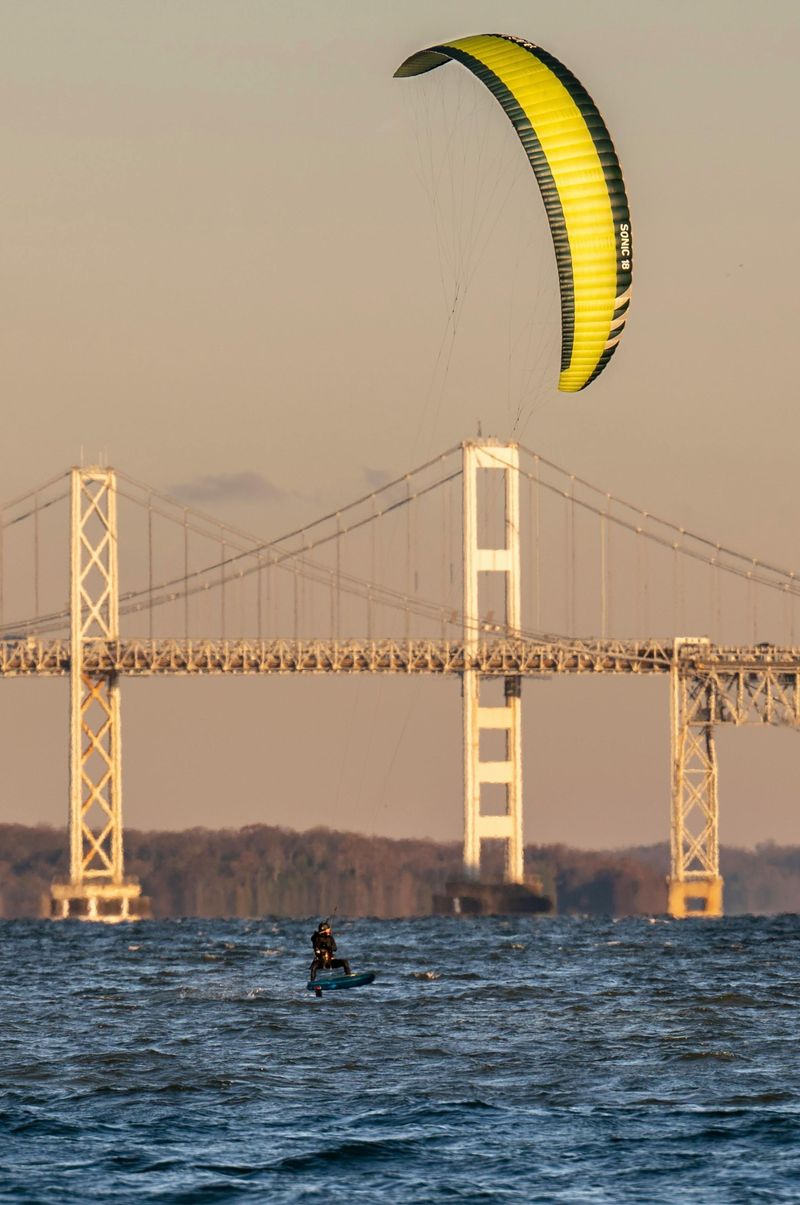
Let’s end with the big picture. Tourism spreads awareness of the Chesapeake Bay and Atlantic shoreline beyond the state.
That visibility attracts investment, conservation interest, and future visitors.
It helps Maryland’s coast remain both cherished and economically resilient.
People hear the stories, then come see for themselves. The cycle keeps communities lively and traditions alive.
When the world pays attention, partnerships form more easily. Schools, researchers, and nonprofits find common ground on projects.
New ideas feel welcome because there is an audience ready to engage.
Tourism also builds pride at home.
Locals see their places reflected back with care, and that reflection encourages even better stewardship. As you plan your trip, you are part of the signal.
Visit with respect, talk about what you learn, and invite others to experience it too, that is how a coastline keeps its voice strong.
