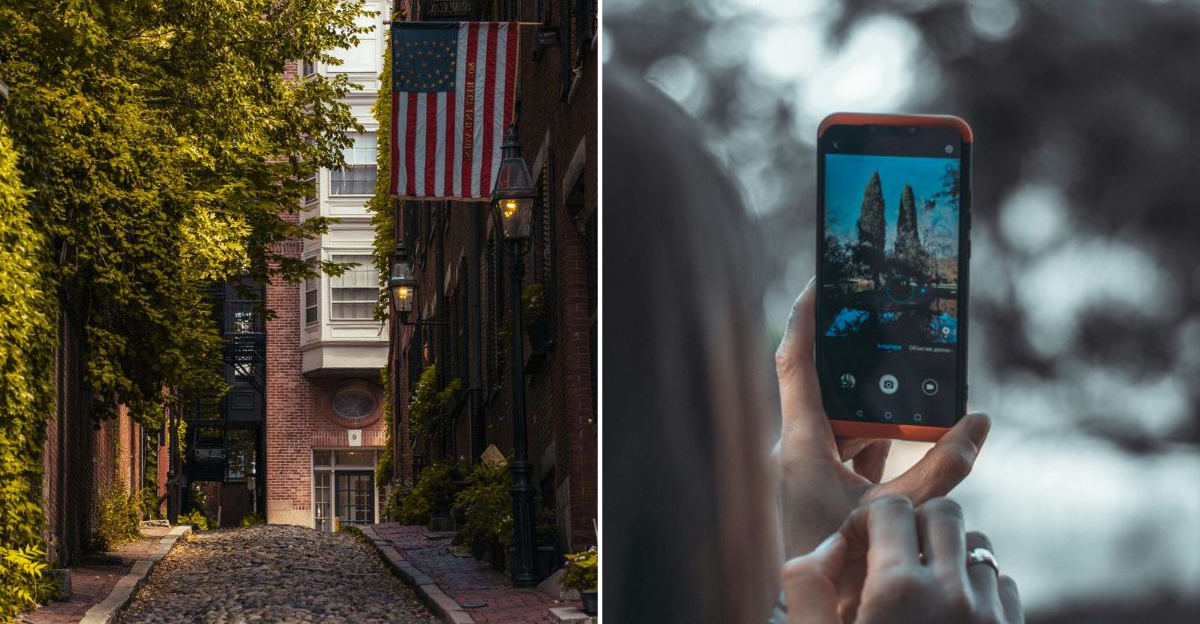
Have you ever visited a historic site and felt like the crowds were part of the experience? In Massachusetts, that’s exactly what’s happening at colonial landmarks.
These places were once quiet reminders of early American history. Now, they’re packed with tourists eager to see where it all began.
On the positive side, the attention keeps these landmarks alive. More visitors mean more funding, more preservation efforts, and more recognition of their importance. But there’s also a downside.
Heavy foot traffic wears down fragile structures, long lines change the atmosphere, and sometimes the focus shifts from history to managing crowds.
Locals who grew up seeing these sites as part of everyday life often notice how different they feel when tourism takes over.
Massachusetts’ colonial landmarks are still worth the trip, but the growing number of visitors is reshaping how they’re experienced.
The challenge now is simple: how do you share history with the world without losing the sense of authenticity that makes it special?
1. Foot Traffic Slowly Wears Down Historic Surfaces
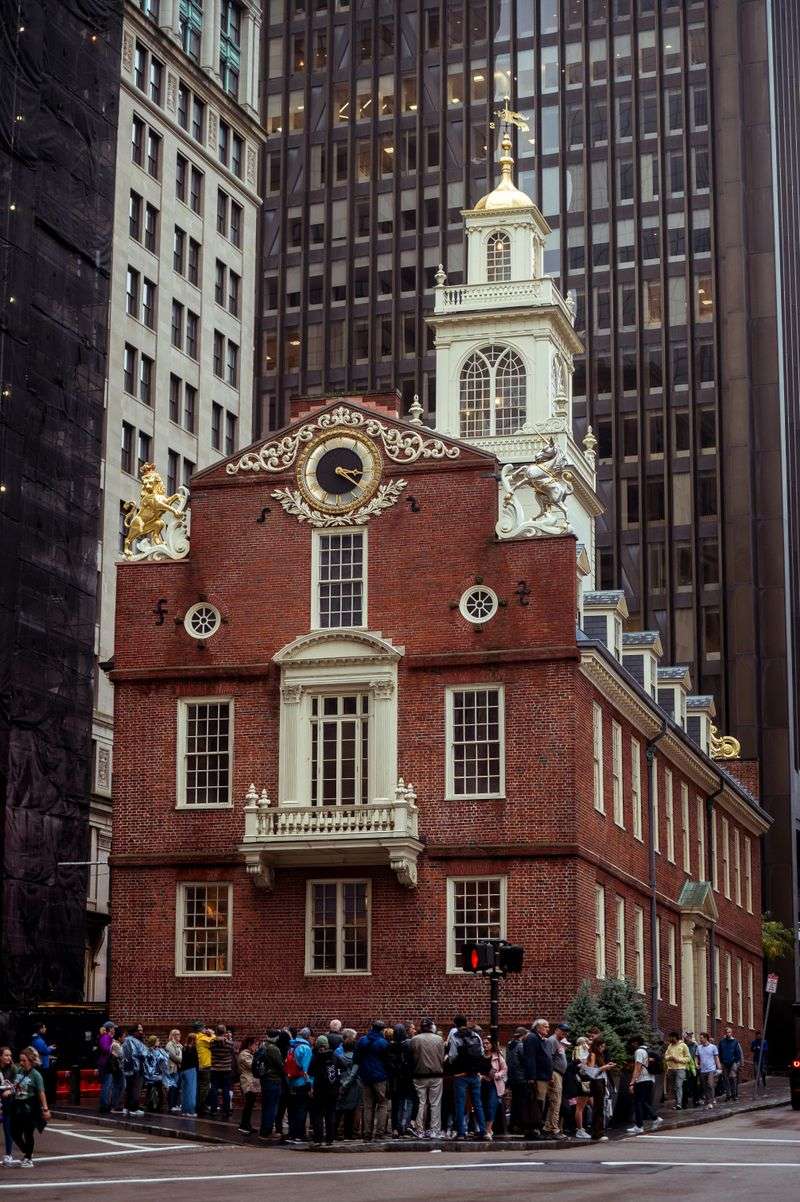
You notice it the second your shoes hit the bricks on the Freedom Trail. The path looks sturdy, but years of footsteps rub down the edges and smooth the stones.
Even careful steps add up, and that slow polish tells a busy story you can feel.
Walk a little, and the thresholds at old doorways show the most honest wear. Stone steps dip in the middle where people naturally land.
Preservation teams fix and reset pieces so the path keeps its character without giving up safety.
There is a balance here that never stops moving. Popularity brings money and attention, which pays for repairs.
Popularity also makes new repairs necessary, so the cycle keeps spinning.
On busy days, you may catch crews closing a small section. It is not dramatic, just steady maintenance.
That quiet work is what keeps the trail walkable for the next wave of visitors.
Small decisions matter, like how water drains off a sloped brick lane. A slight dip invites puddles, and puddles invite damage.
Fixing one tiny spot can save a whole row later.
When your pace slows, you can see the craftsmanship in each surface. That care deserves gentle feet and patient timing.
Taking the long route respects the people who keep these places standing.
2. Crowds Change How History Is Interpreted
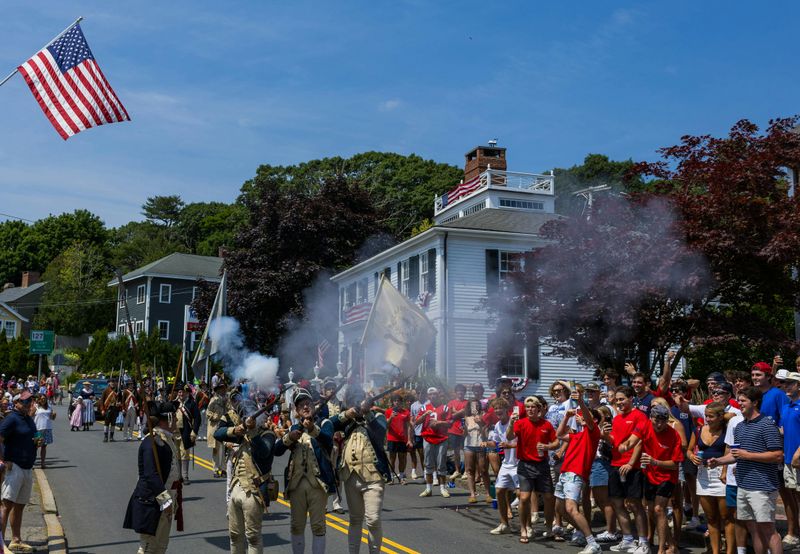
Big groups change the conversation at Plimoth Patuxet Museums. Guides keep things moving, so the stories lean broad and clear rather than layered and slow.
You get the headline version first, and it works when time is tight.
But when the group thins, the questions get better and the answers stretch out. You hear nuance about colonial routines and Indigenous history that needs space to breathe.
I feel like the quiet moments let details settle.
It is hard to hold a thoughtful pause when a crowd is pressing from behind. Staff juggle accuracy with flow so nobody feels stuck.
That pressure is real, even if you do not notice it right away.
I like to hang back and circle around. A second pass opens other angles you might have missed.
Different interpreters add their voice and shift the tone in subtle ways.
There is a rhythm to the site that changes by the hour. Mornings can be gentle, afternoons faster, and late days calm again.
Timing becomes its own guide.
When you plan, think about what you want from the experience. If depth matters, aim for smaller groups and soft windows.
The story becomes richer when you give it room, trust me.
3. Congestion Alters The Visitor Experience
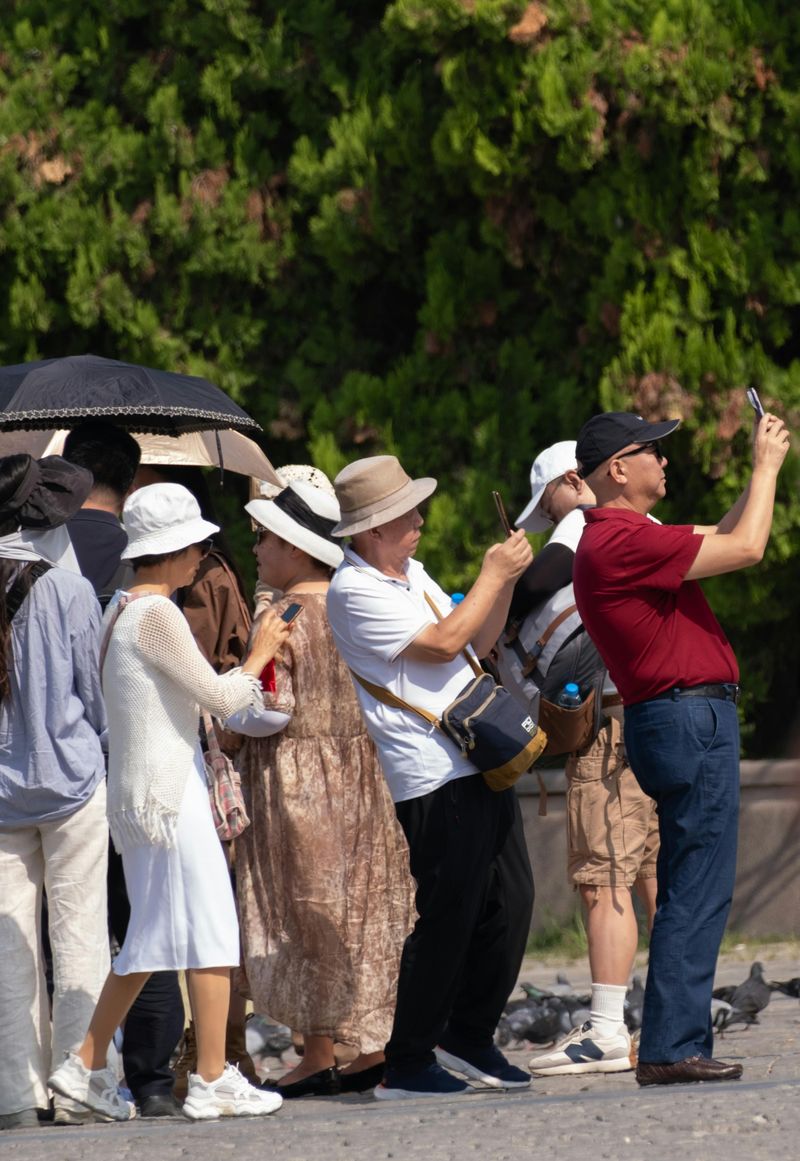
When congestion hits, you feel pushed along before you are ready. The names deserve more than a glance, and rushing steals that moment.
It can feel like you are hearing a thoughtful story on fast forward.
Locals know the pattern and sometimes steer around it. They save their visits for lighter times that protect the calm.
You can do the same with a little timing.
There is a trick that helps: step off to the side and give yourself a beat before reading. That small pause resets the pace.
Peak seasons change more than the sidewalks. Nearby streets tighten, and patience becomes part of the plan.
It is not about avoiding people, just choosing a slower lane.
When the crowd thins, the site feels different. The stones speak at their own volume.
You hear more because you are not racing your feet.
4. Preservation Budgets Depend On Tourism Revenue
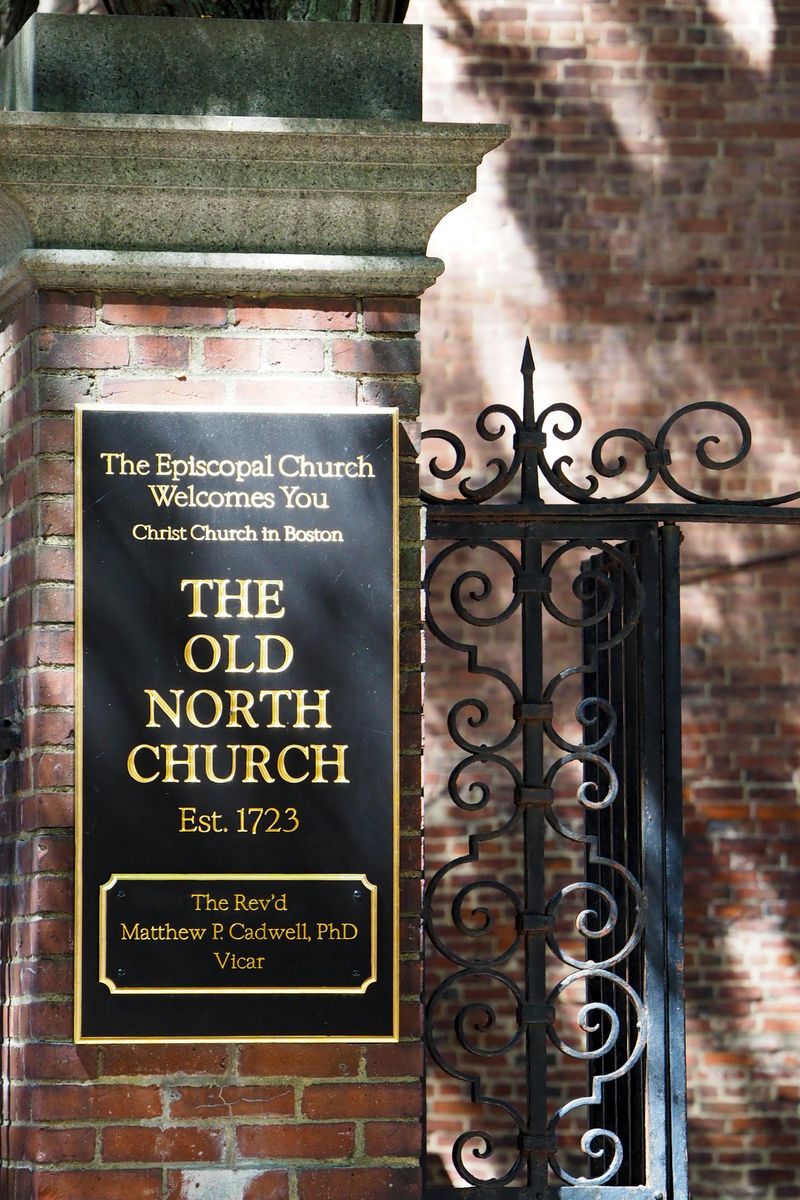
Tourism keeps the lights on at places like Old North Church. Tickets and donations pay for careful repairs that do not call attention to themselves.
When the flow is steady, preservation work can plan ahead.
Too much traffic speeds up wear, which raises the bill all over again. It is a loop that never really stops spinning.
Money arrives with the crowd, and so does the need for more fixes.
You can see the results in small details. Paint stays fresh, railings feel solid, and pathways stay even.
None of that happens by accident.
When visitor numbers dip, projects pause or shrink. A delay might mean a wall absorbs a season of damp before it is sealed.
The costs grow quietly when that happens.
Supporting these places is not just about big donations. Even a ticket is a vote for careful stewardship.
That simple act keeps tools in the hands of the people who protect the past.
It is fair to ask where the money goes. Many sites share updates that show exactly what changed.
Following along gives your visit a second life.
5. Historic Buildings Face Climate Control Challenges
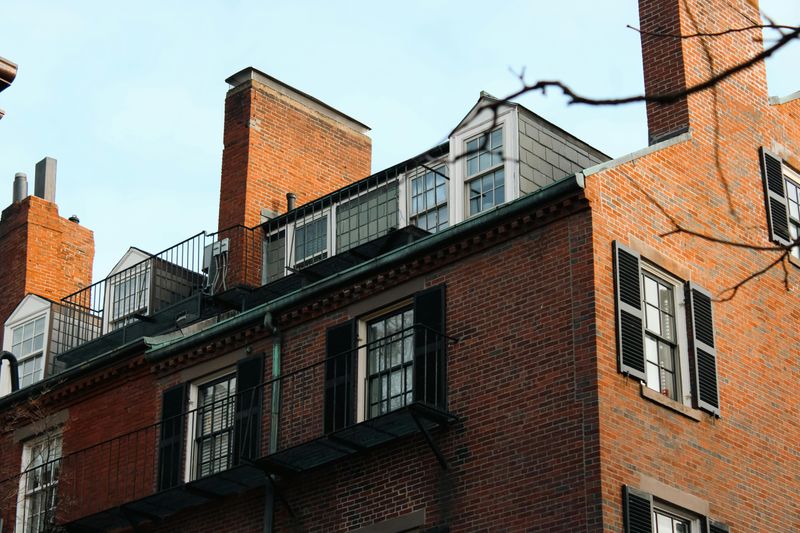
Pack a small room with people and the air changes fast. In old buildings, that means humidity climbs and temperatures inch up.
Wood and plaster react before anyone notices.
Curators try to hide new systems so the old look stays honest. Vents tuck into corners and sensors blend into trim.
You feel the comfort without seeing the machinery.
The problem is not just comfort anyway. Swings in moisture can stress beams and loosen finishes.
I think crowds make those swings sharper, especially on warm days.
Some sites meter entry when the weather turns sticky. It keeps the room stable and gives everyone a better visit.
A slower flow protects the fabric of the place.
When you step outside, the air feels normal again. Inside, balance is a daily chore that never ends.
Small choices like propping a door can shift the whole system.
You help by taking your time and spreading out. Short breaks between groups make a quiet difference.
The building breathes a little, and everything lasts longer.
6. Neighborhoods Around Landmarks Feel The Pressure
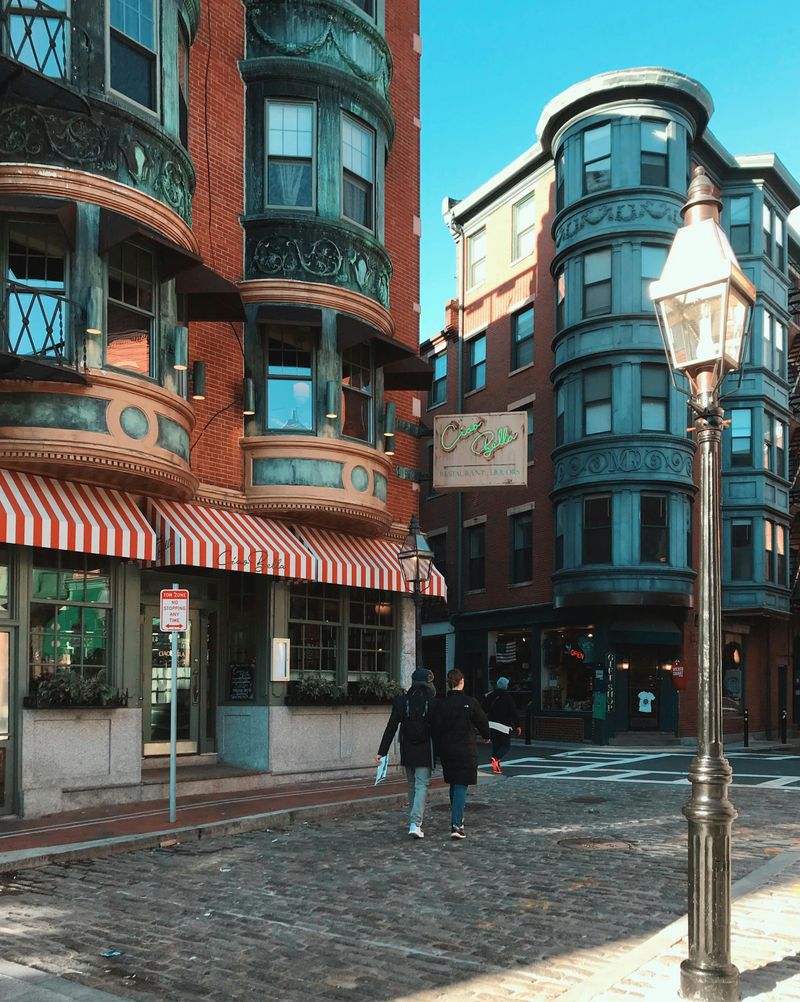
Side streets fill with visitors who are excited to look around. Residents weave through with groceries and routines.
Parking tightens and voices carry a little farther. Shops adjust hours, and sidewalks feel busy even on slow days.
Not everyone minds the buzz, but it changes the rhythm.
You might catch a small sign suggesting another route, and that helps spread the flow and ease the pinch points. Little shifts like that keep tempers cool and days smoother.
What helps most is basic courtesy in my opinion. Keep groups tidy and step aside when someone needs to pass.
It sounds simple and works wonders.
Massachusetts neighborhoods built around these landmarks are close and lived in. The history sits next to open windows and front steps.
Respecting that mix makes the visit friendlier.
When the sidewalks calm, the area settles into a softer pace. You notice details you missed before.
A calmer street tells a better story.
7. Seasonal Tourism Creates Uneven Wear
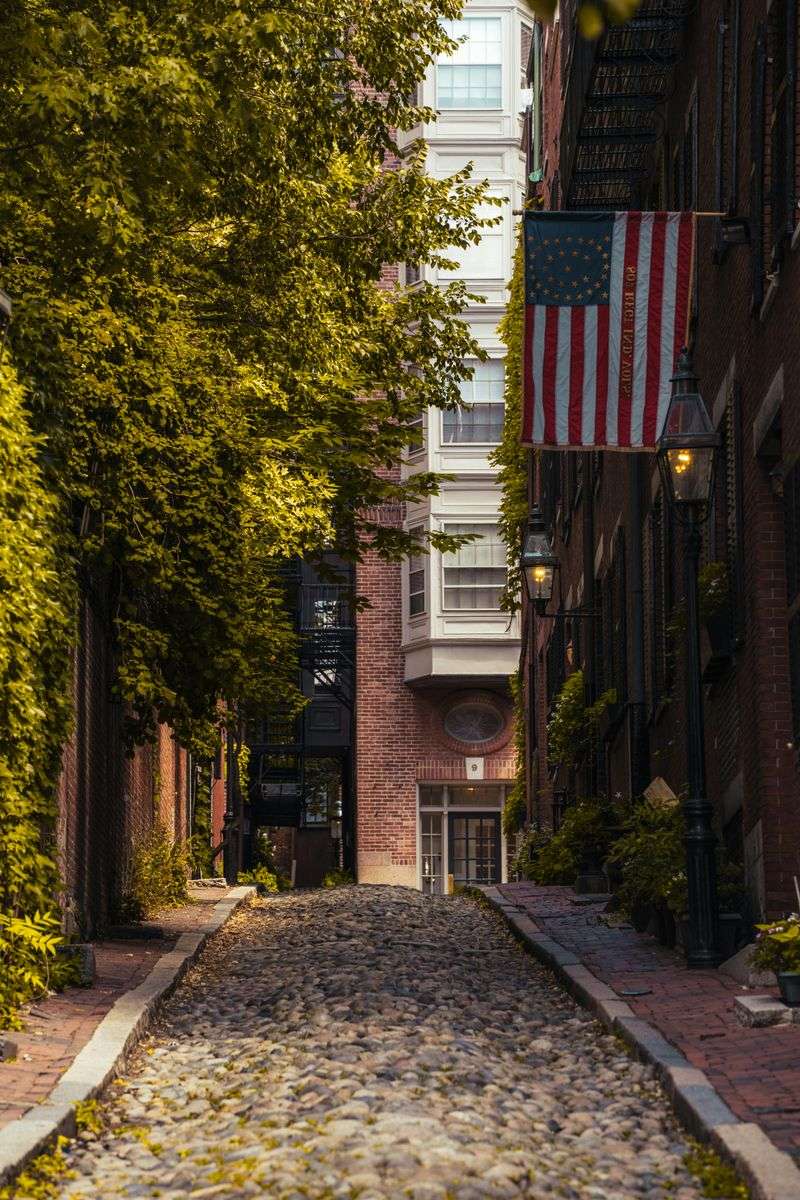
Warm seasons bring heavy use, and the paths feel it first. Edges fray, and gravel migrates under quick steps.
Then the colder stretch brings quiet and space to recover. Crews can reset surfaces and trim growth without dodging lines.
The contrast is useful and a little tough on planning.
Sudden surges for big commemorations add another twist. Staff prepare, but weather and timing can flip things.
That makes flexible maintenance the name of the game.
As a visitor, you can read the trails like a calendar. Fresh repairs mean a recent push or smart prep.
Scuffed corners reveal where people prefer to stand and listen.
Sites here lean on those gentle months to catch up. One calm week can undo a lot of scuff, and that window matters more than it looks from the outside.
If you want an easy walk and a better look, aim for the shoulder seasons. You will move slower and see more.
8. Large Tours Limit Access To Smaller Spaces
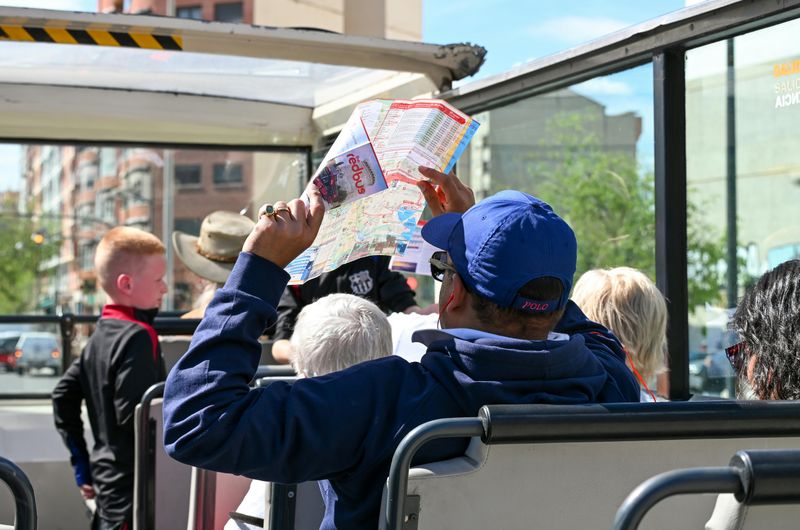
Old houses were built for small groups and quiet steps. When a tour swells, the rooms push back with tight staircases and low beams.
Safety comes first, so access gets timed.
You might miss a side room because the floor needs a breather. That choice protects the structure and the people in it.
It is not a snub, just practical care.
Waiting can feel like lost time, but it also sets a better pace. Smaller batches hear more and move with less stress.
The room settles between groups and stays healthy.
Guides often switch the route so bottlenecks do not form. A gentle reroute keeps fragile zones from taking the hit.
You still see the heart of the place without crowding it.
Think of the building as a host with limited seating. You are welcomed, but only as many chairs as the room can hold, and that mindset keeps expectations easy.
When the door finally opens, you notice details right away: the light on the wood, the feel of the steps, the hush in the corners. The pause makes the visit land stronger.
9. Photography Shapes How Spaces Are Used
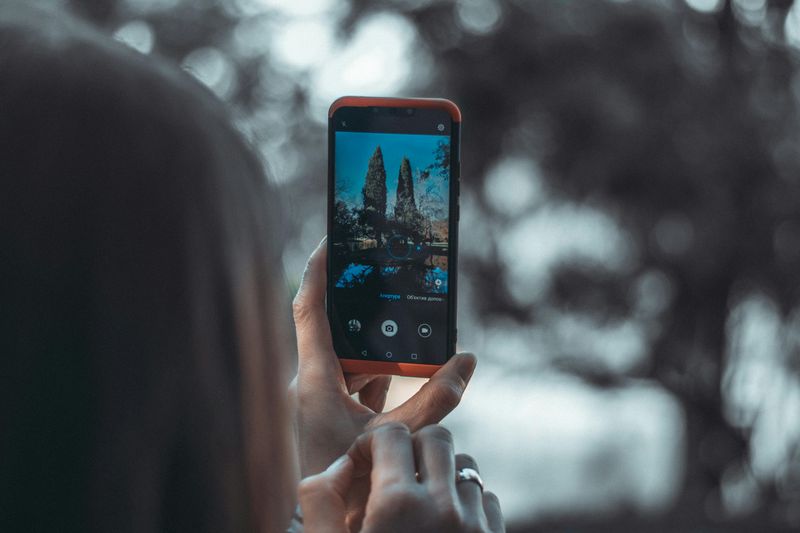
Popular photo spots pull people into tight clusters. Everyone wants a good angle, and the floor shows where they stand.
The staff try to spread the pressure with signs and gentle paths. A rope here and a stanchion there nudge the pattern.
It looks simple, but it saves fragile boards and rails.
If you step back a few feet, the shot often gets better. You frame more of the room and skip the squeeze.
The extra space protects the scene you came to capture.
I like to take one quick photo and then pocket the phone. Looking with your own eyes slows things down.
The memory sticks longer when you are not aiming for the perfect frame.
Massachusetts sites carry a lot of visual pull, like bright windows, old wood, and clean lines make easy images. Keeping the flow gentle lets everyone enjoy the view.
When you move on, the space settles behind you. The next person gets a steady floor and an open sightline.
That small courtesy travels farther than you expect.
10. Commercialization Creeps Into Historic Zones
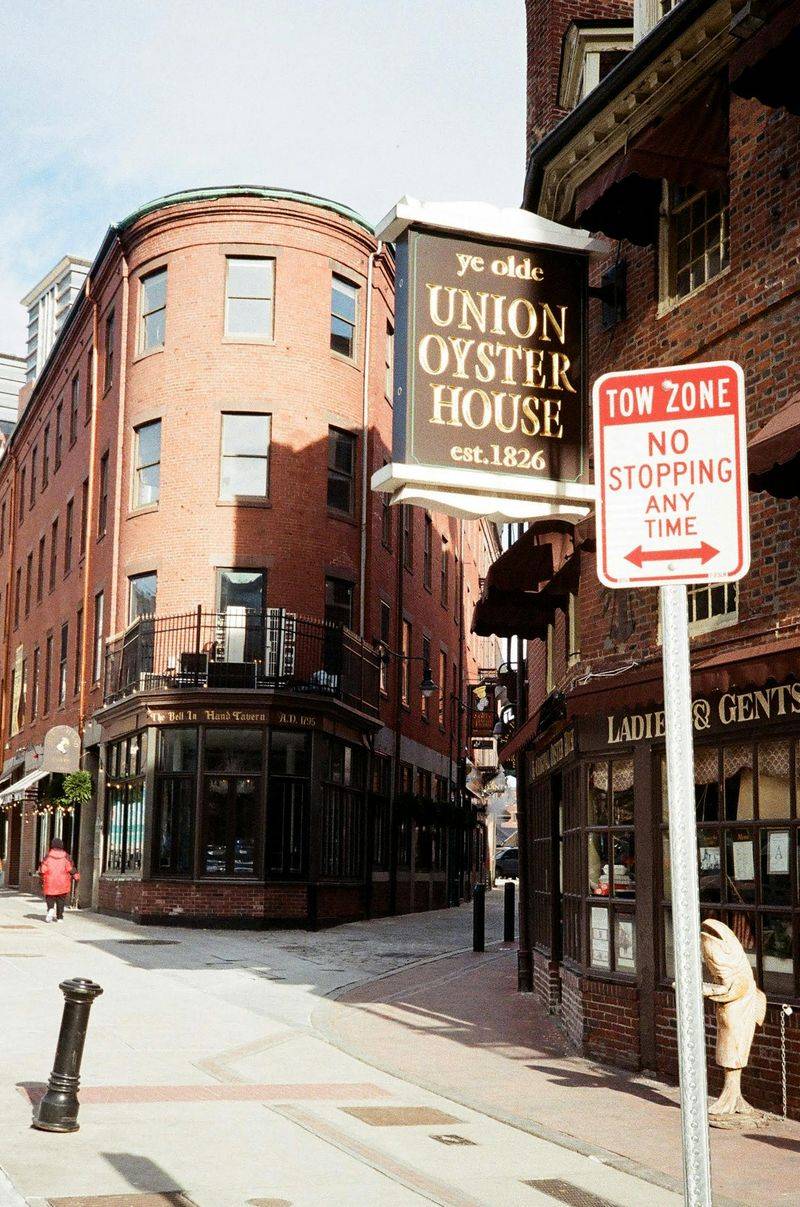
Walk near popular colonial sites and you will notice the slide toward more signs and shops. It is not all bad, because clear information helps.
Still, the line between learning and selling can blur if nobody watches the edges.
Boards and local groups keep the look grounded. Guidelines shape colors, materials, and where things can sit.
I feel like that quiet control protects the feel of the streets.
Visitors play a role too. Choosing experiences that respect context sends a message.
Money follows what people ask for, and that pulls the balance back.
You can spot thoughtful design when kiosks sit low and blends with trim.
The landmark stays the main character in the scene.
This state has plenty of practice finding this balance. Popularity brings pressure, and popular places learn to steer it.
That is how the old look stays believable.
As you wander, notice how the space guides you. If your eye goes to the building first, the plan is working.
When it does not, the next round of tweaks is ready.
11. Crowds Influence Restoration Decisions
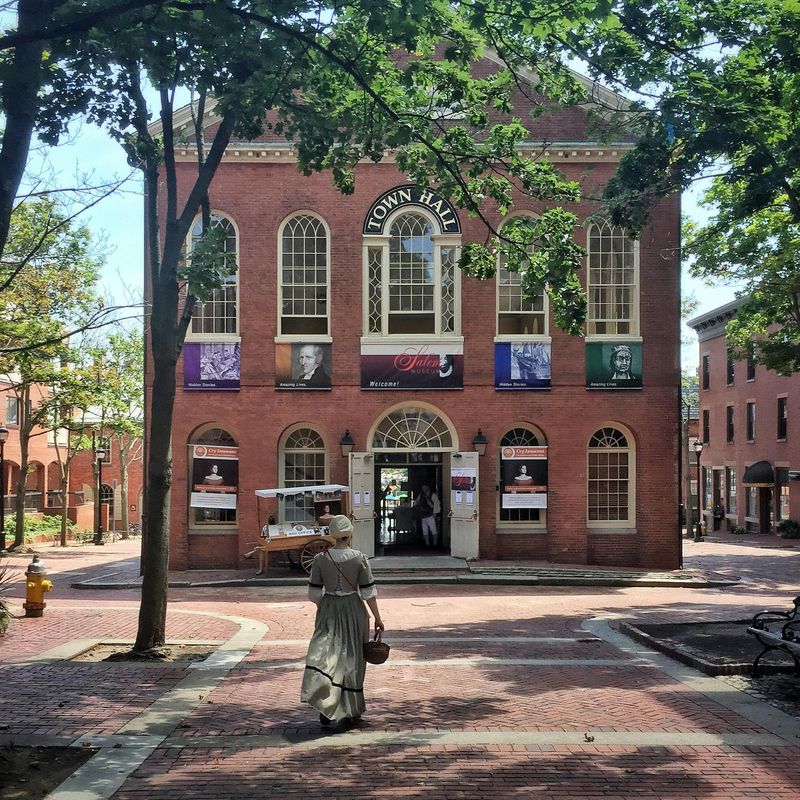
High traffic corners get fixed first because they take the hit. That choice changes what you notice when you visit.
Fresh railings and clean steps draw the eye.
Meanwhile, quieter details may wait their turn, like a tucked away panel or a faded finish holds on a little longer. It is not neglect, just triage shaped by footsteps.
Teams use visitor patterns to guide the list. Counters and maps show where people bunch up.
Repairs follow the data so the site stays safe and steady.
There is a storytelling angle here too. The parts you see most get the most polish, and that can tilt how the history feels if nobody checks the balance.
Good planning leaves room for the quiet stories. A small grant can rescue a lesser known feature.
That spread matters for the fuller picture of the past.
As a visitor, you influence this without trying. Where you linger and what you ask about gets noticed.
Curiosity can move a project onto the front page.
