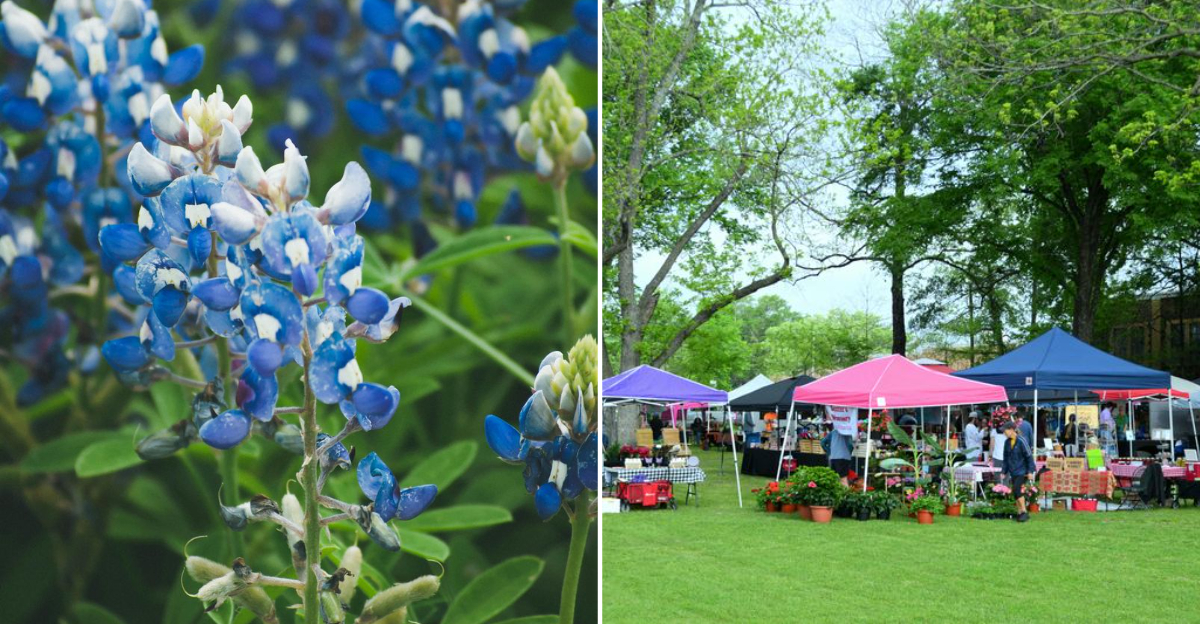
Have you ever stopped to take a picture in a field of wildflowers? In Texas, that simple habit has become a big deal.
Tourists love snapping photos among the famous bluebonnets and other blooms, but the way visitors interact with these fields is starting to change how locals feel about it.
For years, wildflower season was a source of pride, families would drive out, admire the colors, and take a few respectful photos.
Now, with social media driving the trend, some tourists are trampling flowers, blocking traffic, or treating private land like a public park. Locals notice, and while they still welcome visitors, the mood has shifted.
What used to feel like a shared celebration of nature sometimes feels more like a free-for-all.
It’s not all negative, though. Many travelers are learning to be more mindful, staying on paths and respecting property lines, and that small shift makes a big difference.
So next time you’re in Texas during wildflower season, remember: the best photo is the one that doesn’t ruin the view for everyone else.
Everyone Comes For The Bluebonnets In Springtime
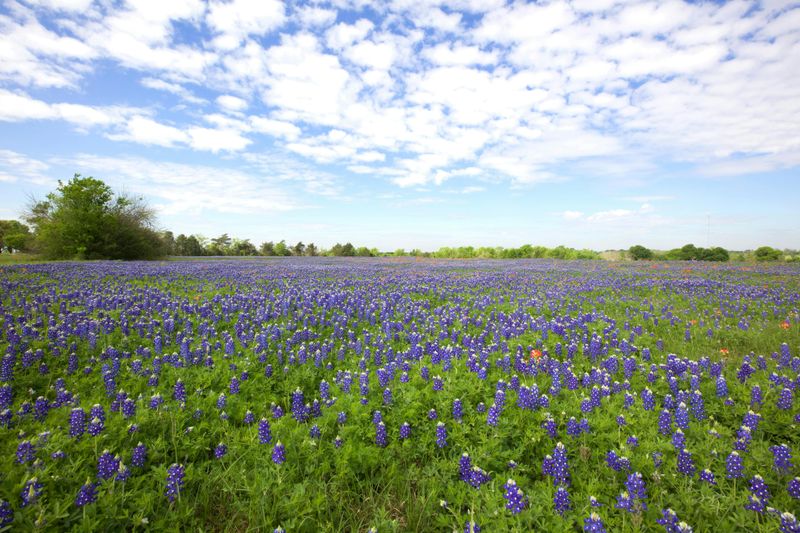
You know the moment you hit it right? Road edges glow blue, fences frame big open skies, and every passenger suddenly wants to pull over for just one more photo.
Bluebonnets and Indian paintbrushes stretch across Texas each spring, and the tradition runs deep. People build entire trips around that ritual, trading city noise for calm fields.
Here is the thing: those blooms bring people, and the people bring planning. Town crews mark safer pull offs, state offices post reminders, and park staff answer the same questions all day.
It is friendly, but it is also managed now. The mood has shifted from spontaneous wandering to careful steering so the flowers can seed again.
If you want a sure bet, start near the Lady Bird Johnson Wildflower Center, 4801 La Crosse Ave, Austin, then drift toward Hill Country loops.
You can follow wayfinding signs without stressing the small backroads. Give yourself time, keep the car fully off the pavement, and leave the blossoms untouched.
You get the memory, the photo, and next year’s color keeps rolling. That balance feels good, and it keeps Texas looking like Texas.
Roadside Traffic Jams Are The New Norm
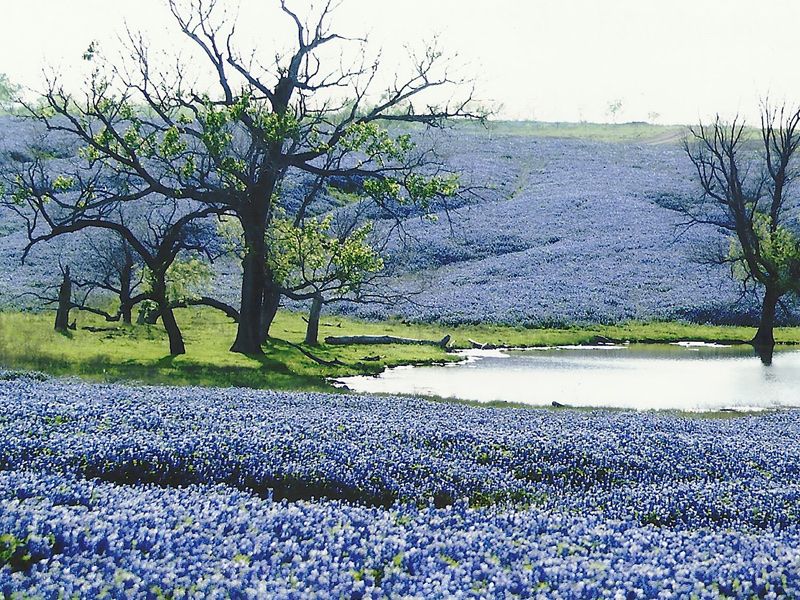
Brutal truth: the prettiest stretches slow to a crawl once the colors pop. Drivers tap the brakes, someone swings half off the shoulder, and the whole lane starts acting like a rolling photo studio.
It is not mean-spirited. Folks just get excited and forget that rural roads were not built for constant stopping.
When you roll through Ennis Bluebonnet Trails, Ennis Welcome Center, 201 NW Main St, Ennis, the best move is to use their posted pull offs and official routes.
Locals and volunteers keep eyes on the flow, and it helps everyone. Park all the way off, hazard lights if you must, and exit on the ditch side.
I feel like a small pause saves a big headache and keeps the mood easy.
Think of traffic as part of the season. Plan patience, bring extra time, and take the scenic loop without chasing every patch.
If a spot looks sketchy, pass and catch the next turnout. You’ll still get the photos, just without blocking a family trying to get home.
That is the new rhythm in Texas during bloom time.
Photo Ops Often Put Flowers At Risk
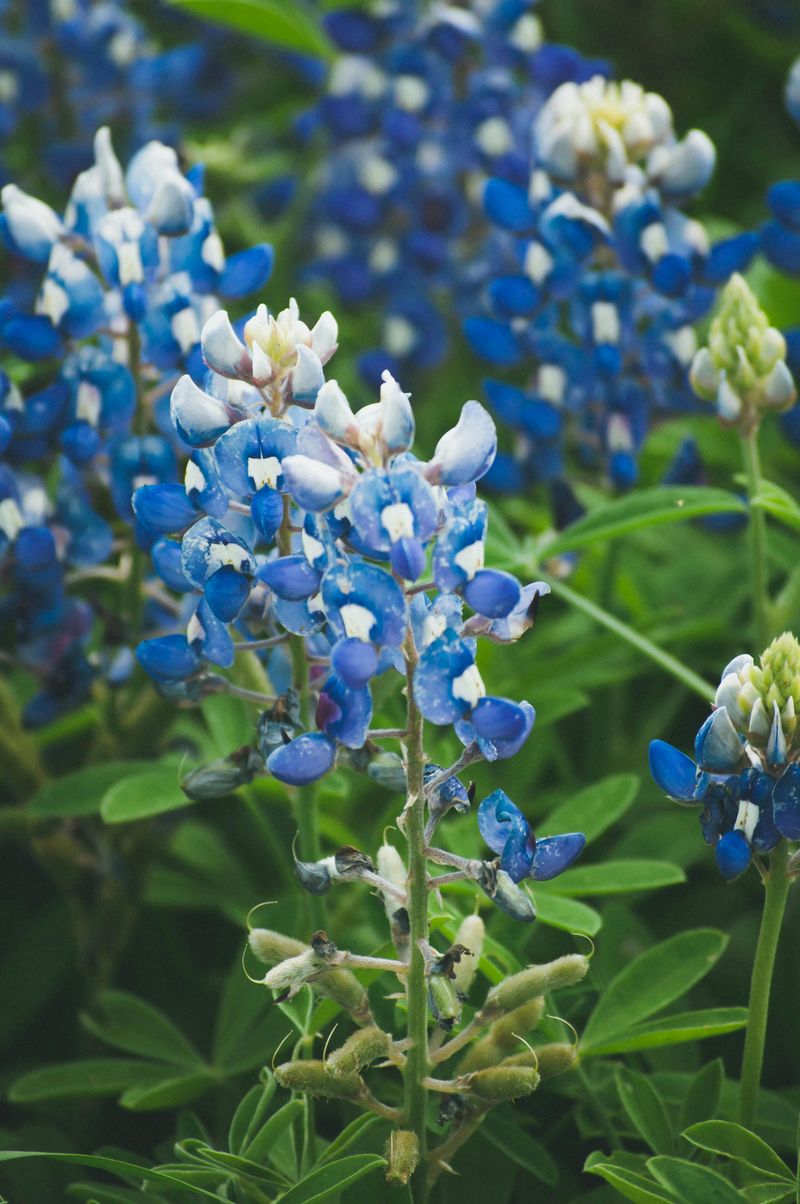
It looks harmless, right? Step into the field, kneel, click, done.
But those annuals need to drop seed, and a line of feet can flatten a whole patch.
That single moment might shave off next year’s color in that exact spot. Once you know that, it is hard to pretend it is no big deal.
You can still get great shots. Use the edge, crouch on bare ground, or shoot from the shoulder with a longer lens.
Try a low angle so the flowers fill the frame without your shoes in the scene. If kids are along, set a boundary where grass is already worn.
It turns into a small game, and the blooms stay happy.
For a thoughtful stop with guidance, swing by Lady Bird Johnson Wildflower Center, 4801 La Crosse Ave, Austin. Trails and overlooks help you frame photos with no trampling.
This state keeps its colors, you keep your memories, and the field lives to glow again. It is a win that feels simple once you try it.
Signs And Maps Are Everywhere Now
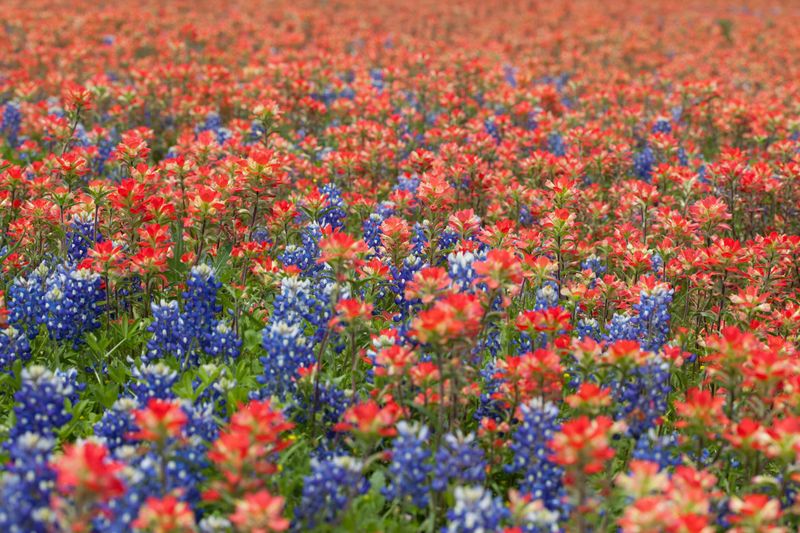
Do not hate the maps, they actually save the day out here. Towns learned that sending people to clear, sturdy viewing zones keeps everyone safer and the flowers stronger.
You can roll up, check a map, and land a clean pull off without wandering into a ditch or someone’s pasture.
The Ennis Welcome Center, 201 NW Main St, updates routes as blooms shift across the season.
Hill Country groups do similar posts so visitors track fresh fields without piling onto the same bend. That kind of guidance changed the mood from guesswork to a shared plan.
I like how it feels organized without being stiff.
Grab a photo of the map, stash it in your phone, and start at the edges where traffic thins. You get room for a tripod and a calmer vibe.
Roads here feel friendlier when nobody is playing frogger across the lanes. The flowers get to seed in peace, and you still get the color show you came for.
Parks And Gardens Offer Predictable Blooms
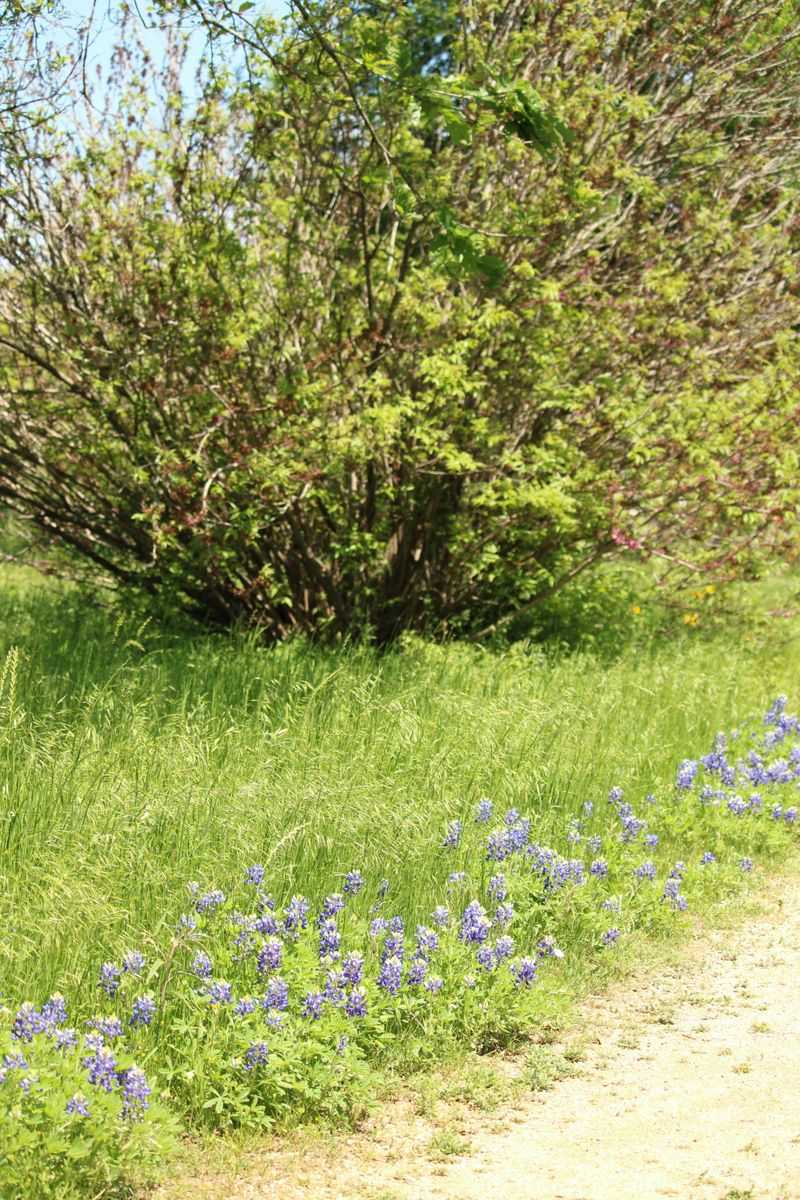
If you want easy mode, parks and gardens make life smooth. Paths, shade, benches, and smart plantings mean you can wander without crushing anything.
Plus you see native plants beyond the roadside standards. I think of it as a crash course in Texas color with none of the parking roulette.
The Lady Bird Johnson Wildflower Center sets the tone with labeled beds and trails. You get seasonal mixes, smart design, and places to linger, which I love.
Staff and signs help you learn just enough to make the roadside scenes make more sense later. It is beauty with brainpower, and that is fun to share.
Predictability matters when timing is tricky. Even on off weeks, curated spaces still bloom somewhere on site.
You leave with good photos and better habits. Next time you find a highway patch, you will know where to stand and when to step back.
The flowers keep flourishing, and your road days feel relaxed.
Picking Flowers Isn’t Illegal, But Damaging Habitat Can Be
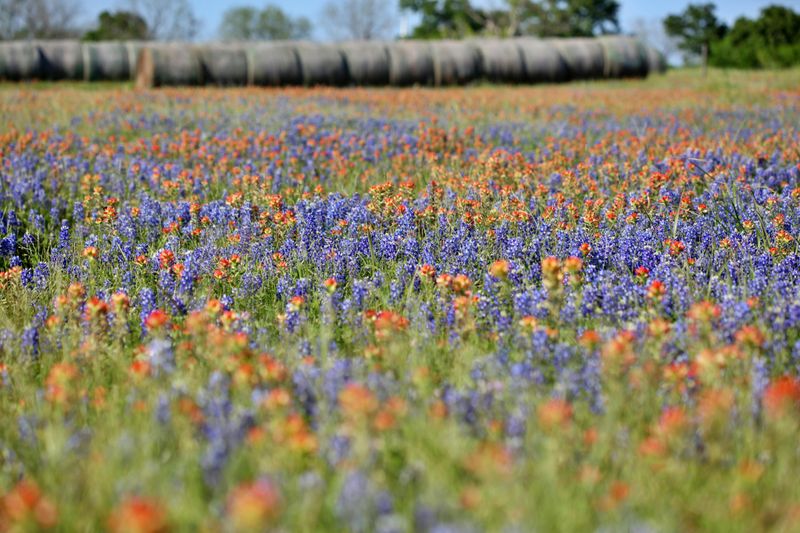
Quick myth check: there is no special law that says you cannot pick a bluebonnet, but tearing up patches or driving into fields can cross legal lines.
On public land and rights of way, damaging the area is the real issue. It is easy to stay on the right side by keeping it gentle and leaving roots alone.
Private land is another story, so if you are not invited, skip it. A pretty photo is not worth a tense conversation with a landowner.
Simple rule, admire with eyes and lens, step lightly, and move on. That mindset keeps the blooms returning and the vibe friendly.
If you want clarity with zero guesswork, stop at Texas State Capitol grounds, 1100 Congress Ave, Austin, where posted guidelines and tended beds set a respectful tone.
Texas culture loves these flowers. Treat them like a handshake, not a souvenir.
Bloom Forecasts Are Now A Travel Tool
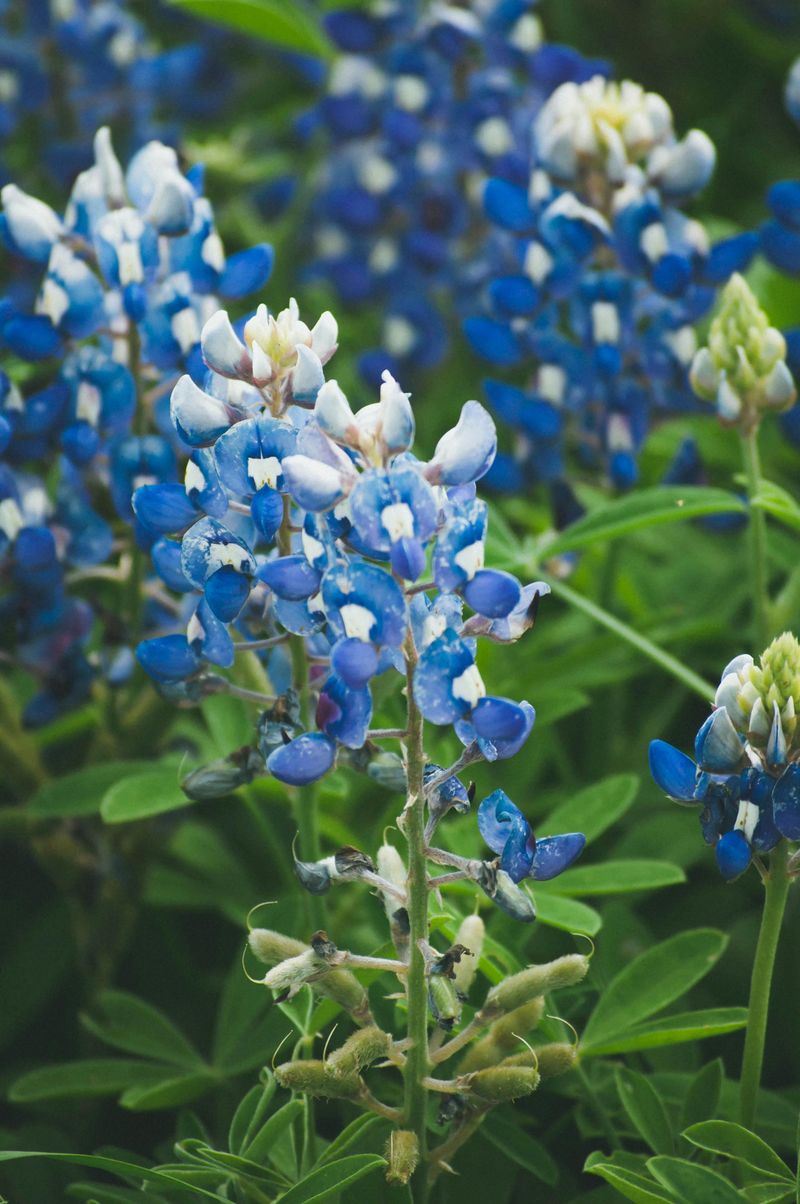
Before you gas up, make sure to check the forecast; not the storm one, the wildflower one.
Rain and temperature swing the timing, so bloom reports steer us toward the good stuff without chasing ghosts.
It has turned into part of the ritual, like your favorite playlist and a bag of sunflower seeds.
When trackers point toward strong color around Brenham, stop at Washington County Visitors Center, 115 W Main St, Brenham, then loop the backroads in a slow circle.
Staff know where fields are peaking and where to avoid. I love how it feels like a treasure map with a friendly narrator.
You save miles and catch the best light.
Forecasts do not promise, but they nudge. Make sure to stack a couple of possible routes, plan a morning and evening window, and keep afternoons flexible.
The weather here does what it wants, and that is part of the charm. When it all clicks, it feels lucky even though you prepared.
That mix keeps road trips fresh year after year.
Climate Shifts Are Throwing Timing Off
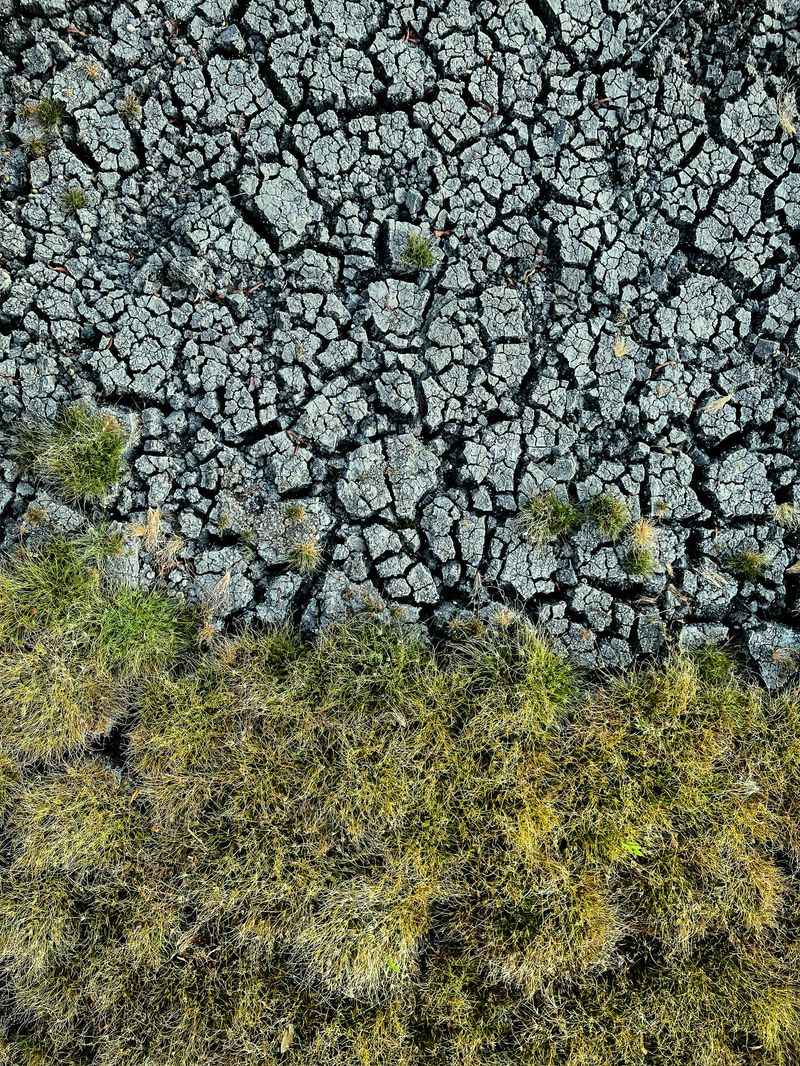
Here is the curveball. Drier stretches and weird warm snaps have pushed bloom timing around.
Some places light up early while others lag or thin out. You can do everything right and still land between waves.
It is not a crisis vibe, just a reminder to stay flexible and kind to the landscape. That’s why I like to build plans with backups.
If a field near Burnet looks light, slide south and try the edges of Lyndon B Johnson National Historical Park, 100 Ladybird Ln, Johnson City, then loop back as light changes.
Check local posts and ranger notes, the small updates matter more than ever.
What helps most is patience for me. You make fewer stops but better ones.
Let a single turnout carry the day instead of sprinting patch to patch. Texas still shows color, just in more uneven pockets.
You adapt, the flowers breathe, and the trip keeps that easy road rhythm you wanted.
Harvested Views Push Families And Groups Into Unofficial Spots
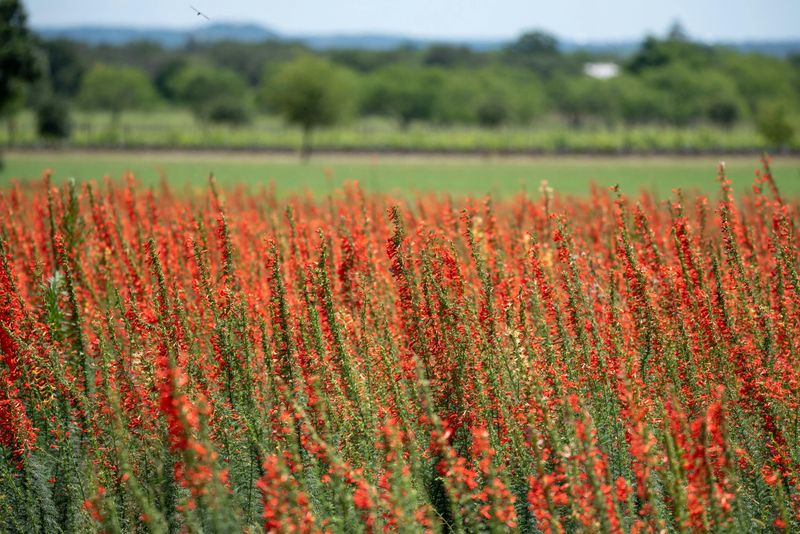
When the famous overlooks fill, people start drifting. A mile past the marked lot, someone sees color and turns onto a narrow shoulder.
It looks fine until three cars stack behind them, and that is how unofficial spots happen, and how headaches start for landowners and road crews.
You can avoid that shuffle. Aim for Blanco State Park, 101 Park Rd 23, Blanco, where parking and riverfront lawns give room to breathe.
From there, you can fan out along legal roads and return if it feels too crowded. Keep your feet on durable ground, skip any gate lines, and wave to locals.
Know that simple courtesy wins every time.
If a field calls your name, ask yourself two questions. Is there space to park fully off the lane?
Is the ground clearly public and sturdy?
If the answer is a shrug, move on. Texas has more color just down the road, and the family photo will look better without the stress.
Local Economies Are Blooming With The Flowers
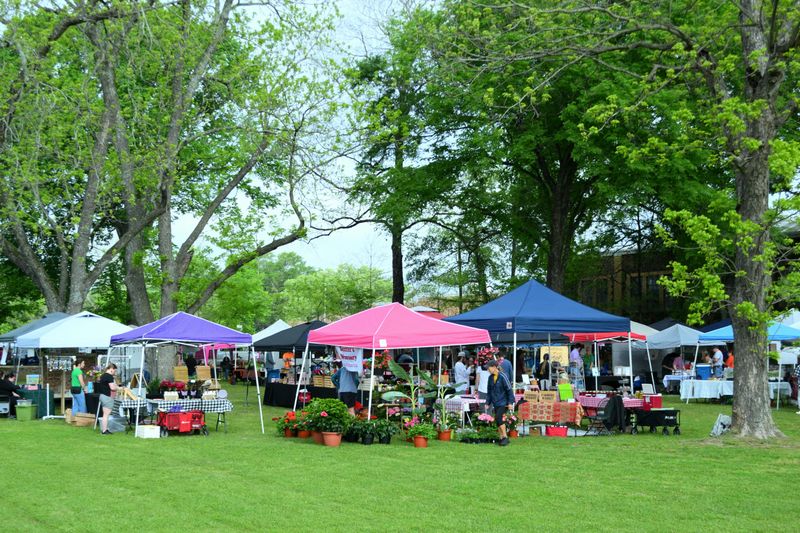
Wildflower season changes the rhythm in small towns. One week it is quiet, the next there are lines, pop up booths, and fresh banners along Main Street.
That energy pays bills and funds events, and you can feel the pride. It turns a color show into community momentum.
In Burnet, the Visitor Center, 101 N Pierce St, Burnet, points you toward scenic loops. You can lean into that, arrive with patience, and say hi to whoever is staffing the desk.
You get tips that never show up on a map, and I really appreciate that.
When towns gear up, visitors can match that with good habits. Park where signs allow, keep shoulders clear, and treat the landscape like a neighbor’s yard.
The vibe stays upbeat, and the dollars ripple through local shops. Texas hospitality meets Texas scenery, and the road trip feels more connected than rushed.
Education Is Part Of The Experience Now
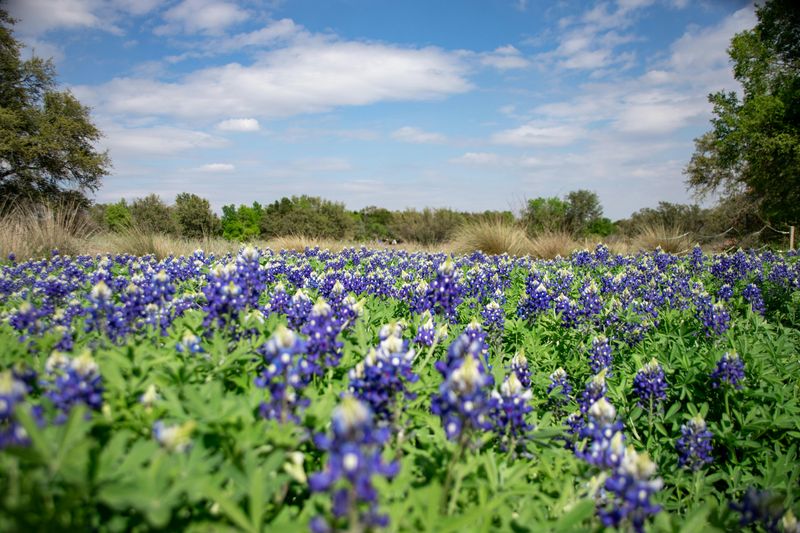
I love when a sign answers the question you were about to ask. Suddenly that purple bloom has a name, and the bee on it has a story.
Education turns a pretty drive into something you carry home. You start spotting patterns and catching little details in every field.
Head to Riverside Nature Center, 150 Francisco Lemos St, Kerrville, where displays break down native plants and pollinators.
Staff chat like neighbors, not lecturers, and hand you field tips you will actually use. After that, even a roadside pull off feels like a lesson with a view.
It is calm, local, and respectful.
The more you learn, the easier it is to tread lightly. You know which patches are fragile and which edges can handle a few feet.
The camera work gets better, too, because you frame the story instead of just the color. That shift keeps blooms thriving and our trips smarter.
Wildflower Social Media Has Its Downsides
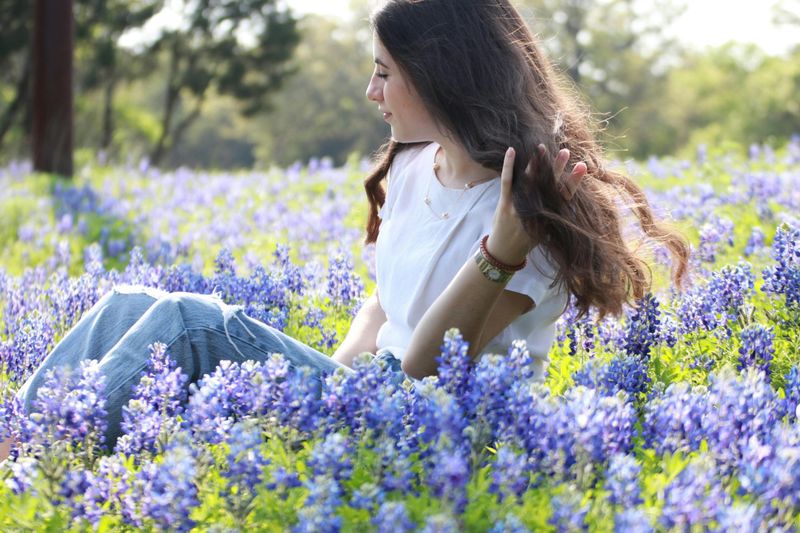
Those viral photos are a double edged sword. The moment a field goes big online, cars stack up and shoulders turn into pop up parking.
Locals try to move through and end up stuck behind a spontaneous photo line. The field takes the hit, and the charm slips fast.
You can still share, just smarter. Skip exact pins to fragile spots and post wider scenes that do not draw people into sensitive ground.
Better yet, tag official areas like McKinney Falls State Park, 5808 McKinney Falls Pkwy, Austin, where trails handle foot traffic. I feel like that nudge helps strangers land in sturdy places.
If you find a small roadside patch, keep it low-key and enjoy the moment. This state will keep blooming, and you will still get the shot.
Share general areas, add a quick etiquette reminder, and let the color live to shine again. Social posts can guide without overwhelming, and that changes the whole season’s mood.
