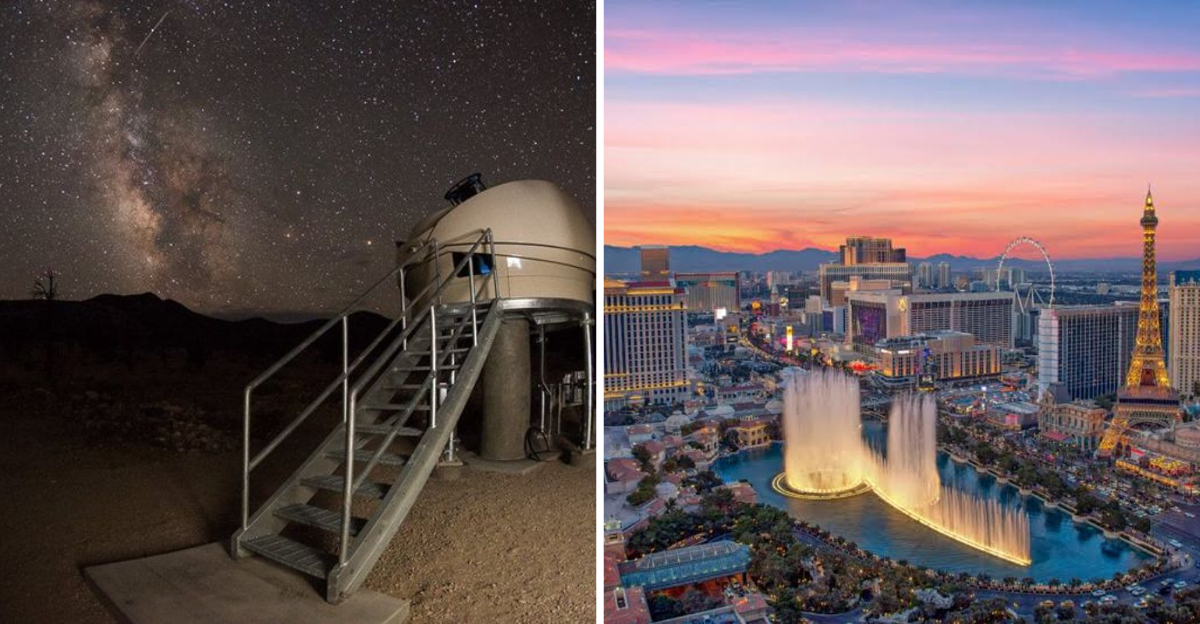
You used to look up in Nevada and see everything. The Milky Way stretching across the sky like a river of light.
Thousands of stars. Maybe a shooting star if you were lucky.
Now drive through the outskirts of any city and look up. The stars are fading.
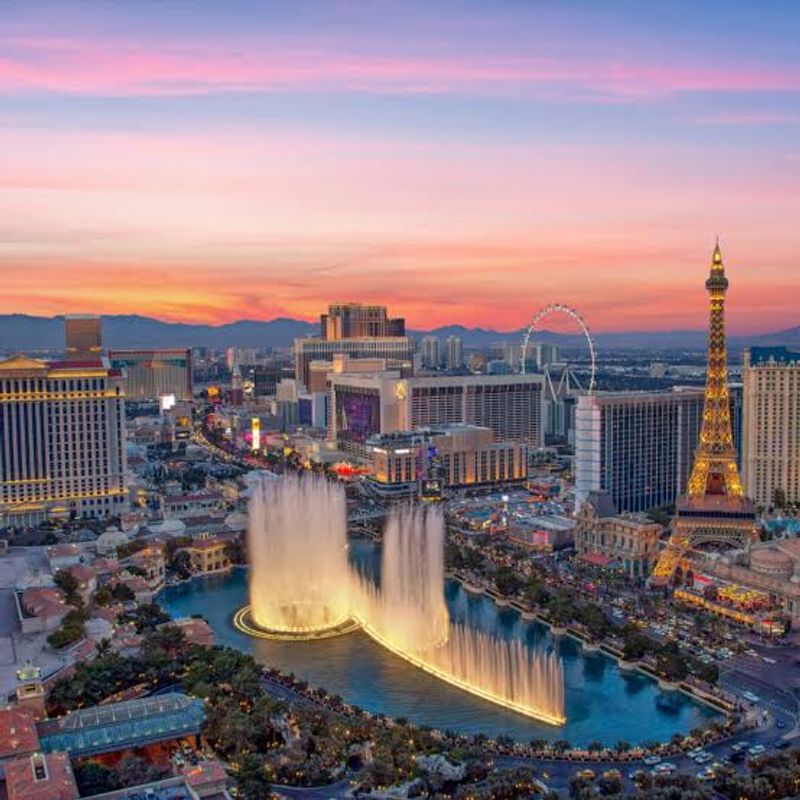
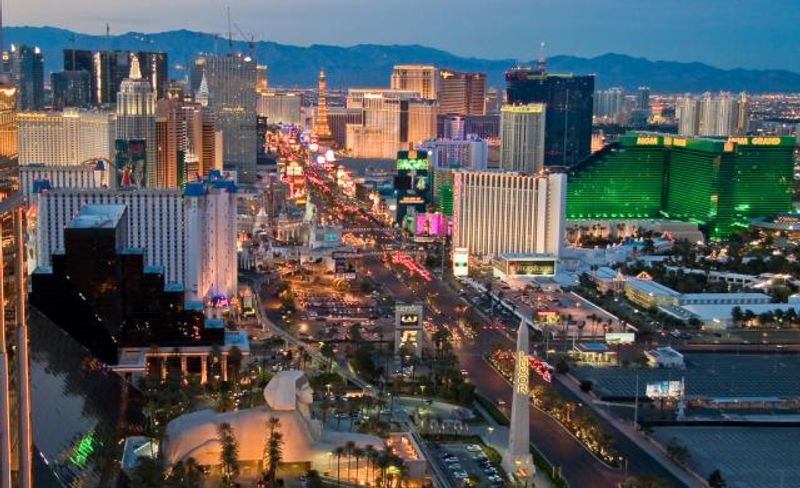
Light pollution from Las Vegas, Reno, and all the growing suburbs is stealing the night sky piece by piece. Streetlights. Billboards.
Casino signs that never turn off. All of it glowing upward into the atmosphere, bouncing back down as a hazy orange glow.
I drove an hour outside of town recently and still could not find true darkness. Nevada is losing something precious.
And once the stars are gone, they are not coming back anytime soon.
The Vanishing Dark: How Light Pollution Is Swallowing Nevada’s Night Sky
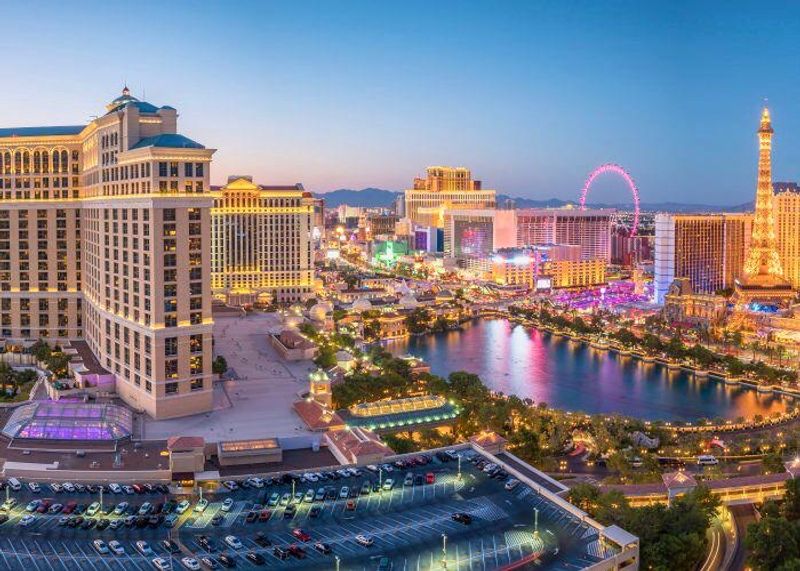
Light pollution is not a distant, abstract problem. It is something you can see with your own eyes on a clear Nevada night, a pale orange glow smeared across the horizon where darkness should be absolute.
Global light pollution is growing at roughly 10% per year. Between 2002 and 2008, Las Vegas alone saw an 8% annual increase in sky brightness, and that trend has not slowed down.
By 2025, researchers estimate that 80% of the world’s population will live in light-polluted environments. At the current rate, the continental United States could eventually have no genuinely dark skies left.
Nevada feels this acutely. The state has vast open spaces and a sparse rural population, which should make it a paradise for stargazers.
Yet more than 80% of Nevadans currently live under skies too bright to see the Milky Way with the naked eye.
The problem is not just aesthetic. Artificial light at night disrupts nocturnal wildlife, interferes with plant cycles, and has been linked to melatonin deficiencies and immune issues in humans.
Recognizing these stakes makes visiting a truly dark sky like Great Basin National Park feel urgent and deeply necessary.
Great Basin National Park: One of Nevada’s Last True Dark Sky Sanctuaries
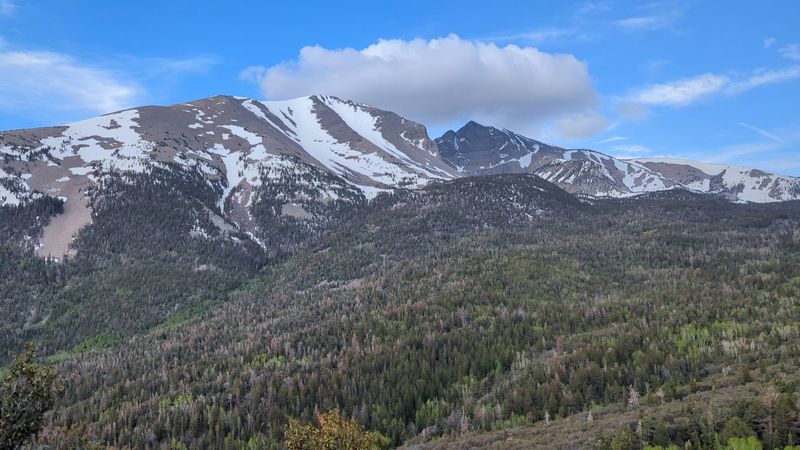
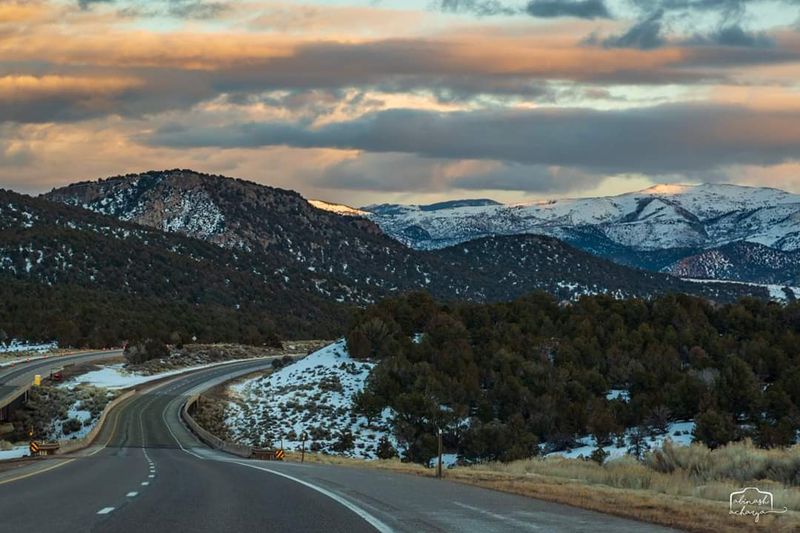
Tucked into the Snake Range near Baker, Nevada, Great Basin National Park is one of the most genuinely remote places you can reach by paved road in the American West. That remoteness is exactly what makes its night sky so extraordinary.
The park holds an official DarkSky International Dark Sky Park designation, one of only two such certified sites in Nevada. The other is the Massacre Rim Dark Sky Sanctuary, far to the north.
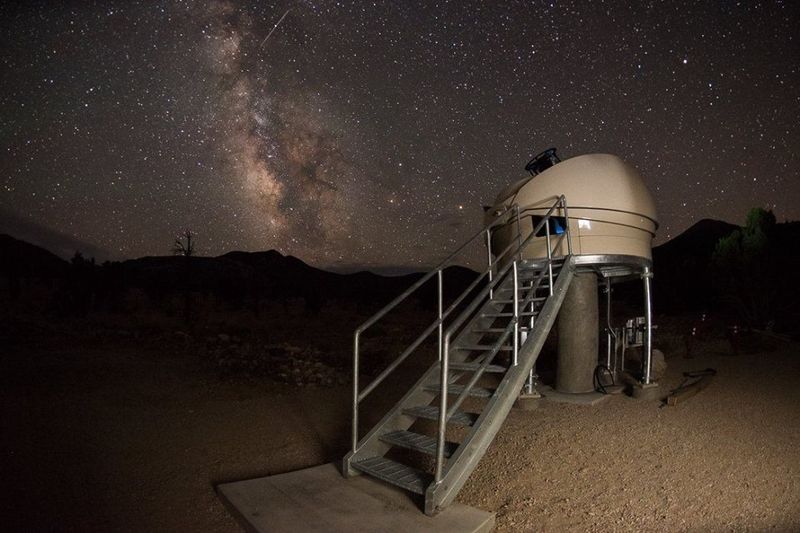
On a moonless night at Great Basin, the Milky Way does not just appear, it dominates. The band of our galaxy stretches so thick and bright across the sky that it casts a faint shadow on the ground below your feet.
That is something most people living in Nevada cities have never experienced.
The park sits at high elevation, with dry desert air above and mountains that help block distant urban glow. Those natural conditions combine to create some of the clearest viewing conditions in the lower 48 states.
Rangers host regular astronomy programs at the visitor center and at Mather Overlook. The Great Basin National Park Visitor Center is located at 100 Great Basin National Park, Baker, NV 89311, and it is absolutely the right place to start any stargazing visit.
Nevada’s Bold Legislative Push to Protect What Remains of the Night
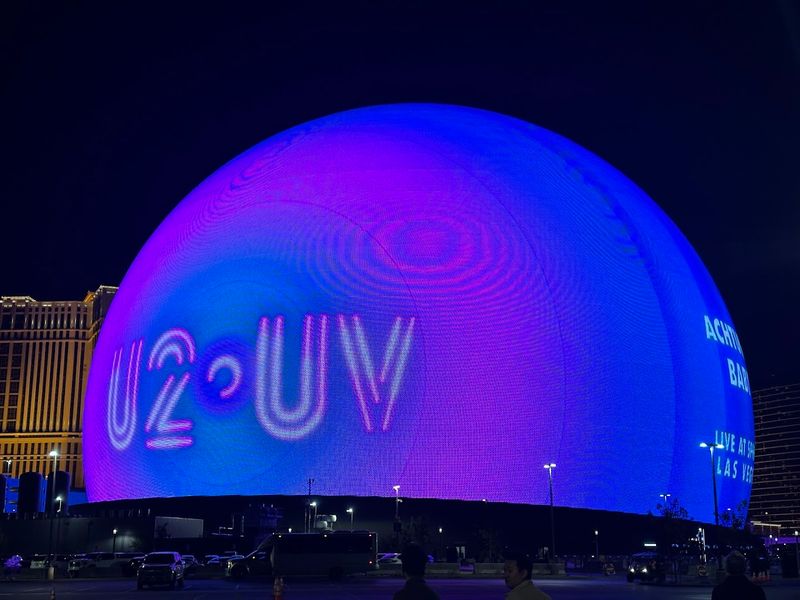
Nevada did something remarkable in 2021. The state passed Senate Bill 52, creating the Nevada Starry Skies Certification Program, the first statewide dark sky certification program in the entire United States.
That is not a small thing.
The program launched officially in October 2024 through the Nevada Division of Outdoor Recreation. Its goals are clear: preserve dark skies, reduce artificial light at night, and grow astrotourism across the state.
Supporting the effort is the Nevada Dark Skies Toolkit, a collaborative resource developed by NDOR and Travel Nevada. It gives communities practical guidance on reducing light pollution and building sustainable astrotourism economies.
Communities like Boulder City and Pahrump have already responded by implementing dark sky ordinances and pursuing their own DarkSky International designations. Seeing local governments take this seriously is genuinely encouraging.
The logic behind all of this is sound. Dark skies bring visitors, and visitors bring dollars to rural economies that often have few other draws.
Protecting the night sky is not just an environmental act, it is an economic strategy that benefits small towns across Nevada.
Watching a state move this decisively on light pollution gives real hope that the stars above places like Great Basin will not disappear entirely from view.
The Human Cost of a Brighter Night: What We Lose When the Stars Go Dark
Most conversations about light pollution focus on the stars themselves. But the effects reach much closer to home, right into our own bodies and daily rhythms.
Artificial light at night suppresses melatonin production. Melatonin is the hormone that regulates sleep, and disrupting it consistently has been linked to immune deficiencies and an increased risk of certain hormone-related cancers.
These are not minor concerns.
Nocturnal wildlife suffers too. Migratory birds use starlight to navigate, and artificial brightness throws off their routes.
Insects are drawn to and killed by artificial lights in enormous numbers, which cascades through food chains in ways scientists are still measuring.
Plants are affected as well. Many rely on natural light cycles to regulate flowering and dormancy.
Persistent artificial illumination confuses those cycles in ways that ripple across ecosystems.
For humans, there is also something harder to quantify but just as real: the psychological loss of a dark sky. Generations of people have looked up at the stars and felt connected to something vast and humbling.
When that experience disappears from daily life, something in our relationship with the natural world quietly erodes.
Spending a night under the sky at Great Basin is a reminder of what that connection actually feels like when it is fully restored.
Astrotourism in Nevada: How Stargazing Is Becoming a Real Economic Force
Astrotourism might sound like a niche hobby, but in Nevada it is becoming a legitimate economic engine. Rural communities near dark sky sites are seeing real visitor traffic from people who travel specifically to see the night sky.
Baker, Nevada, the small town closest to Great Basin National Park, is a perfect example. With a population that fits comfortably into a single school gymnasium, Baker punches well above its weight as a destination.
Visitors come for the stars, stay for the solitude, and spend money locally.
The Nevada Starry Skies Certification Program is designed to accelerate this trend. By certifying communities and businesses that meet dark sky standards, the program creates a recognizable brand that travelers can seek out and trust.
Annual star parties and ranger-led astronomy programs at Great Basin draw visitors from across the country. The park’s Astronomy Festival, held each fall, regularly sells out its telescope viewing sessions.
That kind of demand is hard to ignore.
What makes astrotourism particularly appealing as an economic model is its sustainability. Dark skies cost nothing to maintain beyond smart lighting choices.
The resource regenerates every single night, as long as we protect it.
Nevada is positioning itself as the go-to destination for this growing market, and Great Basin is the crown jewel.
Practical Steps: How Communities and Individuals Can Fight Light Pollution
Light pollution can feel like an overwhelming problem, but the fixes are surprisingly practical. The core principle is simple: light should go where it is needed, not everywhere else.
Shielded fixtures that direct light downward eliminate the upward scatter that brightens the sky. Switching to warm-toned bulbs, those with a color temperature below 3000 Kelvin, reduces the blue light that scatters most aggressively in the atmosphere.
These are not expensive changes.
Timers and motion sensors cut down on lights running all night when no one is around to use them. Reducing wattage across the board helps too.
Communities that have adopted these practices report meaningful reductions in sky glow within just a few years.
The Nevada Dark Skies Toolkit gives towns and businesses a roadmap for making these changes in a coordinated way. Boulder City and Pahrump are already following it, and others are expected to join the program.
On an individual level, small actions add up. Turning off outdoor lights when they are not needed, replacing floodlights with shielded alternatives, and advocating for better lighting ordinances in your town all contribute to the larger effort.
None of this requires giving up safety or convenience. It just requires being deliberate about where the light actually goes.
Why Visiting Great Basin National Park Right Now Matters More Than Ever
There is a quiet urgency to visiting Great Basin National Park that I did not fully feel until I was actually there. The dark sky above Baker, Nevada is genuinely one of the best remaining in the country, but it is not guaranteed to stay that way.
Light pollution grows every year. Even in remote corners of Nevada, the glow from distant cities creeps closer.
Visiting now, before that creep advances further, is the kind of decision you will not regret.
The park offers more than just stars. Ancient bristlecone pines, some of the oldest living organisms on Earth, grow on Wheeler Peak’s slopes.
Lehman Caves wind through the mountain’s interior with marble formations that have been growing for thousands of years.
Camping inside the park puts you under the full weight of the night sky with no competing light sources nearby. It is the kind of experience that resets your sense of scale in a way that is hard to describe and impossible to forget.
The Great Basin National Park Visitor Center staff are genuinely knowledgeable and enthusiastic about helping visitors make the most of both day and night experiences in the park. Plan ahead, bring layers, and give yourself at least two nights.
Address: 100 Great Basin National Park, Baker, NV 89311
