I do not scare easily. Horror movies are fine.
Creepy houses are whatever. But this museum in Nebraska got under my skin.
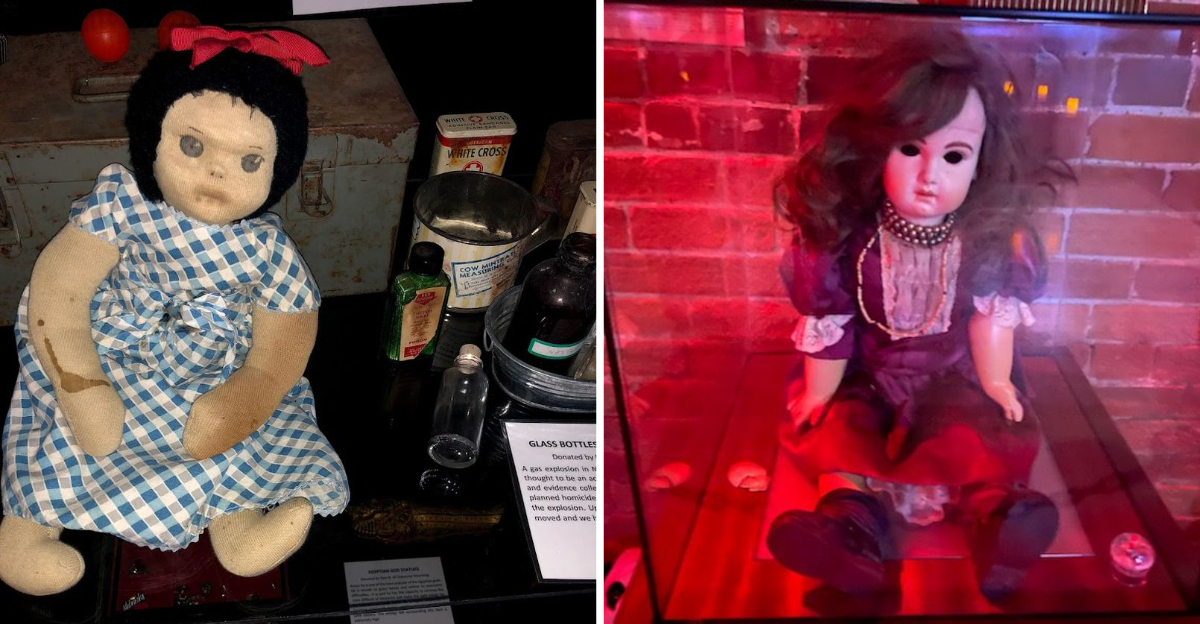
Over 3,000 objects, each one donated by people who claimed their homes felt wrong until the item was gone. A porcelain doll from 1889 sitting in a glass case. A mirror that supposedly shows things that are not there.
A chair that rocks on its own. The collection is massive, filling room after room with things that regular people were too afraid to keep. I spent two hours walking through and left with a headache and a weird feeling in my chest.
The staff is serious about this stuff. No overnight stays.
No touching the displays. Some things are not meant to be handled.
The Building Itself: A History Soaked in Darkness
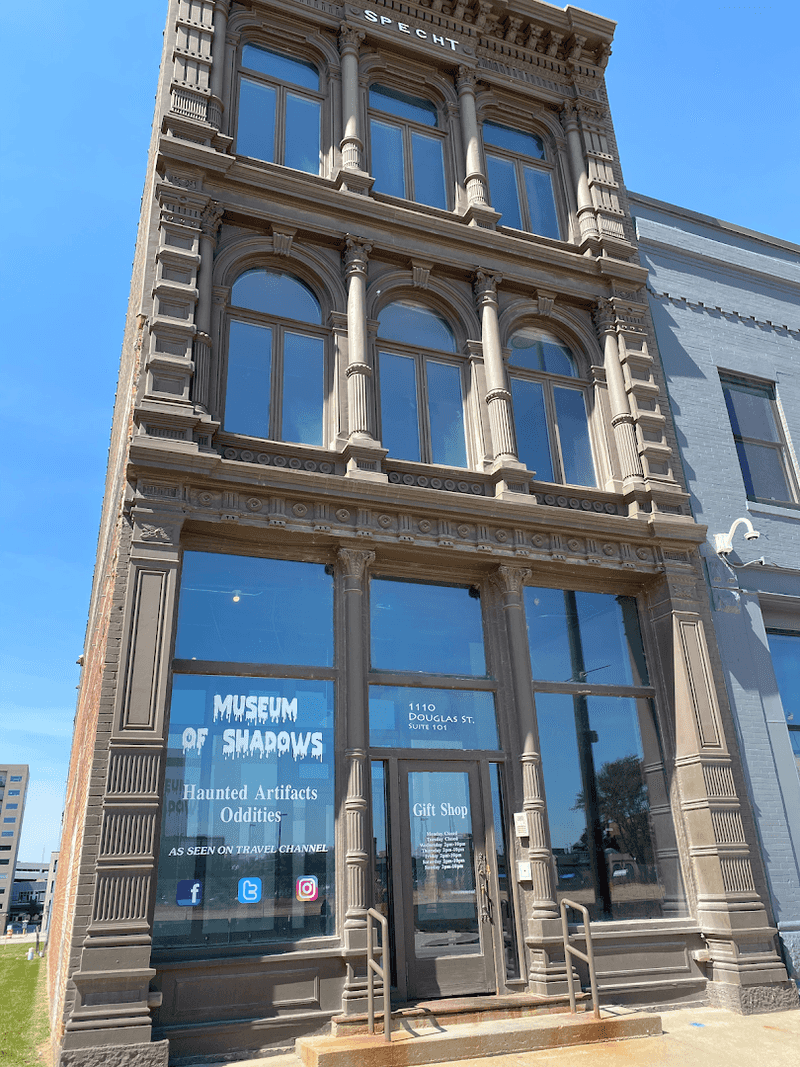
Before you even look at a single artifact inside the Museum of Shadows, the building itself sets the tone in a way that is hard to shake. Located at 1110 Douglas St in Omaha, Nebraska, the structure has a past that feels almost too dramatic to be real.
It has served as both a brothel and a mortuary at different points in its long history.
Rumored murders and black-market surgeries are said to have taken place within these walls. That kind of layered history means the energy inside feels loaded before you even approach a glass case.
Many visitors say they sense something is off the moment they walk through the front door.
The museum’s founders, Nate and Kaleigh Raterman, were drawn to the space partly because of this history. A building with that much darkness embedded in its past becomes the perfect home for a collection of haunted objects.
It is not just a backdrop. It is practically an exhibit on its own, and it adds a weight to the entire experience that no amount of staging could replicate.
Ayda the Porcelain Doll: Made in 1889 and Still Unsettling
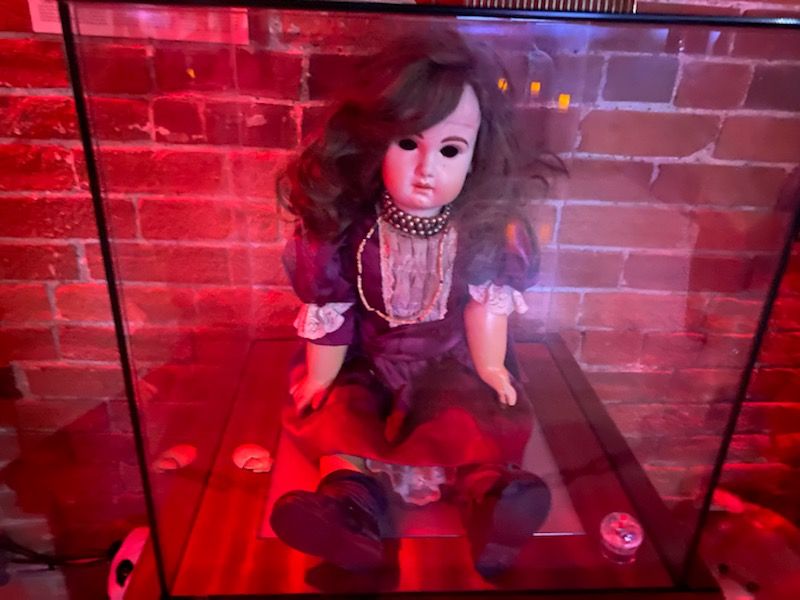
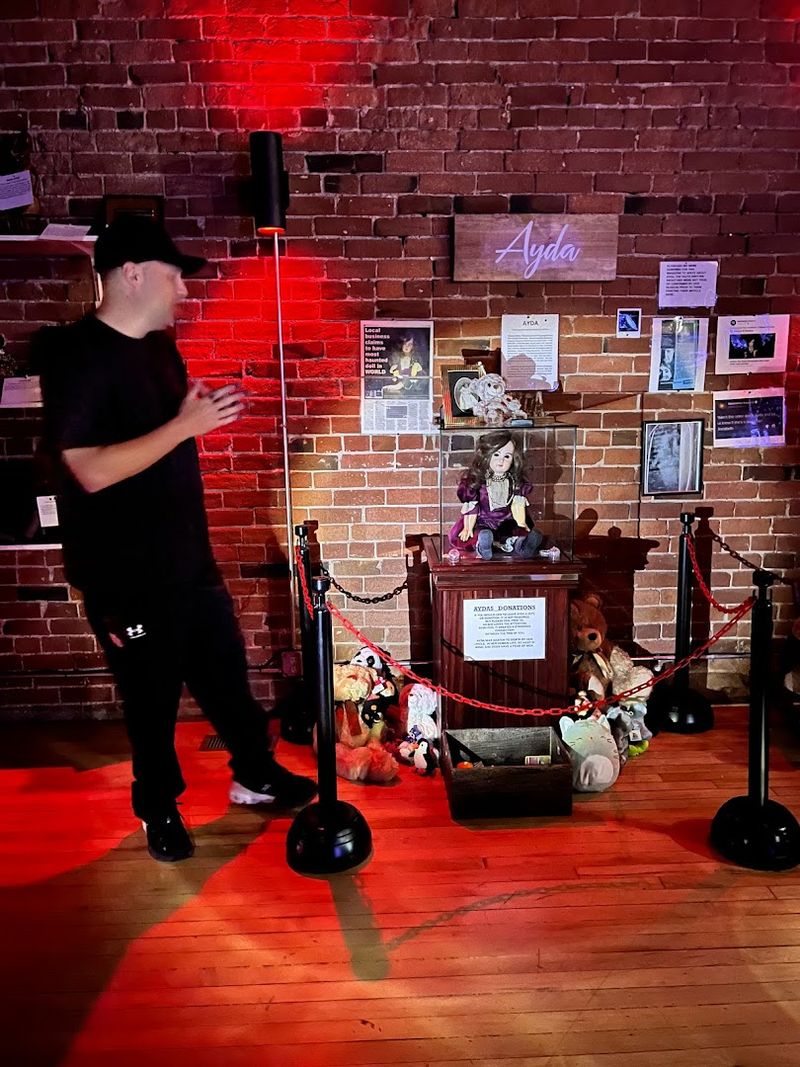
Out of every object in the museum’s collection, Ayda is the one that tends to stop people in their tracks. Made in 1889 by the German manufacturer Simon and Halbig, this 27-inch porcelain doll has a reputation that stretches far beyond her age.
Some researchers have called her the most haunted doll in the world, which is a bold claim in a place full of competition.
The story attached to Ayda is genuinely strange. Her former owners reportedly discarded her, only to find her back inside their home two years later.
When she returned, her eyes were missing. That detail alone tends to make people take a step back from the display case.
Ayda is also referred to as Ada in some accounts, and her presence in the museum draws a lot of attention from visitors and paranormal enthusiasts alike. She underwent the same strict quarantine process as every other artifact before being placed on display.
Whether you believe in haunted objects or not, there is something about a doll that finds its way home that lingers in the back of your mind long after you have left the building.
Claire the Growling Doll: Not Your Average Toy
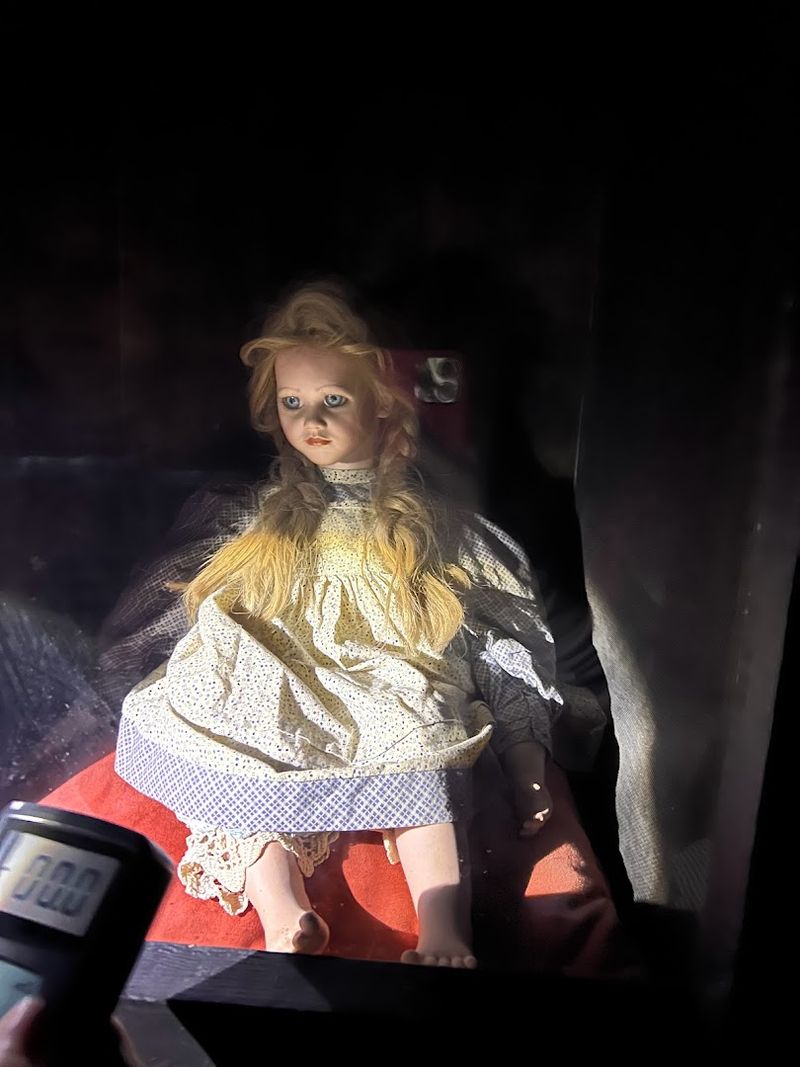
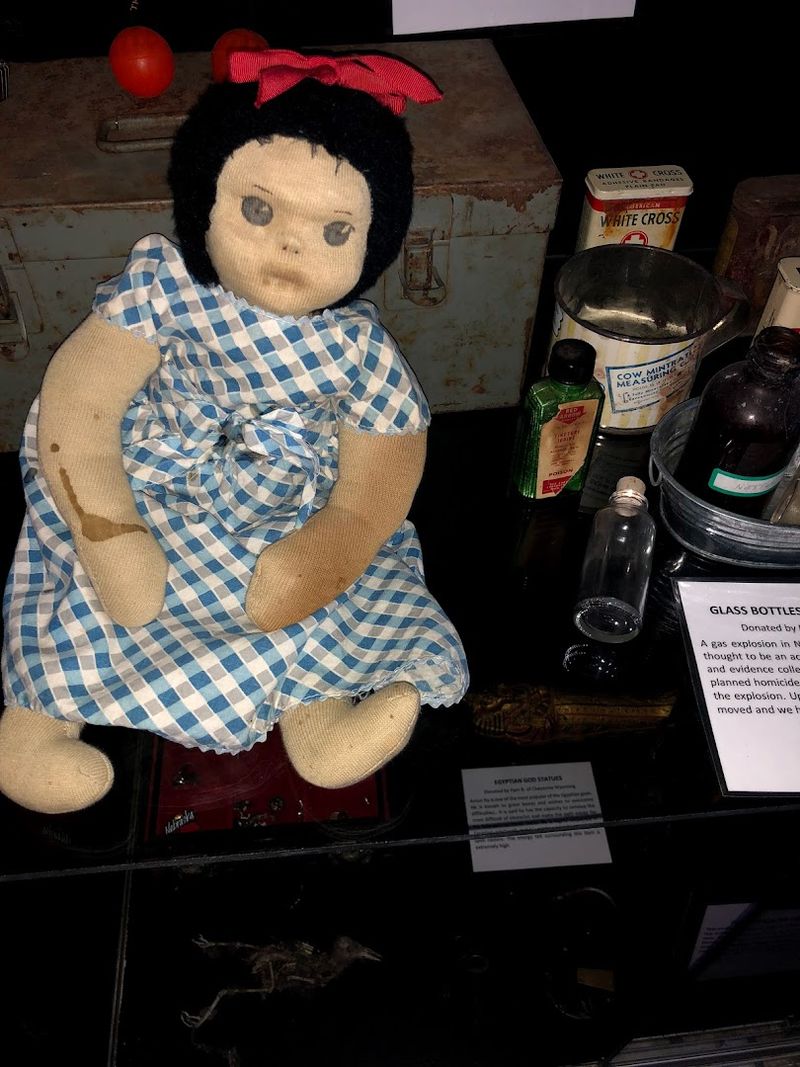
Ayda gets a lot of the spotlight, but Claire has her own fanbase among people who have visited the Museum of Shadows. Claire is known for one particularly unnerving trait: she growls.
Visitors and staff have reportedly heard audible growling sounds coming from her display area, which is not something you expect from a doll sitting behind glass.
What makes Claire so fascinating is that her behavior seems inconsistent and unpredictable. Some visits pass without incident.
Other times, people nearby report a distinct, low sound that does not match anything in the room. That unpredictability is part of what keeps people talking about her.
The museum takes the verification of all its artifacts seriously. Before any object joins the collection, it goes through research and paranormal testing, including the use of equipment that detects electromagnetic disruptions.
Claire passed that process, which means her inclusion is not based on rumor alone. She earned her spot.
For anyone visiting the museum hoping to witness something unexplained firsthand, spending a few quiet minutes near Claire’s case is usually recommended by those who have been there before. Just be prepared for the possibility that she might respond.
The Quarantine Process: How Haunted Objects Are Verified
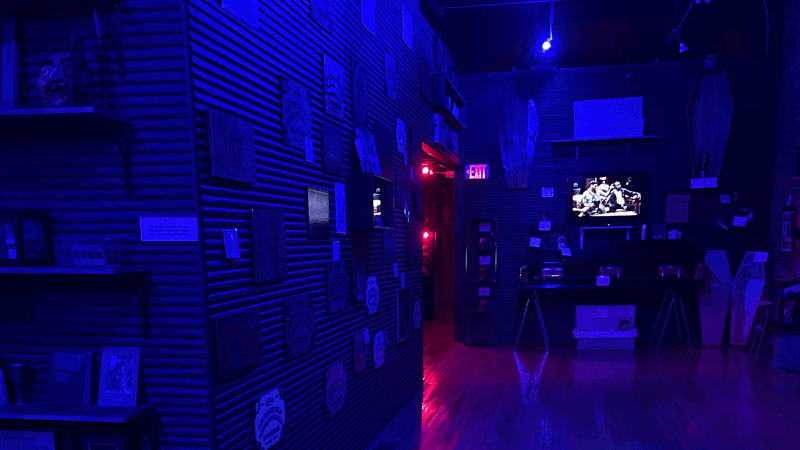
Not every old or creepy-looking object earns a place in the Museum of Shadows. The collection process is genuinely rigorous, and that is part of what gives the museum its credibility among paranormal researchers and curious visitors alike.
Every item goes through a strict quarantine period before it ever goes on display.
The process involves research into the object’s history, including reviewing crime records when an artifact is connected to a violent event. Paranormal equipment is used to detect electromagnetic disruptions around the item.
If the readings support the claim of paranormal activity, the object moves forward in the intake process.
Nate Raterman’s background as a professional paranormal investigator and demonologist shapes how the museum handles every acquisition. This is not a collection built on ghost stories passed around at campfires.
The approach is methodical and documentation-focused, which is something that sets this museum apart from novelty haunted attractions. Kaleigh’s abilities as a psychic medium also play a role in evaluating new items.
The combination of technical investigation and intuitive assessment creates a layered verification system that most visitors find genuinely compelling once they learn about it.
Ouija Boards and Dark Relics: A Collection That Commands Respect
Ouija boards have a complicated reputation in popular culture, often dismissed as novelty items but taken seriously by people who study the paranormal. The Museum of Shadows houses several of them, and these are not the kind you find in a toy store.
Each board in the collection comes with its own documented history of unusual activity.
The broader collection also includes medical equipment with unsettling backgrounds. Think about the kinds of tools used in early surgical procedures, some of which were experimental and brutal by modern standards.
Objects like these carry emotional and historical weight that researchers believe can contribute to paranormal energy.
The museum treats these items with a clear sense of seriousness. Nothing is displayed casually or purely for shock value.
Each object is presented with context, which helps visitors understand why it was included and what kind of activity has been reported around it. Spending time near the Ouija board display tends to make even skeptical visitors feel a little uneasy.
There is something about the combination of history, intent, and atmosphere in that room that shifts the air in a noticeable way. It is one of those experiences that is difficult to explain afterward.
Ghost Hunts and Sit Challenges: For the Bravest Visitors
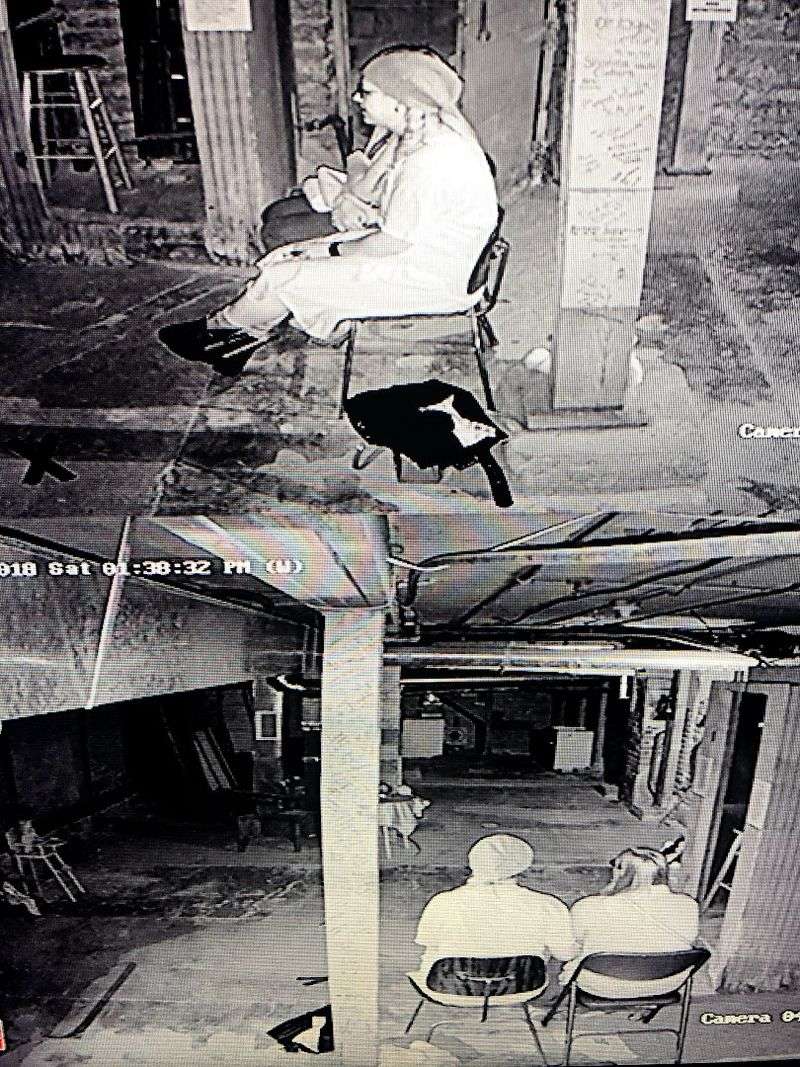
For visitors who want more than a standard walkthrough, the Museum of Shadows offers experiences that push the boundary between tourism and genuine paranormal investigation. The Ghost Hunts allow participants to explore the museum after hours with equipment in hand, looking for activity among the thousands of artifacts on display.
The Sit Challenges are something else entirely. Participants are placed in complete darkness in areas of the museum that house the most intensely charged relics.
No light, no distractions, just you and whatever might be sharing the space with you. It sounds simple, but people who have done it describe it as one of the most unsettling experiences of their lives.
These offerings make the museum stand out from other paranormal attractions that keep visitors at a comfortable distance from the collection. Here, you can get close.
You can sit with it. The museum trusts that its artifacts speak for themselves, and based on the reports from participants, they frequently do.
Visitors have described being physically touched, hearing voices with no clear source, and seeing shapes move in the dark. Whether those accounts resonate with you or not, the experiences clearly leave an impression on the people who have them.
Visitor Experiences: What People Actually Report Inside
One of the most compelling things about the Museum of Shadows is the consistency of what visitors report experiencing. Across different visits, different times of year, and among people with very different levels of belief in the paranormal, the accounts share common threads.
Being touched by something unseen is one of the most frequently mentioned experiences.
Disembodied voices are another recurring report. People describe hearing words or sounds that seem to come from directly beside them, even when no one else is standing nearby.
Apparitions have also been reported, though these tend to be peripheral, quick flickers at the edge of vision rather than full-figure encounters.
What is interesting is that these reports come from skeptics as well as believers. Someone who walks in fully expecting nothing unusual to happen still walks out with a story more often than not.
The museum does not manufacture atmosphere through cheap tricks or theatrical lighting alone. The collection itself seems to generate something that people respond to on a physical and emotional level.
That consistency across such a wide range of visitors is probably the most convincing argument for taking the museum seriously, regardless of where you personally stand on the question of haunted objects.
Planning Your Visit to the Museum of Shadows in Omaha
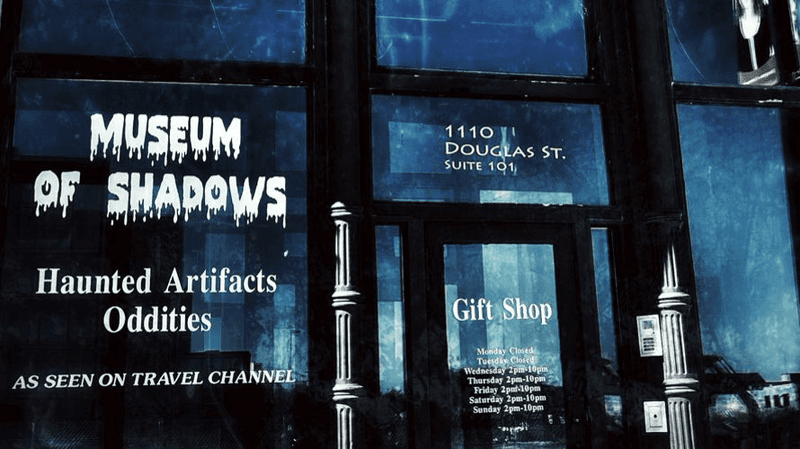
Getting to the Museum of Shadows is straightforward since it sits at 1110 Douglas St in Omaha, Nebraska, right in a part of the city that is easy to navigate. The location is accessible and central, which makes it simple to combine with other stops in Omaha if you are spending more than one day in the area.
It is worth checking the museum’s schedule before you go, especially if you are interested in the Ghost Hunts or Sit Challenges, as those typically require advance booking. Standard visits during regular hours give you access to the main collection, but the after-hours experiences are where most people say the energy feels most active.
Go in with an open mind. That is the advice most people give after their visit, whether they came in as believers or skeptics.
The museum is not trying to convince you of anything. It simply presents a collection of deeply unusual objects with documented histories and lets you draw your own conclusions.
The founders have built something genuinely unique here, and the care they put into the verification and curation process shows throughout every part of the experience.
Address: 1110 Douglas St, Omaha, Nebraska
