You hear so much about places becoming unaffordable. Cities where rent has doubled in five years.
Towns that got discovered and then priced out the people who made them special. This is not that story.
This Georgia town moves at its own pace. The main street looks much like it did twenty years ago. Same shops.
Same diner. Same families sitting on the same porches.
And rent? Still reasonable. People can actually afford to live here without working three jobs.
I walked around on a Saturday morning and felt something I had not felt in a long time. Calm.
No pressure. No rush.
Just a place that refused to sell out.
The Untouched Downtown Square
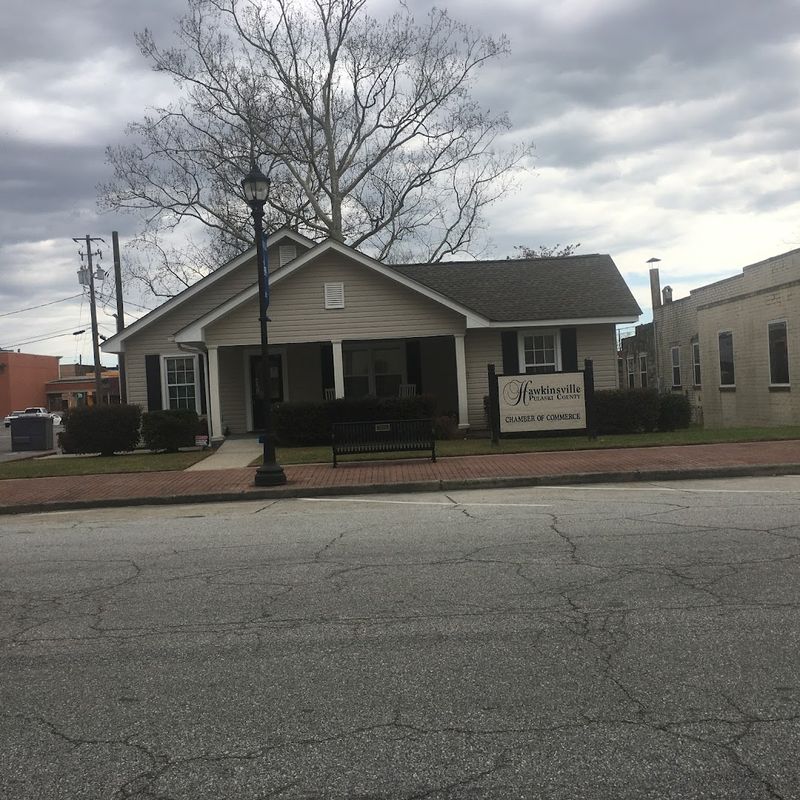
The heart of Hawkinsville centers around a downtown that looks almost exactly as it did seventy years ago. Original brick buildings line the streets, their cornerstones marked with dates from the early 1900s.
I spent an afternoon just wandering the blocks, noticing details like old-fashioned awnings and hand-painted signs that have weathered decades without being replaced by corporate branding.
What struck me most was how these buildings still function as actual businesses, not cute boutiques selling overpriced candles to tourists. You will find a hardware store, a pharmacy, and family-owned shops that serve locals first.
The architecture tells stories through its details: tall windows designed before air conditioning, wide sidewalks built for community gathering, and doorways worn smooth by generations of feet.
Nobody rushed to modernize or gut these spaces for luxury lofts. The preservation happened naturally because the economic pressure to redevelop never arrived.
Walking these streets feels less like visiting a historical site and more like experiencing a living timeline where past and present coexist without tension.
Housing That Makes Sense
Rent in Hawkinsville hovers around what people in cities would consider suspiciously low. I talked to residents who pay less than six hundred dollars monthly for decent two-bedroom apartments, and homeownership remains within reach for regular working folks.
The median home price sits comfortably in the range where a teacher or factory worker can actually afford to buy without needing three roommates or a trust fund.
This affordability did not happen by accident. Hawkinsville never became trendy enough to attract developers who flip neighborhoods and price out locals.
The town missed the wave of gentrification that swept through places like Athens or Savannah. Some might see this as economic stagnation, but residents seem to view it as a blessing in disguise.
Families can put down roots here without the constant anxiety of rising costs forcing them out. Young couples buy their first homes in their twenties instead of their forties.
The housing market reflects an older American promise that hard work should lead to stability, not just survival. That promise still holds true on these quiet streets.
The Harness Racing Legacy
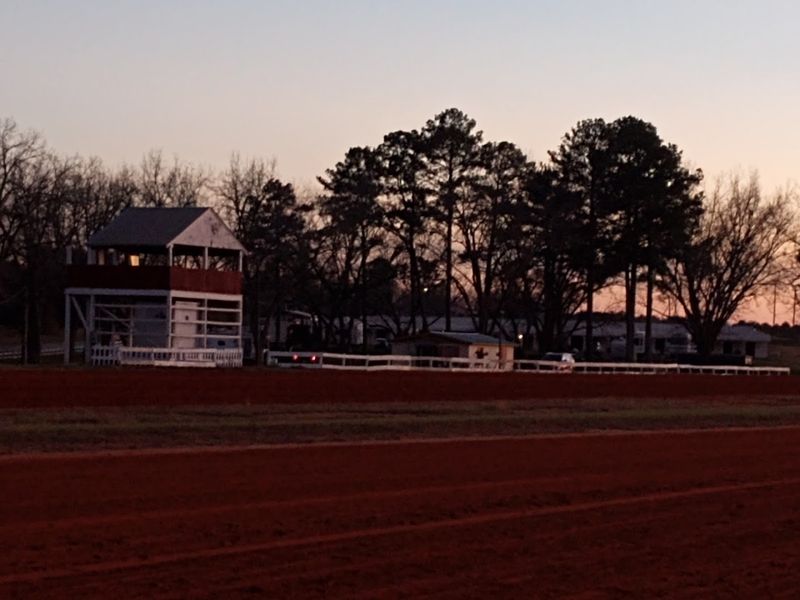
Hawkinsville earned its nickname as Georgia’s Harness Horse Capital, and this identity runs deeper than just a slogan. The town has hosted harness racing for generations, and the annual festival brings together trainers, breeders, and fans who keep this niche sport alive.
I visited during an off-season week and still found people eager to talk about their horses and share stories about legendary races.
The racing culture here feels grassroots and authentic, nothing like the glitzy thoroughbred tracks you might picture. Training facilities dot the countryside around town, modest operations where dedication matters more than deep pockets.
Local kids grow up around horses, learning responsibility and respect for animals in a way that connects them to an agricultural tradition most Americans have lost touch with.
This racing heritage gives Hawkinsville a distinctive identity without turning it into a theme park version of itself. The sport exists as a living tradition, not a historical reenactment.
People here participate in something larger than themselves, maintaining skills and knowledge passed down through families for decades.
A Different Clock
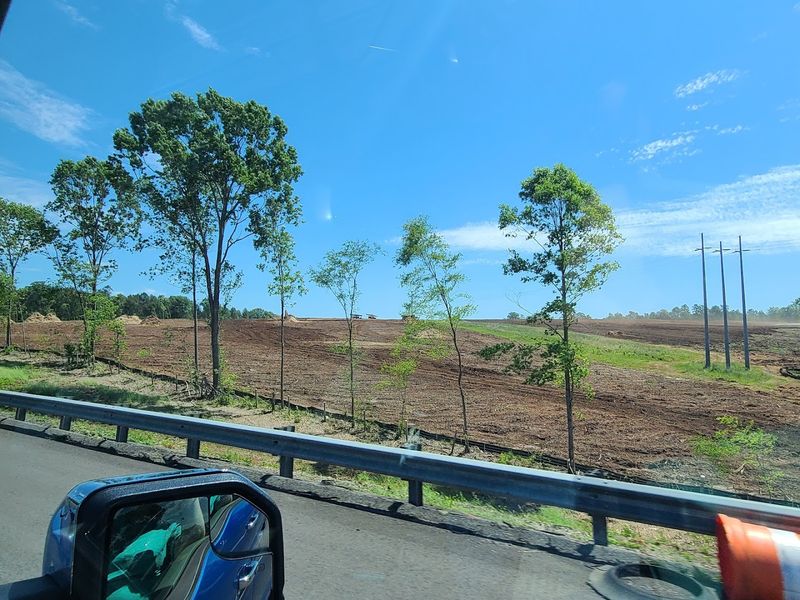
Time operates differently in Hawkinsville, and I noticed this within hours of arriving. Morning routines unfold without frantic rushing.
People linger over coffee instead of grabbing it through a drive-through window while checking phones. Conversations happen at a natural pace, without that underlying current of hurry that dominates city interactions.
The slower rhythm is not laziness or inefficiency. Work gets done, businesses operate, and life moves forward.
But there exists room for actual living between the obligations. I watched a postal worker pause to admire someone’s new puppy, a grocery clerk help an elderly customer carry bags to their car, and neighbors stop for genuine conversations instead of polite waves.
This pace allows for human connection that vanishes when everyone operates in perpetual rush mode. You can actually process your day instead of just surviving it.
The absence of constant stimulation might feel boring to some, but for others it provides space to think, to notice small pleasures, to exist without always performing productivity. That space has become a luxury in most places, but here it remains the default setting.
Locally Owned Everything
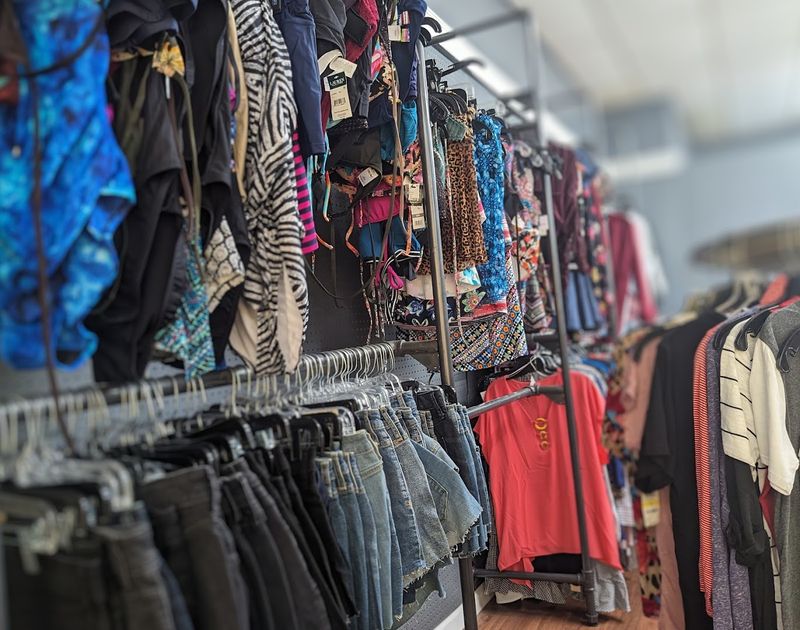
Chain stores barely exist in Hawkinsville, which means most money spent here stays within the community. The diner serves breakfast cooked by the owner’s mother using her recipes.
The mechanic who fixes your car went to high school with half the town. The hardware store clerk knows exactly where to find that weird bolt you need because he has worked there for thirty years.
This local ownership creates accountability and relationship that corporate franchises cannot replicate. When business owners live in the same community as their customers, they have real stakes in providing good service and fair treatment.
I noticed this in small interactions: the extra time someone took to answer questions, the willingness to special-order items, the flexibility around payment that helped folks going through hard times.
Supporting local businesses here is not a trendy choice or political statement. It simply reflects how the economy still operates.
Your money circulates through your community instead of disappearing into distant corporate accounts. This structure keeps wealth more evenly distributed and maintains the social fabric that holds small towns together when economic winds shift.
Nature Without the Hype
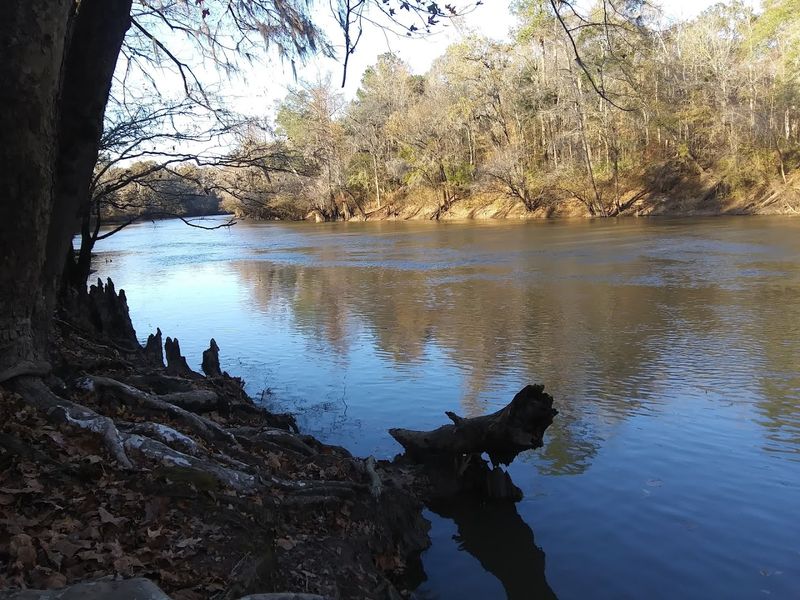
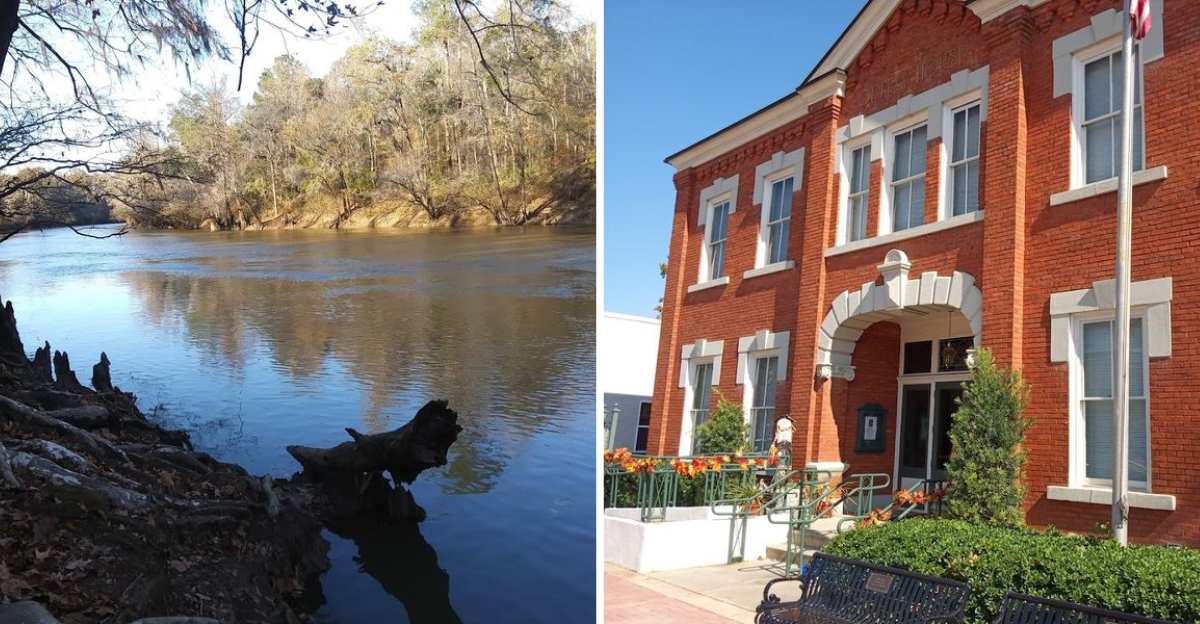
The Ocmulgee River runs near Hawkinsville, providing natural beauty without the crowds that pack state parks closer to Atlanta. I found access points where I could stand by the water for an hour without seeing another person.
The landscape here showcases classic middle Georgia terrain: pine forests, slow-moving water, wildlife that has not learned to fear humans because they encounter so few of us.
These outdoor spaces exist for use rather than Instagram. No groomed trails with interpretive signs, no visitor centers selling branded merchandise.
Just land and water that people fish, explore, and enjoy without needing it packaged into an experience. The lack of infrastructure might frustrate tourists accustomed to amenities, but it also means the places remain genuine and uncrowded.
Access to nature here costs nothing but time and willingness. Kids can fish or swim without entrance fees or reservations.
Families picnic along the riverbank without competing for spots. The natural world remains woven into daily life instead of existing as a special destination requiring planning and expense.
Community That Shows Up
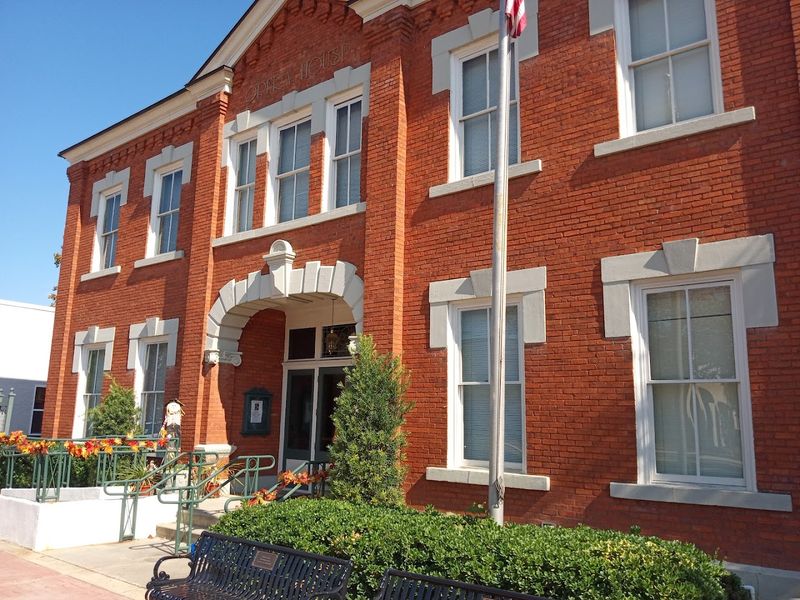
Hawkinsville maintains the kind of community engagement that most places talk about but rarely achieve. When someone needs help, neighbors actually show up.
I heard multiple stories during my visit: folks organizing meal trains for families facing illness, volunteer crews helping elderly residents with home repairs, community fundraisers that quickly met their goals through small donations from dozens of people.
This mutual support system exists because people plan to stay, so investing in neighbors makes practical sense beyond just being nice. When everyone shares the same long-term stake in the community’s wellbeing, cooperative behavior becomes rational self-interest as much as altruism.
The social capital built through these connections provides a safety net that government programs and insurance policies cannot fully replace.
The flip side is that small-town life requires participation. You cannot hide in anonymity or opt out of community obligations without consequences.
Privacy exists, but isolation does not. For people exhausted by urban loneliness, this interconnection offers genuine belonging.
For those who value independence above all else, it might feel suffocating. Either way, the bonds here run deep and real.
