Property taxes in Indiana have been climbing fast, and for many families, the numbers are becoming impossible to ignore.
Towns across the state have seen assessed home values jump dramatically since 2021, and those increases are showing up in tax bills that leave households scrambling.
Some families are making the painful decision to pack up and leave communities they have called home for decades. From small rural towns to growing suburban areas, the pressure is real, the stories are similar, and the impact on Indiana neighborhoods is something every homeowner should understand.
1. Carmel
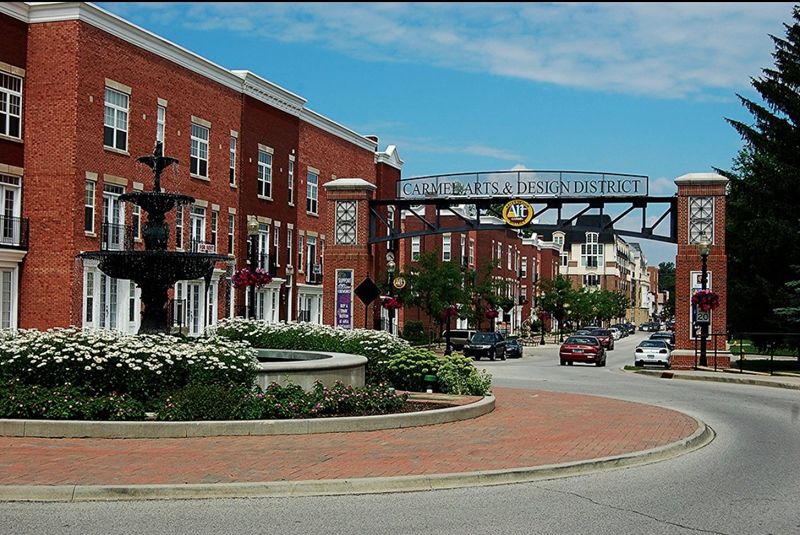
Carmel has long been one of Indiana’s most desirable addresses, but that reputation comes with a price tag that is growing harder to stomach. Hamilton County, where Carmel sits, collects the highest median property tax in the entire state, averaging around $3,892 to $4,309 per year.
For families right here in Carmel, local assessments are even higher, pushing the specific citywide median tax bill to $4,861 annually, with high-end neighborhoods climbing well past that figure.
The city’s rapid development and rising home valuations have pushed many middle-income families to the edge of affordability.
A home that was assessed at $350,000 just a few years ago may now carry an assessment well above $420,000, causing tax bills to aggressively catch up to Indiana’s 1% constitutional homestead cap.
Younger families who stretched their budgets to buy in Carmel are finding these locked-in ongoing costs unsustainable.
Nearby Coxhall Gardens at 11677 Towne Rd offers a beautiful escape for residents still holding on, and the Monon Community Center at 1235 Central Park Dr w remains a beloved local anchor. But even beloved amenities cannot offset the financial strain many households feel each spring when tax bills arrive.
Some families are relocating to neighboring Westfield or Noblesville, where assessments are slightly lower, just to regain some breathing room in their monthly budgets.
2. Fishers
Fishers earned its reputation as a fast-growing, family-friendly city, but that growth has come with consequences that are now pushing some of those same families out.
Hamilton County’s overall tax environment means Fishers residents face some of the steepest property tax bills in Indiana, where the countywide median annual real estate tax sits at $4,309.
Assessed values have surged alongside the housing market, and because Indiana caps residential taxes at 1% of a home’s gross assessed value, fast-climbing home prices mean families hit that absolute ceiling quickly, leaving no room for local deductions to offer them relief.
The city added thousands of new residents over the past decade, driving up demand and home prices simultaneously.
A house purchased for $280,000 in 2019 might now be assessed close to $380,000, and hitting that maximum allowable tax rate can add hundreds of dollars to an annual bill. For families already stretched by inflation and higher grocery costs, that extra burden tips the scale toward relocation.
Fishers has genuinely appealing spots like Ritchey Woods Nature Preserve at 10488 Eller Rd and the vibrant Nickel Plate District downtown. Those qualities make leaving even more emotionally difficult for families who built community roots here.
But affordability wins out for many households, especially younger ones where both parents work and every dollar matters.
Several families have quietly moved east toward Pendleton or south toward Greenfield, where property taxes offer at least a modest financial reprieve from the Hamilton County pressure.
3. Fort Wayne
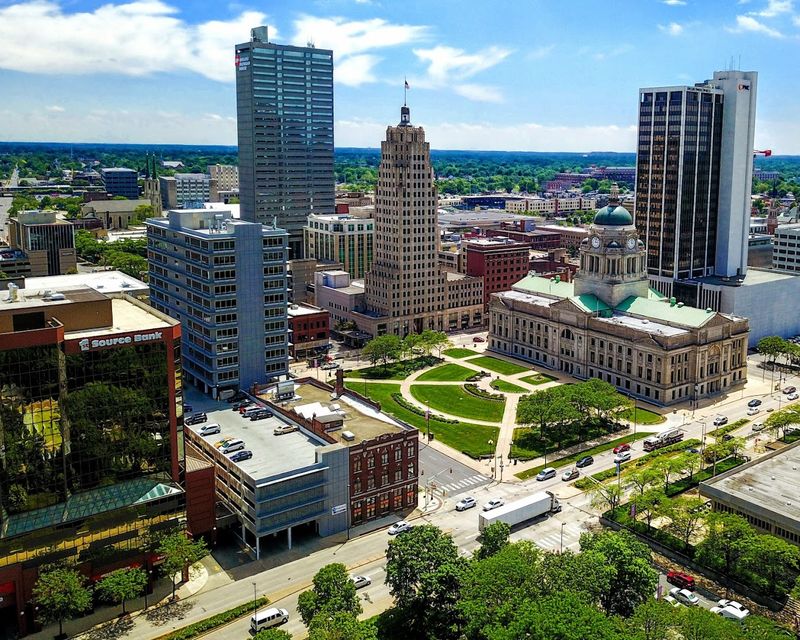
Fort Wayne might surprise some people on this list, but Allen County’s property tax situation has grown more complicated in recent years.
The county saw overall net assessed values increase by 10% in 2024, and Fort Wayne’s own levy jumped by 4.2% that same year, largely driven by an 11.7% ($6.2 million) surge in the Fire Fund.
For homeowners already managing tight budgets, those numbers add up fast, pulling the local median real estate tax up to $1,980 per year. What makes Fort Wayne’s situation especially tricky is that many residents bought homes specifically because the city felt affordable compared to Indianapolis or Chicago.
That affordability advantage is narrowing, and families who moved here for cost reasons are now reconsidering. Neighborhoods that were once considered budget-friendly are seeing assessment notices that catch longtime residents completely off guard.
The city still offers genuine value in places like Promenade Park at 202 W Superior St along the riverfront and Parkview Field at 1301 Ewing St, home of the TinCaps baseball team. Community pride here runs deep, and many residents are fighting to stay.
But when a household’s property tax bill increases by several hundred dollars in a single year without a corresponding rise in income, the math gets uncomfortable quickly. Some Fort Wayne families are looking at smaller communities in Allen County or neighboring Whitley County for relief.
4. Merrillville
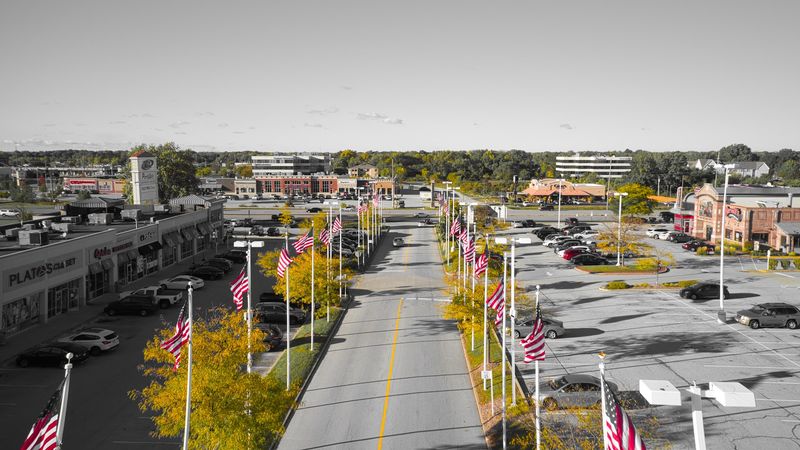
Lake County consistently ranks among Indiana’s counties with the highest effective property tax rates, and Merrillville sits squarely within that burden.
Families in this northwest Indiana community have watched their tax bills climb even as wages in the region have stayed relatively flat, balancing against a staggering townwide median tax bill of $4,307.
The combination creates a slow financial squeeze that eventually forces a decision many households were not prepared to make. Merrillville’s location near the Illinois border actually works against some homeowners.
The area attracts buyers fleeing even higher taxes in the Chicago suburbs, which drives up local home values and, in turn, assessments. Long-term residents who bought modest homes years ago are now being taxed on values that reflect a heated regional market rather than their own financial situation.
The community does have real appeal, including the Southlake Mall area along US-30 and easy access to the Indiana Dunes National Park about 20 miles north. Local dining options along Broadway keep the community lively.
Still, a growing number of Merrillville families are relocating south to Lowell or Hebron, where Lake County’s tax reach is slightly less intense.
The exodus is quiet but steady, and local school enrollment figures are beginning to reflect the demographic shift as younger families choose affordability over convenience.
5. Zionsville
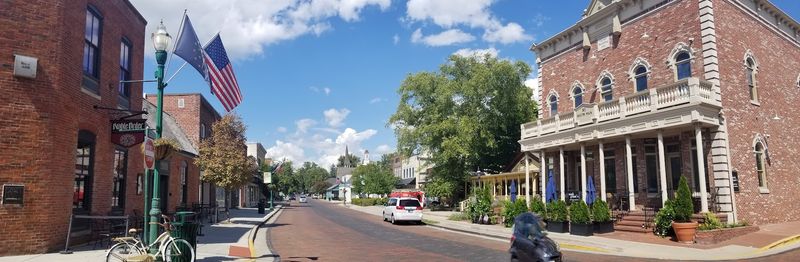
Boone County is one of Indiana’s wealthiest counties, and Zionsville is its crown jewel. But that prestige comes with a property tax environment that is becoming genuinely painful for families who are not in the top income bracket, especially as the county’s median home value sits around $402,900.
Boone County is specifically identified in legislative analyses as one of the counties projected to take a harder hit from recent state tax law changes.
Families who moved to Zionsville for its top-rated schools and charming brick-paved Main Street are now doing difficult math.
The picturesque downtown along Main Street offers boutique shopping and local restaurants, but a beautiful community does not reduce what is owed to the county each spring. Some families report that their property tax bills have increased by 15% or more over just a two-year window.
The Village of Zionsville Park at 1200 Mulberry St and Lincoln Park offer green space that residents treasure. The school system remains one of the best in the state.
But when the cost of staying in Zionsville outpaces a family’s financial growth, even the best school district cannot keep them from looking at more affordable zip codes in Hendricks or Morgan counties. Several families have made exactly that move in recent years.
6. Noblesville
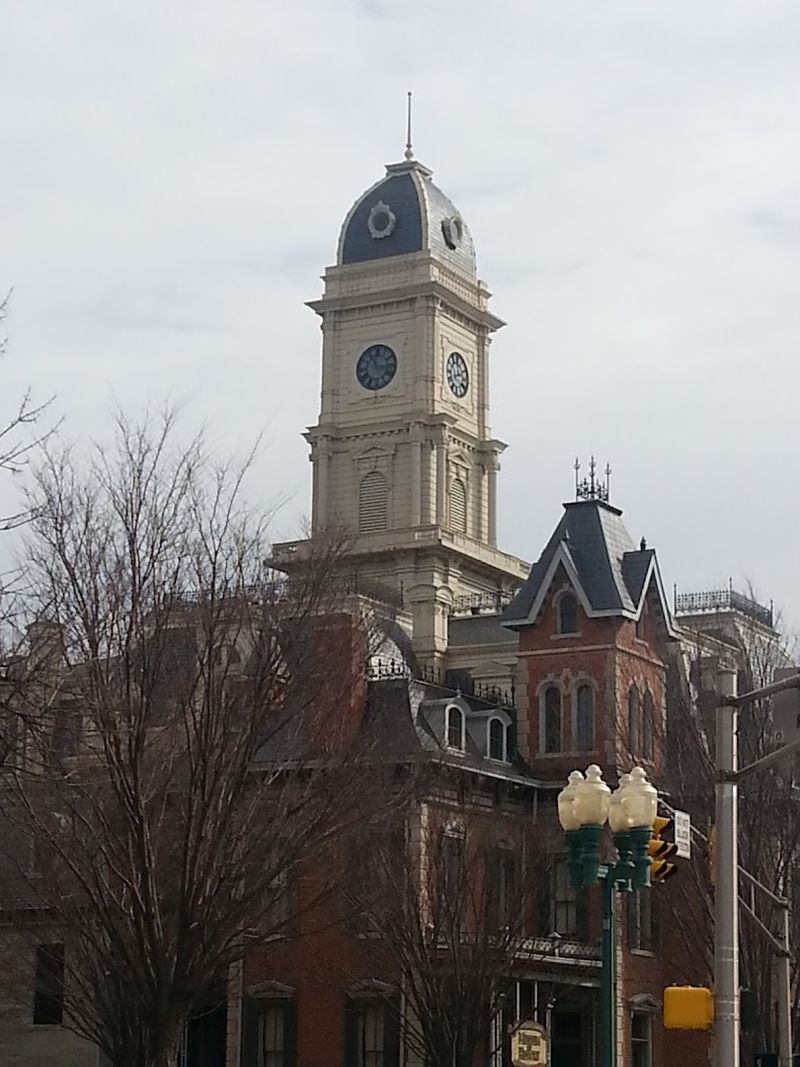
Noblesville sits in Hamilton County, which means it shares the same high-assessment environment that affects Carmel and Fishers.
What once made Noblesville attractive was its slightly lower price point compared to its Hamilton County neighbors, but that gap has narrowed considerably as the city has grown.
Home values have surged, assessments have followed, and property tax bills have climbed in ways that are straining household budgets across multiple income levels.
The city’s population growth has been remarkable, but growth does not automatically translate into affordability. More residents means more demand for services, which can push levies higher.
Families who moved to Noblesville specifically to avoid Carmel’s price tag are now facing tax bills that feel uncomfortably similar to what they were trying to escape.
Noblesville genuinely has a lot to offer, including the historic downtown square, Federal Hill Commons at 175 Logan St, and Potter’s Bridge Park at 11355 Hazel Dell Rd.
The community spirit is strong and the schools are well-regarded. But financial pressure does not care about community spirit, and a growing number of households are crossing county lines into Madison or Tipton counties to find lower assessments.
The pattern mirrors what is happening throughout Hamilton County, where the cost of living has quietly outpaced many families’ financial capacity.
7. Muncie
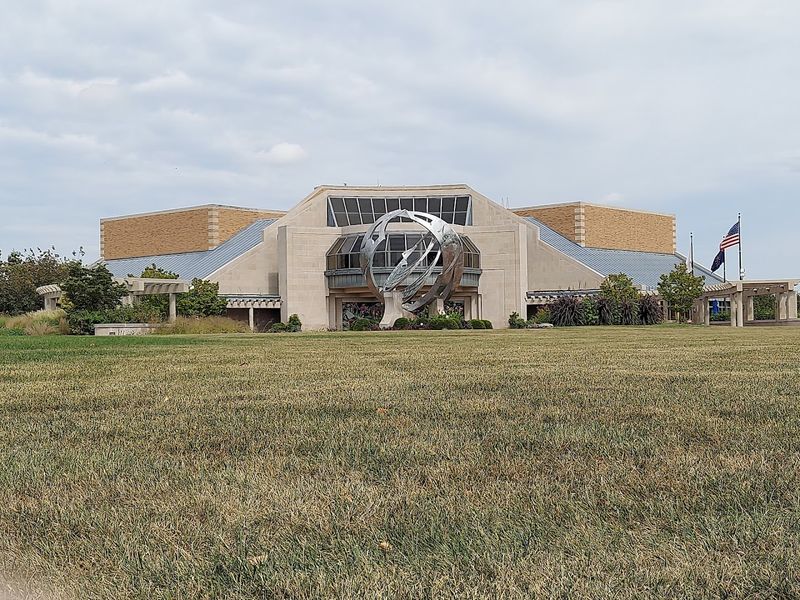
Muncie might seem like an unlikely entry on a list about surging property taxes, given its reputation as an affordable Midwestern city.
But Delaware County has seen assessed values climb alongside statewide trends, and for families living on fixed or modest incomes, even a moderate percentage increase in property taxes can be genuinely destabilizing.
The city already faces economic headwinds, and rising tax bills add another layer of pressure onto households that have little margin to absorb them.
Ball State University gives Muncie an energetic, youthful character, but many of the families most affected by tax increases are longtime residents who have nothing to do with university life.
They are working-class homeowners who bought modest properties and now find the carrying costs creeping upward year after year.
When a household’s property tax bill rises by even $400 annually, that can mean skipping a car repair or cutting back on groceries.
The community has genuine assets, including Minnetrista at 1200 N Minnetrista Pkwy, a cultural center with beautiful grounds, and the Cardinal Greenway trail system for outdoor recreation. Those amenities matter to residents.
But affordability concerns are real, and some Muncie families are relocating to smaller Delaware County communities or neighboring Henry County, where assessed values and corresponding tax obligations remain somewhat lower than in the city proper.
8. Evansville
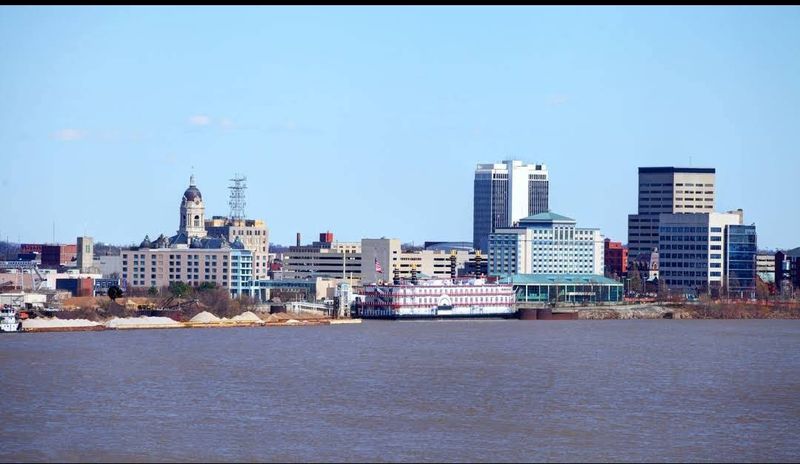
Evansville is southwestern Indiana’s largest city, and Vanderburgh County has not been immune to the statewide wave of rising assessments and climbing property tax bills.
While Evansville’s tax rates are not the highest in Indiana, the combination of rising home values and stagnant wage growth in parts of the region creates a real affordability challenge for many families.
The city has a proud working-class identity, and that population tends to feel tax increases most acutely.
Families in older neighborhoods on the city’s east and west sides are especially vulnerable. Many of these homes were purchased for modest prices years ago, and their owners never anticipated carrying costs that would grow this quickly.
An increase of 8% to 12% on a property tax bill may sound small in percentage terms, but the dollar impact on a tight household budget is significant and immediate.
Evansville has real community anchors worth celebrating, including Mesker Park Zoo and Botanic Garden at 2421 Bement Ave and Garvin Park at 1600 Weinbach Ave for outdoor family time. The Ohio River waterfront adds character to the city’s identity.
Despite those strengths, some Evansville families are moving to Gibson County or Warrick County, where lower assessed values offer modest but meaningful property tax relief. The trend is gradual, but local real estate agents are beginning to notice the pattern in buyer conversations.
9. South Bend
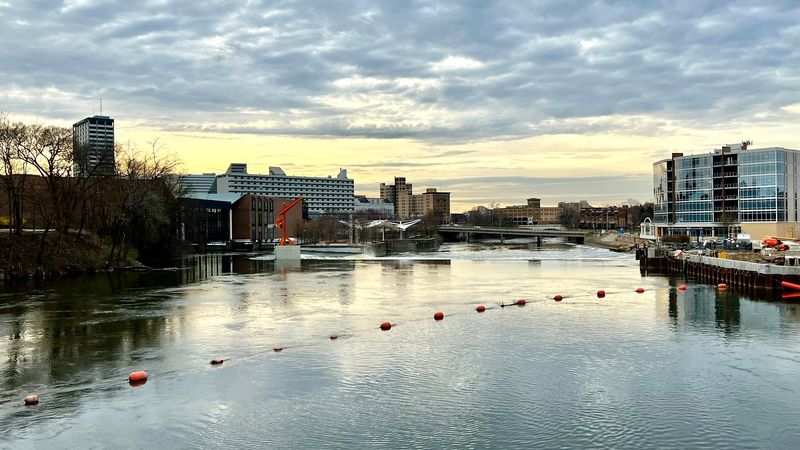
St. Joseph County is listed among Indiana’s counties with the highest effective property tax rates, and South Bend sits at its center. The city has been undergoing a revitalization push in recent years, which has brought rising property values alongside it.
That is great news for developers and investors, but for longtime homeowners on fixed or modest incomes, rising assessments translate directly into higher tax bills they may not be able to afford.
South Bend’s housing stock includes many older homes that were affordable precisely because the market had been soft for years. As the city attracts more investment and attention, those same homes are being reassessed at higher values.
Families who bought during the quiet years are now being taxed as if they live in a booming market, even if their personal financial situation has not changed at all.
The city has genuine draws including Potawatomi Zoo at 500 S Greenlawn Ave and the East Race Waterway at 111 W Colfax Ave, which brings outdoor energy to the urban core. Nearby Notre Dame adds cultural vitality to the region.
But rising tax burdens are pushing some South Bend families toward smaller St. Joseph County communities like Mishawaka or further out into Elkhart County, where the property tax environment offers slightly more breathing room for budget-conscious households.
10. Westfield
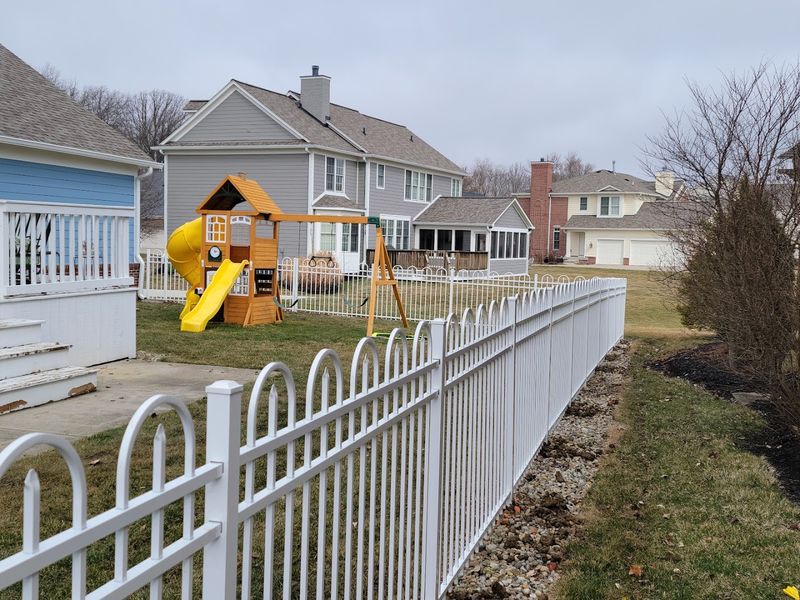
Westfield is one of Indiana’s fastest-growing cities, and that growth has turbocharged property values in ways that are now circling back to hurt the families who moved here looking for a quieter, more affordable alternative to Carmel or Fishers.
Hamilton County’s tax environment applies here just as forcefully, and Westfield’s rapid residential development has pushed assessments sharply upward over a very short period of time.
Families who bought new construction homes in Westfield between 2018 and 2021 are now receiving reassessment notices that reflect a dramatically different market.
A home that was assessed at $310,000 at purchase might now carry an assessed value closer to $420,000, and the property tax bill climbs accordingly.
For households that budgeted carefully based on the original purchase price, this kind of jump is genuinely alarming.
Westfield does have beautiful community spaces, including Grand Park Sports Campus at 19000 Grand Park Blvd, one of the largest youth sports facilities in the country, and the developing downtown core along Park Street. The community is young, active, and full of families who genuinely love living there.
But love for a community does not pay a tax bill, and a quiet but real exodus of price-sensitive families toward Sheridan, Cicero, or even rural Hamilton County is underway as households search for ground that feels financially stable again.
