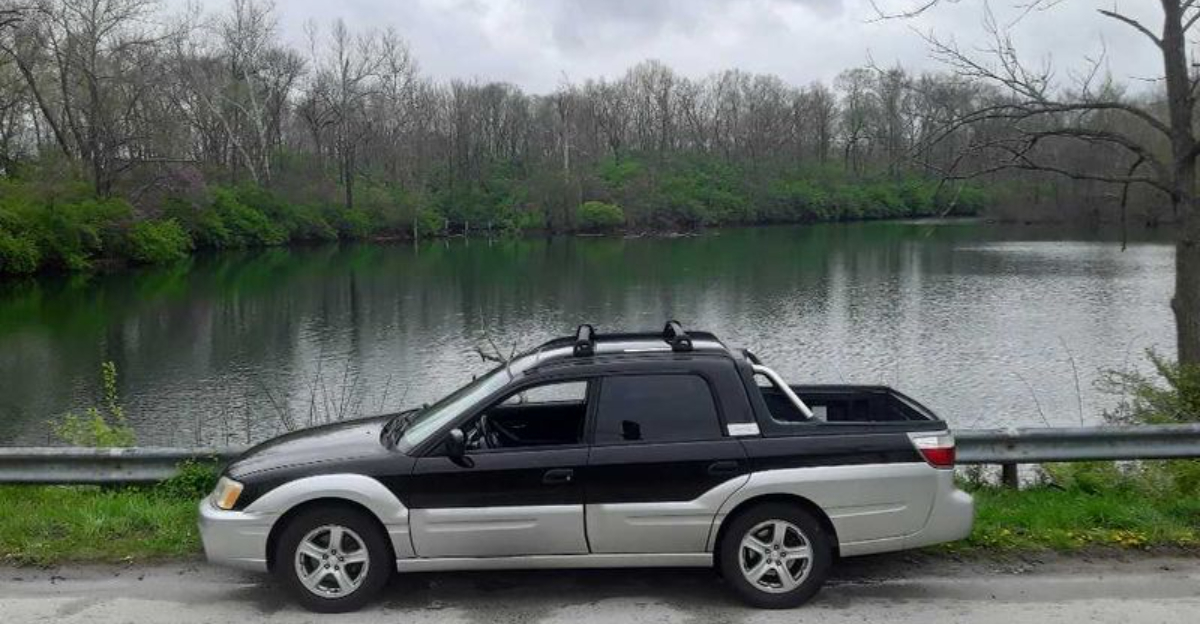
There is something about the Blue Hole in Prairieton, Indiana, that pulls people in even before they fully understand what they are looking at. The water sits unnaturally still, glowing a deep, vivid blue that looks almost too beautiful to be real.
Local stories have circled this three-acre lake for generations, ranging from tales of buried pirate treasure to whispers of a monster catfish lurking far below the surface.
Whether you come for the folklore, the literary connection, or simply the strange visual spectacle of a lake that seems to have no bottom, this quiet corner of Indiana has a way of staying with you long after you leave.
The Legend of the Bottomless Depths

Few things spark the imagination quite like a body of water rumored to have no bottom. The Blue Hole in Prairieton Township has carried that reputation for well over a century, and locals still debate whether anyone has ever truly measured its full depth.
Some accounts from the early 1980s mention a service station owner who recalled people lowering chains into the water trying to find where it ended. One older story, likely passed down through folklore, credits a railroad engineer with recording a depth of 437 feet during a sounding attempt.
More recent accounts from around 2010 suggest the lake is not actually bottomless, but those practical explanations have done little to quiet the stories. The truth is that the Blue Hole formed after a levee break, and its depth is genuinely unusual for the region.
That alone gives the legend enough breathing room to survive.
Standing near the water and looking down into that vivid blue, it is easy to understand why people keep telling these stories. The color alone suggests something deeper and stranger than an ordinary Indiana farm pond.
When a place looks that unusual, the human mind naturally reaches for an explanation that matches the drama of what the eyes are seeing.
Wabash River Pirates and Buried Treasure
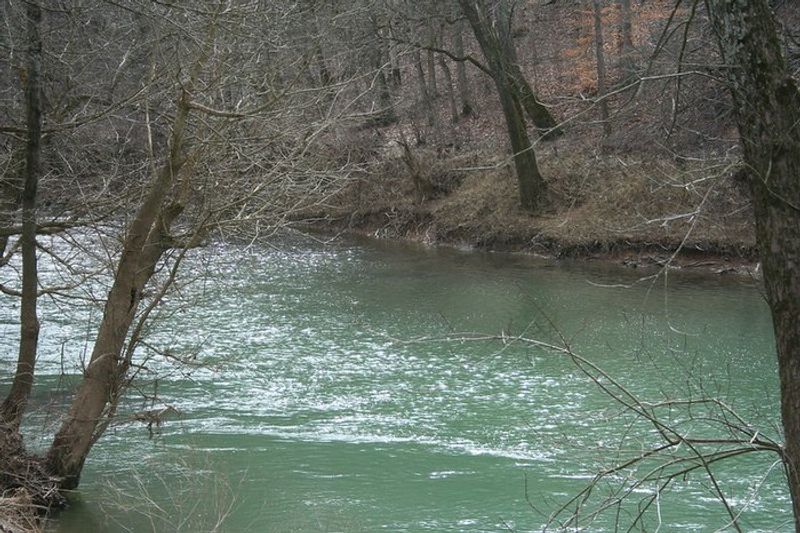
One of the oldest and most colorful stories attached to the Blue Hole involves river pirates who once worked the Wabash River. According to local legend, these outlaws used the Blue Hole as a hiding spot for stolen goods and buried treasure at the bottom of the lake.
The story does not stop there. Supposedly, the pirates set up traps around the treasure to keep anyone from retrieving it.
Several people who went looking for the loot are said to have never returned, adding a body count to the legend that has only grown over the years.
Historians have not confirmed any specific pirate activity tied directly to this location, but the Wabash River did see plenty of rough characters during the 1800s. The river was a major trade route, and not everyone moving goods along it was doing so legally.
That historical backdrop gives the pirate legend just enough plausibility to keep it alive in local conversation.
For anyone interested in regional history and folklore, this story connects the Blue Hole to a broader tradition of river culture in the Midwest.
Places like the Wabash Valley Heritage Corridor, which runs through Terre Haute near US 40, offer context for understanding why legends like this one took root and stayed.
The All the Bright Places Literary Connection
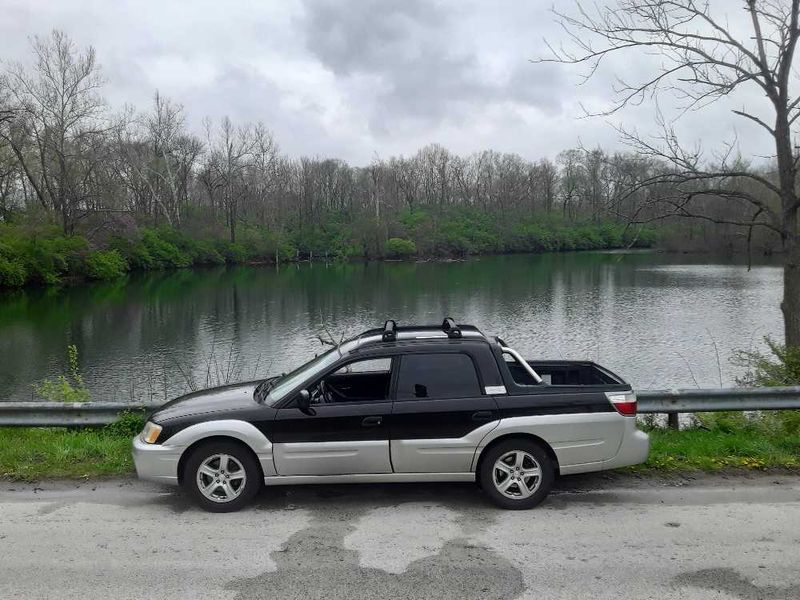
Readers of Jennifer Niven’s novel All the Bright Places will recognize the Blue Hole immediately. The book, which was later adapted into a Netflix film, features this specific Indiana lake as the location where a central character’s body is discovered.
That detail was not invented for dramatic effect but drawn from the real geography of Prairieton Township.
The novel brought a wave of literary tourists to the area, many of whom left heartfelt messages on the lake’s Google Maps listing. Quotes from the book appear in those reviews alongside genuine expressions of grief for a fictional character who felt very real to readers around the world.
For fans of the story, visiting the Blue Hole carries a kind of quiet pilgrimage quality. The water looks exactly as described in the book, vivid and still and somehow separate from the ordinary world around it.
That visual accuracy made the setting feel authentic to readers who had only imagined it before.
If you are planning a trip connected to the novel, the Vigo County Public Library at 1 Library Square in Terre Haute, Indiana, is a great resource for local literary history and regional context.
The library holds materials that connect Terre Haute and the surrounding area to its broader cultural identity, which includes this unusual landmark.
The Monster Catfish That Lives Below
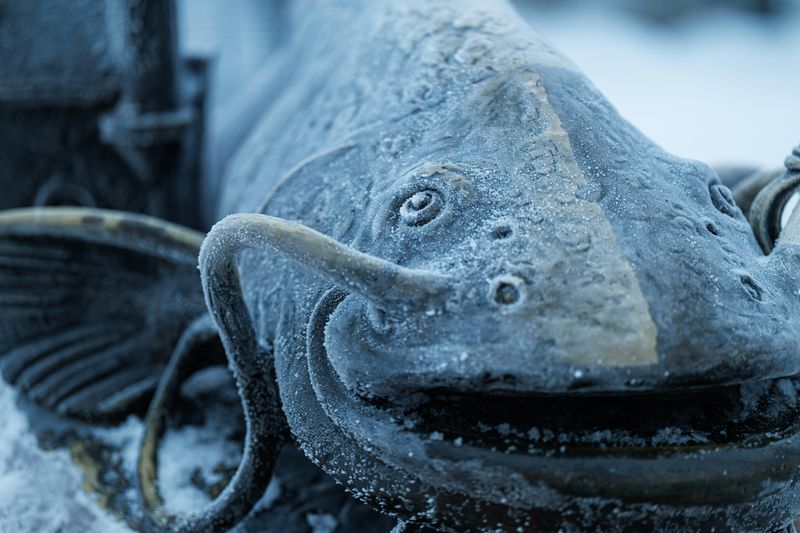
Every great mysterious body of water eventually gets a monster, and the Blue Hole is no exception. Local folklore has long included stories of a giant catfish living somewhere in the lake’s deepest reaches.
The fish in these stories is described as enormous, large enough to pull a person underwater without much effort.
Catfish do grow to impressive sizes in Indiana waterways, so the seed of this legend is not entirely without biological grounding. Channel catfish and flathead catfish are common throughout the Wabash River basin, and older fish in undisturbed deep water can reach significant lengths and weight.
The Blue Hole’s unusual depth would theoretically provide the kind of cold, dark habitat where a large catfish could thrive undisturbed for years.
Whether the monster version of this story is true is another matter entirely. But the legend has a certain charm that connects it to a long tradition of freshwater monster folklore across the American Midwest.
Every river town seems to have its own version of the deep-water creature story, and Prairieton’s contribution is one of the more vivid ones.
Anglers and outdoor enthusiasts visiting the area might also enjoy Dobbs Park at 4903 Maple Ave in Terre Haute, where the nature center and trails offer a grounded look at the real wildlife that shares this region with its more legendary counterparts.
Drowned Vehicles and Vanishing Swimmers
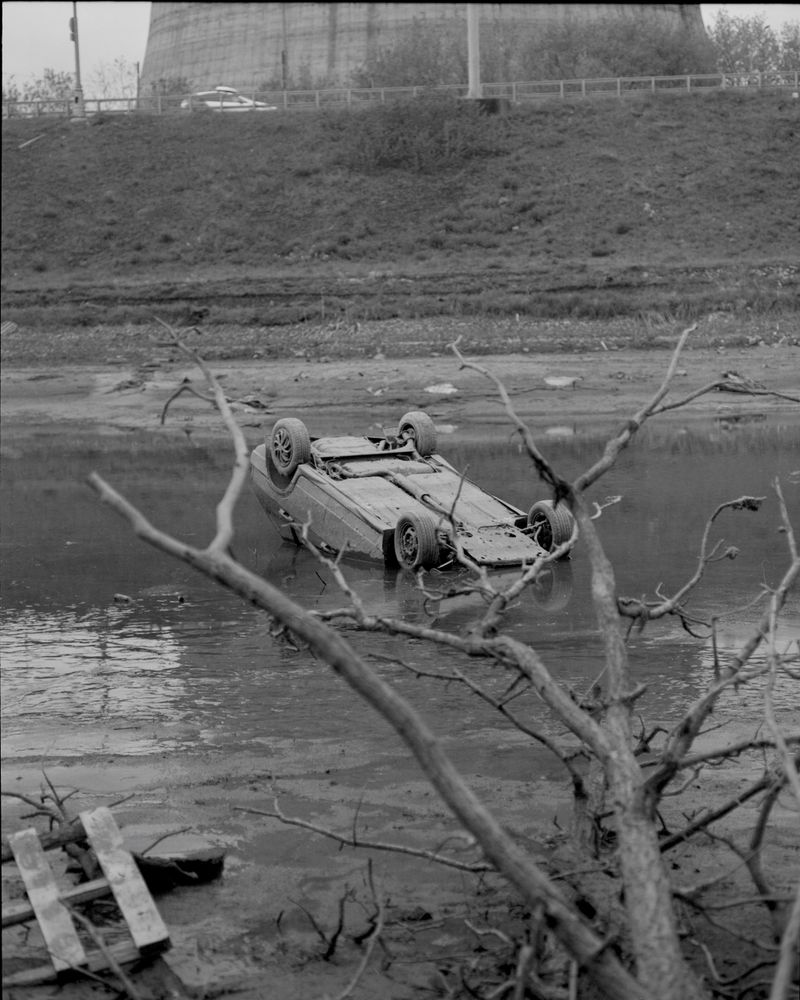
Among the most persistent rumors surrounding the Blue Hole is the claim that various vehicles have rolled or crashed into the water and were never recovered. A school bus is the most dramatic version of this story, though no verified historical record has confirmed it.
Still, the tale gets retold with remarkable consistency among people who grew up near Prairieton.
Alongside the vehicle stories are accounts of teenagers who went for a swim in the Blue Hole and never came back up. These stories feed into the broader legend of the lake as a place that takes things and does not return them.
The combination of rumored depth, unusual color, and isolated rural setting makes the disappearance narrative feel believable in a way that keeps it circulating.
Some of these stories may have roots in real drowning incidents, which are tragically common in unguarded rural swimming holes throughout Indiana.
The Blue Hole’s connection to an underground river system means that heavy rain can create dangerous underwater currents that are invisible from the surface.
That factual detail adds a layer of genuine caution beneath the folklore.
For anyone exploring the region, the Terre Haute Children’s Museum at 727 Wabash Ave in Terre Haute offers family-friendly programming that includes local history and science exhibits, providing a very different kind of deep exploration than the Blue Hole invites.
Mermaids, Sea Beasts, and the Underground River

Not all the legends attached to the Blue Hole revolve around danger in a simple sense. Some of the folklore takes a stranger turn, with stories of mermaids appearing near the water and mysterious creatures said to linger beneath the surface.
These tales belong to a tradition of folklore that blends fear, wonder, and the supernatural into something harder to define. The underground river connection gives these legends a structural backbone.
Some locals believe the Blue Hole links to an underground waterway that eventually feeds into the Great Lakes system. That idea of hidden passages beneath the surface makes the lake feel more like a portal than a simple pond, which is exactly the kind of detail that allows folklore to thrive.
Heavy rainfall reportedly creates unseen currents tied to this underground system. Those currents are invisible from above, leaving the water looking calm even when conditions below may be genuinely hazardous.
That contrast between a peaceful surface and concealed danger fits neatly with the mermaid legend, where something alluring masks a far more unsettling reality.
The Swope Art Museum at 25 S 7th St in Terre Haute features regional art and cultural history that reflect the imaginative spirit of central Indiana, offering a thoughtful complement to the mysterious stories that places like the Blue Hole continue to inspire.
The Lasting Call of the Cobalt Depths
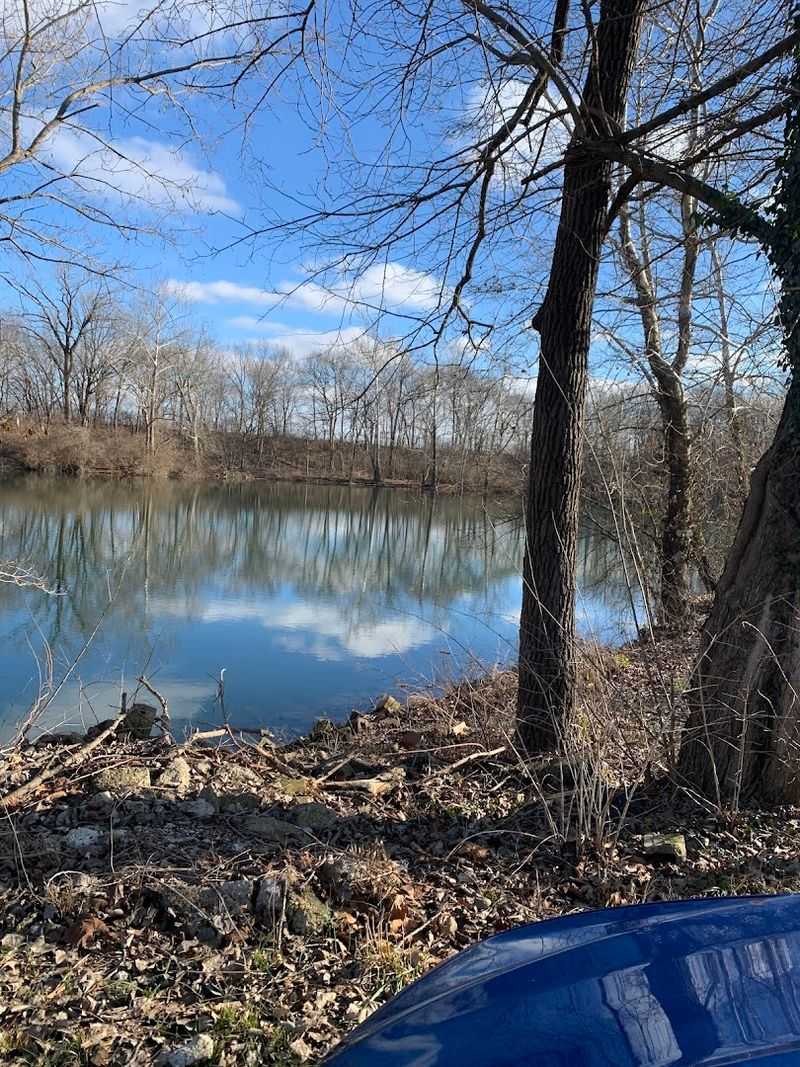
The enduring mystery of the Blue Hole lies in the delicate boundary between historic fact and local fiction. Geological archives from Indiana State University indicate the three-acre body of water was actually carved out by a dramatic levee break along the nearby Wabash River.
Despite scientific documentation proving it has a tangible, measurable bottom, the community’s imagination has spent generations filling its quiet depths with spectacular folklore.
Talk to any Vigo County local and you will quickly hear colorful accounts of Wabash River pirates masking their stolen gold beneath the cobalt surface, or warnings about an ancient, massive catfish rumored to snap fishing lines like thread.
It has even secured a permanent place in modern pop culture, serving as a pivotal, melancholic landmark featured prominently in Jennifer Niven’s bestselling young adult novel All the Bright Places.
Today, the site rests peacefully on private property just outside the small town of Prairieton, yet its striking visual presence remains highly visible to travelers passing by on the rural road.
It stands as a vivid reminder that the Midwest holds its own hidden pockets of magic. Ultimately, whether viewed as a simple geological byproduct or an enigmatic gateway to old Indiana legends, the Blue Hole continues to capture our collective curiosity, beckoning dreamers to look closely into the deep.
