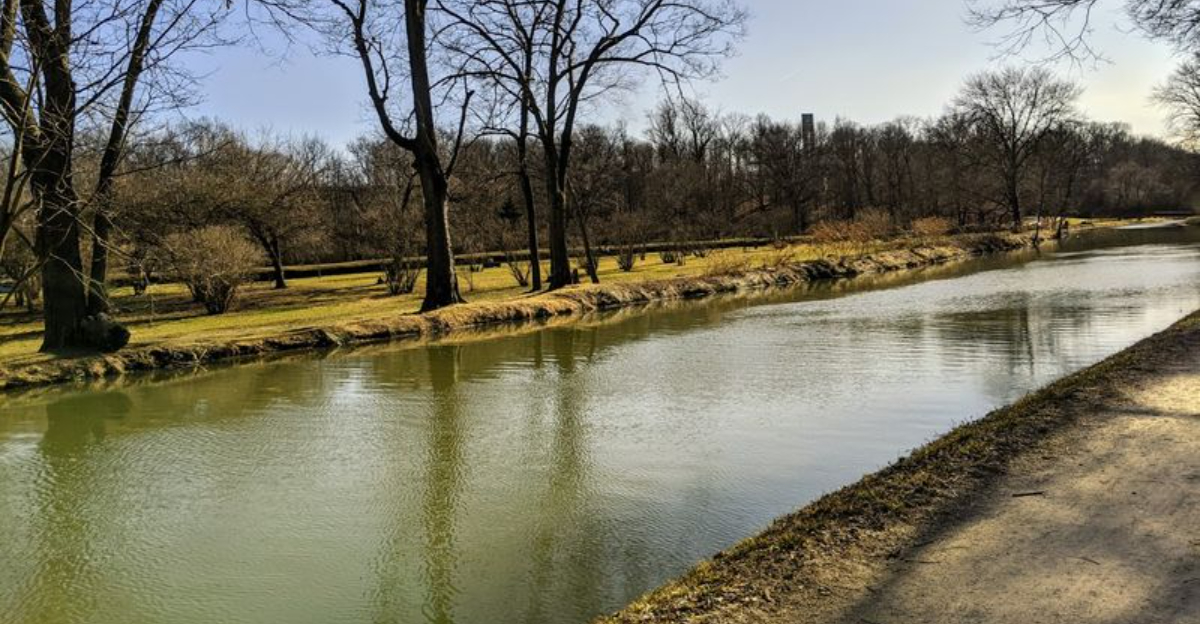
I never expected to find a place in Indianapolis where city noise fades into rustling leaves and the only traffic is ducks drifting along the water. This canal-side path winds for miles through the heart of the city, yet it feels like stepping into a quiet green corridor that somehow survived urban growth.
Following the historic waterway, the trail creates a peaceful stretch where joggers, cyclists, and walkers move alongside herons, turtles, and still reflections on the surface. It’s one of those rare routes where nature and city life sit side by side without competing.
What makes it stand out is the constant shift in atmosphere. One moment you’re near busy streets and tall buildings, and the next you’re under a canopy of trees with water flowing quietly beside you.
It links neighborhoods and cultural areas, but still feels like its own world, a place locals turn to when they want a break without actually leaving the city.
Urban Wilderness Right in the City
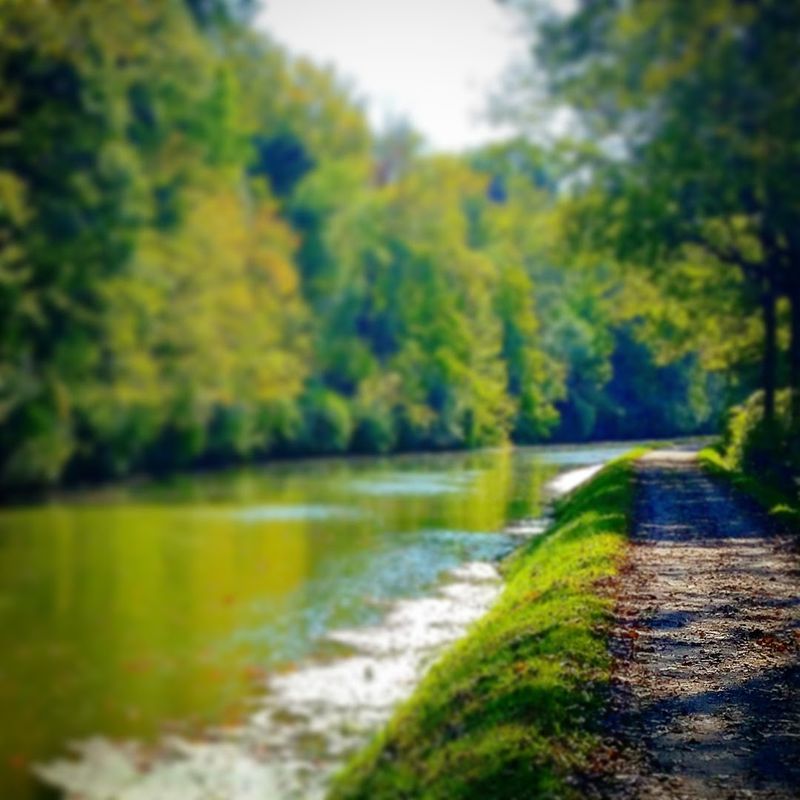
Walking along the Central Canal Towpath feels like discovering a nature preserve that was preserved along the Northside of Indianapolis. Mature trees arch overhead, creating a green tunnel that filters sunlight into dancing patterns on the crushed limestone path below.
The canal water reflects the sky and surrounding vegetation, doubling the sense of being immersed in nature.
I find myself forgetting about the surrounding city blocks within minutes of starting my walk. Birds call from branches, leaves rustle in the breeze, and the gentle sound of water moving through the canal replaces typical urban noise.
It’s remarkable how effectively this narrow corridor blocks out the hustle of regular city life.
The towpath’s design maximizes the natural experience while physically separating itself from the grid. You’ll occasionally glimpse the Butler University campus through the trees or cross under a bridge, but these moments somehow enhance rather than diminish the escape.
The contrast makes the peaceful sections feel even more valuable.
Locals treat this space like a backyard park, visiting during lunch breaks or after work to reset their mental state. The accessibility means you don’t need to drive to a state park or nature preserve for a dose of greenery.
Sometimes the best adventures are the ones hiding in plain sight, waiting just a few miles away from the downtown core.
Living History Along the Water
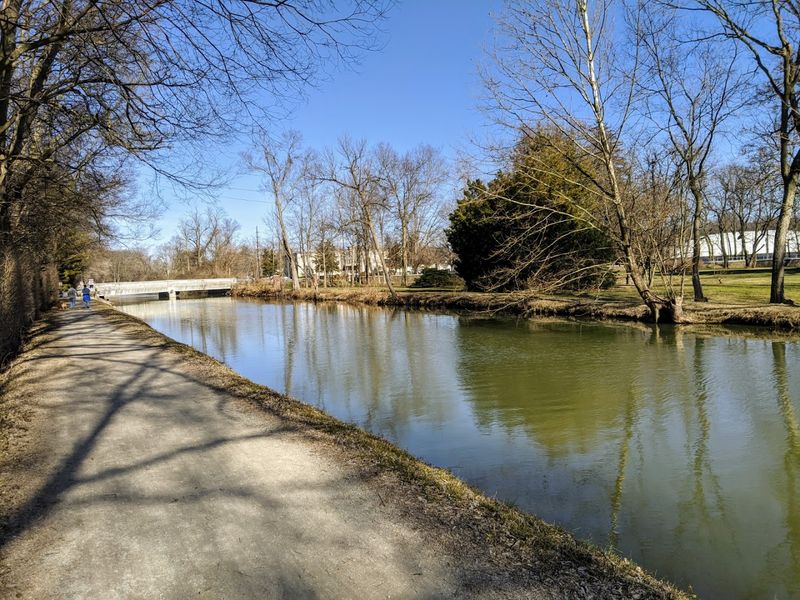
The Central Canal carries stories from the 1830s, when Indiana invested heavily in canal transportation during the nation’s canal-building boom. Engineers originally planned an extensive waterway system to connect Indianapolis with other major cities, transforming the state’s economy.
Most of those grand plans never materialized, but this section survived and evolved.
Walking the towpath today, I notice remnants of that ambitious past in the canal’s construction and layout. The waterway itself represents one of the few functional pieces of Indiana’s once-elaborate canal network.
Reading the historical markers along the path adds depth to what might otherwise seem like just another city trail.
The canal’s transformation from commercial waterway to recreational resource mirrors Indianapolis’s own evolution. What began as an economic necessity became a cultural asset, serving the community in ways those 19th-century planners never imagined.
The Indiana State Museum at 650 West Washington Street offers deeper context about the canal system’s role in state development.
History isn’t always about preserved buildings or museum exhibits. Sometimes it’s a functioning waterway that people still use and enjoy nearly two centuries after its creation.
The towpath lets you literally walk through Indiana history while getting exercise and fresh air. That combination of past and present, utility and beauty, gives the trail significance beyond its recreational value for modern residents and visitors alike.
Surprising Wildlife Encounters
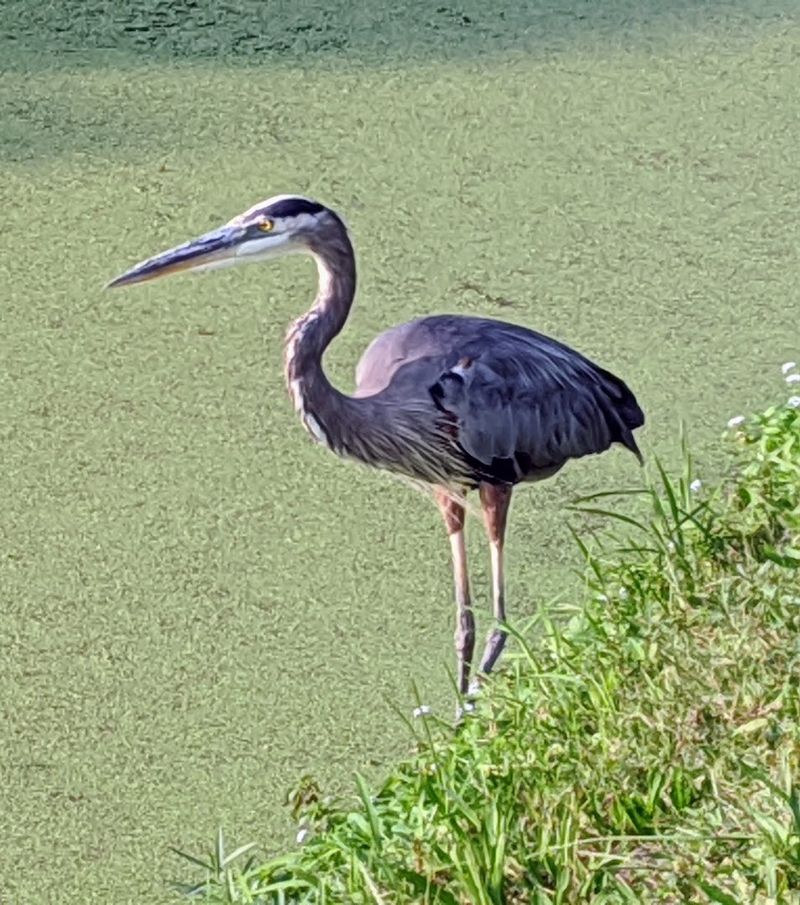
Great blue herons stand motionless in the shallow edges of the canal, looking prehistoric and utterly unbothered by passing joggers. These tall, elegant birds have claimed the waterway as their hunting ground, creating unexpected moments of natural drama far from the skyscrapers.
Watching one suddenly strike at a fish reminds you that real wilderness exists wherever water and patience meet.
Turtles claim prime sunbathing spots on half-submerged logs and concrete edges throughout the canal. Some days you’ll count dozens of them lined up like little soldiers, absorbing warmth before sliding back into the water at the slightest disturbance.
Mallard ducks paddle in groups, often with fuzzy ducklings trailing behind during spring months.
The wildlife diversity along this six-mile stretch surprises first-time visitors expecting just another city sidewalk. Squirrels, various songbirds, and occasional rabbits add to the nature experience.
I’ve even spotted hawks perched in trees overlooking the water, surveying their unusual urban hunting territory.
The Virginia B. Fairbanks Art & Nature Park extends the natural habitat beyond the immediate towpath area.
These connected green spaces create corridors that allow wildlife to move through the city more safely. These creatures don’t care about property lines or neighborhood names.
They’ve adapted to Indianapolis in ways that enrich the experience for everyone who takes time to notice them.
Multi-Use Path for Every Activity
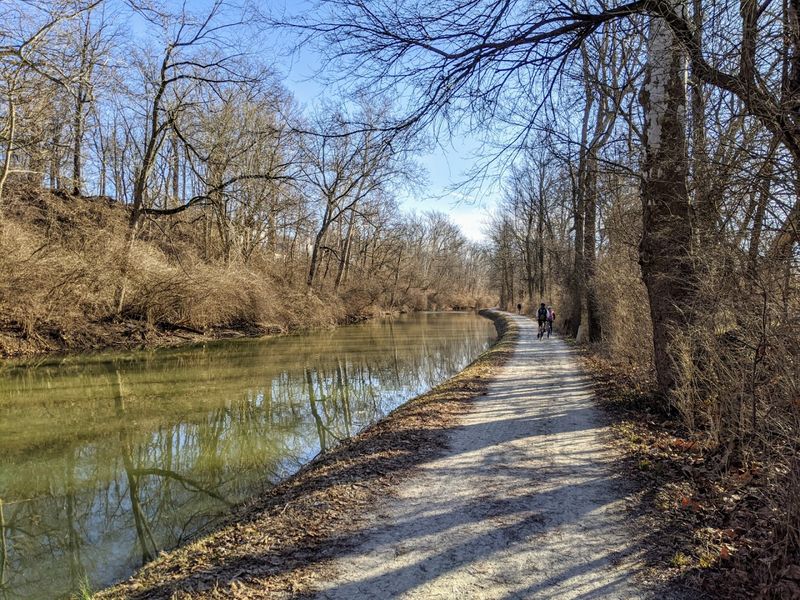
The crushed limestone surface accommodates walkers moving at contemplative speeds, joggers hitting their stride, and cyclists covering the full seven miles in minutes. Everyone shares the space with surprising cooperation, following the unofficial rules that make multi-use paths work.
Slower traffic keeps right, faster users announce their passing, and most people smile or nod as they go by.
I appreciate having options for different moods and energy levels. Some days call for a leisurely walk where you stop to watch the ducks or read historical markers.
Other times, you want to push your pace and feel your heart rate climb. The towpath handles both approaches equally well, never demanding more than you’re prepared to give.
Families with strollers, people walking dogs, and serious athletes in training gear all find their rhythm along this route. The relatively flat terrain makes it accessible for various fitness levels and abilities.
You don’t need special equipment or expensive gear, just comfortable shoes and the willingness to step outside.
Nearby parking options include spaces near the Indianapolis Museum of Art at 4000 Michigan Road, making the towpath an easy addition to other activities. The path also connects with the Monon Trail in Broad Ripple, so you can extend your journey.
Having this kind of flexible recreational space north of downtown removes most excuses for not getting outside.
Gateway to Cultural Destinations
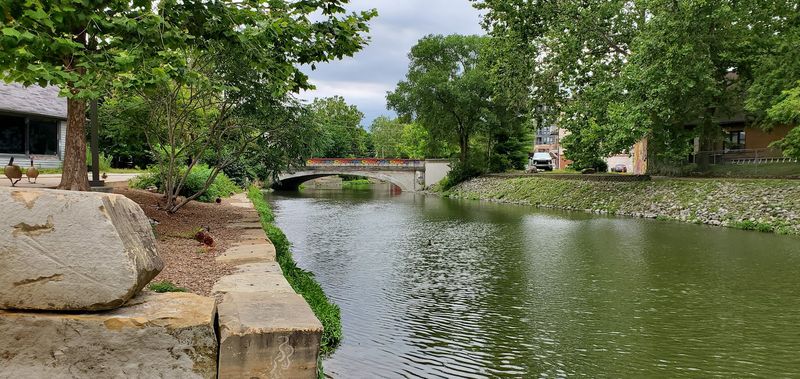
The towpath threads directly through Indianapolis’s most concentrated cultural zone, connecting world-class institutions with a pleasant natural corridor. Newfields and the Indianapolis Museum of Art sit at 4000 Michigan Road, directly bordering the canal.
You can combine a museum visit with a pre-or post-walk along the water, making the whole experience more memorable than either activity alone.
Outdoor enthusiasts find easy access to the 100 Acres Art & Nature Park and the beautiful Holcomb Gardens at Butler University. The canal path offers a scenic route to these cultural destinations rather than just navigating busy streets like 38th Street or Michigan Road.
It serves as a connector between the Broad Ripple village and the museum district.
History isn’t always about preserved buildings or museum exhibits. Sometimes it’s a functioning waterway that people still use and enjoy nearly two centuries after its creation.
The towpath lets you literally walk through Indiana history while getting exercise and fresh air. That combination of past and present, utility and beauty, gives the trail significance beyond its recreational value for modern residents.
The towpath represents a unique intersection of Indy’s identity, where academic, artistic, and natural worlds meet. By avoiding the traffic lights of the city grid, visitors experience a continuous flow that matches the water itself.
It’s a place where the community comes together, whether they are students, art lovers, or nature seekers looking for a quiet path.
Four Seasons of Changing Beauty
Spring transforms the towpath into a tunnel of fresh green leaves and blooming trees, with warmer weather drawing people out of winter hibernation. Ducklings appear on the water, and everything feels renewed and optimistic.
The longer daylight hours mean more time to enjoy the path before or after work obligations.
Summer brings full canopy coverage, with mature trees creating significant shade along most of the route. The temperature difference between the open streets and the sheltered towpath becomes noticeable on hot afternoons.
Cicadas buzz in the branches, and the canal water reflects deep blue skies. Families make regular evening walks part of their routine during these months.
Autumn might be the towpath’s most photogenic season, when trees along the canal burst into yellows, oranges, and reds. Fallen leaves carpet sections of the path, crunching satisfyingly under your feet.
The cooler air makes exercise more comfortable, and the changing scenery provides new visual interest even for people who walk the same route regularly. I find myself taking more photos during these weeks than any other time.
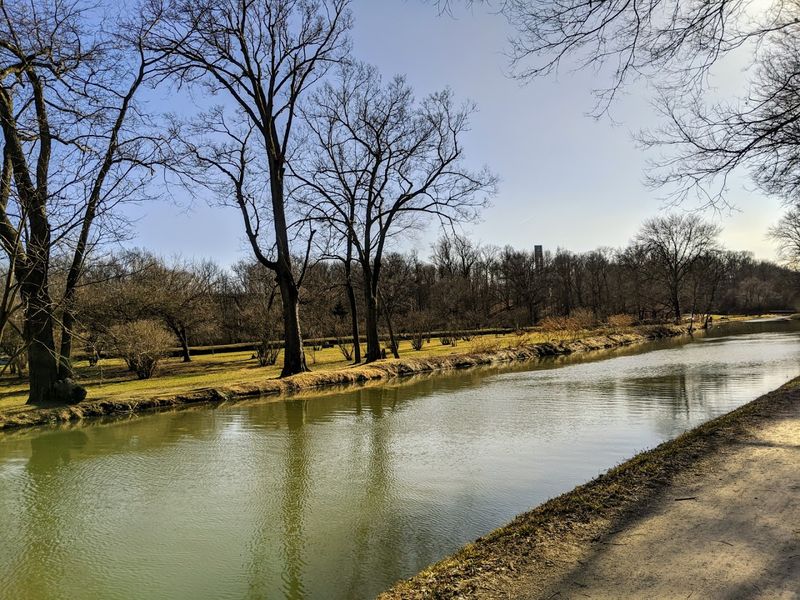
Winter strips away the foliage, revealing the towpath’s bones and offering different perspectives on familiar views. The canal sometimes freezes partially, creating interesting patterns and attracting different bird species.
Snow transforms the scene into something quietly beautiful, though ice requires more careful footing. Each season brings its own character to this five-mile stretch.
Community Connection Without the Crowds
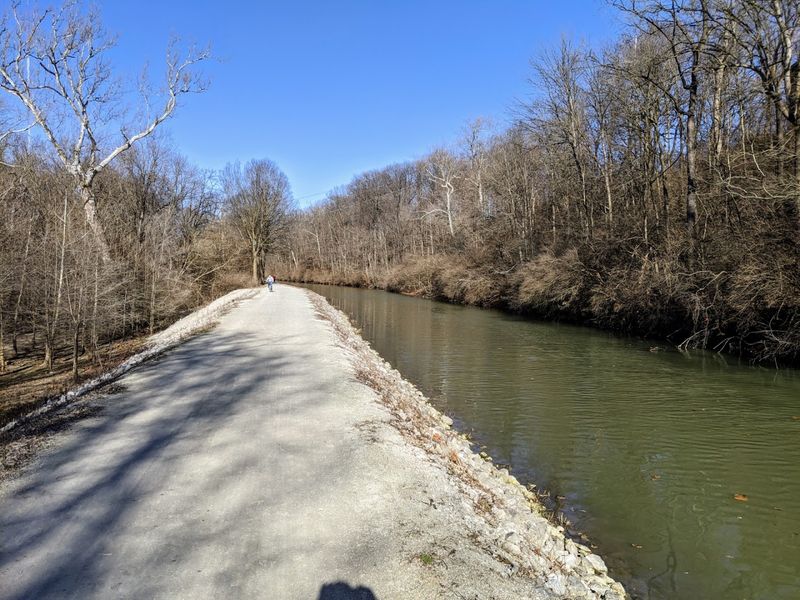
Regular users of the towpath develop a sense of belonging to a casual community of fellow walkers, joggers, and cyclists. You start recognizing the same faces during your usual time slots, exchanging nods or brief greetings without the obligation of extended conversation.
It’s the perfect level of social connection for people who want to feel part of something without formal commitments.
Unlike some popular trails that become frustratingly congested, the Central Canal Towpath maintains a balanced user experience most of the time. You’ll encounter other people, but rarely so many that you can’t find your own space and pace.
The five-mile length helps distribute traffic naturally, preventing the bottleneck effect that ruins some shorter urban paths.
Local running clubs sometimes use portions of the towpath for group workouts, and informal walking groups form among neighbors who discover their shared appreciation for this space. The trail creates opportunities for connection without requiring them.
You can enjoy complete solitude during off-peak hours or embrace the gentle energy of other users during busier times.
Broad Ripple Village at the northern sections near the canal offers nearby shops and cafes, though the towpath itself remains focused on the outdoor experience. I value having this kind of community resource that asks nothing of you except to show up and move.
It’s inclusive without trying to be, accessible without gatekeeping, and valuable without commercialization. That’s increasingly rare in modern urban environments.
