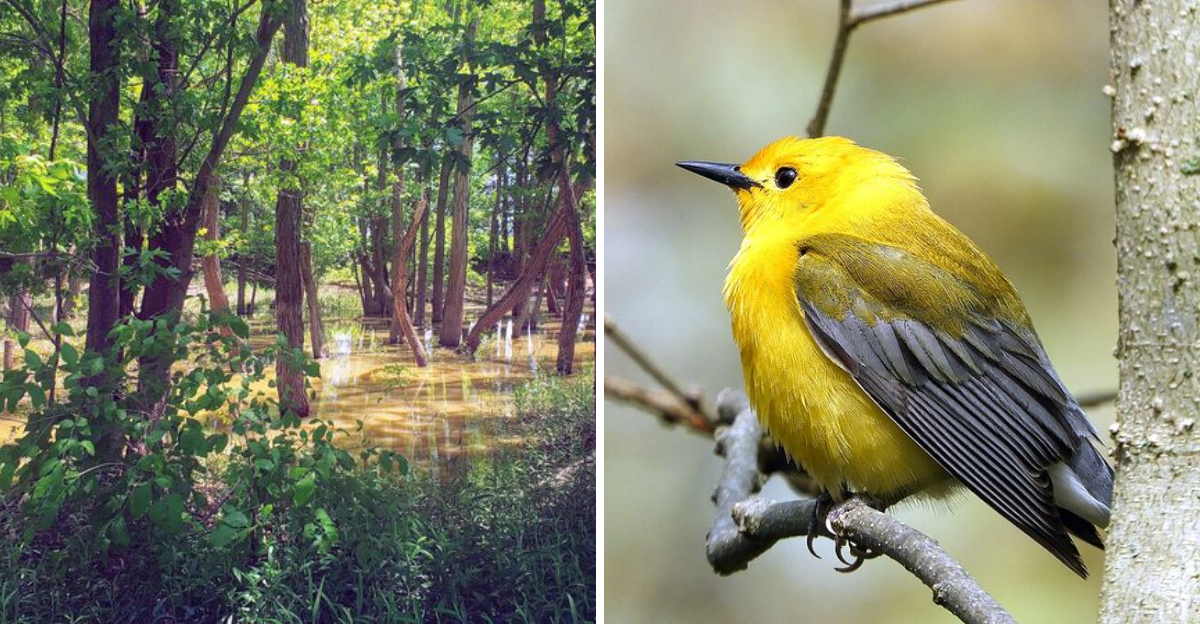
I grew up hearing stories about Indiana’s vanishing wetlands, those swamp forests that once covered huge stretches of the state before most of them were drained for farmland and development. Finding a place where you can still step into that lost landscape feels like uncovering something quietly preserved against time.
This restored historic site in northeastern Indiana brings that world back in a simple but powerful way. Wooden boardwalks lead through revived wetlands where birds move through cattails and still water reflects the sky, while tall trees stand like reminders of what once existed across much of the region.
It’s more than just the landscape, too. A preserved cabin on site adds another layer, sharing the story of the writer and naturalist who worked to protect this place.
Together, it creates a living glimpse of Indiana’s natural past and what remains when it’s carefully protected.
Elevated Boardwalk Trails Wind Through Reclaimed Swamp Territory
Wooden planks stretch across the wetland in a gentle curve, keeping your feet dry while immersing you in habitat that nearly vanished from Indiana forever. The boardwalk system at Limberlost lets you walk right into the heart of a restored swamp without getting muddy boots or disturbing the delicate ecosystem below.
Water reflects the sky between stands of cattails that grow taller than your head. Frogs call from hidden spots along the trail.
The boards creak softly underfoot, a rhythmic sound that becomes part of the natural symphony around you.
Gene Stratton-Porter photographed and wrote about this landscape when thousands of acres still existed. Now only fragments remain, making these trails even more precious.
You’re walking through what she fought to preserve, experiencing the wildness that inspired her best-selling novels and nature photography.
The trails stay open year-round during site hours, offering different perspectives with each season. Spring brings migrating waterfowl and chorus frogs singing in massive numbers.
Summer explodes with dragonflies and blooming aquatic plants. Fall transforms the marsh into gold and russet tones.
Winter reveals the bones of the landscape, tracks in snow showing which creatures stayed active.
Kids love the adventure of walking above the water, spotting turtles sunning themselves and identifying bird calls. The accessible design means almost anyone can experience this unique Indiana habitat.
Plan to spend at least 30 minutes just on the trails, though I usually linger much longer watching for wildlife movement.
Prothonotary Warblers and Other Rare Species Nest in the Wetland Margins
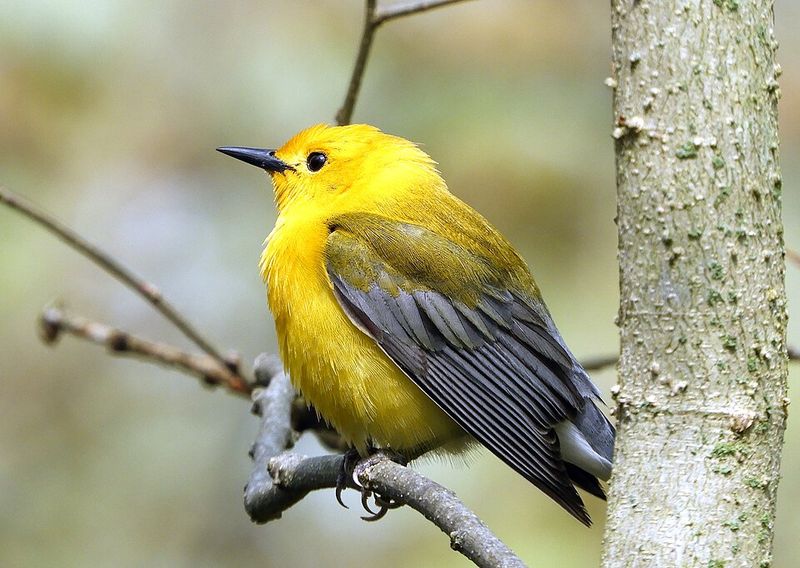
A flash of brilliant yellow catches your eye, brighter than any goldfinch. That’s likely a prothonotary warbler, one of the stunning species that breeds in these wetland forests.
These tropical-looking birds prefer swampy habitats with standing water, exactly what Limberlost provides.
Serious birders mark this location on their Indiana checklists because the restored habitat attracts species rarely seen elsewhere in the region. The warbler’s golden plumage seems to glow against dark water and green leaves.
Males sing persistently during breeding season, a loud sweet-sweet-sweet that carries across the marsh.
Great blue herons stalk through shallow areas, freezing mid-step to watch for fish movement. Green herons, smaller and more secretive, hunt from low branches.
Belted kingfishers rattle overhead before diving with precision accuracy. Wood ducks nest in tree cavities, their stunning colors reflected in still pools.
Bring binoculars and a field guide, or download a birding app before you arrive. Early morning offers the best viewing opportunities when birds actively feed and sing.
Late afternoon brings a second surge of activity as temperatures cool.
The wetland restoration has created ideal conditions for species that were disappearing from Indiana. Each visit might reveal something new, a migrating species passing through or a rare resident you’ve never spotted before.
Seasonal changes bring different birds, making repeat visits worthwhile throughout the year. Keep voices low and movements slow for the best chance at close observations.
Gene Stratton-Porter’s Handcrafted Log Cabin Stands as Pioneer Architecture
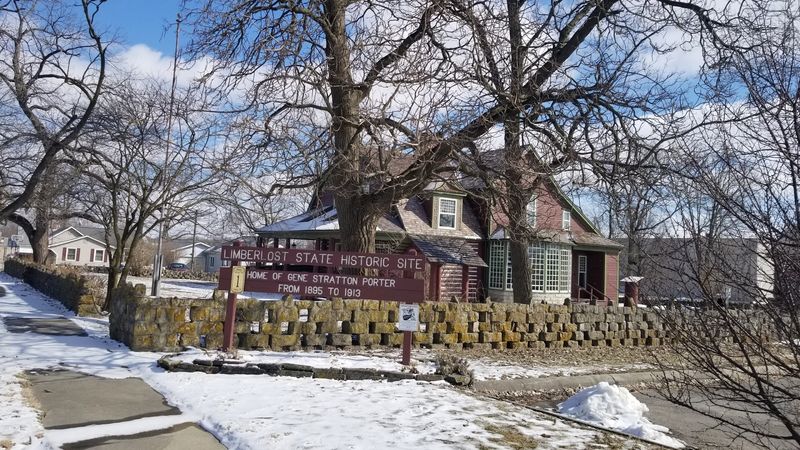
The cabin sits at 200 E 6th St in Geneva, preserved almost exactly as she knew it. After touring the historic rooms, many visitors head to local favorites like Jinny’s Café at 305 N Hendricks St in Bryant for home-cooked meals and local treats, continuing the small-town immersion.
Tour guides share stories about her determination to build exactly what she wanted despite social expectations for women at the time. She supervised construction workers, selected materials, and incorporated innovations like large windows for natural light and photography.
The cabin’s design maximized views of the surrounding swamp she studied obsessively.
Guided tours run regularly Tuesday through Sunday when the site is open from 10am to 5pm. Tours last about 45 minutes and reveal how she balanced commercial success with environmental advocacy.
Her books sold millions of copies worldwide, funding her conservation work and allowing her to purchase threatened wetland areas.
The cabin’s location in Geneva makes it easy to explore other local natural areas like the Loblolly Marsh Nature Preserve, which sits just a few miles south of the historic home. This proximity allows visitors to see the inspiration and the restoration in a single afternoon.
Witnessing the physical house alongside the wild landscape provides a complete picture of her legacy as both an artist and a fierce protector of Indiana’s wilderness.
Swamp Restoration Project Brings Back Vanished Indiana Ecosystems
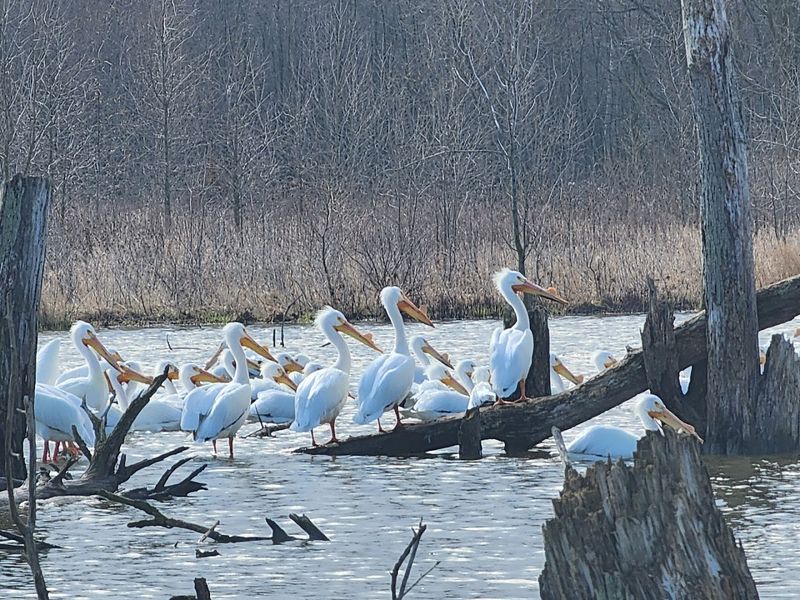
Over 13,000 acres of wetland once covered this region, creating one of the largest freshwater swamps in the eastern United States. By 1920, agricultural drainage had eliminated more than 90 percent of it.
What you see at Limberlost represents decades of careful restoration work, bringing back plant communities and water levels that support the original biodiversity.
Native species return naturally once conditions improve. Buttonbush blooms attract pollinators.
Swamp white oak and pin oak provide mast for wildlife. Sedges and rushes stabilize shorelines while filtering water.
Each plant plays specific roles in the wetland food web.
The restoration process involved studying historical photographs, including many Gene Stratton-Porter took documenting the original swamp. Scientists used her detailed nature writing as baseline data, comparing species lists she recorded to current surveys.
Her work as a naturalist continues guiding conservation a century later.
Educational signage along the trails explains restoration techniques and ecological relationships. You can see the progression from disturbed areas to established wetland, understanding the patience required for environmental recovery.
Some sections matured quickly while others took years to stabilize.
This work connects to broader efforts across Indiana to restore wetland habitats. Several organizations, including the Indiana Department of Natural Resources, collaborate on the project, sharing expertise and resources.
Success here inspires similar initiatives elsewhere, proving that even heavily altered landscapes can recover with proper management. Students from nearby schools participate in monitoring programs, collecting data that tracks improvement over time and learning conservation principles through hands-on fieldwork.
Photography Opportunities Capture Both Wildlife and Historic Architecture
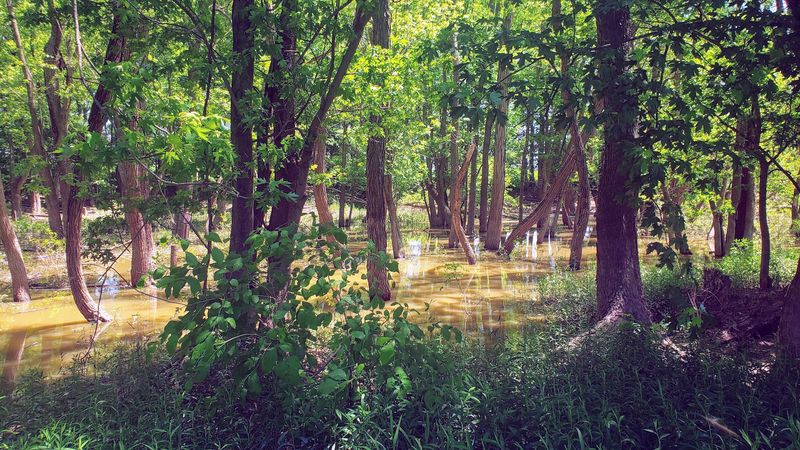
Gene Stratton-Porter pioneered nature photography when it required hauling heavy glass plates through swamps and waiting motionless in crude blinds for hours. Her photographs illustrated her articles and books, introducing readers nationwide to Indiana wetlands.
That legacy continues as photographers today capture the same species she documented over a century ago.
The boardwalk provides stable platforms for setting up tripods and getting low angles on water reflections. Morning light bathes the marsh in warm tones perfect for dramatic images.
Late afternoon creates long shadows and golden hour magic. Overcast days work beautifully for detail shots, eliminating harsh contrasts.
Wildlife photography requires patience and respect for the animals. A good zoom lens helps capture birds without disturbing nests or feeding behavior.
Dragonflies perch cooperatively on boardwalk railings, offering close-up opportunities. Turtles sun on logs, frogs cling to vegetation, and butterflies visit wildflowers throughout warmer months.
The historic cabin photographs wonderfully from multiple angles. Rustic logs and hand-split shingles create texture-rich compositions.
Interior tours allow photography of artifacts and period furnishings, though flash may be restricted to protect light-sensitive materials.
Seasonal changes mean completely different photographic subjects each visit. Ice formations in winter.
Spring wildflowers. Summer dragonflies.
Fall foliage reflected in dark water. Serious photographers return repeatedly, building portfolios that document the site through all conditions.
Share images using site hashtags to contribute to the visual record and inspire future visitors to explore this remarkable location.
Educational Programs Teach Natural History Through Hands-On Discovery
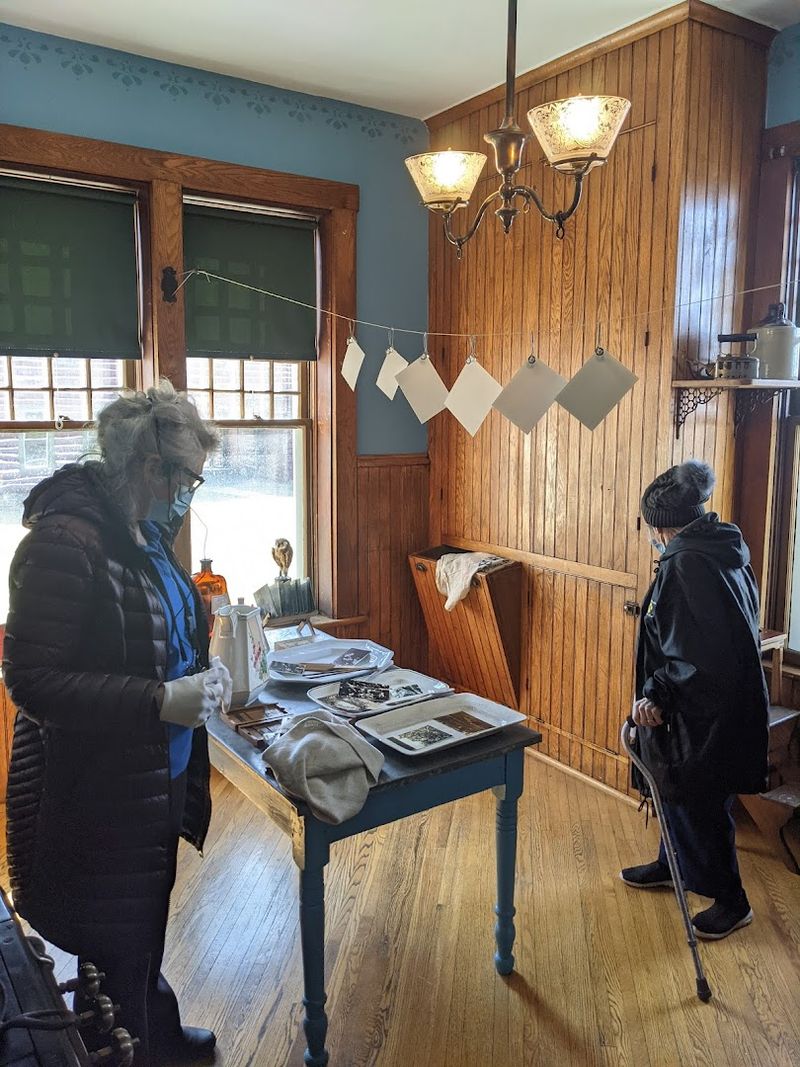
Naturalists on staff create interactive experiences that bring wetland ecology to life for all ages. Touch tables feature preserved specimens, teaching what different animal furs feel like and how to identify bird eggs safely.
These hands-on elements transform abstract concepts into tangible understanding, especially valuable for younger learners who need concrete experiences.
Field trip programs serve schools throughout northeastern Indiana, customizing lessons to match curriculum standards. Students might practice observation skills, collect data on plant communities, or learn about adaptation through examining preserved specimens.
Many programs happen outdoors when weather permits, putting kids directly into the habitat they’re studying.
Homeschool groups schedule special programming tailored to their needs. The site offers resources for families teaching at home, providing structured lessons plus the flexibility to explore at individual paces.
Parents appreciate the combination of academic content and authentic outdoor experience.
Special events throughout the year focus on specific topics like bird migration, native plant identification, or historical crafts from Gene Stratton-Porter’s era. These events often include guest speakers or specialized workshops.
Check the website or call (260) 368-7428 for current scheduling.
Tour guides adapt presentations based on audience age and interest levels, making each visit unique. They recite passages from Gene Stratton-Porter’s novels that describe specific locations around the property, connecting literature to landscape.
Kids often leave fascinated enough to read her books, discovering stories that inspired generations of young naturalists. Adults learn things they never knew about Indiana’s natural heritage and one remarkable woman who fought to preserve it.
Natural History Exhibits Preserve Artifacts from Indiana’s Conservation Pioneer
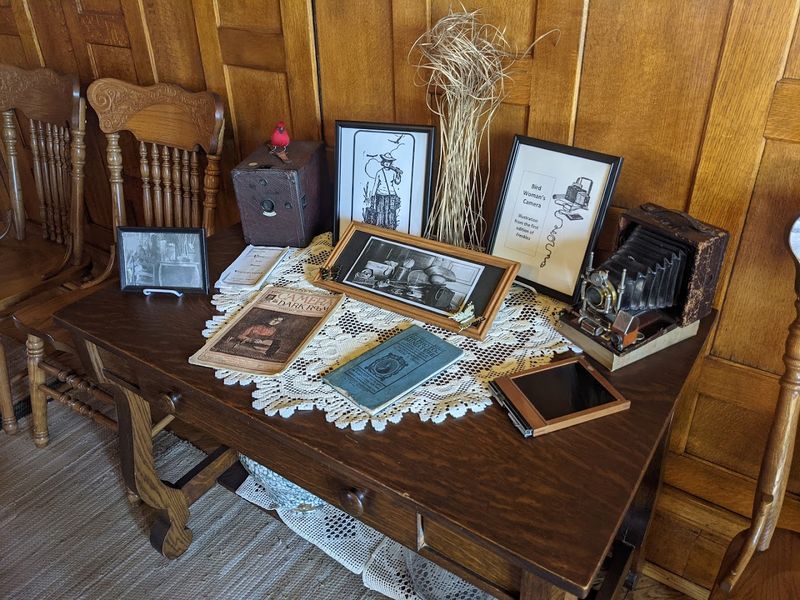
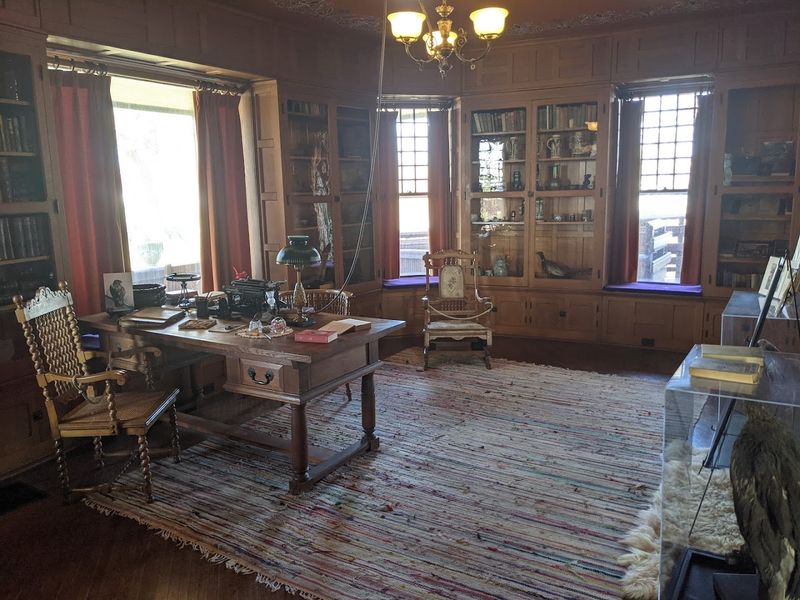
Glass cases protect original cameras Gene Stratton-Porter used to document wildlife, massive contraptions requiring tripods and black cloths and perfectly still subjects. Photography manuals she studied sit nearby, pages marked where she learned techniques.
Seeing her actual equipment helps you understand the physical difficulty of her work, lugging fragile glass plates through muddy terrain.
Her published books fill shelves, editions from around the world proving her international fame. Freckles, A Girl of the Limberlost, and The Harvester sold millions of copies, translated into multiple languages.
Revenue from these bestsellers funded her conservation purchases, buying threatened wetland parcels to prevent drainage. She was essentially Indiana’s first conservation philanthropist, though few people today know that part of her story.
Original paintings and sketches show her artistic talent extended beyond photography. Detailed botanical illustrations demonstrate her precise observation skills.
She painted what she studied, creating scientifically accurate work with artistic beauty. Museums and collectors across the country hold her artwork, but seeing pieces here in context adds special meaning.
Personal items reveal the human behind the accomplishments, objects she touched and used daily. Reading her handwritten notes and letters makes her feel less like a historical figure and more like someone you might have known.
The exhibits balance her public achievements with intimate glimpses of her private life.
After exploring the exhibits, visitors often drive to Gene Stratton-Porter State Historic Site at 1205 Pleasant Point in Rome City, her later home called Wildflower Woods, creating a complete picture of her life and legacy across two preserved properties.
